


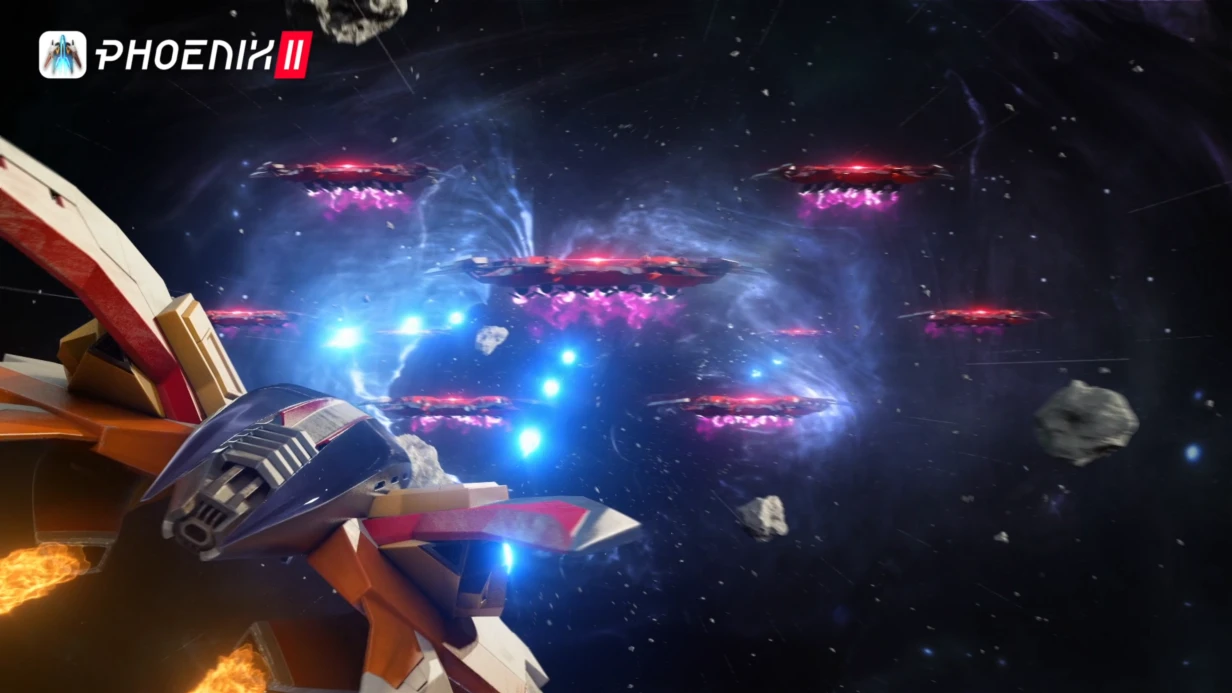
חישבו על זה: כשצוות של 5 אמנים מתחיל ליצור נכסים ללא עקרונות אחידים, הסגנון הגרפי מתפרק תוך חודש. כל אמן מצייר בסגנון משלו, ומגבלות טכניות צצות כבר בבנייה הראשונה. אנחנו פותרים את הבעיה הזו מראש — אנו מפתחים אסטרטגיית ויז'ואל שמגדירה כיצד המשחק ייראה בכל השלבים: מהאב-טיפוס הראשון ועד ההשקה. זה לא על ציור דמות אחת, אלא על המערכת: אילו עקרונות מנחים את כל ההחלטות הוויזואליות, איך הם מתקפלים כשהצוות גדל, ומה עושים כשהארט דירקטור לא זמין.
הנתונים שלנו מראים שיישום מבנה מפחית עבודה חוזרת ב-50–70% ומאיץ את קליטת חברי צוות חדשים פי 2. עם ניסיון של למעלה מ-5 שנים ו-20+ פרויקטים שהושלמו, אנו מבטיחים גישה ממושמעת. אסטרטגיית גרפיקה מוגדרת היטב יעילה פי 3 מיצירת נכסים אד-הוק, וחותכת תיקונים בעד 75%. לדוגמה, פרויקט בגודל בינוני חוסך $100,000 בעבודה חוזרת על ידי השקעה של $5,000–$30,000 באסטרטגיית ויז'ואל מראש.
במה אסטרטגיית ויז'ואל שונה ממדריך סגנון
מדריך סגנון הוא חלק מהאסטרטגיה, אבל לא כל האסטרטגיה. ההנחיות מתארות כללים לסגנון שכבר אומץ. האסטרטגיה עונה על שאלות מוקדם יותר: איזה סגנון לבחור ולמה, איך הוא קשור לז'אנר ולקהל היעד, איך הוא מתקפל כשהצוות גדל, היכן עובר הגבול בין דפורמציה סגנונית לשגיאת אמן.
דוגמה קונקרטית: למשחק match-3 למובייל, הבחירה בין גישה ריאליסטית לסטייליזציה היא לא עניין של טעם אלא של אנליטיקה. הסטייליזציה של אומנות מצוירת ביד זולה יותר להפקה, עובדת טוב יותר על מסכים קטנים, וקלה יותר לאנימציה באמצעות דפורמציה של SpriteMesh. אומנות ריאליסטית יקרה יותר, דורשת מערכת LOD אפילו לאלמנטים של ממשק משתמש, אבל ממירה דמוגרפיה מסוימת טוב יותר. התוכנית הוויזואלית כוללת את הניתוח הזה עם טיעונים ספציפיים.
| היבט | סטייליזציה | ריאליזם |
|---|---|---|
| תקציב הפקה | נמוך (ציור יד + טקסטורות פרוצדורליות) | גבוה (טקסטורות HD, חומרים סרוקים, PBR) |
| ביצועים | פחות פוליגונים, שיידרים פשוטים, דרישות זיכרון נמוכות | דרישות GPU גבוהות, זיכרון טקסטורות, ביצועים קריטיים |
| מדרגיות | קלה: הסגנון סולח על סטיות | קשה: דורש תהליכים מכוילים וארט דירקטור |
| המרה (דמוגרפיה) | קהל רחב (MOBA, match-3) | צר אבל משלם (אקשן, RPG) |
למה אסטרטגיית ויז'ואל קריטית לפרויקט
ללא אסטרטגיה, כל נכס חדש הוא סיכון. אם אומנות הסביבה משתמשת בצבעים רוויים ודמויות בצבעים עמומים, הסצנה הופכת לבלתי קריאה. העקרונות שלנו לוכדים החלטות כאלה: קריאות צללית חשובה יותר מפרטי שטח; לכל מקורות האור בעולם חייב להיות מקור נראה לעין; אומנות הסביבה אסור שתשתמש בצבעים רוויים לחלוטין — רק דמויות יכולות. מהתזות האלה נובעות החלטות טכניות ספציפיות.
איך האסטרטגיה משפיעה על התקציב הטכני של העיבוד
הבחירה בצינור עיבוד (Unity URP, Unreal Engine HDRP) ובגישת תאורה (אפויה, משולבת, בזמן אמת) משפיעה ישירות על תקציב ה-FPS, קריאות draw calls ונפח הנתונים. לפי התיעוד הרשמי של Unity, URP מותאם לפלטפורמות מובייל, בעוד HDRP דורש GPU חזק. אנו מבטיחים שהאסטרטגיה מתחשבת בפלטפורמות היעד: למובייל — מינימום אורות בזמן אמת, חיתוך אוקלוזיה אגרסיבי; לקונסולות — HDRP עם ביצועים דינמיים ו-LOD crossfade.
דוגמה מעשית
לפרויקט אינדי אחד, בחרנו בסגנון סטייליזציה עם Unity URP. צוות של 4 אמנים השיג אומנות עקבית תוך 3 שבועות, וה-FPS במובייל נשאר יציב על 30 fps. ללא האסטרטגיה, הבנייה הראשונית צנחה ל-15 fps בגלל שיידרים לא מותאמים וחוסר LOD.מה כוללת העבודה: תוצרים
- ניתוח שוק וז'אנר עם פירוט פתרונות מתחרים.
- ביקורת נכסים קיימים (אם יש) עם מפת פערים.
- ניסוח של 3–5 עקרונות ויזואליים (למשל, "קריאות צללית חשובה יותר מפרטים", "לכל מקורות האור יש מקור נראה לעין").
- אסטרטגיית אומנות טכנית: בחירת צינור עיבוד, אסטרטגיית LOD, תקציבי batch ו-draw call, דרישות שיידרים והנחיות אופטימיזציה לגרפיקה.
- מפת דרכים להפקה עם ציון נכסי "פיילוט" וסדר דיסציפלינות.
- עץ החלטות למצבים טיפוסיים: מה לעשות אם נכס חדש לא מתאים לפלטה.
- תיעוד סופי לצוות (ניתן לשילוב ב-wiki של הפרויקט).
- תמיכה לאחר השקה: ייעוץ להרחבה או החלפת קבלנים.
- גישה ל-mood board משותף ומאגר נכסים למשך 12 חודשים.
- הדרכה לצוות האומנות (עד שעתיים).
איך אנחנו מפתחים את האסטרטגיה: שלבים
- אנליטיקה. אנו חוקרים מתחרים, קהל יעד, מגבלות פלטפורמה. אנו אוספים mood board ויזואלי.
- ביקורת. אם הפרויקט כבר בעיצומו, אנו מעריכים עקביות נכסים, מגבלות טכניות והקפדה על סגנון.
- ניסוח עקרונות. אנו רושמים 3–5 תזות שמהן נובעות כל ההחלטות הבאות.
- עיצוב טכני. אנו בוחרים צינור עיבוד, גישת תאורה, אסטרטגיית LOD ומאשרים תקציבים.
- מפת דרכים. אנו קובעים אילו נכסים נעשים ראשונים (פיילוטים לסגנון) ואת הסדר לקליטת אמנים.
- תיעוד. אנו מרכיבים עץ החלטות ומדריך סגנון, ומעבירים אותם לצוות.
השלכות אופייניות של היעדר אסטרטגיה
| בעיה | השלכה |
|---|---|
| סגנונות אמנים שונים | עבודה חוזרת על עד 70% מהנכסים במהלך ההרכבה |
| אין LOD | ירידת FPS מתחת ל-30 במכשירי מובייל |
| שיידרים חלשים | ארטיפקטים וביצועים נמוכים מהצפוי |
| פלטה לא עקבית | סצנה בלתי קריאה ויזואלית |
מתי יש צורך באסטרטגיית ויז'ואל
המסמך רלוונטי בכמה נקודות בפרויקט: תחילת פרויקט (אין טעם ליצור מאות נכסים בלעדיו), שינוי כיוון אומנותי, הרחבת צוות מ-3 ל-15+ אמנים, מעבר למיקור חוץ, או שינוי סגנון לאחר פלייטests. בכל מקרה, היעדר אסטרטגיה עולה בשבועות ספציפיים של עבודה חוזרת. לדוגמה, עבודה חוזרת על 70% מהנכסים בפרויקט בגודל בינוני יכולה לעלות מעל $100,000, בעוד אסטרטגיית ויז'ואל עולה $5,000–$30,000. ב-90% מהמקרים, צוותים שמשקיעים באסטרטגיה נמנעים מחריגות תקציב.
לוחות זמנים לפיתוח המסמך: משבועיים לפרויקט אינדי עם צוות קטן ועד 2–3 חודשים לפרויקט גדול. העלות נקבעת לאחר ניתוח היקף הפרויקט והרכב הצוות. השוו: אסטרטגיה עולה עד פי 5 פחות מעבודה חוזרת על 70% מהנכסים באמצע ההפקה. צוותים שמשתמשים באסטרטגיית ויז'ואל משלימים נכסי פיילוט פי 2 מהר יותר מאלה שבלעדיה.
לאורך פיתוח המשחק, האסטרטגיה מבטיחה עקביות. צרו קשר כדי לדון בפרויקט שלכם. קבלו ייעוץ על אסטרטגיית ויז'ואל — מחירה אינו דומה לתקציב העבודה החוזרת.