


קונספט ארט של ממשקים: למה שחקנים עוזבים אחרי המסך הראשון
השחקן מוריד את הפרויקט, מחכה לרושם חזק — ונתקל במסך הראשון. הכפתורים מפוזרים, מדריך המשחק לא ברור, התפריט נראה זר. בדקות האלה עוזבת חלק ניכר מהמתחילים, מבלי לראות את מה שהשקעתם בתהליך המשחק.
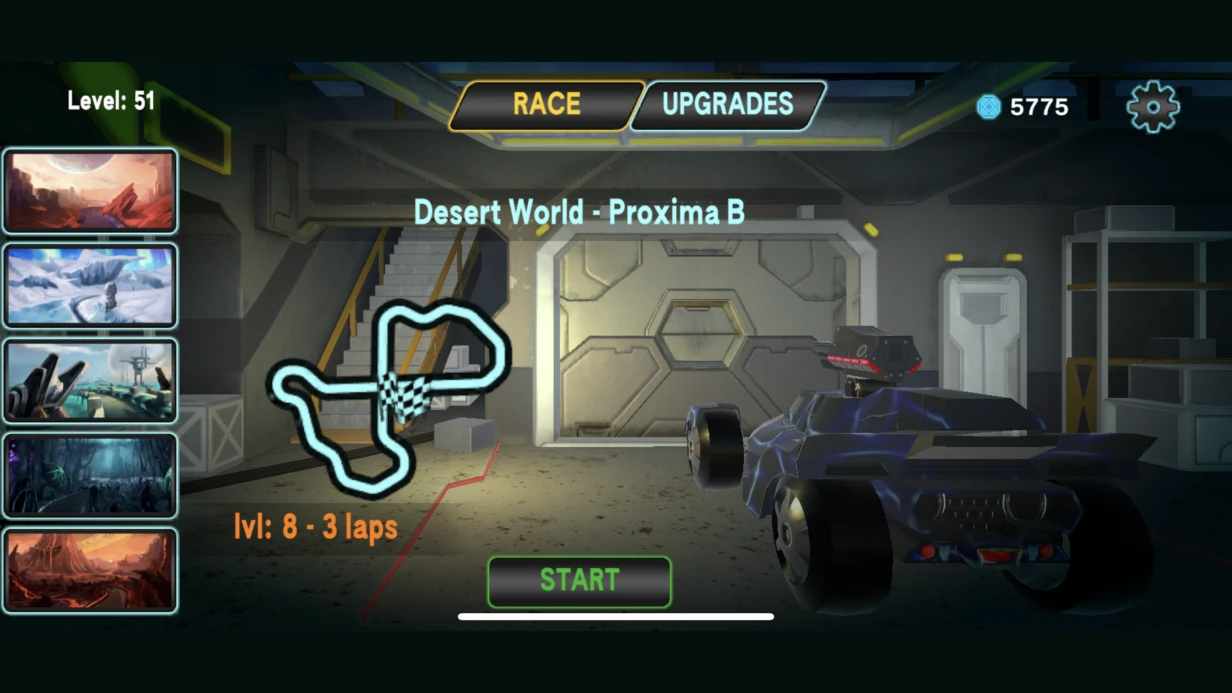
נשירה של שחקנים חדשים מתחילה לרוב לא במשחק עצמו, אלא לפניו — במסך הפתיחה ובתפריט. הגרפיקה של ממשק המשחק היא הדבר הראשון שאדם רואה, והיא או מובילה אותו ביד, או מציבה מחסום. עיצוב תפריט המשחק מעצב ציפייה לאיכות עוד לפני שהשחקן עושה את הצעד הראשון — ולפיו הוא מחליט אם כדאי להישאר.
קונספט ארט של ממשקים מסיר את הסיכונים האלה בשלב הפיתוח, ולא אחרי ההשקה. אנחנו בודקים אם המסלול של השחקן החדש אל הפעולה המרכזית ברור, אם האלמנטים קריאים במסכים שונים, ואם משמעות הכפתורים אובדת במבט ראשון.
מסך פתיחה חלש הופך לברור וניתן לניהול — בלי עיבודים מחדש לקראת סוף הפרויקט ובלי ויכוחים בשלב ההרכבה הסופי.
אנחנו מטפלים בזה: מהסקיצה הראשונה ועד לסט מסכים מאושר ששומר על השחקן מהדקה הראשונה. מאחורי הצוות שלנו עומדים פרויקטי משחקים בז'אנרים שונים, ובכל אחד אנחנו נשענים על ההתנהגות של קהל אמיתי, ולא על הטעם של המפתח. ספרו לנו על המשחק שלכם ועל מי שאתם מצפים לראות בו — נחזור עם הערכה ותוכנית עבודה לממשקים.
מה מקבל הסטודיו כשהממשק מתוכנן מראש
דימוי אחיד של הפרויקט — היתרון הראשון והבולט ביותר. כאשר המראה של התפריט, המסכים והרמזים מתוכנן יחד עם קונספט ארט, השחקן רואה מהדקות הראשונות עולם אחיד, ולא אוסף של חלונות מגוונים. מכאן נבנית תחושת איכות: פרויקט כזה מתוחזק, סומכים עליו, ומספרים עליו לחברים.
התוצאה השנייה — מיתוג מוכר של המשחק. אלמנטים חוזרים בממשק, סגנון האייקונים והמסגרות, והגשה אחידה של טקסט עובדים ככרטיס ביקור: השחקן מזהה את המשחק שלכם לפי מסך אחד — באוסף, בהקלטת משחק או בחנות האפליקציות. דימוי כזה חי יותר ממשחק אחד ועובר להמשכים ולחומרים פרסומיים.
השלישי — מסלול ברור של השחקן. גרפיקת קונספט מתוכננת של ממשקים עונה מראש היכן ללחוץ ומה יקרה: איפה ההתחלה, איפה ההגדרות, איפה הקנייה, איפה הרמז. ככל שהשחקן חושב פחות על כפתורים, כך הוא משחק יותר — וכך גבוה יותר השימור במפגשים הראשונים, שבהם בדרך כלל הולך לאיבוד עיקר הקהל.
הרביעי והחשוב ביותר לסטודיו — פחות עיבודים מחדש. ההחלטות על הקומפוזיציה והלוגיקה של המסכים מתקבלות בשלב הסקיצות, כשתיקון לוקח שעות, ולא שבועות. מחלקת הארט והפיתוח הולכים בכיוון מאושר אחד, ההשקה עוברת בשקט רב יותר, ושאלות שנויות במחלוקת נסגרות לפני שהן הופכות לצוואר בקבוק.
פורמטים של קונספט ארט לממשקים בהתאם למשימת הפרויקט
הסגנון של הממשק קובע אם השחקן יתפוס את המשחק בדקות הראשונות ואם יישאר בו בהמשך. אנחנו יוצרים קונספט ארט לממשקים בהיקפים שונים — מכמה מסכים מרכזיים ועד ספרייה מלאה לכל הפרויקט.
את הפורמט אנחנו מתאימים להיקף המשימה: ככל שההפקה ארוכה יותר, כך חשוב יותר שמסכים חדשים ייבנו לפי כללים מוכנים, ולא יצוירו מחדש.
איזה פורמט מתאים לאיזו משימה
| פורמט | למי מתאים | מה נותן ללקוח |
|---|---|---|
| סט מסכים למשחק מובייל | צוות קטן, השקה מהירה | השחקן שולט בתפריט בלי רמזים, פחות נשירה בהתחלה |
| ספריית רכיבים וכללים | פרויקט גדול עם הפקה ארוכה | סגנון ממשק אחיד, מסכים חדשים נוספים בלי אמן |
| חיפושים סגנוניים, 2–3 כיוונים | אב טיפוס, שלב בחירת השפה החזותית | ההחלטה על הסגנון מתקבלת לפני השקעות בהפקה |
| מסכי משחק מרכזיים | צוות מוצר, עבודה על מדדים | חנות, התקדמות וממשק קרב ברורים — המרה ותשואות גבוהות יותר |
| התאמה למכשירים | הכנה להשקה ולהוצאה בפלטפורמות חדשות | הממשק נראה צפוי בטלפון, בטאבלט ובמסך גדול |
אפשר להתחיל מהפורמט שסוגר את המשימה הקרובה — השאר מתווסף במהלך הפרויקט, בלי לעבוד מחדש על סגנון שכבר אושר.
איך מתנהלת העבודה על גרפיקת קונספט: שלבי הפרויקט
הפרויקט מחולק לשלבים ברורים עם נקודות בקרה: בכל אחד אתם רואים מה נעשה, מאשרים את התוצאה, ורק אחר כך ממשיכים הלאה. כך קונספט ארט של ממשקים לא הופך להתכתבות ארוכה, והצוות לא מצייר "למגירה" דברים שיהיה צריך לעבוד עליהם מחדש.
שלבי פיתוח קונספט ארט
- תדריך וניתוח המשימה. דנים בז'אנר, בקהל, בפלטפורמות ובאווירה של המשחק. מתעדים אילו מסכים ומצבי ממשק נדרשים קודם כל — מהתפריט הראשי ועד מסך הקרב.
- תוכנית ורפרנסים. אוספים את הכיוון החזותי: אווירה, צבע, סגנון, דוגמאות שמוצאות חן בעיניכם ובעיני השחקנים שלכם. מתאמים את היקף העבודה ואת סדר ציור המסכים.
- אישור גרפיקת הקונספט. מציגים את הסקיצות הראשונות ואת האלמנטים המרכזיים. כאן הכי טוב לתפוס פערים בטעם — לשנות כיוון בשלב הזה מהיר וללא עיבוד מחדש.
- ציור ותיקונים בקונספט ארט. מכינים קונספטים סופיים של מסכים, אייקונים, מצבי כפתורים ורמזים. תיקונים מבצעים לפי רשימת הבקשות שלכם, תוך שמירה על סגנון אחיד לכל האלמנטים.
- אישור סופי. משווים את התוצאה לתדריך: האם כל המסכים במקומם, האם הממשק קריא, האם הוא ברור לשחקן חדש. אתם מקבלים את העבודה או שאנחנו מחזירים לתיקון.
- מסירת מוקאפים. מוסרים את הקונספטים בצורה מובנית, נוחה לאמנים ולמפתחים — עם הסברים לגבי צבעים, גדלים והתנהגות של אלמנטים.
- תמיכה לאחר המסירה. נשארים בקשר: עוזרים כשהצוות מתחיל להרכיב את הממשק במשחק, ומציירים מסכים חדשים שנוספו באותו סגנון.
סדר כזה חוסך זמן לצוות שלכם: אתם מתחברים בארבע נקודות בקרה קצרות במקום אין-ספור הבהרות במהלך הדרך.
מה ייכלל במסירה ומה לעשות עם זה בהמשך
קונספט ארט של ממשקים הוא לא סט תמונות "לראות", אלא ערכה עובדת שאיתה הצוות מתחיל מיד להרכיב את המשחק. לכן במסירה נכלל לא רק הוויזואל, אלא כל מה שצריך כדי ליישם אותו בלעדינו.
- קונספטים של מסכים מרכזיים: תפריט ראשי, מסך משחק, חנות, הגדרות — בכמה וריאציות, כדי שיהיה ממה לבחור.
- מצבי אלמנטים: רגיל, לחוץ, לא זמין, המתנה — הצוות לא נתקע על פרטים קטנים בזמן ההרכבה.
- מוקאפים ליחסי מסך שונים, כדי שהממשק לא יתפרק במוניטורים, בטאבלטים ובטלפונים.
- קבצי ממשק בצורה ניתנת לעריכה: שכבות, אלמנטים, זוגות גופנים — תיקונים נעשים בדקות, בלי ציור מחדש מאפס.
- מדריך סגנון: כללים לצבע, לגופנים, לשוליים ולאייקונים — ולפיו כל מסך חדש מצויר במפתח אחיד.
- תרשים הרכבה: גדלים, מרחקים, התנהגות בריחוף ובלחיצה — המפתח לא צריך לנחש לפי התמונה.
- מצגת של הפתרון: מה ולמה נעשה דווקא כך — אפשר להראות אותה להנהלה, למו"ל או למשקיעים.
- תמיכה לאחר המסירה: חודש לשאלות הצוות ולתיקונים במהלך ההרכבה.
בהמשך נעזרות בערכה שני הצדדים: האמנים לוקחים את הוויזואל ואת המדריך, והמפתחים — את קבצי הממשק ואת תרשים ההרכבה. אם המשחק גדל ומופיעים מסכים חדשים, אנחנו עוזרים לשלב אותם באותו סגנון, כדי שהממשק לא יתפרק לחלקים.
מקרה בוחן: ממשק שהחזיק את השחקנים בדקות הראשונות
הלקוח — סטודיו קטן עם הפרויקט Nebula Raiders — הגיע עם משחק עובד: המכניקות מצאו חן בעיני קבוצת הבדיקה, אבל הקהל החי עזב בלי להגיע לעיקר. השחקנים הלכו לאיבוד במסכים הראשונים, לא הבינו היכן ללחוץ ולשם מה, וסגרו את האפליקציה לפני שהמשחק הספיק לתפוס אותם.
המשימה לא נשמעה כמו "ציירו יפה יותר", אלא כמו "החזירו לאנשים מסלול ברור מההפעלה ועד לתוצאה הראשונה".
מה הראה הניתוח של הדקות הראשונות
פירקנו את פתיחת המשחק לפעולות של השחקן וראינו: הכפתורים הראשיים התחרו על תשומת הלב, מדריך המשחק הסביר את הכללים בטקסט, והרמזים הופיעו מאוחר יותר משהספיק האדם ללכת לאיבוד.
קונספט ארט של ממשקים הפסיק להיות קישוט והפך לניווט — בנינו מחדש את ההיררכיה של המסכים, הבאנו את הפעולה המרכזית למרכז תשומת הלב והחלפנו הסברים טקסטואליים ברמזים חזותיים.
תוצאות העיצוב מחדש
מדדי השימור השתנו כבר בבדיקה הבאה: שיעור השחקנים שהגיעו לסוף מדריך המשחק גדל כמעט פי שניים, והשימור ביום הראשון הוסיף כשליש. המפגש בפתיחה התארך — אנשים לא נטשו את המשחק במסכים הראשונים, אלא הגיעו לתוצאה הראשונה וחזרו לעוד. הלקוח האריך את העבודה, ואנחנו עיצבנו את שאר המדורים באותה לוגיקה.
הסטודיו קיבל ממשק שאין צורך להסביר: השחקן החדש מסתדר בעצמו, והצוות משקיע פחות מאמץ בתמיכה ובמענה. העיצוב נשאר מוכר, אבל כעת הוא עובד למען השימור, ולא מתנגד לו.
איך לבחור סגנון ממשק בהתאם לז'אנר ולקהל של המשחק?
בחירת סגנון הממשק מתחילה לא מהטעם, אלא מהז'אנר ומהקהל. הז'אנר קובע את הקצב: בסצנות דינמיות השחקן צריך לקרוא את הרמז באופן מיידי, ובסצנות רגועות, חקרניות — הממשק יכול להתגלות בהדרגה ולא להפריע לשקיעה. אם הסגנון מתנגש עם הקצב של המשחק, השחקן מתעייף, גם כשהכול מצויר יפה.
הקהל של המשחק מדייק את הפרטים. גיל, ניסיון ומכשיר רגיל מרמזים על גודל האלמנטים, הניגודיות וצפיפות המידע: למתחיל נדרשים רמזים ברורים, ולשחקן מנוסה — פאנלים קומפקטיים בלי הסברים מיותרים. אותו ז'אנר בדיוק עבור קהלים שונים נראה ועובד אחרת, וזה תקין.
בדיקת הכיוון היא צעד מחייב לפני ציור הערכה הסופית. אנחנו מכינים כמה וריאציות סגנוניות ומסתכלים עליהן בעיניים של שחקן: איפה הכפתור הנדרש נמצא מהר יותר, איזו וריאציה לא מסיחה את הדעת מהמתרחש, איזו רוצים לזכור. כך ההחלטה נשענת על התגובה של אנשים, ולא על ויכוח בטעמים.
בנפרד אנחנו מקפידים לא לגלוש לסגנון זר. רפרנסים מנתחים כמקור לטכניקות, אבל בונים מערכת חזותית משלנו למשחק מסוים: אחרת את הפרויקט מתחילים לזהות לפי משחק אחר, ולא לפי שלו. האחידות כאן חשובה יותר מתמונה אופנתית.
תארו את המשימה — ז'אנר, קהל, מכשירים — ונחזור עם הערכה ותוכנית עבודה לקונספט ארט של ממשקים.
ספקות נפוצים של לקוחות לפני תחילת הפרויקט
אף לקוח לא רוצה לגלות באמצע הפרויקט שהלוחות זמנים נדחו, והקבצים המקוריים נשארו אצל הקבלן. לכן נקודות כאלה אנחנו מפרטים מראש — לפני תחילת העבודה. להלן הספקות שנשמעים בתדירות הגבוהה ביותר.
איך בנויים לוחות הזמנים של הפיתוח?
העבודה מתנהלת בשלבים קצרים: תחילה מתאמים את הרכב המסכים ואת לוגיקת הניווט, אחר כך מציגים את קונספט הארט הראשון, ואחר כך מביאים אותו לצורה סופית. בכל שלב אתם רואים את התוצאה ומשפיעים עליה, ולא מחכים ל"בכורה" בסוף. המועד תלוי בהיקף — מספר המסכים והמצבים מתעדים בתוכנית.
מה עם תיקונים והשלמות לאחר המסירה?
תיקונים בתוך ההיקף המאושר נכללים בעבודה — אנחנו לא מחשיבים אותם כשירות נפרדת. אם לאחר המסירה יידרש הרחבה — מסכים חדשים, מצבים נוספים, סגנון מעודכן — ניקח זאת כמשימה נפרדת עם הערכה ברורה. לא תצטרכו לחפש צוות חדש ולהסביר מחדש את הלוגיקה של המוצר.
למי שייכים הקבצים המקוריים?
את כל קבצי המקור אנחנו מוסרים לכם: מוקאפים מפורקים לשכבות, פלטות, גופנים ואלמנטי ממשק בצורה ניתנת לעריכה. המעצב שלכם יוכל להמשיך את העבודה בלעדינו — הפרויקט לא נשאר כבן ערובה. המסירה נכללת בסיום הפרויקט ואינה מחויבת בתשלום נפרד.
אילו ערבויות יש לפרויקט?
בחוזה אנחנו מתעדים את ההיקף, לוחות הזמנים וסדר האישור. אם התוצאה סוטה מהתדריך המאושר — אנחנו משלימים אותה על חשבוננו, עד שנביא אותה להתאמה. לאחר המסירה נשארים בקשר: עונים על שאלות הצוות ועוזרים כשהמוצר יתחיל להתפתח.
נדון במשימה ונחזור עם הערכה ותוכנית
תארו את המשימה — ונחזור עם הערכה ותוכנית עבודה, ולא עם מילים כלליות. מספיק סיפור קצר: איזה משחק, לאיזה קהל, אילו מסכי ממשק צריך לצייר ולאיזה מועד תרצו לראות אב טיפוס. זה מספיק כדי להבין את ההיקף ולהציע פתרון.
מה תקבלו לאחר הפנייה:
- ניתוח המשימה: נדייק אם נדרש קונספט ארט של ממשקים למסך אחד, לסט תפריטים או לכל מעטפת המשחק כולה.
- הערכת הפרויקט: לוחות זמנים, הרכב העבודה ותנאים — במסמך אחד, בלי תשלומים נוספים במהלך הדרך.
- תוכנית עבודה: שלבים מהסקיצות הראשונות ועד לערכת המוקאפים הסופית, עם נקודות שבהן אתם בוחנים את התוצאה.
- צוות: מעצבים שכבר ציירו ממשקים לפרויקטי משחקים, ומנהל ארט בקשר.
- תצוגות ביניים: את הסגנון אתם רואים בשלב מוקדם ומתקנים, כל עוד זה עולה מינימום זמן.
- ערכה לפיתוח: מוקאפים, מצבי כפתורים, אייקונים וכללים שלפיהם המתכנתים שלכם ירכיבו את הממשק בלי ניחושים.
- תמיכה לאחר המסירה: השלמת מסכים כשבמשחק מופיעות מכניקות ומדורים חדשים.
פנייה לקונספט ארט של ממשקים היא הצעד הראשון, שאחריו יש בידיכם תוכנית ברורה: מה עושים, באיזה סדר ומתי נראה את התוצאה הראשונה. ספרו על הפרויקט בשתיים-שלוש משפטים — נחזור עם הערכה, לוחות זמנים והצעה להרכב הצוות.