


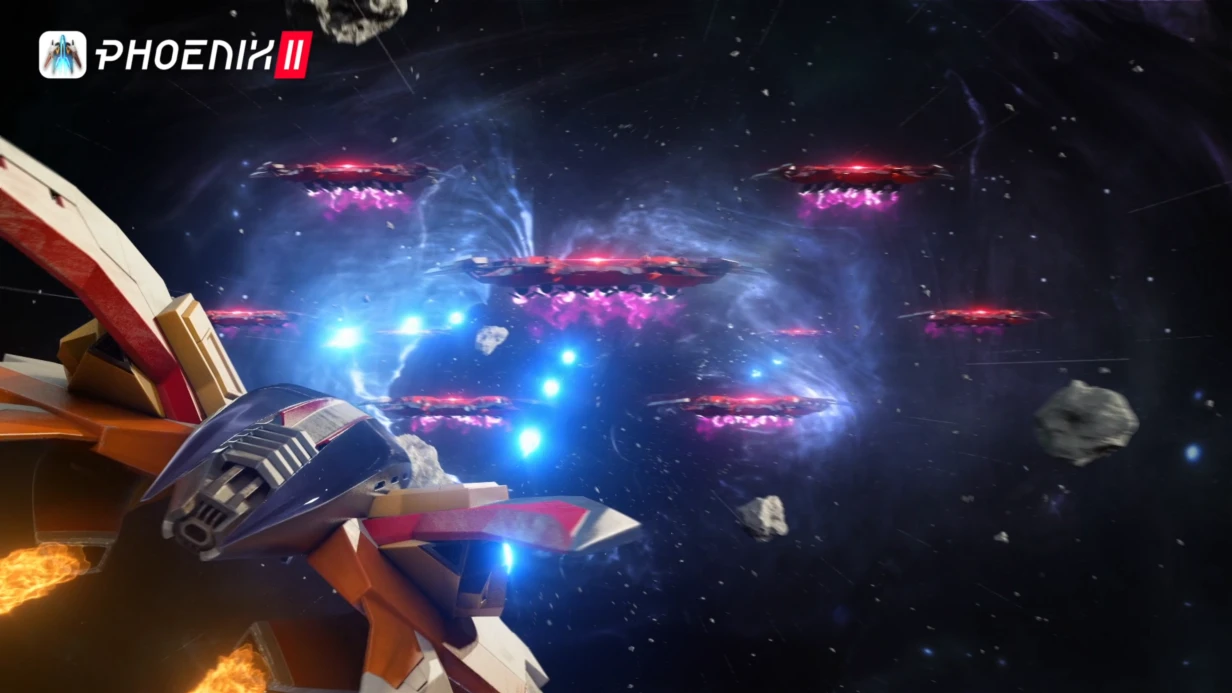
קווי מנחה לסגנון חזותי: למה בלעדיהם הפרויקט מאבד כסף
כאשר משחק נבנה מפתרונות מנותקים — הממשק מצויר על ידי קבלן אחד, הדמויות על ידי שני, חומרי הפרסום על ידי שלישי — התוצאה היא אוסף של תמונות יפות אך זרות זו לזו. השחקן לא קורא שזה יקום אחד, ולא זוכר אותו. בפיתוח משחקים זהו האובדן היקר והבלתי מורגש ביותר: הפרויקט לכאורה מוכן, אך למותג המשחק אין זכירות.
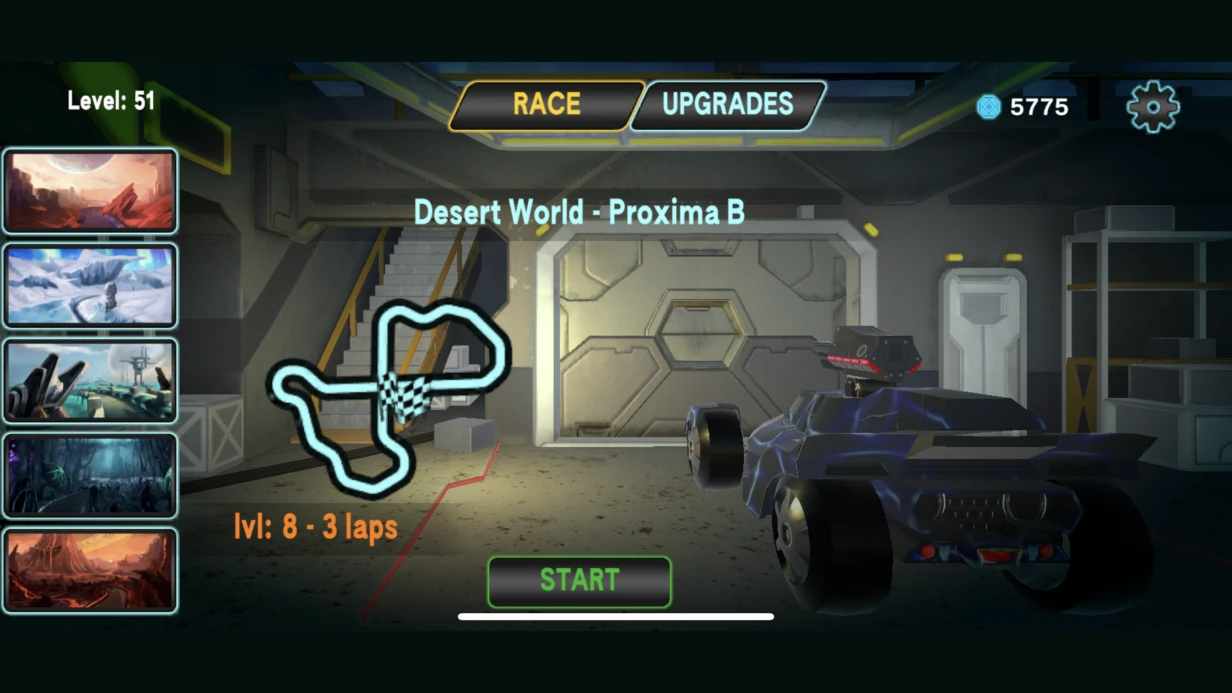
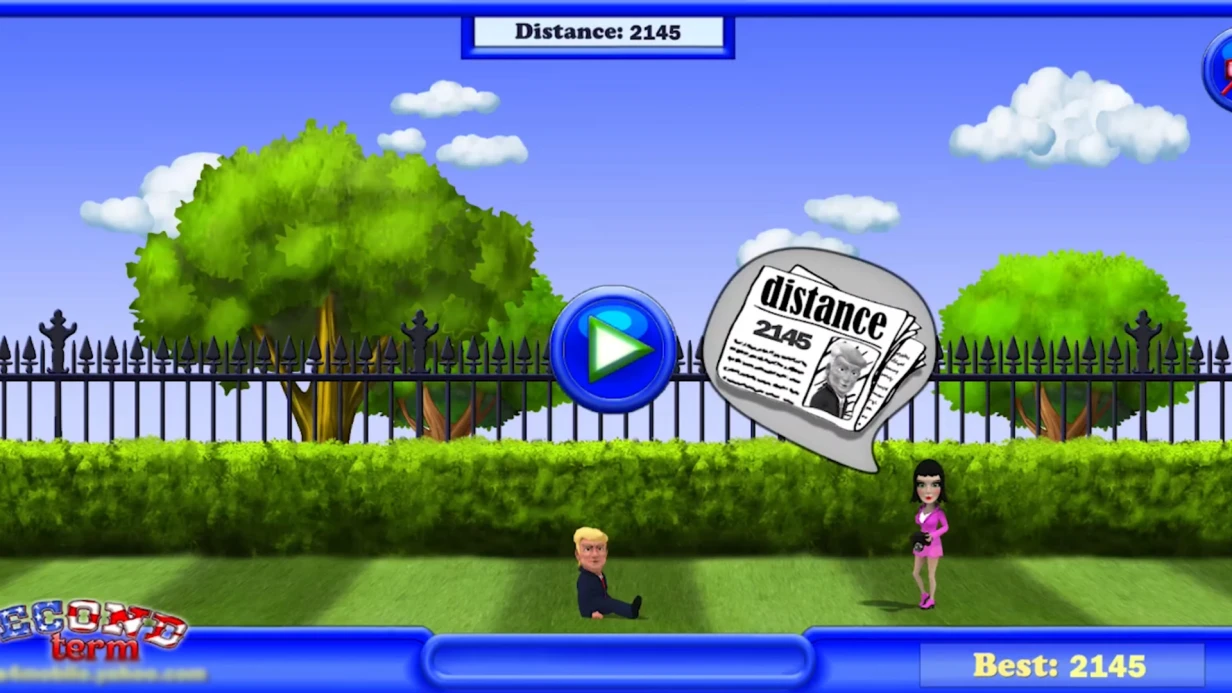
קווי מנחה לסגנון חזותי הם לא "תיקייה עם תמונות לאמנים". זהו קובץ כללים שלפיו כל חבר בצוות מבין כיצד המשחק נראה: אילו צבעים מותרים, כיצד מתנהגות הדמויות, כיצד בנויים המסכים, האייקונים, הגופנים, באנרי הפרסום ועיצוב העמוד בחנות.
סגנון חזותי אחיד למשחק מאפשר להרכיב חומרים חדשים במהירות וללא אישורים בכל שלב — כי כולם כבר יודעים את התשובה.
מכאן מתחיל האפקט העסקי. שלמות חזותית של הפרויקט משפיעה ישירות על האם השחקן מזהה את המשחק שלכם בצילום מסך בפיד, האם הוא לוחץ על הבאנר, האם הוא חוזר לחלק הבא. כאשר הסגנון קבוע, כל שלב חדש, דמות או חומר פרומו מחזק את התמונה הכוללת, ולא מתנגד לה. המותג צובר משקל בכל נגיעה, ולא מתחיל מאפס.
יתרון נפרד — מהירות וצפיות מראש. עם קווי מנחה, קבלן או מעצב חדש נכנס לעבודה תוך ימים, ולא תוך שבועות: הוא לא צריך לנחש "איך נהוג אצלכם". התיקונים הופכים ממוקדים, הקבלה — אובייקטיבית, והוויכוחים "נראה לי שכאן הגוון שונה" הופכים להשוואה עם המסמך.
אנחנו סוגרים את המשימה הזו במלואה: מנתחים מה כבר קיים, מרכיבים את השפה החזותית של המשחק למערכת מובנת ומעבירים אותה כך שבאמת ישתמשו בה — גם הצוות שלכם, גם הקבלנים, וגם השיווק.
מה תקבלו מסגנון חזותי מעובד היטב
סגנון חזותי מעובד היטב הוא לא "תמונה לשם יופי", אלא כלי עבודה שחוסך זמן לצוות ומגביר את התגובה של השחקנים. כאשר לפרויקט יש קווי מנחה לסגנון חזותי, כל מסך חדש, דמות או פריים פרסומי נבנה לפי כללים ברורים, ולא מומצא מחדש. עבורכם זה אומר תוצאה צפויה ופחות תיקונים יקרים בשלבים מאוחרים.
סגנון אחיד למשחק משפיע ישירות על האופן שבו הקהל מזהה את הפרויקט. השחקן זוכר לא כפתור בודד, אלא דימוי שלם: פלטת צבעים, צורת דמויות, אווירת הממשק. כאשר כל זה מתואם, הכרת המותג עולה, וחומרי השיווק — מבאנר ועד טריילר — נראים כחלקים מעולם אחד, ולא כאוסף של תמונות אקראיות.
מהירות הפקת התוכן היא התועלת המוחשית השנייה. אמנים, אנימטורים ומעצבי שלבים לא מבזבזים שעות על תיאומים של "איך נכון", אלא עובדים לפי נקודות ציון מוכנות. קבלנים חדשים מצטרפים מהר יותר, התיקונים מתמעטים, והצוות מספיק להוציא יותר תוכן למועדי השחרור והעדכונים.
תגובה חזקה יותר של השחקנים היא תוצאה של שתי הנקודות הראשונות. חזות שלמה מעוררת אמון, מדברים עליה ביתר רצון ומראים אותה לאחרים. פרויקט עם דימוי מחושב קל יותר לקדם, יש לו סיכוי גבוה יותר להיכנס למבחרים ולהמלצות, והקהילה משתפת בצילומי מסך ובעבודות מעריצים בצורה פעילה יותר.
אנחנו סוגרים את המשימה הזו בשלמותה: מרכיבים קווי מנחה בהתאמה לז'אנר ולקהל שלכם, בודקים אותם על סצנות אמיתיות ומעבירים לצוות בפורמט נוח לעבודה. אתם מקבלים לא תיקייה עם תיאורים, אלא כלי שמאיץ את ההפקה והופך את המשחק למותג מזוהה.
פורמטים של עבודה בהתאמה למשימה שלכם
את פורמט ההנחיות אנו מתאימים לאופן שבו בנויה הצוות שלכם ולמי שישתמש במסמך. יש מי שזקוק לקובץ חד-פעמי של כללי ויזואל, כדי שקבלני משנה לא יתפזרו בסגנון, ויש מי שזקוק לליווי מתמשך של ההפקה, כאשר ארט-דירקטור זמין בכל שלב. להלן תרחישי עבודה שהלקוחות בוחרים בהם לרוב.
| פורמט | למי מתאים | מה נותן ללקוח |
|---|---|---|
| מסמך סגנון חד-פעמי | צוות קטן, פרויקט אחד, קבלני משנה במיקור חוץ | קובץ אחיד של כללי ויזואל: צבעים, גופנים, פרופורציות, רפרנסים — כולם מציירים באותו קו |
| הנחיות מורחבות לסדרה | סטודיו שמתכנן כמה משחקים או עדכונים | הכללים מתרחבים: שלבים ודמויות חדשים לא שוברים את הזהות |
| הנחיות + ספריית נכסים | צוות בלי אמן במשרה מלאה | אלמנטים ותבניות מוכנים — ההפקה מתחילה בלי עיכובים |
| ליווי הפקה | מפיץ או צוות מוצר עם מחזור שחרורים קבוע | כללי הוויזואל חיים יחד עם הפרויקט: תיקונים, סצנות חדשות, בקרת איכות בכל שלב |
כיצד לבחור פורמט
התחילו מכמה אנשים וקבלני משנה נוגעים בויזואל בו-זמנית. אם מדובר בשניים-שלושה אנשים על פרויקט אחד — מספיק מסמך סגנון. אם על המשחק עובדים כמה צוותים והשחרורים זורמים ברצף — בחרו בליווי הפקה, אחרת הסגנון "ייסחף" כבר בהרכבה השנייה.
מה נשאר אצלכם
בכל פורמט אתם מקבלים מסמך שאפשר לעבוד לפיו בלעדינו: כללי ויזואל ברורים, דוגמאות של "מותר/אסור" ונקודות בקרה. הליווי הוא אופציה, לא התחייבות: בכל רגע אתם נשארים עם הנחיות מוכנות ביד.
תארו את המשימה והצוות — נחזור עם הערכה ונציע פורמט שיכסה בדיוק את המקרה שלכם.
איך עובר הפרויקט: מבריף ועד תמיכה
התהליך בנוי כך שתדעו מה קורה בכל שלב, ולא תבזבזו זמן על אישורים מיותרים. להלן המסלול הטיפוסי של פרויקט: מהשיחה הראשונה ועד לתמיכה לאחר המסירה. לוחות הזמנים והרכב השלבים מותאמים להיקף המשחק ולמספר הפלטפורמות.
- בריף וניתוח המשימה. דנים בז'אנר, בקהל היעד, בפלטפורמות ובאופן שבו הסגנון הוויזואלי צריך לעבוד לטובת מיתוג מזוהה. מתעדים את מה שכבר קיים — עבודות קודמות, רפרנסים ומגבלות לוחות זמנים.
- תוכנית ומבנה הגיידליינים. מרכיבים רשימת פרקים: פלטת צבעים, טיפוגרפיה, דמויות, ממשק, אנימציות וכללי שימוש. אתם רואים את היקף העבודה ואת סדר השלבים עוד לפני ההתחלה.
- אישור הסגנון. מציגים 2-3 כיוונים של שפה ויזואלית על דוגמאות מתוך המשחק שלכם. אתם בוחרים כיוון, ואנחנו מקבעים אותו כבסיס — מכאן והלאה התיקונים מתבצעים בתוך הסגנון הנבחר, בלי לעשות הכול מחדש מאפס.
- פיתוח ותוכן. מציירים אלמנטים, מתארים כללים, מרכיבים פריסות של מסכים ודוגמאות ליישום. עובדים באיטרציות, כדי שתראו התקדמות ולא קופסה סופית אחרי חודש.
- בדיקה על הצוות. מוסרים את הגיידליינים לאמנים, למעצבי משחק ולקבלנים — בודקים שאכן אפשר לעבוד לפיהם בלי ההשתתפות שלכם. מבהירים נקודות שנויות במחלוקת.
- הטמעה בעבודה. מוסרים את החבילה הסופית בפורמט נוח לצוות, ומקיימים סשן הסבר עם מי שישתמש בה. עוזרים להטמיע את המסמך בתהליכים הקיימים.
- תמיכה לאחר המסירה. עונים על שאלות, משלימים פרקים עם יציאתם של פלטפורמות חדשות או עדכונים, ודואגים שהסגנון לא "יתפזר" עם הזמן.
מה זה נותן לכם כ�לקוחות
שלבי עבודה שקופים משמעם תוצאה צפויה: אתם יודעים מראש מה תקבלו ומתי. אישור הסגנון בשלב מוקדם מסיר את הסיכון לתיקונים יקרים בסוף, והתמיכה לאחר המסירה — שהגיידליינים יישארו כלי עבודה ולא מסמך שהונח על המדף.
מה ייכלל באספקה
אתם מקבלים ערכה מוכנה שהצוות משתמש בה מיד, בלי הסברים נוספים מצידנו. זה לא אוסף של קבצים מנותקים, אלא מערכת מחוברת: מסמך סגנון חזותי, דוגמאות חיות ותבניות שלפיהן אמנים, מעצבים וקבלנים עובדים באותו קו.
- מסמך סגנון חזותי — קובץ כללים אחיד: צבעים, גופנים, צורות, אווירה, טכניקות מותרות ואסורות. לפיו בודקים כל סצנה, דמות או מסך חדשים.
- דוגמאות יישום — איך הסגנון נראה על פריסות אמיתיות: ממשק, דמויות, סביבה, חומרים פרסומיים. רואים היכן הכללים עובדים והיכן נדרשת גמישות.
- תבניות לצוות — הכנות למשימות טיפוסיות: מסכים חדשים, רכיבי ממשק, אנימציות, פרומו. האמן לא ממציא מחדש את מה שכבר נפתר.
- הוראות יישום — תזכירים קצרים וברורים: מה לעשות בעת הוספת רכיב חדש, איך לתאם חריגות, למי לפנות עם שאלה.
- ספריית נכסים — קבצי מקור שמהם מרכיבים חומרים חדשים: רכיבים, אייקונים, טקסטורות, רפרנסים במקום אחד.
- כללים לקבלנים — בלוק נפרד לסטודיו חיצוניים ולפרילנסרים, כדי שהעבודה שלהם לא תחרוג מהסגנון הכללי.
- נוהל עדכון — איך מבצעים תיקונים כשהפרויקט גדל, ומי אחראי על עדכניות המסמך.
ערכת חומרים כזו מסירה את הכאב העיקרי של המזמין: אין צורך להסביר בכל פעם למבצע חדש "איך אצלנו נהוג". מסמך הסגנון החזותי והתבניות לצוות מדברים בשמכם — והפרויקט שומר על שלמותו, גם כשעובדים עליו אנשים שונים.
איך לבחור פורמט מתאים למשימה?
פורמט ההנחיות לסגנון ויזואלי נקבע לא לפי גודל הסטודיו, אלא לפי מי ואיך ישתמשו בו בהמשך. אם יש לכם צוות אחד ומוצר אחד, מספיק מסמך קומפקטי: פלטה, טיפוגרפיה, כללים לעבודה עם דמויות וממשק, דוגמאות של "מותר/אסור". סט כזה מיושם במהירות ולא מעכב את הייצור.
תרחיש אחר — כשעל המשחק עובדים כמה צוותים, קבלנים חיצוניים, או שמתוכננת סדרת פרויקטים ופיצולים. כאן קובץ קצר לא מספיק: צריך נפח שמכסה אנימציה, אפקטים, חומרים פרסומיים, לוקליזציה והעברת נכסים בין מבצעים.
ככל שיותר אנשים נוגעים בוויזואל, כך עולה מחיר חוסר העקביות — סגנון שהתפצל מבחינים בו השחקנים לפני שיוצא הפאץ' הבא.
הבחירה המרכזית — מסמך או ליווי. מסמך מקבע את הכללים ומועבר לצוות: זה הגיוני כשיש בפנים אדם שאחראי על הוויזואל, והוא מוכן להיות שומר הסטנדרט.
ליווי מחברים כשאין תפקיד כזה או שהפרויקט מתקדם במקביל בכמה כיוונים: אנחנו נשארים בקשר, מטפלים במקרים שנויים במחלוקת ומעדכנים את ההנחיות ככל שהמשחק גדל.
ההמלצות שלנו פשוטות. התחילו מסט קטן שבאמת משתמשים בו, ולא מכרך שאף אחד לא יפתח. הרחיבו אותו ככל שמופיעים פורמטים חדשים — פרסום, מרצ'נדייז, סיקוול. ותעריכו בכנות מי ישגיח על העמידה בכללים: אם אין אדם כזה בפנים, ליווי מלא זול יותר מאשר עיבוד מחדש של חומרים מוכנים.
אנחנו עוזרים לבחור את הנפח למשימה שלכם: במקומות מסוימים מספיק קובץ כללים מצומצם, במקומות אחרים צריך סט מלא עם תמיכה. תארו את הפרויקט — נחזור עם הערכה ותוכנית.
תוצאה במספרים: מקרה בוחן עם מדדים אמיתיים
עבדנו עם מפיץ של משחקי מובייל מז'אנר הקז'ואל: כמה צוותים ציירו שלבים וממשקים במקביל, ועד החודש השלישי הייצור החל להיתקע. האמנים בזבזו זמן על תיאומים, נכסים חזרו לשיפוץ, והשחקנים בביקורות התלוננו ש"בתוך המשחק הכול נראה אחרת". הלקוח היה זקוק לשפה עיצובית אחידה שתבטל את התיאומים הידניים ותשמור על הקהל.
מה עשינו
הרכבנו קווי מנחה לסגנון חזותי: פלטת צבעים, כללי טיפוגרפיה, פרופורציות דמויות, התנהגות הממשק ותבניות מוכנות למסכים טיפוסיים. כל כלל חיזקנו בדוגמאות "מותר / אסור", כדי שהאמן יקבל החלטה בעצמו, בלי להמתין למנהל האמנותי.
מה קיבל הלקוח
- מהירות ייצור. שלב חדש נבנה מבלוקים מוכנים — הזמן להרכבה ולתיאום הצטמצם כמעט בחצי, והצוותים הפסיקו להמתין זה לזה.
- סגנון אחיד. המשחק נראה מגובש בכל המסכים ובכל העדכונים, גם כשעל התוכן עובדים קבלנים שונים.
- שימור שחקנים. לאחר העדכון עם קווי המנחה החדשים השחקנים החלו לחזור למשחק לעתים קרובות יותר, ושיעור אלה שנשארים אחרי השבוע הראשון עלה בכשליש בערך.
- פחות שיפוצים. נכסים שנויים במחלוקת חוזרים לעיבוד מחודש בתדירות נמוכה noticeably פחות — התיקונים נדונים לפי המסמך, ולא לפי טעם אישי.
כעבור חצי שנה הלקוח חזר עם משחק חדש — קווי המנחה הפכו לשלב חובה לפני תחילת הייצור. גישה דומה יישמנו גם עבור מפיץ משחקי קופסה, שבו סגנון אחיד עזר להאיץ את הוצאת ההרחבות ולשמור על עניין הקהל הקבוע.
ספקות נפוצים של לקוחות לפני ההתחלה
לפני ההתחלה כמעט כל לקוח מביע את אותן חששות: "מה אם הסגנון יתיישן", "הצוות לא יאמץ את הכללים החדשים", "מה אם הכול יישבר באמצע הפרויקט". אלו שאלות לגיטימיות — הן מעידות שאתם חושבים על אורך החיים של המוצר, ולא רק על ההשקה. להלן תשובות כנות לספקות הנפוצים ביותר, כדי שתקבלו החלטה בלי אשליות.
מה אם הסגנון החזותי יתיישן בעוד שנה-שנתיים?
אנחנו מעצבים את קווי היסוד לא לפי הטרנד הנוכחי, אלא לפי הליבה של המוצר: זיהוי, אופי, עוגנים חזותיים מרכזיים. אלמנטים טרנדיים אנחנו מוציאים לשכבה נפרדת, שקל לעדכן בלי לבנות מחדש את כל הסגנון. כשת�רצו לרענן את המראה, תשנו בלוק אחד של כללים, ולא תעצבו את המשחק מחדש מאפס.
ומה אם הצוות לא יאמץ את הכללים החדשים וימשיך לעשות כרצונו?
אנחנו לא מוסרים את המסמך "לגניזה" — אנחנו מבצעים הטמעה בצוות: מראים כיצד הכללים עובדים על משימות אמיתיות, עונים על שאלות של אמנים ומפתחים. בנוסף, אנחנו מכינים דוגמאות של "נכון/לא נכון" ותבניות, כדי שקל יותר יהיה לפעול לפי הסגנון מאשר להתעלם ממנו.
מה אם הסגנון "יישבר" עם הוספת דמויות, לוקיישנים או מצבים חדשים?
קווי היסוד הם מערכת, ולא אוסף תמונות. אנחנו מניחים כללי הרחבה: כיצד להכניס אלמנטים חדשים בלי לפגוע בשלמות, ואילו גבולות של סטיות מותרות. לכן המוצר גדל, והשפה החזותית נשארת מזוהה.
אילו ערבויות יש שהתוצאה תעמוד בציפיות?
אנחנו עובדים בשלבים עם אישור ביניים: אתם רואים ומאשרים את הסגנון לפני שהוא יוצא לפיתוח המוני. לאחר המסירה אנחנו נשארים בתמיכת הסגנון — עוזרים לצוות, מעדכנים את הכללים למשימות חדשות ומוודאים שהמוצר לא "מתפזר" חזותית.
הספקות האלה אינן סיבה לדחות. זהו רשימת סיכונים שאנחנו סוגרים כבר בהתחלה: עמידות בזמן, אימוץ על ידי הצוות, הרחבה ותמיכה לאחר ההשקה. תארו את המשימה — נחזור עם הערכה ותוכנית כיצד זה יעבוד בדיוק במוצר שלכם.
נדון במשימה שלכם ונחזור עם תוכנית
ספרו לנו לאיזה משחק נדרשים קווי מנחה לסגנון חזותי: ז'אנר, פלטפורמה, קהל יעד, והאם יש כבר עבודות קודמות בארט. זה מספיק כדי שנחזור עם תוכנית עבודה, הערכת פרויקט ולוחות זמנים — בלי התכתבות ארוכה וסבבי הבהרות.
מה תקבלו לאחר הפנייה
- תוכנית עבודה — שלבים מאיסוף רפרנסים ועד מסירת המסמך המוגמר לצוות.
- הערכת פרויקט — בשקיפות מלאה לפי היקף ולוחות זמנים, בלי תוספות נסתרות בדרך.
- צוות פיתוח — ארט-דירקטור, אמנים ומומחה טכני שמובילים את הפרויקט מתחילתו ועד סופו.
- לוחות זמנים — ריאליסטיים, עם מרווח לתיקונים ואישורים, ולא "עד יום שישי".
- פורמט מסירה — קו מנחה בצורה נוחה לצוות שלכם: מסמך, ספריית נכסים, דוגמאות יישום.
- תמיכה לאחר המסירה — עונים לשאלות הצוות כשהמסמך כבר בעבודה.
למה איתנו שקט
אנחנו עושים משחקים ומוצרים דיגיטליים יותר מעשור, וקווי מנחה עבורנו הם לא תיאוריה מופשטת אלא כלי עבודה שלפיו אמנים ומפתחים בונים משחק בלי אי-הבנות.
במהלך הזמן הזה עברו דרכנו עשרות פרויקטים, ורוב הלקוחות חוזרים עם משימות חדשות — זה המדד הטוב ביותר לכך שהמסמך היה שימושי ולא נח על המדף.
חשוב לנו להבין את המשימה שלכם לפני ההתחלה: ככל שהנתונים המדויקים יותר, כך פחות תיקונים בסיום וכך מהר יותר הצוות יגיע לסגנון הרצוי. לכן הצעד הראשון הוא שיחה קצרה לעניין, ולא הצעה תבניתית.
תארו את המשימה — נחזור עם הערכה, תוכנית ולוחות זמנים.