


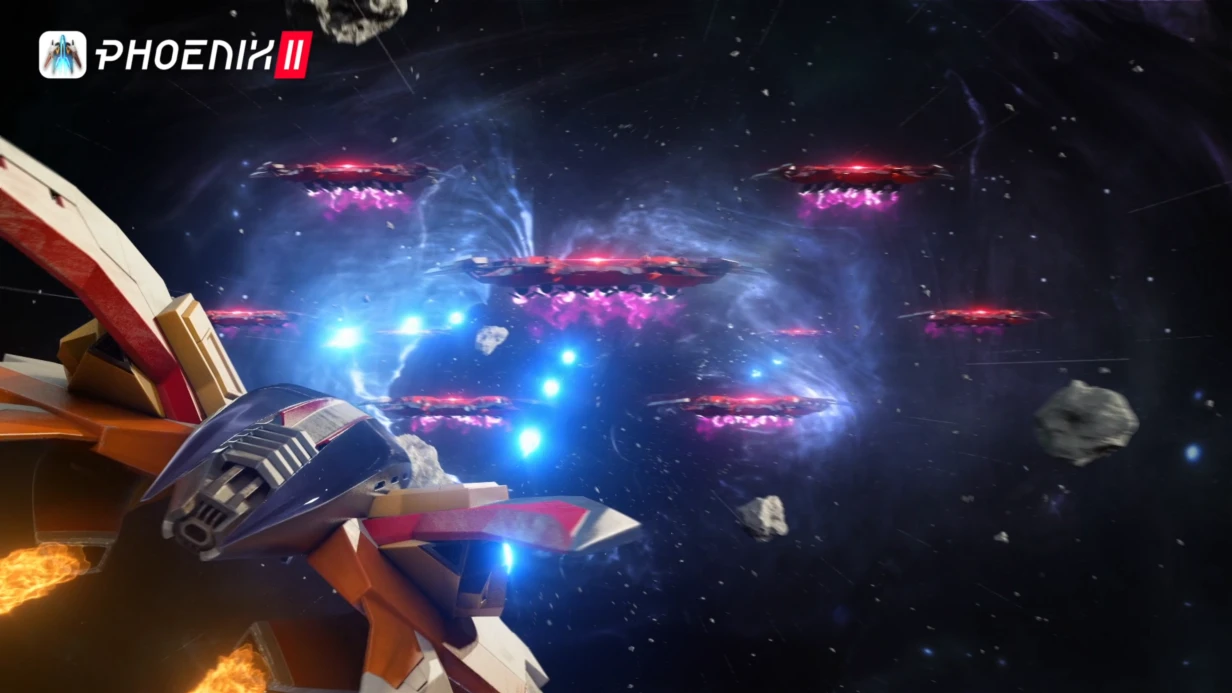
אב-טיפוס למשחקים: למה רעיון לא מגיע לידי הפצה
צוות עובד חודשים על בניית שלב, מצייר דמויות וכותב לוגיקה — ואז בבדיקה הראשונה השחקנים נוטשים את המשחק אחרי חמש דקות. המכניקה לא מחזיקה, הלופ לא ממכר, ומגלים את זה רק אחרי שכבר הושקעו בפרויקט זמן, כוחות ומוניטין מול המשקיעים.
אב-טיפוס למשחקים סוגר בדיוק את החור הזה: קודם בודקים את הרעיון על גרסה פשוטה, ורק כשמוכח שרוצים לשחק בו — בונים את המשחק המלא.
אב-טיפוס מוקדם של משחק עונה על השאלות המרכזיות עוד לפני תחילת ההפקה: האם מעניין לשלוט, האם המטרה ברורה, האם בא לך לעבור עוד סיבוב. בדיקת רעיון משחק על שחקנים אמיתיים אורכת ימים, לא חודשים, ומניבה מסקנה כנה — על סמך התנהגות אנשים, ולא על סמך העדפות טעם בתוך הצוות.
מכאן — הערכה של מכניקות משחק: אילו מחזיקות קשב, אילו מפריעות, מה כדאי לחזק ומה להסיר לחלוטין. בדיקת קונספט כזו של המשחק חוסכת את המשאב היקר ביותר של הצוות — זמן עד ההפצה — ומסירה את הסיכון לכתוב מחדש חצי מהפרויקט בשלב הסופי, כששינויים עולים פי כמה.
אנחנו בונים אב-טיפוס לפי היפותזה מסוימת של הלקוח: נותנים לאנשים אמיתיים לשחק, מתעדים תגובות וחוזרים עם מסקנה ברורה — לפתח את הרעיון או לשנות גישה. בדרך כלל זה לוקח שבועות ספורים, לא רבעוני פיתוח, וההחלטה מתקבלת על בסיס עובדות, לא על בסיס אמונה בקונספט.
מה תקבלו מבדיקה מוקדמת של הרעיון
בדיקה מוקדמת של הרעיון מסירה את הסיכון המרכזי — להשקיע כוחות במכניקה שלא סוחפת. אב-טיפוס מראה את תגובת השחקנים לפתרון מסוים, ומשם אתם מתקדמים לפי עובדות, לא לפי ניחושים.
מהירות בדיקת החלטות
קטע בר-משחק אנחנו בונים בלוח זמנים מהודק — הרבה לפני שהושקעו בפרויקט המשאבים העיקריים. בדיקה על קהל אמיתי נותנת תמונה ברורה: איפה המכניקה מחזיקה קשב, איפה היא מעצבנת, מה לא ברור מהשניות הראשונות. החלטות על בסיס משוב כזה מתקבלות בימים, לא בחודשים של ויכוחים בתוך הצוות.
הצגה מוקדמת עובדת גם על מודעות: משתתפי הבדיקה זוכרים את הפרויקט, משתפים ברשמים ונכנסים לרשימת ההמתנה. עד ההפצה כבר יש לכם קהל שמחכה למשחק ומוכן לדון בו.
חיסכון בתיקונים חוזרים
תיקון של משחק מוגמר עולה פי כמה מתיקון של אב-טיפוס: משתנים איזון, ממשק, שלבי הדרכה, ולפעמים כל הבסיס. אב-טיפוס מאתר את נקודת התורפה בשלב שבו השינויים כמעט לא עולים כלום — לא בכוחות הצוות ולא בלוחות הזמנים.
התוצאה — לוח זמנים צפוי להשקת המשחק בשוק: אתם לא מבזבזים חודשים על היפותזה שלא עוברת בדיקה, ולא כותבים מחדש מוצר מוגמר. אנחנו מכסים את כל הדרך מהמכניקה ועד הבדיקה, ואצלכם נשאר תוצאה וצעד הבא ברור.
פורמטים של אב-טיפוס למשחקים בהתאמה למשימה שלכם
אנחנו לא מפעילים פיתוח מלא במקום שבו אפשר לבדוק את הרעיון מהר ובזול יותר. פורמטים של אב-טיפוס אנחנו מתאימים לשאלה שצריך לענות עליה: האם המכניקה ברת-קיימא, האם היא תמצא חן בעיני השחקנים, או שצריך לשכנע הנהלה ושותפים. מזה תלויים ההיקף, לוח הזמנים והרכב העבודה.
להלן — תרחישים אופייניים שאנשים מגיעים אלינו איתם.
| פורמט | למי מתאים | מה נותן ללקוח |
|---|---|---|
| אב-טיפוס סכמטי של מכניקות | בעל מוצר, מעצב משחקים | בתוך ימים ספורים רואים אם הרעיון עובד והאם כדאי להשקיע בגרסה מלאה |
| בנייה לבדיקה של מכניקות | צוות הפרויקט, קבוצת מיקוד | שליטה ואיזון נבדקים על שחקנים אמיתיים, לא על מילים |
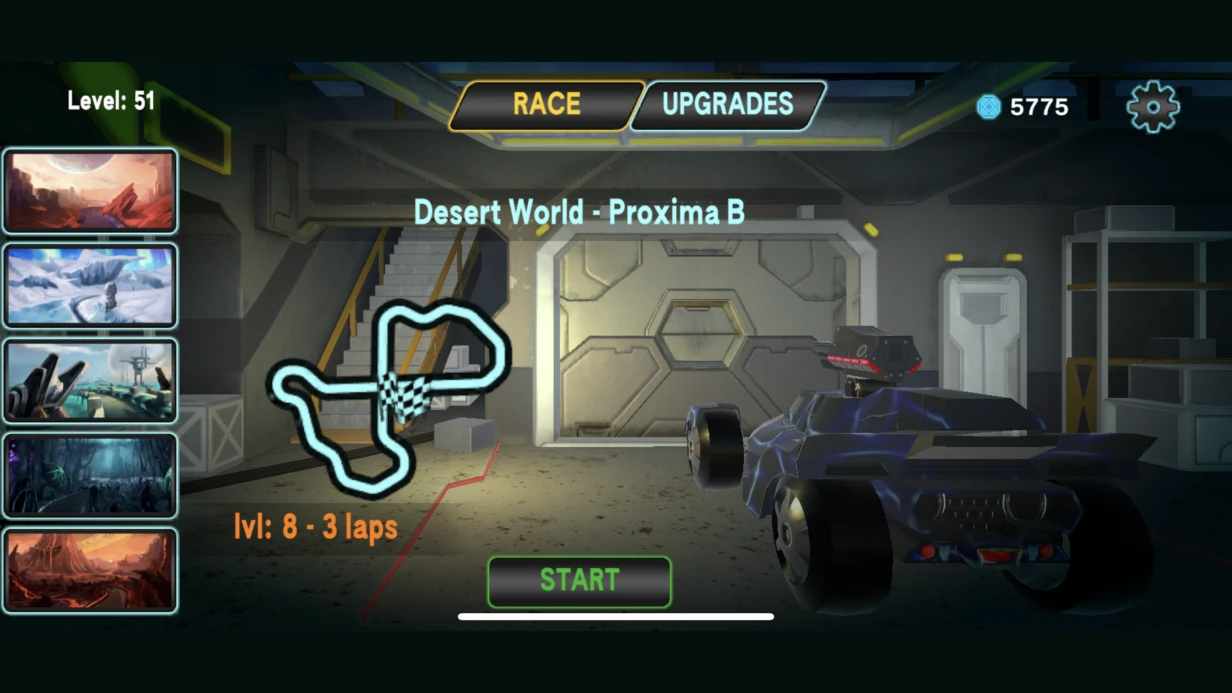
| אב-טיפוס למשחק מובייל | מפיץ, שיווק | ברורים המסך הראשון והריטנשן: השחקן מתמצא בלי הדרכה |
| אב-טיפוס להצגה ללקוח או למשקיע | משקיעים, הנהלה, שותפים | הצגה חזותית: רואים איך משחקים במוצר ולאן הוא הולך |
אב-טיפוס לבדיקת מכניקות
כאן המטרה אחת — להבין מהר אם מעניין את השחקן לחזור על הפעולה המרכזית, אם המטרה ברורה ואם האיזון לא נשבר. אנחנו בונים גרסה מינימלית שיש בה רק את מה שדרוש לבדיקה, ומוסרים אותה לצוות או לקבוצת מיקוד. לפי התוצאות רואים מה לחזק ומה להסיר — לפני שהושקעו בפרויקט חודשי עבודה.
אב-טיפוס להצגה ללקוח או למשקיע
אב-טיפוס כזה מדבר בשפת התוצאה: סצנה מרכזית, סגנון חזותי, תחושה מהמשחק. הוא נדרש כדי לתאם את החזון עם ההנהלה, השותפים או המשקיעים ולקבל החלטה בנוגע לפרויקט, ולא לדון ברעיון במילים. אתם מקבלים חומר שאפשר להראות בפגישה ולראות מיד את התגובה.
איך עובדים על אב-טיפוס: שלבי הפרויקט
אב-טיפוס נדרש כדי לבדוק את הרעיון לפני שהושקעו בו משאבים גדולים וזמן צוות. לכן אנחנו מנהלים את הפרויקט בשלבים קצרים עם נקודות בקרה ברורות: בכל צעד אתם רואים מה כבר מוכן ומה יהיה בהמשך.
לפני תחילת העבודה
- בריף. דנים במשימה: איזו היפותזה בודקים, למי מיועד המשחק, מה נחשב להצלחה. מכם נדרשים מטרה ודוגמאות למשחקים שאתם אוהבים — את השאר מבררים בעצמנו.
- תוכנית אב-טיפוס. שולחים היקף עבודה, לוחות זמנים ורשימת מכניקות שייכנסו לגרסה הראשונה, וגם את מה שאנחנו במודע משאירים מחוץ למסגרת.
- תיאום. עוברים על התוכנית יחד איתכם, מתעדים תיקונים והיקף. משם העבודה מתנהלת לפי מסמך מאושר — בלי הפתעות בלוחות זמנים ובתוכן.
אחרי אישור התוכנית
- ביצוע. בונים את אב-הטיפוס באיטרציות קצרות ומציגים את התוצאה פעם בכמה ימים, כדי שתשפיעו על המשחק תוך כדי, ולא רק בסוף.
- בדיקת מכניקות. מריצים את הלופ המרכזי של המשחק על שחקנים אמיתיים או בתוך הצוות: בודקים איפה מעניין, איפה משעמם ומה כדאי לחזק.
- מסירה. מוסרים את אב-הטיפוס עם קבצי המקור, תיאור קצר של המכניקות ומסקנות הבדיקות — אפשר לפתח מהחומר הזה משחק מלא.
- תמיכה. נשארים בקשר אחרי המסירה: עוזרים בתיקונים ובתכנון השלב הבא, אם תחליטו להתקדם הלאה.
מה ייכלל באספקה יחד עם אב-הטיפוס
אב-טיפוס הוא דרך לבדוק את הרעיון לפני שמשקיעים בו זמן של כל הצוות. לכן בסיכום האב-טיפוס למשחקים אנחנו מוסרים לא גרסה להצגה חד-פעמית, אלא סט שלם: מה נעשה, איך זה עובד ומה לעשות עם זה בהמשך.
מסמכים וחומרים
- תיאור המכניקה של המשחק בשפה פשוטה: חוקים, מטרות השחקן, מה מחזיק קשב — מובן גם לצוות שלכם וגם למשקיעים.
- אב-הטיפוס הבנוי, שרץ ומשחקים בו: אפשר לעבור בעצמכם על התרחיש המרכזי ולהראות אותו לעמיתים או לשותפים.
- חומרים על אב-הטיפוס: פריסות מסכים, סקיצות ממשק, גרפיקה וסאונד ראשוניים — בסיס לשלב הבא.
- תוצאות הבדיקה על שחקנים: כמה אנשים הגיעו לסוף, איפה איבדו עניין ומדוע.
- פירוק ההיפותזות: אילו מכניקות אושרו, אילו כדאי לכתוב מחדש ואיך בדיוק.
מה נשאר אצלכם אחרי הפרויקט
- הזכויות על התוצאה: קבצי המקור, המסמכים והעבודות עוברים אליכם במלואם, בלי הגבלות שימוש.
- תוכנית לשלב הבא: מה לתקן, מה להסיר ובאיזה סדר להתקדם לגרסה המלאה.
- הבנה של ההיקף ולוחות הזמנים האמיתיים של פיתוח מלא במקום הערכה "במילים".
הסט מספק את עצמו: אם תחליטו להמשיך עם צוות אחר, המבצע החדש ייכנס לפרויקט בלי "לספר מחדש במילים שלו" ובלי שבועות מיותרים של הבנה.
מקרה בוחן: איך בדיקה מוקדמת הצילה פרויקט מכישלון
הלקוח — סטודיו קטן שכבר השקיע בהפקת משחק והכין אותו להשקה. בצוות הייתה ביטחון במכניקות, אבל לא היו נתונים: איך שחקנים מתנהגים בשעה הראשונה, האם הם חוזרים ביום השני, איפה נוטשים.
אנחנו לקחנו על עצמנו את פיתוח אב-הטיפוס — בנינו שלד בר-משחק של המכניקות המרכזיות והוצאנו אותו לשחקנים אמיתיים הרבה לפני שרוב התוכן נכנס להפקה.
מה היה לפני ההתחלה ומה השתנה
לפני ההתחלה היו רק היפותזות: אף מרכיב במשחק לא נבדק על קהל אמיתי, וכל הצוות עבד על תוכן שאף אחד עוד לא ראה. תוך שלושה שבועות ושלוש איטרציות של אב-הטיפוס התמונה הפכה למדידה — וחלק מהתוכניות היה צריך לכתוב מחדש:
- הריטנשן של שחקנים ביום השני עלה מ-18% ל-34% — את הרף השווינו למדדי הז'אנר בפלטפורמות גדולות, כולל Steam.
- סשן ממוצע גדל מ-6 ל-15 דקות: שחקנים הפסיקו לנטוש את המשחק בשלב ההדרכה.
- שתי מכניקות מתוך שבע הושלכו מיד — הן מצאו חן בעיני הצוות, אבל לא עוררו עניין אצל הבודקים.
- שיעור השחקנים שהגיעו לשלב השלישי גדל כמעט פי שלושה אחרי עיבוד מחדש של התגמולים.
תוצאות בדיקת המכניקות חסכו חודשי הפקה: כתיבה מחדש בשלב השלד עולה שעות עבודה, אותה כתיבה מחדש על תוכן מוגמר — שבועות. הסטודיו חזר אלינו לאב-טיפוס מורחב לפני הצגה פומבית, ומשתמש שוב בשלד שלנו לבדיקת רעיונות הבאים.
כך בדיוק אנחנו סוגרים את משימת האב-טיפוס למשחקים: קודם אתם רואים את תגובת האנשים במספרים, אחר כך משקיעים בהפקה.
מה אם לפרויקט יש דרישות מיוחדות?
דרישות מיוחדות הן דווקא הנורמה, לא החריג: לכל פרויקט יש ז'אנר משלו, קהל משלו ורשימה משלו של מה שחייב לעבוד. לכן אנחנו לא מתאימים את המשימה לתבנית מוכנה, אלא קודם מגדירים מה בדיוק צריך לבדוק.
אם השאלה היא אם הרעיון עצמו מעניין, מספיק אב-טיפוס שולחני או מנייר — אפשר להרכיב ולבדוק אותו בתוך ימים ספורים.
כשהז'אנר לא שגרתי ואין מתחרים ישירים בשוק, עובדת גישה אחרת. אנחנו בונים אב-טיפוס דיגיטלי מצורות פשוטות ולוגיקה בסיסית, אבל עם שמירה חובה על המכניקה המרכזית — התחושה שבגללה השחקן נשאר.
אב-טיפוס כזה לא נראה כמו משחק סופי, אבל עונה בכנות: האם המטרה ברורה, האם בא לך להתקדם הלאה, האם העניין לא נשבר בדקה השנייה.
לקהל צר אנחנו מתאימים גם את הפורמט וגם את שיטת הבדיקה: בודקים לא על "אנשים אקראיים", אלא על מי שבאמת משחק בז'אנר הזה. ההערות שלהם שוקלות יותר ממאה משובים של משתתפים אקראיים.
זה מאפשר לראות כבר בשלב מוקדם את נקודות התורפה, כשהתיקונים עולים כמה שעות עבודה ולא כתיבה מחדש של כל הפרויקט.
לוחות זמנים צמודים — גם זו משימה פתירה, אבל על חשבון ההיקף, לא האיכות. אנחנו בוחרים מכניקה אחת או שתיים הכי מסוכנות ובודקים בדיוק אותן, ואת השאר מתעדים כהיפותזות לשלב הבא.
כך הלקוח מקבל תשובה לשאלה המרכזית מהר, ואת ההחלטה — להמשיך לבנות את המשחק, לשנות קונספט או לעצור — מקבל על בסיס סשני משחק אמיתיים, לא ניחושים.
שאלות נפוצות לפני הזמנת אב-טיפוס
לפני הזמנת אב-טיפוס כמעט כל מנהל שואל אותן שאלות — על תיקונים, זכויות ואחריות לתוצאה. ריכזנו את הנפוצות ביותר, כדי שתקבלו החלטה בלי אי-בהירויות ולא תבזבזו זמן על התכתבות.
האם חייבים לתאר את כל המכניקות מראש? לא, וזו בדיוק המשמעות המרכזית של האב-טיפוס: קודם בודקים רעיון מרכזי אחד על סט מכניקות מינימלי, ולא בונים מיד משחק מלא. אנחנו מפרקים את המשימה, מזהים את מה שקובע את ערך המוצר ובודקים אותו קודם כל — את השאר מבררים תוך כדי.
אפשר לתקן משהו אחרי המסירה? תיקונים בתהליך — חלק מהעבודה, אנחנו מבררים איטרטיבית את האיזון והשליטה, עד שרואים אם ההיפותזה עובדת או לא. אחרי המסירה אנחנו לא נעלמים: נשארים בקשר ומשלימים לפי סדר מוסכם.
מי אחראי לתוצאה? אנחנו אחראים לאיכות הביצוע ולכנות הבדיקות — אתם מקבלים אב-טיפוס עובד ומסקנות ברורות, לא הדגמה יפה. אבל בדיקת ההיפותזה היא עבודה משותפת: בלי הנתונים שלכם על השוק והקהל המסקנות יהיו חלקיות, ולכן אנחנו דנים בקריטריונים להצלחה מראש.
למי שייכות הזכויות על אב-הטיפוס? לכם. כל חומרי המקור והעבודות מועברים ללקוח, ואתם משתמשים בהם בחופשיות — כולל להעברה לעיבוד נוסף אצל צוות אחר.
מה אם משהו יישבר כבר אחרי המסירה?
אנחנו נותנים אחריות על מה שיושם: אם אב-הטיפוס מתנהג אחרת ממה שסוכם — בודקים ומתקנים על חשבוננו. בהמשך, לפי רצון, מפעילים תמיכה: עוקבים אחרי תקינות, מעדכנים תלויות ומכניסים שינויים כשתחליטו לפתח את המכניקות הלאה.
נדון במשימה שלכם ונחזור עם תוכנית
אב-טיפוס למשחק נדרש כדי לא להשקיע בפיתוח מלא בעיניים עצומות. לכן כצעד ראשון אנחנו מפרקים את ההיפותזה שלכם: איזו מכניקה בודקים, על איזה קהל, איזו תוצאה תיחשב להצלחה. ככל שהנתונים המדויקים יותר, כך ההערכה מדויקת יותר ופחות עבודה מיותרת.
הנה מה שאתם מקבלים אחרי הפנייה:
- פירוק הרעיון: אילו מכניקות כדאי לבדוק קודם כל, ואילו אפשר לדחות בלי הפסדים.
- קריטריונים מוסכמים להצלחה — לפי אילו מספרים תבינו שההיפותזה אושרה, ולא "כאילו משחקים".
- הערכת היקף העבודה ולוח זמנים: שלבים, לוחות זמנים, ומה יידרש מכם בכל צעד.
- הרכב הצוות למשימה — בלי מומחים מיותרים שייקרו את הפרויקט.
- תוכנית בדיקה לאב-הטיפוס: על מי בודקים, אילו שאלות שואלים את השחקנים, מה מתעדים בסיכום הסשנים.
- אפשרויות התפתחות: מה עושים אם המכניקה "עבדה", וכמה מהר עוברים לפיתוח העיקרי.
- פורמט דיווח ונקודות תיאום — אתם רואים את התהליך, ולא מחכים לתוצאה סופית שבועות.
כדי להזמין אב-טיפוס למשחק, מספיק לתאר את המשימה בצורה נוחה: רעיון, רפרנסים, קהל יעד, לוחות זמנים רצויים. נלמד את החומרים, נשאל שאלות הבהרה ונחזור עם הערכה ותוכנית עבודה — עם היקפים, שלבים ותאריכים. משם ההחלטה בידיכם: מאשרים את התוכנית ויוצאים לדרך.