

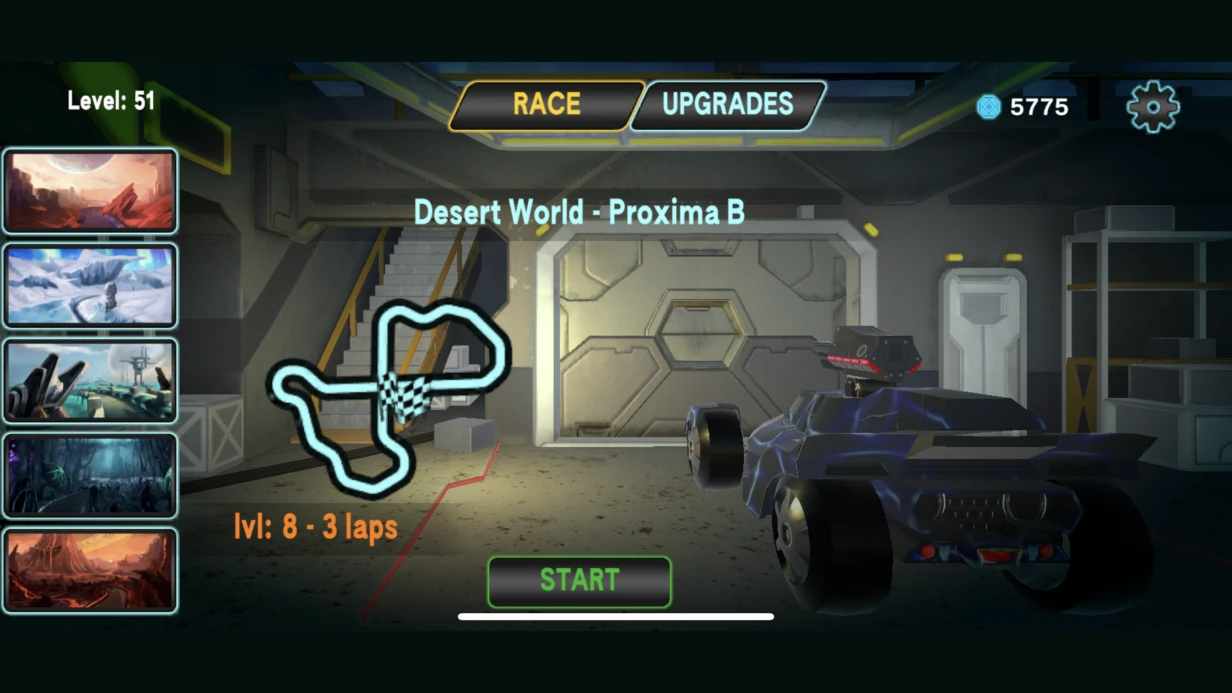

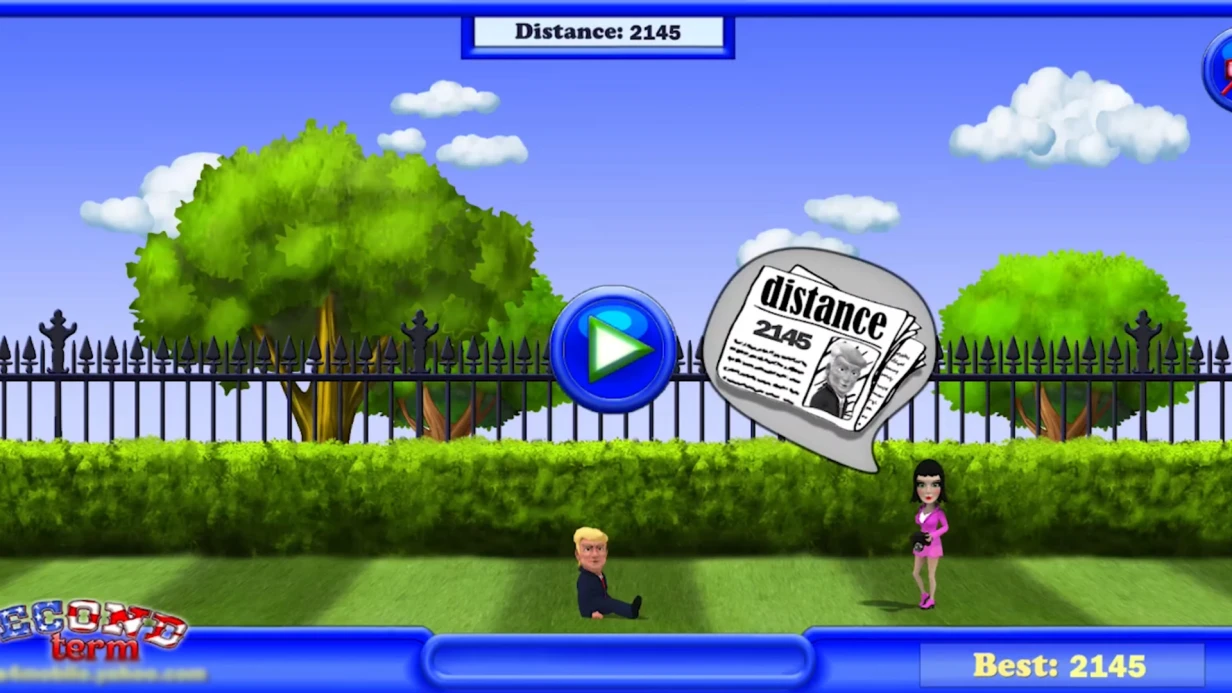
תארו לעצמכם: אחרי חודש של פיתוח, אתם משחררים עדכון עם מערכת הישגים חדשה. שבוע לאחר מכן, האנליטיקה מראה אפס גידול בשימור. נשמע מוכר? לעיתים קרובות הבעיה אינה המכניקות אלא היישום שלהן. עיצוב גיימיפיקציה שבאמת משנה את התנהגות המשתמשים הוא משימה במפגש בין פסיכולוגיה להנדסה. אנחנו צוות עם ניסיון בשילוב מכניקות משחק בפרויקטים למובייל ולמחשב. המהנדסים שלנו השתמשו ב-Unity 2022 LTS, PlayFab, Firebase ודפוסי התנהגות כדי להעלות את שימור D7 ב-30-40% בפרויקטים מסחריים. נשתף מה באמת עובד ומה הוא רק קישוט ריק.
למה גיימיפיקציה משפרת שימור
גיימיפיקציה אינה על תגים—היא על לולאות מעורבות. כאשר משתמש מבצע פעולה ומקבל תגמול בלתי צפוי, מעגל הדופמין במוח מופעל. טכנית, זהו לוח זמנים ביחס משתנה—המכניקה החזקה ביותר מפסיכולוגיה התנהגותית. תגמול בלתי צפוי (מציאת פריט עם נדירות N בהסתברות P) מעורב יותר מאשר קבוע. המגבלה העיקרית היא שקיפות הסתברות: חוקי גילוי תיבות שלל דורשים חשיפת סיכויים.
איך ליישם לוח זמנים ביחס משתנה
טכנית: טבלה עם מקדמי משקל, בחירה אקראית משוקללת. דוגמה ב-C#:
public class WeightedRandom<T>
{
    private List<(T item, float weight)> items;

    public T GetRandom()
    {
        float totalWeight = items.Sum(i => i.weight);
        float random = Random.Range(0, totalWeight);
        float cumulative = 0;

        foreach (var (item, weight) in items)
        {
            cumulative += weight;
            if (random <= cumulative)
                return item;
        }

        return items.Last().item;
    }
}
מכניקת רצפים היא כלי עוצמתי לשימור. טכנית: אחסון חותמת הזמן של הכניסה האחרונה בשרת, בדיקה בתחילת הסשן, ושימוש בתקופת חסד (בדרך כלל 24-48 שעות) לעצמאות מאזור זמן. קריטי לאחסן את הכניסה האחרונה בצד השרת, לא בצד הלקוח—אחרת, רצפים יכולים להיות מזויפים בקלות על ידי שינוי שעון המערכת.
לוחות מובילים חברתיים מול דירוגים גלובליים
דירוגים גלובליים עובדים רק עבור 1% המובילים של המשתמשים. השאר רואים את הדירוג שלהם 8743 מתוך 200,000 ומאבדים מוטיבציה. הפתרון: מעגלים חברתיים—הצגת מיקום ±10 מהמשתמש הנוכחי, הדגשת חברים מרשתות חברתיות. זה יוצר תחרות ברת השגה. לוחות מובילים חברתיים הם פי 3-5 יותר ויראליים מאשר גלובליים לפי אנליטיקת פרויקטים מסחריים.
טכנית, לוחות מובילים דרך PlayFab Leaderboards (עדכונים בזמן אמת, תמיכה בחברים) או Firebase Realtime Database לפרויקטים קטנים. דירוגים גלובליים עם מיליוני רשומות דורשים פתרון בצד השרת עם Redis Sorted Sets—חיפוש ב-O(log N).
יישום טכני: מערכת הישגים
הליבה היא מערכת אירועים: משחקיות מייצרת אירועים (public class WeightedRandom<T> { private List<(T item, float weight)> items; public T GetRandom() { float totalWeight = items.Sum(i => i.weight); float random = Random.Range(0, totalWeight); float cumulative = 0; foreach (var (item, weight) in items) { cumulative += weight; if (random <= cumulative) return item; } return items.Last().item; } } , enemy_killed, level_completed), ו-item_crafted נרשם ובודק התקדמות.
מבנה הישג: AchievementManager ScriptableObject עם מזהה, תנאי (סוג אירוע, סף), תגמול, אייקון. ההתקדמות הנוכחית היא AchievementDefinition ScriptableObject DTO נפרד, המאוחסן בשרת.
הישגים מורכבים: רב-שכבתיים (ארד/כסף/זהב) ומרוכבים (הרוג 100 אויבים באוויר). תנאים מרוכבים דרך Specification Pattern: AchievementProgress. כל תנאי הוא מחלקה נפרדת עם מתודת KillCondition AND AirborneCondition.
מערכת משימות: מתצורות פשוטות להסתעפות נרטיבית
משימות הן גרף של מטלות עם תלותיות. טכנית דומה להישגים אבל עם הסתעפות: השלמת משימה A פותחת משימה B או C בהתאם לבחירות.
משימות פשוטות: תצורות מבוססות IsSatisfied(GameEvent event). משימות נרטיביות מורכבות עם תנאים והסתעפות: השתמשו ב-Ink (שפת סקריפטים נרטיבית) עם רכיב Unity. Ink מאפשר למעצבי נרטיב לעבוד בכלי שלהם מבלי לגעת בקוד.
הודעות ותזכורות
הודעות Push לשחזור רצפים, טיימרי בנייה, השלמת יצירה—דרך Firebase Cloud Messaging (אנדרואיד + iOS). חשוב: אנדרואיד 13+ דורש הרשאת הודעות מפורשת. ממשק המשתמש לבקשת הרשאה צריך להופיע ברגע הנכון בסשן, לא בהשקה הראשונה.
הודעות מקומיות (ללא שרת) דרך חבילת Unity Mobile Notifications. לטיימרים עד 24 שעות, זה מספיק. לאירועים המופעלים מהשרת, צריך FCM.
תהליך היישום
| שלב | משך | מה אנחנו עושים |
|---|---|---|
| ביקורת ועיצוב | 2-4 ימים | ניתוח המוצר: איפה משתמשים מאבדים עניין, אילו פעולות לתגמל, אילו לולאות מעורבות כבר עובדות. עיצוב מכניקות סביב מדדים עסקיים ספציפיים (שימור D1/D7/D30, אורך סשן, המרה). |
| יישום טכני | 3 ימים עד 3 שבועות | יישום סט מכניקות לפי מורכבות: מערכת הישגים, מערכת משימות, לוח מובילים, רצף, הודעות Push. |
| אנליטיקה | החל מיום אחד | הקמת מבחני A/B (Firebase Remote Config): קבוצת בקרה ללא מכניקות מול קבוצת ניסוי עם מכניקות. השוואת שימור D7, תדירות סשנים, מעורבות. |
מה כלול בפרויקט
- ביקורת מכניקות קיימות (מסמך עם המלצות)
- תיעוד פרויקט (מפרט טכני, ארכיטקטורה)
- יישום מערכת הישגים/משימות/לוח מובילים למנוע שלכם
- אינטגרציה עם צד השרת שלכם (PlayFab, Firebase, Custom)
- הקמת מבחני A/B ואנליטיקה
- הכשרת הצוות שלכם ליישום ותחזוקה
- אחריות על קוד (6 חודשי תמיכה)
טעויות נפוצות ביישום גיימיפיקציה
- קישוט ללא מכניקות: פס התקדמות ללא פרס משמעותי - התעלמות מיחס משתנה: תגמולים קבועים הופכים מהר למשעממים - שקיפות הסתברות לקויה: משתמשים חשים חוסר הוגנות - אחסון רצפים בצד הלקוח: ניתן לפריצה בקלות - לוחות מובילים גלובליים ללא מעגלים חברתיים: מדכאים 99% מהקהלהעלות מחושבת לאחר ניתוח המוצר שלכם וסט המכניקות הנדרשות. לייעוץ והערכה של הפרויקט שלכם, צרו קשר—נבחר את המכניקות האופטימליות לתקציב שלכם.