

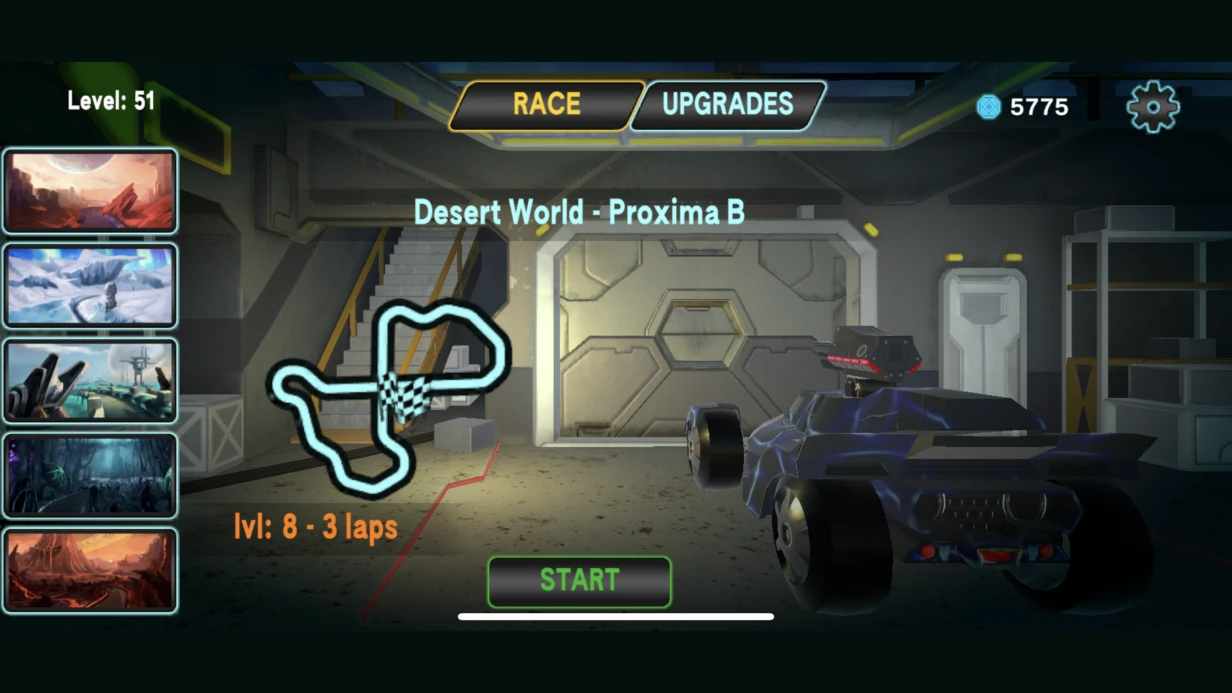

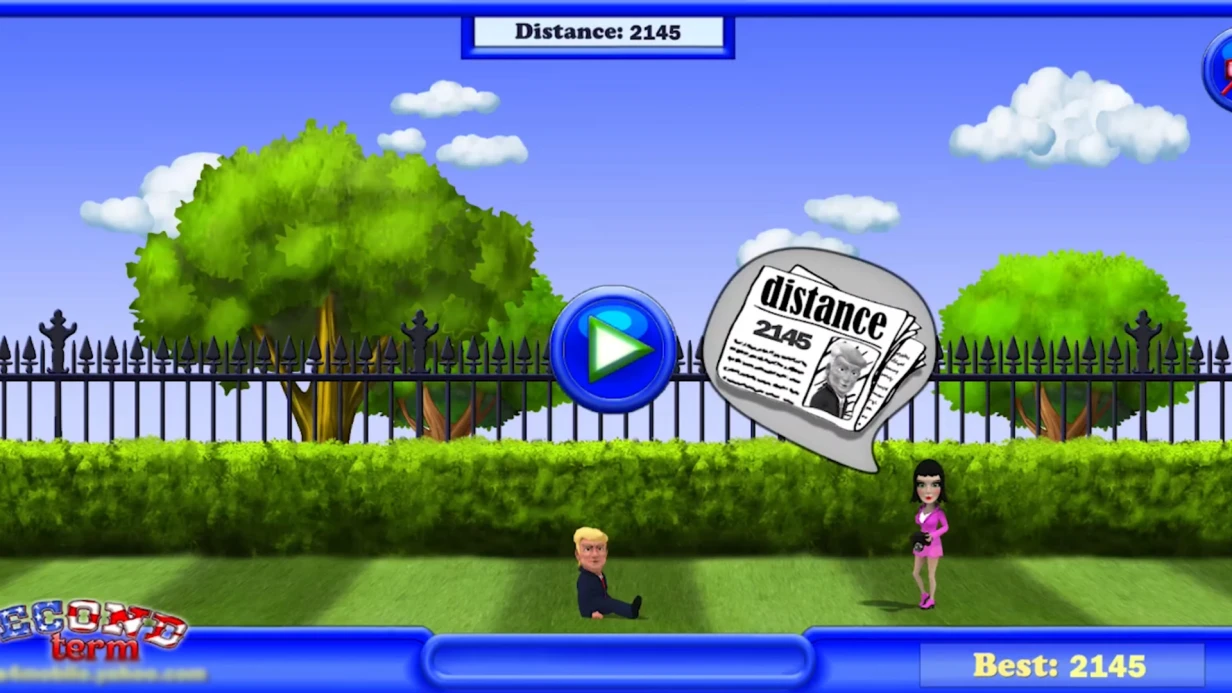
אנו מפתחים מערכות מונטיזציה בתוך המשחק עם דגש על איזון וחוויית משתמש. במשך למעלה מ-8 שנים שילבנו IAP, פרסומות ומנויים למשחקים מז'אנרים שונים—מהיפר-קז'ואל ועד RPG מידקור. הצוות שלנו יישם מונטיזציה ביותר מ-40 פרויקטים באמצעות ערימות טכנולוגיות מוכחות: Unity IAP, PlayFab, AppLovin MAX. כאשר מונטיזציה מתווספת בסוף הפיתוח, היא או שוברת את איזון המשחק או מרגישה מאולצת—מה שמוביל ל-ARPU ולדירוגים נמוכים יותר. צרו קשר לצורך ביקורת או עיצוב מודל מונטיזציה.
כיצד IAP עובד ב-Unity וב-Unreal
הכלי העיקרי למשחקים ניידים הוא IAP (רכישות בתוך האפליקציה). ב-Unity, הוא מיושם באמצעות חבילת Unity IAP—ממשק API אחיד עבור Google Play Billing ו-Apple StoreKit. אינטגרציה בסיסית היא פשוטה, אך ישנם ניואנסים.
אימות קבלות. אימות קבלות בצד הלקוח הוא חסר תועלת—כל מכשיר אנדרואיד עם root יכול ליצור קבלה מזויפת. אימות בצד השרת הוא חובה: הלקוח שולח את הקבלה לשרת האחורי, השרת מאמת אותה באמצעות Google Play Developer API או Apple App Store Server API, ולאחר מכן מעניק את המטבע. ללא זה, כל רמאי יכול לקבל מטבע חינם תוך 5 דקות. מסמכי Apple App Store Server API ממליצים על גישה זו.
מתכלה לעומת לא-מתכלה לעומת מנוי. מוצרים מתכלים (גבישים, מטבעות) דורשים אישור עסקה לאחר ההענקה: controller.ConfirmPendingPurchase(product). אם לא קוראים לזה, Google/Apple יחזירו את הרכישה בהפעלה הבאה. מוצרים לא-מתכלים (פתיחת תוכן) חייבים להיות משוחזרים באמצעות RestorePurchases()—דרישה של App Store.
| סוג | תיאור | פרטים טכניים |
|---|---|---|
| מתכלה | פריט שניתן לבזבז (מטבעות, גבישים) | דורש ConfirmPendingPurchase, רכישות חוזרות |
| לא-מתכלה | פתיחה קבועה (רמות, סקינים) | דורש RestorePurchases, רכישה חד-פעמית לנצח |
| מנוי | תוכן חוזר (בונוס חודשי) | מעקב סטטוס באמצעות SubscriptionInfo, בדיקת תפוגה בצד השרת |
עמידות במצב לא מקוון. רכישה עשויה להתחיל עם חיבור טוב ולהסתיים עם חיבור גרוע. אנו מאחסנים את מצב העסקה מקומית (PlayerPrefs או SQLite) ומטפלים ברכישות ממתינות בהפעלה הבאה. זה מפחית עסקאות אבודות פי 10 בהשוואה להתעלמות מ-מסמכי PlayFab.
מטבע משחק וכלכלה
מטבע כפול (רך + קשה) הוא הסטנדרט למשחקי מידקור. יישום טכני:
- השרת האחורי כמקור האמת. יתרת המטבע מאוחסנת בשרת, הלקוח רק מציג. מטמון מקומי לתגובתיות ממשק, אך תמיד מסונכרן עם השרת. PlayFab Virtual Currency הוא פתרון מוכן עם רישום עסקאות והיסטוריה.
- הגנה מפני תנאי מרוץ. בקשות הוצאה מקבילות (הקשות כפתור בו-זמנית) חייבות להיות מעובדות אטומית. PlayFab CloudScript פועל בחוט יחיד לכל משתמש—פותר את הבעיה. שרת אחורי מותאם אישית דורש עסקאות מסד נתונים.
- ביקורת עסקאות. כל שינוי יתרה מתועד עם סיבה, סכום, חותמת זמן. ללא זה, חקירת תלונות שחקנים וזיהוי חריגות היא בלתי אפשרית.
מונטיזציה בפרסומות
עבור משחקי היפר-קז'ואל וקז'ואל, פרסומות הן מקור ההכנסה העיקרי. ערימה טכנולוגית:
- UnityAds—האינטגרציה הפשוטה ביותר לפרויקטים של Unity.
- IronSource / AppLovin MAX—פלטפורמות תיווך המאפשרות למספר רשתות פרסום להתחרות על חשיפות. התעריפים גבוהים ב-20-40% בהשוואה לרשת אחת.
- וידאו מתוגמל דורש אינטגרציה נכונה עם המשחק: הצגת פרסומות רק בנקודות אורגניות (Game Over, לפני רמת בונוס), לעולם לא כפוי.
פרסומת בין-רמות: אנו משתמשים במונה, לא אחרי כל רמה. התדירות נקבעת על ידי בדיקות A/B באמצעות Firebase Remote Config או PlayFab Experiments.
LiveOps ואירועים
אירועים זמניים, battle pass, תוכן עונתי—תשתית נפרדת. תצורת האירוע נשמרת בשרת; הלקוח מוריד בעת ההפעלה. PlayFab Title Data או CMS מותאם אישית. חשוב: הלקוח לעולם לא צריך לקודד תאריכי אירועים—זו באג מובטח כשהלו"ז משתנה.
Battle pass טכנית: מעקב התקדמות ב-PlayFab Statistics, תגמולי אבני דרך באמצעות PlayFab CloudScript, הצגת התקדמות באמצעות Addressable bundles עם אייקוני תגמול (כדי להימנע מהגדלת ה-build הבסיסי).
מדוע אין להוסיף מונטיזציה בסוף
מקרה אמיתי: משחק match-3 נייד, פרוגרסיה מאוזנת אך ורק לכיף, ללא מונטיזציה. במהלך אינטגרציית IAP, התברר ששחקנים משלימים את כל התוכן תוך 4 שעות ללא רכישה אחת. נאלצנו לשנות את עקומת הקושי ולהוסיף מערכת אנרגיה—דרש שיפוץ של 60% ממערכות המשחק.
מודל המונטיזציה חייב להיות חלק מה-GDD מהיום הראשון. הוא קובע: עקומת פרוגרסיה, מבנה מטבע, נקודות המרה, וערך של כל משאב.
מידע נוסף על ההשלכות
הוספת מונטיזציה לאחר השחרור מגדילה את זמן הפיתוח ב-40% ומפחיתה את המרת הרכישות ב-30% עקב חוסר עקביות במכניקה. עיצוב כלכלה נכון מההתחלה מגדיל את ה-ARPU בעד 25%.מה כלול
- ביקורת מודל מונטיזציה—ניתוח הכלכלה הנוכחית, נקודות המרה, מתחרים.
- עיצוב כלכלה—איזון sink/source, מטבע כפול, ערך פריט.
- אינטגרציית IAP—Unity IAP, אימות בצד השרת, טיפול במקרי קצה.
- הגדרת פרסומות—UnityAds, IronSource/MAX, וידאו מתוגמל, בין-רמות.
- Battle Pass ו-LiveOps—תצורת אירועים, מעקב התקדמות, תגמולים.
- אנליטיקת מונטיזציה—משפכי המרה, הגדרת Firebase/Amplitude.
- תיעוד והדרכה—העברת כלים, תיאור תהליך.
- תמיכה לאחר השקה—ניטור, בדיקות A/B, שיפורים.
תהליך
- ניתוח ועיצוב (3-5 ימים). ניתוח ז'אנר ומתחרים, בחירת מודל מונטיזציה, עיצוב כלכלה (איזון משאבי sink/source).
- תשתית שרת אחורי (1-2 שבועות). הקמת PlayFab או שרת אחורי מותאם אישית: מטבעות, קטלוג, CloudScript לעסקאות, אימות קבלות בצד השרת.
- אינטגרציית לקוח (1-2 שבועות). Unity IAP, ממשק חנות, אינטגרציה עם המשחק, מקרי קצה (אין רשת, רכישה נכשלה, שחזור).
- אנליטיקה (3-5 ימים). הגדרת משפכי המרה ב-Firebase/Amplitude: צפייה בחנות → התחלת רכישה → רכישה מוצלחת. מעקב שימור לפי פלחי מונטיזציה.
- QA ו-sandbox. בדיקת IAP ב-sandbox עם חשבונות בדיקה עבור Google ו-Apple. בדיקת כל מקרי הקצה: ביטול רכישה, תשלום נכשל, שחזור רכישות.
| סוג אינטגרציה | לוח זמנים |
|---|---|
| IAP בסיסי (1-3 מוצרים) | שבוע אחד |
| IAP + פרסומות + אנליטיקה | 2-3 שבועות |
| כלכלה מלאה + battle pass | 1-2 חודשים |
| תשתית LiveOps | 2-4 שבועות (תלוי בערימה הטכנולוגית) |
העלות מחושבת לאחר ניתוח דרישות ובחירת הערימה הטכנולוגית. צרו קשר להערכה ופתרון אופטימלי.