


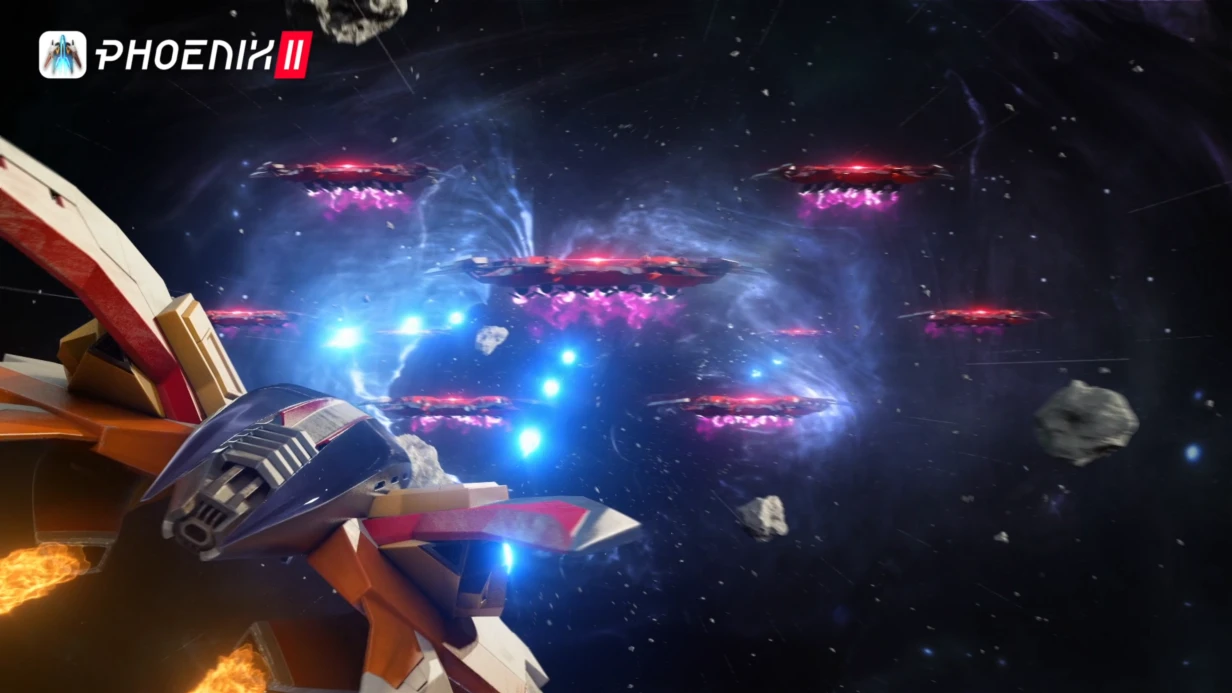
משחקי Apple Vision Pro: איך לבלוט מול המתחרים?
בעוד המתחרים ממשיכים להתחרות בערוצים מוכרים, משחקי Apple Vision Pro נותרים נישה כמעט פתוחה. זו לא רק פלטפורמה חדשה—זו דרך לתפוס את תשומת הלב של קהל שנמאס לו ממסכים רגילים.
מי שישיק פרויקט אימרסיבי ראשון יזכה במעמד של חלוצים בתחומם, ולכן גם בעניין אורגני מצד מדיה ורשתות חברתיות ללא תקציבי פרסום גדולים.
להחמיץ את ההזדמנות הזו פירושו למסור את ההובלה לשחקני שוק נחושים יותר. הביקוש לחוויות גדל, ומשחקים אימרסיביים מספקים בדיוק את מה שמשתמשים מודרניים מחפשים: תחושת נוכחות, התרגשות ורגשות שאי אפשר להשיג מסמארטפון או מסך.
עבור מותג, זה לא רק משחק אלא כלי שהופך אירוע רגיל לחוויה בלתי נשכחת ובונה נאמנות לשנים קדימה.
אנחנו עוזרים לכם לבלוט מול המתחרים על ידי יצירת משחקי Apple Vision Pro למטרה עסקית ספציפית: מרעיון ותסריט ועד למוצר מוגמר שמפתיע ומעסיק.
אכפת לנו שהפרויקט שלכם יניב תוצאות מדידות—מודעות מותג גבוהה יותר, טווח הגעה, עניין קהל ורצון לחזור.
לכן אנחנו חושבים לא רק על מכניקות אלא גם על חיבור משמעותי למותג, כך שהמשחק ימשיך לעבוד עבור התדמית שלכם גם אחרי שהאירוע מסתיים.
אם אתם חושבים על איך להיכנס לנישה לפני אחרים ולתת לקהל שלכם רגשות בלתי נשכחים, התחילו ברעיון פשוט. דברו איתנו, ואנחנו נציע איזה פורמט משחק אימרסיבי יביא ערך מקסימלי לעסק שלכם. הצעד הראשון עכשיו יקבע אם תהפכו למובילי טרנדים או לחסידים.
אילו יתרונות משחק אימרסיבי יכול להביא למותג שלכם?
משחק אימרסיבי ל-Apple Vision Pro אינו בידור לשם עצמו—זה כלי שהופך מבקר למשתתף בסיפור שלכם.
במקום לצפות באופן פסיבי בסרטון או במצגת, אדם מוצא את עצמו בתוך המותג: שולט, מתקשר, חווה. טבילה כזו נזכרת ברמה רגשית, ורגשות מניעים החלטות רכישה.
היתרון המרכזי הוא מעורבות עמוקה. מסכים רגילים מאבדים תשומת לב תוך שניות, בעוד תרחיש אימרסיבי מחזיק אדם בפוקוס מלא למשך מספר דקות.
בזמן הזה אפשר להציג מוצר, להכיר שירות או לבדוק רעיון חדש—בלי הוראות משעממות או טקסטים ארוכים.
היתרון הבא הוא טווח הגעה רחב. חוויות אימרסיביות נראות כמו נס: אורחים מצלמים סרטונים בעצמם, משתפים התרשמויות ברשתות חברתיות ומספרים לחברים.
כל משתתף מביא כמה אזכורים חינמיים למותג, ותוכן יוצא דופן נאסף לעיתים קרובות על ידי מדיה מקומית ובלוגרים—המודעות גדלה ללא תקציב פרסום נוסף.
לבסוף, המשחק עובד לייצור לידים. בתוך התרחיש אפשר להציע באופן טבעי להשאיר פנייה, להירשם לניוזלטר או לקבל הצעה אישית אחרי הסיום.
האדם עוזב עם רושם חיובי ועניין מחומם—ההמרה לביקור חוזר או רכישה גבוהה משמעותית מאשר אחרי מבצע קלאסי.
בקיצור: משחק אימרסיבי מספק מעורבות, טווח הגעה ולידים—שלוש תוצאות מפתח לכל מותג. בהמשך, נבחן איך זה עובד בפועל ואילו שאלות חברות שואלות לרוב לפני ההשקה.
פורמטי משחק מתאימים לאירוע שלכם
לכל אירוע יש מטרה משלו: למשוך תשומת לב, להציג מוצר, לתת לאורחים רגשות או לאסוף אנשי קשר. זה קובע איזה פורמט משחק יהיה אפקטיבי. אנחנו בוחרים פורמט על סמך המטרה והקהל שלכם, ולא פשוט מעתיקים משחק ל-Apple Vision Pro.
הפורמט קובע איך אורחים מתקשרים עם המשחק ואיזה חותם הוא משאיר בזיכרון. הצוות שלנו מפתח תרחישים שונים—מהדגמות קצרות ועד תחרויות קבוצתיות. להלן מדריך כיצד כל פורמט מתיישר עם משימות טיפוסיות.
| פורמט | למי | מה זה נותן ללקוח |
|---|---|---|
| אזור הדגמה | תערוכות, מצגות, לובי כנסים | אורחים מנסים את המשחק בעצמם; אתם מושכים תשומת לב לדוכן שלכם ואוספים אנשי קשר. |
| מסע (Quest) | גיבוש צוות, אירועי חברה, פתיחות | קבוצות פותרות משימות יחד; המעורבות והרושם הכללי של האירוע גדלים. |
| תחרות | מבצעים, חגים, ימים פתוחים | התרגשות וקרן פרסים מושכים משתתפים, ומעודדים צילומים ואזכורים ברשתות חברתיות. |
| סשן VIP | פגישות עסקיות, אירועים פרטיים | הדגמה אישית לשותפים או לקוחות, המדגישה סטטוס וחדשנות. |
זו לא תוכנית נוקשה: אפשר לשלב תרחיש אחד—מסע בבוקר, תחרות בערב. בעת הבחירה, אנו מתחשבים במספר האורחים, משך האירוע והיכולות הטכניות של המקום.
כתוצאה מכך, אתם מקבלים משחק שעובד למען המטרה שלכם ולא רק מבדר לשם סימון וי.
איך עובד פיתוח עיצוב משחק: שלבי הפרויקט
תהליך ברור של שישה שלבים: מבריף ועד השקה ותמיכה. בכל שלב אתם רואים את התוצאה ויכולים להשפיע על החלטות, כך שהמשחק יוצא בדיוק כפי שדמיינתם.
- בריף וטבילה. אנחנו אוספים משימות עסקיות, קהל ומטרות למשחק Apple Vision Pro. אנו קובעים קריטריוני הצלחה—מספר סשנים, מעורבות, טווח הגעה.
- קונספט ומסמך עיצוב משחק. אנו יוצרים GDD: עולם המשחק, מכניקות, תרחישי אינטראקציה. אתם מאשרים את לוגיקת המשחק לפני תחילת הפיתוח הראשי.
- אב טיפוס ואישור. אנו בונים גרסת הדגמה של התרחיש המרכזי ובודקים איך המשחק מרגיש במרחב. אנו מבצעים התאמות לפני המעבר לגרסה המלאה.
- שלב עיקרי ובדיקות. אנו מפתחים את הגרסה המלאה ובודקים שימושיות ויציבות עם משתמשים אמיתיים. התוצאה היא משחק מוכן להשקה.
- השקה ופרסום. אנו מפרסמים את האפליקציה ל-Apple Vision Pro ומכינים את רישום החנות, התיאור וחומרי קידום. אתם מקבלים קישור התקנה וגישה לניתוחים.
- תמיכה ופיתוח. אנו תומכים במשחק לאחר ההשקה: מעדכנים תוכן, מתקנים בעיות ומוסיפים תרחישים חדשים על סמך משוב.
כל שלב מסתיים באישור—אתם תמיד יודעים מה קורה וכמה זמן ייקח השלב הבא. תהליך זה מבטל עבודות חוזרות בלתי צפויות ועלויות נוספות.
ניסיון מעשרות פרויקטים מראה ששלבים ברורים ומסמך עיצוב משחק שקוף מקצרים את זמן פיתוח משחקי Apple Vision Pro פי אחד וחצי עד שניים.
מה אתם מקבלים בחבילה: היקף המסירה
אתם מקבלים לא רק משחק אלא סט שלם של נכסים שנשאר בחברה שלכם. היקף המסירה מתוכנן כך שתוכלו לשלוט בכל שלב, להביא קבלנים חדשים ולהרחיב את הפרויקט מבלי לאבד איכות.
הנה מה שכלול בחבילה:
- מסמך עיצוב משחק (GDD) — תיאור מפורט של הקונספט, המכניקות, הרמות ותרחישי האינטראקציה. זה הבסיס שמאפשר לצוות שלכם או לקבלן חדש להבין את לוגיקת המשחק ללא הסברים ארוכים.
- תיעוד טכני — תיאור הארכיטקטורה, מבנה הקוד והאינטגרציות. בעזרתו, כל מפתח יכול להמשיך את העבודה, ואתם לא תהיו תלויים בספק יחיד.
- אבות טיפוס ומודלים של ממשק משתמש — דיאגרמות חזותיות ותמונות שמאפשרות לכם לאשר את חזון המוצר לפני התכנות ולהימנע מעבודות חוזרות יקרות.
- תיאורי תרחישי משתמש — איך השחקן מתקשר עם המכשיר והמרחב, כולל כל המחוות והרמזים האינטואיטיביים. זה מבטיח קלות שימוש ורגשות חיוביים.
- חומרי מקור — כל הגרפיקה, מודלי התלת-ממד וקבצי האודיו שנוצרו במהלך הפרויקט. אתם יכולים להשתמש בהם לשיווק, מצגות או פיתוח עתידי.
- הוראות השקה ובדיקות — רשימות בדיקה ושיטות אימות לשחרור מהיר של המשחק ובקרת איכות.
- תוכנית פיתוח מוצר — מפת דרכים של עדכונים עם סדרי עדיפויות להוספת תוכן ושיפור חווית המשתמש. אתם יודעים מה לעשות אחרי ההשקה.
כל המסמכים נמסרים בפורמט מובנה המובן גם למומחים טכניים וגם למנהלים. אתם מקבלים לא קבצים מפוזרים אלא מערכת שנותנת לכם שליטה מלאה על הפרויקט ויכולת להגדיל את הקהל שלכם מבלי לאבד מומנטום.
מקרה בוחן: משיכת אורחים עם משחק אימרסיבי
אורחים מגיעים לחוויות, אבל בריכה, ספא ובידור כבר לא מפתיעים אותם. כדי לבלוט, צריך חוויה ששווה לדבר עליה עוד לפני שהם עוזבים.
משחק אימרסיבי על Apple Vision Pro מספק בדיוק את האפקט הזה—אפשר לשלב אותו במלון, מסעדה או מקום אירועים.
מהניסיון שלנו: עבור מלון הכפרי Terra, יצרנו משחק אימרסיבי על Apple Vision Pro—מסע בשטח עם רמזים דיגיטליים ועלילה חיה.
האורח קיבל משקפיים בקבלה, קיבל הוראה קצרה ויצא למסע של 30–40 דקות: מציאת נקודות, פתרון חידות וגילוי סיפורים על המלון.
לאורך הדרך, התרחיש הכיר להם את התשתיות—החדרים, אולם האירועים, אזור הספא—והוביל בעדינות למכירות נוספות.
התוצאה הפתיעה אפילו את המנהלים: למעלה מ-2,000 אורחים השלימו את המשחק בחודשיים. הזמן הממוצע בשטח גדל פי אחד וחצי; אורחים הקליטו סרטונים והמליצו על המלון לחברים בעצמם.
אחרי העונה, המלון הזמין תרחיש מורחב לאירועי חברה—זה כבר השלב השלישי של שיתוף הפעולה.
עבורנו, זה אישור: משחקי Apple Vision Pro עוזרים למשוך אורחים ולהגדיל הכנסות, ולא משמשים כאטרקציה חד-פעמית. הפורמט הזה קל להתאמה לתערוכות, פתיחות ומסיבות פרטיות.
איך לבחור פורמט משחק למטרה שלכם?
פורמט משחק למטרה שלכם לא נבחר "לפי טעם"—הוא נקבע על ידי מטרות, קהל ותקציב. אם אתם צריכים רושם בוהק באירוע, הדגמה קצרה של כמה דקות מספיקה.
אם המטרה היא לשמר משתמשים ולבנות תקשורת ארוכת טווח עם מותג, תצטרכו מכניקת משחק מלאה עם התקדמות ותגמולים.
זה חשוב במיוחד למשחקי Apple Vision Pro: אינטראקציה מרחבית מסירה את המגבלות של מסך מסורתי, אבל היא גם עולה יותר. אנחנו עוזרים לכם לבחור פורמט שמספק תוצאות מקסימליות במסגרת התקציב שלכם—בלי לשלם יותר מדי על אפשרויות מיותרות.
בשלב הראשון, אנו מנתחים את המטרה שלכם: מה צריך לקרות אחרי המשחק—לידים חדשים, מודעות מוגברת, הכשרת עובדים או מכירות. ואז אנו בוחרים את התרחיש, משך הזמן ורמת הקושי.
לקמפיינים פרסומיים, פורמטים קומפקטיים של עד דקה עובדים היטב; לתערוכות, אזורים אינטראקטיביים של 5–10 דקות; להכשרה ארגונית, סדרת רמות עם משוב.
התקציב משפיע לא על האיכות אלא על ההיקף: מספר התרחישים, עומק הפירוט וכמות התוכן. אנחנו אומרים בכנות מה אפשר לעשות בכסף שלכם ומציעים השקה בשלבים—מגרסה קצרה למורחבת.
אם אתם לא בטוחים איזה פורמט לבחור, שלחו לנו תיאור של המשימה שלכם—נציע 2–3 אפשרויות עם הערכות זמן ועלות. זה ללא התחייבות.
תשובות לשאלות נפוצות של לקוחות
לקוחות תוהים לעיתים קרובות: כמה זמן ייקח הפיתוח, מה הסיכונים, ואיך התהליך עובד? אנחנו עונים על השאלות המרכזיות כדי שתוכלו לקבל החלטה בביטחון.
כמה זמן לוקח הפיתוח?
זה תלוי בהיקף. הגרסה הראשונה ל-Apple Vision Pro לוקחת 2-3 חודשים; שחרור מלא לוקח 4 עד 7 חודשים. אנו קובעים אבני דרך, ואתם רואים תוצאות כל 2-3 שבועות.
מהם הסיכונים?
הסיכון העיקרי הוא תקצוב למשחק שלא מצליח. אנחנו מתחילים עם אב טיפוס, בודקים אותו עם הקהל, ורק אז משקיעים בפיתוח מלא. אתם לומדים על סיכונים בשלב מוקדם.
איך התהליך עובד?
אנחנו מתחילים עם בריף, יוצרים קונספט ומסמך עיצוב משחק, ואז אב טיפוס ובנייה סופית. אתם מאשרים החלטות מפתח בכל שלב.
מה אתם מקבלים בסופו של דבר?
משחק מותאם למחוות ולממשק המרחבי של Vision Pro, הוראות ותיאור ב-App Store. אנחנו גם מאמנים את הצוות שלכם לעבוד עם האפליקציה.
מי אחראי על התמיכה?
אנחנו נשארים בקשר אחרי ההשקה: מתקנים באגים, מעדכנים לגרסאות מערכת חדשות ועוזרים בפרסום. אנחנו מטפלים בצד הטכני בזמן שאתם מתמקדים בעסק שלכם.
מוכנים ליצור משחק Apple Vision Pro? השאירו פנייה
יצירת משחק Apple Vision Pro היא כניסה לשוק החדש של אפליקציות מרחביות, שבו התחרות עדיין נמוכה והעניין של הקהל כבר נוצר. אבל בלי עיצוב משחק מוצק ובסיס טכני, הרעיון מסתכן להישאר רק מצגת יפה.
אנחנו לוקחים על עצמנו את כל המסע—מקונספט ועד פרסום—כדי שתקבלו מוצר שמייצר רווח ומחזק את המותג שלכם.
בצוות שלנו, צוות ייעודי מטפל בפרויקטים מרחביים: אנחנו עובדים על visionOS בחומרת Apple מקצועית, כך שהלקוח מקבל משחק יציב ללא "הפתעות" במהלך הבדיקות וההשקות המוקדמות. אתם לא צריכים להיכנס לפרטים טכניים—אתם שולטים בתוצאה, בלוח הזמנים ובתקציב.
השאירו פנייה, ובתמורה תקבלו:
- תוכנית עבודה ברורה ולוחות זמנים מוסכמים;
- מסמך עיצוב משחק מותאם לקהל שלכם;
- אב טיפוס שתוכלו להראות למשקיעים ולשותפים;
- בדיקות על מכשיר אמיתי ותיקון באגים לפני השחרור;
- עזרה בפרסום ב-App Store ובקידום ראשוני;
- הבטחה למחיר קבוע ולוחות זמנים, המעוגנים בחוזה.
הבטחת התוצאה אינה מילים ריקות. אם לא נעמוד בלוח הזמנים המוסכם או נשנה תנאים ללא הסכמתכם, תקבלו פיצוי או התאמה של היקף העבודה. זה מגן עליכם מפני סיכונים ומאפשר לכם לתכנן את השקת המוצר ברוגע.
אל תדחו—משחקים מרחביים כבר תובעים את הנישה שלהם. השאירו פנייה עכשיו, ונספר לכם איך הרעיון שלכם יהפוך למשחק Apple Vision Pro, ונציע צעד מעשי ראשון כבר בשבוע הבא.