

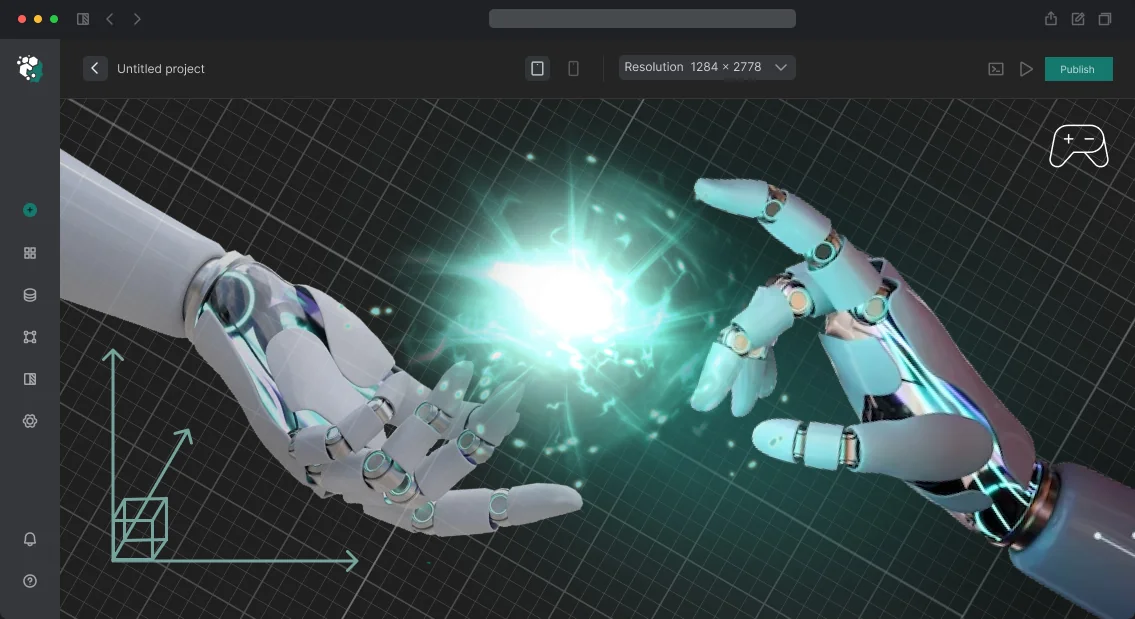
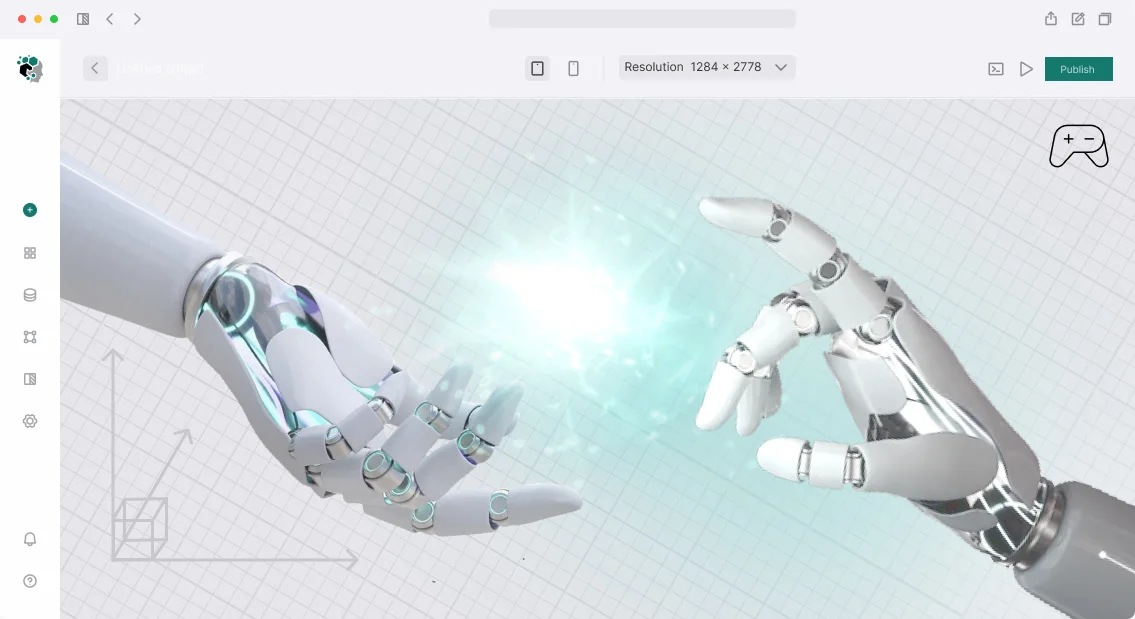
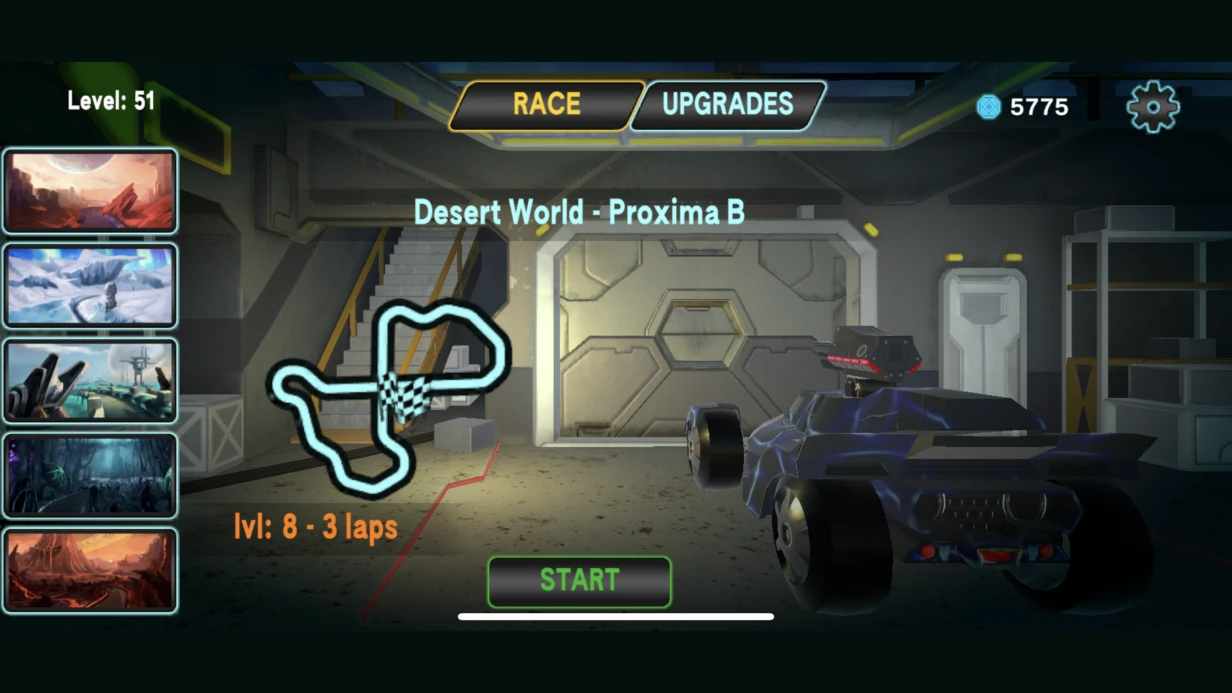

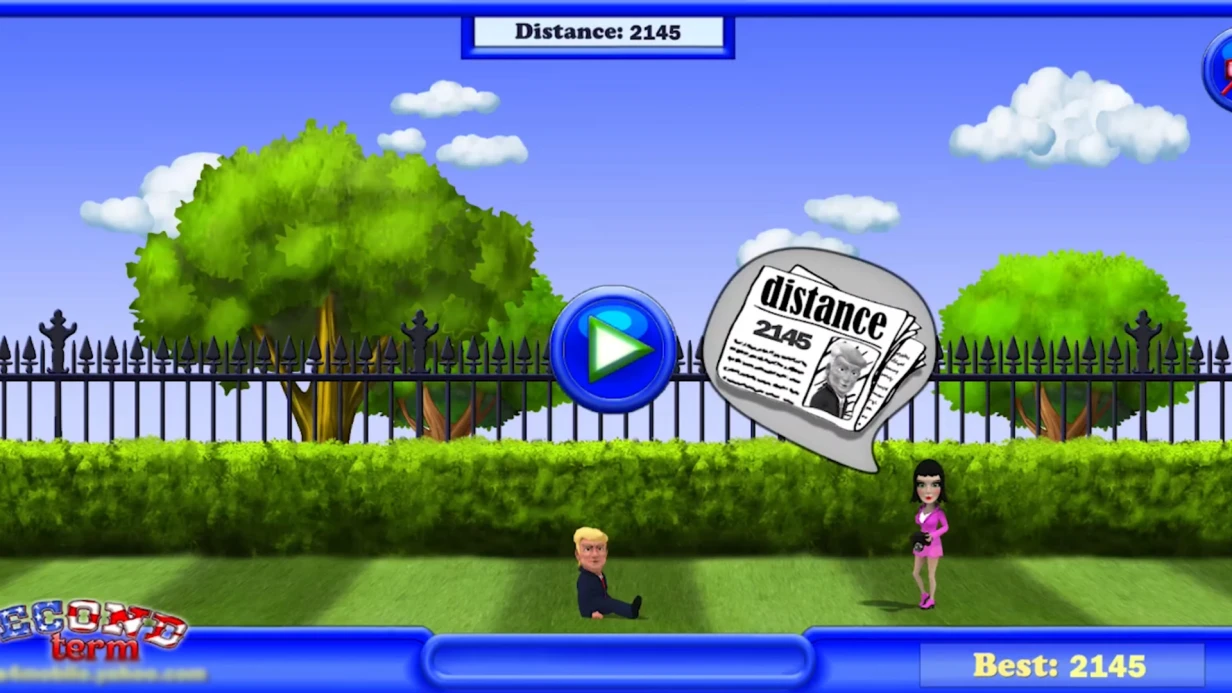
המתחרים שלכם מושכים לקוחות עם משחקי דפדפן. ואתם?
לקוחות לא קוראים תיאורים ארוכים ולא משווים מפרטים. הם רוצים לקחת הפסקה — לפתוח קישור, לשחק דקה, ולחזור למשימות שלהם. אם למתחרה יש משחק דפדפן פשוט ולכם אין — ditaykon תשומת הלב של הקהל שלכם הולכת לשם.
השיווק הופך ליקר יותר, והתוצאות קטנות יותר, כי לא הטקסט יוצר חיבור רגשי — אלא אינטראקציה חיה.
משחקי היפר-קז'ואל פותרים את הבעיה הזו מהר יותר מפורמטים אחרים: חוקים ברורים, מסך אחד, התחלה מיידית ללא התקנה או הרשמה. המשחק לא דורש מהלקוח זמן או מאמץ, כך שגם אלה שבדרך כלל מתעלמים מפרסומות נמשכים פנימה.
אדם מסיים רמה, רואה את המותג שלכם, מקבל פרס נעים — וזוכר דווקא אתכם. כך משחקי דפדפן הופכים מבקרים אקראיים לקהל נאמן שחוזר מעצמו ומשתף את הקישור.
פיתוח משחקים בפורמט הזה לוקח שבועות, לא חודשים, ומתאים לכל משימה. רוצים לאסוף אנשי קשר — נטמיע טופס. צריכים להציג מוצר — נבנה סביבו מכניקת משחק. המטרה היא להגדיל חשיפה — נוסיף אלמנט תחרותי וסיבה לשתף תוצאות. אנחנו עוזרים לכם להגדיר איזו מכניקה תניב את הערך הרב ביותר לעסק הספציפי שלכם.
לצוות שלנו יש עשרות פרויקטים שהושקו בתעשיות שונות. אנחנו מטפלים בהכול: מהתסריט ועד למימוש הטכני והאינטגרציה עם השירותים שלכם.
אתם לא צריכים להיכנס לפרטים — אתם מקבלים כלי מוכן לרכישת לקוחות שממשיך לעבוד אחרי ההשקה ומחזיר את ההשקעה בפניות חדשות.
מה מקבלים מיצירת משחק: לידים, חשיפה ונאמנות
משחק דפדפן הוא לא בידור לשם בידור — הוא כלי שיווקי עובד. משתמש מבלה כמה דקות עם המותג שלכם, ובזמן הזה מצליח לזכור אותו, לספוג את האווירה, ולהשאיר את פרטי הקשר שלו.
בניגוד לבאנר או פוסט רגיל, משחק מערב אדם ישירות: הוא נוקט פעולה במקום רק לגלול בפיד.
היתרון המרכזי הוא לידים ומאגר אנשי קשר. טופס הרשמה מוטמע או משימה שמבקשת אימייל הופכים את המשחק למנגנון הפקת לידים. המשתמש משאיר את הנתונים שלו מרצון כי הוא רוצה לשמור את התוצאה או לקבל בונוס. כך אתם לא מקבלים טראפיק קר — אתם מקבלים קהל מעורב שמוכן לדיאלוג.
התוצאה השנייה היא צמיחה במודעות למותג. משחק קצר, בהיר ופשוט מתפשט מעצמו: מבקרים שולחים אותו לחברים, משתפים תוצאות בהודעות. כל משחק הוא חשיפה של המותג שלכם לאנשים חדשים, והחשיפה הזו לא דורשת תקציב פרסום.
ככל שהתסריט מרתק יותר, כך יותר אנשים חוזרים — והמותג נשאר בזיכרון שלהם זמן רב יותר.
לבסוף, משחק בונה נאמנות. רגשות נעימים, התרגשות ותחושת ניצחון הופכים למקושרים עם החברה שלכם. אדם שנהנה וקיבל מתנה סביר יותר שיחזור כלקוח.
הלקוחות שלנו מציינים שאחרי השקת משחק, הפניות החוזרות גדלות — אנשים זוכרים דווקא את מי שנתן להם חוויה חיובית.
חשבנו על הכול כדי שתקבלו לא רק אתר עם משחק, אלא כלי מוכן למעורבות קהל. אנחנו בונים משחק למטרה הספציפית שלכם: איסוף לידים, קידום קמפיין או מודעות למותג.
ציוד מקצועי וכלים מכווננים מבטיחים שהמשחק ירוץ בצורה אמינה — בכל דפדפן ובכל מכשיר.
אילו פורמטים של משחקי דפדפן קיימים ואיך לבחור אחד למטרה שלכם
כל תקציב שיווקי דורש תוצאה צפויה. משחקי דפדפן נבדלים במכניקה, באורך הסשן ובמה שנשאר אחרי הקליק — איש קשר, רכישה או רק רושם. לכן הפורמט נבחר לא לפי המראה אלא לפי המטרה העסקית הספציפית.
| פורמט | למי זה מתאים | מה זה נותן ללקוח |
|---|---|---|
| משחקי היפר-קז'ואל | מותגים עם קהל רחב | מעורבות מהירה וחשיפה ויראלית: מכניקה פשוטה שכל אחד מבין ללא הוראות |
| חידון מותג | שיווק ומותג משאבי אנוש | איסוף אנשי קשר, פילוח קהל וצמיחה במודעות בפורמט קליל |
| ארקייד עסקי | מבצעים והצעות מיוחדות | הגדלת זמן השהייה באתר, ביקורים חוזרים ומכירות ישירות באמצעות גיימיפיקציה |
| פאזל אינטראקטיבי | חברות מומחים | הצגת מוצר מורכב דרך משחק ושמירה על תשומת לב לאורך זמן |
השוו עם התרחיש שלכם. אם אתם צריכים לחמם במהירות קהל קר — ז'אנר ההיפר-קז'ואל יניב חשיפה מקסימלית עם חסם כניסה נמוך. אם המטרה היא לידים לניוזלטר, חידון יאסוף אותם ללא טפסים משעממים. ארקייד יגביר מבצע ויגרום לאנשים לחזור.
אנחנו נעזור לכם לבחור פורמט שעובד למשפך הספציפי שלכם — נתחיל עם בריף קצר?
תהליך פיתוח המשחק: 6 שלבים מהרעיון להשקה
כשלקוח מגיע עם רעיון, הוא צריך לא רק קוד אלא תהליך ברור שבו הוא שולט בכל שלב. מבננו את העבודה כך שתמיד תדעו מה קורה עם הפרויקט שלכם, מה לוחות הזמנים ומתי יופיעו התוצאות הראשונות. להלן 6 השלבים שכל משחק דפדפן עובר: מהבריף הראשון ועד ההשקה והתמיכה.
- בריף ומטרות. אתם מספרים לנו איזה קהל אתם רוצים למשוך ואיזו מכניקה מעניינת אתכם. אנחנו קובעים את מטרות הפרויקט ומרכיבים מפרט טכני כדי שכולם ידברו באותה שפה.
- קונספט ואב-טיפוס. תוך 3-5 ימים אנחנו בונים גרסת הדגמה עם המכניקה המרכזית. אתם רואים איך המשחק נראה ומרגיש, ואתם מחליטים: להמשיך קדימה או לשנות כיוון.
- אישור קונספט. אנחנו מציגים את המשחקיות, הסגנון החזותי ומבנה הרמות. אתם עורכים תיקונים — אנחנו מיישמים אותם על האב-טיפוס עד שהתוצאה מתאימה לכם ב-100%.
- פיתוח הגרסה המלאה. אנחנו מרכיבים את כל הרמות, מוסיפים סאונד, אנימציות, מערכת התקדמות ואנליטיקה. בשלב הזה אתם מקבלים גרסאות ביניים שתוכלו לבדוק עם קבוצת מיקוד.
- השקה בדפדפן. אנחנו מפרסמים את המשחק בפלטפורמה שלכם או בפלטפורמות השותפים שלנו. אנחנו בודקים את מהירות הטעינה במכשירים ודפדפנים שונים כדי שהשחקן לא יעזוב אחרי 2 שניות של המתנה.
- תמיכה וצמיחה. אנחנו עוקבים אחר מדדים: כמה אנשים הגיעו לסוף, איפה הם נשרו. בהתבסס על התוצאות, אנחנו משפרים, מוסיפים רמות או מכניקות — המשחק ממשיך לעבוד עבור הקהל שלכם גם אחרי ההשקה.
התהליך כולו אורך בין 2 ל-6 שבועות תלוי במורכבות. אתם מקבלים לוח זמנים שקוף, דוחות קבועים ומוצר סופי שתוכלו להשתמש בו מיד בקמפיינים פרסומיים.
מה כלול בחבילת המשחק הסופית: מסירה מלאה
אנחנו מוסרים לא רק משחק מוגמר אלא חבילת עבודה מלאה שהופכת אתכם לבעלים המלאים של המוצר. אין תלות בקבלן, אין קבצים "סודיים" — רק מה שאתם צריכים כדי לנהל, לפתח ולהשיק את הפרויקט.
מה כלול בחבילת המסירה:
- קבצי מקור של המשחק — כל קוד הפרויקט מועבר אליכם בצורה ברורה ומובנת. אתם יכולים לפתח את המשחק עם הצוות שלכם או למסור אותו לכל סטודיו אחר.
- לוח בקרה — ממשק נוח להגדרת רמות, פריטים ומבצעים. שנו את המשחק ללא מעורבות מתכנת.
- זכויות המשחק — זכויות בלעדיות מלאות על המוצר. מבחינה חוקית זה הנכס שלכם: אתם יכולים למכור אותו, להעביר אותו או לשלב אותו בפרויקטים שלכם.
- מדריך השקה ותפעול — מסמך פשוט בשפה ברורה שכל מנהל יכול להבין באמצעותו את המערכת.
- הדרכת צוות — אנחנו מראים איך המשחק ולוח הבקרה עובדים ועונים על השאלות שלכם. מתבצע אונליין בפורמט נוח.
- גישה לצד השרת — אחסון נתונים, סנכרון, הגדרות. אתם שולטים בכל התהליך, לא רק ב"תמונה".
- תמיכה טכנית לאחר ההשקה — אנחנו תומכים בכם בתקופה הראשונית אחרי העלייה לאוויר: תופסים באגים, עוזרים בהגדרות ועונים על שאלות.
החבילה הזו היא ביטוח נגד הבעיות האופייניות שלקוחות נתקלים בהן. אתם אף פעם לא נשארים לבד עם מערכת לא מוכרת, ואתם לא תלויים בקבלן יחיד. כל מה שנוצר במסגרת הפרויקט שייך לכם — משורת הקוד הראשונה ועד המשחק המוגמר.
אם חשוב לכם לקבל לא רק "משהו לשחק בו" אלא מוצר מלא בשליטתכם — בואו נדבר על הפרויקט שלכם. נשלח לכם את מבנה החבילה המותאם למשימה הספציפית שלכם.
מקרה בוחן: איך משחק הכפיל המרות
אחד הלקוחות שלנו — פורטל הבידור «פארק השעשועים אונליין» — נתקל בבעיה אופיינית: מבקרים הגיעו לאתר, אבל רק חלק קטן הגיע לפעולת היעד — הרשמה לקווסטים.
במקום עוד באנר סטנדרטי, הצענו להשיק משחק מיני-היפר-קז'ואל שמערב מהשניות הראשונות ומנחה בעדינות משתמשים לפעולה הרצויה.
במשך ארבעה שבועות בנינו מכניקת "אסוף את הפרסים" פשוטה: המשתמש תופס בונוסים ומקבל קוד קופון להנחה בסוף.
המשחק לא דרש התקנה ונפתח ישירות בדפדפן מכל עמוד בפורטל, כך שההשתתפות ארכה פחות מדקה. זה היה היתרון המרכזי: האורח לא צריך להוריד כלום או להבין את החוקים — הוא משחק מיד.
התוצאות של החודש הראשון עלו על הציפיות: ההמרה להרשמה הוכפלה — מ-1.8% ל-3.6%. סשן המשחק הממוצע היה 5 דקות ו-40 שניות, ו-62% מהשחקנים עברו לעמוד הקווסט אחרי מסך הסיום.
מעורבות חוזרת הייתה נעימה במיוחד: 38% מהמשתמשים חזרו למשחק תוך שבוע, וכל משחק שמיני הסתיים בהזמנת שובר מתנה.
מה הלקוח קיבל
- המרה הוכפלה עם אפס הוצאה על טראפיק נוסף.
- פורמט חדש של אינטראקציה עם קהל: אפשר לעדכן את המשחק למבצעים עונתיים והצעות חדשות.
- דוגמה ברורה למשחק ממותג שקל לשלב בניוזלטרים וברשתות חברתיות.
- הזמנה חוזרת: אחרי ההצלחה, הפורטל הזמין משחק שני לקמפיין ראש השנה.
איך לבחור את פורמט המשחק שיביא את הערך הרב ביותר?
בחירת פורמט משחק היא לא עניין של טעם — היא עניין של המטרות העסקיות שלכם. לפני שמזמינים פיתוח, כדאי להגדיר: מה המשחק אמור לעשות — למשוך קהל חדש, לשמר את הקיים, להגביר מודעות או לאסוף נתוני לקוחות? בחירת המכניקה והז'אנר תלויה ישירות בתשובה.
משחקי דפדפן היפר-קז'ואל פותרים את רוב המשימות האלה. הם לא דורשים התקנה, נפתחים מקישור ומערבים אדם בתוך השניות הראשונות.
זה מניב חשיפה ללא חסם כניסה: המבקר לא מוריד אפליקציה, לא עובר הרשמה, אלא מיד מתחיל לשחק ומקבל את הרגשות הראשונים. עבור העסק זה אומר השקת קמפיין מהירה וסף השתתפות נמוך.
בחירת המכניקה נבנית סביב הקהל שלכם. אם אתם צריכים רכישה המונית — מכניקה פשוטה עם סשנים קצרים היא הדרך: קל ללמוד וקל לשתף תוצאות.
אם הקהל מצומצם ומומחה, המכניקה יכולה להיות קצת יותר עמוקה, אבל אז ההתרחבות הופכת לקשה יותר. הפרקטיקה מראה שהאסטרטגיה הנכונה היא להתחיל עם משהו ברור ופשוט, ואז לפתח את הרעיון לפי איך שמשתמשים באמת משחקים.
בחירת ז'אנר לעסק היא גם פרקטית. פאזלים מצוינים למעורבות, ארקיידים לרגשות ואפקט תחרותי, סימולטורים להדגמת מוצר או שירות בפעולה.
אנחנו עוזרים לכם לבחור ז'אנר שמקשר את המשחק למותג שלכם באופן טבעי, במקום רק למשוך טראפיק אקראי. זה חוסך תקציב והופך כל השקה למדידה.
התשובה לשאלה "איזה משחק יעבוד" היא כזו: זה שמסביר למשתמש מה לעשות תוך 10-15 שניות, יוצר דחף לשחק שוב, ומכיל סיבה לשתף את התוצאה עם חברים.
אלה בדיוק המשחקים שמניבים תוצאות מדידות לעסק — צמיחה בחשיפה, לידים ופניות חוזרות.
אנחנו דנים בקריטריונים האלה בשלב הבריף ונועלים אותם באב-הטיפוס כדי שתבינו מראש איזה פורמט אתם מקבלים ולמה הוא יעבוד למשימה שלכם.
שאלות נפוצות על הפרויקט: תשובות לפני שמתחילים
לפני שפרויקט מתחיל, לכל לקוח יש שלוש שאלות עיקריות: האם נעמוד בלוח הזמנים, האם נישאר במסגרת התקציב, ומה קורה אם משהו משתבש.
אלה חששות נורמליים — הם משפיעים על השקט הנפשי שלכם בכל שלב, ולכן אנחנו עונים עליהם ישירות, ללא אותיות קטנות.
יש סיכונים בכל פיתוח, אבל הם ניתנים לניהול. אנחנו לוקחים אחריות על הטיפול בהם: נועלים לוחות זמנים בלוח השנה, שומרים מרווח לתיקונים, ומראים לכם מראש מה יכול להשפיע על תאריך ההשקה.
כך, החמצת מועד אף פעם לא מפתיעה — אתם תמיד מבינים איפה הדברים עומדים, ואנחנו מתאימים את התוכנית יחד כשצריך.
העלות גם היא קבועה לפני ההתחלה: אחרי הבריף, אתם מקבלים הערכת עלות עם שלבים ברורים. אם תרצו להוסיף תכונה, תראו איך זה משפיע על התקציב ותחליטו בעצמכם.
אתם לא משלמים "רק על התהליך" — אתם קונים תוצאה: משחק עובד שתוכלו להראות למשתמשים.
מה אם המשחק יתקלקל אחרי ההשקה?
אין מה לדאוג. אנחנו מספקים תמיכת אחריות: אחרי מסירת הפרויקט, אנחנו מתקנים באגים במהירות ועוזרים בעדכונים במהלך התקופה המוסכמת.
המשחק רץ על ציוד מקצועי וארכיטקטורת שרת שמתמודדת עם עומסי שיא, ואנחנו תמיד זמינים כדי להחזיר במהירות את הכול למצב תקין.
הזמינו פיתוח משחק: בואו נדון בפרטים ונחשב את העלות
אתם במרחק צעד אחד מהשקת משחק דפדפן משלכם. השאירו פנייה — ונעניק לכם ייעוץ ראשוני על הפרויקט, נחשב את עלות פיתוח המשחק, ונציע תוכנית ראשונית כדי שתבינו מיד את לוח הזמנים והתקציב.
הייעוץ הוא ללא כל התחייבות. זו הזדמנות לדון ברעיון שלכם, להבהיר את המכניקה, קהל היעד וגישות המונטיזציה. יחד נקבע איזה פורמט יניב את התוצאה המקסימלית עבור ההשקעה שלכם.
מה תקבלו אחרי שליחת הפנייה:
- ייעוץ משחק: נבחן את הרעיון, המטרות והציפיות שלכם מהמוצר.
- חישוב עלות פיתוח המשחק — הערכה שקופה ללא עמלות נסתרות או "הפתעות".
- תוכנית פרויקט ראשונית: שלבי עבודה, לוח זמנים משוער ואבני דרך.
- מבחר מכניקות וכלים מתאימים — כדי שהמשחק יהיה מרתק ומשתלם.
- התיק שלנו והמלצות לקוחות, כדי שתוכלו לוודא את הרמה שלנו.
- המלצות להשקה וקידום — איך למשוך שחקנים ולאסוף משוב.
כדי לחשב את פרויקט המשחק, כל מה שאנחנו צריכים זה כמה נתונים: תיאור הרעיון, הקהל הרצוי ותקציב משוער. אחרי זה, נכין הצעה ונשלח אותה אליכם תוך כמה ימי עסקים.
מלאו את הטופס למטה או כתבו לנו בהודעות — מנהל יחזור אליכם בקרוב. זה ללא התחייבות: ההחלטה הסופית נשארת אצלכם. קחו את הצעד הפשוט הראשון — ובעוד כמה חודשים המשחק שלכם כבר יביא את השחקנים הראשונים.