


האורחים משתעממים בדוכן שלכם — ומשחקי ווב יכולים לשמור על העניין שלהם
מבקרים חולפים על פני הדוכן שלכם תוך שניות ספורות — תשומת הלב שלהם קרועה בין עשרות מציגים, מצגות והטלפונים שלהם עצמם. ברושורים רגילים ומצגות שקופיות לא תופסים את העין, כך שהדוכן שלכם נשאר ללא רגשות, ללא אנשי קשר וללא זיכרון מותג.
תוכן אינטראקטיבי לדוכן שלכם בצורת משחק ווב פותר את הבעיה הזו. אדם ניגש, סורק קוד עם מצלמת הטלפון שלו, ובתוך 30 שניות נכנס למשחקיות קלילה — ללא התקנות, ללא הרשמות, ללא המתנה.
זו מכניקה טבעית: האורחים כבר רגילים לאינטראקציה עם הסמארטפונים שלהם, כך שהם לא חשים שום חסם.
משחקים מסוג זה מספקים אפקט וואו שאנשים מאוחר יותר מדברים עליו במסדרונות ומשתפים ברשתות החברתיות. בזמן שמשתתף משחק, הוא נשאר בתוך שדה המותג: הוא רואה את הלוגו שלכם, שומע אסוציאציות מותג, וזוכר את הרגש.
לאחר המשחק, אתם יכולים להציע להם הנחה, פרס או הזמנה לאירוע הבא — נתיב ישיר ליצירת קשר ולהמרה שלאחר מכן.
אינטראקטיביות אמיתית בדוכן עובדת לא רק כבידור אלא ככלי לרכישת קהל. על ידי שיתוף אורחים בסיבובים קצרים, אתם מגדילים את זמן השהייה בחלל שלכם, ומכניקות לוח תוצאות או פרסים אקראיים מניעות אותם לחזור ולהביא חברים. כך דוכן פשוט הופך לנקודת משיכה של התערוכה.
במשך מספר שנים אנו מפתחים משחקי ווב למטרות עסקיות: מחידונים פשוטים ועד ארקייד ממותג שמתאימים למשפך בכל שלב. אתם מקבלים פתרון סוהר שמושק תוך שבוע ומתחיל מיד ללכוד את תשומת הלב של האורחים.
כל מה שנשאר הוא לבחור את מכניקת המשחק — ושימור קהל כבר לא יהיה בעיה.
5 סיבות להוסיף משחקי היפר-קז'ואל לאג'נדת האירוע שלכם
אורחים מגיעים לאירוע בשביל רגשות, אבל פורמטים סטנדרטיים — מצגות, הרצאות, מזנונים — מעייפים אותם במהירות. משחקי ווב היפר-קז'ואל פותרים את זה: מסך אחד, קליק אחד, שנייה אחת להסביר.
ללא התקנה, ללא הכנה — משתתף נכנס מיד לזרימה והופך לחלק מהאירוע.
הסיבה הראשונה — הגעה לקהל. מכניקות פשוטות מובנות לכולם: מתלמידי בית ספר ועד מנהלים בכירים. סיבוב קצר נמשך 30–60 שניות, כך שעשרות ואפילו מאות אורחים יכולים לשחק במהלך ערב.
אנשים ניגשים, רואים תוצאה על המסך, קוראים לחברים — נוצרים תור חי ורחשנים, שמוסיפים לאווירת האירוע.
הסיבה השנייה — לכידת אנשי קשר. לפני תחילת המשחק, אנו מבקשים מהאורח להשאיר אימייל או מספר טלפון — רגע טבעי שבו אדם ממוקד ומוכן להחליף את הנתונים שלו בתוצאה.
תוך כמה שעות אתם מקבלים מאגר אנשי קשר מאלה שבאמת מעוניינים. ניתן להשתמש בלידים אלה לקמפיינים בדוא"ל, הזמנות לאירועים עתידיים והצעות ממוקדות.
הסיבה השלישית — מיתוג בלתי נשכח. אנו מעצבים את המשחק בסגנון המותג שלכם: לוגו, צבעים, תנועה, צלילים. אנשים זוכרים את המותג דרך פעולה, לא דרך סיסמת באנר.
החיבור הרגשי פועל בעוצמה רבה יותר מפרסום רגיל — לאחר האירוע, אורחים מזכירים את החברה שלכם בין אלה שהפתיעו ושימחו אותם.
הסיבה הרביעית — פניות ישירות ותנועה הלאה. בנוסף ללכידת אנשי קשר, אתם יכולים לבנות קריאה לפעולה בתוך המשחק: קוד קידום, הזמנה לבוט במסנג'ר, שאלון או קופון לשירות.
השחקן מרוצה מהתוצאה וסביר מאוד שיגיב לשלב הבא. זה הופך בידור למקור של פניות מוכנות.
הסיבה החמישית — תועלת מדידה. בניגוד ל"רק אווירה", משחקי היפר-קז'ואל מייצרים מספרים: כמה אורחים השתתפו, כמה השאירו את הנתונים שלהם, כמה לחצו על קישור. אתם רואים ROI אמיתי ומבינים איזה פורמט משתלם.
אנו מטפלים בפיתוח ובהשקה — כל מה שאתם צריכים לעשות זה להתחיל לקבל את הפניות הראשונות במהלך האירוע עצמו.
פורמטים של משחקי ווב: בחרו לפי המטרה שלכם
כשמישהו אומר "אנחנו צריכים משחק לאתר או לאירוע", בדרך כלל יש מאחוריו מטרה ספציפית: למשוך תשומת לב, לחנך, ללכוד אנשי קשר או לשמור על מבקרים מעורבים לאורך זמן.
אין פתרון אוניברסלי — לכן פיצלנו את הפורמטים לתרחישים טיפוסיים והתאמנו לכל אחד מכניקה משלו.
להלן דף רמאות שיעזור לכם לבחור פורמט למטרה שלכם. ואנו נתאים את המכניקה למותג, לקהל ולמקום שלכם.
| פורמט | למי | מה הוא נותן ללקוח |
|---|---|---|
| משימות (קווסטים) | מותגים, מוזיאונים, אירועי חברה | מטביל משתתפים בסיפור, מחזיק תשומת לב למשך 10–15 דקות, משאיר רשמים עזים וסיבה לחזור |
| חידונים | שיווק, חינוך, משאבי אנוש | בודק ידע, אוסף נתוני קהל, קל לעדכן לנושא או מוצר חדש |
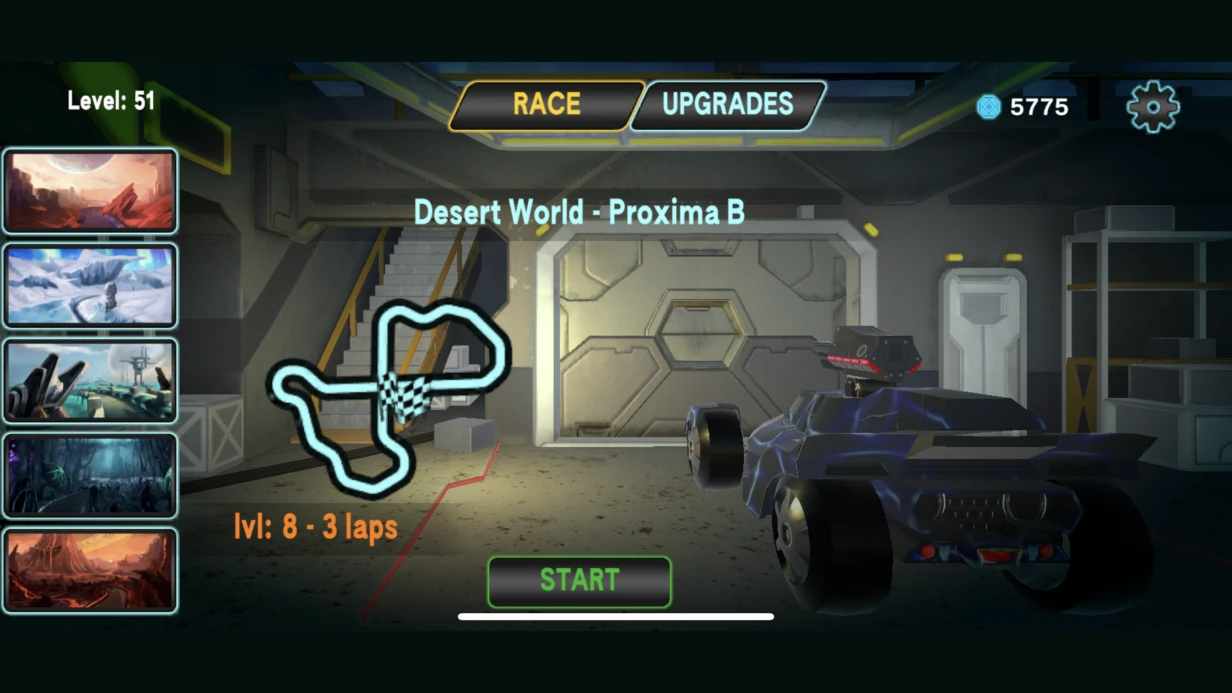
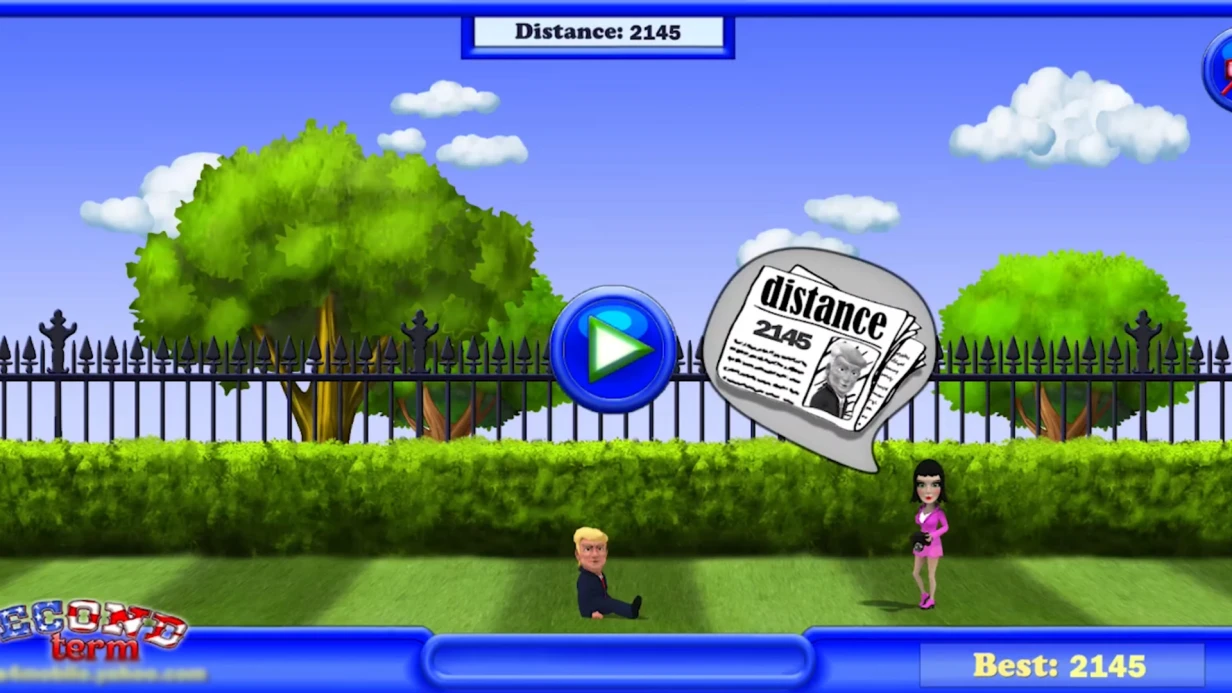
| ארקייד | מבצעים, דוכנים, אתרים | התחלה מהירה ועניין גבוה, מתאים לפעילויות קצרות, מניע לשיתוף תוצאות |
כל הפורמטים מושקים ישירות בדפדפן — האורח לא צריך להוריד או להתקין כלום. זה היתרון המרכזי של ווב: ככל שיש פחות חסמים, כך יש יותר משתתפים והמרה גבוהה יותר לפעולה הרצויה.
הפורמט שנבחר לא חייב להיות היחיד. אנו מרבים לשלב מכניקות: קווסט עם אלמנטים של חידון או ארקייד עם הגרלת פרסים. פרויקט אחד מכסה אז כמה משימות בבת אחת — מבידור ועד איסוף לידים. הביאו לנו את המטרה שלכם — נייעץ לכם על הפורמט שיעבד הכי טוב.
איך אנחנו משיקים את המשחק שלכם: 6 שלבים ללא הפתעות
תהליך שקוף אומר שאתם יודעים בכל שלב מה קורה ומתי תגיע התוצאה. חידדנו גישה זו על מאות פרויקטים: אתם מקבלים משחק שפותר את המשימה שלכם, נמסר בלוח זמנים וללא שינויים נסתרים בסוף.
-
בריף — אנו מפרקים את המשימה שלכם. אנו מגדירים את הקהל שלכם, היכן המשחק יחיה — באתר שלכם, ברשתות חברתיות או בדף ייעודי — ואיזו מטרה הוא צריך להשיג: לעסוק, לבדר או לאסוף פניות.
-
תוכנית והערכת עלות. אנו מראים לכם את ציר הזמן, השלבים והעלות של כל צעד. אתם יודעים מראש על מה אתם משלמים ומה תקבלו — ללא "נבין תוך כדי".
-
עיצוב משחק. אנו יוצרים קונספט ברור למשתמשים שלכם מהמסך הראשון. השליטה פשוטה, המטרה ברורה — אדם נכנס למשחק תוך שניות במקום ללמוד הוראות.
-
בנייה ובדיקות. אנו בונים את המשחק עם כלים מקצועיים ובודקים אותו על מכשירים ודפדפנים שונים. אתם מקבלים גרסה יציבה שלא מפגרת ולא מאבדת את התקדמות השחקנים.
-
השקה. אנו מפרסמים את המשחק היכן שהקהל שלכם יראה אותו: משלבים אותו באתר שלכם, מקימים קמפיין פרסומי או מספקים קישור להפצה בדוא"ל. אתם מקבלים כלי עובד, לא רק קובץ.
-
תמיכה ואנליטיקה. לאחר ההשקה, אנו נשארים בקשר: אנו עוקבים אחר מדדים, מתקנים בעיות ומציעים דרכים לשיפור המעורבות. חשוב לנו שהמשחק יעבוד למען התוצאות שלכם ולא ישכב כנטל מת.
בבחירת רצף זה, אתם מקבלים לוח זמנים צפוי להשקה ושותף שלוקח אחריות על התוצאה.
בדרך כלל, 3–4 שבועות עוברים מהבריף ועד ההשקה — וכבר אפשר למדוד את האפקט במספרים: מספר סשני משחק, זמן במשחק, קליקים למוצר שלכם.
מה כלול במסירה: פתרון סוהר
אתם מקבלים לא "קבצי מקור" ו"טיוטה" אלא מוצר עובד במלואו שניתן מיד להשתמש בו בשיווק, באירוע או באתר. ללא עבודת בנייה נוספת — אנו מטפלים בכל שלב, מהרעיון ועד לתצורה הסופית.
המטרה היא להוריד מכם את הנטל הטכני ולספק תוצאה שמועילה לעסק מהיום הראשון.
הנה מה שיהיה בחבילת המסירה:
- תרחיש משחק מותאם למטרה שלכם. אנו לא יוצרים "קליקר" מופשט — אנו מעצבים את המכניקה סביב מטרה ספציפית: בניית מאגר אנשי קשר, חימום קהל או הגדלת זמן השהייה בחלל שלכם. האורחים מבינים מה לעשות, ואתם מבינים למה זה חשוב.
- עיצוב וסטיילינג בזהות המותג שלכם. המשחק נראה כמו חלק מהמותג שלכם: אותם צבעים, פונטים ודימויים אסוציאטיביים. ההכרה גדלה, והמשחק לא מרגיש כמו "אפליקציה זרה" שהודבקה לאתר או לאזור האירוע שלכם.
- יישום טכני לווב. המשחק רץ בדפדפן על מחשבים שולחניים, טאבלטים וסמארטפונים — אורחים לא צריכים להוריד כלום. זה מסיר את חסם הכניסה: ככל שיש פחות פעולות לפני תחילת המשחק, כך המעורבות גבוהה יותר.
- אינטגרציה עם הפעילויות שלכם. המשחק מתחבר בקלות למערכת פרסים, תוכנית נאמנות, לכידת לידים או חידונים. אתם יכולים להגדיר חלוקת קודי קידום, הזמנת ייעוצים או הגרלות מתנות — הכל בתרחיש אחד.
- אנליטיקת תוצאות פשוטה. בדשבורד שלכם אתם רואים את המספרים המרכזיים: כמה אנשים השלימו רמה, כמה חזרו לסיים, איזה אחוז מגיע לסיום. עם נתונים אלה, קל יותר להבין מה לשפר בהשקה הבאה.
- השקה יחד איתנו. אנו תומכים במשחק בהתחלה: אנו בודקים את העומס, שומרים על פעילות חלקה ומבצעים תיקונים מהירים אם מתעוררת בעיה. אתם לא צריכים לחפש מומחה טכני — כל התמיכה כבר חלק מהשירות.
בעיקרו של דבר, זה פתרון סוהר: אתם יכולים לתת את המשחק לאורחים במסיבת חברה, לשלב אותו בקמפיין פרסומי או לפרסם אותו באתר שלכם למבצע ספציפי.
אתם מקבלים לא רק מכניקה, אלא כלי שיווקי עובד שכבר מיושר עם המטרות והיעדים שלכם.
מקרה בוחן: איך משחק פשוט משך 12,000 אורחים והביא 800 פניות
יצרנו משחק היפר-קז'ואל פשוט לקמפיין קידום של לקוח: תוך 30 שניות המשתמש אסף פרסים, ובסוף השאיר איש קשר כדי לקבל את הזכייה.
הצוות שלנו טיפל בכל הפיתוח — מהמכניקה ועד ההשקה באתר וברשתות החברתיות.
התוצאה שהלקוח ראה
במהלך הקמפיין, המשחק משך 12,000 משתתפים. מתוכם, 800 השאירו פניות — שיעור המרה של כמעט 7%, בעוד שהנתונים הממוצעים לפורמטים פרסומיים בדרך כלל נמוכים יותר.
העלות לליד התבררה כנמוכה פי כמה מאשר בפרסום קלאסי, והמותג קיבל כמה אלפי אזכורים ברשתות החברתיות.
למה זה עבד? המכניקה הקלה לא דרשה למידה, והתמריץ של הפרס גרם לאנשים לסיים את המשחק ולשתף אותו עם חברים.
עבור הלקוח, זה לא היה רק משחק אלא כלי לייצור לידים: כל פנייה מהמשחק נכנסה למאגר מחלקת המכירות וטופלה על ידי מנהל רגיל.
לאחר הקמפיין, הלקוח חזר אלינו שוב — הפעם להגרלת ראש השנה. זה מראה שהפורמט מספק תוצאות מדידות שקל להרחיב.
איך לבחור את הפורמט הנכון למשימה שלכם ולא לטעות?
בחירת פורמט היא לא עניין של טעם או של "מה יותר טרנדי". היא תלויה ישירות במטרת האירוע: משיכת זרם מבקרים בקניון הוא דבר אחד; שיתוף אורחים באקטיבציה של מותג או איסוף פניות בדוכן בתערוכה הוא דבר אחר. אז הדבר הראשון שאנו עושים הוא לגלות מה המטרה שלכם ולמי המשחק מיועד.
לאחר מכן אנו בוחרים מכניקה לתרחיש שאתם צריכים. אם המטרה היא משיכה המונית, אנו בוחרים את משחק ההיפר-קז'ואל הפשוט ביותר שמושק בדפדפן תוך שניות ואינו דורש התקנה.
אם המשימה היא להחזיק אורח בדוכן ולהציג מוצר, אנו מוסיפים רמות קושי, לוחות תוצאות או אלמנטים של תחרות בין משתתפים.
חשוב לציין, משחקי ווב עובדים על כל מכשיר — זה מסיר חסמים טכניים עבור האורחים שלכם ולא מפחיד שחקנים חדשים.
אנו גם מקדישים תשומת לב מיוחדת לקהל. טעות נפוצה היא בחירת פורמט "לכולם" שבסופו של דבר לא פונה לאף אחד.
משחקי היפר-קז'ואל פונים לקהל רחב דווקא בזכות הפשטות והסשן הקצר שלהם: תוך 2–3 דקות, אדם יכול לשחק, לקבל מנה רגשית ולחזור לאירוע.
אבל יש כאן ניואנסים: עבור קהל צעיר יותר, אנו שמים דגש על תחרותיות; עבור מבוגר יותר, קצב נוח וחוקים ברורים.
פורמט שנבחר היטב מספק תוצאות מדידות לעסק שלכם: מספר סשני משחק, זמן מעורבות ממוצע, שיעור משחק חוזר וקליקים לדוכן או למוצר שלכם.
אנחנו לא רק מציעים משחק — אנו עוזרים לכם לבחור פורמט על סמך משימת האירוע ומסבירים למה הוא יעבוד. זה מאפשר לכם להבין את האפקט מראש ולהימנע מהוצאת תקציב על ניסויים עיוורים.
בסופו של דבר, הבחירה מסתכמת בלוגיקה פשוטה: יותר תנועה — מכניקות קלות יותר, קשר מותג עמוק יותר — גיימיפיקציה עם רמות ופרסים, לכידת אנשי קשר — משימות עם הרשמה.
אנו נטפל בבחירה בעצמנו וניתן לכם המלצה עם נימוק ברור, כי כבר עבדנו על עשרות פרויקטים למטרות שונות. כל מה שנשאר לכם הוא לאשר את הפורמט שמתאים לאירוע הספציפי שלכם.
חששות נפוצים של לקוחות: אנו עונים להם לפני שאתם מתחילים
לפני תחילת פרויקט, ללקוחות יש לעתים קרובות שאלות דומות — על אבטחה, יציבות, התאמה ולוחות זמנים. עסקנו מראש בחששות הנפוצים ביותר כדי שתוכלו לקבל החלטה בבהירות מלאה.
עד כמה בטוח להציב את המשחק באתר שלנו?
אנו משתמשים בגישה מקצועית: הקוד נבדק לפרצות אבטחה, וטעינת המשחק והפעלתו מבודדות משאר המשאב שלכם. זה אומר שהמשחק לא מאט את האתר שלכם ולא פותח ערוצים נוספים לנתונים שלכם.
מה קורה אם מספר השחקנים מזנק פתאום?
אנו מתכננים את המשחק כך שארכיטקטורת השרת תוכל להתמודד עם עומסי שיא. אפילו עם זרם גדול של משתמשים, המשחק יישאר יציב — הקמפיינים שלכם לא יגרמו להשבתה.
איך המשחק ייראה על מכשירים שונים?
אנו בונים את המשחק כרספונסיבי מההתחלה: הוא עובד כראוי על כל מסך ובכל דפדפן מודרני. לא תצטרכו להשקיע זמן בבדיקות נפרדות — משתמשים מקבלים חוויה איכותית על כל מכשיר.
כמה זמן אתם צריכים כדי להשיק את המשחק?
אנו עובדים לפי תוכנית ברורה: מהבריף ועד ההשקה בממוצע 4–6 שבועות. אתם מקבלים לוח זמנים ברור בהתחלה ויכולים לראות את הסטטוס של כל שלב. אם אתם צריכים השקה מהירה, אנו יכולים לקצר את לוח הזמנים באמצעות מודולים מוכנים.
אם עדיין יש לכם חששות, שאלו אותם לפני ההתחלה. ייעוץ מגיע ללא התחייבויות, אבל עוזר להבהיר כל שאלה. כתבו לנו, ואנו נראה לכם איך אנו מטפלים במשימות דומות.הזמינו פיתוח של משחק היפר-קז'ואל לאירוע שלכם
הזמנת משחק היפר-קז'ואל לאירוע קלה יותר ממה שזה נראה. אתם לא צריכים להבין בפרטים טכניים — פשוט תארו את המשימה, ואנו נכין הצעה מסחרית ברורה עם המחיר, לוח הזמנים ושלבי העבודה.
אתם מקבלים הערכת עלות שקופה לפורמט שלכם: אירוע חברה, תערוכה, פתיחה או קמפיין קידום.
מה אתם מקבלים כשאתם פונים אלינו:
- הצעה מסחרית תוך יום עסקים אחד — אנו קובעים את המחיר, לוח הזמנים והיקף העבודה ללא תוספות נסתרות;
- הערכת עלות לפי התרחיש שלכם — מספר אורחים, משך פעילות, ציוד נדרש ופורמט שילוב המותג;
- תוכנית שלב-אחר-שלב ברורה — מהקונספט ועד ההשקה, עם נקודות ביקורת בכל שלב;
- התאמה למקום שלכם — המשחק עובד על כל מכשיר שהאורחים שלכם משתמשים בו, ללא התקנת אפליקציה;
- תמיכה במהלך האירוע — המומחים שלנו זמינים, ובמידת הצורך, הם מגיעים למקום;
- השקה מהירה — מכניקות פשוטות מאפשרות לכם להשיק את המשחק תוך 2–3 שבועות לאחר אישור הקונספט.
השאירו פנייה עם תיאור קצר של האירוע שלכם — נחזור אליכם עם הצעה מסחרית מוכנה שכוללת מחיר ברור למשחק וכל תנאי שיתוף הפעולה. תוכלו להשוות, לשאול שאלות ולהתאים את המשימה לפני תחילת העבודה. זה ללא התחייבות.