


לקוחות עוזבים למתחרים — משחק מותג ל-macOS יחזיר אותם
לקוחות לא עוזבים כי המוצר שלכם הפך גרוע יותר — השוק פשוט רווי בהצעות זהות, והחזקת תשומת הלב הופכת לקשה יותר.
מתחרים משיקים מבצעים, בונוסים ופורמטים חדשים של תקשורת, בעוד הקהל שלכם מגלה במקביל עשרות מותגים אחרים. כתוצאה מכך, הנאמנות יורדת, המכירות החוזרות נופלות, וכל לקוח שעוזב לוקח איתו גם חלק מהמוניטין שלכם.
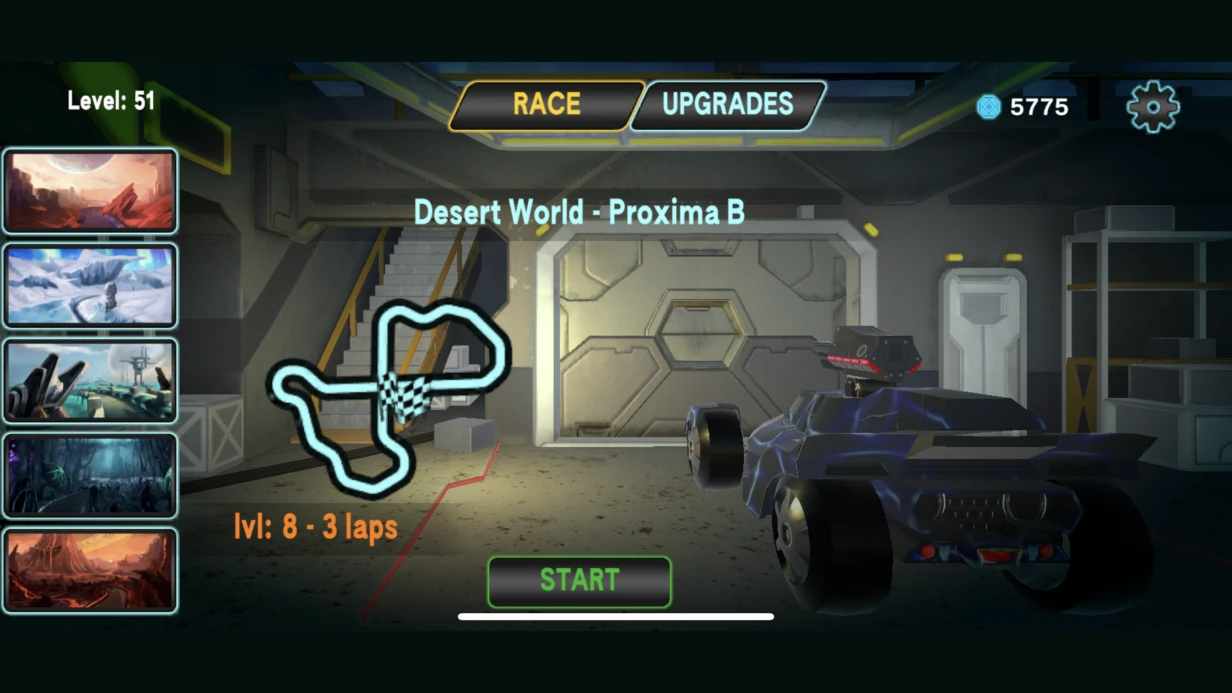
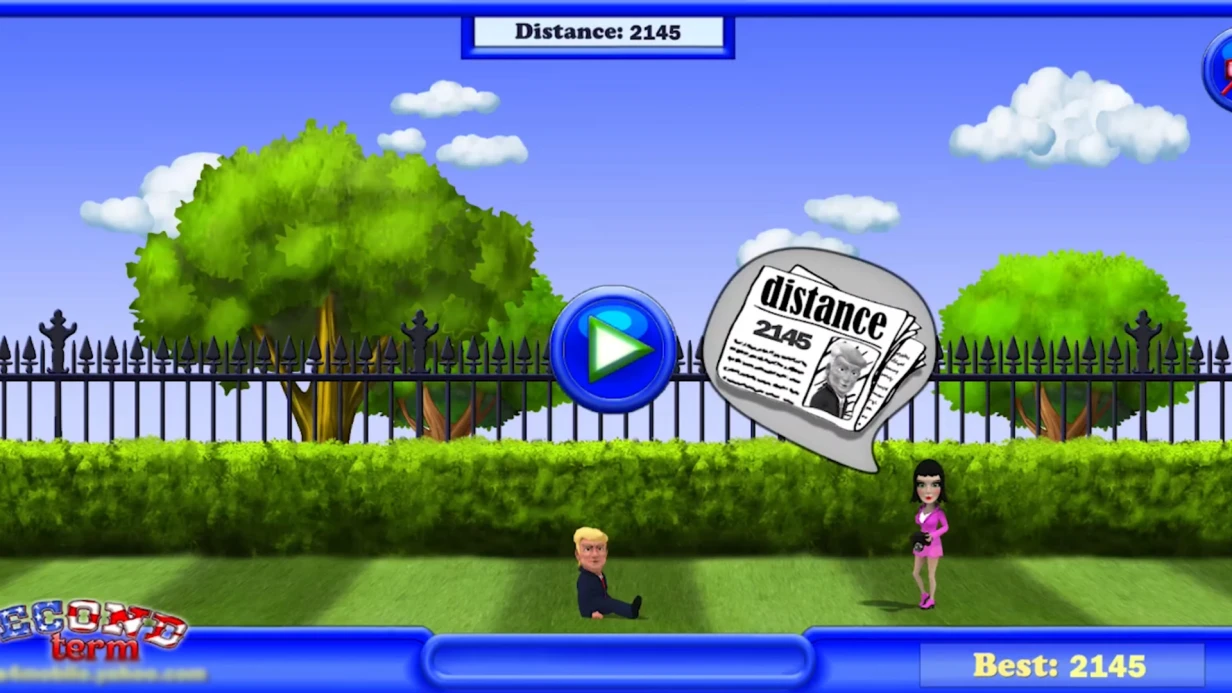
משחק מותג ל-macOS הוא דרך לזכות בחזרה בתשומת הלב ללא הנחות או דיוורים אגרסיביים. פאזל בסגנון Match-3 כבר מוכר לקהלים: הוא פשוט, יוצר הרגל, ויוצר רגשות חיוביים שמקושרים אוטומטית למותג שלכם.
משתמשים מבלים כמה דקות ביום במשחק, חוזרים שוב — ובכל פעם הם נמצאים במגע עם הלוגו, המוצרים והערכים שלכם.
זה עובד טוב במיוחד על macOS: בעלי מכשירי אפל הם קהל אמיד ונאמן שמעריך איכות ומוכן להוציא כסף על מותגים שמעסיקים אותם.
משחק פאזל המותקן על Mac הופך לתזכורת אישית שלכם: הוא תמיד בהישג יד, ב-Dock או ב-Launchpad, וכל הפעלה היא עוד נקודת מגע עם המותג. בניגוד לפרסום חד-פעמי, משחק עובד חודשים, שומר על לקוחות ונותן להם סיבה לחזור.
אנחנו מפתחים פאזלים מותגיים ל-macOS כבר למעלה מ-10 שנים ויודעים להפוך מכניקת משחק לכלי שימור.
אנחנו דואגים להכל — מהרעיון ועיצוב המשחק ועד הפרסום ב-App Store — ואתם מקבלים מוצר מוגמר שמזכיר לקהל שלכם אתכם כל יום. אז במקום להילחם על כל לקוח, אתם יוצרים משחק שלקוחות עצמם רוצים לחזור אליו.
מה משחק פאזל נותן לעסק: מעורבות, חשיפה ולידים
משחק פאזל הוא לא רק בידור, אלא כלי שיווקי מלא. פאזל מעוצב היטב ל-macOS מספק שלוש תוצאות מדידות: מעורבות, חשיפה ולידים. בואו נבחן כל אחת מהן.
מעורבות הקהל מתחילה מהשניות הראשונות. מכניקת פאזל מחזיקה משתמשים 5–10 דקות יותר מאשר באנר רגיל. בזמן הזה, הם מקבלים תחושה למותג, זוכרים אותו, וחוזרים למשחק שוב. ביקורים קבועים בונים קהל נאמן שבסופו של דבר מתחיל לקנות.
החשיפה גדלה ללא תקציב פרסום. שחקנים מתחרים על תוצאות, משתפים אותן ברשתות חברתיות, ומזמינים חברים לשבור את השיא. כל משתתף מביא 2–3 מכרים, כך שהמסר שלכם מתפשט ויראלית ומושך קהלים דרך המלצות.
לידים הם המשך טבעי. בתוך הפאזל, אפשר להציע רמז או בונוס בלעדי בתמורה לפרטי קשר. לדוגמה, אחרי רמה, משתמשים מזינים את כתובת האימייל שלהם כדי לקבל קוד קופון.
אנשים משאירים את הנתונים שלהם בקלות כשהם רואים את הערך של ההחלפה, וההמרה ללידים כאלה גבוהה פי כמה מאשר עם טפסים קלאסיים.
אפקט נוסף הוא נאמנות. גיימיפיקציה יוצרת חיבור רגשי: התקדמות, תגמולים ודירוגים שומרים על מעורבות המשתמשים והופכים מבקר חד-פעמי לקבוע.
לבעלי Mac, משחק כזה הוא סימן לאיכות: הקהל מעריך אפליקציות מעוצבות היטב, ופאזל מלוטש יבליט אתכם מול המתחרים. התוצאה היא משחק שעובד עבור העסק שלכם — ואנחנו נעזור לכם לבנות אותו.
פורמטים של פיתוח משחקים לעסק: ממיני-משחק ועד match-3
עסק אחד עשוי רק להזדקק ללכוד בקצרה את תשומת הלב של מבקרים בתערוכה, בעוד אחר צריך לשמר לקוחות במשך חודשים. לכן, אנו מציעים מספר פורמטים של משחק — ממיני-פאזל פשוט ועד משחק match-3 מלא.
אתם מקבלים בדיוק את ההיקף שפותר את הבעיה שלכם מבלי לשלם יותר מדי על אפשרויות מיותרות. כל המשחקים רצים על macOS — משתמשים לא צריכים להוריד או להתקין כלום, הם פשוט פותחים קישור.
להלן מדריך קצר שיעזור לכם לבחור פורמט.
| פורמט | למי זה מיועד | מה זה נותן ללקוח |
|---|---|---|
| מיני-משחק | מבצעים, תערוכות, ירידים | חשיפה מהירה, ויראליות, איסוף קל של פרטי קשר |
| Match-3 | תוכניות נאמנות, פורטלים | עניין ארוך טווח, ביקורים חוזרים, מעורבות מוגברת |
| משחק מותג | השקת מוצר, הדרכה, אירועים | שקיעה מלאה במותג, זכירות, רגש |
איך לקרוא את הטבלה הזו? מיני-משחק הוא אינטראקציה קצרה של 2–5 דקות: לאורחים יש זמן לשחק ולשתף את התוצאה, בזמן שאתם אוספים אנשי קשר.
Match-3 הוא המכניקה הקלאסית של התאמת שלושה עם רמות קושי: הוא מחזיק עניין במשך שבועות ומניע אנשים לחזור. משחק מותג הוא פרויקט מותאם אישית לחלוטין: דמויות ייחודיות, סיפור ומשימות שמשקפים את המותג שלכם.
לאחר שתבחרו פורמט, נפתח משחק בסגנון שלכם, ונוסיף את הלוגו, צבעי המותג והחוקים שאתם צריכים. אתם מקבלים לא רק משחק, אלא כלי שיווקי עובד — עם תוצאות ברורות ואנליטיקה.
איך הפרויקט מתנהל: מבריף ועד השקת המשחק שלכם
כל פרויקט הוא מסלול ברור של חמישה שלבים שבהם אתם נשארים מקבלי ההחלטות העיקריים. אנחנו לא מסתירים את התהליך ב"קופסה שחורה": אתם תמיד יודעים מה קורה, מהם לוחות הזמנים, ומה תקבלו בסוף.
- בריף ומטרות. אנחנו מתחילים בראיון קצר: דנים בקהל שלכם, במטרות המשחק, בפלטפורמה ובמדדים העסקיים. אנו מתעדים ציפיות וקריטריוני הצלחה — כדי שלא נצטרך לעשות דברים מחדש מאוחר יותר.
- קונספט ותוכנית. אנו מציעים את המכניקה, הסגנון החזותי ומבנה הרמות. אנו מסכמים על הקונספט ויוצרים לוח זמנים עם נקודות ביקורת — אתם רואים את ציר הזמן לכל שלב.
- עיצוב ואב-טיפוס. אנו יוצרים אב-טיפוס ניתן למשחק על macOS: מכניקה בסיסית, רמה אחת או שתיים, בקרות. זו ריצת ניסיון שלכם — אתם יכולים להעריך את התחושה של המשחק לפני הפיתוח המלא.
- פיתוח ותוכן. אנו ממלאים את המשחק ברמות, סיפור וויזואליה, ומכווננים את איזון הקושי. אנו מציגים בקביעות גרסאות ביניים — אתם מעירים, אנחנו מתקנים.
- בדיקות והשקה. אנו בודקים יציבות בדגמי Mac שונים, מלוטשים אותו ל-App Store ומשיקים. לאחר הפרסום, אנחנו נשארים בקשר: אוספים מדדים, מתקנים בעיות ומתכננים עדכונים.
למה זה נוח ללקוח
אתם מקבלים לא "רק משחק" אלא תהליך ניתן לניהול עם שלבים ברורים ומחיר קבוע. כל התיקונים עוברים אישור — אתם לא משלמים על עבודה מיותרת, ואנחנו לא עושים שום דבר נוסף.
בסופו של דבר, המשחק מושק בזמן ועומד ביעדים העסקיים שלכם: הוא שומר על משתמשים, מביא התקנות ומגביר את המודעות למותג.
מה כלול במסירת משחק למותג שלכם
כשהפרויקט מסתיים, אתם מקבלים לא רק "משחק על דיסק" אלא חבילה מלאה שהצוות שלכם יכול לעבוד איתה באופן עצמאי מאיתנו. להלן רשימת בדיקה של מה שנשאר אצלכם לאחר המסירה: זה הנכס הדיגיטלי שלכם, שקוף וניתן לניהול.
- אפליקציית macOS מוכנה לשימוש בצורתה המאושרת — גרסה יציבה שניתן לפרסם, להפיץ ולהשתמש בה לקמפיינים.
- זכויות מלאות על המשחק וחומרי המקור — אתם הבעלים ללא הגבלות: אתם יכולים לפתח את המוצר, למכור אותו, למסור אותו לצוות אחר, או להשתמש באלמנטים שלו בפרסום.
- תיעוד ברור — מדריך להשקה, הגדרה ועדכון של המשחק, הכתוב עבור צוות לא טכני. אתם לא צריכים להיכנס לקוד כדי להפעיל את המשחק.
- רישיונות שקופים לרכיבי צד שלישי — כל מה שנעשה בו שימוש בפנים מתועד כראוי, ללא תביעות נסתרות או סיכונים למותג שלכם.
- הדרכה לצוות שלכם — הוראות וידאו מוקלטות או הדגמה חיה: איך לשנות רמות, לעדכן טקסטים ולנהל מיתוג ללא מעורבות מפתחים.
- תמיכה טכנית לתקופה מוסכמת — אנו עונים על שאלות, עוזרים בעדכונים לגרסאות מערכת חדשות ומתקנים בעיות אפשריות.
- קבצי פרויקט מקוריים — גרפיקה, סאונד, מוקאפים: הם יהיו שימושיים לפרומו, באנרים או חלקים עתידיים של המשחק.
כתוצאה מכך, אתם לא מקבלים "קופסה שחורה" אלא חבילה שקל להעביר, להרחיב ולשלב בפעילויות שיווקיות. אתם מקבלים לא רק משחק, אלא נכס שעובד עבור המותג שלכם גם לאחר סיום הפרויקט.
מקרה בוחן: איך משחק macOS הגביר את שיעור החזרה של לקוחות
רשת בתי הקפה המשפחתית "פולדניק" פנתה אלינו עם בעיה אופיינית בענף המזון: אורחים באים לנסות את המקום, אבל ממעטים לחזור. בזמן שהמבוגרים ממתינים להזמנה שלהם, הילדים משתעממים — המשפחה עוזבת בלי קינוח. היינו צריכים להחזיק את תשומת הלב שלהם ולהפוך ביקור חד-פעמי להרגל.
הצענו משחק match-three קל שרץ על קיוסקים של macOS בבית הקפה. הרמות קצרות: תוך כמה דקות, אנשים נכנסים לגמרי למשחק, והתחרות עם אורחים אחרים מוסיפה התרגשות.
כל רמה שהושלמה נותנת לא נקודות וירטואליות אלא בונוס אמיתי — משקה חינם או הנחה על הביקור הבא. זה יוצר סיבה טבעית לחזור.
התוצאה אחרי חודש: אורחים שהשלימו לפחות שלוש רמות התחילו להגיע פי שניים יותר. במהלך החודש נרשמו יותר מ-2,000 סשנים של משחק, עם משך סשן ממוצע של 11 דקות.
בית הקפה הפך לתוסס יותר, והחשבון הממוצע עלה — אנשים רבים הזמינו קינוחים בזמן שהמתינו לתוצאה שלהם. המשחק החזיר את ההשקעה בחודש הראשון.
מנהל הרשת סיכם זאת כך: "פחדנו שזה יהיה רק בידור, אבל המשחק באמת יצר קהילה. אורחים שואלים מתי תצא הרמה הבאה ומביאים חברים. שום מבצע קופונים לא נתן לנו החזר כזה."
לא עצרנו בשלב הראשון: הוספנו רמות עונתיות וטורניר בין סניפים — הלקוח האריך את התמיכה לשנה. המקרה הזה מראה שמשחק macOS הוא לא קישוט לפנים, אלא כלי עובד לצמיחת נאמנות וביקורים חוזרים.
איך לבחור פורמט משחק למשימה העסקית שלכם?
בחירת פורמט משחק מתחילה לא בז'אנרים אופנתיים אלא ביעד עסקי. קהל ה-macOS מורכב ממשתמשים אמידים שרגילים למוצרים באיכות גבוהה ומוכנים להישאר באפליקציה אם היא מספקת חוויה. אז קודם כל החליטו מה המשחק צריך להביא: מודעות למותג, שימור לקוחות או צמיחה במכירות.
משחקי פאזל ו-match-3 הם הפורמט הצפוי ביותר למטרות אלה. הם לא דורשים הדרכה, פונים לקהל רחב, ומחזיקים תשומת לב בסשנים קצרים — קל להטמיע שם חברה, מכניקת הנחות או תרחיש חינוכי מבלי להעמיס על המשתמש.
כדי לבחור בין פורמטים, ענו על שלוש שאלות. מי הקהל שלכם — משתמשים מבוגרים או צעירים יותר? כמה זמן אדם מוכן להשקיע — חמש דקות ביום או חצי שעה? איזה מדד צריך להשתפר — הרשמות, ביקורים חוזרים או אזכורים חברתיים? התשובות ירמזו מיד על הפורמט הנכון.
macOS מציב חוקים משלו: המשתמש חוזר למשחק במודע, לעתים קרובות ממכשיר עבודה.
זו הסיבה ש-match-3 עם תגמולים יומיים ולוחות מובילים עובד כאן ביעילות רבה יותר — המשחק הופך לטקס מוכר ומזכיר למשתמשים בקביעות על המותג, במקום להיעלם אחרי המשחק הראשון.
אם אתם לא בטוחים בבחירה, זה נורמלי. בהתחלה, אנו מנתחים את המשימה שלכם ומציעים פורמט ספציפי עם תחזית לחשיפה ולוחות זמנים.
אתם מגיעים אלינו כבר עם תמונה ברורה: איזה משחק אתם צריכים, למי הוא מיועד, ואיזו תוצאה הוא יביא לעסק שלכם.
שאלות נפוצות על פיתוח פאזלים ומשחקים
אנחנו יודעים שלקוחות יש להם שאלות מעשיות לפני תחילת פרויקט: כמה זמן ייקח פיתוח פאזל, מי יתחזק את המשחק לאחר ההשקה, וכמה התהליך שקוף. אנו עונים על העיקריות — ללא פרטים טכניים או אותיות קטנות.
כמה זמן לוקח לפתח פאזל ל-macOS?
ציר הזמן תלוי בהיקף המכניקה, במספר הרמות ובעיצוב. משחק פאזל פשוט מוכן בדרך כלל תוך כמה שבועות; פרויקט עם כלכלה מורכבת ועשרות רמות לוקח כמה חודשים.
לפני שאנחנו מתחילים, אנו קובעים אבני דרך ונקודות ביקורת כדי שתוכלו לראות התקדמות ולהבין מתי המשחק יגיע למשתמשים.
מה יקרה למשחק לאחר ההשקה?
ההשקה היא לא נקודת הסיום. המשחק חייב לעבוד על גרסאות עדכניות של macOS, לקבל תיקונים, ולפעמים רמות חדשות כדי לשמר את הקהל.
אנו מציעים תמיכה לאחר הפרסום: תיקונים מהירים, עדכונים לגרסאות מערכת חדשות, וחידוד מכניקות על סמך משוב שחקנים. אתם בוחרים פורמט תמיכה נוח.
מה נדרש ממני כלקוח?
בהתחלה — לענות על שאלות על הקהל והמטרות שלכם, ולאשר את הקונספט והמכניקה המרכזית. במהלך העבודה — לקבל אבני דרך ולספק משוב.
אנחנו דואגים לכל החלקים הטכניים, מבניית הגרסה ועד הפרסום. אתם מקבלים מוצר מוגמר, לא כאב ראש.
האם אני יכול לבצע שינויים בדרך?
כן, התהליך בנוי באיטרציות בדיוק מהסיבה הזו: אחרי כל שלב, אתם רואים את התוצאה ויכולים להציע תיקונים. זה זול ומהיר יותר מאשר לעשות הכל מחדש אחרי הפרסום.
אנו מגדירים את היקף השינויים מראש כך שהתאמות לא ישברו את לוח הזמנים. עדיין יש שאלות? כתבו לנו — נסביר איך העבודה תיבנה עבור המשימה הספציפית שלכם ונציע את הפורמט הטוב ביותר.
מה אתם מקבלים לאחר ההזמנה: השלבים הבאים
אתם משאירים בקשה — וכל השאר מתנהל חלק. הצוות שלנו יטפל בכל השלבים: מבריף ואב-טיפוס ועד השקה ב-App Store ל-macOS. בלי ביורוקרטיה או שיחות מיותרות — רק עבודה קונקרטית ולוחות זמנים ברורים.
הנה איך נראה המסלול לאחר הזמנה:
- בריף ובירור משימה. אנו דנים במכניקה, קהל יעד, מונטיזציה ולוחות זמנים.
- עיצוב אב-טיפוס. אנו יוצרים גרסה ניתנת למשחק של הליבה כדי שתוכלו להעריך את המשחק העתידי.
- עיצוב ותוכן. אנו מפתחים את הסגנון החזותי, הדמויות, הרמות והסיפור.
- פיתוח וניפוי באגים. אנו בונים את המשחק המלא ובודקים אותו על מכשירי macOS שונים.
- השקה ופרסום. אנו עוזרים לכם לפרסם ב-App Store, להגדיר אנליטיקה ולאסוף משוב.
- תמיכה ועדכונים. אנו מתחזקים את המשחק, מוסיפים תוכן ומתקנים באגים.
כל שלב מאושר על ידכם, כך שאתם תמיד מודעים למה שקורה. בסופו של דבר, אתם מקבלים לא רק משחק אלא מוצר שמביא רווח ומחזק את המותג שלכם. הנה מה שכלול בחבילה:
- משחק macOS עובד במלואו, מוכן לפרסום.
- ממשק אינטואיטיבי והתאמה למסכים בגדלים שונים.
- מקור להכנסות מרכישות, פרסומות או הורדה בתשלום.
- כלים לניתוח התנהגות שחקנים.
- תיעוד וקוד מקור כך שהצוות שלכם יוכל להמשיך לפתח את המוצר.