


למה המשחק שלך לא מייצר הורדות ב-Samsung Galaxy Store
יצרתם משחק טוב, אבל הוא לא מייצר הורדות ב-Samsung Galaxy Store? מצב מוכר: פרסומות רצות, הביקורות חיוביות, אבל כמעט אין הורדות.
לרוב הסיבה אינה איכות המשחק אלא נראות נמוכה של האפליקציה — לקוחות פוטנציאליים פשוט לא מוצאים את המוצר שלכם בין המתחרים.
עסקים רבים מסתפקים בפרסום בחנות מרכזית אחת ומתעלמים לחלוטין מ-Samsung Galaxy Store. וזו טעות: בעלי מכשירי סמסונג הם קהל עצום שמחפש באופן פעיל משחקי פאזל ו-Match-3 ומוכן לשלם.
אם המשחק שלכם לא נמצא בקטלוג הזה, אתם מפסידים בשקט פלח רווח שלם שפיתוחים קשובים יותר כבר קוטפים.
אבל גם כשהמשחק רשום, הצגה חלשה עולה לו בהורדות. אייקון לא אקספרסיבי, צילומי מסך משעממים ותיאור תבניתי חותכים את שיעור ההמרה להתקנות פי כמה.
החנות לא אוהבת לקדם דפים כאלה: היא מציגה אותם פחות בתוצאות החיפוש, כך שההורדות האורגניות כמעט נעלמות, ואתם נאלצים לשלם כל הזמן על פרסום.
אנחנו פותרים את שתי הבעיות. אנחנו מגלים למה המשחק לא צובר הורדות, משפצים את דף המוצר כך שיעמוד בדרישות הפלטפורמה, ומבנים את קידום המשחק בחנות האפליקציות כך ש-Samsung Galaxy Store יראה בו ביקוש.
כתוצאה מכך, נראות האפליקציה גדלה, וההורדות ב-Samsung Galaxy Store הופכות ליציבות — ללא השקעות אינסופיות בטראפיק.
אילו תוצאות תקבלו מפיתוח משחק
פיתוח משחק הוא לא רק בידור — הוא כלי עבודה שמניב תוצאות מדידות לעסק. משחק שמופיע ב-Samsung Galaxy Store הופך לערוץ מכירות נפרד: הוא מזכיר לקהל על המותג שלכם כל יום, מעורר מעורבות ומוביל לפעולות יעד.
בניגוד לפרסום רגיל, המשחק לא נעלם אחרי הקמפיין — הוא ממשיך לעבוד בשבילכם במשך שנים.
הדבר הראשון שתקבלו הוא מקור רווח נוסף. מנגנוני מונטיזציה מובנים מאפשרים לכם להרוויח ישירות במשחק: רכישות, בונוסים ושילובי פרסומות מביאים הכנסה קבועה.
במקביל, חלק מהמשתמשים עוברים מהמשחק למוצרים ולשירותים המרכזיים שלכם, ומגדילים את ערך ההזמנה הממוצע ואת המכירות החוזרות.
התוצאה השנייה היא הכרת המותג. משתמשים מבלים עשרות דקות במשחק, זוכרים את הלוגו והסגנון שלכם ומשתפים תוצאות עם חברים. טווח ההגעה מפה לאוזן גדל ללא תקציב פרסום: כל שחקן מביא חברים, והחברים מביאים את החברים שלהם.
השלישית היא נאמנות קהל. המשחק יוצר רגשות חיוביים הקשורים למותג שלכם. לקוחות שקיבלו שמחה ותגמולים מוכנים יותר לחזור לרכישות, להשאיר ביקורות חיוביות ולהישאר איתכם לאורך זמן.
כתוצאה מכך, משחק ב-Samsung Galaxy Store מטפל בשלוש משימות בו-זמנית: הגדלת רווח, הרחבת טווח הגעה וחיזוק קשרי לקוחות. אתם מקבלים נכס שמחזיר את ההשקעה וממשיך לספק ערך לאורך זמן — ללא הוצאות פרסום קבועות.
פורמטי פיתוח: מפאזלים ועד Match-3
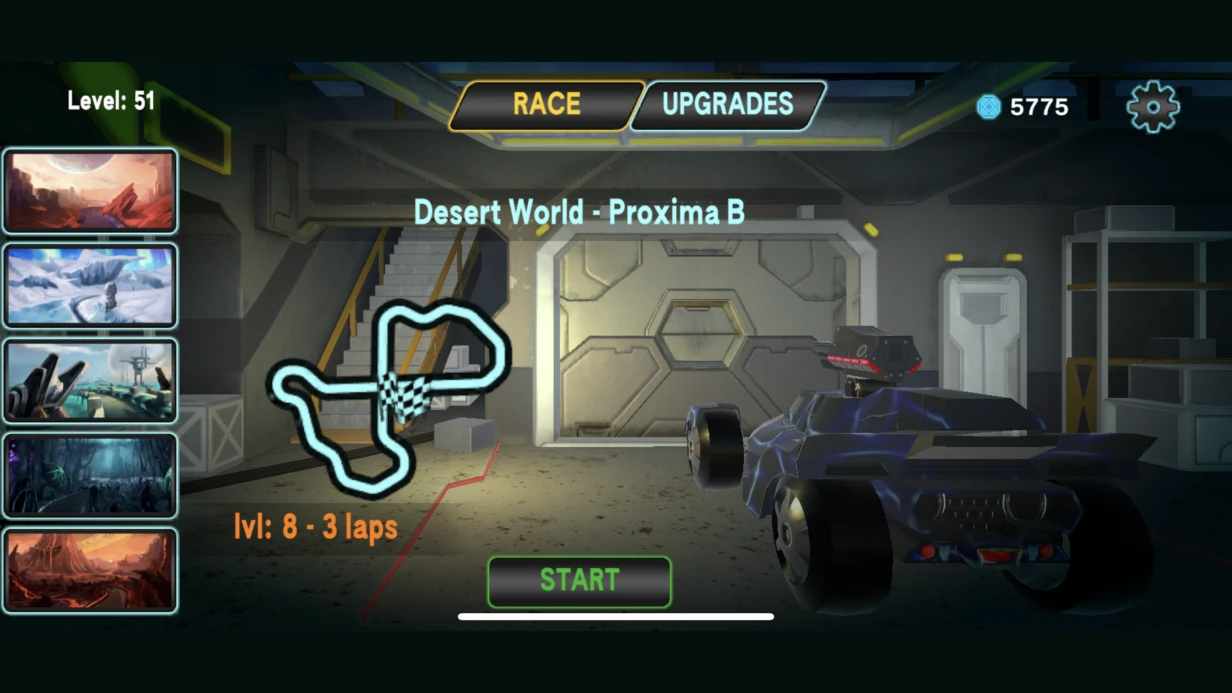
כשמזמינים משחק, עולה מיד השאלה: איזה פורמט מתאים ביותר לקהל ולמשימה העסקית שלכם. פאזלים קלאסיים מציעים נקודת כניסה קלה וסשנים קצרים, בעוד Match-3 הוא מכניקה מוכחת שמחזירה שחקנים שוב ושוב. אנחנו מתאימים את שני הכיוונים למשימת הלקוח ולמאפייני Samsung Galaxy Store.
הנה הפורמטים המרכזיים שעוזרים ללקוחותינו להשיג את מטרותיהם:
| פורמט משחק | למי הוא מתאים | מה הוא נותן ללקוח |
|---|---|---|
| פאזלים קלאסיים | מותגים ושירותים שצריכים אינטראקציה קצרה עם המשתמש | היכרות מהירה עם המוצר, סשנים של 2-3 דקות, מכניקה קלה — מתאים אפילו לקהל המוני |
| Match-3 (שלושה בקו) | חברות שרוצות להזכיר את עצמן באופן קבוע ולהחזיק תשומת לב | התקדמות משחק עמוקה, סשנים של 5-7 דקות, אפשרות להטמיע תגמולים, רמות ומבצעים בתוך המשחק |
| פאזלים היברידיים | אלה שרוצים לשלב בידור עם למידה או לכידת לידים | מכניקות יוצאות דופן שגורמות למשחק לבלוט בקטלוג ונותנות סיבה לחזור |
בחירת הפורמט משפיעה ישירות על טווח ההגעה והשימור של הקהל. אם אתם רוצים שכולם ישלטו במשחק במהירות — קחו פאזלים פשוטים; אם אתם מתכננים תקשורת ארוכת טווח עם המשתמש — Match-3 יהיה בסיס אמין. אנחנו ננתח את הקהל שלכם ונמליץ על הפורמט שמניב תוצאות מקסימליות.
איך אנחנו עובדים: 6 שלבים מבריף ועד השקה
בנינו את התהליך כך שתשלטו בתוצאה בכל שלב. לוחות זמנים שקופים, אישורים ברורים וללא "קופסה שחורה" — אתם תמיד יודעים מה קורה עם הפרויקט ומתי הוא יופיע בחנות.
- בריף וניתוח משימה — אנחנו קובעים את מטרות המשחק, הקהל ודרישות Samsung Galaxy Store. אנחנו מכינים את האומדן ולוח הזמנים לפני תחילת העבודה, כך שתבינו את היקף ההשקעה והזמן.
- אב-טיפוס מכניקה — אנחנו יוצרים גרסה ניתנת למשחק של הפאזל המרכזי עם גרפיקה בסיסית. בשלב זה אנחנו בודקים שהמשחק יהיה מעניין ומרתק לפני שמשקיעים משאבים בפיתוח מלא.
- אישור קונספט — אנחנו מציגים את העיצוב, הסיפור והכלכלה של המשחק. אתם עורכים שינויים, אנחנו מתקנים — ואנחנו קובעים את החזון הסופי כדי להמשיך ללא עבודה חוזרת.
- פיתוח ובנייה — אנחנו יוצרים רמות מלאות, ויזואליה, אנימציות, סאונד ומערכת מונטיזציה. אנחנו שולחים באופן קבוע גרסאות לבדיקה, כך שתראו התקדמות כל שבוע.
- בדיקות ופרסום — אנחנו בודקים את המשחק על מכשירים שונים, מכינים מטא-דאטה, ויזואליה ותיאור ל-Samsung Galaxy Store. אנחנו עוברים מידרציה ומשחררים לפי לוח הזמנים המוסכם.
- תמיכה לאחר השקה — אנחנו עוקבים אחר ביקורות, אנליטיקה ויציבות. אנחנו מבצעים תיקונים, מכינים עדכונים ועוזרים בקידום בתוך חנות האפליקציות אם תצטרכו.
מה כלול במסירה: חבילה מלאה ללקוח
יחד עם המשחק המוגמר, אתם מקבלים חבילה מלאה עם כל מה שצריך כדי להשיק, לתמוך ולפתח את הפרויקט ב-Samsung Galaxy Store. אין פריטים נסתרים או "מוצרים חצי גמורים" — רק מה שאפשר להתחיל להשתמש בו מיד.
- קוד המקור של המשחק — כל הלוגיקה והמשאבים שפותחו מועברים אליכם במלואם. אתם לא תלויים בקבלן: אתם יכולים לפתח את המוצר עם הצוות שלכם או עם כל ספק אחר.
- זכויות המשחק — זכויות בלעדיות לפרויקט מועברות אליכם מרגע התשלום הסופי. זה מתועד, כך שמבחינה חוקית אתם הבעלים המלאים של המוצר.
- חבילת תיעוד — תיאור ארכיטקטורה, תרחישי מונטיזציה, הגדרות פורמט פרסומות ואנליטיקה. הכל כתוב בשפה פשוטה כך שהצוות שלכם יוכל להתעדכן במהירות.
- הכשרת צוות — אנחנו מעבירים מפגש מעשי לעובדים שלכם: איך לעדכן תוכן, להריץ אירועים עונתיים ולעקוב אחר מדדים. בדרך כלל מספיקים מפגש אחד או שניים כדי שהצוות ירגיש בטוח.
- חבילת הגשה ל-Samsung Galaxy Store — אנחנו מכינים את כל חומרי הפרסום: תיאורים, מילות מפתח, צילומי מסך ותגים. אתם פשוט מעלים אותם לדשבורד ומשיקים מכירות.
- מדריך תפעול — הוראות לניהול, תמיכה טכנית ואינטגרציה עם מערכות התשלום של החנות. זהו קו מנחה פנימי לפתרון מהיר של כל בעיה.
חבילה כזו מכסה את כל צרכי הלקוח: מביטחון בזכויות ועד מוכנות לניהול תפעולי של המשחק. אתם מקבלים לא רק קוד, אלא כלי עסקי עובד שניתן להשיק, למכור ולפתח מבלי להסתכל אחורה על הקבלן.
מקרה בוחן: צמיחה של פי 3 בהורדות תוך 4 חודשים
הלקוח — אולפן משחקי קז'ואל שהשיק את הפאזל שלו ב-Samsung Galaxy Store. המשחק היה מוצק, אבל ההורדות נתקעו, ותקציב השיווק לא סיפק את הצמיחה הנדרשת. המשימה שלנו הייתה לגרום למוצר להתחיל למכור את עצמו דרך החנות ושימור השחקנים.
ביצענו ביקורת: הסתכלנו על המשחק בעיניים של משתמש חדש, בדקנו את הדקות הראשונות של המשחק, את עיצוב הדף ואת מנגנוני השימור. לאחר מכן, שיפרנו את האונבורדינג, הפכנו את התקדמות הרמות לברורה יותר, ובנינו מחדש את התיאור עם דגש על התכונות המרכזיות. שום דבר יוצא דופן — רק עבודה שיטתית על מה שבאמת משפיע על בחירת השחקן.
תוצאה אחרי 4 חודשים: ההורדות גדלו פי 3, וחלקם של השחקנים שחוזרים למחרת גדל בכמעט פי 1.5. בינתיים, רכישת טראפיק ממומן נשארה באותה רמה — כל הצמיחה הגיעה ממשתמשים אורגניים והמלצות בתוך הפלטפורמה. לא רדפנו אחרי קפיצה חד-פעמית; בנינו זרימה יציבה.
כך אמר מנהל המוצר של הלקוח: "לפני כן, לא הבנו למה המשחק לא המריא למרות דירוגים טובים. אחרי השיפוץ שלכם, החנות התחילה לעבוד בשבילנו, ולראשונה ראינו צמיחה אורגנית יציבה. עכשיו אנחנו מתכננים להשיק את המשחק הבא שלנו עם אותה נוסחה."
המקרה הזה אינו סיפור חד-פעמי — הוא מאשר את הגישה שלנו: קודם כל אנחנו מוצאים מה מעכב את המשחק בפלטפורמה ספציפית, אחר כך מתקנים ומודדים את התוצאה.
אם אתם רוצים את אותה צמיחה צפויה — נתחיל בביקורת של המוצר שלכם ונראה את הנקודות שיניבו את האפקט המקסימלי.
שאלות ותשובות על פיתוח משחק ותמיכה
לפני הזמנת משחק, תמיד עולות שאלות: האם תעמודו בלוחות הזמנים, האם התקציב יגדל, מה יקרה למשחק אחרי ההשקה. במיוחד כשהפלטפורמה היא Samsung Galaxy Store, עם דרישות איכות ומידרציה משלה.
אנחנו לא מוכרים "חתול בשק" — אנחנו עובדים כשותפים, ובכל שלב אתם יודעים מה אתם מקבלים ובעבור מה אתם משלמים.
הפרקטיקה שלנו היא אומדן קבוע לפני התחלה, תוכנית שקופה עם גרסאות הדגמה ותמיכה לאחר ההשקה. להלן תשובות לשאלות שלקוחות שואלים לרוב לפני תחילת פרויקט.
כמה זמן לוקח לפתח משחק פאזל או Match-3?
בממוצע 2–4 חודשים — מבריף ועד השקה ב-Samsung Galaxy Store. לוח הזמנים המדויק תלוי במכניקה, במספר הרמות ובעיצוב. אחרי בריף קצר, אנו נוקבים בתאריך ריאלי וקובעים אותו בחוזה.
איך נוצר התקציב, והאם יהיו תוספות מחיר נסתרות?
התקציב נקבע לאחר הבריף ותיאור הקונספט — אתם מקבלים אומדן לפני תחילת העבודה. הוא כולל את כל השלבים: אב-טיפוס, תוכן גרפי, בנייה ל-Samsung Galaxy Store, בדיקות ומסירה. התשלום הוא בשלבים — אתם משלמים על תוצאה מאושרת, לא על "תהליך ללא תוצאה."
אילו ערבויות אתם נותנים על המשחק?
אנחנו לוקחים אחריות על מעבר מידרציית Galaxy Store ועמידה בדרישות הפלטפורמה. לאחר ההשקה, יש תקופת אחריות — אנחנו מתקנים בחינם שגיאות שעלולות להשפיע על חוויית השחקן. אם משהו משתבש, אתם לא נשארים לבד עם הבעיה.
מה קורה אחרי שהמשחק מושק?
ההשקה היא לא קו הסיום — היא ההתחלה. אנחנו נשארים בקשר: עוזרים בעדכונים, מוסיפים רמות חדשות, עוקבים אחר סטטיסטיקות ומשפרים מכניקות כשצריך. אתם יכולים להזמין חבילת תמיכה חד-פעמית או תחזוקה שוטפת — מה שמתאים לעסק שלכם.
אם תרצו לדון ברעיון שלכם ללא התחייבות — שלחו כמה מילים על הפרויקט, ואנחנו נראה איך נהפוך אותו למהיר וצפוי.הזמינו פיתוח משחק ל-Samsung Galaxy Store
אתם רוצים להזמין פיתוח משחק ל-Samsung Galaxy Store ולקבל תוצאה, לא תהליך לשם התהליך. אנחנו לוקחים על עצמנו את כל המסע — מרעיון ועד פרסום והתקנות ראשונות.
פנייה אחת — ואתם עובדים עם צוות שכבר הוציא פרויקטים בחנות הזו ומכיר את הדרישות שלה מבפנים.
אחרי שתשלחו פנייה, תקבלו:
- ייעוץ: אנחנו מפרקים את המשימה, הקהל ומטרות המשחק שלכם.
- אומדן עלות פיתוח לתקציב שלכם — כנה, ללא תוספות נסתרות.
- אב-טיפוס או קונספט: אתם רואים איך המשחק ייראה ויפעל עוד לפני ההשקה המלאה.
- תוכנית שקופה עם נקודות ביקורת: אתם תמיד יודעים באיזה שלב נמצא הפרויקט ומה הלאה.
- מוצר מוגמר המותאם ל-Samsung Galaxy Store ולמכשירים מודרניים — ללא הפתעות במהלך המידרציה.
- הגדרת מונטיזציה ואנליטיקה כך שהמשחק יביא הכנסה, לא רק הורדות.
- תמיכה לאחר השקה: עדכונים, תיקונים ופיתוח הפרויקט.
גישה זו מסירה סיכונים וחוסכת זמן. אתם לא צריכים להבין בפרטים טכניים — אנחנו מארגנים הכל ולוקחים אחריות על התוצאה.
שלחו פנייה — נדון ברעיון שלכם, נציג את לוח הזמנים ואת עלות הפיתוח. הפרויקט יכול להתחיל מיד לאחר אישור הקונספט.
איך לבחור פורמט משחק לקהל שלכם?
בחירת פורמט משחק מתחילה לא במכניקה, אלא בקהל ובמטרות העסקיות שלכם. זה דבר אחד למשוך לקוחות חדשים עם קווסט קידומי מושך, ודבר אחר לשמר שחקנים קבועים בתוכנית נאמנות.
ל-Samsung Galaxy Store כבר יש זרימה מוכנה של משתמשים שרגילים לסשני משחק קצרים, ולכן פאזלים ו-Match-3 מתגלים לרוב כיעילים יותר מז'אנרים מורכבים: הם ברורים מהדקה הראשונה ואינם דורשים למידה.
מטרות הלקוח קובעות את בחירת המכניקה. אם אתם צריכים טווח הגעה רחב וויראליות, אנחנו בוחרים רמות פשוטות עם תגמולים יומיים. אם פעילות קבועה חשובה, אנחנו מוסיפים אירועים, טורנירים והתקדמות.
אם המטרה המרכזית היא קידום מוצר ספציפי, אנחנו מטמיעים אותו בסיפור או במשימות כך ששחקנים יזכרו את היתרונות ולא יתפסו אותם כפרסום.
אנחנו עוזרים לכם להחליט על ידי בדיקה מול פרופיל המשתמש שלכם: מגדר, גיל, זמן משחק טיפוסי ונכונות לשתף תוצאות. לקהל צעיר יותר, מכניקות תחרותיות דינמיות עובדות היטב; לקהל מבוגר יותר — פאזלים רגועים עם חוקים ברורים.
אלה לא הנחות, אלא פתרונות מוכחים שאנחנו מתאימים לחנות ספציפית ולדף המוצר שלה.
בייעוץ, אנחנו מפרקים את המשימה שלכם ומציעים 2-3 אפשרויות פורמט עם תחזיות מעורבות ושימור. אתם רואים איזה פורמט ישיק מהר יותר ואיזה ייתן תוצאות ארוכות טווח. זה מאפשר לכם לקבל החלטה לפני תחילת הפיתוח, ללא עלויות עבודה חוזרת מיותרות.