


מה עסק מפסיד ללא משחק Windows משלו
כשהאורחים מגיעים לאירוע, הדקות הראשונות קובעות הכל. אם אין להם מה לעשות, הם נסוגים לתוך הטלפונים שלהם, והמותג שכל האירוע נבנה סביבו הופך רק לתמונה על תג.
עסקים משקיעים במקום, בקייטרינג ובתוכנית המופע, אבל החלק היקר ביותר — תשומת הלב של הקהל — מתפוגג.
זה בולט במיוחד בתערוכות, בכנסים ובאירועים ארגוניים שבהם זרמים של אנשים מתערבבים. מבקר חולף על פני דוכן בדקה, ולא זוכר לא את השם ולא את ההצעה.
מתחרים שכבר משתמשים במשחקים כדי למשוך תשומת לב לוקחים לעצמם את האורחים האלה: אדם נשאר מול המסך 5–7 דקות, נכנס לעניינים, ונושא איתו רגש המקושר למותג.
משחק Windows קנייני פותר את הבעיה הזו: הוא הופך צופה פסיבי למשתתף פעיל. תוכן אינטראקטיבי באירוע שומר על מעורבות האורחים ונותן להם סיבה לחזור, להצטלם ולדון בכך עם עמיתים.
זה לא בידור לשם עצמו — זה כלי שנמדד בטווח הגעה, בביקורים חוזרים ובזיכרון המותג.
אבל עסק ללא משחק כזה מפסיד יותר מסתם את תשומת הלב של האורחים היום. הוא מפסיד את ההזדמנות לאסוף אנשי קשר ונתונים שהמשחק יכול לאסוף בתהליך. הוא מפסיד את הסיבה לפוסטים במדיה החברתית ולשיחות לאחר האירוע.
והכי חשוב, הוא מוסר את היוזמה לאלה שכבר השקיעו בפיתוח משחקי Windows וקוצרים את התוצאות.
פיתוח משחקי Windows במפתח מלא הוא דרך להשיב לעצמך את היתרון הזה. אתה לא צריך להיות ענקית IT כדי להשיק חוויה אינטראקטיבית משלך: כל מה שצריך זה משימה ברורה ושותף שמוביל את הפרויקט מהרעיון ועד ההשקה.
אנחנו עושים את זה כבר יותר מעשר שנים ויודעים איך לגרום למשחק לעבוד עבור העסק שלך, לא רק לבדר.
אילו יתרונות מביא משחק שנבנה למשימות עסקיות
למנהל אירועים או למנהל שיווק, משחק הוא לא בידור — הוא כלי שהופך מבקרים פסיביים למשתתפים פעילים. במקום מצגות משעממות, יש פאזל ששובה, שומר על תשומת לב ומוביל בעדינות לפעולה הרצויה. הפורמט הזה עובד מצוין גם בדוכן, גם באזור המתנה וגם בתוך קמפיין דיגיטלי.
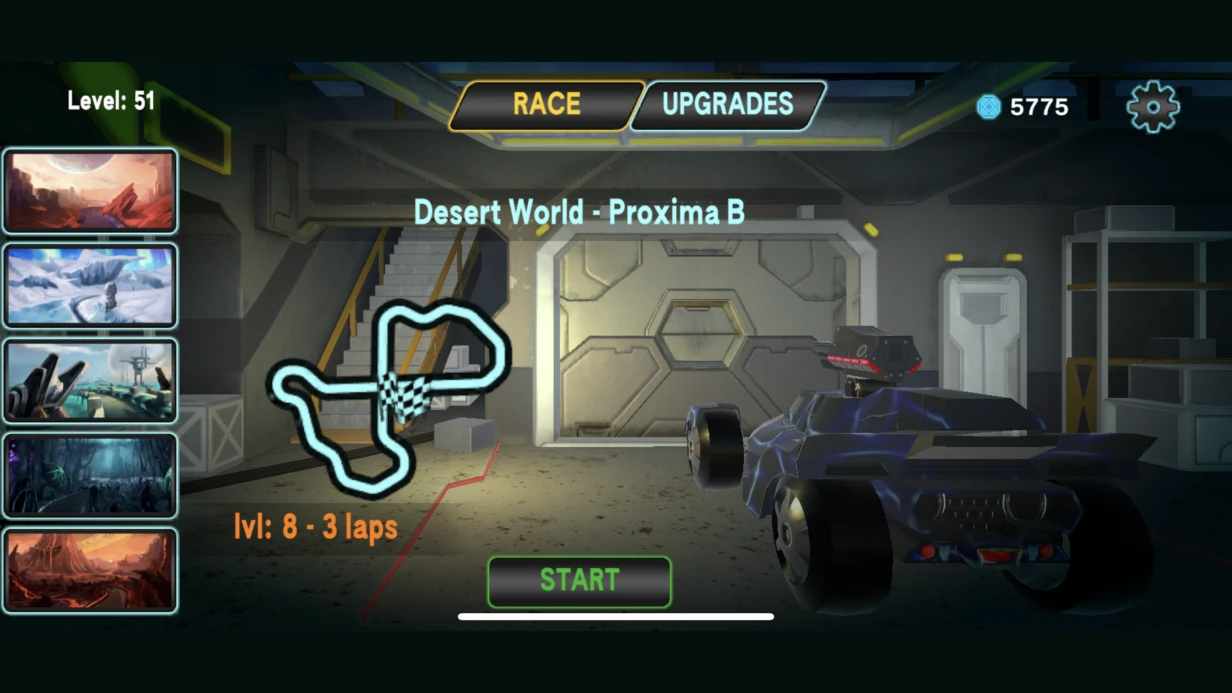
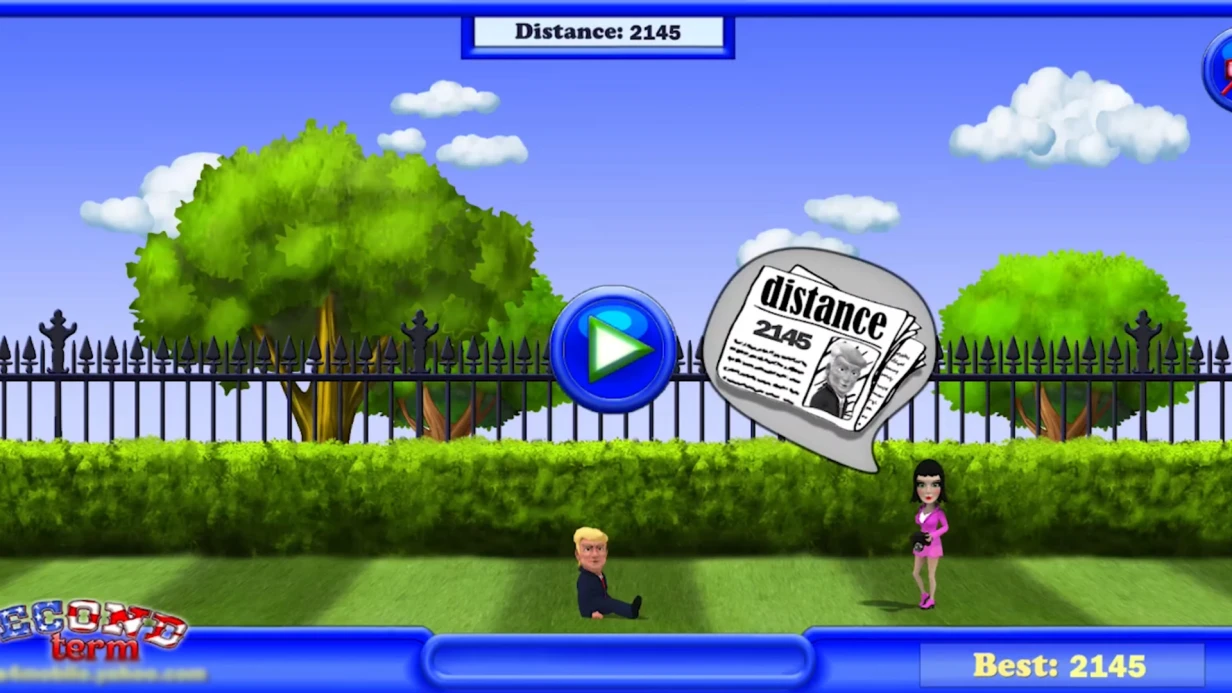
אנחנו מפתחים פאזלים ומשחקי Match-3 עבור Windows, המשולבים בלוגיקה של האירוע או הקידום השיווקי שלך.
אנחנו מחברים מכניקת משחק למטרה עסקית: אורחים מבלים זמן עם המותג שלך, ואתה מקבל תוצאה מדידה — אנשי קשר, ביקורים חוזרים ומודעות מותג גוברת.
מעורבות קהל באירוע
מעורבות קהל היא הערך העיקרי של המשחק. אנשים ניגשים למסך בעצמם, משלימים רמה ומזמינים חברים. זמן האינטראקציה הממוצע הוא מספר דקות, שבמהלכן האורחים זוכרים את המוצר שלך והולכים עם חוויה רגשית.
בסוף — אזור צילום, פרסים, פוסטים במדיה החברתית ותור חי של אנשים שרוצים לנסות.
הגדלת מודעות המותג
משחק הוא כלי למותג: הלוגו, צבעי החברה, הדמויות והסיפור — כולם עובדים למען הזיהוי. המשתתפים מקשרים חוויה נעימה לחברה שלך ומספרים עליה לחברים afterward. טווח ההגעה גדל ללא תקציב פרסום נוסף.
יצירת לידים וביקורים חוזרים
מכניקת איסוף אנשי קשר מובנית מאפשרת לך להמיר תוצאה במשחק לבונוס — הרשמה, קוד קופון או כניסה להגרלה. זה נותן לך בסיס של אורחים מתעניינים.
ומערכת של רמות ותגמולים מוטיבציה אנשים לחזור: כדי לצבור עוד נקודות, לפתוח רמה חדשה או להביא חבר.
פיתוח Windows מקצועי מבטיח השקה יציבה בכל דוכן ובכל אולם. אנחנו משתמשים בכלים מוכחים ובצד שרת משלנו לאיסוף סטטיסטיקות — אתה רואה מעורבות אמיתית ומבין מה המשחק מביא לעסק שלך.
פורמטים של משחק למטרות שלך: איזה מהם לבחור
אותו מרחב משחק יכול לפתור בעיות שונות: למשוך לקוחות חדשים בתערוכה, לאחד צוות באירוע ארגוני או לשמור על תשומת לב במהלך מבצע. פורמט המשחק קובע את התרחיש, את אורך הסשן ואת האופן שבו אורחים מתקשרים עם המותג שלך. אנחנו בוחרים אפשרות על סמך המטרות הספציפיות שלך, המותג והקהל.
| פורמט | למי זה מיועד | מה זה נותן ללקוח |
|---|---|---|
| משחק תערוכה | נציגי מותג ודוכן | שומר על מבקרים בדוכן, מעורר שיחה ואוסף אנשי קשר. מחזור משחק קצר — 3–5 דקות; אורחים מקבלים חוויה ומשתפים אותה במדיה החברתית. |
| משחק ארגוני | מנהלי צוות ומנהלי אירועים | מערב עובדים באינטראקציה לא פורמלית, עוזר להקליל את האווירה ומחזק את רוח הצוות. הפורמט מתרחב בקלות ל-10–100 אנשים. |
| משחק קידום מכירות | מנהלי שיווק ובעלי עסקים | יוצר סיבה להשתתף במבצע, מגביר מודעות למוצר ומניע לפעולה ספציפית — הרשמה, רכישה או פנייה. כל התוצאות נאספות אוטומטית בדוח. |
עבור כל משחק, אנחנו מתחשבים במקום, במספר המשתתפים ובאילוצים הטכניים של האתר.
לתערוכה, למשל, אנחנו יוצרים גרסת מגע למסך גדול; לאירוע ארגוני, גרסה עם מנחה וניקוד משותף; למבצע, מיני-משחק שניתן לפתוח באמצעות קוד QR ישירות מהסמארטפון.
הנקודה המרכזית היא שאתה לא מקבל "משחק לשם עצמו" אלא כלי שנמדד בטווח הגעה, במעורבות ובמגעי מותג חוזרים. בואו נדון במשימה שלך בייעוץ חינמי ונציע פורמט שעובד במצב הספציפי שלך.
איך עובד פיתוח משחקים: חמישה שלבים לתוצאה
אנחנו מבינים שכשאתה מזמין פיתוח משחק, אתה צריך לראות את התמונה המלאה — מה אנחנו עושים, איפה אתה משתתף ואיזו תוצאה אתה מקבל בכל שלב.
התהליך מתוכנן כך שאתה שומר על שליטה באיכות ובלוחות זמנים בעוד אנחנו מטפלים ביישום הטכני ובהשקה.
- בריף וניתוח משימה. אתה מספר לנו על הקהל, המטרות ופורמט השימוש שלך — משיכת תשומת לב, הכשרת עובדים או בידור לקוחות. אנחנו מציעים קונספט פאזל או Match-3 שפותר את המשימה הספציפית שלך ונועלים את הפרמטרים המרכזיים.
- אב טיפוס ואישור. אנחנו יוצרים דוגמה ראשונה ניתנת למשחק עם המכניקה הליבה. אתה רואה איך האלמנטים נעים ואיך לוגיקת הרמות עובדת, ומבצע התאמות מוקדמות — זה זול יותר מאשר לעבוד מחדש על משחק מוגמר.
- פיתוח במפתח מלא. לאחר אישור אב הטיפוס, הצוות מביא מעצבים, מהנדסי סאונד ומפתחים: כל הרמות, האומנות, הממשק והאנימציות נבנים. המשחק מותאם ל-Windows, ואתה רואה הדגמות ביניים על בסיס קבוע.
- בדיקות וליטוש. אנחנו בודקים את המשחק על תצורות חומרה שונות, מתקנים באגים ומכווננים חלקות וביצועים. אנחנו שמים דגש מיוחד על בקרות כך שמשתמשים לעולם לא נתקלים בהתנהגות לא הגיונית.
- השקה ותמיכה. אנחנו מוסרים את הגרסה המוגמרת, עוזרים לך לפרסם אותה בקטלוגים הדיגיטליים הנדרשים או ממקמים את המשחק בתוך התשתית שלך. לאחר ההשקה, אנחנו נשארים בקשר: אנחנו מטפלים במהירות במשוב, משחררים עדכונים ומפתחים את המשחק סביב המטרות החדשות שלך.
אתה לא קונה "חזיר בשק": כל שלב מסתיים בתוצאה ברורה שאתה יכול להעריך ולהתאים במידת הצורך. גישה זו מונעת החמצת מועדים והוצאות מיותרות — אתה מקבל משחק עובד, לא הבטחות מופשטות.
התוצאה תמיד זהה: השקת פרויקט שמספק ערך קונקרטי — טווח הגעה, מעורבות או הכנסות.
מה כלול בחבילת מסירת המשחק
עבורנו, כל פרויקט הוא חבילת משחק מלאה ומוכנה להרצה, לא רק קבצים. הלקוח מקבל מוצר שניתן להשתמש בו מיד — לבידור עובדים, הכשרת שותפים, מודעות מותג או גיבוש צוות. כל מה שצריך ארוז בחבילת מסירה אחת.
החבילה כוללת:
- תרחיש משחק — רמות מפותחות, סיפור ומכניקה המותאמים למטרות העסקיות שלך. המשחק שובה מהדקה הראשונה ושומר על תשומת לב עד הסיום.
- עיצוב משחק — אומנות בסגנון המותג של החברה שלך: דמויות, רקעים, ממשק. כל אלמנט עובד למען זיהוי המותג.
- יישום טכני — מותאם למחשבי Windows מודרניים. ההתקנה פשוטה, והמשחק רץ ביציבות אפילו על מחשבים משרדיים ללא ציוד מיוחד.
- הוראות ותיעוד — הנחיות ברורות לשחקנים ולמנהלים. כל עובד יכול להפעיל ולנהל את המשחק ללא סיוע מפתח.
- מרצ'נדייז פרסומי — טפטים ממותגים, מדבקות דיגיטליות וקודי מתנה לעובדים או ללקוחות. אלה סיבות נוספות לדבר על החברה שלך.
- בדיקות ואחריות — המשחק נבדק על פני תצורות שונות, וכל הבאגים מתוקנים לפני המסירה. לאחר השחרור, אנחנו תומכים במוצר ומעדכנים אותו בעת הצורך.
החבילה הזו מאפשרת לך להפעיל את המשחק מיד — ללא הפתעות או השקעה נוספת. אתה מקבל לא "משחק כמו שהוא" אלא כלי מן המניין שעובד לטובתך.
מקרה בוחן: איך משחק Windows הגדיל מעורבות ב-40%
פנתה אלינו "לומדים תוך כדי משחק", מפתחת תוכניות חינוכיות ל-Windows. המוצר שלהם נמכר היטב, אבל המשתמשים איבדו עניין במהירות: אחרי השיעור השלישי, רק שליש הגיעו לסוף.
המשימה הייתה פשוטה ומורכבת בו זמנית — לשמור על תשומת הלב של הקהל מבלי לשנות לחלוטין את הקורס.
הצענו לשלב משחק match-3 עבור Windows בתוכנית כמאמן זיכרון ולוגיקה. רמות המשחק מקושרות לבלוקי לימוד, ומערכת תגמולים מקיימת מוטיבציה בכל שלב.
הלקוח לא נאלץ להחליף פלטפורמות — המשחק רץ על כל מכשירי Windows המודרניים ומתעדכן בקלות לצד המוצר הראשי.
חודשיים לאחר ההשקה, המעורבות גדלה ב-40%, אורך הסשן הממוצע גדל פי 1.5, וחלקם של המשתמשים שהגיעו לסוף עלה מ-34% ל-58%.
המספרים האלה השפיעו ישירות על ההכנסות: משתמשים החלו לחדש מנויים בתדירות גבוהה יותר ולהמליץ על התוכנית לעמיתים. המקרה מראה שמשחק משולב כראוי מחזק את המוצר המרכזי במקום להסיח ממנו.
מנהל הפרויקט ציין: "ציפינו לגידול בעניין, אבל המספרים עלו על הציפיות.
המשחק הפך לסיבה העיקרית לחידושי מנויים." לאחר ההשקה המוצלחת, הלקוח הזמין משחק שני לקורס נוסף — המדד הטוב ביותר לערך שהתוצאה מביאה לעסק.
איך לבחור את הפורמט הנכון למשימה שלך?
יש לבחור פורמט משחק לא לפי טרנדים אלא לפי המשימה שהוא פותר.
אם אתה צריך למשוך מבקרים בתערוכה או בכנס, הבחירה הטובה ביותר היא פאזל פשוט עם סשן קצר: אדם ניגש, משחק שתיים או שלוש דקות, מקבל רושם חיובי וממשיך הלאה.
אם המטרה שלך היא לשמר לקוחות בתוכנית נאמנות או להניע אותם לחזור לאתר שלך, הסתכל על match-3 עם רמות, תגמולים ובונוסים יומיים.
הערך את הקהל שלך. למבוגרים שלא רגילים למשחקים, אתה צריך חוקים אינטואיטיביים ואלמנטים גדולים: הם לא יתעמקו במכניקה מורכבת. עבור צעירים יותר, ההפך הוא הנכון: אתה יכול להוסיף משימות מאתגרות יותר ואלמנט תחרותי.
גם ההקשר חשוב: במשרד או באזור המתנה, הסשנים הם 5–10 דקות, בעוד שבמחשב ביתי הם יכולים להיות ארוכים ועמוקים יותר.
הקריטריון הבא הוא לוח זמנים ותקציב. פאזל פשוט על מסך אחד מושק מהר יותר ודורש פחות השקעה. match-3 עם התקדמות, חנות ועשרות רמות הוא פרויקט ארוך יותר, אבל הוא נותן יותר סיבות לחזור.
בשלב הבריף, אנחנו נעזור לך לשקול את האפשרויות האלה ולהציע פורמט שפותר את המשימה שלך ללא תשלום יתר.
עוד טיפ מעשי: תחשוב מה אדם צריך לעשות אחרי המשחק. אם מודעות מותג היא המפתח, נטמיע את הלוגו והאלמנטים הממותגים כך שייזכרו בלי להפריע. אם אתה צריך איסוף אנשי קשר, נוסיף מסך עם טופס לאחר סיום המשחק. אם ויראליות היא המפתח, נוסיף כפתור "שתף תוצאה" למדיה החברתית.
השורה התחתונה פשוטה: כל פורמט עובד אם הוא תואם למטרה שלך. בוא אלינו עם משימה ולא עם מפרט טכני מוכן — אנחנו נציע את האפשרות האופטימלית לקהל ולתקציב שלך ונספק אותה עבור Windows כך שהמשחק רץ על כל מחשב מודרני.
שאלות נפוצות על פיתוח משחקים עסקיים
לקוחות שמזמינים משחקים לעסק בדרך כלל שואלים את אותן שאלות: כמה זמן לוקח הפיתוח, איזה תקציב נדרש, איך המשחק ישקף את המותג ומה קורה לאחר ההשקה. אספנו תשובות לשאלות אלה — קצרות ולעניין.
מהם לוחות הזמנים לפיתוח משחק?
לוחות הזמנים תלויים במורכבות ובפורמט. עבור Match-3 או פאזל במפתח מלא, בדרך כלל מספיקים 1–2 חודשים, כולל אישורים. אנחנו מתארים את השלבים בתוכנית ולא מושכים זמן — תדע בדיוק מתי המשחק יהיה מוכן.
כמה עולה פיתוח משחק?
העלות נקבעת באופן אישי: מספר הרמות, העיצוב, האנימציה והאינטגרציות משפיעים כולם. אנחנו מכינים הערכת עלות לפני התחלה ולא משנים אותה בדרך. אתה משלם על התוצאה, לא על שעות.
איך אתם מתאימים משחק למותג שלנו?
לגמרי: אנחנו משתמשים בצבעים, בלוגו, בזהות הארגונית ובטון התקשורת שלך. המשחק הופך להרחבה של המותג — זה מחזק את הזיהוי בקרב לקוחות ושותפים.
מה לגבי תמיכה טכנית?
אנחנו תומכים במשחק לאחר ההשקה: אנחנו עוקבים אחר יציבות, מעדכנים תוכן, מוסיפים רמות ומטפלים בכל בעיה. התמיכה נשארת איתך לאורך כל חיי המשחק.
אם השאלה שלך לא כוסתה — כתוב לנו ונשתף את הפרטים עבור הפרויקט שלך. לוחות זמנים שקופים, הערכת עלות קבועה ותקשורת ברורה הם מה שאתה מקבל מהיום הראשון.שלח בקשה לפיתוח משחק היום
שלח בקשה לפיתוח משחק — ונתחיל להפוך את הרעיון שלך למוצר מוגמר היום. הצעד הראשון לא עולה כלום: אתה פשוט מספר לנו על המשימה שלך, ואנחנו דואגים לשאר.
הנה מה שאתה מקבל מיד לאחר הפנייה:
- ייעוץ אישי — ננתח את הרעיון, המטרות וקהל היעד שלך ונייעץ על פורמט המשחק שיעבד הכי טוב.
- הערכת עלות ולוחות זמנים — תדע את התקציב המדויק ואת זמן הפיתוח המשוער למשימות שלך, ללא תוספות נסתרות.
- בריף פיתוח — מסמך מובנה עם דרישות המשחק: מכניקה, רמות, עיצוב, פלטפורמה. הוא הופך לבסיס החוזה ולערובה לכך שנבנה בדיוק מה שאתה צריך.
- תוכנית עבודה ושלבים — מפת דרכים שקופה לפרויקט, מהמכניקה ועד השחרור. אתה תמיד תראה באיזה שלב המשחק נמצא.
- הערכת סיכונים והמלצות — נסמן אזורים מאתגרים מראש ונציע פתרונות כדי שלא תאבד זמן או תקציב.
- תשובות הקשורות ל-Windows — נבהיר אילו דרישות המשתמשים שלך צריכים, איך להפיץ את המשחק ואיך לייצר ממנו רווח בפלטפורמה זו.
כל הדיונים וההערכות מגיעים ללא התחייבות. אתה תקבל את התמונה המלאה של הפרויקט ותוכל לקבל החלטה בשלווה.
מלא טופס קצר או שלח הודעה במסנג'ר — מנהל יחזור אליך תוך יום עסקים אחד, יענה על שאלותיך ויכין הערכת עלות. התחל עם ייעוץ: זו הדרך המהירה ביותר להבין איך לבנות את המשחק שלך.