

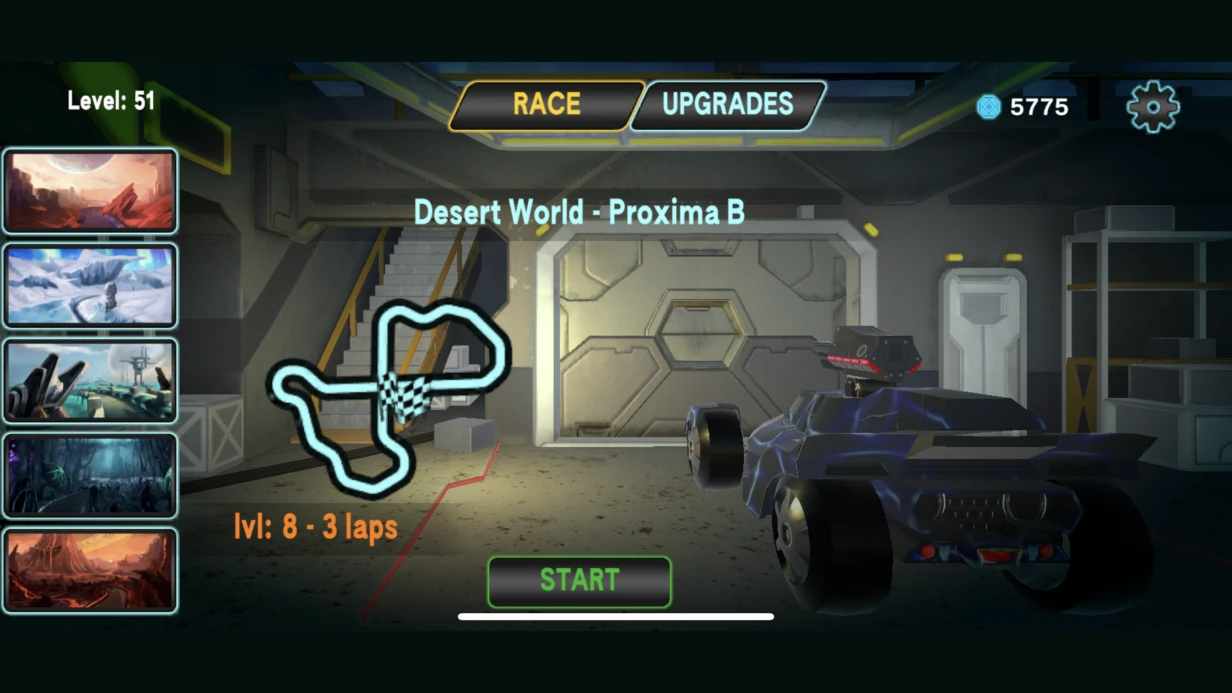

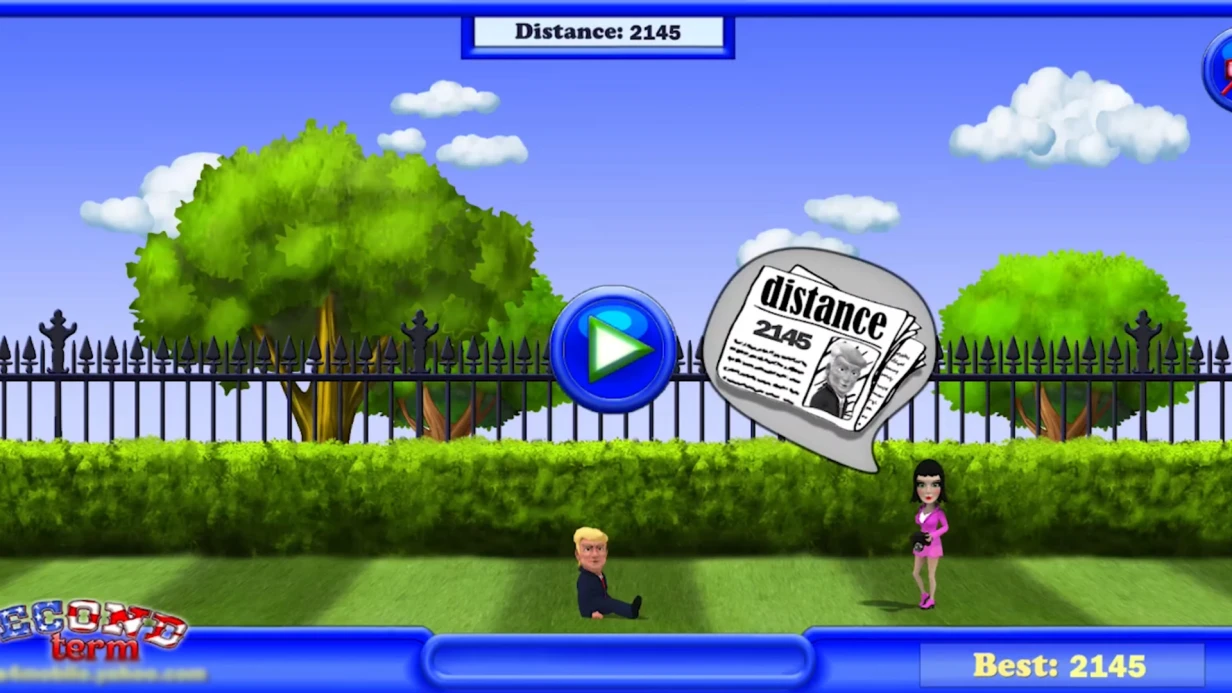
בלי משחק סימולטור ב-PlayStation 5, אתם מפסידים את השוק
קהל ה-PlayStation 5 הוא מיליוני שחקנים משלמים שמבלים יותר זמן במשחקים מאשר בכל צורת בידור אחרת.
אם הסימולטור שלכם לא נמצא על הקונסולה הזו, אתם מוסרים את תשומת הלב שלהם למתחרים—אלה שכבר הזמינו פיתוח ותפסו את הנישה שלהם.
שוק המשחקים הפך לשדה שבו מותגים מתקשרים ישירות עם הקהל שלהם, וההיעדרות שלכם כאן פוגעת באופן ניכר גם בהגעה וגם ברווח.
סימולטור ל-PS5 פותר כמה משימות עסקיות בבת אחת. זה לא רק משחק אלא חלון ראווה אינטראקטיבי: המשתמש מכיר את המוצר, מתנסה בו בפועל, וחוזר שוב.
הפורמט הזה שומר על עניין למשך זמן רב הרבה יותר מפרסום רגיל ומספק צמיחה מדידה בהכרת המותג.
קונסולת הדור הבא היא המקום שבו נמצאים מובילי דעה והמשתמשים המעורבים ביותר. משחק ל-PlayStation 5 מעלה אוטומטית את המעמד של המוצר שלכם בעיני הקהל ויוצר תדמית של חברה מודרנית שעוקבת אחרי הלקוחות שלה לאן שנוח להם.
אנחנו עוסקים בפיתוח משחקים במתכונת turnkey כבר למעלה מעשר שנים ועוזרים לעסקים להיכנס לשוק המשחקים ללא סיכונים מיותרים. הזמנת משחק סימולטור מאיתנו היא תהליך ברור, לוחות זמנים צפויים, ותוצאה שמתחילה לעבוד עבורכם מיד לאחר ההשקה. בזמן שהמתחרים עדיין לומדים את הפלטפורמה, יש לכם הזדמנות לתפוס את המקום שלכם ראשונים.
אילו משימות פותר פיתוח משחק סימולטור
הגדלת הכרת המותג
פיתוח משחק סימולטור עסקי ל-PlayStation 5 הוא דרך לבלוט מול המתחרים. במקום מסרים פרסומיים סטנדרטיים, השחקן מקבל חוויה חיה שהוא רוצה לשתף.
כל סשן הופך להמלצה חינמית: משתמשים מפרסמים צילומי מסך ומדברים על המשחק. ההכרה גדלה דרך אינטראקציה חיה עם המותג, לא דרך שיווק פולשני.
מעורבות קהל
סימולטור שומר על תשומת לב לעשרות דקות—בזמן הזה המשתמש מכיר את המוצר, מתנסה בו בצורת משחק, וזוכר את היתרונות שלו. הפורמט הזה מערב חזק יותר מסרטון או מצגת כי האדם משתתף ולא רק צופה. שחקנים מעורבים משתפים את ההתרשמות שלהם עם חברים, וההגעה גדלה ללא הוצאות פרסום נוספות.
יצירת לידים
מכניקת משחק עוזרת לאסוף פניות ישירות במהלך התהליך—בלי טפסים ארוכים. המשתמש סיים רמה? הציעו לו בונוס עבור יצירת קשר: הנחה, מתנה, או גישה לאזור סגור. לידים כאלה מגיעים עם עניין ואמון, כך שההמרה גבוהה יותר מאשר עם טפסים קרים. מאגר הנתונים שנצבר הופך למקור למכירות חוזרות.
פרספקטיבה ארוכת טווח
סימולטור ממשיך לעבוד לאחר ההשקה: רמות חדשות, אירועים עונתיים ועדכונים שומרים על עניין במשך שנים. זה לא קמפיין חד-פעמי אלא נכס שמביא קהל באופן קבוע ומחזק את מעמד המותג.
המשחק נשאר בספריית ה-PlayStation 5 של המשתמש ומזכיר את עצמו בכל פעם שהוא מופעל.
פורמטים של פיתוח משחקים ל-PlayStation 5
משחק ל-PlayStation 5 הוא לא רק בידור אלא גם כלי עסקי עובד. אפשר להשתמש בו כדי לקדם מוצר, להכשיר צוות, או לעניין אורחים באירוע. הפורמט שנבחר קובע איך המשחק פותר את המשימה ואיזו השפעה הוא מביא לחברה.
השוואת פורמטים
| פורמט | למי | מה הוא נותן ללקוח |
|---|---|---|
| משחק קידום | מבקרים בתערוכות ואזורי קידום | הגעה והכרה: אורחים מתנסים במוצר דרך מכניקת משחק ומשתפים את ההתרשמות שלהם |
| סימולטור הדרכה | עובדים בתהליך הכשרה | תרגול ללא סיכון: התהליך נלמד מהר יותר, ויש פחות טעויות בעבודה האמיתית |
| משחק בידור | אורחים באירועי חברה ומסיבות | מעורבות חיה: אנשים נשארים במיקום, מצלמים וזוכרים את האירוע |
כל פורמט מפותח עבור ה-PlayStation 5—בקרות מוכרות, ויזואליה באיכות גבוהה והפעלה יציבה על קונסולות. הלקוח מקבל לא רק משחק אלא כלי תקשורת מוכן: אורחים תופסים אותו כבונוס, לא כפרסום.
הטבלה מציגה תרחישים טיפוסיים. אם המשימה שלכם לא תואמת לאף פורמט, נרכיב אפשרות היברידית: למשל, משחק קידום עם אלמנטים של הדרכה או חידון לאירוע חברה. ספרו לנו על המטרה שלכם—נמליץ על הפורמט ולוחות הזמנים האופטימליים.
שלבי העבודה על משחק הסימולטור שלכם
בנינו את התהליך כך שתראו את התוצאה בכל שלב ותוכלו להשפיע על המשחק. מבריף ועד השקה ב-PlayStation 5—אנחנו עובדים בשקיפות, עם נקודות ביקורת קבועות וללא הפתעות בלוחות זמנים או בתקציב.
-
בריף וניתוח משימה. אנחנו קובעים את מטרות המשחק, קהל היעד והמכניקות המרכזיות. אנו בוחנים כיצד הסימולטור ישתלב בעסק שלכם—משיכת לקוחות, הכשרת עובדים או הגדלת הכרת המותג.
-
קונספט ואב-טיפוס. אנחנו מכינים תיאור משחק, סגנון ויזואלי ולוגיקת משחק. אנו יוצרים אב-טיפוס—אתם כבר יכולים לראות איך הסימולטור ייראה ואיך הוא יעבוד, ולבצע שינויים ראשוניים ללא הוצאות מיותרות.
-
אישור ותכנון. אנחנו מאשרים את הקונספט ויוצרים תוכנית מפורטת עם שלבי פיתוח, תאריכים ונקודות ביקורת. אתם מקבלים הערכת עלויות ומבינים מה כולל כל שלב—מכאן ואילך, רק שינויים מוסכמים.
-
פיתוח ובנייני ביניים. אנחנו יוצרים גרסה מלאה של המשחק: גרפיקה, מכניקה, סאונד וממשק. אתם מקבלים בניינים עובדים מעת לעת—אתם משחקים, בודקים ונותנים משוב כך שהתוצאה תתאים בדיוק לציפיות.
-
בדיקות והתאמה לפלטפורמה. אנחנו בודקים את המשחק בתרחישים שונים, מתקנים שגיאות ומבצעים אופטימיזציה כדי לעמוד בדרישות ה-PlayStation 5. עבורכם, זה אומר שהמשחק ירוץ באופן אמין על קונסולות ויעמוד בסטנדרטים של איכות.
-
השקה ותמיכה לאחר השחרור. אנחנו מפרסמים את המשחק, עוזרים לשלב אותו בתשתית שלכם ומספקים תמיכה לאחר ההשקה. אם אתם צריכים עדכון או פונקציונליות חדשה—אנחנו בקשר ומבצעים שינויים במהירות.
גישה זו מאפשרת ללקוח לשים את האצבע על הדופק: כל שלב שקוף, והתוצאה תמיד מדידה. אתם לא רק מקבלים "פיתוח במתכונת turnkey"—אתם מקבלים כלי עובד שפותר משימה עסקית ספציפית.
מה כלול במסירת משחק הסימולטור
כשאתם מזמינים משחק סימולטור מאיתנו, אתם מקבלים לא רק אפליקציה מוכנה אלא חבילה מלאה שהצוות שלכם יכול להשתמש בה כדי לנהל את המוצר באופן עצמאי.
כל הקבצים, ההגדרות וההוראות נשארים אצלכם—זה מבטל תלות בקבלן בכל השלבים: מההשקה הראשונה ועד פיתוח נוסף.
- בניית משחק מוכנה לפלטפורמה שלכם. היא מותקנת ללא הגדרות נוספות, רצה ביציבות מיד, ומוכנה לשימוש באירועים, באולם תצוגה או במרכז הדרכה.
- קוד המקור של הפרויקט. אתם הבעלים של כל הלוגיקה של הסימולטור: כל קבלן או מומחה פנימי יכול לחדד תרחישים, להוסיף רמות חדשות או לשנות מכניקות בלי לכתוב את המשחק מחדש מאפס.
- תיעוד מלא. מדריכים קלים להבנה להפעלה, ניהול והגדרות. העובדים שלכם ילמדו את המערכת תוך כמה ימי עבודה, לא חודשים.
- הכשרת צוות. אנחנו מקיימים מפגשים אישיים למפעילים ומנהלים: אנו מלמדים אותם להפעיל את הסימולטור, לנהל תהליכים בסיסיים ולפתור בעיות נפוצות ללא ייעוץ חיצוני.
- אחריות על המשחק. במהלך תקופת האחריות, אנו מתקנים בחינם שגיאות שמשפיעות על ביצועים ותאימות חומרה. אתם מוגנים מהפתעות לא נעימות ברגע הקריטי ביותר.
- תמיכה לאחר ההשקה. אנחנו עוזרים עם עדכונים, אינטגרציה עם ציוד נוסף ושיפורים. אנחנו נשארים בקשר על בסיס קבוע, כך שתמיד תוכלו לסמוך עלינו.
כתוצאה מכך, אתם מקבלים מוצר עצמאי: הצוות שלכם יכול להפעיל את הסימולטור בכוחות עצמו, להתאים אותו למשימות שלו ולפתח אותו ללא מעורבות הקבלן. ואם עולות שאלות—אנחנו בקשר.
מקרה בוחן: איך פיתחנו סימולטור לעסק
איך זה קרה
סוכנות רכב גדולה בעיר, AvtoPremium, התמודדה עם משימה טיפוסית: מבקרים נכנסו לאולם התצוגה, הסתכלו על דגם אחד או שניים, ועזבו בלי להשאיר פרטי קשר.
רכב חדש עמד להגיע, העניין היה גבוה, אבל לא הייתה דרך "לגעת" בו עדיין. מחלקת השיווק הייתה זקוקה לכלי שיחזיק אורחים בסביבה, יציג את יכולות הרכב ויאסוף פניות בלי אנשי מכירות אגרסיביים.
פיתחנו סימולטור נהיגה ב-Unity והתאמנו אותו לקונסולת ה-PlayStation 5 שכבר הותקנה באולם התצוגה.
מבקר נכנס למושב הנהג, נוהג במסלול עם אלמנטים עירוניים, ואחרי הנסיעה רואה את המאפיינים של הרכב—כוח, צריכת דלק, זמן האצה.
מאחורי התרחיש עומדת לוגיקה שיווקית פשוטה: אחרי הסיום, המסך מציע אפשרות להזמין נסיעת מבחן או לקבל מחירון, כך שהסימולטור עובד לא רק כבידור אלא ככלי ליצירת קשרים.
מה הראו המספרים
בחודש הראשון, יותר מ-2,000 איש השלימו את הסימולטור—כמעט מחצית מכלל מבקרי אולם התצוגה באותה תקופה. הזמן הממוצע שמבקר בילה באולם התצוגה עלה מ-7 ל-18 דקות, ומספר הפניות למחלקת המכירות גדל ב-40%.
כל שחקן שלישי השאיר פרטי קשר, למרות שבעבר נתונים כאלה נאספו רק ידנית ובעלות המרה נמוכה יותר.
מנהל השיווק סיכם את הפרויקט: "נהגנו להילחם על תשומת הלב של הלקוח, אבל עכשיו מבקרים מביאים חברים בעצמם—הם רוצים להשוויץ במשחק.
הסימולטור הפך לחלק מלא באולם התצוגה ומביא פניות ללא פרסום נוסף." אחרי החודש הראשון, הסוכנות הזמינה עמדה שנייה לדגמים אחרים, ובהמשך חזרה אלינו עם בקשה לסימולטור הדרכה לעובדים חדשים.
איך לבחור פורמט משחק למשימה שלכם?
בחירת פורמט משחק הסימולטור נקבעת לא לפי מורכבות טכנית אלא לפי המשימה העסקית. אותו משחק יכול להכשיר עובדים, להציג את יכולות המוצר, לעניין אורחים באירוע או לבנות תדמית מותג.
שאלו את עצמכם: מה המשתמש צריך לעשות אחרי הסשן? הז'אנר, האורך והאינטראקטיביות תלויים בזה.
אם המטרה היא להציג מוצר או שירות, בחרו סימולטור מצגתי: תרחיש קצר שבו המשתמש מנהל פונקציות מפתח בעצמו תוך כמה דקות. אם אתם צריכים ללמד מיומנות, בחרו מאמן רב-רמות עם מערכת רמזים והערכה.
לאירועים, פורמט "משחק מהיר" חשוב: סשן אחד של 3–5 דקות, חוקים ברורים ותוצאות מיידיות.
טעות נפוצה היא להזמין "משחק ריאליסטי מקסימלית" בלי להבין את התרחיש. במציאות, שכנוע נובע מדיוק של פרטים חשובים למשתמש, לא מהמספר הכולל של אפקטים.
טיפ: הגדירו 5–7 פעולות מפתח שהשחקן חייב לשלוט בהן ובנו את המשחק סביבן—זה מקצר את זמן הפיתוח ומקל על תפיסת החוויה.
קחו בחשבון את הקהל שלכם: להדגמה חד-פעמית בתערוכה, ממשק אינטואיטיבי עובד; להדרכה קבועה, מערכת התקדמות עדיפה. פלטפורמת ה-PlayStation 5 מספקת היענות יציבה, אבל בחירת הפורמט תמיד מתחילה במשימה.
אם אתם לא בטוחים, התחילו בתיאור קצר של המשימה שלכם—נציע 2–3 אפשרויות מתאימות ונראה איזה משחק משתלם יותר למטרה שלכם.
שאלות נפוצות על הזמנת פיתוח
אספנו תשובות לשאלות שלקוחות שואלים הכי הרבה לפני תחילת פרויקט. אנחנו מבינים שפיתוח משחק משלכם הוא צעד רציני, ולכן אנחנו מדברים בגלוי על לוחות זמנים, מחירים והתחייבויות שלנו.
אם לא מצאתם את השאלה שלכם—פשוט כתבו לנו: נדון בפרטים ונמליץ על הפורמט הטוב ביותר למשימה שלכם.
אילו ערבויות אתם מספקים?
אנחנו עובדים לפי חוזה, ומתקנים שלבים, דרישות והיקף עבודה. אנו מציגים גרסאות ביניים של המשחק כך שתראו את התוצאה לאורך הדרך, לא רק בסוף.
לאחר השחרור, אנחנו תומכים בפרויקט: אנו מתקנים שגיאות בתוך התקופה המוסכמת ועוזרים עם עדכונים. אתם אף פעם לא נשארים לבד עם המוצר המוגמר.
כמה זמן לוקח הפיתוח?
לוחות הזמנים תלויים בהיקף: אפשר להכין אב-טיפוס תוך כמה שבועות; משחק מלא לוקח כמה חודשי עבודה. בשלב הבריף, אנו מעריכים את המשימות ונותנים מועדים ריאליסטיים עם מרווח ביטחון.
לוח הזמנים קבוע בתוכנית שאנחנו מסכמים אתכם בתחילת הפרויקט. אתם תמיד יודעים מתי תוצג הגרסה הבאה ומתי המשחק צפוי לצאת.
כמה עולה פיתוח משחק?
אנחנו מחשבים את העלות לפי כמות העבודה: ז'אנר, מספר רמות, מורכבות מכניקות, פלטפורמות יעד. בפגישה הראשונה, אנו מספקים הערכה משוערת, ואחרי הבריף—פירוט עלויות שקוף לפי שלבים.
אין תשלומים נסתרים: אתם מבינים על מה אתם משלמים בכל שלב. אם המשימה משתנה לאורך הדרך, אנו דנים בכך מראש ומתאימים את המחיר.
מה אנחנו צריכים מכם כדי להתחיל?
רעיון והבנה של השחקנים שלכם מספיקים: מי ישחק ואיזו חוויה הם צריכים. אין צורך בידע טכני או בתיאור מוכן—אנחנו מטפלים בתרחיש, בעיצוב וביישום בעצמנו.
אנחנו עורכים בריף, מבהירים מטרות ומתקנים את המשימות. אחרי זה, אתם מקבלים תוכנית, הערכת עלויות וצוות שמוביל את הפרויקט מקונספט ועד השקה.
איך נפקח על התהליך?
אנחנו מציגים לכם גרסאות עובדות באופן קבוע—אתם משחקים ורואים איך המוצר גדל משלב לשלב. אנחנו מאשרים החלטות מפתח יחד: קונספט, סגנון, מכניקות, ממשק.
מנהל פרויקט ייעודי מריץ את הפרויקט, מעדכן אתכם ועונה על שאלות בכל רגע. עבור פלטפורמות יעד, כולל ה-PlayStation 5, אנחנו מכינים את המשחק בהתאם לכל דרישות הפלטפורמה—אינטגרציית שירותים, בקרות, פלט מסך. הכל עובד כמו ששחקנים מצפים.
התחילו פיתוח משחק היום
בזמן שאתם קוראים את הטקסט הזה, קהל ה-PlayStation 5 כבר מחפש חוויות חדשות. ואתם עדיין בוחרים בין "מאוחר יותר" ל"לעולם לא". הפער בין רעיון למשחק מוגמר מצטמצם לצעד אחד—בקשת פיתוח. אנחנו לוקחים על עצמנו את המחזור המלא: מהבריף ועד השחרור לקונסולה, והצעד הראשון לא עולה כלום.
כדי לעזור לכם לקבל החלטה עם המספרים ביד, אחרי הבקשה שלכם אתם מקבלים:
- ביקורת של הרעיון או הפרויקט הקיים שלכם: הערכה של הנישה, המתחרים והפוטנציאל ב-PlayStation 5.
- תוכנית פיתוח ברורה עם שלבים, לוחות זמנים ואחראים—בלי ערפל או "מתישהו בחצי שנה".
- הערכת עלויות שקופה: אתם יודעים על מה אתם משלמים ויכולים להתאים את ההיקף לפני ההתחלה.
- גרסת הדגמה כבר בשלב מוקדם, כדי שתוכלו לבדוק את המכניקות לפני השקעה גדולה.
- תמיכה בכל שלב—מחבילת התיעוד ועד מעבר בבדיקה הטכנית של הפלטפורמה.
- מפיק אישי שנשאר בקשר עם הצוות ושולח עדכוני סטטוס בפורמט נוח.
כך, אתם לא מזמינים "פיתוח משחק" בחלל ריק אלא תהליך ניתן לניהול עם תוצאה צפויה. יש לנו מעל 10 שנות פרויקטים על פלטפורמות שונות מאחורינו, ואנחנו יודעים להפוך רעיון גולמי למוצר שאנשים ישתפו ברשתות החברתיות.
השאירו בקשה באתר—בתגובה, נשלח ביקורת, תוכנית והערכת עלויות ראשונית תוך שני ימי עסקים. אם הפרויקט לא רלוונטי, נגיד לכם בכנות. אם כן, נדון בצעדים הבאים ונקבע לוחות זמנים.
אתם יכולים לחשב את העלות או לשאול שאלות בלחיצה אחת—פשוט לחצו על הכפתור ותארו את המשימה שלכם. התחילו פיתוח משחק היום, כדי שמחר השחקנים שלכם כבר יחכו לשחרור.