


מדוע פלטפורמר האינדי שלך לאנדרואיד לא מניב רווח
יצרת משחק, השקעת זמן וכסף, אבל פלטפורמר האינדי שלך לאנדרואיד לא מניב רווח — מצב מוכר למפתחים רבים.
המשחק יכול להיות מעניין, אבל זה לא מספיק: אלפי משחקים חדשים מופיעים ב-Google Play כל יום, ובלי מערכת מונטיזציה וקידום מתוכננת היטב, הפרויקט נעלם מעיני המשתמשים.
סיבה נפוצה היא פיתוח לאנדרואיד בלי להתחשב בהתנהגות האמיתית של השחקנים. שליטה מורכבת, רמות ארוכות בלי רמזים, ורמת קושי גבוהה בהתחלה — כל אלה גורמים למשתמשים לסגור את המשחק בתוך הדקות הראשונות. כתוצאה מכך, שיעור השימור יורד, וכך גם ההכנסות מפרסומות ורכישות בתוך האפליקציה.
הטעות השנייה היא מונטיזציה שהוגדרה "בערך". פרסומות מופיעות ברגעים לא נכונים, מחירי הרכישות לא תואמים לציפיות הקהל, ואין איזון בין תוכן חינמי לשדרוגים בתשלום. בלי אנליטיקה, אי אפשר לראות מה באמת מכניס כסף ומה מעצבן את השחקנים.
לבסוף, קידום המשחק הוא השלב הכי פחות מוערך. אם אתה מעדכן את הכותרת, התיאור ומילות המפתח אבל מדלג על אופטימיזציה של האייקון וצילומי המסך, פלטפורמר האינדי שלך פשוט לא יימצא בחיפוש.
התנועה האורגנית נשארת מינימלית, קמפיינים בתשלום לא מחזירים את ההשקעה, והמשחק נשאר בתחתית התוצאות.
בצוות שלנו אנחנו מכסים את כל שלושת התחומים: אנחנו מעצבים לאנדרואיד כך שהשחקנים יישארו, מגדירים מונטיזציה מבוססת נתונים, ומביאים את המשחק לראש תוצאות החיפוש הרלוונטיות. כתוצאה מכך, פלטפורמר האינדי שלך מתחיל להרוויח, ואתה מקבל הכנסה צפויה.
אילו יתרונות פיתוח פלטפורמר אינדי מביא ללקוח
הזמנת פלטפורמר אינדי לאנדרואיד פירושה קבלת לא רק בידור, אלא ערוץ ארוך טווח לחיבור עם הקהל שלך. משתמשים חוזרים למשחק עשרות פעמים, מבלים בו ברצון ובעניין, וכל סשן הוא מגע ישיר עם המותג שלך.
בניגוד לפרסום חד-פעמי, המשחק לא נעלם אחרי קמפיין — הוא ממשיך לעבוד בשבילך במשך שנים.
החזר ההשקעה מובנה כבר בשלב העיצוב: אנחנו מבנים את המונטיזציה כך שהפרויקט מתחיל לייצר הכנסה בחודשים הראשונים לאחר ההשקה. זה כולל רכישות בתוך האפליקציה, תגמולים על צפייה בפרסומות, וגרסה בתשלום ללא הגבלות.
במקביל, המשחק נשאר מרתק — האיזון בין רווח להנאת המשתמש לא נשבר.
רכישת שחקנים נשענת על מנגנוני צמיחה טבעיים. הישגים, לוחות מובילים ושליטה אינטואיטיבית גורמים למשתמשים לשתף את ההצלחות שלהם ולהזמין חברים.
ככל שיותר אנשים מסיימים את המשחק, כך הדירוגים בחנות האפליקציות גבוהים יותר, והמוצר שלך מופיע יותר בהמלצות — מה שמפחית את התלות בתקציבי פרסום.
יתרון נוסף הוא הכרת המותג. העולם הזכיר, הדמויות והסגנון החזותי של הפלטפורמר הופכים לחלק מהתדמית של החברה שלך. שחקנים מקשרים רגשות חיוביים לשם שלך, מספרים על כך לאחרים, ומפתחים נאמנות שפרסום ישיר פשוט לא יכול לקנות.
בסופו של דבר, אתה מקבל נכס שמרחיב את הקהל שלך, מייצר הכנסות ומחזק את מעמד המותג בו-זמנית. ספר לנו על המשימה שלך — נראה לך איך משחק יכול לעזור לפתור אותה.
פורמטים של פיתוח משחקים לאנדרואיד: איזה מהם לבחור
כל פרויקט מתחיל בשאלה: "כמה השקעה נדרשת, וכמה מהר אראה תוצאות?" התשובה תלויה לא במספר המתכנתים, אלא בפורמט שיתוף הפעולה.
אותו מוצר יכול להתחיל כאב-טיפוס קטן, או שאפשר להזמין את המחזור המלא מיד — ההבדל בזמן ובתקציב הוא עצום.
הכלל המרכזי: הפורמט חייב להתאים למטרה העסקית שלך. אם המטרה היא לבדוק אם השחקנים יאהבו את הרעיון, אין צורך בגרסה מלאה. אם המטרה היא להגיע לראש Google Play ולייצר הכנסה, אי אפשר להימנע מעידון מעמיק: איזון, אנליטיקה, עדכונים.
| פורמט | למי זה מיועד | מה הלקוח מקבל |
|---|---|---|
| אב-טיפוס | לאימות רעיון לפני השקעה משמעותית | גרסת הדגמה מהירה, תשובה ברורה ל"האם אנשים ישחקו בזה?" |
| גרסה מינימלית בת-קיימא | להשקה ולמשיכת השחקנים הראשונים | גרסת אנדרואיד עובדת, אנליטיקת התנהגות, נקודת צמיחה ברורה |
| מחזור מלא | לכניסה לשוק ומונטיזציה יציבה | מוצר מוגמר עם תמיכה, עדכונים ואסטרטגיית קידום |
לפני ההתחלה, אנחנו מעריכים את הפרויקט ומציעים את הפורמט המתאים — בהתאם למטרות שלך, ללוחות הזמנים ולקהל הצפוי. לפרויקטי אינדי, גרסה מינימלית לרוב מספיקה: היא מאפשרת השקה מהירה, קבלת משוב ראשוני והחלטה מה לפתח בהמשך. המחזור המלא נבחר כשהמשחק צפוי לחיות שנים ולייצר הכנסה קבועה.
איך אנחנו בונים פלטפורמרים לאנדרואיד: שלבי העבודה
בנינו את התהליך כך שתמיד תדע באיזה שלב נמצא הפרויקט ומה תקבל כתוצאה. כל שלב פותר בעיה ספציפית — מהרעיון ועד השקת המשחק ב-Google Play — כך שלא תבזבז זמן על ניחושים או אישורים מיותרים.
-
בריף ומטרות. אנחנו דנים בקהל שלך, ברעיון ובמטרות: מה השחקן צריך להרגיש, כמה רמות נדרשות, ואילו מכניקות חשובות. אנחנו מרכיבים מפרט טכני — מסמך שבאמצעותו תוכל לבדוק את התוצאה.
-
קונספט ואב-טיפוס. אנחנו מפתחים את המשחקיות, הסגנון החזותי והשליטה. אנחנו מראים לך טיוטת אנדרואיד ניתנת למשחק — היא מאפשרת להעריך את ה"תחושה" של המשחק לפני הפיתוח המלא ולבצע שינויים בלי לאבד תקציב.
-
פיתוח הליבה. אנחנו יוצרים רמות, דמויות, גרפיקה וסאונד. אתה מקבל גרסאות ביניים קבועות ורואה איך המשחק גדל. בכל שלב אתה נותן משוב — השינויים משולבים במוצר מיד, לא בסוף.
-
בקרת איכות. שלב נפרד שבו אנחנו בודקים את המשחק על מכשירי אנדרואיד שונים: בודקים יציבות, מהירות טעינה, נוחות שליטה והיעדר רגעים "תקועים" ברמות. זה מגן עליך מביקורות שליליות ודירוגים נמוכים לאחר ההשקה.
-
השקה ב-Google Play. אנחנו עוזרים להכין את דף החנות, הטקסטים וצילומי המסך, ומגדירים נכון את הרישום לחיפוש. במידת הצורך, אנחנו מטפלים במודרציה ומשיגים את ההתקנות הראשונות בתוך השבועות הראשונים.
-
תמיכה ועדכונים. אנחנו עוקבים אחר ביקורות, אוספים סטטיסטיקות, מתקנים בעיות ומוסיפים תוכן לפי התוכנית. המשחק ממשיך לחיות, לייצר התקנות ולהישאר רלוונטי לקהל שלך.
רצף זה מבטיח לוח זמנים צפוי להשקה ותוצאה ברורה. אתה תמיד יודע על מה הושקע התקציב ויכול להשפיע על המוצר לפני שהוא מגיע לשחקנים.
מה כלול בפלטפורמר העתידי שלך
פיתוח פלטפורמר לאנדרואיד הוא כמו בניית בית: הלקוח רואה את התוצאה, אבל מה שחשוב יותר הוא מה שיש בפנים. אנחנו מרכיבים את הפרויקט במפתח מלא — מהרעיון ועד משחק מוגמר בחנות האפליקציות. להלן היקף העבודה שאתה מקבל בכל שלב.
- עיצוב משחק. אנחנו מחדדים מכניקות, מבנה רמות ואיזון קושי כך שהמשחק מחזיק תשומת לב מהדקה הראשונה וגורם לשחקנים לחזור.
- אומנות ואנימציה. אנחנו יוצרים את הסגנון, הדמויות והסביבה — זה מה שמעצב את הרושם הראשוני ומבדיל אותך מעשרות פרויקטים דומים.
- קוד המשחק. אנחנו כותבים לוגיקת אנדרואיד אמינה: בלי קריסות, פיגורים או התנהגות מוזרה במכשירים מודרניים.
- בדיקות. אנחנו מריצים תרחישים אמיתיים, מתקנים באגים ומביאים את המשחק למצב יציב כך ששחקנים ישאירו ביקורות חיוביות במקום תלונות.
- אריזת חנות. אנחנו מכינים את דף חנות האפליקציות: אייקון, צילומי מסך, תיאור והגדרות פרסום. לא תצטרך ללמוד את מדיניות החנות — אנחנו מספקים את המשחק מוכן להשקה.
- תיעוד. אנחנו מעבירים תיאורי מכניקות, מבנה הפרויקט והמלצות פיתוח. תוכל להעביר את המשחק לצוות אחר, לעדכן תוכן או ליצור המשך בלי קושי.
כשאתה מקבל פלטפורמר מוגמר, זה לא רק קבצים אלא נכס עובד: אתה מבין איך תרוויח ממנו, מה לשפר ואיך להגיב לפניות שחקנים.
אנחנו גם תומכים בהשקה ועוזרים בעדכונים הראשונים, כך שהפרויקט מתחיל בביטחון ומראה תוצאות מיד.
מקרה בוחן: פלטפורמר אינדי שהגיע לראש הטבלה תוך שבועיים
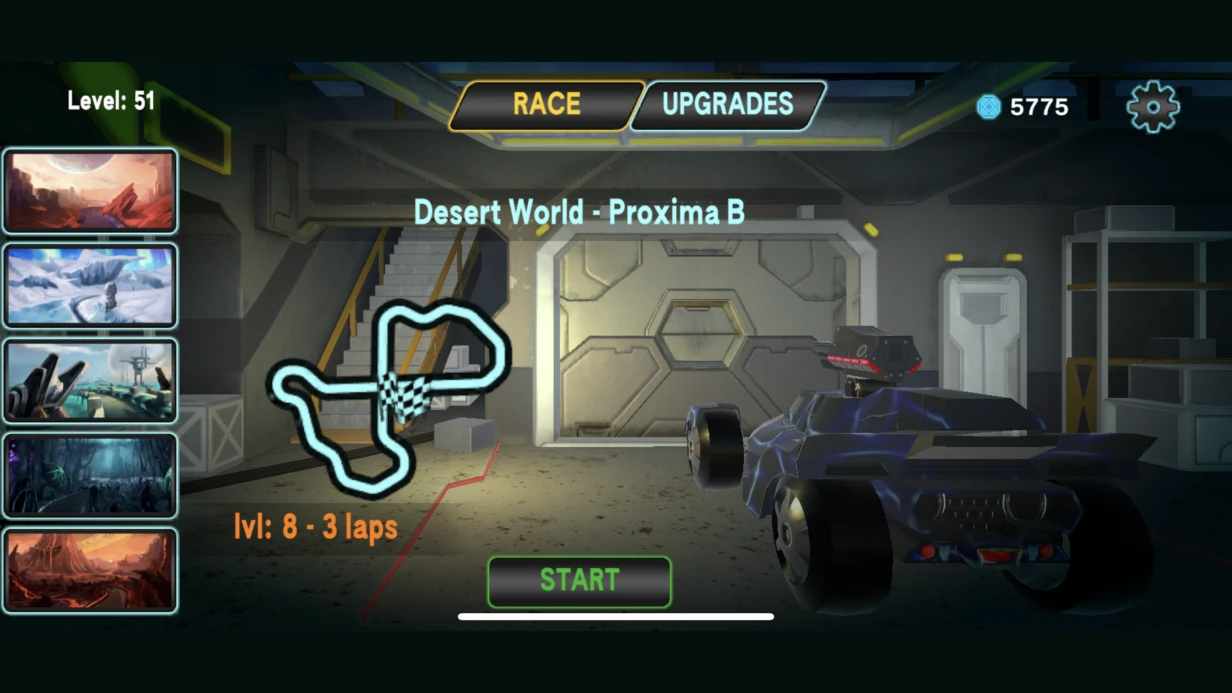
הלקוח הגיע עם אב-טיפוס מוכן ובקשה אחת: "אני רוצה שהפלטפורמר שלי יבחינו בו." התמקדנו באריזת המשחק לאנדרואיד: מטא-דאטה, הרמה הראשונה כחלון ראווה, והתאמת השליטה למגע.
שבועיים לאחר ההשקה, "Forest Run" הגיע לעשירייה הראשונה של משחקי קז'ואל ב-Google Play. בחודש הראשון, המשחק צבר יותר מ-250,000 התקנות — 60% מהן מחיפוש אורגני, בלי רכישות בתשלום.
תוצאות שהלקוח רואה
המדדים המרכזיים נשארו יציבים לאחר ההשקה: שיעור השימור ביום השני היה 32%, ומשך הסשן הממוצע היה 4 דקות. זה מעל הממוצע בתחום הקז'ואל. גידול ההכנסות לאחר הפעלת רכישות בתוך האפליקציה ופרסומות הראה עלייה פי שלושה ברבעון הראשון.
המספרים האלה אינם מקריים אלא תוצאה של ביקורת מונטיזציה ואירועי אנליטיקה מוגדרים. זיהינו מראש את נקודות השימור ועיצבנו את איזון הקושי כך שהשחקן מגיע לרמה הבאה בדיוק ברגע של עניין מרבי.
למה זה עובד לפרויקט שלך
הניסיון ממקרה הפיתוח הזה יכול להיות מיושם על כל משחק אינדי. אנחנו לא מפתחים "למגירה": מהיום הראשון אנחנו עובדים לקראת המדדים שחשובים בחנות — שימור, משך סשן והמרת רכישות. לכן למשחק יש סיכוי אמיתי להופיע בתוצאות החיפוש ולקבל תנועה חינמית.
הלקוח היה מרוצה וכבר הזמין פרויקט שני עם משחקיות דומה. זה מאשר שהתוצאה שהשחקן רואה ושהבעלים רואה היא מדידה.
איך תדע איזה פורמט פיתוח אתה צריך?
בחירת פורמט פיתוח אינה עניין של טעם; היא קשורה למטרות שלך, ללוחות הזמנים ולקהל. חלק צריכים לבדוק במהירות רעיון על אנדרואיד, אחרים צריכים מוצר מלא עם מונטיזציה ועדכונים.
ייעוץ עוזר לקבוע את היקף העבודה הנכון לפני ההתחלה — אנחנו מנתחים את המשימה ומפחיתים את הסיכונים של הוצאות מיותרות.
אנחנו מתחילים עם בריף קצר: אתה מספר לנו למה אתה צריך את המשחק, מי ישחק בו ואיזו תוצאה אתה מצפה. על סמך זה, אנחנו בוחרים פורמט — מאב-טיפוס אנכי ועד גרסה מלאה עם סיפור ורכישות בתוך האפליקציה.
כך, אתה משלם רק על התכונות שמשרתות בפועל את המטרה שלך, לא על "הכל בבת אחת".
התנאים שקופים: לפני חתימת החוזה, אתה מקבל תוכנית שלבים, לוחות זמנים והערכת תקציב בשעות. אם עולים רעיונות חדשים במהלך הפרויקט, אנחנו מבצעים התאמות בלי השבתה או חיובים נסתרים.
בעיות פורמט נפתרות בהתחלה — לכן ב-90% מהמקרים הפרויקט נשאר במסגרת המקורית.
הייעוץ אינו מחייב: תוך 30 דקות, תגלה בדיוק איזה היקף עבודה אתה צריך ותקבל המלצה כנה. גם אם תחליט לבנות את המשחק עם אולפן אחר, הידע הזה יעזור לך לנסח את המשימה בצורה ברורה יותר ולפקח על הקבלן.
בוא עם הרעיון שלך — נעזור להפוך אותו לתוכנית ברורה עם לוחות זמנים ריאליים. משחק אנדרואיד יכול להיות קומפקטי, ידידותי לתקציב ולהניב תוצאות כבר בשלב ההשקה.
שאלות נפוצות על פיתוח משחקים למובייל באנדרואיד
לפני תחילת פרויקט, ללקוחות יש לעתים קרובות את אותן דאגות: כמה זמן ייקח ליצור את המשחק, איך אפשר לשלוט בתהליך, ומה קורה לאחר ההשקה. אנחנו עונים בכנות — בלי ז'רגון טכני, בשפת התוצאות.
אנחנו עובדים עם פלטפורמרים לאנדרואיד כבר יותר מ-10 שנים, כך שרוב הסיכונים נראים מראש ואנחנו יודעים איך להתמודד איתם.
להלן תשובות לשאלות שאנחנו שומעים הכי הרבה במשא ומתן. הן מכסות לוחות זמנים, שליטה, תמיכה וסיכונים אפשריים. אם השאלה שלך לא כאן — פשוט כתוב לנו, ונענה בפירוט.
כמה זמן לוקח לפתח פלטפורמר אינדי לאנדרואיד?
לוח הזמנים תלוי בהיקף המשחק: בדרך כלל 2–5 חודשים מהבריף ועד הפרסום בחנויות. אנחנו מגדירים שלבים ואבני דרך ברורים כך שתוכל לראות התקדמות. אנחנו לא מפספסים מועדים — אם מופיעים סיכונים, אנחנו מתריעים מראש ומציעים פתרון.
אני לא יודע כלום על פיתוח. איך אני יכול לשלוט בתהליך?
יהיה לך מנהל אישי ודוחות כל 1–2 שבועות: מה בוצע, מה בתהליך ומה הלאה. אנחנו גם מראים לך באופן קבוע גרסאות ביניים של המשחק — אתה מעריך את התוצאה כשחקן, לא דרך דוחות טכניים.
מה קורה לאחר ההשקה? האם אתם תומכים במשחק?
כן. אנחנו מציעים תמיכה שוטפת: מתקנים באגים, מעדכנים תאימות לגרסאות אנדרואיד חדשות ומוסיפים תוכן לפי בקשה. אתה יכול להזמין תמיכה לכל תקופה — המשחק ממשיך לעבוד ולהעניק ערך לקהל שלו.
מהם הסיכונים בפרויקט, ואיך אתם מתמודדים איתם?
הסיכונים העיקריים הם פספוס מועדים ומשחק שמפספס את קהל היעד. אנחנו מנהלים את אלה עם מפרט טכני קבוע, אב-טיפוס מוקדם ובדיקות לפני השקה. אתה תמיד יודע מה קורה ומה זה עולה.
האם אפשר לשנות את המשחק במהלך הפיתוח?
כן, שינויים אפשריים. בהתחלה, אנחנו קובעים את הדרישות המרכזיות, ואם אתה רוצה להוסיף רמות או מכניקות חדשות, אנחנו מסכימים על השינויים ומתאימים את לוח הזמנים. כך אתה מקבל בדיוק את המשחק שהעסק שלך צריך.
בואו נדבר על פרויקט פיתוח משחק האנדרואיד שלך
בואו נדבר על הפרויקט שלך? זה הצעד הראשון הנכון אם אתה רוצה ליצור משחק אנדרואיד שמניב תוצאות — שומר על שחקנים, אוסף ביקורות חיוביות ומחזיר את ההשקעה שלך.
אנחנו יודעים כמה פעמים פרויקטים נתקעים בשלב הרעיון רק בגלל שלא ברור מאיפה להתחיל ומה זה יעלה. לכן הפגישה הראשונה היא לא רק שיחה — היא תוכנית פעולה קונקרטית לפרויקט שלך.
לאחר פנייתך, תקבל חבילה מלאה שתעזור לך לקבל החלטה:
- ייעוץ ראשוני — נבחן את הרעיון שלך, הקהל ומטרות המשחק, ונציע אילו מכניקות יעבדו על אנדרואיד.
- תוכנית פיתוח ראשונית — תוכנית שלב אחר שלב מהקונספט ועד ההשקה, עם אבני דרך ברורות ותחומי האחריות שלך.
- הערכת לוח זמנים ותקציב — הערכה כנה של המאמץ בלי חיובים נסתרים, כך שתוכל לתכנן את ההשקה בביטחון.
- הצעה מסחרית בעלות קבועה — לאחר הבהרת הפרטים, תקבל הערכה שקופה ותנאי שיתוף פעולה.
- המלצות למונטיזציה וקידום — הבנה כיצד המשחק ירוויח: פרסומות, רכישות בתוך האפליקציה או מודל בתשלום.
- דוגמאות לפרויקטים דומים ומקרי בוחן — נראה כיצד פתרנו אתגרים דומים ללקוחות אחרים.
אחרי זה, זה פשוט: אתה בוחן את ההצעה, שואל שאלות, ואנחנו או משיקים את הפרויקט, או שאתה שומר הערכה מוכנה להתחלה עתידית. כדי לקבל את החבילה הזו, כתוב לנו דרך הטופס באתר או במסנג'ר — נשיב תוך יום עסקים אחד.
תאר את רעיון המשחק והמטרות שלך בכמה מילים, ואנחנו נטפל בשאר. דיון בפרויקט וקבלת הצעה מסחרית אורכים לא יותר משעה — וחוסכים לך שבועות של התלבטות. אנחנו מחכים לפנייתך.