


פיתוח משחקי iOS: למה פרויקטים נתקעים באמצע הדרך
השקת משחק iOS היא רק לעתים רחוקות "סתם כי בא לנו" — בדרך כלל יש תאריך ספציפי מאחוריה: מבצע, אירוע מרכזי, מכירה עונתית.
וכשהפיתוח נמשך ונמשך, המשמעות של ההשקה הולכת לאיבוד: אתה משלם על פרסום, מכין את דף ה-App Store, מחכה לגל של תשומת לב — והמוצר עדיין "בבדיקות." בסופו של דבר, הפרויקט הופך מכלי צמיחה למקור של לחץ מתמיד.
תמונה מוכרת: שכירת סטודיו, התכתבויות בוואטסאפ, אין-סוף תיקונים ששוברים עבודה קודמת. אחרי חודשיים-שלושה אתה כבר לא זוכר למה התחלת בכלל, והתקציב כבר מזמן שולש.
פספוס מועדים הוא הסיבה העיקרית שפרויקטי משחק נסגרים באמצע הדרך או מושקים באיחור, כשהעניין של הקהל כבר עבר למקום אחר.
אתם מגיעים אלינו לא בשביל "חתיכת קוד," אלא בשביל תאריך שחרור ברור. לכן אנחנו קובעים אבני דרך לשליטה כבר מההתחלה: מתי מופיע אב הטיפוס הראשון שניתן לשחק בו, מתי מורכבת גרסת הבטא, מתי אפשר להגיש את המשחק לבדיקת App Store.
זו לא פורמליות — ככה עובד התהליך שלנו, וזה לא תלוי במצב הרוח של אף מפתח ספציפי.
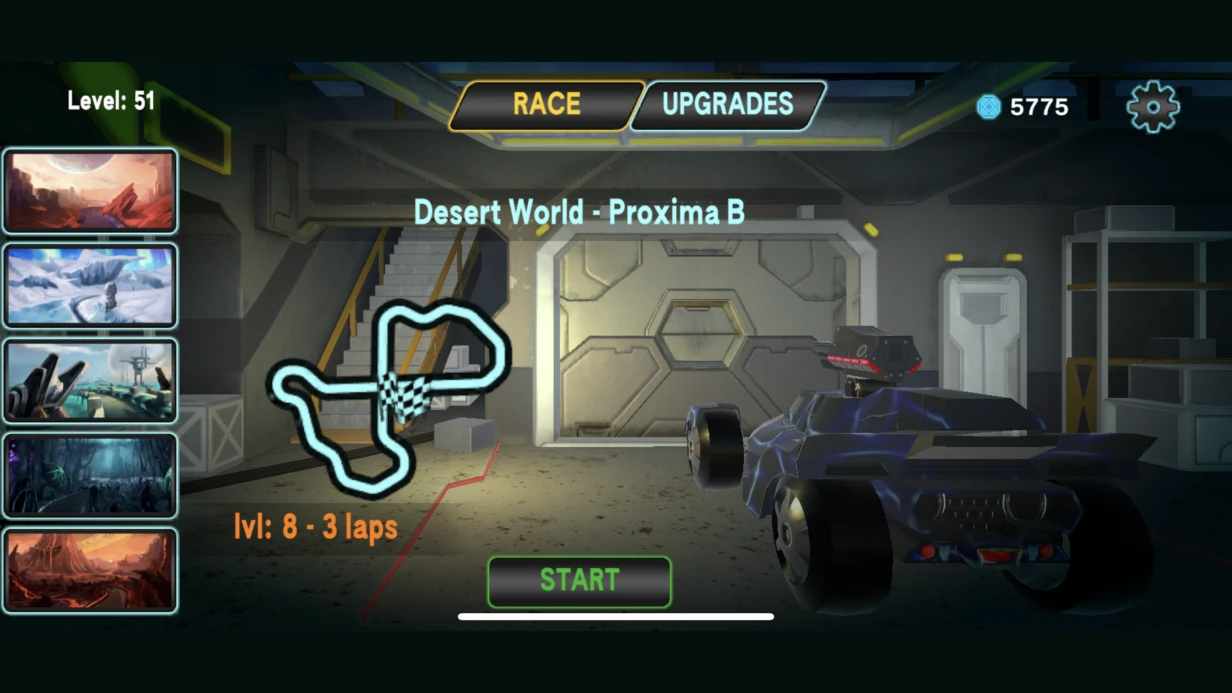
אנחנו עובדים על Unity — עבור iOS, זה פתרון מכוונן היטב שמתנהג בצורה צפויה במכשירים שונים ומקצר את הזמן עד ההשקה. אבל הערימה הטכנית היא משנית עבורכם.
מה שחשוב הוא זה: יש לנו תהליך שמלוטש כבר למעלה מעשור, שבו כל שלב מספק תוצאה מתאימה. אתם רואים התקדמות לא בדוחות, אלא בבניינים מוכנים — ואתם יכולים להשיק את המשחק בתאריך שנקבע, לא "מתי שיהיה."
לכן בעלי עסקים ומנהלי שיווק שהפרויקט הקודם שלהם נכשל מגיעים אלינו. אנחנו מטפלים בכאוס הארגוני: אנחנו לוקחים על עצמנו משמעת פרויקטית, תקשורת ברורה ומועדים קבועים.
בסופו של דבר, אתם מקבלים לא רק משחק iOS, אלא כלי שמגביר את הקמפיין שלכם ומספק תוצאות מדידות — בזמן.
מה עסקים מרוויחים ממשחק מותאם אישית
משחק iOS מותאם אישית הוא לא בידור — הוא כלי עבודה לעסק. בזמן שמתחרים משלמים על פרסום, אתם נותנים לקהל שלכם משהו שהם חוזרים אליו מרצונם: רגש, אתגר, התרגשות. ככה מותג נזכר, ותקציבי שיווק ממשיכים לעבוד יותר זמן.
גיימיפיקציה שיווקית הופכת קמפיין רגיל למשחק לעסק: במקום ברושורים משעממים — אינטראקטיביות, במקום צפייה פסיבית — השתתפות פעילה. להלן ארבעה יתרונות שתקבלו אחרי ההשקה.
הכרת המותג
מכניקת משחק מחזיקה תשומת לב הרבה יותר זמן מסרטון או באנר. אדם מבלה 10–15 דקות ביום עם המותג שלכם, סופג את הסגנון החזותי, וחוזר למשחק שוב. כל רמה ודמות מזכירים לו בעדינות את המוצר שלכם.
מעורבות קהל דרך משחק
משחק מספק משהו ששיווק רגיל לא נותן — משוב בזמן אמת. אתם רואים לאיזו רמה שחקנים מגיעים, איפה הם עוצרים, ומה הם אוהבים. בהתבסס על הנתונים האלה, אתם מתאימים קמפיינים והצעות בלי סקרים נוספים.
איסוף לידים ובקשות
אפשר לשלב טפסים באופן טבעי במשחק: הרשמה לניוזלטר, כניסה לתחרות, הזמנת קטלוג. אנשים משאירים את פרטי הקשר שלהם לא כי הם חייבים, אלא כי הם רוצים בונוס על השלמת המשחק. הליד מגיע מעצמו — וכבר מכיר את המותג שלכם.
חינוך וביקורים חוזרים
משחק מסביר מוצר מורכב דרך מכניקה פשוטה. אתם מראים ללקוח איך השירות עובד בזמן שהוא משחק. ומערכת תגמולים והישגים מניעה אותו לחזור — כל ביקור חוזר מחזק את ההרגל להשתמש בשירות שלכם.
עשינו משחק כזה לרשת בתי קפה: תוך חודש שיחקו בו מעל 12,000 פעמים, וכל משתתף חמישי הגיע לסניף פיזי כדי לקבל קופון.
הלקוח הודה אחרי ההשקה: "פעם השקענו במודעות ממוקדות, עכשיו שחקנים מוצאים אותנו בחנויות האפליקציות לבד." הפיתוח רץ על מנוע Unity המקצועי — זה מבטיח ביצועים יציבים והשקה מהירה בכל דגמי האייפון הנוכחיים.
פורמטים של פיתוח משחקים: מאב טיפוס ועד אסטרטגיה
פורמט המשחק משפיע ישירות על התקציב, מהירות ההשקה ותגובת המשתמשים. אנחנו מתאימים אותו למשימה העסקית: חלק צריכים לבדוק רעיון במהירות, אחרים צריכים להביא אסטרטגיית iOS מלאה לפסגת ה-App Store. אנחנו מפתחים על Unity כי הוא מספק ביצועים יציבים בדגמי אייפון ואייפד שונים.
להלן הפורמטים האופייניים לפיתוח משחקים שאנחנו עובדים איתם הכי הרבה. בכל מקרה, אתם מקבלים לא "טכנולוגיה" אלא כלי לתוצאה ספציפית: מהכרת מותג ועד הכנסה חוזרת.
| פורמט | למי | מה הוא מספק |
|---|---|---|
| אב טיפוס | צריך לבדוק רעיון ולהפחית סיכון לפני השקעה גדולה | גרסה ניתנת למשחק תוך כמה שבועות, מכניקה ברורה ונתונים להחלטה על המשך הפיתוח |
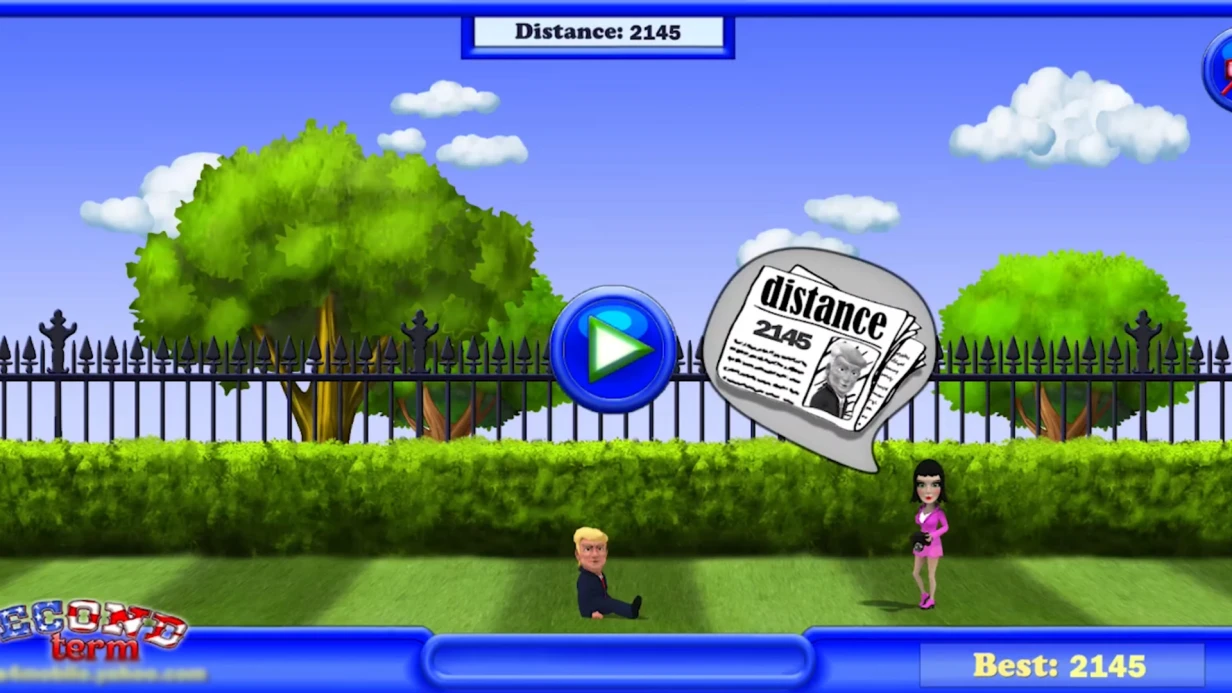
| משחק קז'ואל למותג | לקידום מוצר, הגברת הכרה ומעורבות קהל | משחק פשוט וממכר שמייצר חשיפה, ויראליות והשקות חוזרות |
| אסטרטגיית iOS מלאה | לעסקים שמוכנים למונטיזציה ארוכת טווח ושימור משתמשים | כלכלה עמוקה, התקדמות ואירועים עונתיים — משחק שמייצר רווח במשך שנים |
| משחק חינוכי | להכשרת עובדים, שותפים או לקוחות בפורמט משחק | שליטה בחומר דרך תרחישים ותרגול, אפקטיביות למידה מדידה |
אלה קווים מנחים, לא גבולות נוקשים: בתוך כל פורמט, אנחנו מתאימים עומק, לוחות זמנים ומכניקה למשימה שלכם. אתם תמיד מבינים מה תקבלו בפלט ואיך למדוד את התוצאה — בחשיפה, מעורבות או הכנסה.
איך עובד תהליך פיתוח המשחק: מבריף ועד השקה
עבורנו, פיתוח משחקים הוא לא "קופסה שחורה" אלא תהליך מנוהל עם שלבים ברורים ונקודות בקרה. אתם תמיד יודעים מה קורה, אילו החלטות מתקבלות ואיך הן משפיעות על לוחות זמנים ותוצאות.
- בריף. אנחנו קובעים מטרות: קהל יעד, מכניקה, ז'אנר, מדדים צפויים. אתם מקבלים מסמך שמפרט בדיוק מה אנחנו בונים ולמה.
- אב טיפוס. אנחנו מרכיבים במהירות גרסה ניתנת למשחק של המכניקה המרכזית. זה מאפשר לנו לבדוק כמה טוב הרעיון יתקבל אצל משתמשים ואילו שינויים נדרשים לפני פיתוח בקנה מידה מלא.
- אישור סגנון חזותי ותסריט. אנחנו מגדירים איך המשחק נראה, נשמע ומורגש. אנחנו מאשרים עיצובים, דמויות וממשק משתמש — כך שאתם רואים את המוצר לפני השלב המרכזי.
- פיתוח. אנחנו בונים את עולם המשחק המלא: רמות, אמנות, סאונד, מכניקת משחק. אתם מקבלים גרסאות הדגמה בכל שלב כדי לעקוב אחר ההתקדמות ולבצע תיקונים.
- בדיקות על מכשירים. אנחנו בודקים ביצועים, יציבות ואיזון קושי. אתם מקבלים מוצר מוגמר שלא קורס ועובד בדגמי האייפון הנוכחיים.
- השקה ב-App Store. אנחנו מכינים מטא-דאטה, צילומי מסך, אייקון וטקסט תיאור. אנחנו עוברים מיתון ומפרסמים את המשחק כדי שמשתמשים יוכלו להוריד אותו.
- תמיכה וצמיחה. אנחנו מנתחים ביקורות ומדדים, מציעים מכניקות ועדכונים חדשים. המשחק ממשיך לייצר חשיפה ולשמר משתמשים אחרי הפרסום.
הרצף הזה מאפשר לכם לשלוט בתקציב ובלוחות זמנים בכל שלב. אנחנו מאשרים החלטות מפתח לפני שהן הופכות לתיקונים יקרים — אתם מקבלים משחק שתואם את המשימה ואת הציפיות העסקיות שלכם.
מה כלול במסירה: חבילת השקה מלאה
אתם מקבלים מוצר מוכן להשקה, לא רק אוסף של קבצים. חבילת המסירה כוללת כל מה שצריך כדי להביא את המשחק לשוק ולהמשיך לגדל אותו — בלי תלות בספק.
-
מכניקת משחק מוכנה: לוגיקה שנבדקה, רמות מאוזנות ובקרות מותאמות ל-iOS. שחקנים מבינים את החוקים תוך שניות ונשארים במשחק.
-
אמנות ומוזיקה מקורית: דמויות, ממשק משתמש, אנימציות ועיצוב סאונד יוצרים סגנון אחיד ואווירה נכונה — הוויזואליה עובדת לטובת שימור.
-
פאנל ניהול לתוכן: אתם משנים רמות, חוקי מבצעים, פריטים בחנות ואירועי משחק בעצמכם. עדכוני תוכן נשלחים בלי מעורבות מפתחים ובלי צורך בגרסת אפליקציה חדשה.
-
קוד המקור של המשחק והזכויות עליו: כל הלוגיקה שיצרנו מועברת לבעלותכם. אתם יכולים לבצע שינויים, להביא קבלנים חדשים ולהרחיב את הפרויקט בלי הגבלות.
-
תיעוד טכני: מדריכים שלב-אחר-שלב לבנייה, פרסום ב-App Store ושימוש בפאנל הניהול. הצוות שלכם יתעדכן מהר גם אם אנשי מפתח יחליפו.
-
אנליטיקה מובנית: המערכת מוגדרת לאיסוף נתונים על התנהגות שחקנים, המרות ושימור. אתם רואים נקודות חולשה ומקבלים החלטות על סמך מספרים, לא ניחושים.
-
תמיכה במשחק אחרי ההשקה: אנחנו נשארים בקשר — מתקנים באגים, מתאימים את המשחק לגרסאות iOS חדשות ועוזרים בעדכונים הראשונים.
מקרה בוחן: משחק iOS שהחזיר את ההשקעה
מארגן פורום עסקי ביקש מאיתנו להחזיק את תשומת הלב של האורחים בין ההרצאות — התוכנית הרגילה כבר לא עבדה. הצענו אסטרטגיית iOS חיה: סשן משחק קצר שניתן לשחק בו בסמארטפונים של המשתתפים עצמם.
מה עשינו
השתמשנו ב-Unity כבסיס — כלי אמין לבניית משחקי מובייל. זה חשוב לתוצאה: המשחק רץ בלי תקלות, ואורחים מתחברים תוך שניות.
המכניקה פשוטה — משתתפים בונים את האסטרטגיה שלהם בזמן אמת, סשן אורך 5–7 דקות, בדיוק כמו ההפסקה בין ההרצאות.
המספרים מדברים בעד עצמם: מעל 600 אורחים ביומיים, סשן ממוצע של 6 דקות, וכ-40% מהמשתתפים חזרו למשחק. כל אדם שלישי צילם צילום מסך — חשיפה חינמית ברשתות החברתיות שהמשיכה לעבוד אחרי הפורום.
למה הלקוח היה מרוצה
התוצאה העיקרית — מעורבות בלי כפייה. אורחים חזרו למסכים מרצונם, דנו במשחקים שלהם אחד עם השני, והמותג של המארגן קיבל עשרות אזכורים שכסף לא יכול לקנות בפרסום.
המשחק החזיר את ההשקעה עוד לפני שהפורום נגמר: הלקוח הזמין מיד משחק דומה לפרויקט הבא, ומאוחר יותר הרחיב את השותפות לסדרת אירועים.
עבורנו, זה לא רק "עשינו משחק," אלא כלי שמביא הזמנות חוזרות וערך ברור.
הגישה אוניברסלית: אותו משחק מתאים לתערוכות, כנסים ואירועי חברה. שנו את המכניקה והסגנון החזותי — קיבלתם כלי חדש לאירוע שלכם.
איך לבחור פורמט משחק למשימה שלכם?
בחירת פורמט משחק היא לא עניין של טעם — היא עניין של המשימה. אותה מכניקה עובדת אחרת באירוע חברה, בתערוכה ובהכשרת עובדים.
אז לפני שמחפשים מפתח, כדאי לענות על שלוש שאלות: מה האדם צריך להרגיש אחרי המשחק, כמה זמן יש לו, וכמה אנשים ישחקו בו זמנית.
לאירועים המוניים, פורמטים תחרותיים קצרים שמחזיקים תשומת לב ל-2–3 דקות עובדים היטב. להכרת מותג — משחקים מונעי דימוי עם אסתטיקה חזותית חזקה ואינטגרציה של לוגו; להכשרה — סימולציות שבהן עובד מתרגל מיומנויות בסביבה בטוחה.
טעות נפוצה של לקוחות היא להתחיל מפרטים טכניים, כשהבחירה בפועל תלויה בקהל ובמטרה.
איך לבחור משחק עסקי בלי התלבטויות ארוכות?
הגדירו את המדד המרכזי: אם המטרה היא חשיפה חברתית, אתם צריכים משחק עם אפקטים של תמונה ווידאו; אם המטרה היא מכירות בתערוכה, אתם צריכים מכניקה שמביאה מבקרים לדוכן שלכם; אם המטרה היא הכשרה, אתם צריכים פורמט עם משוב ואנליטיקת פעולות משתמש.
להעריך את כל הניואנסים לבד זה לא קל: לכל מקום יש אילוצים משלו, ולכל קהל ציפיות משלו.
אנחנו מציעים ייעוץ משחק: אתם מתארים את האירוע או המוצר, ואנחנו מציעים 2–3 פורמטים מתאימים עם הערכות לוחות זמנים ותקציב משוער. זה מאפשר לכם לקבל החלטה לפני שהפיתוח מתחיל ולפגוע בדיוק בציפיות.
למעשה, בחירת פורמט המשחק היא חצי מההצלחה. אם אתם עדיין לא בטוחים איזו אפשרות מתאימה לכם — זה נורמלי. שלחו לנו כמה שורות על המשימה שלכם, ונעזור לכם להבין את זה.
שאלות נפוצות על פיתוח משחקים
לקוחות בדרך כלל מודאגים בעיקר מלוחות זמנים, עלות ואיך לשלוט בתהליך. כדי להקל על החששות האלה, ריכזנו תשובות לחמש השאלות הנפוצות ביותר — בכנות ובלי ז'רגון טכני.
אנחנו עובדים תחת חוזה עם שלבים קבועים ותוצרים ברורים. כלים מקצועיים כמו Unity עוזרים להפחית סיכון ולהפוך את המשחק ליציב.
מה אם לוחות הזמנים של הפיתוח יחליקו?
לוחות הזמנים קבועים בחוזה לפני תחילת העבודה. אתם רואים תוכנית עם נקודות בקרה, ואנחנו מתריעים על כל סיכון מראש — כך שיש לכם זמן להתאים את ההשקה.
איך מחושבת עלות המשחק?
המחיר תלוי במכניקה, בעיצוב ובפלטפורמה. אחרי הבריף אנחנו נותנים טווח, ואחרי אב הטיפוס — את המספר המדויק. העלות הקבועה בחוזה מגנה עליכם מהוצאות בלתי צפויות.
אני לא מבין בצד הטכני — איך אני יכול לפקח על הפיתוח?
אתם לא צריכים ידע טכני. אנחנו מדווחים בשפה פשוטה, מראים בניינים ביניים, ואתם בודקים את הגרסה הסופית במכשיר שלכם. כל שלב מאושר איתכם.
מה קורה עם באגים אחרי ההשקה?
אחרי השחרור, אנחנו נשארים בקשר ומתקנים בעיות. באגים קריטיים שחוסמים השקה מטופלים באותו יום. כל השאר נכנס לעדכונים מתוזמנים.
אפשר לשנות את מכניקת המשחק במהלך הפיתוח?
לא רק שאפשר — זה מומלץ. אנחנו מראים את אב הטיפוס מוקדם; אם משהו לא עובד, אנחנו משנים אותו מיד. תיקונים נעשים בלי לשבור לוחות זמנים: אנחנו מראים איך הם משפיעים על התקציב ועל לוח הזמנים.
בואו נדבר על המשחק שלכם? קבלו הערכת עלות תוך 3 ימים
רוצים משחק iOS שמייצר רווח, לא רק שורה בפורטפוליו? התחילו בפנייה קצרה — ותוך 3 ימים תהיה לכם הערכת עלות עם מספרים ברורים ולוחות זמנים. ננתח את הרעיון, השוק והקהל שלכם כדי להציע פורמט שבאמת ישתלם.
במשך למעלה מ-10 שנים, לקחנו עשרות פרויקטים מקונספט עד השקה, אז אנחנו יודעים איפה תקציב וזמן הכי הרבה פעמים הולכים לאיבוד. הצוות שלנו אחראי לתוצאות: אתם מקבלים תוכנית עבודה שקופה ועלות ספציפית ליצירת המשחק שלכם.
מה תקבלו אחרי הפנייה:
- הערכת עלות ראשונית לפיתוח משחק iOS — בלי עמלות נסתרות או תיקונים מפתיעים
- בחירת פורמט: ממכניקת קז'ואל פשוטה ועד אסטרטגיה מלאה עם מולטיפלייר
- הערכות לוחות זמנים לפי שלב — מאב טיפוס ועד פרסום ב-App Store
- הרכב הצוות: מעצב משחק, מתכנתים, אמנים, מפיק — כל מה שצריך להשקה
- תוכנית עבודה שלב-אחר-שלב ורשימת סיכונים — אתם רואים מראש למה לשים לב
- מנהל אישי ותמיכה בהשקה — זמינים עד השחרור
בלי תשלומים מראש ובלי שירותים שנדחפים — רק הערכת עלות שאפשר לבדוק ולהשוות עם סטודיו אחרים. השאירו פנייה — שלחו כמה מילים על הרעיון שלכם. נשיב תוך יום עסקים אחד, ותוך 3 ימים נשלח את ההערכה והתוכנית בלי התחייבות בשלב הזה.