


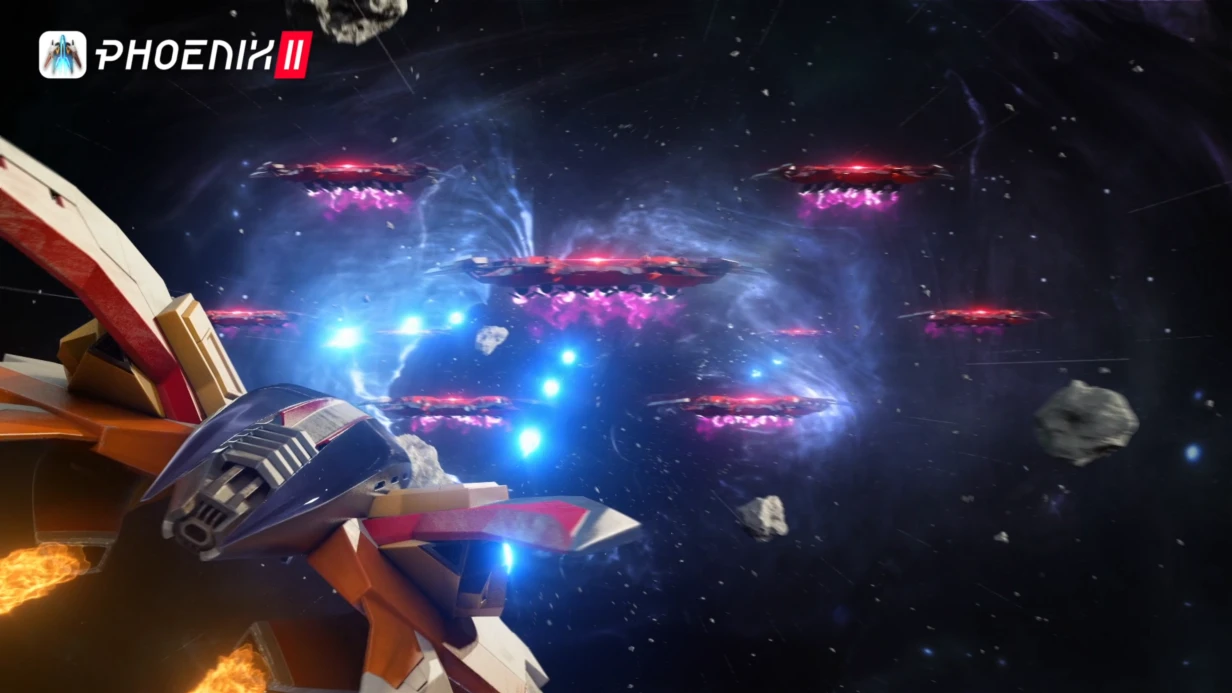
משחקי Unreal Engine מאבדים שחקנים: טעויות בעיצוב רמות
עיצוב רמות חלש הוא סיבה נפוצה לכך שמשחקי Unreal Engine מאבדים שחקנים בדקות הראשונות. השקעתם בגרפיקה ובמכניקה, אבל המשתמש עוזב בנקודת ההתחלה: משעמם לו, הוא לא מבין לאן ללכת, או שהחזרתיות גורמת לו לפהק. זה פוגע ברט�ציה ובהמרה — המדדים המרכזיים של הרווח.
כל שחקן שאבד הוא הכנסה שהוחמצה וצמיחה שהוחמצה. השקעות שיווקיות מחזירות את עצמן רק כשאדם מגיע לרגעים משמעותיים ונשאר בפרויקט. אם רמה לא מחזיקה תשומת לב בדקות הראשונות, הטריילרים עובדים לשווא, וביקורות שליליות מצמצמות את החשיפה. הפרויקט לא צובר תאוצה ונופל מאחורי המתחרים.
שורש הבעיה הוא בגישה: Unreal Engine נותן לכם אפשרויות ויזואליות, אבל עיצוב הרמות הוא זה שהופך מכניקה לחוויה מרתקת. טעויות בגיאומטריה, במיקום אויבים או בקצב יוצרות מחסומים שהשחקן לא מוכן להתגבר עליהם. לתקן את זה אחרי השקה זה יקר — עיצוב מחדש של רמות דורש משאבים חדשים ובדיקות.
אנחנו מעצבים רמות כך שהרטנציה וההמרה יגדלו מהדקות הראשונות. מעצבי הרמות של הסטודיו משתמשים ב-Unreal Engine כדי ליצור נתיב ברור ובעל קצב עבור השחקן.
כל מיקום מלמד, מעסיק ומוביל למטרה — הלקוח מקבל קהל יציב, סשנים חוזרים ומדדים גדלים.
מה עיצוב רמות מקצועי מביא לפרויקט שלכם
עיצוב רמות מקצועי הוא לא רק הצבת אובייקטים וקירות. זה המסגרת שקובעת את הקצב, שומרת על עניין ומזינה את הרצון של השחקן לחזור.
כשרמות מעוצבות סביב המטרות של הפרויקט, כל מטר של המיקום עובד למען מעורבות שחקנים והחזקת תשומת הלב שלהם.
ב-Unreal Engine, התוצאה הזו מגיעה מכלים גמישים, אבל התרומה העיקרית היא המומחיות שלנו: אנחנו מתכננים מסלולים, נקודות בחירה ורגעי תגמול כך שהסשנים יהיו ארוכים יותר.
יותר זמן במשחק מוביל למכירות גבוהות יותר — שחקן ששקוע עמוק יותר בעולם נוטה יותר לקנות פריטים במשחק והרחבות.
רמות בלתי נשכחות יוצרות אפקט ויראלי. שחקנים משתפים צילומי מסך וסרטונים במדיה החברתית, מזכירים את שם הפרויקט בסטרימים שלהם — זהו ערוץ קידום חינמי.
ככה נולדת הכרת המותג: הקהל מקשר רמות מרשימות עם המוצר שלכם וחוזר למהדורות חדשות.
היתרון המרכזי של עיצוב רמות הוא מדדים צפויים. אנחנו יכולים לראות מראש אילו אזורים יעברו במהירות ואיפה צריך לחזק מוטיבציה, ואנחנו משכללים אותם לפני ההשקה.
כתוצאה מכך, אתם מקבלים מוצר שמחזיק את תשומת הלב של המשתמשים במקום לדחוף אותם משם כבר מהרמה הראשונה.
בהשקעה בעיצוב רמות מקצועי, אתם משפיעים על מה שהלקוח רואה במספרים הסופיים: סשנים ממוצעים ארוכים יותר, חזרות ומכירות גבוהות יותר משחקנים פעילים. אנחנו מטפלים בעיצוב המיקומים כך שהמשחק ידבר לקהל שלכם בשפה שהוא מבין.
פורמטים של שיתוף פעולה בעיצוב רמות למשימה שלכם
כל פרויקט משחק הוא ייחודי, ולכן אנחנו לא מציעים תבנית אחת שמתאימה לכולם. במקום זאת, יש כמה פורמטים של שיתוף פעולה — מאב טיפוס מהיר של רמה ועד עיצוב מלא של כל המיקומים ב-Unreal Engine. בחרו לפי המשימה, לוח הזמנים והיקף העבודה שלכם.
הטבלה שלהלן משווה בין הפורמטים כדי שתדעו מראש מה תקבלו וכמה זמן תיקח התוצאה.
| פורמט | למי זה מיועד | מה הלקוח מקבל |
|---|---|---|
| אב טיפוס חד-פעמי | צוותים שבודקים מכניקת משחק | רמה ניתנת למשחק תוך 2–3 שבועות כדי לבדוק את הרעיון ולהציג למשקיעים |
| מיקור חוץ של רמות בודדות | סטודיו עם מעצבים עמוסים | רמות שהושלמו בלוח הזמנים, ללא הגדלת מצבת כוח האדם או אובדן קצב הפיתוח |
| ליווי מלא (Turnkey) | פרויקטים ללא צוות עיצוב חזק | מחזור מלא: מקונספט וסכמות ועד ליטוש סופי — אתם רק מנהלים את החזון |
התחילו עם אב טיפוס אם אתם צריכים לבדוק רעיון במהירות או לקבל טיעון למשקיעים. עבור פרויקט שכבר הושק, מיקור חוץ של רמות נוח יותר — אנחנו לוקחים על עצמנו מיקומים ספציפיים ומשתלבים בתהליך שלכם.
אם אתם רוצים להאציל את עיצוב הרמות לחלוטין, הפורמט המלא יכסה את המשימה ללא מעורבות מתמדת שלכם.
לא בטוחים איזה פורמט מתאים? תארו את החזון שלכם בכמה שורות — ואנחנו נציע את האפשרות האופטימלית עם הערכה ברורה ולוח זמנים.
איך פועל פרויקט עיצוב רמות: שלב אחר שלב
כדי שתמיד תדעו באיזה שלב נמצא הפרויקט ותוכלו לנהל את התהליך, חילקנו את העבודה לשלבים שקופים. בכל שלב אתם מקבלים תוצאה ביניים ואת הזכות לבצע שינויים. הודות למומחיות שלנו ב-Unreal Engine, הרמות מובטחות להשתלב במשחק שלכם.
- בריף וניתוח משימה — אתם מתארים את הז'אנר, קהל היעד ומטרות הרמה. אנחנו מתעדים דרישות, אילוצים ולוחות זמנים. התוצאה היא מפרט טכני ברור לפיתוח.
- קונספט ותוכנית רמה — אנחנו מתכננים סכמות מעבר, נקודות מפתח והגיון המיקום. אתם רואים איך השחקן ינוע ואיפה תתמקד החוויה שלו. אתם מבצעים התאמות לפני תחילת ההפקה.
- אישור אתכם — אנחנו מסיימים סקיצות ואת לוח הזמנים. אתם מקבלים מועדים מדויקים לכל שלב ומבינים מה יקרה בהמשך. אנחנו מתחילים בביצוע רק לאחר האישור שלכם.
- גרסת טיוטה — אנחנו בונים את הרמה מצורות פשוטות ובודקים מעבר ואינטראקציות מכניקה. אתם משחקים בטיוטה ונותנים משוב. זה מונע טעויות גדולות בשלבים מאוחרים יותר.
- איטרציות וליטוש — אנחנו מבצעים שינויים לפי ההערות שלכם ומשפרים קצב, ויזואליה ואיזון. אנחנו מציגים כל עדכון ב-build בדיקה, ואתם רואים את הרמה מתפתחת.
- בדיקות סופיות — אנחנו בודקים ביצועים ומתקנים באגים במכשירי יעד. אתם מקבלים רמה יציבה ומוכנה להשקה.
- השקה ומסירה — אנחנו מוסרים את קבצי המקור, התיעוד וההוראות. אנחנו עוזרים לשלב את הרמות במשחק המלא ומספקים תמיכה לאחר ההשקה.
מה מקבלים לאחר מסירת הפרויקט
לאחר המסירה, אתם מקבלים לא רק רמה, אלא חבילה מלאה לעבודה וצמיחה: קבצי מקור, תיעוד וזכויות. הפרויקט לא הופך ל"קופסה שחורה" — אתם שולטים לחלוטין במוצר ויכולים לפתח אותו ללא מעורבות הקבלן.
- פרויקט מקור — כל הרמות, הסקריפטים והנכסים פתוחים לעבודה נוספת ב-Unreal Engine. אתם יכולים לבצע עריכות, להרחיב מיקומים ולהתאים את המשחק למשימות חדשות.
- תיעוד — תיאור של ארכיטקטורת הרמה, הגיון האובייקטים והחלטות משחק מרכזיות. הצוות שלכם יבין במהירות איך הכל עובד, גם אם מחבר הפרויקט עזב.
- הכשרה לצוות שלכם — אנחנו חולקים ידע: מציגים את מבנה הפרויקט, עונים על שאלות ומסבירים איך לבצע שינויים. זה מסיר תלות בקבלן.
- זכויות קניין רוחני — חומרים, עיצוב, קוד ותיעוד מועברים אליכם. השתמשו בהם מסחרית ללא הגבלות או תמלוגים.
- מדריך השקה והתקנה — מדריך שלב-אחר-שלב לפריסת הפרויקט בסביבה שלכם ואימות תקינותו.
אתם מקבלים לא רק תוצאה, אלא משאב לצמיחה. עם קבצי מקור פתוחים וצוות מוכן, אתם לא תלויים בקבלן, מגיבים במהירות לשינויים בשוק ומרחיבים את הפרויקט לפלטפורמות וקהלים חדשים.
מקרה בוחן: איך הגדלנו רטנציית שחקנים בפרויקט Unreal Engine
כשהלקוח הגיע אלינו, המשחק ב-Unreal Engine כבר עבר את ההשקה הראשונית שלו, אבל הרטנציה ירדה במהירות אחרי הסשן השני או השלישי.
שחקנים סיימו את הרמות הראשונות ועזבו — הם לא הבינו לאן ללכת הלאה, ומסדרונות מונוטוניים לא נתנו להם רצון לחזור. עבור Red Tower Games, סטודיו שהמר על פלטפורמר אווירתי, זה אומר אובדן קהל והכנסות.
ביצענו ביקורת על עיצוב הרמות ועיצבנו אותו מחדש סביב ההרגלים של קהל היעד. במקום מעברים ארוכים וריקים, הופיעו לולאות משחק קצרות: כל 1–2 דקות השחקן קיבל תגמול חדש — פאזל, מיקום פתוח או בוס מיני.
בנינו את הנתיב כך שהשחקן תמיד ראה את המטרה בסוף הרמה, והקושי גדל בעדינות, מה שהזין התרגשות במקום תסכול.
מדדנו את התוצאה לפי מדדי מפתח: רטנציית יום ראשון גדלה ב-22%, ורטנציית יום שביעי ב-34%. אורך הסשן הממוצע כמעט הוכפל, ומספר ההשקות השבועיות של המשחק גדל ב-41%.
חודש לאחר שחרור הרמות המעודכנות, חלקם של השחקנים שהגיעו לאמצע המשחק גדל ב-50%.
המספרים האלה לא הגיעו מליטוש גרפיקה או שיווק — הם הגיעו מעיצוב רמות שהופך את הדקות הראשונות של המשחק למרתקות.
אנחנו מיישמים את אותה גישה בכל פרויקט: קודם אנחנו חוקרים התנהגות משתמשים אמיתית, אחר כך אנחנו משנים את מבנה הרמה, ורק אז שולחים אותה לליטוש סופי. אתם מקבלים לא רק רמות, אלא כלי שמחזיק שחקנים מעורבים ומחזיר אותם שוב ושוב.
איך לבחור את הפורמט הנכון לעיצוב רמות למשימה שלכם?
כשמדובר בבחירת פורמט עיצוב רמות, אל תבססו את ההחלטה על כמות הפרטים, אלא על המטרה העסקית.
הציגו למשקיעים דמו, שחררו משחק לקהל רחב, או בנו סימולטור הדרכה לעובדים — לכל תרחיש יש עומק משלו בעיצוב רמות ופורמט אופטימלי משלו.
לפני דיון בפרטים, ענו על ארבע שאלות: מי ישתמש בתוצאה, אילו רגשות היא אמורה לעורר, איזה לוח זמנים אתם צריכים, ואילו חלקים של הרמות ניתנים לשימוש חוזר. התשובות יראו אם אתם צריכים פרוסה אנכית, רמה בודדת או קמפיין מלא. בלי מטרה ברורה, אפילו הרמה היפה ביותר לא תועיל.
קריטריון הבחירה אינו מספר המסכים או הפופולריות של הכלי, אלא מורכבות האינטראקציות בתוך הרמה. לתצוגת מוצר, מספיק מיקום מסוגנן; למשחק עם מכניקה מורכבת, אתם צריכים בדיקות ואיטרציות שלוקחות זמן.
המורכבות חייבת להתאים למשימה, אחרת תשלמו יותר מדי על עבודה מיותרת או תקבלו תוצאה לא גמורה.
אנחנו עוזרים לכם להבין את זה לפני תחילת העבודה. בנינו פרויקטים בקנה מידה מגוון על Unreal Engine — מרמת תערוכה ועד עולמות משחק שלמים — כך שאנחנו יכולים לראות מה באמת יפתור את המשימה שלכם.
בייעוץ הראשון, אנחנו מבהירים מטרות, קהל ולוחות זמנים, ואז מציעים פורמט ספציפי ללא תבניות.
בחירת הפורמט הנכון חוסכת תקציב וזמן. אם אב טיפוס מספיק, אנחנו אומרים זאת ישירות; אם נדרש עומק, אנחנו מציעים מסמך עיצוב מפורט ויישום בשלבים. כך אתם מקבלים תוצאה שמחזירה את עצמה במקום לאסוף אבק על כונן.
שאלות נפוצות על הזמנת עיצוב רמות
לפני הזמנת עיצוב רמות למשחק Unreal Engine, ללקוחות תמיד יש את אותן שאלות: לוחות זמנים, ערבויות, עלות, חוזה ותמיכה. אספנו את התשובות כדי שתבינו איך העבודה מאורגנת ועל מה אתם יכולים לסמוך.
מהם לוחות הזמנים לפיתוח רמות?
לוח הזמנים תלוי במורכבות ובמספר המיקומים. לאחר הבריף, אנחנו נועלים את לוח הזמנים בחוזה ועומדים בו — ללא תאריכים "צפים".
מה לגבי ערבויות על העבודה?
אנחנו מבטיחים את כל הרמות שהושלמו. אם הבדיקות חושפות שגיאות או אי-התאמות למפרט, אנחנו מתקנים אותן ללא תשלום תוך חודש מהמסירה.
איך מחושבת העלות?
המחיר תלוי בהיקף: מספר הרמות, גודלן, מספר האובייקטים האינטראקטיביים ורמת הפירוט. לאחר הבריף החינמי, אנחנו נותנים לכם את המחיר המדויק — הוא לא משתנה במהלך העבודה.
האם אתם חותמים על חוזה?
אנחנו עובדים תחת חוזה רשמי. הוא מפרט את היקף העבודה, לוחות הזמנים, העלות והזכויות לתוכן שנוצר — הכל שקוף לשני הצדדים.
האם תתמכו בנו לאחר המסירה?
כן, אנחנו נשארים בקשר לאחר המסירה. במהלך תקופת האחריות, אנחנו מספקים ייעוץ ומבצעים תיקונים, ואנחנו גם מוכנים לקחת על עצמנו משימות חדשות במסגרת תמיכה בפרויקט.
הזמינו עיצוב רמות שמחזיק שחקנים מעורבים
עיצוב רמות גרוע מורגש מיד: שחקנים נתקעים, לא יודעים לאן ללכת וסוגרים את המשחק. זה פוגע ברטנציה ובביקורות לפני שלפרויקט בכלל יש סיכוי להתבסס.
אנחנו מעצבים רמות כך שהשחקן מרגיש אינטואיטיבית את הכיוון ועדיין יש לו תחושת גילוי. כל מיקום מחזק את המוטיבציה להמשיך — כלומר יותר זמן במשחק ויותר חזרות.
כשאתם מגיעים אלינו, אתם מקבלים מחזור מלא של עבודת רמות — מרעיון לתוצאה מוגמרת. הנה מה שכלול:
- תוכנית מדויקת ולוח זמנים: אתם יודעים מראש מתי נספק כל שלב ומה נדרש מכם בכל שלב.
- מסמך עיצוב רמות ברור: אנחנו מתארים את ההגיון, התרחיש והאווירה — אתם רואים את הפתרון העתידי לפני שתחילת הפיתוח בכלל.
- טיוטת רמה עובדת ב-Unreal Engine: אתם בודקים את המעבר מיד ומבצעים שינויים לפי תחושה, לא לפי תיאורים.
- כוונון קצב וקושי: אנחנו שומרים על איזון בין אתגר לנוחות כך שהשחקן לא מאבד עניין.
- בקרת מעבר ונקודות חזרה: השחקן תמיד מבין לאן ללכת ולא מפחד לטעות.
- איטרציות לפי ההערות שלכם: אנחנו מביאים את הרמה למצב הרצוי ללא אישורים מיותרים או עיכובים.
- רטנציה מוגברת: אתם רואים מדדי חזרה לאחר שחרור הרמות ומבינים איך כל אחת משפיעה על השחקן.
הזמינו עיצוב רמות היום — וקבלו תוצאה שמראה את הפוטנציאל שלה כבר בשלב אב הטיפוס. הפרויקט יכול להתחיל מיד לאחר הבריף: נשלח תוכנית עבודה, לוחות זמנים ודוגמאות של הפתרונות שלנו לז'אנר שלכם. שלחו בקשה, ונשוחח על המשימות שלכם בזמן שנוח לכם.