

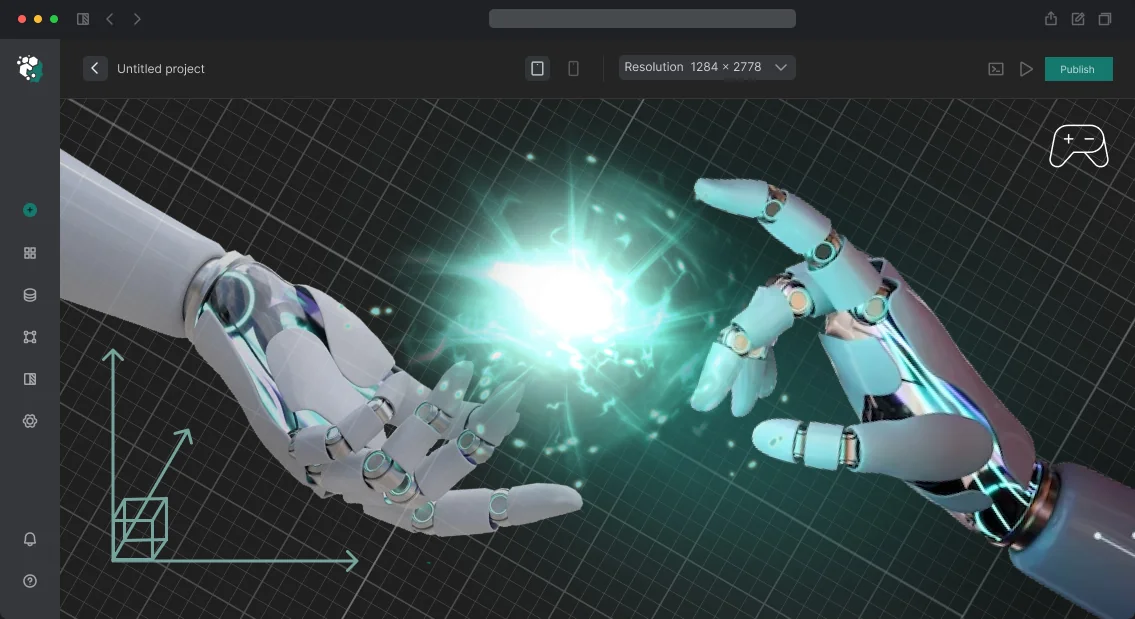
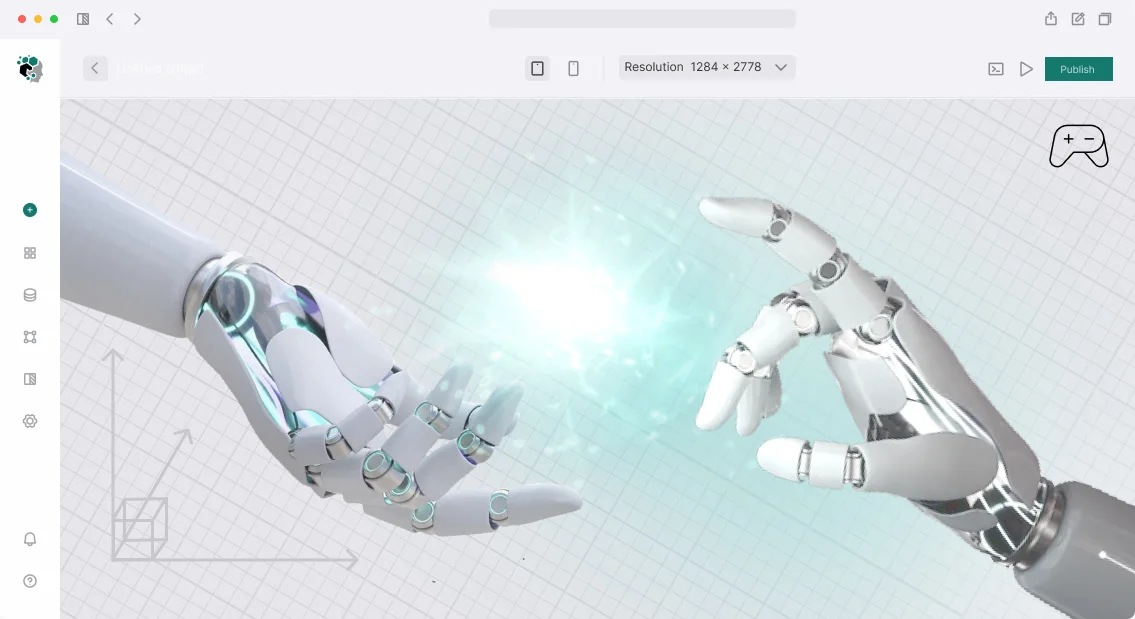
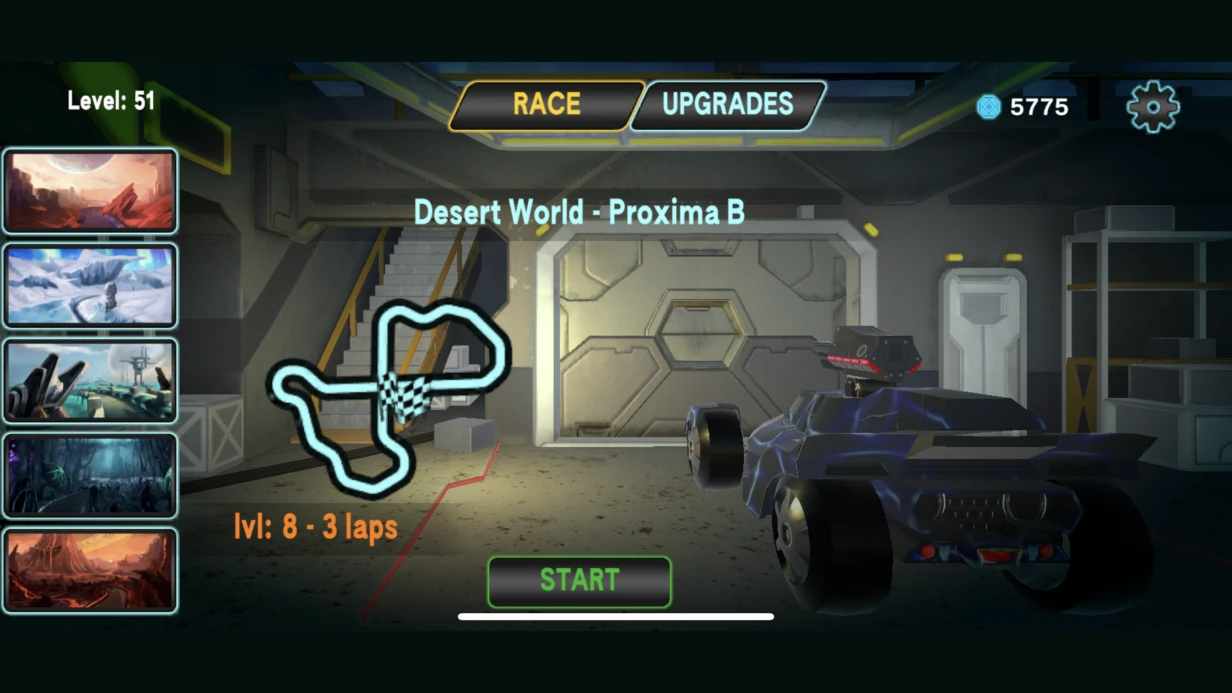

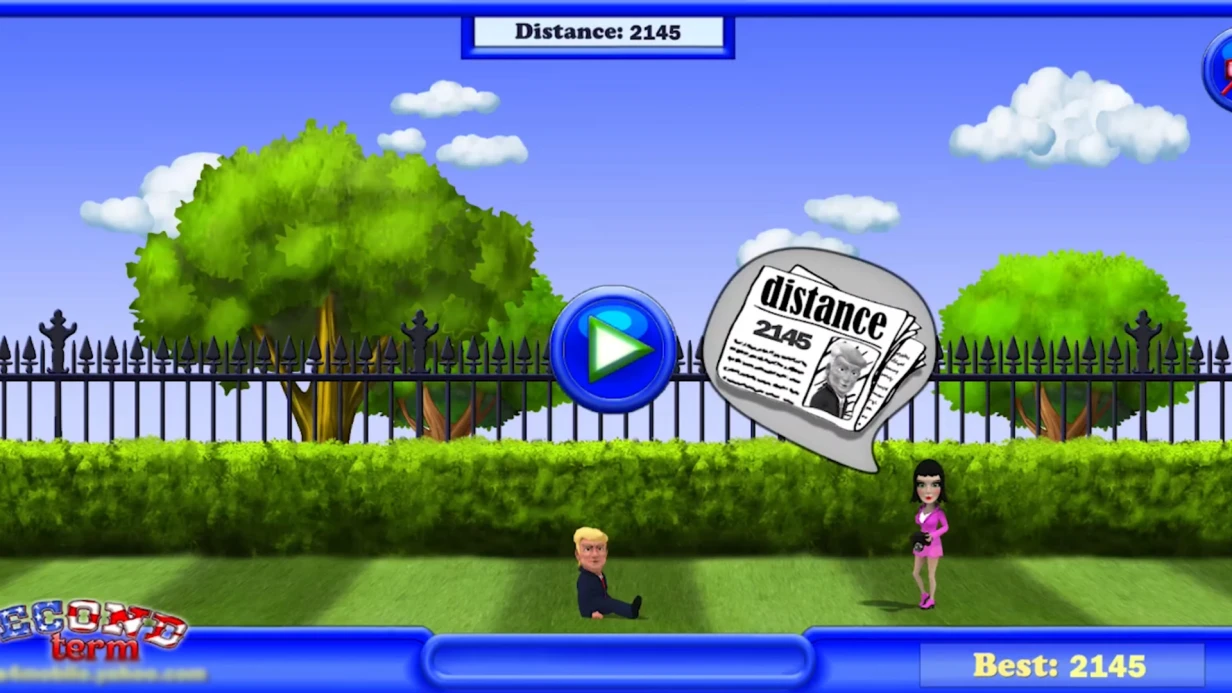
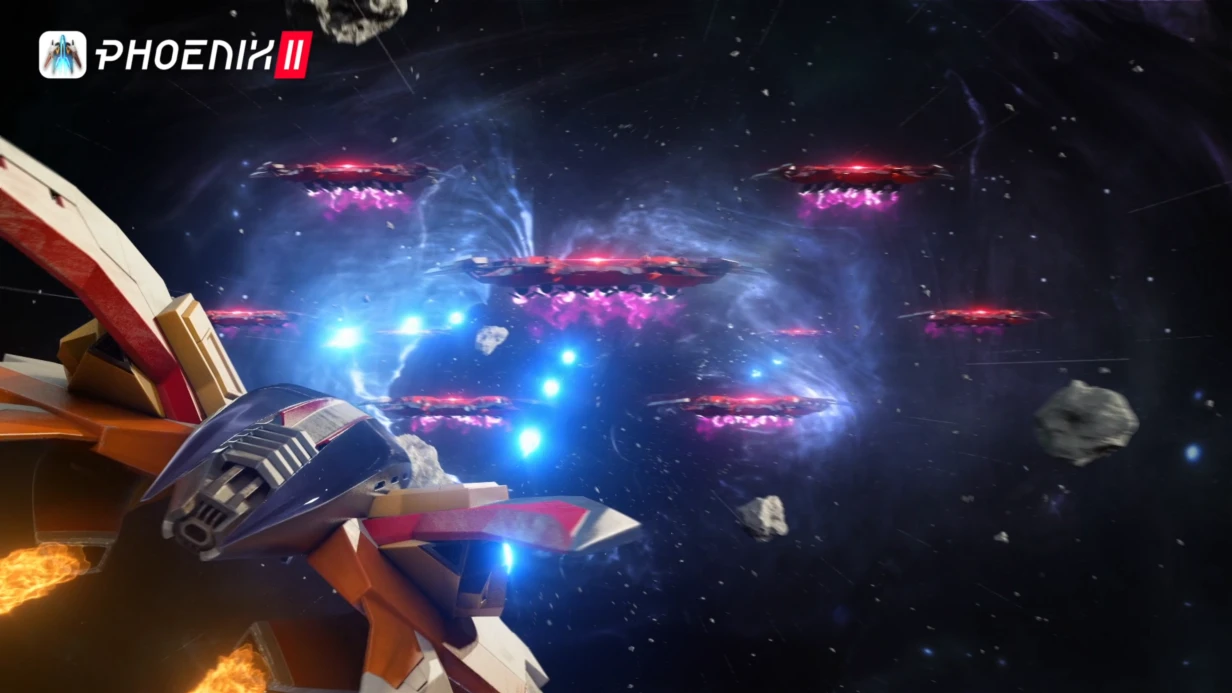
המשחק נראה שטוח? אפיית לייטמפים תחזיר את העומק
אור שטוח במשחק נראה מיד: הצללים מאבדים צורה, האור לא משתקף במשטחים, והסצנה נקראת כמו מילוי אפור. השחקן עובר את הלוקיישן בלי לזכור אותו, וצילום המסך בעמוד החנות מפסיד למתחרים — המשחק נראה זול, גם כשהמודלים והטקסטורות עשויים היטב.
הסיבה בדרך כלל היא שהאור מחושב מחדש ממש בזמן המשחק. למערכת אין זמן לצללים רכים, להשתקפויות ולתאורה מהקירות: היא מחזירה תמונה אחידה ולוקחת משאבים מהמכשיר של השחקן. ככל שהשלב עשיר יותר, כך ההבדל בולט יותר.
אפיית לייטמפים משנה את הגישה. האור לתאורה סטטית של שלבים מחושב מראש ונשמר כמפות מוכנות — ברגע הנכון המשחק פשוט מציב את התוצאה. הלוקיישנים מקבלים עומק, צללים צפופים ואווירה מזוהה שהשחקן חש מהדקות הראשונות.
עבור הפרויקט אלה אפקטים עסקיים ישירים. פריימים לעמוד החנות ולטריילר מתחילים למכור, עולה ההמרה להתקנה והריטנשן של הסשנים הראשונים. במקביל יורד העומס: המשחק רץ ביציבות על מכשירים חלשים, כלומר גדל כיסוי הקהל.
אנחנו סוגרים את המשימה הזו במלואה: מגדירים תאורה בהתאם לסגנון האמנותי שלכם, אופים את השלבים ובודקים את התוצאה על סצנות אמיתיות. תארו את הפרויקט — נחזור עם הערכה ותוכנית עבודה.
מה מקבל הלקוח: אווירה, כיסוי, ביקורות שחקנים
השחקן קורא את האור לפני הגרפיקה: חצר ערבית חמה, מסדרון תת-קרקעי קר, קרן נגדית על הגיבור. דווקא התאורה האפויה מגדירה את האווירה של המשחק ומחזיקה את הקשב יותר מאפקטים צעקניים. כשהאור בנוי באופן מושכל, מזהים את הפרויקט לפי פריימים, ולא לפי הלוגו.
סגנון חזותי חזק של הפרויקט עובד לטובת הזיהוי של המשחק: פריימים אחידים ו"נקיים" אפשר להציב בבטחה בעמוד החנות, בטריילר ובפרסום. אנחנו מוסרים ללקוח סצנות וזוויות מוכנות שמוכרות את המשחק עוד לפני שמורידים אותו.
יתרון נפרד הוא תמונה יציבה על מכשירים חלשים. חלק ניכר מהשחקנים מגיעים עם מחשבים בינוניים ותקציביים, ואם התמונה "מתפרקת" אצלם, הקהל עוזב בדקות הראשונות. אור אפוי שומר על האווירה בלי עומס על המכשיר: הכיסוי גדל, והביקורות של השחקנים נעשות חמות יותר.
פחות פגמים גרפיים — פחות סיבות לשליליות. האור לא מהבהב, לא "שט" בין סצנות, הצללים נשארים במקומם, והשחקן לא נתקל בתקלות טכניות. זה משתקף ישירות בביקורות: פחות נשמעות הערות על תמונה "מלוכלכת", והדירוג הממוצע נשמר יציב יותר.
בסופו של דבר הלקוח מקבל אווירה מזוהה למשחק, פריימים לקידום, תמונה אחידה על מכשירים חלשים ופחות תיקונים אחרי הריליז. את התוצאה בודקים בעיניים: השוו את הסצנות המרכזיות לפני ואחרי — ההבדל נראה בלי הסברים.
פורמטים של עבודה: לפי המשימה, לוח הזמנים והיקף הפרויקט
אנחנו מתאימים את פורמטי העבודה על האור להיקף הפרויקט ולשלב שבו הוא נמצא. למישהו נדרש כל מחזור התאורה מאפס — משלבים אפורים ועד לתמונה הסופית, ולמישהו מספיק הרכבה מחדש ממוקדת של האור על סצנות מוכנות אחרי תיקונים. אין אצלנו חבילה אוניברסלית: אנחנו מרכיבים את היקף העבודה כך שלא תשלמו על שלבים שאינכם צריכים.
להלן ארבעה תרחישים אופייניים. אם אינכם בטוחים איזה מהם שלכם, תארו את המשימה — נחזור עם תוכנית ולוח זמנים.
| פורמט | למי זה מתאים | מה זה נותן ללקוח |
|---|---|---|
| מחזור תאורה מלא | פרויקט חדש, השלבים נבנים מאפס | סגנון אור אחיד בכל הסצנות ולוח מסירה צפוי |
| תאורה למשחק מובייל | פרויקטים שחייבים לרוץ על מכשירים חלשים | תמונה אחידה בלי תקיעות, טעינת שלבים מהירה, כיסוי שחקנים רחב יותר |
| תאורה לפרויקט גדול | עולמות פתוחים, עשרות לוקיישנים | מערכת תאורה שקל להרחיב בשלבים חדשים בלי לעשות מחדש את הקיים |
| הרכבה מחדש של תאורה אחרי תיקונים | צוותים שמשנים גאומטריה, ארט או פריסה | תאורה מעודכנת בתוך ימים ספורים, הריליז לא נדחה |
עובדים מרחוק ומצטרפים בכל שלב — בין אם לפרויקט ריק ובין אם לבילד מוכן לפני הריליז. המהנדסים שלנו מובילים את הפרויקט בעצמם, בלי העברה לצד שלישי, ולכן לוח הזמנים והאיכות אינם תלויים בקבלנים.
איך מתבצעת אפיית לייטמפים: שלבי הפרויקט
העבודה על האור מתנהלת בשלבים צפויים: אתם תמיד יודעים באיזה שלב הפרויקט נמצא, מה כבר אושר ואיזו תוצאה תקבלו בסוף. להלן המסלול שכל פרויקט עובר: מהבריף ועד לתמיכה אחרי המסירה.
- בריף ומטרות. מבינים איזה משחק זה, על אילו מכשירים השחקנים יראו אותו ואיזו אווירה צריך להעביר. בפלט — קריטריונים ברורים שלפיהם נקבל בהמשך החלטות, ולא טעם אישי.
- תוכנית תאורה לפרויקט. קובעים אילו סצנות ואזורים מקבלים תאורה סטטית, היכן נדרשת דינמיקה והיכן — חיסכון במשאבים. אתם רואים מפת עבודה ומבינים מה נעשה ולשם מה.
- אישור על שלב בדיקה. מרכיבים קטע אחד ומראים את האור בפעולה — לפני שהעבודה יוצאת להפצה על כל המשחק. תיקונים בשלב הזה עולים הכי מעט.
- מימוש. הצוות עובר על הסצנות לפי התוכנית המאושרת. אתם מקבלים בילדים ביניים ורואים התקדמות, ולא מגלים על התוצאה בסוף.
- בדיקה על מכשירים חלשים. בודקים על דגמי טלפונים תקציביים וקונפיגורציות ישנות — שם התמונה הכי נוטה "לשחות". אם משהו נתקע, מייעלים לפני המסירה, ולא אחרי הריליז.
- השקה ותמיכה. עוזרים בבילד הסופי ונשארים בקשר אחרי היציאה: תיקוני תאורה בסצנות חדשות, ייעוץ לצוות שלכם, עדכוני תוכן.
מה ייכלל באספקה: ערכה לצוות שלכם
אנחנו מוסרים את העבודה לא כסט קבצים, אלא כערכה שאיתה הצוות שלכם ימשיך לעבוד בעצמו. כל שלב נשאר בר-ניהול: אפשר לתקן את האור בלי לעשות את הסצנה מחדש מאפס, ואמן חדש נכנס לפרויקט לפי הוראות ברורות, ולא בניסוי וטעייה.
- סצנות מוכנות עם אור — שלבים עם תאורה אפויה: אפשר להריץ, להציג ולשפר אותם מיד לאחר המסירה.
- סגנון חזותי מאושר — סצנות ייחוס ומערכת חוקים קצרה, כדי שלוקיישנים חדשים לא יחרגו מהתמונה הכוללת.
- ערכות הגדרות לפי שלבים — פרופילים מוכנים לסוגי לוקיישנים שונים: פתוחים, סגורים, ליליים. האמן לוקח את המתאים במקום לבחור מאפס.
- הוראות לאמנים — תזכורת שלב-אחר-שלב: מה ובאיזה סדר להגדיר, מה לבדוק לפני מסירת שלב ואילו טעויות הכי הורגות את התמונה.
- העברת הפרויקט לצוות — קבצי המקור מסודרים בתיקיות וחתומים בשמות, ובנוסף פירוט כללי בשיחה: מראים איך לבצע תיקונים.
- בדיקה על מכשירים נפוצים — דואגים שהמשחק ישמור על תמונה אחידה אצל שחקנים רגילים, ולא רק על מחשבים חזקים.
- תמיכה אחרי מסירה — נשארים בקשר לפרק זמן מוסכם: מייעצים בתיקונים, עוזרים אם משהו השתבש.
ערכה כזו מסירה את הסיכון המרכזי: אחרי המסירה הפרויקט לא קופא בהמתנה לקבלן, אלא מתפתח בכוחות הצוות שלכם.
קייס: איך החזרנו את עומק האור בפרויקט של לקוח
אלינו הגיעה סטודיו שעשתה משחק הרפתקאות Хроники Прилива. לקראת הבילד הסופי התברר שהסצנות נראות שטוחות וחשוכות, השחקנים איבדו נקודות ציון ולא הבינו לאן להמשיך — חלקם עברו ליד רגעי מפתח בעלילה. את האור היה צריך לתקן ידנית בכל לוקיישן, והתמונה התפרקה בכל שינוי בשלב.
התחלנו מפירוק: הסתכלנו איך האור מוביל את השחקן בעלילה, היכן נדרשים אקסנטים והיכן — רקע אחיד. לאחר מכן הרכבנו מחדש את התאורה בלוקיישנים המרכזיים והגדרנו אפיית לייטמפים בהתאם לסגנון האמנותי של הפרויקט. הסצנות הורכבו מחדש — כבר עם תוצאה צפויה.
לפני ואחרי הרכבה מחדש של האור
לפני: מחצית משחקני הבדיקה התלוננו ש"לא רואים כלום", הסצנות נראו שטוחות, ומחלקת הארט החזירה את האור לתיקון שלוש פעמים. אחרי: הקריאוּת של הסצנות עלתה, האור החל להוביל את השחקן במסלול, ומספר סבבי התיקונים הצטמצם לאחד.
מה זה נתן לפרויקט
חלק השחקנים שמגיעים לסוף הפרק גדל בכשליש בערך, והתלונות על תמונה חשוכה בבדיקות כמעט נעלמו. עדכון שלב כבר לא שבר את התאורה — הצוות של הלקוח חסך ימים בכל תיקון. הלקוח חזר אלינו עם המשחק הבא, וזה המדד הטוב ביותר לתוצאה.
מה אם הפרויקט כבר בפיתוח ומאוחר לשנות את האור?
הפרויקט כבר בפיתוח, הריליז קרוב, והתאורה נראית גרוע יותר ממה שהייתם רוצים — עם מצב כזה מגיעים אלינו הכי הרבה. זו לא סיבה לעשות הכול מחדש: אפיית לייטמפים בשלב מאוחר פותרת את המשימה ממוקד, בלי לעצור את הצוות ובלי להרכיב מחדש את השלבים מאפס.
אנחנו משתלבים בשלבים קיימים — עובדים עם הגאומטריה, החומרים ופריסת האור שכבר קיימים. מה שמשתנה זה לא הפריסה, אלא ההגשה: עומק הצללים, הקריאוּת של אזורי מפתח, האווירה של הסצנה. השחקן רואה את ההבדל מיד, והצוות שלכם ממשיך לעסוק בגיימפליי ובתוכן.
בשלב מאוחר בטוחים תיקונים שלא נוגעים בלוגיקת המשחק: אפייה מחדש של האור לפי שלבים, כוונון בהירות וטמפרטורת צבע, אקסנטים במקומות חשובים לעלילה. עובדים לפי עדיפות — קודם כל מה שייכנס לטריילר, לעמוד החנות ולדקות הראשונות של המשחק, שם הרושם מכריע ביותר.
כל איטרציה נשמרת בנפרד, ולכן תמיד אפשר לחזור אחורה מגרסה לא מוצלחת, ולוח הזמנים נשאר צפוי. המהנדסים שלנו הולכים במקביל לצוות שלכם לפי לוח זמנים מוסכם: אתם רואים איזה שלב בעבודה, מה מוכן ומה בא אחריו.
גם בפרויקט שכבר רץ אפשר למשוך את התמונה למעלה עד לריליז — חשוב רק להעריך בכנות את הזמן שנותר. תארו את המשימה ואת השלב הנוכחי, ואנחנו נחזור עם הערכה ותוכנית תיקונים.
התלבטויות לפני ההתחלה: עונים על שאלות נפוצות
התלבטויות לפני ההתחלה הן טבעיות: אפיית לייטמפים נוגעת בכל הסצנה, וטעות בתכנון פוגעת בתאריך היציאה של המשחק, ולא בדוח פנימי. הלקוחות שואלים לרוב על לוח הזמנים של העבודה ועל מה שיהיה אחרי המסירה — כשהקבלן כבר קיבל מסמכים סוגרים ועבר לפרויקט הבא.
להלן תשובות ישירות למה שבדרך כלל מדברים עליו בפגישה הראשונה. בלי הבטחות ש"הכול יהיה בסדר" ובלי כיתוב קטן בחוזה.
מה אם משהו יישבר אחרי המסירה?
אנחנו נשארים בקשר גם אחרי הקבלה: תקופת האחריות על העבודות שבוצעו מעוגנת בחוזה, ולא נשענת על מילה טובה. אם אחרי עדכון תוכן האור בשלב יזוז, המהנדסים שלנו ישחזרו את הבעיה על הסצנה שלכם ויחזירו את התמונה למצב המוסכם. בנוסף נמסור תזכורת קצרה לצוות שלכם, כדי שתיקונים שגרתיים יוכלו להתבצע בעצמכם.
תספיקו עד תאריך יציאת המשחק?
לוח הזמנים מחושב לפי היקף הסצנות, ולא "בעין": קודם מראים תוצאה על קטע אחד של שלב, מאשרים את האיכות ורק אחר כך עוברים על כל המשחק. כך תאריך היציאה מפסיק להיות תלוי בהפתעות בבילד הסופי. אם לוח הזמנים קשיח — נגיד בכנות איזה חלק מספיק עד לתאריך, ומה הגיוני יותר להעביר לעדכון הראשון.
נדון במשימה ונחזור עם הערכה ותוכנית
כדי לדון במשימה מספיק לתאר אותה במילים שלכם: איזה משחק זה, איזה ויזואל נדרש, כמה שלבים ובאילו תאריכים אתם מתכננים לצאת. לאחר מכן אנחנו נשאל את שאלות ההבהרה בעצמנו ונתמודד עם הצד הטכני — לא תצטרכו להכין מסמכים או להעמיק בפרטי התאורה.
אחרי הפירוק אתם מקבלים הערכת פרויקט ותוכנית עבודה ברורה לפרויקט: שלבים, לוחות זמנים, תחומי אחריות. הנה מה שנכלל בתשובה הראשונה לפנייה שלכם:
- פירוק המשימה: מה כבר מוכן, היכן צווארי הבקבוק ומה אפשר לשפר בלי לעשות מחדש את כל המשחק.
- הערכת הפרויקט: היקף עבודה ולוח זמנים ריאליים, בלי הבטחות מוגזמות "נעשה בשבוע".
- תוכנית עבודה לפרויקט: שלבים מהכנת הסצנות ועד להרכבה הסופית של התאורה, עם נקודות ביקורת בכל אחד.
- הרכב העבודות: מה אנחנו עושים, מה נשאר בצד שלכם ומה יידרש מכם כדי להתחיל.
- צוות המבצעים: מי בדיוק מוביל את הפרויקט, עם מי אתם בקשר ומי אחראי לתוצאה.
- איך מתחילים לעבוד: סדר פעולות שלב-אחר-שלב, כדי שתדעו בכל רגע היכן אתם בתהליך.
כתבו לנו בפורמט שנוח לכם — התכתבות, שיחה או תיאור קצר של המשימה. נחזור עם הערכה ותוכנית, ואחר כך תחליטו אם הגישה הזו מתאימה לכם.