

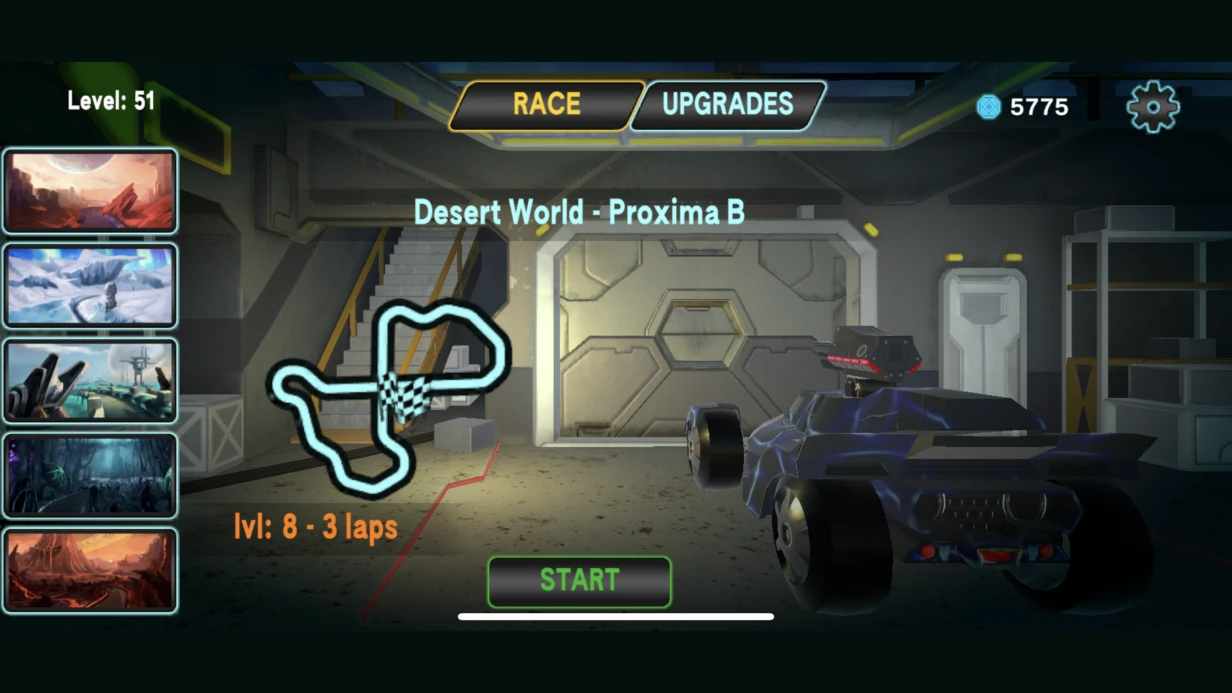

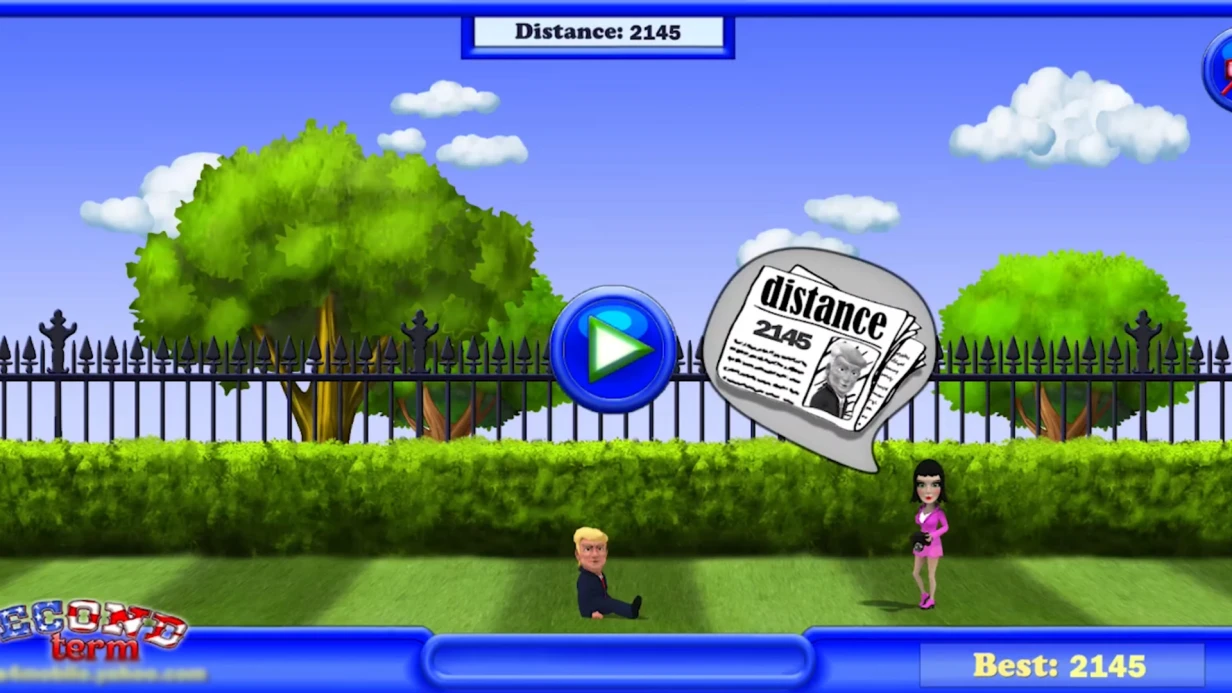

המשחק שלך לא מניב הכנסות? בואו נשלב מונטיזציה של Yandex
המשחק מוכן, שחקנים משחקים, אבל ההכנסות מהמשחק כמעט אפסיות? מצב מוכר: השקעתם מאמץ ותקציב בפיתוח, אבל הפרויקט עדיין לא מניב רווח.
פרסומות בתוך המשחק או שלא הוגדרו בכלל, או שמוצגות בצורה לא עקבית—לא כשהמשתמש מוכן לצפות בהן, אלא כשזה "קורה" מסיבות טכניות.
התוצאה: שחקנים מתעצבנים ועוברים למתחרים שבהם כלכלת המונטיזציה מעוצבת היטב, ואתם נשארים בלי הכנסות.
הבעיה היא לא המשחק עצמו, אלא העובדה שמונטיזציה של המשחק לא בנויה כמערכת.
הכנסות מהמשחק מופיעות כשכל מגע פרסומי נמכר ברגע הנכון: אחרי ניצחון, לפני קבלת תגמול נדיר, בנקודת הבחירה "לצפות בפרסומת או לשלם." בלי נקודות המגע האלה, הקהל משחק במשחק בחינם, מותגים לא מגיעים לקהל שלכם—וכסך נעלם לאוויר.
אנחנו סוגרים את הפער הזה עם אינטגרציה מקצועית של Yandex. אנחנו מגדירים מונטיזציה דרך Yandex כך שפורמטי הפרסום משתלבים באופן טבעי במשחק, לא פוגעים בחוויית המשתמש, ומספקים זרם הכנסות יציב.
אנחנו משלבים פרסומות עם תגמול, פרסומות בין-מסך, ופורמטים נוספים, ומכווננים את התדירות כך שההכנסות יגדלו בלי לפגוע בשימור השחקנים.
התוצאה: מונטיזציה של המשחק עם Yandex הופכת למקור רווח צפוי, לא ל"הגרלה." אתם מקבלים גידול בהכנסות בלי להגדיל עלויות רכישת משתמשים, וכל העבודה הטכנית של הגדרה ותמיכה נשארת אצלנו.
אתם לא צריכים להבין בפרטים—אתם רק צריכים לראות איך אינטגרציית Yandex מגדילה את הרווח של הפרויקט.
מה אינטגרציית פרסומות תיתן למשחק שלכם
אינטגרציית פרסומות היא לא עבודה צדדית; היא ערוץ מונטיזציה מלא. אחרי הגדרה נכונה, המשחק מניב הכנסות גם אחרי שעברתם לפרויקט חדש. בואו נפרק מה בדיוק מקבל בעל משחק אחרי חיבור כלי הפרסום של Yandex.
הכנסה יציבה
פרסומות הופכות את פעילות השחקנים להכנסות. כשמשתמשים צופים בסרטונים תמורת בונוסים או פותחים תגמולים, אתם מקבלים תשלום על חשיפות. זה עובד ברקע ודורש מעורבות קבועה—הכנסה פסיבית מקהל קיים כבר.
אינטגרציה קלה
האינטגרציה אורכת כמה ימים, לא שבועות. אתם לא צריכים להבין בנבכי רשתות הפרסום—הצוות שלנו מטפל בהגדרה. אתם מקבלים הגדרת מונטיזציה עובדת עם דיווח ברור.
אחוז מילוי גבוה
אלגוריתמים מתאימים פרסומות לכל שחקן, כך שמיקומי הפרסום כמעט תמיד מלאים. פחות חשיפות ריקות משמעותן הכנסה גבוהה יותר לכל משתמש. במקביל, הפרסומות לא מעצבנות: הן משולבות באופן טבעי ולא מפריעות למשחק.
מתאים לכל הז'אנרים
פורמטים שונים—וידאו, באנרים, צפייה עם תגמול—מתאימים גם לפרויקטים קז'ואליים וגם לפרויקטים הארדקוריים. פאזלים, אסטרטגיות, ארקייד, סימולטורים—כל ז'אנר מוצא את נתיב המונטיזציה שלו. אתם לא צריכים לשנות את המשחק כדי להתחיל להרוויח.
פורמטי מונטיזציה: בחירה לפי מטרה
פורמטי מונטיזציה: בחירה לפי מטרה
מונטיזציה של משחק לא מתחילה ב"איזה SDK לשלב," אלא בשאלה: איך מייצרים הכנסות בלי להרוס את חוויית המשחק? כל פורמט פרסום משפיע על התנהגות השחקנים, שימור, וההכנסה הסופית בצורה שונה.
אז בחירת הפורמט הנכון היא לא פרט טכני—זו החלטה אסטרטגית שמשפיעה ישירות על LTV של הקהל.
השחקנים של היום רגישים לפרסומות חודרניות. אם פורמט מעצבן אותם, הם עוברים למתחרים. אם הוא משתלב באופן טבעי במחזור המשחק, הם צופים בסרטונים מרצון וחוזרים שוב.
המשימה שלנו היא למצוא את האיזון הנכון בין רווחיות לנוחות המשתמש—וזה שונה לכל פרויקט.
| פורמט פרסום | הכי מתאים ל | מה זה נותן ללקוח |
|---|---|---|
| באנרים | משחקים קז'ואליים עם סשנים ארוכים | הכנסה יציבה ולא חודרנית בלי להפריע למשחק |
| פרסומות בין-מסך | משחקים עם רמות ברורות והפסקות בין סיבובים | אחוז מילוי גבוה והכנסה בהפסקות בין פעולות |
| וידאו עם תגמול | פרויקטים עם כלכלה פנימית ומשאבים | צפייה מרצון: השחקן מקבל בונוס, אתם מקבלים הכנסה. שימור גבוה יותר |
| הגדרות היברידיות | פרויקטים מיד-קור והארדקור | שילוב פורמטים לפלחי שחקנים שונים כדי למקסם הכנסות |
מה אתם מרוויחים
שילוב נבחר היטב של פורמטים מגדיל את ההכנסה לכל משתמש בלי לגרום לנטישת קהל. שחקנים לא עוזבים בגלל פרסומות מעצבנות, ואתם מקבלים הכנסה יציבה וצפויה. אנחנו גם מכווננים הגבלת תדירות ומיקוד כך שפרסומות לא יפריעו לרגעי מפתח במשחק.
מונטיזציה על Yandex מוסיפה יתרון נוסף: אינטגרציית פורמטי פרסום מתרחשת בסביבה מוכרת לקהל דובר רוסית, וכלי האנליטיקה של הפלטפורמה מאפשרים לעקוב אחר ביצועים בזמן אמת.
אחוזי המילוי הממוצעים וה-eCPM של הפלטפורמה מאפשרים למודל את כלכלת הפרויקט בדיוק גבוה.
אנחנו מתאימים את הפורמט למכניקת המשחק שלכם, בודקים השערות על נתונים אמיתיים, ושומרים רק על האפשרויות שמוכיחות את ערכן. התוצאה: אתם מקבלים אסטרטגיית מונטיזציה ברורה—לא רק קוד משולב.
איך עובדת האינטגרציה
לפני שאנחנו מתחילים, אנחנו לא רק מגדירים את המשימה ל"לשלב פרסומות." קודם כל אנחנו מבינים את המטרות של הפרויקט שלכם. חשוב אם המשחק תומך בעסק על ידי יצירת הכנסות ישירות, הגדלת שימור, או גידול קהל. זה קובע את סדר העבודה ואת הפתרונות שאנחנו מציעים.
כך נראה תהליך האינטגרציה, כדי שתדעו את כל שלבי הפיתוח מראש ותוכלו לתכנן את המשאבים שלכם:
- בריף וסקירת פרויקט. אנחנו מנתחים את המשחק, התנהגות השחקנים, והמכניקות הקיימות. אנחנו קובעים אילו פורמטי פרסום מתאימים לקהל שלכם ולא יפגעו בחוויית המשחק.
- תוכנית עבודה ולוח זמנים. אנחנו יוצרים תוכנית שלב-אחר-שלב עם שלבים ברורים ולוחות זמנים. אתם מקבלים לוח זמנים מדויק: מה קורה, מתי, ואיזו תוצאה לצפות.
- הכנה וגישה. אנחנו מגדירים את סביבת העבודה ומחברים את הכלים הדרושים. כדי להתחיל, אנחנו רק צריכים גישה לחשבונות המפתחים שלכם ולבנייה עדכנית של המשחק.
- אינטגרציית פרסומות. אנחנו משלבים את כלי הפרסום של Yandex—באנרים, וידאו עם תגמול, פרסומות בין-מסך. אנחנו מגדירים הצגת פרסומות על סמך אירועי משחק כך שהפרסומות יהיו רלוונטיות ולא יפריעו לשחקנים.
- בדיקות וניפוי שגיאות. אנחנו בודקים ביצועים במכשירים שונים ובתרחישים שונים. אנחנו מתקנים שגיאות, מכווננים תדירות חשיפות, ומאזנים בין הכנסות לחוויית משתמש.
- שחרור ותמיכה בפרויקט. אנחנו משחררים את העדכון ומנטרים יציבות ומדדים. אחרי השחרור, אנחנו נשארים בקשר: אנחנו מטפלים בניטור, עדכונים, ושיפורים—כולל פורמטי פרסום חדשים ושינויים במדיניות הפלטפורמה.
גישה זו הופכת את האינטגרציה לצפויה: אתם לא הולכים לאיבוד בפרטים טכניים, אבל אתם עוקבים אחר התהליך בכל שלב. אנחנו אחראים על התוצאה—הצגת פרסומות יציבה ומספרי הכנסה ברורים בדוחות.
היקף העבודה ודיווח על הפרויקט
אתם לא מקבלים רק "פרסומות משולבות"—אתם מקבלים מקור הכנסה מוכן לפעולה שעובד באופן אוטונומי. אנחנו מטפלים בכל הצד הטכני: מהגדרת מודול הפרסום ועד אנליטיקה. כל מה שאתם צריכים לעשות זה להסתכל על המספרים ולקבל החלטות. היקף העבודה מכסה את כל המחזור—מאינטגרציה ועד דיווח.
- מודול פרסום מוגדר במשחק — באנרים, פרסומות בין-מסך, ופורמטים עם תגמול ממוקמים במקומות שמייצרים הכנסה בלי להפריע לשחקן. משתמשים לא עוזבים, וההכנסות גדלות.
- אינטגרציה עם רשת הפרסום של Yandex — המשחק שלכם מקבל גישה לבסיס רחב של מפרסמים, מה שמבטיח אחוזי מילוי גבוהים וחשיפות יציבות.
- בדיקות על מכשירים אמיתיים — לפני השחרור, אנחנו בודקים יציבות, מהירות טעינת פרסומות, וביצועים ללא קריסות. המשחק נשאר מהיר ונוח כמו קודם.
- תיעוד לצוות שלכם — מדריך ברור: איך המודול עובד, איך להוסיף פורמט פרסום חדש, איך לעדכן גרסה. אפילו בלי מפתח, אתם יכולים לשלוט בתהליך.
- דיווח ברור — לוח מחוונים עם מדדים: מספר חשיפות, הכנסות, הכנסה לכל משתמש. אתם רואים כמה המשחק מרוויח מדי יום ויכולים לחזות את התקציב שלכם.
- תמיכה לאחר השחרור — אם משהו משתנה או שיש לכם שאלה, אנחנו בקשר. האחריות שלנו מכסה את תקינות האינטגרציה.
בסופו של דבר, התוצאה של האינטגרציה היא הכנסה צפויה מפרסומות ושליטה שקופה. אתם לא צריכים להבין בפרטים טכניים: כל המידע על פעולת המודול נמצא במקום אחד, והסיכונים מינימליים.
אתם מקבלים חבילת שירות מותאמת למשימה שלכם שחוסכת זמן לצוות ומועילה לעסק מיד.
מקרה בוחן: גידול בהכנסות אחרי אינטגרציית Yandex
עבור מפתח משחקים קז'ואליים, נקודת הכאב העיקרית הייתה הפער בין קהל שמוכן לשלם לבין אלה שמשחקים בחינם. לפני אינטגרציית פרסומות Yandex, הפרויקט הרוויח רק מרכישות בתוך האפליקציה, כך שרוב השחקנים לא יצרו הכנסות. ערכנו סקירת מונטיזציה והצענו לשלב פורמטי פרסום של Yandex—בלי לפגוע במשחק.
מה עשינו
הגדרנו הצגת פרסומות בנקודות שבהן השחקן כבר סיים רמה ומוכן להפסקה: צפייה עם תגמול, באנרים במעברי מסך, ותגמול על כניסה יומית. המטרה העיקרית הייתה לשמר מעורבות. אז כיווננו את תדירות החשיפות כך ששחקנים לא יתעצבנו וימשיכו לחזור.
תוצאה
אחרי שהאינטגרציה עלתה לאוויר, ההכנסות של הפרויקט גדלו פי 2.5 בתוך החודש הראשון. במקביל, שיעור השחקנים שחזרו למחרת נשאר באותה רמה—פרסומות לא הפחידו את הקהל.
בנוסף, ערך החיים של המשתמש גדל: אלה שמעולם לא שילמו לפני כן התחילו לייצר הכנסות דרך פרסומות.
המקרה הראה שאינטגרציית פרסומות נכונה היא לא סיכון של אובדן משתמשים—זו דרך להגדיל הכנסות מהקהל הקיים. אנחנו לא רק משלבים SDK; אנחנו בונים מונטיזציה סביב התנהגות השחקנים.
זו הסיבה שאחרי ההשקה המוצלחת הראשונה, הלקוח הזמין אינטגרציית Yandex לשני פרויקטים נוספים שלו.
איך לבחור פורמט מונטיזציה לקהל שלכם?
בחירת פורמט מונטיזציה היא לא על "מה טרנדי"; היא על "מה השחקנים שלכם מוכנים לסבול." אין פתרון אחד שמתאים לכולם: מה שעובד טוב בפרויקטים הארדקוריים יכול להיות מעצבן בפאזלים קז'ואליים.
אז תתחילו לא עם רשימת רשתות פרסום, אלא עם הקהל שלכם—באיזו תדירות הם חוזרים למשחק, כמה זמן הם מבלים בסשן, ועד כמה הם מגיבים בכאב להפרעות.
הסתכלו על התנהגות המשתמשים. אם רוב השחקנים נכנסים ל-2–3 דקות כמה פעמים ביום, עדיף להתמקד בפרסומות קצרות בין רמות—הן לא שוברות את קצב המשחק ומרגישות כמו הפסקה טבעית.
אם הסשנים ארוכים והשחקנים מעורבים עמוקות, פרסומות עם תגמול עובדות טוב יותר: המשתמש מחליט מתי נוח לו לצפות בפרסומת ולקבל בונוס. במקרה הזה, מונטיזציה לא מפריעה; היא מחזקת מעורבות.
כדאי גם לשקול את נכונות הקהל לבצע רכישות. שחקנים שמעולם לא משלמים נוטים הרבה יותר לקבל פרסומות בתמורה לערך במשחק. אלה שכבר קונים עלולים להגיב בשלילה לחשיפות תכופות.
אופטימיזציית מונטיזציה חשובה כאן: שילוב מאוזן נכון של פרסומות ורכישות בתוך האפליקציה מאפשר להרוויח משתי הקבוצות בלי להבריח אף אחת.
אינטגרציית Yandex מציעה יותר מסתם גישה לחשיפות פרסום. אנליטיקת התנהגות משתמשים והגדרות גמישות מאפשרות להתאים פורמטים לקהל ספציפי, תוך מעקב אחר אילו תרחישים מייצרים הכנסות ואילו רק גורמים לעצבנות. זה לא "להגדיר ולשכוח"—זה כוונון מתמשך על סמך מה שבאמת עובד.
אם אתם לא בטוחים מאיפה להתחיל, התחילו בקטן: יישמו פורמט אחד לא חודרני, מדדו את התגובה במשך 2–3 שבועות, ואז החליטו על סמך נתונים אם להרחיב את ערכת הכלים.
אנחנו עוזרים לכם לבחור מודל מונטיזציה שלא מתנגש עם המשחק ומספק תוצאות יציבות ספציפית למשחק שלכם.
תשובות לשאלות נפוצות על פרסומות בתוך משחק
שילוב פרסומות במשחק מעלה שאלות: האם זה יבריח שחקנים, כמה מסובכת ההגדרה, אילו דרישות הרשת מטילה? בואו נטפל בספקות נפוצים—בקצרה ולעניין.
האם פרסומות יגרמו לתגובות שליליות משחקנים?
פרסומות מעצבנות כשהן רבות מדי ומפריעות. אנחנו מציגים פרסומות בהפסקות טבעיות—בין רמות או כתגמול. השחקן מחליט אם לצפות בסרטון ומקבל בונוס: מטבעות או האצה.
עד כמה פרסום בטוח למוניטין?
רשתות פרסום מבקרות פרסומות, אבל הגישות שלהן שונות. Yandex משתמשת בבדיקות אוטומטיות: קריאייטיבים חשודים או הונאתיים לא נכנסים למשחק. אתם גם יכולים לחסום קטגוריות לא רצויות, כמו 18+, כדי להגן על הקהל שלכם.
מהן הדרישות למשחק כדי לשלב פרסומות?
המשחק חייב לרוץ ביציבות, להיטען מהר, ולעקוב נכון אחר פעולות המשתמש. נדרשת כמות מינימלית של תנועה—כמה מאות התקנות ביום. אם יש לכם פחות, אנחנו נעזור להכין את הפרויקט לצמיחה ולבחור את הפורמטים הנכונים.
כמה זמן אורכת האינטגרציה?
לוח הזמנים הסטנדרטי הוא 5–10 ימי עסקים אחרי קבלת הגישה. אנחנו מטפלים בהגדרה, חשיפות בדיקה, ואימות. אחרי ההשקה, אנחנו נשארים בקשר ופותרים כל בעיה במהירות.
השיקו מונטיזציה למשחק והרוויחו את הרווח הראשון שלכם
המשחק שלכם מוכן לייצר הכנסות, אבל בלי רשתות פרסום הוא רק פרויקט. מונטיזציה דרך Yandex נותנת לכם גישה לקהל רחב ומאפשרת להרוויח מכל צפייה בפרסומת—בלי השקעה נוספת בפיתוח.
אנחנו מטפלים בכל ההיבטים הטכניים של האינטגרציה: מהגדרת יחידות פרסום ועד בדיקות לפני פרסום. אתם לא צריכים להבין בנבכי רשתות הפרסום או לבזבז זמן בקריאת תיעוד—אתם פשוט מתחילים להרוויח.
מה תקבלו אחרי ההשקה
- רווח ראשון בתוך החודש הראשון — יחידות פרסום מתחילות לייצר הכנסות מיד אחרי פרסום העדכון.
- תחזית הכנסה ברורה — אנחנו מחשבים הכנסות צפויות לפני ההשקה כדי שתוכלו לראות את ההחזר של הפרויקט.
- כוונון אוטומטי של חשיפות — פרסומות מותאמות לפורמט המשחק, לא מעצבנות שחקנים, ומספקות ביצועים מקסימליים.
- דיווח ללא טרחה — אנחנו משתפים גישה ומראים לכם איפה לראות סטטיסטיקות ואיך ההכנסות גדלות.
- תמיכה לאחר ההשקה — אם משהו משתבש, אנחנו בקשר ופותרים בעיות במהירות בלי להפסיק את המונטיזציה.
השאירו פנייה לייעוץ—נספר לכם כמה הכנסות המשחק שלכם יכול לייצר ואילו צעדים נדרשים כדי להתחיל. נשלח הערכת עלות ולוח זמנים בתוך יום עסקים אחד.
להרוויח כסף זה קל יותר ממה שזה נראה: בריף, תוכנית, אינטגרציה—והמשחק כבר מניב הכנסות.