



מודל גיימיפיקציה לתוכנית נאמנות: איך להחזיר לקוחות שאבדו
כל עסק מתמודד עם אותה בעיה: לקוח מבצע רכישה אחת או שתיים ונעלם.
בינתיים, תוכנית הנאמנות הקלאסית עם כרטיסים ובונוסים כבר לא עובדת — משתמשים לא מרגישים חיבור רגשי למותג, לא מבינים את הערך של הנקודות שנצברו, ומאבדים עניין בהשתתפות במהירות.
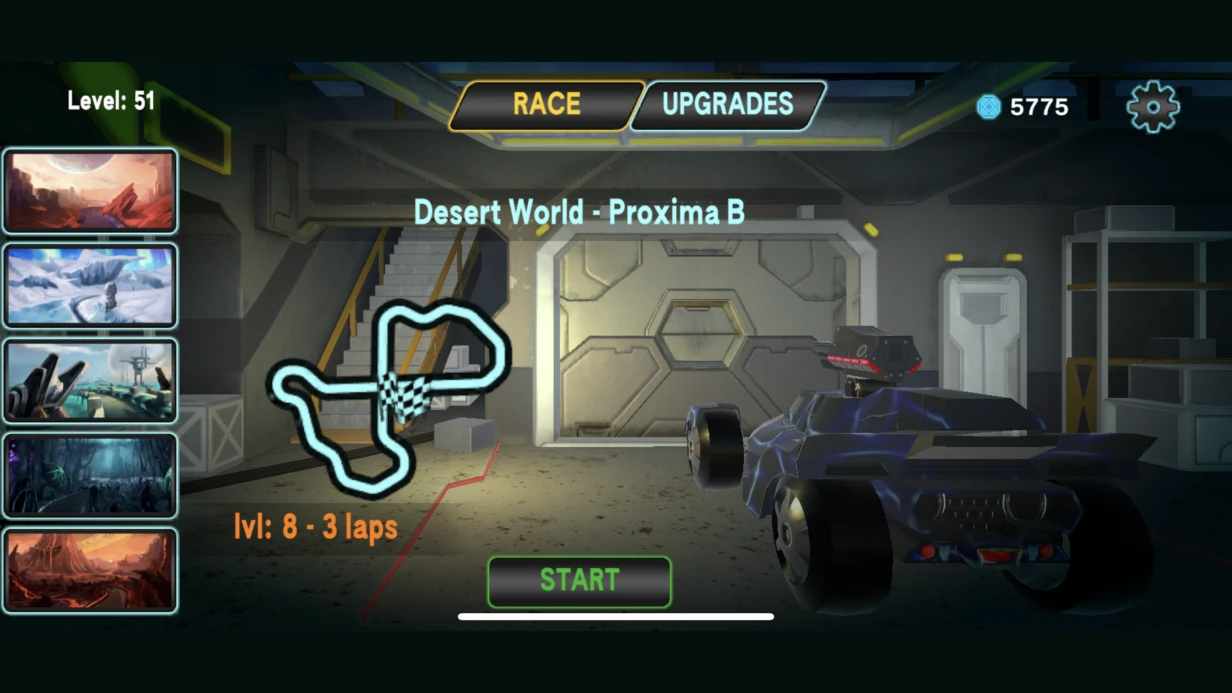
מודל הגיימיפיקציה לתוכנית נאמנות פותר את הבעיה הזו באמצעות כלכלת משחק: הלקוח לא רק צובר נקודות, אלא עובר מסע עם רמות, תגמולים, יעדים שבועיים ואתגרים אישיים.
כל פעולה — רכישה, חוות דעת, השתתפות במבצע — מספקת התקדמות מוחשית ומחזירה את תשומת הלב למוצר שלך. זה הופך קמפיין חד-פעמי לסיפור ארוך טווח של קשר עם המותג.
גישה זו מחזירה את החלק השקט של בסיס הלקוחות שלך ושומרת על החלק הפעיל: מכניקת משחק מעודדת משתמשים לפתוח את האפליקציה לעתים קרובות יותר, לחזור לתגמול הבא, ולהביא חברים להישגים משותפים.
אנחנו מתכננים את הכלכלה סביב העסק שלך: איזון בין ערך התגמול לתדירות הפעולות כך שכל לקוח ירגיש את התועלת כבר בשבוע הראשון להשתתפות.
גיימיפיקציה: 5 יתרונות מרכזיים לעסק שלך
רוב תוכניות הנאמנות פועלות על סכמה פשוטה: צבור נקודות — קבל הנחה. אבל בלי רגש, הלקוח מאבד עניין במהירות ועובר למתחרים.
גיימיפיקציה משנה את התרחיש: רכישה הופכת לצעד לעבר מטרה, והמותג הופך לשותף במשחק. כך עובד מודל הגיימיפיקציה לתוכנית נאמנות.
היתרון הראשון הוא צמיחה במכירות. מכניקת משחק עם רמות ומשימות מעודדת לקוחות לקנות לעתים קרובות יותר ולהוציא יותר. הלקוח מחפש סיבה לחזור כדי להשלים משימה ולזכות בתגמול, בעוד שסל הקניות הממוצע גדל באמצעות מכירות נוספות בתוך המשחק.
היתרון השני הוא שימור לקוחות. משימות יומיות ורצפי פעילות יוצרים הרגל של פתיחת האפליקציה או האתר. סטטוסים ורמות בונים חיבור: לקוחות לא רוצים לאבד את ההתקדמות שלהם, ולכן הם נשארים עם המותג זמן רב יותר וחוזרים לרכישות.
היתרון השלישי הוא מעורבות רגשית. התרגשות, שמחת הישג ותחרות בריאה גורמים ללקוחות לשכוח נקודות משעממות. הרגשות העזים מהמשחק עוברים למותג, והנאמנות גדלה ברמת הרגש, לא ברמת החישוב.
היתרון הרביעי הוא נתונים להצעות מדויקות. כל פעולה במשחק חושפת במה הלקוח מתעניין באמת. האותות האלה מאפשרים לשלוח מבצעים מותאמים אישית במקום ספאם — שיעורי תגובה גבוהים יותר ופחות נטישה.
היתרון החמישי הוא רכישת לקוחות חדשים באופן טבעי. אנשים מתחרים, משתפים הישגים ומדברים על מכניקות מהנות ברשתות החברתיות. המותג מקבל חשיפה חינמית ומשתתפי הפניה — הערוץ האמין ביותר.
פורמטים של תצורת כלכלת גיימיפיקציה למטרות עסקיות
כלכלת המשחק בתוך תוכנית נאמנות היא לא רק נקודות והנחות, אלא מודל מחושב היטב שמניע התנהגות לקוחות.
חשוב לבחור פורמט שמתאים למטרות שלך: שימור, הגדלת תדירות רכישות, העלאת סל קניות ממוצע או מעורבות במבצעים חדשים. הטבלה שלהלן מציגה את התצורות האופייניות שאנחנו עובדים איתן.
| פורמט גיימיפיקציה | למי זה מתאים | מה זה נותן ללקוח |
|---|---|---|
| נקודות על פעולות | חנויות ושירותים עם רכישות חוזרות תכופות | התחלה מהירה, מכניקה מוכרת, חסם כניסה נמוך למשתתפים |
| רמות וסטטוסים | עסקים עם לקוחות קבועים והבדלים משמעותיים בין פלחים | יותר הזמנות חוזרות, מוטיבציה להגיע לרמה הבאה, סל קניות ממוצע גבוה יותר |
| מטבע פנימי | חברות עם פעילות משתמשים גבוהה: בנקים, מפעילי תקשורת, פלטפורמות מקוונות | ערך שקוף לכל פעולה, גמישות בצבירה ובמימוש |
| משימות ומטלות | השקת מוצרים חדשים, קידום קטגוריות ספציפיות | מעורבות מנוהלת: הלקוח מבצע את הפעולות שאתה צריך בתמורה לתגמול |
בחירת פורמט לא אומרת התחייבות נוקשה: אחרי כמה חודשים אפשר לשנות את החוקים, להוסיף רמות חדשות או לעבור למודל היברידי. המפתח הוא שכל שינוי מגובה בחישוב כלכלי; אחרת, הוצאות יתר על בונוסים הן בלתי נמנעות.
אנחנו עוזרים לך לבחור פורמט התחלתי, לחשב את עלות הנקודות, את הסתברות המימוש ואת ההשפעה על הרווח, ולאחר מכן תומכים בתצורה של תוכנית הנאמנות שלך.
איך עובד פיתוח כלכלת המשחק: 7 שלבים
אנחנו מבנים את שלבי פיתוח כלכלת המשחק עבור מודל הגיימיפיקציה לתוכנית נאמנות כך שתשלוט בתהליך ההטמעה בכל שלב.
מבריף ועד השקה ותמיכה — אתה רואה באילו נתונים משתמשים, איך מחושבות נקודות ותגמולים, ואיך זה משפיע על העסק שלך. מבנה זה מפחית סיכונים ומאיץ קבלת החלטות כי אתה לא מחכה לתוצאה בעיוורון.
- בריף ומטרות. אנחנו לומדים את העסק שלך, את תוכנית הנאמנות הנוכחית ואת התנהגות הלקוחות. אנחנו מתעדים מטרות ואילוצים — אתה מקבל תוכנית עבודה ברורה.
- ניתוח נתונים. אנחנו בוחנים תדירות רכישות, סל ממוצע ונטישה. זה הבסיס לכלכלה כנה, לא לניחושים.
- מודל כלכלי. אנחנו מחשבים נקודות, רמות, תגמולים ואת העלות שלהם לעסק שלך. אתה רואה איך כל נקודה משפיעה על המרווח.
- אב-טיפוס מכניקה. אנחנו מציגים תרחישים בממשק: מה מזכה בנקודות, איך עובדות רמות ובונוסים. אתה מבצע עריכות לפני תחילת הפיתוח.
- חישוב ואיזון. אנחנו מריצים תרחישי לחץ ומכינים מחשבון לצוות שלך. אתה יכול לשנות פרמטרים של המודל בלעדינו.
- אינטגרציה ובדיקות. אנחנו מחברים את המודל לפלטפורמה שלך ובודקים אותו על נתונים אמיתיים. ההשקה עוברת חלק.
- השקה ותמיכה. אנחנו עוקבים אחר מדדים, מתאימים את הכלכלה ומספקים דוח עם המלצות. תוך 2–4 שבועות, אתה רואה את האפקט.
מה כלול בתפוקת כלכלת המשחק
עם סיום העבודה, אתה מקבל חבילה מוכנה לשימוש שניתן למסור ישירות למפתחים, להשתמש בה לבריף של הצוות שלך ולנצל אותה לתכנון תקציב. ריכזנו אותה כמדריך מעשי — בלי תיאוריות מופשטות, רק מה שבאמת משפיע על הכנסות ושימור שחקנים.
- מודל מאוזן של כל המשחק — רמות מחירים, תגמולים והוצאות מחושבות מתמטית שמבטלות "חורים" בכלכלה ומבטיחות הכנסה יציבה. כולל נוסחאות, מקדמים והסברים כך שכל מפתח מבין את ההיגיון.
- חנות ותמחור מחושבים — עלות מטבע המשחק, פריטים ובונוסים מותאמים לקהל שלך. מערכת שקופה מגדילה את המרת הרכישות ומקלה על הוספת פריטים חדשים בלי לשנות את כל המודל.
- תיעוד לצוות שלך — טבלאות ודיאגרמות ברורות שמאפשרות למפתחים ומעצבים להגדיר את המשחק בלי שאלות מיותרות. זה חוסך זמן במסירה ומפחית שגיאות בהתחלה.
- מדדים ואירועים אנליטיים — רשימה מוכנה של אינדיקטורים למעקב כדי שתוכל לראות את בריאות הכלכלה. אתה מקבל לוח בקרה: איפה ההכנסות גדלות ואיפה צריך להתערב בדחיפות.
- תוכנית השקה ותרחישי איזון — פעולות שלב אחר שלב לשבועות הראשונים לאחר השחרור: איך להגיע למדדי היעד מהר יותר ומה לעשות אם יש חריגות. אתה לא נשאר לבד עם מצבים בלתי צפויים.
- תחזיות ונקודת איזון — אמות מידה למספר שחקנים וסל ממוצע שעוזרות לתכנן תקציבי שיווק ולהעריך החזר השקעה.
כל פריט בחבילה מותאם למכניקה הספציפית ולמטרות תוכנית הנאמנות שלך. לכן זה עובד עבור הקהל שלך ולא תבנית מפרקטיקה כללית.
מקרה בוחן: עלייה של 40% במעורבות לאחר הטמעת גיימיפיקציה
רשת בתי הקפה Bean&Joy הגיעה עם בעיה אופיינית: תוכנית הנאמנות שלהם צברה בסיס של לקוחות קבועים, אבל הלקוחות האלה ביקרו פחות ופחות.
נקודות נצברו לאט, פגו בלי לשים לב, ולקוחות איבדו עניין — תדירות הביקורים הממוצעת ירדה מרבעון לרבעון.
הוספנו גיימיפיקציה: במקום צבירה משעממת — רמות, רצפי "סטריק", אתגרים אישיים. אבל המפתח היה שחישבנו את כלכלת המשחק מראש: כמה נקודות להעניק כדי להניע את הביקור הבא בלי לפגוע במרווח.
כל מכניקה נקשרה להתנהגות אמיתית של לקוחות: רכישה בבוקר או בסוף שבוע, חזרה תוך שלושה ימים, הזמנת מוצר חדש.
חודשיים לאחר ההשקה, המעורבות בתוכנית גדלה ב-40% — לקוחות התחילו לפתוח את האפליקציה פי 1.4 יותר והשתמשו בבונוסים שנצברו בצורה פעילה יותר. תדירות הביקורים עלתה ברבע, וחלק ההזמנות החוזרות בקרב המשתתפים גדל ב-18%.
במקביל, הסל הממוצע לא ירד: מכניקת המשחק עודדה מכירות נוספות במקום הנחות.
עכשיו, בהתבסס על פיילוט זה, אנחנו בונים מודלים דומים לשתי רשתות HoReCa נוספות.
מעניין שהדבר היקר ביותר עבור הלקוח התברר כלא מספרי המעורבות, אלא הוודאות: כלכלת התוכנית הפסיקה להיות "קופסה שחורה," וצוות השיווק יכול עכשיו לתכנן מבצעים בידיעה איזו מכניקה תניב תוצאה ספציפית.
איך לבחור את פורמט כלכלת המשחק הנכון למטרה שלך?
בחירת פורמט כלכלת משחק לא מתחילה במספרים, אלא בשאלה: איזו פעולת לקוח אתה רוצה להפוך לקבועה? אם המטרה היא חזרות תכופות יותר לתוכנית הנאמנות, מודל עם תגמולים יומיים והתקדמות מצטברת מתאים.
אם המטרה היא סל קניות ממוצע גבוה יותר, הכלכלה בנויה סביב רמות ובונוסים הקשורים לגודל הרכישה.
הקריטריון השני הוא קלות ההבנה. המשתתפים שלך לא צריכים ללמוד את החוקים כמו מדריך של אפליקציית בנק. ככל שמכניקת "הרווח — הוצאת — קיבלת סטטוס" ברורה יותר, כך המעורבות גבוהה יותר.
אנחנו בודקים עד כמה אנשים תופסים את ערך הבונוסים ומפשטים את המודל עד שהוא מתחיל לעבוד עבורך.
הקריטריון השלישי הוא קיימות. כלכלת המשחק צריכה להועיל לעסק, לא רק לבדר: אנחנו מחשבים מראש את העומס על תקציב התוכנית, חוזים את מימוש התגמולים ובונים הגנה מפני ניצול לרעה כך שפעילות מוגברת לא תהפוך להפסדים.
לבסוף, אנחנו מתחשבים בהתנהגות הקהל הספציפי שלך: תדירות רכישות, סל ממוצע, עונתיות. מה שמניע משתמשים צעירים לא יעבוד עם קהל מבוגר, והפורמט לחנות מקוונת שונה מהפורמט לסניפים פיזיים. אז קודם אנחנו מנתחים את הנתונים שלך, ורק אז מציעים כלכלה למטרה שלך.
אנחנו בוחרים את המודל על סמך המטרה שלך ולא כופים תבנית מוכנה, ואנחנו מציגים חישובים לפני ההשקה. אם המכניקה מפסיקה להניב תוצאות, אנחנו מתאימים אותה בלי לבנות מחדש את כל תוכנית הנאמנות.
שאלות נפוצות על פיתוח כלכלת משחק
לרוב, לקוחות לא מטילים ספק ברעיון של כלכלת משחק, אלא בשאלה איך לחשב אותה ומה לצפות מהתוצאה. זה החסם העיקרי להשקה. נענה בקצרה.
להלן אספנו תשובות להתנגדויות נפוצות בנושא הגדרת כלכלת משחק עבור מודל הגיימיפיקציה לתוכנית נאמנות. לא מצאת את השאלה שלך? כתוב לנו — נראה דוגמאות ונדון במשימה שלך.
מה כולל חישוב כלכלת המשחק?
אנחנו מחשבים את האיזון בין העלויות שלך לערך עבור הלקוח: כמה נקודות להעניק, אילו תגמולים ורמות ישמרו על עניין. אתה מקבל תוכנית מוכנה שאנחנו מיישמים בתוכנית הנאמנות. אתה לא צריך להבין בנוסחאות — אנחנו מסבירים הכל בשפה פשוטה.
באיזו מהירות התוכנית תניב תוצאות?
פעילות המשתתפים בדרך כלל גדלה בתוך החודש הראשון. אפקט יציב נראה אחרי חודשיים עד שלושה חודשים, ולאחר מכן אנחנו מבצעים התאמות ממוקדות. המפתח הוא כלכלה בנויה נכון, לא מהירות ההשקה.
מה אם המכניקה לא מתאימה ללקוחות שלנו?
אנחנו בוחרים תרחישים לקהל ולמודל העסקי שלך במקום להעתיק מאחרים. אנחנו בודקים את המכניקה על קבוצה קטנה ועוקבים אחר המדדים. אם התרחיש לא מתחבר, אנחנו מציעים חלופה.
האם יש ערבויות שהכלכלה תשתלם?
אנחנו מציבים מדדי יעד לפני ההשקה ותומכים בתוכנית לאחר מכן. אם מדדי מעורבות או רכישות חוזרות נופלים מהתחזית, אנחנו מוצאים את הסיבה ובונים מחדש את התרחיש. אתה לא נשאר לבד עם הבעיה.
מוכן לדון במשימה שלך? בקש הערכת עלות
כל תוכנית נאמנות בנויה על מכניקת משחק ברורה: תגמולים, סטטוסים, רמות, משימות. אם זה מחושב נכון — לקוחות חוזרים לעתים קרובות יותר והסל הממוצע גדל. אם האיזון שגוי — משתתפים מאבדים עניין והשקעות הגיימיפיקציה לא משתלמות.
אנחנו נעזור לך להימנע מכך. במשך יותר מ-10 שנים, הגדרנו כלכלות משחק לעשרות פרויקטי נאמנות — מקמעונאות ועד שירותים מקוונים. נעצב מודל שמניע את הקהל הספציפי שלך ומתאים לתקציב שלך.
בקש הערכת עלות — וקבל:
- ייעוץ בנושא מכניקת משחק — נפרק אילו אלמנטים מתאימים לתוכנית הנאמנות שלך.
- חישוב עלות למשימה שלך — הערכה מדויקת ללא עמלות נסתרות או אפשרויות מיותרות.
- הערכת כלכלת הפרויקט — נראה כיצד גיימיפיקציה תשפיע על החזרות, תדירות רכישות ומעורבות.
- תוכנית השקה שלב אחר שלב — תבין לוחות זמנים, היקף עבודה ומה נדרש מהצוות שלך.
- בחירת פורמט — ממערכת נקודות פשוטה ועד מכניקה רב-רמות עם סטטוסים ומשימות.
- תמיכה לאחר ההשקה — אנחנו מתאימים את האיזון על סמך נתוני השבוע הראשון כך שהמודל יעבוד ביציבות.
בלי מצגות של חצי שעה — רק שיחה קצרה שבה תקבל תשובות לשאלותיך ותבין אם להמשיך. השאר פנייה, ונחזור אליך תוך יום עסקים אחד.