



בדיקת שילוב מערכת תשלומים: הסיכונים בהשקה ללא בדיקות
פיתוח המשחק הוא רק חצי מהדרך. מה שחשוב הוא ששחקן שמגיע למסך הרכישה יוכל לשלם ולקבל את הפריט ללא בעיות. אם מתרחשות תקלות בתשלום בשלב זה, אדם עוזב אחרי כמה שניות של המתנה בלבד — ובדרך כלל לא חוזר. כל נטישה כזו היא הכנסה אבודה שכמעט כבר תפסת.
עסקה שנכשלה היא לא רק שגיאת לוג — היא פוגעת באמון השחקן. משתמשים משתפים במהירות חוויות שליליות בביקורות ובקהילות, כך שאפילו בעיית תשלום חד-פעמית יכולה לערער את המוניטין של הפרויקט בהשקה.
בזמן שאתה מבין מה הגורמים, מתחרים לוקחים את הקהל שלא מוכן לחכות.
הסיכון העיקרי בהשקה ללא בדיקת שילוב מערכת התשלומים הוא שאתה לומד על הבעיה ברגע הגרוע ביותר האפשרי — כשהשחקנים כבר הגיעו ורוצים לשלם.
תיקון תקלות תשלום במצב חי הוא קשה: צריך להשהות מכירות, להגיב לעשרות פניות תמיכה, ולהסביר למה רכישה "נתקעה." זה עולה הרבה יותר מאשר בדיקה מלאה לפני השחרור.
לכן אנחנו בודקים שילוב מערכת תשלומים באמצעות תרחישי לקוח אמיתיים לפני ההשקה. אתה מקבל ביטחון שהתשלום יעבור בצורה חלקה בניסיון הראשון, לא אחרי גל של תלונות. זה שומר על הכנסות ואמון שחקנים — הבסיס לצמיחה יציבה של הפרויקט.
מה אב-טיפוס משחק עם קבלת תשלומים שנבדקה נותן לך
בדיקת קבלת תשלומים על אב-טיפוס משחק הופכת רעיון למקור הכנסה עובד. אתה לא מנחש איך שחקנים יגיבו לתשלום — אתה רואה עסקאות בפועל שעוברות ומבין שהמונטיזציה של המשחק בת-קיימא. זה הבסיס להשקעה בטוחה בפרויקט.
זרימת תשלום מכווננת היטב מחזקת ישירות את הרווחיות. אם נתיב התשלום לא מאבד משתמשים, שיעור ההמרה לרכישה גבוה יותר, ועסקאות חוזרות מתרחשות ללא חיכוך.
תשלומים יציבים משמעותם הכנסות צפויות ופחות הפסדים בכל שלב — מהקופה ועד לזיכוי הכספים.
בדיקה מוקדמת מבטלת הוצאות גדולות בעתיד. שגיאות שילוב שהתגלו על אב-טיפוס מתוקנות בשעות ובעלות זניחה, בעוד שאחרי השחרור הן עולות לך במכירות אבודות ובמוניטין פגום.
אתה חוסך לא רק בפיתוח אלא גם בתמיכה, כי תרחישי התשלום המרכזיים כבר מעודנים.
זרימת תשלום חלקה בונה אמון שחקנים: הם משלמים בביטחון וחוזרים לרכישות נוספות. כתוצאה מכך, המוצר מגיע לעצמאות כלכלית מהר יותר, ואתה מקבל ביטחון שההשקעה שלך מניבה תוצאות אמיתיות.
אנחנו בודקים שילוב על אב-טיפוס בדיוק כדי שפרויקט המשחק שלך יהיה מוכן לייצר הכנסה יציבה מהיום הראשון.
פורמטי עבודה לאב-טיפוס משחק שמתאימים למטרות שלך
לכל פרויקט יש תקציב ולוחות זמנים משלו. לכן אנחנו לא כופים תכנית אחת — אנחנו בוחרים פורמט שבו אתה מקבל במהירות אב-טיפוס ניתן למשחק ובודק שילוב תשלומים.
להלן שלושה מודלים של שיתוף פעולה. בחר את זה שמתאים למטרות שלך.
פורמטי שיתוף פעולה
| פורמט | למי זה מיועד | מה הלקוח מקבל |
|---|---|---|
| הערכה מהירה | צריך להבין במהירות עלות ולוחות זמנים | הערכת עלות ברורה ותכנית עבודה לפני התחלה, ללא משימות נסתרות |
| אב-טיפוס מפתח | צריך אב-טיפוס עובד לבדיקת שילוב תשלומים | גרסה ניתנת למשחק עם תשלומים מחוברים, מוכנה לבדיקה על משתמשים אמיתיים |
| תמיכה מלאה | מתכנן לשחרר ולפתח את המשחק | עדכונים שוטפים, ניטור תשלומים ועידון מכניקות אחרי ההשקה |
הערכה מהירה אורכת עד חמישה ימים: אנחנו מנתחים את הרעיון שלך, סיכונים, ומספקים לוחות זמנים ותקציב. נוח כשצריך לאמת במהירות השערה.
אב-טיפוס מפתח הוא הבקשה הנפוצה ביותר. אנחנו בונים גרסה עובדת עם תשלום ומסירת פריטים בתוך המשחק: אתה בודק אותה על משתמשים אמיתיים ורואה המרת רכישה. לוחות זמנים — משבועיים.
תמיכה מלאה מיועדת למתכננים שחרור ופיתוח נוסף. אנחנו מנטרים יציבות תשלומים, מוסיפים רמות ומכניקות כלכליות, והמשחק מייצר הכנסה לאורך זמן.
בחר את הפורמט שמתאים למשימה שלך — תקבל תוצאה צפויה ותנאים שקופים. כתוב לנו, ונדייק את הפרטים.
שלבי הפרויקט: מהבריף ועד מסירת אב-הטיפוס
לפני התחלת כל פרויקט, אנחנו מגדירים תכנית שלבים שקופה כדי שתבין מה קורה, מי אחראי על מה, ומתי התוצאות יהיו מוכנות. בריף המשחק הוא לא פורמליות — הוא הבסיס. כל העבודה בנויה עליו, ולכן אנחנו משקיעים בו כמה זמן שצריך.
-
בריף וניתוח משימה. אנחנו דנים במטרה שלך: בדיקת שילוב מערכת תשלומים, התנהגות שחקנים, מדדים צפויים. אנחנו שואלים שאלות ומגדירים קריטריוני הצלחה — זה מבטל אי-הבנות בהתחלה.
-
תכנית פרויקט והערכת לוחות זמנים. אנחנו יוצרים תכנית פיתוח מפורטת עם תפקידים ונקודות ביקורת. אתה מקבל לוח זמנים ריאלי שבו כל התלויות גלויות.
-
אישור קונספט. אנחנו מציגים את מבנה אב-הטיפוס, תרחישי התשלום והמסכים. אנחנו מאשרים החלטות מפתח לפני תחילת היישום — זה מסיר את רוב התיקונים בשלב הסופי.
-
יישום אב-הטיפוס. הצוות שלנו מרכיב גרסה עובדת של המשחק: לולאת המשחק, שילוב שער התשלום וטיפול בעסקאות מוצלחות ונכשלות. אתה מקבל לא מצגת, אלא מוצר שאפשר לבדוק.
-
בדיקות פנימיות ותרחישי תשלום. אנחנו מוודאים שרכישות עובדות כראוי: תשלום מוצלח, החזרים וכשלים בצד הבנק. אנחנו מכינים גישת הדגמה כדי שתוכל לראות את זה עובד בעצמך.
-
מסירת אב-הטיפוס והוראות. אנחנו מוסרים את הארטיפקט המוכן יחד עם מדריך פשוט: איך להשיק, מה לבדוק ולמי לפנות. אחרי זה, אתה יכול להציג את אב-הטיפוס למשקיעים או לשותפים.
-
תמיכה לאחר הפקה. אנחנו נשארים בקשר, עונים על שאלות ועוזרים בשיפורים אם תחליט להמשיך לפתח את המשחק.
כתוצאה מכך, אתה מקבל תהליך ברור עם לוחות זמנים צפויים וללא בזבוז זמן על ניחושים. בכל שלב יש אדם אחראי ותוצר ברור, כך שקל לשלוט בפרויקט גם ללא רקע טכני.
מה כלול בתוצר: אב-טיפוס, דוחות והמלצות
אתה מקבל לא "טיוטה גסה להדגמה" אלא אב-טיפוס עובד עם שילוב מערכת תשלומים שכבר נבדק. הוא מוכן להצגה למשקיעים, שותפים ומשתמשים מוקדמים — והוא עונה מיד על השאלה אם תשלומים עוברים והיכן מתרחשים כשלים. התוצאות מאורגנות כך שתוכל להעביר אותן לצוות פיתוח בלי לבזבז זמן.
הנה מה שכלול בתוצר:
- אב-טיפוס משחק עובד עם מערכות תשלום מחוברות — אתה יכול להשיק אותו ולהריץ תשלום בדיקה.
- דוח בדיקת שילוב: אילו תרחישים נבדקו, היכן תשלומים עובדים כרגיל, ואילו פעולות דורשות עידון.
- המלצות לשיפורים: צעדים קונקרטיים שמקצרים את הדרך מאב-הטיפוס לשחרור מלא.
- קוד המקור של אב-הטיפוס — הוא נשאר אצלך, כך שאתה לא כבול לקבלן ויכול לפתח את הפרויקט עם כל צוות.
- מדריך השקה והתקנה: איך לפרוס את הפרויקט, לחבר מפתחות ולעבור ממצב בדיקה למצב חי.
- תרשים שילוב תשלומים — תיאור חזותי של זרימת התשלום, מובן למנהלים ולמפתחים כאחד.
כל זה עונה על השאלה המרכזית: כמה מהר ובאילו סיכונים תפעל פונקציונליות התשלום במוצר אמיתי. אתה מקבל לא הבטחות מופשטות אלא תוצאה ניתנת לאימות שעליה תוכל לבסס את החלטת ההרחבה.
לאחר מסירת אב-הטיפוס, אנחנו נשארים בקשר ועונים על שאלות הצוות שלך כדי שההשקה תתנהל בצורה חלקה.
מקרה בוחן: איך בדיקת תשלומים מנעה הפסדים בהשקת משחק
השקת פרויקט משחק היא תמיד מרוץ: לשחרר אב-טיפוס מהר יותר, למשוך את המשתמשים הראשונים ולבדוק אם המונטיזציה "עובדת." אבל אם לרכישות בתוך המשחק יש שגיאות, משתמשים מוקדמים עוזבים עם רושם שלילי, וכסף מרכישות אובד בדרך משער התשלום לחשבון השחקן.
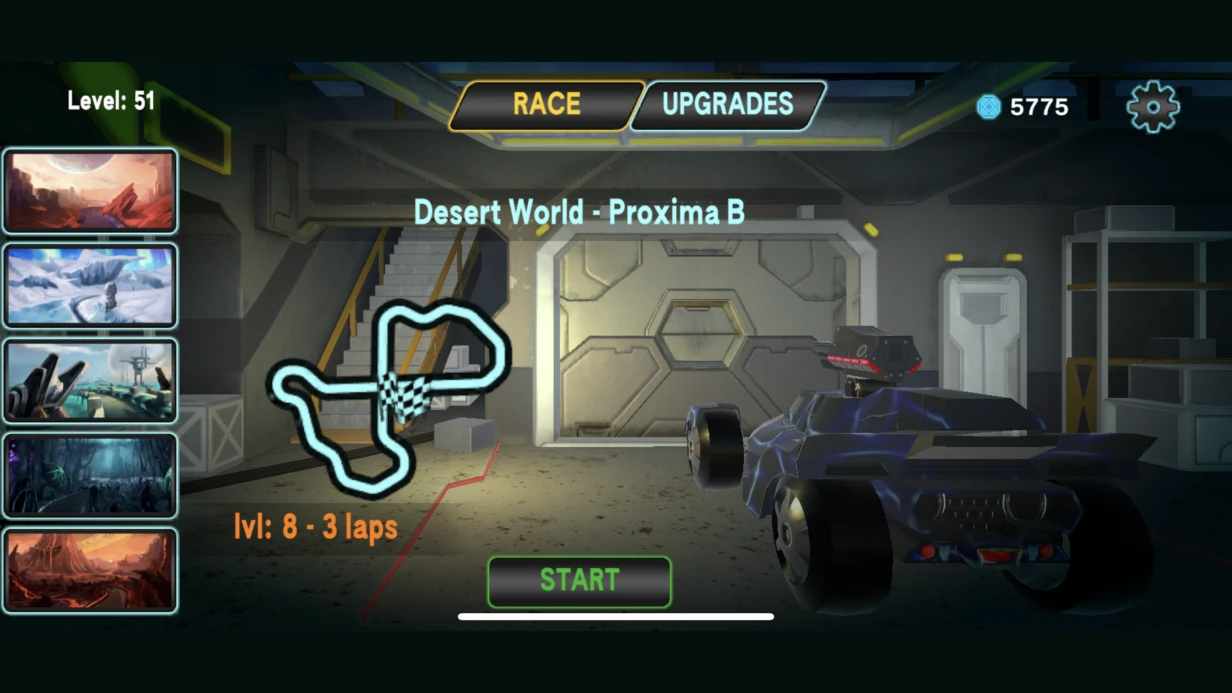
בדיוק במצב כזה מצאנו את עצמנו עם לקוח — הסטודיו NovaPlay, שהכין משחק נייד עם מטבע וירטואלי להשקה.
הלקוח כבר בנה אב-טיפוס ניתן למשחק ותכנן לשחרר אותו לקהל בדיקה בעוד שבועיים. הצטרפנו בשלב שלפני ההשקה והצענו לבדוק את שילוב מערכת התשלומים לפני השחרור.
המשימה הייתה פשוטה: לוודא שרכישות מעובדות כראוי, כסף מגיע, והשחקן לא מאבד פריטים שנרכשו במקרה של כשל.
הבדיקה ארכה חמישה ימים וכיסתה את כל התרחישים המרכזיים: תשלום בכרטיס, שירותי תשלום ניידים, הפרעה לתשלום, ניסיון חוזר והחזרים.
ביום השני מצאנו באג קריטי: בחיבור איטי, חלק מהתשלומים "נתקעו," והשרת לא זיכה את המטבע למרות שהכסף נוכה. במדגם בדיקה של אלף עסקאות, זה היווה כ-7% מהעסקאות.
אם אב-הטיפוס היה יוצא למשתמשים במצב הזה, כל תשלום חמישה-עשר היה גורם לאובדן כסף ולתחושות שליליות.
להשקה קטנה שמצפה לאלף התקנות ראשונות, זה היה אומר לא רק הפסדים ישירים אלא גם עשרות ביקורות שליליות שהיו קוברות רכישות חוזרות.
תיקנו את הטיפול בהפעלות שהופרעו והוספנו מנגנון סנכרון מחדש, ואז הרצנו את הבדיקות שוב — כל התשלומים עברו ללא שגיאות.
התוצאה עבור הלקוח: השקה ללא הפסדים, המרת רכישה גבוהה מהצפוי בהתחלה, וללא תלונות תמיכה על תשלומים בכלל.
NovaPlay נשארו איתנו לשלב הבא — פיתוח הגרסה המלאה של המשחק ושילוב אמצעי תשלום נוספים.
המקרה הזה מאשר כלל פשוט: בדיקת שילוב מערכת תשלומים על אב-טיפוס עולה שבריר ממה שאתה מפסיד מהכנסות אבודות ומוניטין פגום אחרי השקה כושלת.
איך לבחור פורמט אב-טיפוס להשקה מהירה?
בחירת פורמט אב-הטיפוס תלויה באיזו השערה אתה בודק. לבדיקת שילוב מערכת תשלומים, המפתח הוא לאשר שהמשתמש מגיע לתשלום, רואה את האישור וחוזר למשחק.
לא צריך מוצר מלא בשביל זה — מספיק תרחיש עם מסכים מרכזיים ושרשרת תשלום אמיתית.
שלושה גורמים חשובים כאן: לוחות זמנים, תקציב הפרויקט ועומק הפירוט. להשקה מהירה, שני פורמטים עובדים. הראשון הוא תרחיש אינטראקטיבי: נתיב "הרשמה → רכישה → אישור" ללא מכניקות משחק. זה דורש הכי פחות זמן והשקעה.
השני הוא אב-טיפוס ניתן למשחק עם מכניקות בסיסיות ורכישת בדיקה אחת. זה עולה יותר אבל מראה איך התשלום משתלב בלולאת המשחק ולא מפריע לשחקן.
אם התקציב מוגבל ולוחות הזמנים לחוצים, בחר באפשרות הראשונה והקפד להריץ אותה עם 10–15 משתמשים אמיתיים.
אם המוצר כבר קרוב להשקה ואתה צריך לבדוק שימור אחרי רכישה, בחר בפורמט הניתן למשחק. אנחנו עוזרים לך להימנע מטעויות: בהתחלה, אנחנו מגדירים את המטרה, בוחרים את הפורמט ומעריכים בכנות לוחות זמנים ותקציב. אתה מקבל את התשובה לפני שאתה מתחייב לפיתוח מלא.
פורמט שנבחר כראוי הוא דרך להבין במהירות אם השילוב "משחק + תשלומים" עובד. תחסוך זמן וכסף, ונתוני אב-הטיפוס יהפכו לבסיס להחלטת ההשקה שלך. הבחירה היא שלך, ואנחנו נציע את הנתיב האופטימלי למשימה שלך.
שאלות נפוצות על פיתוח אב-טיפוס וערבויות
הנה תשובות לחששות המרכזיים של לקוחות: לוחות זמנים, תקציב, ערבויות ושיפורים. ללא פרטים טכניים — רק מה שעוזר לך לקבל החלטה.
כמה זמן לוקח אב-טיפוס עם בדיקת שילוב מערכת תשלומים?
בממוצע, 10–15 ימי עסקים: אנחנו מגדירים את שער התשלום, מריצים עסקאות בדיקה ומאמתים תרחישי תשלום — מחיובים מוצלחים ועד החזרים. לוחות הזמנים קבועים בחוזה, כך שאתה יודע את תאריך הסיום מראש ויכול לתכנן את ההשקה.
למה העלות לא מוכרזת מיד, בלי בריף?
המחיר תלוי בסוג התשלום במשחק — מנוי, רכישה חד-פעמית או פריטים בתוך המשחק — ובמספר תרחישי הבדיקה. אחרי בריף קצר, אנחנו קובעים את הערכת העלות המדויקת בהערכה: ללא תוספות נסתרות. אתה רואה את התקציב המלא לפני התחלה.
מי אחראי אם משהו משתבש?
אנחנו אחראים לתוצאה הסופית: אחרי מסירת אב-הטיפוס, תשלומים עובדים על מכשירי שחקן אמיתיים. שגיאות שנמצאו בשלב הבדיקה מתוקנות על חשבוננו.
אחרי ההשקה, חלה אחריות — למשך חודשיים אנחנו תומכים בתשלומים ופותרים בעיות ללא תשלום.
מה אם נצטרך שיפורים אחרי ההשקה?
אנחנו יוצרים את אב-הטיפוס עם פיתוח עתידי בחשבון: ניתן להוסיף אמצעי תשלום חדש, מטבע או אזור ללא שכתוב הקוד. לשיפורים, אנחנו מכינים הערכת עלות עם לוחות זמנים — העלות והתכנית גלויות לפני תחילת העבודה. עריכות בתוך הפונקציונליות המוסכמת נעשות ללא תשלום נוסף.
בואו נדון בפרויקט שלך ונציג תכנית פעולה
ספר לנו על המשימה שלך: איזה משחק או אפליקציה זה, אילו מערכות תשלום אתה רוצה לחבר, ובאיזה שלב הפרויקט נמצא. נבחן את הנתונים שלך ונציע את פורמט אב-הטיפוס האופטימלי לבדיקת שילוב תשלומים לפני שתשקיע בפיתוח מלא. זה חוסך זמן ותקציב, ואתה מקבל החלטה מבוססת, לא ניחושים.
אנחנו עובדים מרחוק, עם ניסיון של למעלה מ-10 שנים ועשרות פרויקטי משחק מוצלחים מאחורינו. אין צורך בביקור במשרד — מספיקה שיחת וידאו קצרה.
במהלך הפגישה, נצלול להקשר העסקי שלך, נענה על שאלות ונציע תכנית פעולה לשבועות הקרובים.
אחרי שתשלח בקשה, תקבל:
- תכנית עבודה ברורה לאב-טיפוס לבדיקת שילוב מערכת תשלומים.
- לוחות זמנים והערכת שלבים לפני תחילת הפיתוח.
- מפת סיכונים לעיבוד תשלומים ודרכים להימנע מסיכונים אלה מראש.
- המלצות על בחירת אמצעי תשלום לקהל שלך.
- רשימת צעדים הבאים: מה אתה עושה, מה אנחנו לוקחים על עצמנו.
- תנאי שיתוף פעולה שקופים ונוהל תשלום.
אין צורך במפרט טכני מורכב — תאר את הרעיון שלך במילים שלך, ואנחנו נהפוך אותו לתכנית קונקרטית. השאר את פרטי הקשר שלך דרך הטופס באתר או כתוב לנו בכל מסנג'ר נוח.
ניצור קשר תוך יום עסקים אחד, נקבע שיחה ונדון בפרטים. אנחנו גם תומכים בפרויקט אחרי השקת אב-הטיפוס — עוזרים לך לנתח תוצאות ולתכנן פיתוח נוסף.