




Backend חלש מבריח שחקנים? תקנו את זה עם Python (Django/FastAPI)
כשמשחק אונליין מגמגם, קורס, או מאבד התקדמות, שחקנים לא חוקרים את הסיבות — הם פשוט עוזבים. לפי סטטיסטיקות, אחרי התקלה הטכנית הראשונה, עד מחצית מהמשתמשים החדשים לא חוזרים, וכל ביקורת שלילית מרחיקה עשרות משלמים פוטנציאליים. Backend חלש למשחק הוא לא "פרט טכני" פנימי אלא אובדן הכנסות ישיר.
הבעיה היא שה-backend הופך לצוואר בקבוק דווקא בזמני שיא: כששחקנים רבים נכנסים, השרת לא עומד בעומס, מופיעים עיכובים, וסשנים אובדים.
שחקנים לא סולחים על חוסר יציבות: דירוגי החנויות יורדים, שימור השחקנים נחלש, ורכישת משתמשים חדשים מתייקרת. במקום צמיחה של הפרויקט, אתם מקבלים זרם קבוע של תלונות לתמיכה.
אנחנו פותרים את הכאב הזה על ידי פיתוח backend אמין למשחקים ב-Python באמצעות Django ו-FastAPI — מחסנית שמשלבת מהירות פיתוח עם עמידות בעומסים.
Backend כזה מטפל בשמירות, אימות זהויות ולוגיקת משחק ללא אובדנים, והארכיטקטורה מאפשרת קנה מידה ככל שהקהל גדל. עבורכם, זה אומר משחק אונליין יציב, שחקנים מרוצים ומדדי שימור צפויים.
אנחנו מתכננים לפי התרחישים של המשחק שלכם: מההשקה ועד אירועי שיא כשהשרת חייב להתמודד עם כל השחקנים שנכנסים בו-זמנית. אנחנו חושבים על הגנה מפני אובדן נתונים, תגובות מהירות ואינטגרציה קלה עם לקוחות המשחק. בסופו של דבר, אתם מקבלים לא רק קוד אלא את הבסיס שעליו נשען הכלכלה של הפרויקט שלכם.
מה backend אמין למשחק מביא לפרויקט שלכם
Backend אמין למשחק הוא לא פרט טכני אלא הבסיס שעליו נשענים חוויית השחקן וההכנסות שלכם. אם השרת מגיב באיחור או קורס ברגעי שיא, משתמשים עוזבים למתחרים, ולא תהיה הזדמנות שנייה.
אנחנו בונים את צד השרת ב-Python באמצעות Django ו-FastAPI — כלים מוכחים שמבטיחים ביצועים צפויים גם תחת עומס גבוה.
זה אומר שהפרויקט שלכם ירוץ ביציבות כשמאות ואלפי משתמשים משחקים בו-זמנית, ולא תאבדו לקוחות בגלל תקלות טכניות.
ביצועים הם הדבר הראשון ששחקן מבחין בו. טעינה מהירה, תגובה מיידית לפעולות, סנכרון התקדמות בלי "ספינרים" אינסופיים — כל זה מגביר שימור והמרה לרכישות בתוך המשחק. ה-backend שלנו מתוכנן לעבד אלפי בקשות בבת אחת, בלי לגרום למשתמש לחכות.
קנה מידה הוא היתרון השני. המשחק שלכם עשוי להתחיל עם כמה מאות משתמשים ולגדול למיליונים תוך חודש.
הארכיטקטורה של Python מאפשרת הוספת קיבולת חדשה בלי לשכתב קוד או לעצור את הפרויקט, כך שאתם משלמים רק על מה שצריך עכשיו ומתרחבים ברוגע כשההצלחה מגיעה.
חיסכון בזמן הוא התוצאה החשובה השלישית. מודולים מוכנים לאימות זהויות, תשלומים, דירוגים וחברויות מקצרים את זמן הפיתוח פי כמה.
במקום לכתוב הכל מאפס, אתם מקבלים פונקציונליות עובדת במהירות, והצוות משקיע זמן במכניקות הייחודיות של המוצר שלכם במקום בשגרה.
בסופו של דבר, backend אמין למשחק אומר משחק יציב, משתמשים מרוצים וצמיחת הכנסות צפויה. אתם לא מכבים שריפות — אתם מפתחים את המוצר ורואים אותו מייצר רווח.
פורמטי עבודה: מאב-טיפוס ועד שירות בקנה מידה גדול
כל פרויקט משחק מתחיל בשאלה: כמה השקעה נדרשת בהתחלה ומה נקבל בתמורה. אנחנו מציעים כמה פורמטי שיתוף פעולה — מאב-טיפוס קטן ועד מחזור פיתוח מלא.
אתם בוחרים את רמת המעורבות, ואנחנו לוקחים על עצמנו את צד השרת כך שהמשחק ירוץ ביציבות גם עם עלייה חדה במספר השחקנים.
בליבו של כל פורמט עומד backend ב-Python: מערכת אקולוגית בוגרת שמאיצה פיתוח ומפשטת הרחבת תכונות עתידית.
אתם לא צריכים להיכנס לפרטים טכניים — מה שחשוב הוא שהפרויקט מקבל בסיס איתן והצוות מגיב במהירות לשינויים בשוק.
| פורמט | למי | מה זה נותן ללקוח |
|---|---|---|
| אב-טיפוס (MVP) | סטארטאפים ואולפנים בשלב הרעיון | השקה מהירה של גרסה מינימלית לבדיקת מכניקות ואיסוף משוב שחקנים |
| פיתוח מפתח | חברות שצריכות מוצר מוכן | מחזור מלא: מעיצוב לוגיקת השרת ועד השקה ומסירת תיעוד |
| מיקור חוץ של backend | צוותי פרויקט ללא צד שרת משלהם | העצמת מומחיות, ללא צורך בגיוס מומחה נפרד או הוצאות על תשתית |
| תמיכה ופיתוח | מוצרים שכבר פעילים | שיפורים מתמשכים, אופטימיזציית עומסים והוספת תכונות חדשות כדי לעמוד בביקוש הגדל |
אב-טיפוס מתאים כשצריך לבדוק במהירות השערה ולהראות למשקיעים את הגרסה הראשונה. מחזור מלא הוא למקרה שרוצים להאציל את כל צד השרת ולקבל תוצאה מוגמרת בתוך לוחות זמנים מוסכמים.
מיקור חוץ של backend הוא אופטימלי לצוותים שמתמקדים בצד הלקוח אבל לא רוצים לאבד מהירות בגלל חוסר מומחיות בשרת.
אנחנו עובדים על ציוד מקצועי ומשתמשים בכלים מוכחים, כך שהלקוח מקבל תוצאה צפויה. פורמט שיתוף הפעולה נקבע בהתחלה, וכל הסיכונים והיקף העבודה מוגדרים בחוזה — בלי משימות נסתרות או שינויים פתאומיים במהלך הפיתוח.
שלבי פיתוח ה-backend למשחק שלכם
פיתוח צד שרת למשחק הוא תהליך שבו חיזוי הוא המפתח. עיצבנו את השלבים כך שתמיד תבינו מה קורה, מה לוחות הזמנים ומה תוצאה תקבלו. להלן תוכנית עבודה טיפוסית שאנחנו משתמשים בה ברוב הפרויקטים.
- בריף — אתם מתארים את המכניקות, מספר השחקנים והפונקציונליות הנדרשת. אנחנו מתעדים את הדרישות ומסכמים על לוחות זמנים כדי למנוע שינויים בלתי צפויים.
- עיצוב — אנחנו מגדירים את מבנה צד השרת כך שיוכל להתמודד עם העומס שלכם ולאפשר הוספת תכונות בקלות. אתם מקבלים תוכנית פיתוח.
- פיתוח — אנחנו כותבים קוד ב-Python עם ספריות מוכחות. כל 1-2 שבועות אנחנו מציגים גרסאות ביניים כדי שתוכלו לראות התקדמות ולהשפיע על פרטים.
- בדיקות — אנחנו בודקים יציבות ואבטחה בתנאים קרובים למציאות. אנחנו מתקנים בעיות לפני שהן משפיעות על שחקנים. אתם מקבלים דוחות בדיקות.
- השקה — אנחנו פורסים את המערכת על השרת שלכם או בענן, מגדירים גיבוי וניטור. אתם שולטים בתהליך; אנחנו מטפלים בצד הטכני.
- תמיכה — אחרי ההשקה אנחנו מנטרים ביצועים, מתקנים תקלות במהירות ומוסיפים פונקציונליות נדרשת. המשחק שלכם רץ ביציבות, בלי כיבוי שריפות.
מה כלול במסירת ה-backend למשחק
כשאתם מזמינים backend למשחק, אתם לא קונים שורות קוד אלא שרת יציב שמחזיק שחקנים ומייצר הכנסות.
לכן אנחנו כוללים חבילה מלאה במסירה: מארכיטקטורה ועד העברת זכויות, כדי שתוכלו להשיק את המשחק, לפתח אותו ולא להיות תלויים בקבלנים ספציפיים.
אנחנו בונים את ה-backend ב-Python (Django/FastAPI). המסירה כוללת:
- ארכיטקטורת backend. אנחנו בונים אותה עם העומס של המשחק שלכם בראש: חיבורי שיא, פעולות שחקנים בו-זמנית, צמיחת מסד נתונים לאורך זמן. השרת לא "קורס" ברגע הקריטי ביותר.
- ממשק תוכנה למשחק. אימות זהויות, שמירות, דירוגים, רכישות — כל מה שקורה בין השחקן לשרת הוא תפעולי ומתועד.
- אינטגרציה של שירותים חיצוניים. מערכות תשלום, רשתות חברתיות, אנליטיקה, ניוזלטרים — מחוברים בלי "קביים" או עבודה חוזרת.
- פאנל ניהול. הצוות שלכם מנהל שחקנים, תוכן, מבצעים ומאזנים בעצמם — אין צורך לשלוח בקשות למפתח.
- אבטחה. הגנה על חשבונות, אנטי-צ'יט, בקרת שלמות נתונים והגנה על לוגיקת המשחק.
- תיעוד ובדיקות. הוראות להשקה, ניטור וגיבוי; בדיקות עומס וסבילות לתקלות כדי ששחקנים לא יאבדו התקדמות.
- העברת זכויות וקוד. אתם מקבלים קוד נקי, פרטי גישה ותיעוד — תוכלו להעביר את הפרויקט לצוות שלכם או לקבלן חדש.
כל פריט מכסה משימה עסקית ספציפית: מהשקת המשחק ועד צמיחה ומונטיזציה. התוצאה היא ביצועי שרת צפויים, מינימום טרחה ושליטה מלאה במוצר.
מקרה בוחן: איך האצנו שירות משחק ב-40%
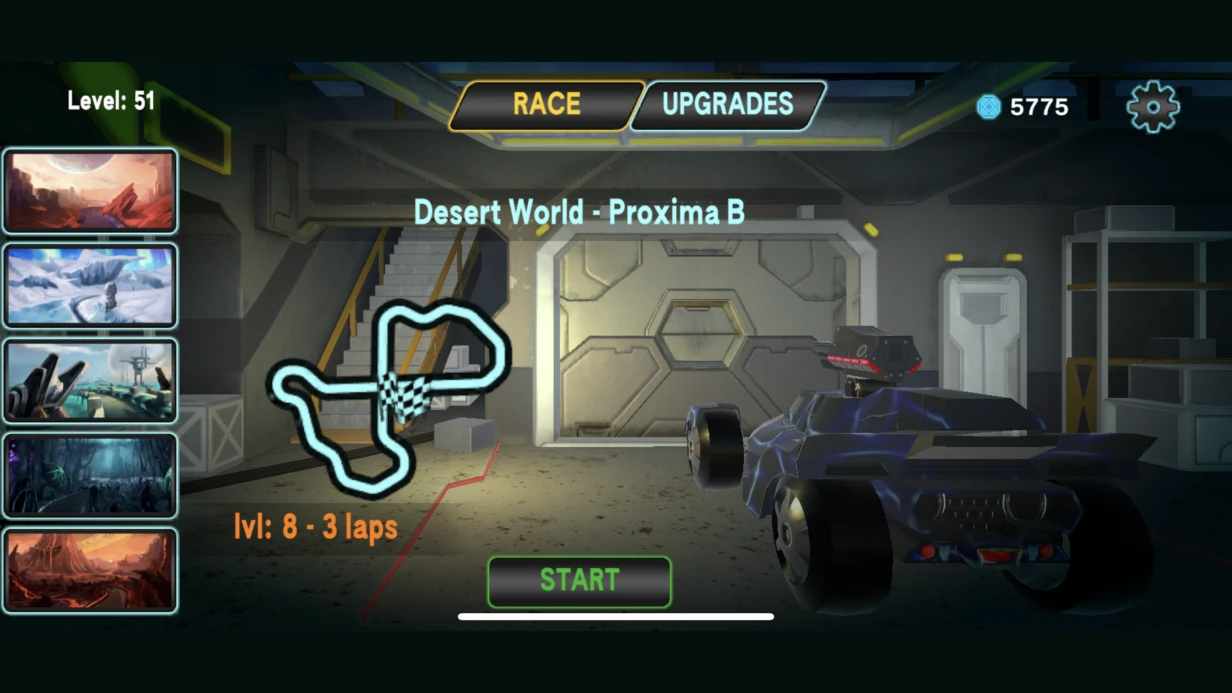
שירות המשחק "World of Speed" נתקל בבעיה: ככל שהקהל גדל, שחקנים החלו להתלונן בהמוניהם על עיכובים, וחלק מהמשתמשים עזבו אחרי הסשן הראשון שלהם.
העומס על השרתים גדל, בעוד שמהירות התגובה של המשחק ירדה — זה השפיע ישירות על ההכנסות כי שחקנים לא מרוצים ביצעו רכישות בתוך המשחק בתדירות נמוכה יותר. היה קשה במיוחד בשעות הערב ובמהלך טורנירים, כשהתחרו אלפי אנשים בו-זמנית.
ערכנו ביקורת על צד השרת ומצאנו שצווארי בקבוק בארכיטקטורה האטו את המכניקות הפופולריות ביותר במשחק. עבדנו מחדש את הלוגיקה ב-Python באמצעות פריימוורקים מוכחים — עכשיו המערכת מתקפלת בגמישות תחת עומסי שיא.
השינויים העיקריים נגעו לטיפול בסשנים של משחק וסנכרון נתונים, שזה בדיוק מה שנותן לשחקנים את התחושה ש"הכל מהיר ברק".
התוצאה הייתה האצה של 40% בשירות המשחק בפעולות מפתח. זמן התגובה ירד, הסשנים הפכו ליציבים יותר, ומספר השחקנים בו-זמנית כמעט הוכפל בלי השקעה נוספת בחומרה.
זמן טעינת פרופיל ממוצע ירד, החנות בתוך המשחק נפתחת מיידית, ונפילות חיבור הפכו לנדירות.
אחרי שהגרסה המעודכנת הושקה, מספר המשחקים שהושלמו גדל בשליש, וביקורים חוזרים של שחקנים גדלו — זה הופיע מיד במונטיזציה של הפרויקט.
הלקוח קיבל לא רק backend "מתוקן" אלא בסיס להמשך צמיחה: הוספת מצבי משחק חדשים והרחבת הקהל הפכו לקלים ומהירים יותר. עכשיו השירות מתמודד בביטחון עם עומסי שיא, והצוות יכול להתמקד בפיתוח המוצר במקום בכיבוי שריפות.
מה אם אתם צריכים פונקציונליות ספציפית למשחק?
לפעמים פתרונות סטנדרטיים לא נותנים את התוצאה הנדרשת. המשחק מתמודד גרוע עם עומס, הכלכלה לא מסתדרת, צריך אינטגרציה עם מערכת פנימית של החברה — ופונקציונליות טיפוסית לא מכסה את זה. למקרים כאלה, אנחנו מספקים פיתוח מותאם אישית.
אנחנו בונים את צד השרת סביב הלוגיקה שלכם מאפס, במקום להתאים פריימוורק מוכן של מישהו אחר. זה אומר שדרישות לא סטנדרטיות הופכות מכאב ראש ליתרון תחרותי שלכם: אתם מקבלים מכניקות שאין לאף אחד אחר, והן עובדות בדיוק כמתוכנן.
Python (Django/FastAPI) כאן הוא בסיס אמין שעליו אפשר לבנות בביטחון משהו ייחודי. הוא מאפשר להרכיב במהירות גרסה עובדת, לבדוק אותה עם משתמשים אמיתיים ולהרחיב ברוגע בלי לשכתב הכל מאפס. אתם לא מסכנים את לוחות הזמנים או התקציב, גם כשהמשימה נראית מורכבת.
בקיצור, התשובה פשוטה: אם הפרויקט שלכם דורש פונקציונליות ספציפית, זו לא בעיה — זו העבודה שלנו. אנחנו דואגים להכל: מעיבוד הלוגיקה ועד השקה ותמיכה שוטפת.
אתם מקבלים פתרון שמתאים בדיוק לנישה שלכם, נפרס במהירות ומניב תוצאות בצורת המרה גבוהה יותר, טווח הגעה או נוחות למשתמשים שלכם.
שאלות נפוצות על פיתוח backend ב-Python
לפני שפרויקט מתחיל, ללקוחות יש בדרך כלל שלוש קבוצות שאלות: האם נעמוד בלוחות זמנים, עד כמה הנתונים מוגנים, ואיך המערכת החדשה תעבוד עם שירותים קיימים. להלן אנו עונים על הנפוצות ביותר — בקצרה ולעניין.
כמה זמן לוקח פיתוח backend?
לוחות הזמנים תלויים במורכבות הלוגיקה ובמספר האינטגרציות. פרויקט מפתח עם אימות זהויות, מסד נתונים ופאנל ניהול לוקח 2-4 שבועות. אם צריך לחבר מערכות תשלום או שירותים חיצוניים, תכננו מ-1.5 חודשים.
בהתחלה, אנחנו קובעים את השלבים והתאריכים בתוכנית כך שתוכלו לראות התקדמות כל שבוע. עיכובים שנגרמו על ידינו כפופים לקנסות.
עד כמה קוד Python מאובטח?
Python היא אחת השפות הנלמדות ביותר: הקהילה מוצאת וסוגרת במהירות פרצות אבטחה. אנחנו משתמשים בפריימוורקים מוכחים, מפרידים הרשאות גישה ומצפינים חיבורי מסד נתונים.
בנוסף, אנחנו מגדירים הגנה מפני התקפות טיפוסיות — שינוי בקשות, ניחוש סיסמאות בכוח brute force וגישה לא מורשית ל-API. אתם מקבלים שירות יציב שלא תתביישו בו מול לקוחות.
האם אפשר לחבר את ה-backend ל-CRM או לאתר שלכם?
כן, זו משימה יומיומית. Backend ב-Python מחבר בקלות את המשחק לשירותים חיצוניים — CRM, שערי תשלום, אנליטיקה ומערכות שיווק במייל. נתונים זורמים בשני הכיוונים אוטומטית, בלי ייצוא ידני.
בשלב הבריף, אנחנו אוספים את רשימת המערכות לעבודה ומראים את תוכנית האינטגרציה בתוך השבוע הראשון. תראו מראש אילו נתונים יועברו ובאיזו צורה.
עדיין יש שאלות על לוחות זמנים, אבטחה או תאימות לשירותים שלכם? תארו את המשימה שלכם בשני משפטים — נחזור אליכם עם הערכה ואפשרויות פתרון תוך יום עסקים אחד.מוכנים להתחיל? קבלו תוכנית וייעוץ
רוצים להשיק את המשחק בזמן ובלי הפתעות? התחילו בייעוץ קצר: ספרו לנו על המשימה שלכם, ואנחנו נציע את דרך העבודה האופטימלית ל-backend של השרת ב-Python (Django/FastAPI).
תקבלו תוכנית עבודה ברורה המותאמת לתקציב וללוחות הזמנים שלכם, לא הצעה מסחרית מופשטת.
מלאו את הטופס או כתבו לנו בכל מסנג'ר נוח — ניצור קשר תוך יום עסקים אחד ונענה על השאלות שלכם. יחד נגדיר מטרות, נדון בהיקף ובסדר השלבים, כך שתדעו מראש מה תקבלו ואיך שיתוף הפעולה יעבוד.
מה תקבלו מהפנייה שלכם:
- ייעוץ על ארכיטקטורה ועומסים — עם דגש על מטרות הפרויקט ונוחות השחקן.
- תוכנית עבודה עם שלבים ולוחות זמנים: תוכלו לראות מתי תופיע גרסת הבדיקה ומתי תהיה ההשקה.
- הערכת מאמץ: אתם מבינים אילו משימות אנחנו לוקחים על עצמנו לחלוטין ומה נדרש מכם.
- המלצות לאופטימיזציה של צד השרת, כך שצמיחת שחקנים לא תוביל לתקלות או לאובדן הכנסות.
- משוב שקוף בכל שלב: אתם מקבלים תוצאות על סמך עובדות, לא הבטחות.
- תמיכה לאחר ההשקה: אנחנו נשארים בקשר ועוזרים בשיפוצים כשהמשחק כבר חי.
הזמנת פיתוח backend מפתח מסוג מפתח פירושו הסרת סיכונים טכניים והתמקדות בחוויית המשחק ובשיווק. השאירו פנייה: נשלח לכם תוכנית ונענה על כל השאלות.
הצעד הראשון לוקח חמש דקות, והיתרון של התחלה נכונה נמשך לאורך כל מחזור חיי הפרויקט.