


מדוע העסק שלך צריך משחק אנדרואיד היום
הלקוחות שלך מבלים שעות רבות ביום בסמארטפונים שלהם. הם גוללים בפידים, משחקים במשחקי קז'ואל, מבצעים רכישות באפליקציות—וכמעט לא שמים לב לפרסום מסורתי.
אם המותג שלך נעדר מהמרחב הזה, המתחרים תופסים את מקומך: הם כבר השיקו משחקים ניידים ומחזיקים את תשומת הלב של הקהל במקום שבו אתה עדיין לא נוכח.
היעדר משחק אנדרואיד אינו רק טרנד שהוחמץ—זוהי אובדן ישיר של קשר עם לקוחות נאמנים. משחק מאפשר למותג להיות לצד המשתמש בזמן הפנאי: בזמן שהם ממתינים לתחבורה, עומדים בתור, או נרגעים בערב.
זהו זמן תשומת לב שבאנר רגיל לא יכול לקנות—וזה בדיוק מה שהמתחרים לוקחים כרגע.
הביקוש לתוכן בידורי במכשירים ניידים ממשיך לגדול. משתמשים מורידים בשמחה משחקים פשוטים וברורים שמביאים רגשות ונותנים סיבה לחזור.
עבור עסקים, זהו ערוץ רכישת לקוחות מוכן: המשחק מציג את המוצר, מגייס באמצעות מכניקות, ומוביל בעדינות לפעולה הרצויה—מהרשמה ועד רכישה.
בצוות שלנו אנחנו סוגרים את הפער הזה: אנחנו מתכננים ומפתחים משחקים ניידים לאנדרואיד שפותרים בעיה עסקית, לא רק מבדרים.
עם ניסיון של 10+ שנים, עברנו מרעיון ועד השקה בעשרות פרויקטים ואנחנו יודעים איך ליצור משחק שאנשים יורידו, ישחקו בו, ויספרו עליו לחברים.
אילו יתרונות עסק מקבל ממשחק נייד ב-Unity
משחק נייד אינו בידור, אלא כלי שיווקי עובד. הוא פועל עבור המותג מסביב לשעון: המשתמש מוצא אותו בחנות האפליקציות בעצמו, חוזר אליו ברגע פנוי, ומספר עליו לחברים.
בניגוד לפרסום, המשחק לא נעלם לאחר סיום הקמפיין—הוא נשאר בכיס של הלקוח וממשיך לעצב את הרושם מהחברה.
היתרון הראשון הוא הגדלת מודעות למותג. מכניקות משחק הקשורות למוצר או לשירות שלך מעבירות בעדינות וללא חיכוך מסרי מותג מרכזיים. כל רמה, דמות או אלמנט ויזואלי עובדים כמיני-פרסומת שאינה גורמת לדחייה. השחקן נהנה, והמותג נזכר ברמה אסוציאטיבית.
היתרון השני הוא שימור לקוחות. משחקים כוללים מכניקות התקדמות ותגמול שמניעות שחקנים לחזור שוב.
זהו כלי מוכן להגברת נאמנות: אתה יכול לתגמל לקוחות קבועים, להעניק בונוסים על השלמת משימות, או לבנות מאגר של משתמשים פעילים. כך משחק הופך מבקרים חד-פעמיים לקהל נאמן.
היתרון השלישי הוא ערוץ מכירות חדש. בתוך המשחק אפשר לשלב בצורה חלקה תצוגת מוצר, מבצעים או קודי קידום. משתמשים המעורבים בתהליך נענים להצעות יותר בקלות מאשר בפרסום קלאסי.
זה חשוב במיוחד לקהלים ניידים: שוק המשחקים הוא עצום, ומשחק איכותי פותח גישה למיליוני לקוחות פוטנציאליים.
לבסוף, המשחק מחזק ערוצי שיווק אחרים. קל לנהל על בסיסו תחרויות, פרויקטים מיוחדים ומבצעים, וסטטיסטיקת פעולות השחקנים מראה במה הקהל שלך באמת מתעניין.
פיתוח ב-Unity הוא דרך מוכחת לשחרר מוצר לאנדרואיד במהירות ולקבל את כל היתרונות המפורטים לעיל.
פורמטים של פיתוח משחקים לאנדרואיד למשימות שונות
פורמט משחק אינו רק ז'אנר, אלא דרך לפתור בעיה עסקית ספציפית.
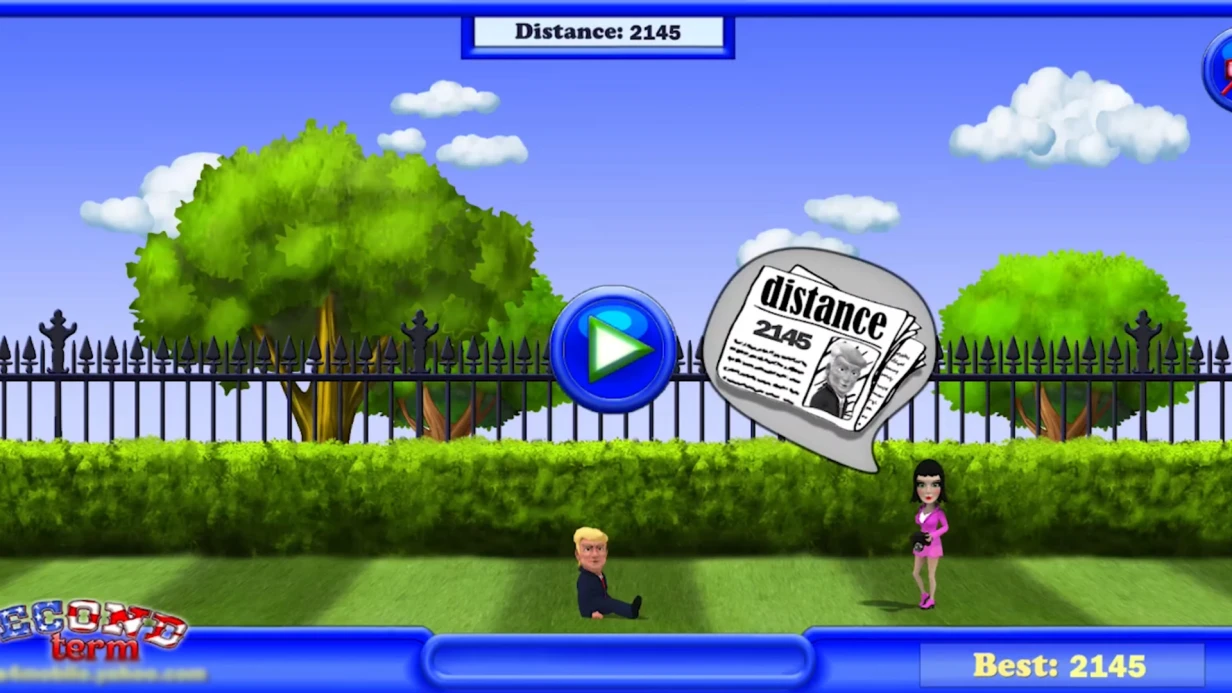
משחק ארקייד, בזכות שליטה פשוטה וסשנים קצרים, מגייס קהל המוני; סימולטור מטביע שחקנים בתהליך ריאליסטי; ופאזל מחזיק את תשומת הלב של קהל חושב ומאמן את החשיבה שלו. העיקר הוא שהמכניקות תואמות את המטרה שלך: רכישה, חינוך או שימור.
בצוות שלנו אנחנו מפתחים משחקי אנדרואיד כדי לעמוד ביעדי הלקוח, לא "סתם משחק". להלן טבלת פורמטים שעסקים בוחרים לרוב ומה כל אחד מהם נותן ללקוח.
| פורמט | מתאים ל | מה הוא נותן ללקוח |
|---|---|---|
| ארקייד | מותגים עם קהל רחב: קמעונאות, חנויות מקוונות, קמפיינים קידומיים | הגעה מקסימלית, שיתוף בין חברים, סשנים קצרים—השחקן חוזר שוב ושוב |
| סימולטור | חברות ייצור, הדרכת עובדים, הצגת מוצר מורכב | הדגמה ויזואלית של פעולות, אימון מיומנויות בטוח ללא סיכון או עלות |
| פאזל | פיננסים, לוגיסטיקה, חינוך, מותג מעסיק | גיוס קהל אינטלקטואלי, שימור לאורך זמן, קישור המותג לאינטליגנציה ולוגיקה |
כל פורמט ניתן להתאמה למכניקות שלך: רמות, תגמולים, אלמנטים תחרותיים. נייעץ לך איזו אפשרות תעבוד הכי טוב עבור הקהל שלך באנדרואיד, ונארז אותה למשחק ששחקנים ירצו לסיים עד הסוף.
אם אתה לא בטוח בבחירה—תאר את המשימה שלך, ואנחנו נציע פורמט שישתלם.
שלבי העבודה על משחק האנדרואיד שלך: מבריף ועד השקה
כל משחק אנדרואיד הוא פרויקט שבו חשוב לעמוד בלוחות זמנים ולקבל תוצאה צפויה. מבננו את התהליך כך שבכל שלב תוכל לראות מה אתה מקבל ולהשפיע על פיתוח המשחק. להלן שישה שלבים שהפרויקט שלך עובר.
- בריף ויעדים. אנחנו מגדירים את מטרות המשחק: מי הקהל שלך, אילו פעולות שחקנים צריכים לבצע, וכיצד המשחק עוזר לעסק שלך—לרכוש לקוחות, להגדיל מודעות או להחזיק תשומת לב.
- קונספט ותסריט. אנחנו הופכים את הבריף למכניקות משחק, סיפור וסגנון ויזואלי. אתה מקבל מסמך המתאר את המשחק שתוכל להראות לצוות או לשותפים שלך.
- אב-טיפוס. אנחנו בונים גרסה ניתנת למשחק של הליבה: שליטה, המכניקה המרכזית, מסך הפתיחה. אתה אישית מנסה את המשחק, ואנחנו מוודאים שהוא מגייס בדיוק את הקהל שלך.
- פיתוח ותוכן. אנחנו ממלאים את הפרויקט ברמות, דמויות, משימות, מטבעות ומכניקות פרסום או בונוס. במקביל, אתה מקבל גרסאות ביניים—ההתקדמות נראית בכל ספינט.
- בדיקות וניפוי שגיאות. אנחנו בודקים את המשחק במכשירי אנדרואיד שונים: שלמות שמירות, ביצועים חלקים, איזון קושי והיעדר הקפאות. אנחנו מתקנים הכל לפני ההשקה כך שהשחקנים הראשונים יראו מוצר איכותי.
- השקה ותמיכה. אנחנו מפרסמים את המשחק ב-Google Play, מגדירים את דף החנות ומקימים אימות רכישות. לאחר ההשקה, אנחנו נשארים בקשר: אוספים משוב, מתקנים בעיות בדחיפות ומתכננים עדכונים.
סדר זה מבטל סיכונים אופייניים: אתה יודע את התקציב ולוח הזמנים מראש, לא משלם על פיתוח "גולמי", ומקבל משחק שבאמת פותר את הבעיה העסקית שלך.
כל שלב מסתיים בתוצר ברור שאתה אישית מאשר—זה מונע פיתוח ממושך ואי-הבנות.
מה כלול במסירת המשחק ואילו זכויות אתה מקבל
בהזמנת פיתוח, חשוב לדעת מראש מה בדיוק אתה מקבל ואילו זכויות תוכל להשתמש בהן. אנחנו קובעים את היקף המסירה המלא בחוזה כך שלא יהיו הגבלות נסתרות או תלות בלתי צפויה במפתח לאחר ההשקה. להלן רשימת בדיקה לקבלת הפרויקט.
- קוד מקור — מלא ועדכני, עם מבנה ברור והערות. אתה לא קשור לסטודיו שלנו ויכול לפתח את הפרויקט עם הצוות שלך או להביא מומחים אחרים.
- כל הזכויות למשחק — אתה הבעלים של כל המשחק: דמויות, סיפור, גרפיקה, רמות ותוכן במשחק. יש לך זכות לבצע שינויים, ליצור גרסאות חדשות ולשחרר עדכונים, כולל גרסאות אנדרואיד.
- תיעוד טכני ומשתמש — תיאור מכניקות, מדריך לבנייה ופרסום בחנויות אפליקציות, הגדרת צד שרת והוראות לצוות שלך.
- הדרכת עובדים — אנחנו מקיימים סדנה שבה המומחים שלך לומדים ניהול משחק: איך לשחרר עדכונים, לשנות איזון, להגדיר אנליטיקה ולעבוד עם אירועים.
- פאנל ניהול ברור — כלי לניהול המשחק ללא תכנות: מבצעים, בונוסים, תנאי תחרות ותוכן ניתנים לשינוי בכמה קליקים.
- תמיכה לאחר השקה — אנחנו מקימים שחרור יציב ב-Google Play ונשארים זמינים לפתרון בעיות בשבועות הראשונים של הפעילות.
כל פריט ברשימה זו מגיע עם קבצי מקור וזכויות מתועדות רשמית. כתוצאה מכך, המשחק אינו "קופסה שחורה" שעובדת רק עם מעורבות הקבלן, אלא נכס עסקי מלא.
אתה שולט בלוח הזמנים, בתקציב וברווחיות הפרויקט, בידיעה שכל הכלים והידע המרכזיים נשארים איתך גם לאחר סיום העבודה.
מקרה בוחן: כיצד יצרנו משחק אנדרואיד לרשת מסעדות
עבור עסק המסעדנות, העיקר הוא לא ביקור חד-פעמי, אלא ההרגל לחזור. רשת של 12 מסעדות, "כיכר טעימה", פנתה אלינו עם בקשה: כיצד להגדיל ביקורים באמצע השבוע ולהעלות את החשבון הממוצע ללא הנחות אגרסיביות. הצענו משחק נייד לאנדרואיד שהופך כל הזמנה להרפתקה קטנה.
מה עשינו
פיתחנו משחק "אספן" עם התפריט והדמויות של המסעדה. אורח הפעיל את המשחק בסמארטפון שלו, הזמין מנות וצבר נקודות: על ביקור, על פריט מהתפריט המיוחד, על הזמנת חברים.
הנקודות פתחו בונוסים ותרמו לדירוג המסעדות ברשת—ההיבט התחרותי גרם לאורחים לחזור.
לפעולה יציבה, השתמשנו בתשתית שרת מקצועית—אפילו בשעות שיא הכל עבד ללא תקלות. המשחק קל לעדכון ולהרחבה עם משימות עונתיות ללא התקנה מחדש.
תוצאות לעסק
בחודשיים, המשחק הביא תועלת מדידה. 4,700 אורחים נרשמו, ומספר סשני המשחק הכולל עלה על 18,000. החשבון הממוצע בקרב שחקנים גדל ב-9%, והביקורים באמצע השבוע עלו ב-15%. 38% מהשחקנים חזרו למסעדה בחודש שלאחר מכן.
ה"מפה לאוזן" היה משמח במיוחד: כל שחקן שלישי הזמין חבר. לאחר ההשקה, הרשת הזמינה מאיתנו משחק שני לעונה חדשה—האישור הטוב ביותר שהפרויקט השתלם.
חששות נפוצים: כיצד אנו מבטיחים יציבות ותמיכה
ספקות לפני הזמנת משחק נייד הם נורמליים. בדרך כלל יש שלושה: המשחק ישוחרר עם באגים, המפתח ייעלם לאחר השחרור, או שהתוצאה לא תביא לקוחות. מבננו את התהליך כך שהחששות האלה מטופלים כבר בהתחלה.
יציבות היא לא רק מילים—זו מערכת. לפני ההשקה, המשחק עובר בדיקות רב-שלביות במכשירי אנדרואיד אמיתיים; לאחר השחרור, אנחנו נשארים בקשר ותומכים בפרויקט. הערבויות קבועות בחוזה—אתה אף פעם לא נשאר לבד עם בעיות.
מה אם יתגלו באגים במשחק לאחר ההשקה?
בחודש הראשון לאחר השחרור, תיקוני באגים כלולים בעלות. תאר את הבעיה או שלח הקלטת מסך—אנחנו משחררים עדכון תוך יום, ותקלות קריטיות מתוקנות אפילו מהר יותר.
כיצד אתם תומכים במשחק לאחר ההשקה?
החבילה הבסיסית היא תמיכה חודשית: אנחנו מנטרים יציבות, מעדכנים תאימות לגרסאות אנדרואיד חדשות ומתקנים תקלות במהירות. החבילה המורחבת מוסיפה תוכן חדש ומאזנת את הכלכלה במשחק.
מה אם משהו משתנה בצוות הפיתוח?
מומחי גיבוי תמיד מכירים את ארכיטקטורת המשחק. אתה לא תלוי באדם אחד—עובד אחר יכול לקחת משימות בכל רגע. אנחנו עובדים בטרקר משותף: אתה רואה את הסטטוס של כל משימה בזמן אמת.
אילו ערבויות אתם נותנים על התוצאה?
אנחנו קובעים לוחות זמנים, היקף והתחייבויות איכות בחוזה. אם נפספס מועד עקב אשמתנו, אנחנו עושים את העבודה על חשבוננו. יש לנו ניסיון של 10+ שנים ומאות פרויקטים ששוחררו מאחורינו, אז אנחנו עונים על התוצאה בתנאים אמיתיים.
התחל פיתוח היום: קבל ייעוץ
אתה כבר יכול לראות משחק אנדרואיד שיביא משתמשים חדשים ורווח, אבל אתה לא בטוח מאיפה להתחיל או כמה זה יעלה.
ייעוץ עוזר להסיר אי-ודאות: אתה מקבל הערכה כנה של הרעיון, לוחות זמנים ריאליים ותקציב לפני תחילת הפרויקט.
אנחנו עובדים ב-Unity, מה שאומר שהמשחק שלך ירוץ ביציבות במכשירי אנדרואיד שונים ויהיה קל להרחבה בעתיד.
במהלך הייעוץ, תלמד אילו מכניקות יחזקו את שימור השחקנים, אילו מודלי מונטיזציה מתאימים לפרויקט שלך, ותקבל תוכנית השקה שלב-שלב—הכל בשפה עסקית, ללא פרטים טכניים.
מה אתה מקבל בייעוץ:
- הערכת עלות לפיתוח בהתבסס על המשימה והתקציב שלך
- לוחות זמנים ריאליים לכל שלב: מאב-טיפוס ועד שחרור ב-Google Play
- הערכה של הרעיון מנקודת מבט שוק ותחרות
- המלצות על מכניקות שיגבירו את מעורבות השחקנים
- תוכנית פעולה ברורה לשבועות הקרובים—ללא הוצאות מיותרות
- תשובות לשאלות על קידום ומונטיזציה של המשחק
השאר בקשה באתר—ואנחנו ניצור איתך קשר תוך יום עסקים אחד. נדון ברעיון שלך, נחשב את העלות ונציע את פורמט שיתוף הפעולה האופטימלי. אתה לא מסתכן בכלום, ואתה מקבל מספרים קונקרטיים ומפת דרכים לקבלת החלטה.
התחל פיתוח עם הצעד הנכון: מלא את הטופס או כתוב לנו בהודעה. נשמח לעזור לך להשיק משחק שמביא תוצאות.
כיצד לבחור את פורמט המשחק למשימה שלך?
בחירת פורמט המשחק מתחילה לא בז'אנר, אלא ביעד העסקי שלך. מה המשחק צריך לעשות—להביא לקוחות חדשים, להגדיל מודעות למותג, להכשיר עובדים או להחזיק את תשומת הלב של המבקרים באירוע?
התשובה לשאלה זו חותכת מיד חצי מהאפשרויות: דבר אחד הוא ארקייד פשוט למשיכת תשומת לב בתערוכה, ודבר אחר לגמרי הוא סימולטור חינוכי לצוות.
לאחר מכן, אנחנו מסתכלים על קהל היעד: מי ישחק—ילדים, מבוגרים, לקוחות עסקיים או עוברי אורח אקראיים בדוכן? גם ההקשר חשוב: האם לאדם יש שתי דקות פנויות, או שהוא מוכן לצלול לתרחיש של 10–15 דקות?
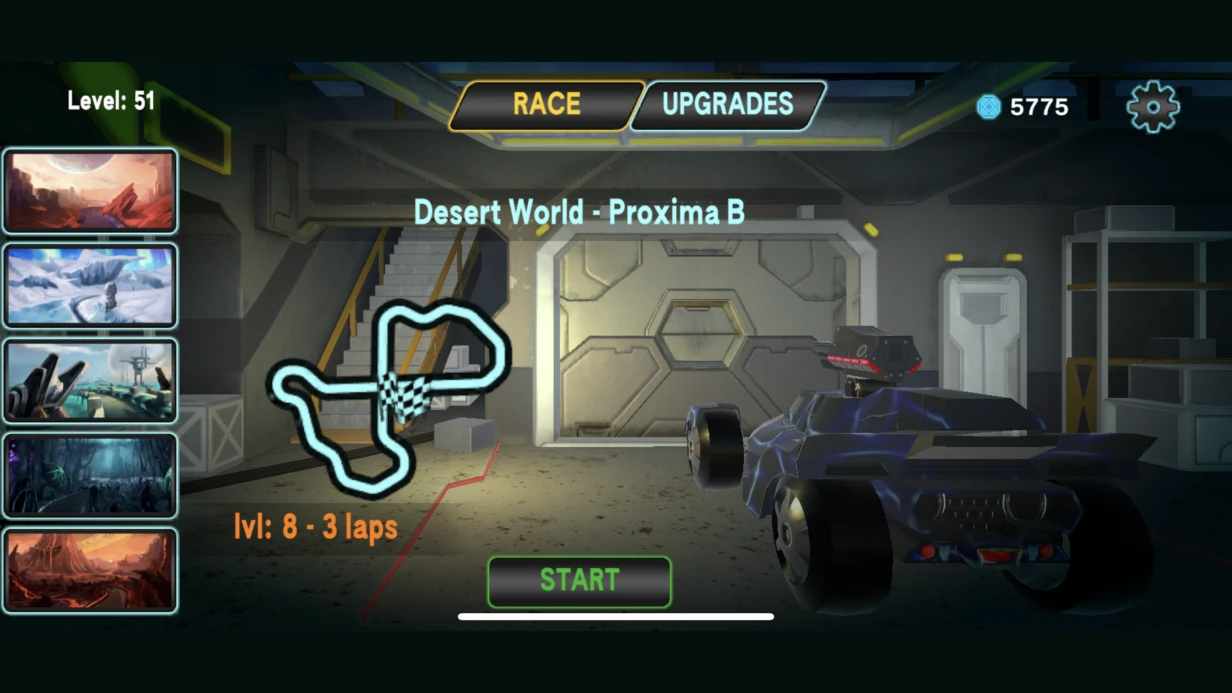
פאזל, מרוץ, חידון או קווסט—כל סוג פותר בעיה משלו ומגייס שחקנים אחרת. יש להתחשב גם במכשיר: עבור אנדרואיד, אנחנו יוצרים משחקים שנוח להפעיל בכל סמארטפון מודרני ללא הכנה מיוחדת.
אם המטרה העיקרית היא הגעה וויראליות, אנחנו בוחרים מכניקות קצרות ובהירות עם תוצאה ברורה: שיאים, נקודות, תחרות בין שחקנים.
אם המשימה היא תקשורת עמוקה עם המותג, סיפור עם רמות ועלילה עובד היטב, שבו המשתמש עובר מיני-תרחיש וזוכר את המסרים המרכזיים שלך. וכשצריך להכשיר או לבחון ידע במהירות, חידונים אינטראקטיביים עם משוב מיידי הם יעילים.
הניסיון מראה שרוב הלקוחות מגיעים עם הרעיון של "תעשו לנו משחק", אבל בלי הבנה של הפורמט.
בהתחלה, אנחנו שואלים שאלות הבהרה על הקהל, מקרה השימוש והתוצאה הצפויה—ורק אז מציעים את סוג המשחק שיביא תועלת מדידה, לא רק ייראה יפה בסטוריז.
בסופו של דבר, בחירת הפורמט היא לא עניין של טעם, אלא הלוגיקה של השגת המטרה שלך. סוג משחק שנבחר נכון חוסך תקציב, מאיץ השקה ומספק מדד הצלחה ברור—ממספר ההתקנות ועד מספר הפעולות שהושלמו. ספר לנו על המשימה שלך—ביחד נקבע את הפורמט שעובד עבור הלקוחות שלך.