

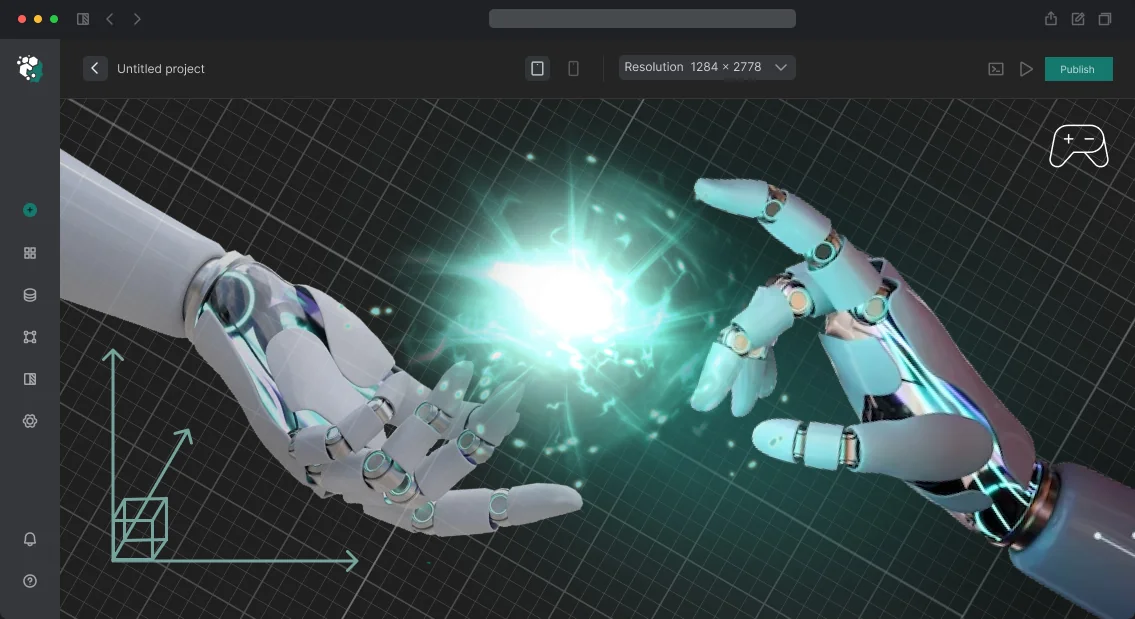
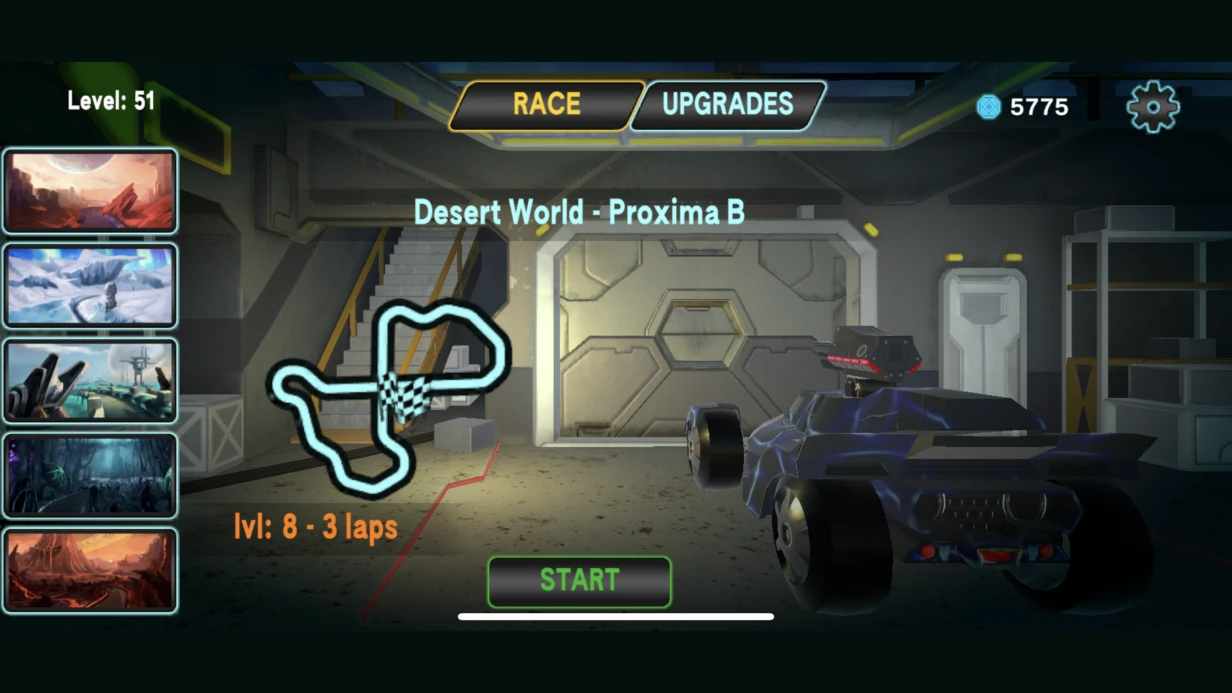

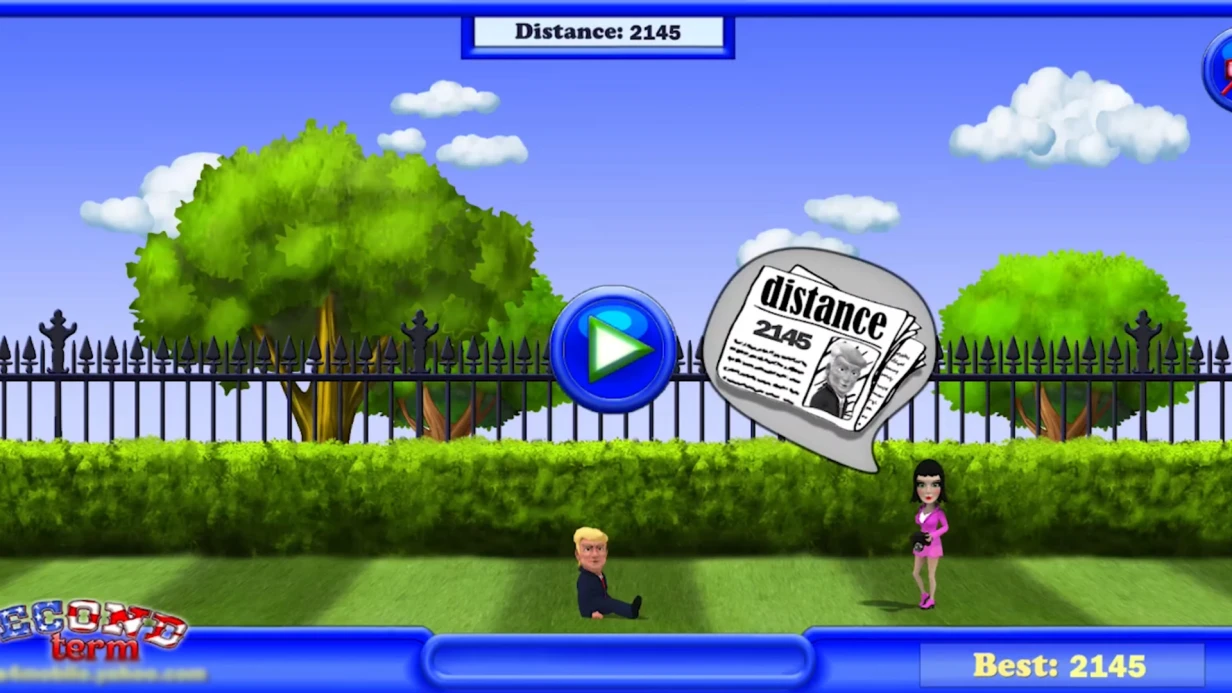
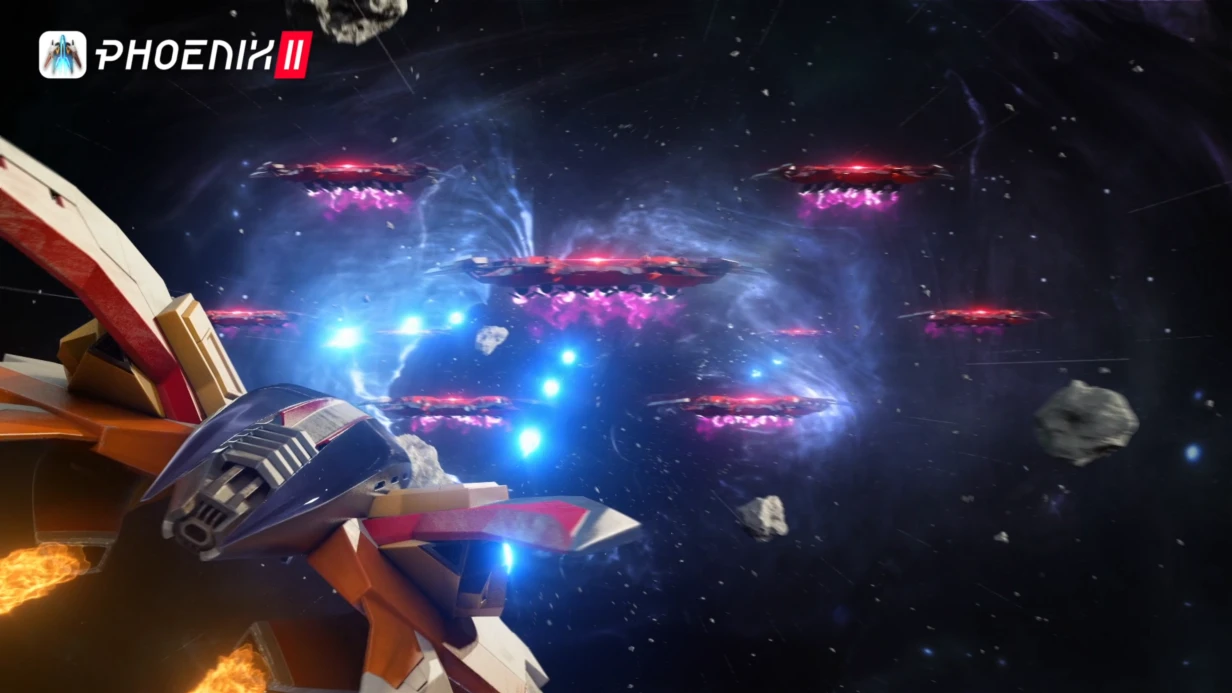
המשחק מוכן, אבל איש לא יודע עליו — חומרי פרומו למשחק
המשחק מוכן: המכניקות מכוילות, השלבים הושלמו, האיזון מדויק. אבל ברגע ההשקה מתברר דבר לא נעים — שחקנים פוטנציאליים פשוט לא שמעו עליו. הם בוחרים בעיניים, בפידים ובקטלוגים, ועוברים למתחרים שההצגה שלהם בולטת יותר, גם אם המשחק עצמו אולי חלש משלכם.
כאן בדיוק מכריעים חומרי הפרומו למשחק. פריימים מתוך הפרויקט, סרטון קצר, ארט מרכזי, הכרזה בקהילות — לפיהם אדם מבין תוך שניות איזה משחק עומד לפניו והאם שווה לבזבז עליו ערב. בלי הצגה כזו אפילו פרויקט חזק נראה כמו עוד ריליס בלתי בולט בזרם הכללי.
קידום המשחק בהשקה הוא החלון הצר ביותר. הימים הראשונים קובעים את הקצב: אם מצליחים למשוך שחקנים ראשונים, הם מביאים ביקורות, דיונים והקלטות משחק חיות, והמוכרות של המשחק גדלה כבר בלי ההשתתפות הקבועה שלכם. תפספסו את הרגע הזה — תצטרכו להדביק את הפער זמן רב יותר וביוקר ניכר.
אנחנו סוגרים את המשימה הזו: מרכיבים חומרי פרומו על בסיס גרפיקת המשחק — מסט פריימים לקטלוגים ועד סרטונים קצרים לרשתות החברתיות ולקהילה. המשחק מתחיל לדבר עם הקהל עוד לפני שהוא מופעל בפעם הראשונה.
מה מקבל האולפן: חשיפה, מוכרות והתקנות אמיתיות
חומרי פרומו למשחק עובדים לא על «יפה», אלא על תוצאה מדידה: כמה אנשים ראו את הפרויקט וכמה מהם חזרו אליו אחרי המגע הראשון. הנה מה שמקבל האולפן כשהפרומו מורכב מגרפיקת המשחק ולא מתמונות סטוק.
- חשיפה לקהל המשחק — פורמטים לכל פלטפורמה: סרטונים אנכיים, פריימים לכרטיסים, עטיפות והכרזות שמתפשטים בערוצים מעצמם.
- התקנות אחרי הפרומו — המעבר מוביל לעמוד עם גרפיקה חיה, ולכן העניין לא דועך באמצע הדרך.
- מוכרות מותג המשחק — שפה חזותית אחידה: מזהים את המשחק לפי פריים עוד לפני שקוראים את השם.
- עניין בפרויקט — סיבות לחזור: פריימים חדשים, עדכונים, מבחרים עונתיים.
מה רואה הקהל
השחקן פוגש את הפרויקט במקום שבו הוא כבר מבלה זמן: בפיד, בהמלצות, בעמוד החנות. הוא רואה לא באנר, אלא סצנה מתוך המשחק עצמו — ולכן עוצר, ולא ממשיך לגלול. את הרף קובעות פלטפורמות מובילות כמו Steam: גרפיקה חלשה בכרטיס פשוט לא אוספת קליקים.
מה מקבל האולפן
האולפן מקבל זרם תשומת לב מנוהל, ולא «אוסף תמונות». החומרים משמשים שוב ושוב: הכרזה הופכת למבחר פריימים, פריימים הופכים לעטיפות לעדכון הבא. צילום אחד בתוך המשחק מכסה כמה השקות, וצוותים חוזרים לפרומו שוב — התוצאה נראית במספרים, ולא רק במוקאפ.
פורמטים של חומרי פרומו למשחק לפי המשימה שלכם
פורמטים של חומרי פרומו מותאמים למשימה: סט אחד נחוץ כדי להביא את המשחק לשוק בקול רם, סט אחר — כדי שהקהל יחזור לפרויקט בין עדכונים. להלן מה שמזמינים הכי часто, ואיזו תועלת זה מביא לכם.
סט חומרים לריליס
לקראת ההשקה אנחנו מרכיבים חבילה שמכסה את כל נקודות המגע הראשונות: עמודי פלטפורמות, פרסום, רשתות חברתיות, ניוזלטרים ועיתונות. הכול בסגנון אחיד ובחבילה אחת — הצוות לא צריך לחפש את הרכיבים החסרים אצל מפיקים שונים.
| פורמט | למי | מה זה נותן ללקוח |
|---|---|---|
| טריילר לריליס | חנויות, פרסום | רושם ראשוני ברור ויותר התקנות |
| וידאו למשחק — קטעי גיימפליי | קהילות, סטרימרים | חומר שמשתפים אותו ברצון — חשיפה בלי תוספות תשלום |
| גרפיקה לויטרינות של פלטפורמות | עמודי חנויות, באנרים | מדף בולט ויותר מעברים מצפייה |
חומרים לזרם תוכן קבוע
אחרי הריליס המשחק חי מעדכונים ואירועים, וצריך לתמוך בעניין באופן קבוע, ולא במטח אחד. אנחנו שומרים על סגנון אחיד ומוציאים חומרים לכל עדכון — לכם לא צריך בכל פעם לחפש מפיק ולהסביר מחדש איך הפרויקט נראה.
| פורמט | למי | מה זה נותן ללקוח |
|---|---|---|
| סרטונים קצרים לאירועים | רשתות חברתיות, פרסום | החזרת שחקנים וצמיחה במעורבות |
| ויטרינות מתעדכנות | עמודי פלטפורמות | מדף שלא נראה נטוש |
| תבניות למבצעים | הצוות שלכם | חלק מהחומרים נבנה בכוחות עצמכם |
לא רוצים לבחור מהרשימה — ספרו לנו על המשחק והמועדים, ואנחנו נציע סט פורמטים למשימה שלכם.
איך עובד התהליך: מבריף ועד השקה ותמיכה
חומרי פרומו למשחק פותרים שתי משימות: להראות את הפרויקט לפני הריליס ולשמור על העניין אחריו. אנחנו עובדים בשקיפות — אתם תמיד יודעים באיזה שלב הפרויקט, מה כבר אושר ומתי תקבלו את החבילה המוכנה.
לפני תחילת העבודה
- דיון במשימה. מפרקים מה מקדמים: הכרזה, גרסת דמו, עדכון או אירוע במשחק, והיכן יוצגו החומרים.
- ניתוח גרפיקת המשחק. בודקים את המקורות ומחליטים מה לוקחים לפרומו כמו שזה, ומה כדאי לחזק.
- תוכנית ומועדים. קובעים את הרכב החבילה, סדר האישורים ותאריך מסירת החומרים.
- אישור סגנון. מאשרים כיוון חזותי על פריימים לדוגמה — משם כל הסדרה ממשיכה באותו קו.
- הפקה. מציגים גרסאות ביניים ומשכללים לפי ההערות שלכם, עד שהתוצאה מספקת.
- הכנה להשקה. מרכיבים פורמטים סופיים לכל פלטפורמה ומוסרים את החבילה מראש, כדי שלצוות יהיה מרווח זמן.
אחרי ההשקה
העבודה לא נגמרת במסירת הקבצים. אנחנו עוזרים להציב את החומרים, עוקבים אחרי איך הם עובדים בפלטפורמות, ומציעים מה לחזק בגל הבא.
אם אחרי הריליס יוצאים עדכונים או אירועים, חבילת הפרומו מתרחבת — בלי הרכבה מחדש מאפס ובלי אישורים חוזרים. חבילה טיפוסית לוקחת בין שבועיים לארבעה שבועות, קמפיינים גדולים — יותר; מועדים מדויקים קובעים בשלב התוכנית.
מה ייכלל באספקה ויישאר אצל הצוות שלכם
חומרי פרומו למשחק אנחנו מרכיבים כחבילה מוכנה לתאריך השקה מסוים, ולא כאוסף קבצים מפוזרים. האספקה כוללת את כל מה שדרוש לשיווק, למו"ל ולפלטפורמות הפרסום: מידות מאושרות, פורמטים וזכויות שימוש. לא תצטרכו להדביק את הקמפיין בשיפורים אצל קבלנים חיצוניים.
חומרים מוכנים
- סרטון טיזר וגרסאותיו הקצרות לרשתות חברתיות, שידורים ורשתות פרסום.
- באנרים וקריאייטיבים סטטיים לויטרינות חנויות, לעמוד המשחק ולפרסום מדיה.
- ארט מרכזי וצילומי מסך בפרופורציות שכל פלטפורמה דורשת.
- כמה אפשרויות לעטיפה ולסצנה הראשונה — כדי לבדוק איזו הצגה נותנת את התגובה הטובה ביותר.
- פתיחים מונפשים ולופים קצרים לרשתות חברתיות ולסטרימים.
- חבילה להשקת המשחק: החומרים במקום אחד, עם מבנה תיקיות ושמות ברורים.
זכויות ומקורות
- קבצי המקור של החומרים — קבצי פרויקט, שכבות, סטוריבורדים, עריכה — נשארים אצל הצוות שלכם.
- הזכויות לשימוש בחומרים מועברות לכם, כולל התאמות לקמפיינים הבאים ולפרסומים חוזרים.
- הרכב האספקה, המועדים ותנאי השימוש נקבעים במסמך מסירה.
את החבילה מאשרים לפני ההתחלה, כדי שלקראת תאריך הריליס יהיה לכם סט מלא — ותוכלו להשיק קמפיין בכוחות עצמכם.
מקרה בוחן: איך פרויקט משחק קיבל חשיפה אחרי הריליס
אלינו הגיע אולפן עם משחק קבוצתי: הריליס עבר טוב, אבל אחרי כמה שבועות העניין של הקהל התחיל לרדת. לצוות לא היה מחלקת קידום משלו, וחומרי המקור הספיקו לכמה פרסומים בודדים. המשחק היה צריך זרם תוכן שישמור על תשומת הלב בין עדכונים ויביא שחקנים חדשים.
מה עשינו
הרכבנו סדרת חומרי פרומו על בסיס גרפיקת המשחק: קטעים אנכיים קצרים של הרגעים המרהיבים ביותר, מבחרי דמויות מונפשים וסט תמונות לקהילות. במסלול נפרד הלכו חומרים לעדכון — אפשר היה לפרסם אותם מראש בלי להסיח את הצוות מהפיתוח. בתוך חודשיים יצאו יותר מעשרים סרטונים, והערוצים של האולפן, כולל YouTube, עבדו בלי הפסקות.
מה זה נתן לפרויקט
הצפיות בחומרי הפרומו גדלו פי 3.7 לעומת פרסומים שהצוות הכין בכוחות עצמו. כל שחקן חדש רביעי הגיע מקישור בפרומו, ושיא הפעילות בשבועות הראשונים אחרי העדכון נמשך זמן רב יותר — אנשים חזרו למשחק והזמינו חברים.
אחרי חודש האולפן חזר עם בקשה לסט חומרים עונתי: לדבריהם, קל יותר לתמוך בזרם תוכן מאשר להרכיב אותו כל פעם מאפס. כך בדיוק אנחנו בודקים תוצאה — הלקוח חוזר להמשך.
מה אם למשחק יש סגנון לא שגרתי ודרישות קשיחות?
סגנון לא שגרתי של משחק הוא לא מכשול, אלא הסיבה העיקרית לכך שאי אפשר להרכיב חומרי פרומו לפי תבנית. קודם אנחנו מבינים את השפה החזותית של הפרויקט: פלטה, פלסטיקה של דמויות, הצגת מסכים, טון הטקסטים. אז החומרים נקראים כהמשך של המשחק, ולא כפרסומת זרה לצידו.
דרישות מיוחדות של הלקוח אנחנו אוספים לפני ההתחלה וקובעים בכתב. כללי מיתוג פנימיים, מגבלות על תמונות, נוסחים מאושרים, אלמנטים חובה ונושאים אסורים הופכים לחלק מהמשימה, ולא להפתעה בקבלה הסופית.
בהמשך מגיעה התאמה של החומרים לפרויקט. אנחנו מרכיבים מצפן חזותי אחיד לסגנון ומעבירים דרכו כל פורמט: עטיפות חנויות, באנרים, פריימים לרשתות חברתיות, סרטונים, מצגות. אותו גיבור, אותו פונט ואותו צבע נשארים מזוהים, גם אם דרישות הפלטפורמות שונות מאוד.
כדי שלא תנחשו איך זה ייראה, אנחנו מציגים חומר דוגמה אחד או שניים לפני עבודה רחבה. הסגנון פגע — מגלגלים את כל הסט; לא פגע — מתקנים בשלב הזה, כשזה מהיר ובלי עיבודים מחדש.
לכן פרויקט לא שגרתי הוא בשבילנו לא סיכון, אלא משימה רגילה: אנחנו עובדים עם כללי הלקוח הפנימיים באותה תשומת לב כמו עם המשחק עצמו. תארו את הייחוד שלכם — נחזור עם הערכה ותוכנית שבה ייראה איך הוא נלקח בחשבון.
ספקות נפוצים לפני הזמנה ותשובות כנות
לרוב הספקות נשמעים אותו דבר: «כמה תיקונים כלולים», «תספיקו עד ההשקה», «מה יהיה עם החומרים כשנרצה לשנות משהו». אנחנו עונים ישירות, בלי אותיות קטנות.
לגבי תיקונים ושיפורים: חבילת התיקונים בכל שלב מאושרת מראש ונכללת בעבודה — לא תתבקשו להוסיף על כל איטרציה חדשה. אנחנו קובעים את מספר סבבי התיקונים כבר בהתחלה, ואם תוך כדי מתברר שעדיף לפרוס מחדש את הקונספט, נגיד על כך לפני שנעשה, ולא אחרי.
לגבי מועדים האחריות פשוטה: תאריך המסירה קשור להשקה שלכם — הכרזה, עדכון, תערוכה — ואנחנו עובדים מהתאריך הזה אחורה. אם הקבלן עלול לא להספיק, תדעו על כך מיד, כשעוד יש זמן לשנות את התוכנית, ולא יום לפני הפרסום.
מה אם אחרי ההשקה משהו יישבר או יתיישן?
את החומרים אנחנו מוסרים לכם כקבצי מקור בפורמטים עובדים — אתם לא קשורים אלינו ותוכלו לשפר את הפרומו בכוחות עצמכם או עם צוות אחר. אם משהו התנתק או נשבר אצלכם, אנחנו בודקים ומשחזרים: תקופת אחריות אחרי המסירה נכללת בעבודה כברירת מחדל.
גם התיישנות מכוסה: מעדכנים את החזות לגרסה חדשה של המשחק, לעונה או לפלטפורמה — לפי בקשתכם, ולא מאפס. קובצי המקור והמבנה נשארים אותם, ולכן הרכבה מחדש של סט הפרומו לוקחת שעות, לא שבועות.
נדון במשחק שלכם ונחזור עם תוכנית עבודה
כשחומרי פרומו למשחק נעשים «ממה שנשאר», נפגע הדבר היקר ביותר — המוכרות של הפרויקט ואמון השחקנים. לכן אנחנו מתחילים לא מתבניות, אלא משיחה: מה זה המשחק, מי משחק בו, איפה החומרים יעבדו — בחנויות אפליקציות, ברשתות חברתיות, בתערוכה או בפרסום. נדון במשימה ונציע פורמטים שיביאו תוצאה דווקא לכם, ולא «כמו אצל כולם».
מה תקבלו מיד אחרי הפנייה:
- ניתוח המשימה: הקהל שלכם, פלטפורמות מרכזיות, סגנון וטון מתאימים.
- התאמת פורמטים — טריילר, פריימים, באנרים, ארטים — לערוצים מסוימים.
- תוכנית עבודה והערכה: שלבים, מועדים, תחומי אחריות עוד לפני ההתחלה.
- דוגמאות לפרויקטים קרובים בז'אנר והסבר למה הפתרונות עבדו.
- המלצות למועדי פרסום, כדי להספיק להכרזה או להשקה.
- היקף שקוף: מה נכלל בעבודה ומה לא — מדברים על זה מראש.
- נקודת קשר אחת — אתם מדברים עם מי שמוביל את הפרויקט, ולא עם מתווכים.
ההחלטה הבאה היא רק שלכם. תארו את המשחק ואת הפלטפורמות שבהן דרושים חומרי פרומו — נחזור עם תוכנית עבודה והערכה, ואחרי אישור נתחיל מיד בהפקה. אפשר להזמין חומרי פרומו בהודעה אחת: משם הצוות מוביל את התהליך בעצמו, ולכם נשאר לאשר את התוצאה.