

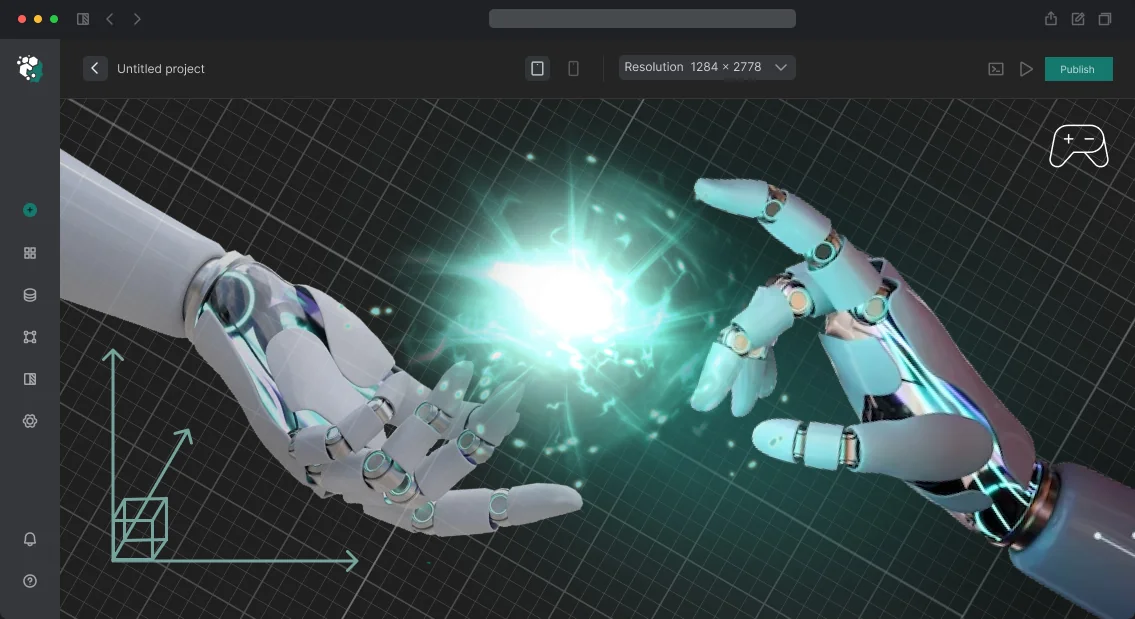
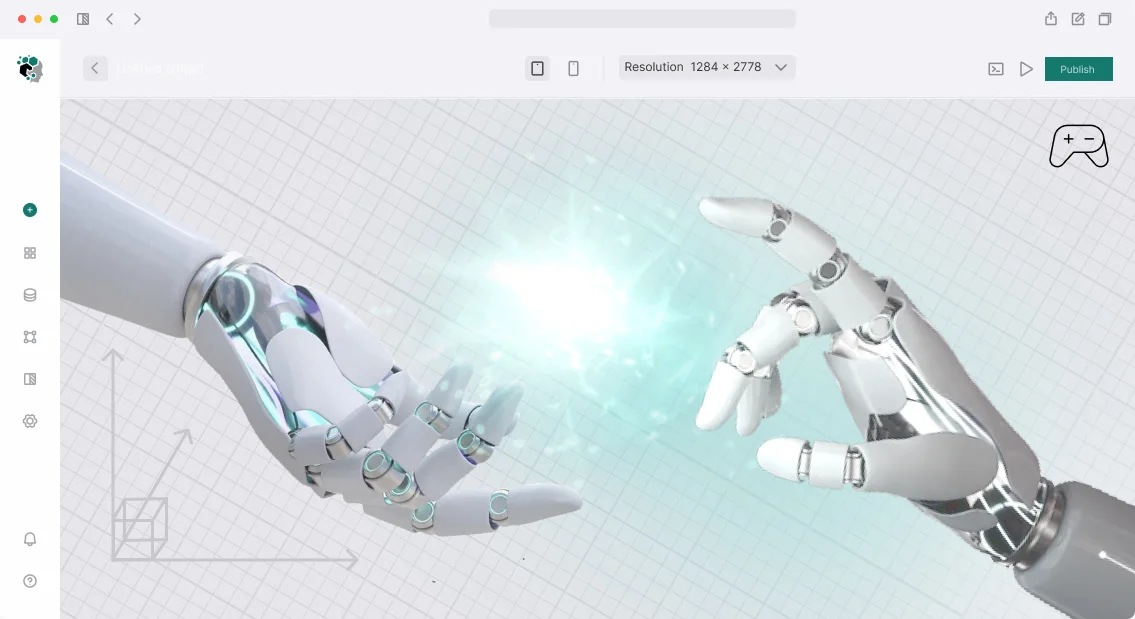
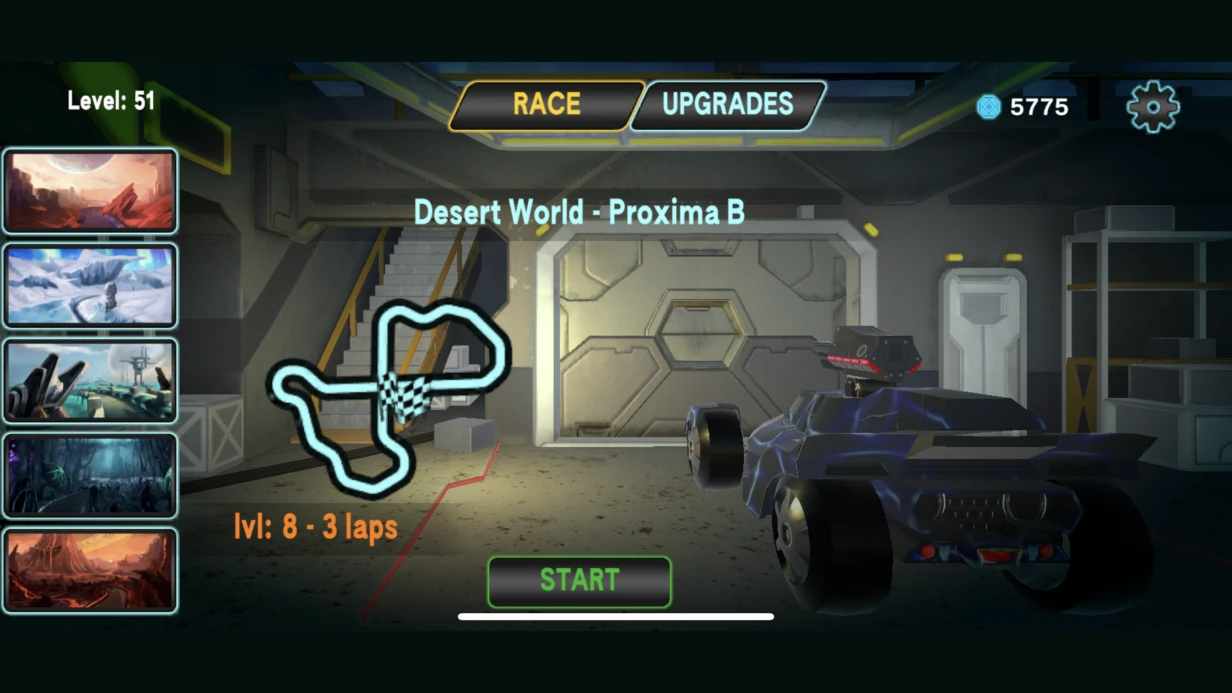

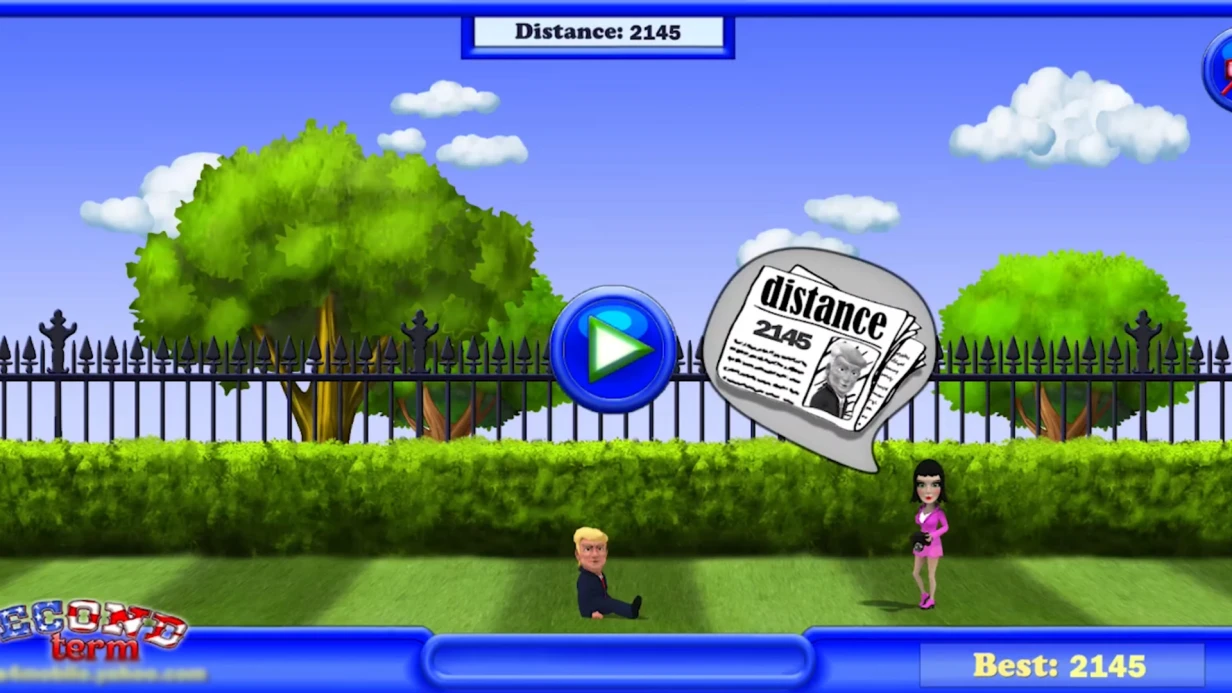
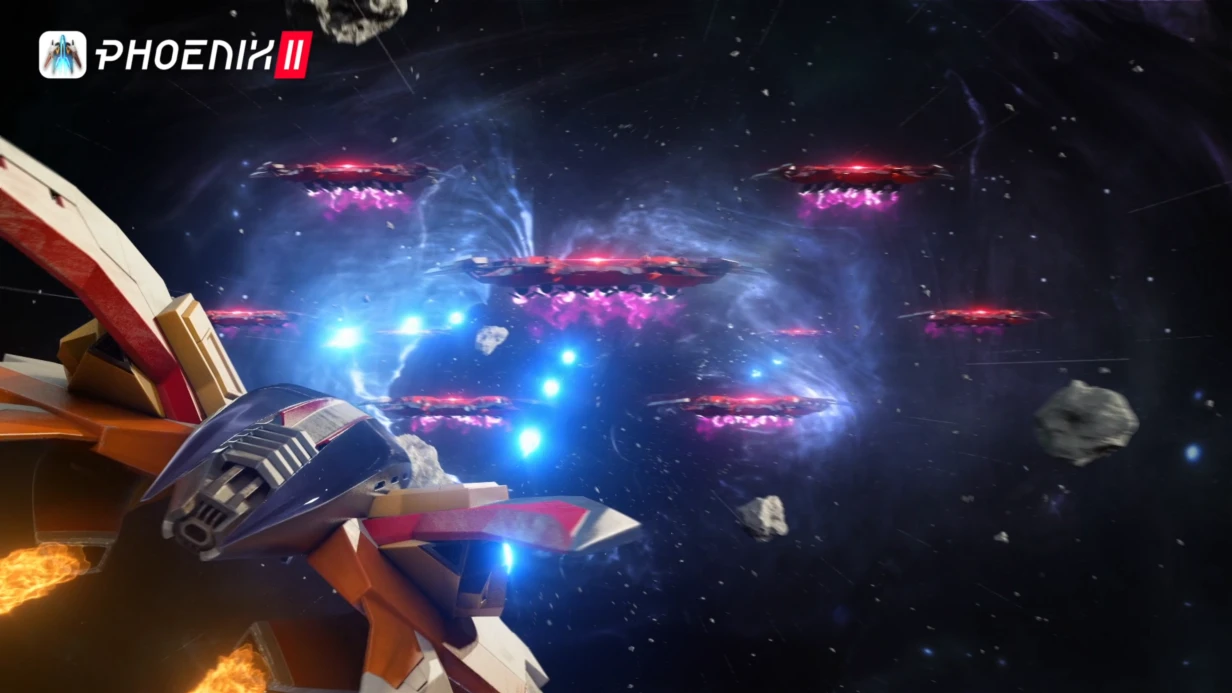
שחקנים לא מזהים את הקלאסיקה: ריפקטורינג גרפי לרימאסטר
הוצאה מחודשת של קלאסיקה נראית כמו מהלך מנצח: למשחק כבר יש צבא מעריצים, עולם מזוהה וקהל מוכן, שאין צורך להסביר לו מהו הפרויקט. אבל כששחקן מפעיל רימאסטר ורואה את אותו ויז'ואל מיושן, רק מתוח למסך מודרני, הנוסטלגיה לא עובדת.
ותיקים משווים את התמונה לזיכרונות שלהם, חדשים — לפרויקטים שיצאו השבוע, ובשני המקרים ההשוואה לא לטובת ההוצאה המחודשת שלכם.
כך מתחילה ירידה בעניין בריליס: הביקורות הראשונות קובעות את הטון, מבקרים פופולריים לא משדרים את המשחק, והחשיפה דועכת תוך כמה ימים. שיווק מביא אנשים לדף, אבל אין במה להחזיק אותם — המוצר נראה כמו אוסף ארכיוני, לא כמו אירוע השנה. הכי מעצבן הוא שהמכניקה, העלילה והאווירה נשארו חזקים — פשוט לא רואים אותם מאחורי התמונה המיושנת.
ריפקטורינג גרפי פותר את המשימה נקודתית: אנחנו לא בונים את המשחק מחדש מאפס ולא שוברים את מה שאוהבים בו. חומרים, מודלים, תאורה ואנימציות עוברים מודרניזציה מדויקת תוך שמירה על הסגנון המזוהה ותחושת השליטה המקורית, והוויז'ואל מתחיל לעמוד בציפיות של קהל מודרני.
עבורכם זהו מסלול מנוהל לרימאסטר של המשחק, שנתפס כריליס חדש, ולא כהוצאה מחודשת לשם סימון וי. אנחנו מעריכים את היקף העבודה בפרויקט שלכם ואומרים מיד אילו שינויים ייתנו את האפקט הגדול ביותר כבר בהתחלה — נדון במשימה ונחזור עם תוכנית.
מה מקבל הלקוח מרימאסטר מעודכן
הדבר הראשון שהלקוח שם לב אליו — הביקורות של השחקנים משתנות. התמונה המעודכנת מסירה את הסיבה העיקרית לשליליות בגרסאות ישנות של המשחק: טקסטורות מטושטשות, תקיעות ואפקטים מיושנים. הציונים בחנויות עולים, והתלונות וההחזרות יורדות — בלי שינוי אחד במכניקה עצמה.
התוצאה השנייה — יציאה לפלטפורמות חדשות. לאחר עדכון הגרפיקה המשחק עובר בקלות הסמכה בקונסולות עכשוויות ונכנס לקטלוגים של מנויים. הוא שוב נמצא במקום שבו מחפשים אותו שחקנים חדשים, והחשיפה גדלה בלי לפתח המשך.
השלישית — זיהוי המותג. את הרימאסטר מחזירים לחלונות ראווה ולאוספים, עליו שוב כותבים סטרימרים וכתבי עת מקצועיים. הסדרה מזכירה את עצמה לפני הכרזה על החלק הבא, והקהל מגיע אליה כבר מוכן.
הרביעי — לוחות זמנים צפויים: העבודה מתנהלת בשלבים, ואתם רואים תוצאה בכל שלב, לא רק בסיום. החמישי — ביקוש חוזר: הקטלוג שוב מניב הכנסות, ואיתן מגיעה בקשה לעדכון הבא או לחלק חדש.
כל חמשת התוצאות קשורות זו לזו. גרפיקה רעננה מביאה שחקנים חדשים, הם משאירים ביקורות, הביקורות מעלות את המשחק באוספים, והאוספים — זיהוי וביקוש. רימאסטר דורש זמן קצר בהרבה ממשחק חדש, והתשואה נראית כבר בשבועות הראשונים לאחר השקת העדכון.
פורמטים של ריפקטורינג גרפי למשימת רימאסטר
ריפקטורינג גרפי הוא לא תרחיש אחד, אלא כמה פורמטים של עבודה. רוב הפרויקטים שמגיעים אלינו נעשו ב-Unity, ואפשר להעביר אותם לצינור גרפי מודרני בלי לכתוב את המשחק מחדש מאפס. פרויקט אחד זקוק לעדכון ויזואלי מלא, לאחר די למתוח תאורה וחומרים, ולשלישי — להוציא רימאסטר לפלטפורמה מסוימת.
| פורמט עבודה | למי מתאים | מה נותן ללקוח |
|---|---|---|
| עדכון ויזואלי מלא | משחקים שמכינים להוצאה מחודשת | תמונה ברמה חדשה וסיבה לקמפיין פרסומי חדש |
| עדכון תאורה, חומרים ואפקטים | פרויקטים עם תמונה מיושנת אך קהילה חיה | הבדל מורגש בחומרי פרסום בלי לעבד מחדש את כל המשחק |
| רימאסטר לפלטפורמה מסוימת | הוצאה לקונסולה חדשה או לחנות חדשה | עבודה יציבה ומראה מוקפד במכשיר היעד |
| אופטימיזציה בלי שינוי ויזואלי | משחקים שמאטים בחלק מהמכשירים | קצב פריימים יציב ופחות תלונות בביקורות |
| תשתית טכנולוגית | צוות הלקוח מתכנן עדכונים בעצמו | מבנה פרויקט ברור שקל לפתח אותו הלאה |
את הפורמט בוחרים יחד איתכם — מעדכון מלא ועד התאמה נקודתית. כך הצוות שלכם לא מבזבז כוחות על עבודות שלא משפיעות על תוצאת הרימאסטר.
איך עובר הפרויקט: שלבים בעיני הלקוח
רימאסטר הוא לא «לצייר מחדש טקסטורות», אלא פרויקט מנוהל עם נקודות בקרה ברורות. אנחנו מובילים אותו כך שבכל שלב תראו תוצאה ותבינו מה תקבלו בסוף — בלי הפתעות בסיום ובלי עיבודים מחדש.
שבעה שלבים — מהשיחה הראשונה ועד הריליס:
- היכרות ותקציר. דנים במשחק, בקהל ובפלטפורמות הריליס — מ-Steam ועד קונסולות, ובאיך הרימאסטר צריך להיראות בעיני השחקנים.
- ביקורת גרפיקה. בודקים מה מיושן, היכן הסיכונים ואילו סצנות ידרשו עיבוד מחדש — אתם מקבלים תמונה ברורה של היקף העבודה.
- תוכנית ולוחות זמנים. מחלקים את העבודה לבלוקים ומאשרים נקודות קבלה: אתם מאשרים את התוכנית לפני ההתחלה ויודעים היכן אפשר להתערב.
- בלוק פיילוט. מעבירים סצנה אחת בשלמותה ומראים תוצאה. בהמשך מתקדמים לפי הדוגמה הזו — כך תיקונים בהתחלה לא הופכים לעיבוד מחדש של כל הפרויקט.
- ריפקטורינג גרפי. עיקר העבודה: חומרים, תאורה ואפקטים מועברים לצינור רינדור מודרני תוך שמירה על הסגנון המקורי. בילדים ביניים אתם מקבלים באופן קבוע.
- קבלה ובדיקות. משווים «לפני ואחרי», בודקים יציבות עבודה בפלטפורמות היעד וסוגרים את כל ההערות לפני הריליס.
- השקה ותמיכה. עוזרים להוציא את המשחק, מכינים עדכונים במהירות לפי ביקורות שחקנים ונשארים בקשר אחרי הריליס.
בכל שלב יש נקודת תיאום: בלי החלטה שלכם אנחנו לא ממשיכים הלאה, ושינויים בהיקף מתעדים בכתב — לוחות הזמנים והתוצאה נשארים צפויים.
מה ייכלל באספקה: החבילה בעיני הלקוח
רימאסטר הוא לא רק תמונה מעודכנת, אלא גם פרויקט שהצוות שלכם יוכל לפתח הלאה בלעדינו. לכן האספקה מורכבת כך שבסיום יישארו לכם גם התוצאה וגם כלים לעבודה עצמאית.
- פרויקט מעודכן בשלמותו. סצנות, חומרים, תאורה והגדרות הובאו לצינור הרינדור המודרני של Unity ומועברים במצב עובד, ולא כאוסף קבצים מפוזרים.
- מפת שינויים. מה עובד מחדש, מה נשאר ללא שינוי ולמה: המפתחים שלכם רואים מיד היכן בטוח לתקן והיכן נשמרה ההתנהגות המקורית.
- תיעוד לבנייה ולפיתוח. איך לבנות את הפרויקט, היכן לשנות תאורה וחומרים, אילו מקומות קריטיים — בלי אגדות בעל פה ובלי «תשאלו את מי שעשה».
- תבניות וכללים לצוות. נכסים וסצנות חדשים נעשים לפי תקן אחיד, ולכן הפרויקט לא «מתפזר» חצי שנה אחרי המסירה.
- דוח בדיקה במכשירי היעד. היכן התמונה נשמרת יציבה, ואיפה היו צווארי בקבוק ואיך סגרו אותם.
- אחריות על העבודות. פגם שעלה באשמתנו אחרי המסירה מתקנים במסגרת ההסכמות — בלי משא ומתן «של מי זה».
- תמיכה אחרי הריליס. עוזרים עם עדכוני פלטפורמה, מטפלים באירועים ועונים על שאלות המפתחים שלכם לפי סדר מוסכם.
חבילה כזו הופכת את הרימאסטר ממשימה חד-פעמית לנכס: לצוות נשארת בסיס ברור שאפשר לעדכן ולעשות בו שימוש חוזר, ולא להרכיב גרפיקה מחדש בגרסה הבאה.
מקרה בוחן: איך רימאסטר יצא לשתי פלטפורמות בלי תקלות
מה היה בקלט
אלינו הגיעה אולפן עם משחק קלאסי, שנשארה לו קהל נאמן ושם מזוהה. הצעד ההגיוני — להוציא מחדש את Огненный Рубеж: עדכון הקלאסיקה הבטיח החזרת שחקנים ותיקים וחלון ראווה חדש למפיץ. הפריע דבר אחר: הגרפיקה והכלים שבהם נבנה המשחק התיישנו ללא תקנה.
כל תיקון גרר אחריו שבירות, והפורט לשתי פלטפורמות בו-זמנית איים להפוך לשני בילדים נפרדים שאי אפשר אחר כך לאחד.
איך פתרו
תחילה הסירו סיכונים: פירקו את הפרויקט לשכבות וקבעו מה מעבירים כמו שזה ומה דורש בנייה מחדש. ריפקטורינג גרפי התנהל במקביל להכנת הפורט — תאורה, חומרים ואפקטים הורכבו מחדש כך שיעבדו באופן זהה בשתי הפלטפורמות ולא יתפצלו בעדכונים. הלקוח ראה תוצאה עובדת כל שבועיים ויכל לשנות סדרי עדיפויות תוך כדי, ולא אחרי הריליס.
תוצאת הפרויקט
- שתי פלטפורמות בריליס אחד — במקום שני בילדים בלתי תלויים.
- לוח הזמנים נשמר: תאריך היציאה לא נדחה.
- החזרת הקהל הוותיק גדלה פי שלושה בחודש הראשון.
- רוב הביקורות אחרי ההשקה — חיוביות.
- הזמנה חוזרת: האולפן חזר לעדכון החלק השני.
עבור הלקוח מקרה בוחן כזה של רימאסטר הוא עניין של צפיות: אתם מקבלים משחק מעודכן בפלטפורמות הנכונות בזמן, ולא עיבוד מחדש אינסופי שטורף את התקציב והצוות.
איך לבחור את היקף העבודה המתאים למשימה?
היקף העבודה נקבע לא לפי מצב הקוד, אלא לפי המשימה שאתם פותרים בסוף. הוצאה מחודשת לפלטפורמה חדשה, עדכון משחק לקהל קיים והכנה להשקה בפלטפורמה נוספת — אלה שלושה תרחישים שונים, וכל אחד דורש סט שינויים משלו.
לכן אנחנו מתחילים לא מהערכת גרפיקה, אלא מהעדיפויות שלכם בפרויקט: לוחות זמנים, קהל, תוכניות לפיתוח ולהרחבות.
עדכון מלא הגיוני כשהפרויקט ממשיך לחיות: אתם מתכננים להוציא תוכן, לתמוך במשחק שנים רבות ולא רוצים שכלים פנימיים יעכבו את עבודת הצוות. התאמה חלקית פותרת משימה נקודתית — להחזיר לתמונה רלוונטיות, להסיר נפילות ביצועים במכשירים חלשים, לרענן סצנות מפתח תוך שמירה על הסגנון המזוהה.
הכנה לפלטפורמה נדרשת כשהגרפיקה מספקת אתכם, אבל צריך להוציא את המשחק בפלטפורמה חדשה בלי לעבד מחדש את כל השאר.
בחירת הפורמט היא תמיד פשרה בין הרצוי לסביר. אנחנו מפרקים את הפרויקט ומראים מה באמת מפריע לתוצאה ומה אפשר לא לגעת בו: לעיתים די לעדכן את הבסיס וכמה מהסצנות הבולטות ביותר כדי שהמשחק ייראה מודרני. גישה כזו מקצרת לוחות זמנים ומפחיתה סיכונים, וכוחות הצוות מופנים למה שהשחקן רואה.
בסופו של דבר אתם מקבלים לא רשימת תיקונים מופשטת, אלא תרחיש ברור: מה עושים, באיזה סדר ומה נשאר מחוץ לגבולות העבודה. תארו את המשימה — נחזור עם הערכה ותוכנית ונמליץ איזה היקף עבודה יספיק בדיוק למטרות שלכם.
שאלות נפוצות של לקוחות לפני תחילת הפרויקט
לפני ההתחלה כמעט כל לקוח שואל אותן שאלות: האם הסגנון המקורי לא יאבד, מי אחראי ללוחות הזמנים, מה יהיה עם המשחק אחרי הריליס. אלה ספקות בריאים — ריפקטורינג גרפי בלי תוכנית הופך לעיבודים מחדש אינסופיים שטורפים את הצוות והזמן.
מתחילים בפירוק הפרויקט: מה משנים, מה משאירים כמו שזה, היכן הסיכונים של הפרויקט באמת גדולים. הלקוח רואה את התוכנית לפני שמשקיעים משאבים, ויכול לעצור בכל שלב עם תוצאה עובדת ביד.
האם התמונה שהשחקנים התרגלו אליה תישמר?
כן. ריפקטורינג גרפי משנה איך המשחק עובד מבפנים, ולא איך הוא נראה על המסך. חומרים והגדרות מועברים אחד לאחד ומשווים פריימים לפני ואחרי — ההבדל עבור השחקן אינו מורגש או לטובתו.
מה נדרש מאיתנו בהתחלה?
גישה לפרויקט ואדם שמאשר החלטות בנוגע לסגנון. קבצי מקור, תיעוד והרשאות נשארים אצלכם: עובדים ישירות בפרויקט שלכם ומעבירים אותו כך שהצוות שלכם ימשיך להוביל את המשחק בלעדינו.
האם יש אחריות לתוצאה ומה יהיה אחרי הריליס?
כל שלב מסתיים בגרסה שאפשר להפעיל ולבדוק — סטייה מהתוכנית נראית מיד, ולא שבוע לפני התאריך. אחרי ההוצאה נשארים בקשר: מטפלים בפניות שחקנים, סוגרים פגמים שנמצאו ודואגים שעדכוני הפלטפורמה לא ישברו את התמונה.
נדון במשימה: נחזור עם הערכה ותוכנית עבודה
שיחה עניינית מתחילה במשימה שלכם, ולא בכלים שלנו. אתם מספרים מהו הפרויקט ומה בו מפריע לשחקנים עכשיו, אנחנו שואלים שאלות הבהרה ומתעדים ציפיות לגבי לוחות זמנים ותוצאה.
אחרי זה אתם מקבלים תמונה ברורה, ולא הבטחות כלליות:
- ניתוח מצב הגרפיקה הנוכחי: מה בדיוק מיושן והיכן איכות התמונה הולכת לאיבוד;
- הערכת הפרויקט — היקף העבודה, לוחות זמנים ריאליים, הרכב הצוות למשימה;
- תוכנית עבודה לפי שלבים: ביקורת, העברה, בדיקה במכשירי היעד, הוצאה;
- רשימת סיכונים ואיך אנחנו סוגרים אותם מראש כדי לא לדחות את תאריך הריליס;
- אפשרות להשקה מדורגת: תחילה שיפורים קריטיים לשחקנים, אחר כך התאמות;
- נקודות בקרה שקופות — אתם רואים התקדמות בבילדים ביניים, ולא רק בסיום;
- הרכב תוצאה ברור והמלצות איך לתמוך בגרפיקה המעודכנת בהמשך.
הלאה אתם מחליטים: להמשיך איתנו או ללכת עם תוכנית מוכנה ביד. אם המשימה דחופה, נגיד בכנות אם אפשר לעמוד בתאריכים שלכם, ואם לא — נציע סדר שלבים סביר.
השאירו בקשה בדרך הנוחה לכם או כתבו בקצרה על הפרויקט: ז'אנר, לאילו מכשירים הוא מוצא, מה לא מספק בתמונה. נדון במשימה ונחזור עם הערכה ותוכנית עבודה.