

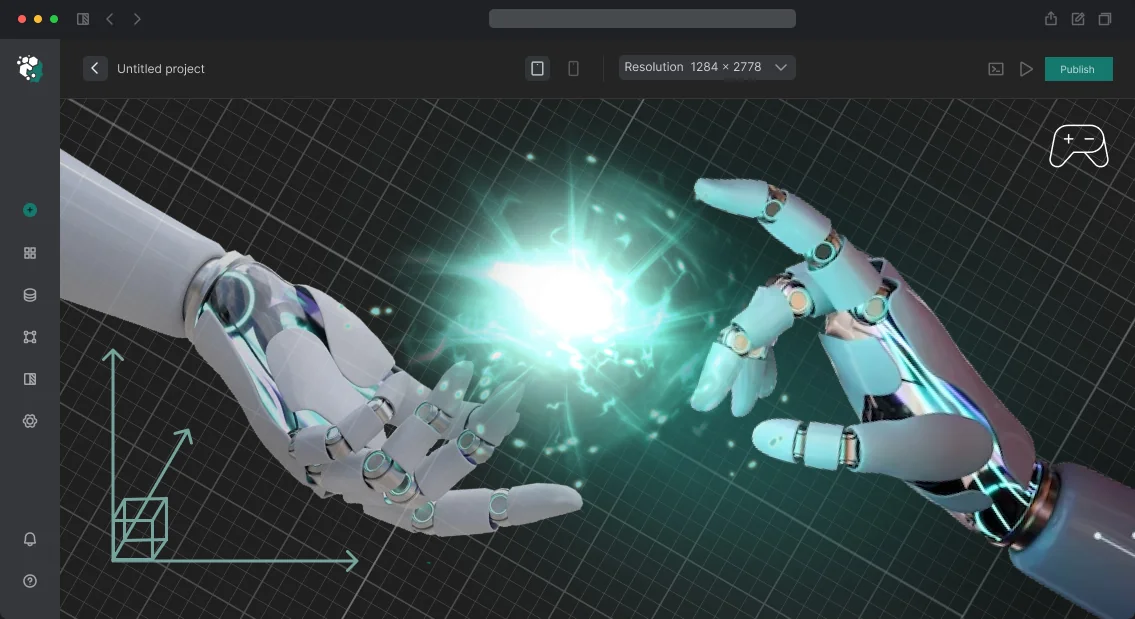
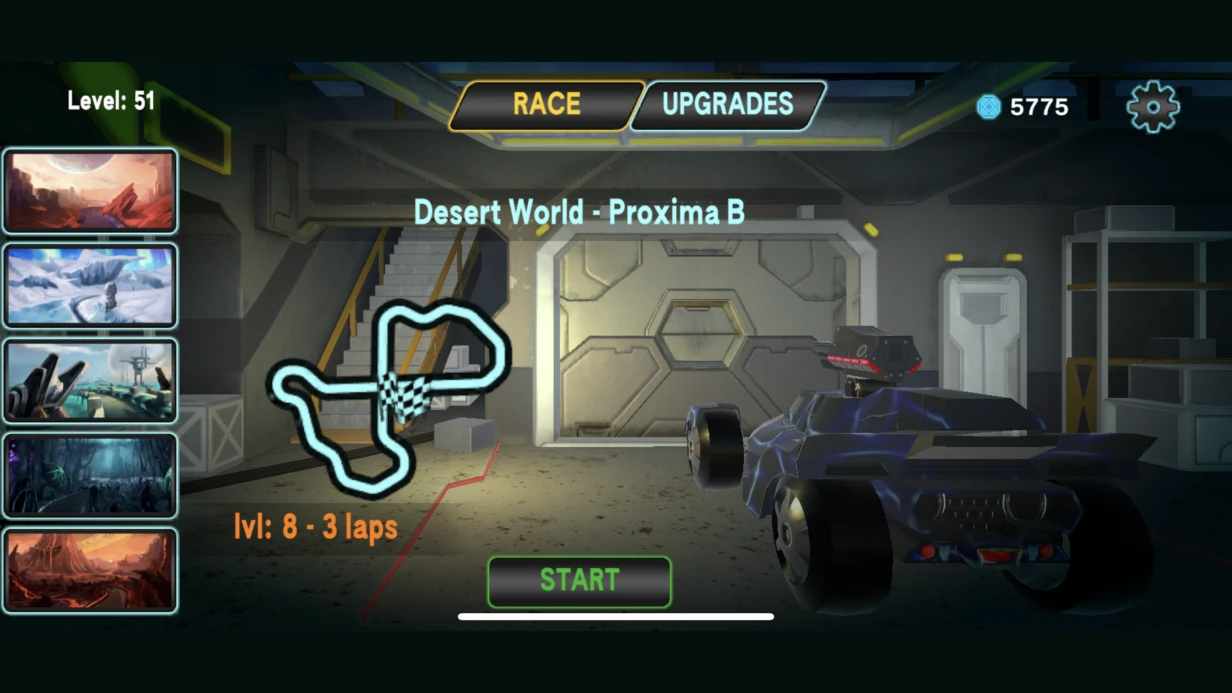

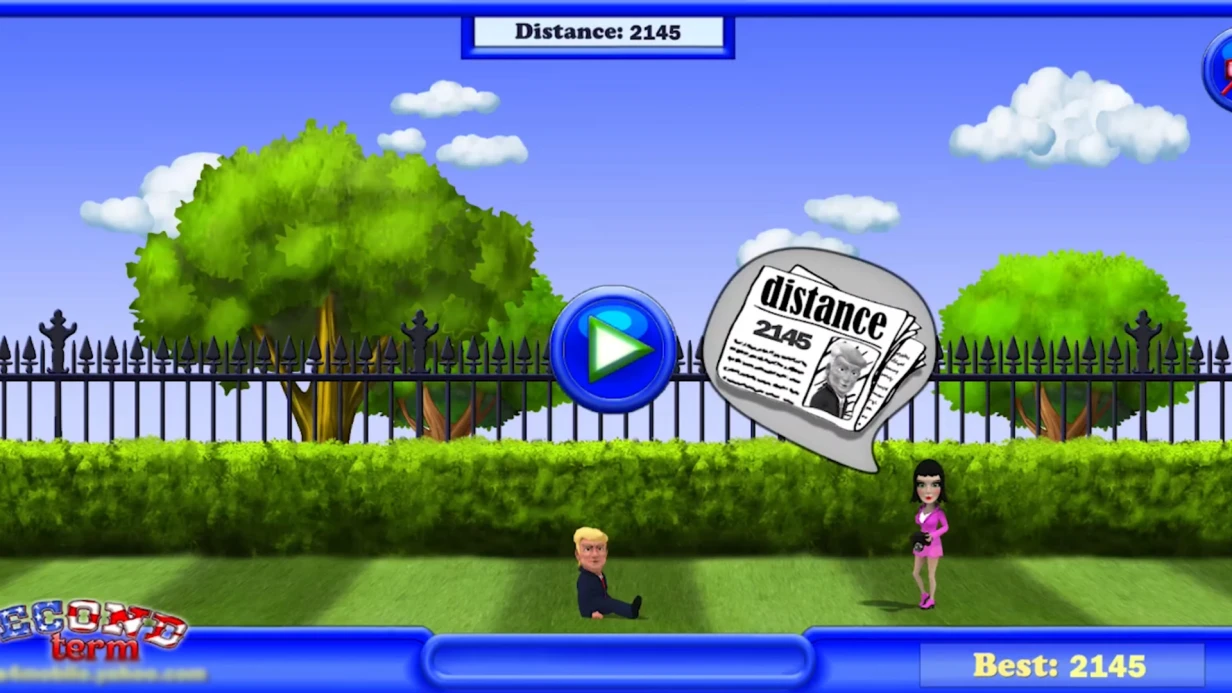
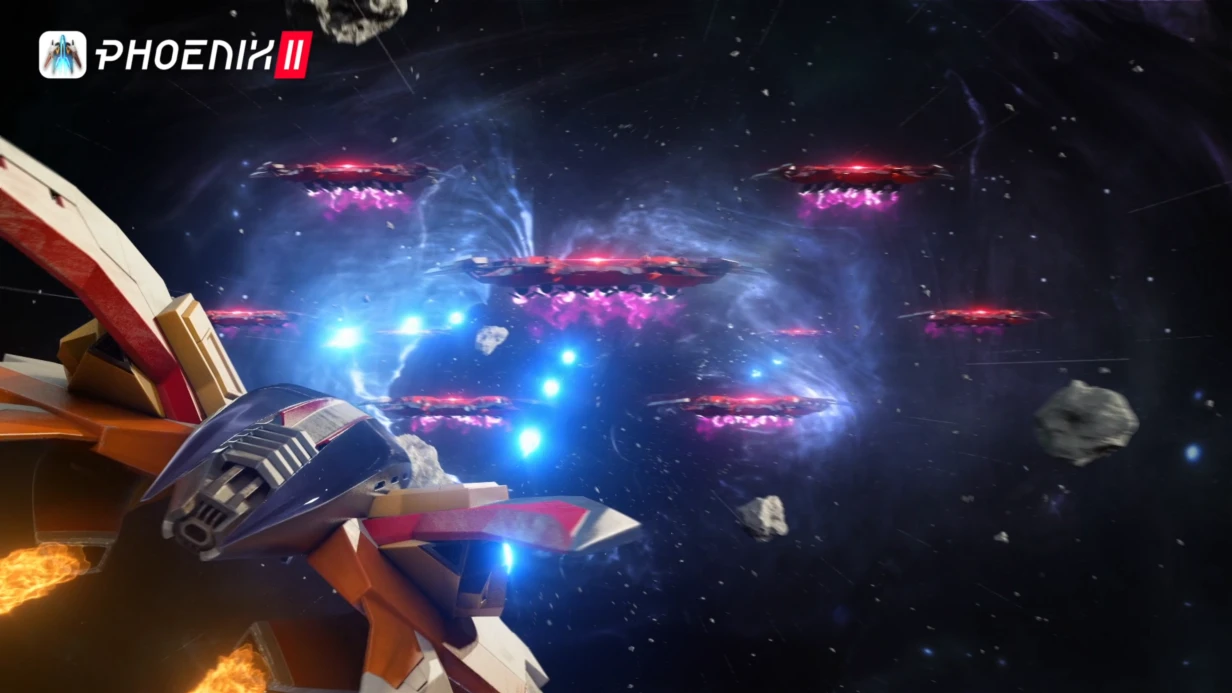
רינדור צילומי מסך: מדוע חומרים לא מוכרים את המשחק
הקהל בוחר משחקים בעיניים. חלון הראווה בחנות האפליקציות הוא כמה פריימים וסרטון קצר, ולפיהם השחקן מחליט בשניות ספורות אם בכלל שווה לפתוח את העמוד הלאה. אם החומרים צולמו "איך שיצא" — זווית אקראית, ממשק עמוס, תאורה עמומה — אפילו פרויקט חזק נראה סתמי. התגובה של השחקנים יורדת, והצוות מחפש את הסיבה בגיימפליי, בעוד הבעיה נמצאת בחלון הראווה.
רינדור צילומי מסך מטפל בדיוק בזה: אנחנו בונים את הסצנה מחדש — תאורה, זווית, קומפוזיציה, נגיעות מיקוד — ומראים את המשחק כפי שהוא תוכנן. נקודות תורפה לא נכנסות לפריים, והחוזקות עולות לקדמה. השחקן רואה את קנה המידה, האווירה ואיכות הגרפיקה וכבר מוכן ללחוץ "התקן".
חומרי השיווק של המשחק אנחנו עושים כמוצר נפרד, ולא כתוצר לוואי של הבנייה. סצנות מפתח, דמויות, מכניקות נבנים כך שישמרו על תשומת הלב בשניות הראשונות ויובילו להתקנה. אנחנו מכינים סדרות פריימים לפלטפורמות ופורמטים שונים, כדי שחלון הראווה ייראה אחיד גם בחנות וגם במבחרי פרסום.
מה מקבל הלקוח: עלייה בהמרות של עמוד המשחק, תגובה חזקה יותר של שחקנים בימיה הראשונים ובמבצעים, דימויים מזוהים שעובדים בכל הקמפיינים. החומרים מתעדכנים לאירועים ולעונות חדשות, ולכן חלון הראווה לא "נשרף" וממשיך להביא התקנות.
מה מקבלים סטודיו ומוציא לאור מחלון ראווה איכותי
קטלוג הוא מדף שבו השחקן בוחר בשניות: עשרות פרויקטים עומדים זה לצד זה, ותשומת הלב הולכת למי שחלון הראווה שלו נראה משכנע יותר. תמונה חלשה לא מסבירה במה המשחק שלכם שונה מהשכנים, והמבקר ממשיך הלאה, אפילו בלי לפתוח את התיאור.
רינדור צילומי מסך וסרטונים מטפל בפער הזה. אנחנו בונים חומרי פרומו למשחק שמראים את הגיימפליי, האווירה והמכניקות המרכזיות כפי שהשחקן עצמו יראה אותם. זה נותן בולטות בקטלוג: העמוד בולט בפיד, ולא נמס בין תצוגות מקדימות דומות, והמגע הראשון עם הקהל עובד לטובתכם.
משם נכנסת לפעולה הזיהוי של הפרויקט. כשפריימים, סרטונים ובאנרים עומדים בדימוי חזותי אחיד, השחקן מזהה את המשחק גם בעמוד החנות, גם בקמפיינים פרסומיים וגם בפרסומי הקהילה — האמון בפרויקט גדל, ואיתו גם הנכונות ללחוץ "קנה".
למשיכת שחקנים זה רווח ישיר: אין צורך לעצב מחדש את החומרים לכל ערוץ, הם מתאימים מיד לפרסום מוקדם, לסרטון ההשקה, לעדכון ולפרסום. המוציא לאור מקבל ערכה שחוסכת שבועות של תיאומים, והסטודיו — חלון ראווה שמדבר בעד המשחק בלי מילים מיותרות. אנחנו עושים רינדור כזה לסטודיו ולמוציאים לאור ועוזרים להציג את הפרויקט בקטלוג בצורה חזקה יותר.
רינדור צילומי מסך לפי משימה: פורמטים של חומרים
את הפורמט של החומר בוחרים לא לפי יופי, אלא לפי המשימה: היכן הצוות יציג אותו ומה הצופה צריך לעשות — לשים לב למשחק, להתקין אותו או לחזור לעדכון. לכן אותו פריים אנחנו מכינים אחרת לעמוד החנות, לפרסום ממומן ולערכת עיתונות, ולא מותחים קובץ אחד לכל הפלטפורמות.
להלן הפורמטים שאליהם פונים אלינו הכי הרבה. אם התרחיש שלכם לא מופיע בטבלה, תארו את המשימה — נציע אפשרות שמתאימה לה.
| פורמט החומר | למי מתאים | מה מקבל הצוות |
|---|---|---|
| פריימים מרכזיים של המשחק | עמוד החנות, ערכת עיתונות, פרסום חוצות | תמונות סטטיות בסגנון אחיד, מוכנות לפרסום |
| תצוגות מקדימות מונפשות | רשתות חברתיות, כרטיס החנות, הכרזות | סרטונים קצרים שמראים את המשחק בתנועה בתוך שניות |
| חומרים לקמפיין | פרסום ממומן ופלטפורמות שותפות | סט בפרופורציות הנדרשות לכל ערוץ, בלי התאמה ידנית |
| ערכה להשקה | הכרזה, יום היציאה, השבועות הראשונים של המכירות | ערכה מלאה: פריימים, תצוגות מקדימות, עטיפות, תמונות לעיתונות |
| חומרי עדכונים | הרחבות, אירועים עונתיים, מבצעים | חומרים חדשים לכל אירוע באותו סגנון חזותי |
את הערכה אנחנו מוסרים מוכנה לעבודה: קבצים לכל פלטפורמה, שמות מובנים ומבנה תיקיות — השיווק לא צריך להשלים דבר ידנית. ואם המשחק חי ומתעדכן, אנחנו שומרים על סגנון אחיד ומוסיפים חומרים לאירועים חדשים, כדי שחלון הראווה לא ייראה נטוש.
איך מתנהל הפרויקט: מהבריף ועד גלריה מוכנה
הפרויקט בנוי כך שבכל רגע תדעו באיזה שלב נמצאת העבודה ומה תקבלו בסופה. להלן המסלול האופייני: מהשיחה הראשונה ועד גלריית צילומי מסך וסרטונים מוכנה, שאפשר למסור מיד לשיווק.
- ניתוח המשימה. דנים לשם מה נדרש הרינדור: עמוד המשחק, חנות האפליקציות, חומרים פרסומיים או מצגת לשותפים. קובעים את הסצנות והזוויות שהכי חשוב להציג.
- תוכנית ולוח זמנים לייצור. אתם מקבלים רשימת חומרים, סדר עבודה ולוח שנה עם תאריכים — מיד רואים מתי אפשר לתכנן פרסום.
- אישור הוויזואל. בוחרים תאורה וקומפוזיציה שמתאימות למותג שלכם, ומראים פריימים לניסיון. תיקונים בשלב הזה עוברים מהר יותר ובלי עיבודים מחדש בסוף.
- ייצור. מרנדרים את המנה העיקרית ומעדכנים אתכם בתוצאות הביניים.
- קבלת החומרים. אתם מקבלים קבצים מוכנים בפורמטים לכל ערוץ, בודקים יחד את השלמות ומכניסים תיקונים נקודתיים לפי הצורך.
- תמיכה לאחר היציאה. צריך זווית חדשה או גרסה עונתית של הסצנה — חוזרים לפרויקט בלי לבנות הכול מאפס.
כל שלב מסתיים בתוצאה ברורה, ולכן העבודה לא נמשכת ולא מתמלאת בהפתעות. בכל שלב אתם יודעים מה כבר מוכן ומה יהיה הלאה — ואחרי היציאה החומרים ממשיכים לעבוד בקמפיינים שלכם.
מה ייכלל באספקה ומה יישאר אצלכם
אנחנו מוסרים לא "תיקייה עם תמונות", אלא ערכה מוכנה שנכנסת מיד לעבודה: לשיווק — לקמפיינים, לקטלוג — לכרטיסים ולעמודי מוצר, לעיתונות — לפרסומים ולחומרים שותפים. הכול מסודר לפי ייעוד ופורמט, ולכן הצוות שלכם לא צריך להתמצא במבנה הקבצים או לצייר משהו בעצמו.
האספקה כוללת:
- ערכות חומרים מוכנות — מבחרים להשקת קמפיין, לעדכון הקטלוג ולפרסום בעיתונות, כל אחת עם סט הזוויות והסיפורים שלה.
- קבצי מקור של החומרים — קבצים במצב עבודה, כדי שתוכלו להרכיב שילובים והתאמות חדשות בעצמכם, בלי לפנות אלינו על כל תיקון.
- גרסאות לערוצים שונים — פריימים אופקיים ואנכיים, קטעי וידאו קצרים ומלאים, תמונות סטטיות לכרטיסים ולבאנרים.
- העברת קבצים — בדרך הנוחה לכם, עם מבנה תיקיות ברור ושמות שלפיהם כל דבר נמצא בשניות.
- זכויות שימוש — אפשר להשתמש בחומרים בפרסום, באתר, ברשתות החברתיות ובתקשורת שותפה בלי הגבלת תקופה.
- ליווי קצר — נסביר לצוות שלכם איך להרכיב גרסאות חדשות מהמקורות, כדי שמכאן תעבדו בעצמכם.
כל סעיף נסגר לפי רשימת בדיקה של קבלה: אתם רואים בדיוק מה קיבלתם ומאשרים את המוכנות. אם בדרך צריך להוסיף ערכה לערוץ חדש או לקמפיין עונתי — נדון במשימה בנפרד.
מקרה בוחן: איך חומרים מעודכנים העלו את התגובה של השחקנים
כשפונה אלינו סטודיו עם המשימה להשיק מחדש את עמוד המשחק, אנחנו קודם בודקים איך החומרים משפיעים על ההחלטות של השחקנים. כך היה גם עם הצוות Nordlight Games: למשחק היה קהל נאמן, אבל העמוד בחנויות לא שכנע מצטרפים חדשים — צילומי המסך הישנים הראו את העולם, אבל לא את האופי שלו.
מה היה לפני
המסכים הראשונים קיבלו את המבקר בנופים ריקים, והסרטון התחיל בפרולוג ארוך. האדם לא הבין מה מחכה לו בדקות הראשונות של המשחק, והלך לפני שסיים לצפות. התגובה של הקהל בעמוד נשארה נמוכה מהממוצע בז'אנר, וגיוס שחקנים חדשים עלה יותר מאשר אצל המתחרים.
מה עשינו ומה השתנה
בנינו מחדש את הרצף החזותי: רינדרנו סצנות מפתח בדגש על קרב ופרסים נדירים, הרכבנו סרטון קצר עם דינמיקה בשניות הראשונות והכנו חומרים נפרדים לכל ערוץ — עמוד החנות, רשתות חברתיות, פרסום. הרינדור נעשה על ציוד מקצועי, ולכן התמונה נשארה באיכות אחידה בכל הפורמטים.
הקמפיין הניב דינמיקה מדידה: שיעור ההתקנות עלה בשליש, הצפיות בסרטון עד הסוף — כמעט פי שניים, הזמן בעמוד גדל פי 1.8. השחקנים התחילו לשתף יותר את החומרים, והסטודיו חזר אלינו למנה הבאה — הפעם לקראת עדכון עונתי.
מה אם יש לנו סגנון חזותי לא שגרתי?
גישה תבניתית באמת הורגת סגנון אישי — אבל אנחנו לא עובדים לפי תבנית. לכל פרויקט אנחנו קודם מבינים ממה מורכבת השפה החזותית שלכם: פלטה, פלסטיקה של דמויות, אופי התאורה, קצב התנועה, מרקם המשטחים. בדיוק הפרטים האלה עושים את הפרויקט למזוהה, ובדיוק אותם אנחנו לוקחים כבסיס.
דרישות ייחודיות אנחנו קובעים לפני ההתחלה, ולא מתקנים תוך כדי. הצוות שלכם שולח חומרים, איורים וסקיצות — אנחנו משווים אותם למה שיוצא בפריים, ומראים פערים מראש, כשזה עדיין דיבור ולא עיבוד מחדש של הסדרה כולה. סגנון חזותי לא שגרתי הוא בשבילנו לא סיכון, אלא סט תנאים ברור.
משם — התאמת הפורמט למשימה. לסגנון מצויר, פיקסלי, מסוגנן או לגמרי אישי נבחרת הצגה משלו: זוויות, קרבה של תוכניות, אורך הסרטון, התנהגות המצלמה. במקום אחד עובד פריים סטטי, במקום אחר — אנימציה קצרה בדגש על תנועה. אנחנו לא "מסרקים" את הפרויקט לתקן כללי ולא מתאימים אותו לזרימה הנוחה לנו.
תאורה, חומרים ועיבוד סופי מכווננים ידנית לסגנון שלכם — ציוד מקצועי הוא כאן רק אמצעי, לא מטרה בפני עצמה. אם יש ספק שהסגנון האישי ישרוד ברינדור, נראה זאת על פריים אחד: תראו את התוצאה לפני שמזמינים את כל הסדרה.
תארו את המשימה ושלחו חומרים — נחזור עם הערכה ותוכנית לשמור על הזיהוי של הפרויקט בצילומי מסך ובסרטוני שיווק.
שאלות ששואלים לפני תחילת הפרויקט
לפני ההתחלה הלקוחות רוצים להבין את הכללים: כמה תיקונים, באילו מועדים, למי שייכים החומרים ומה יקרה אם התוצאה לא תתאים. אנחנו עונים מראש — כדי שההחלטה תתקבל בלי הפתעות באמצע הפרויקט.
כמה תיקונים כלולים ומה נחשב לעבודה נוספת?
בכל שלב — אישור וסבב תיקונים: קודם מאשרים זוויות וסצנות, אחר כך תאורה וקומפוזיציה, ולבסוף את ההצגה הסופית. תיקונים במסגרת הקונספט המאושר נעשים בלי תוספת תשלום, והחלפת הקונספט לאחר האישור — משימה נפרדת עם הערכה פתוחה.
כמה מהר נקבל את החומרים המוכנים?
את המועדים קובעים בתוכנית לפני ההתחלה: אתם רואים את תאריך הגרסה הראשונה ואת תאריך החבילה הסופית. אם ההשקה של הקמפיין או עדכון הכרטיס בחנות האפליקציות קשור ליום מסוים, אמרו מיד — נבנה את לוח הזמנים ממנו.
למי שייכות הזכויות על החומרים?
קבצים מוכנים ומקורות נמסרים עם זכויות מלאות: פרסום, חנויות אפליקציות, אתר, רשתות חברתיות — בלי הגבלה של טריטוריה או תקופה. את החומרים שלכם לא נציג במקרי בוחן בלי הסכמה בכתב.
מה עושים אם המוכן לא יתאים?
אנחנו מראים גרסאות ביניים, ולא את הסוף בלי בדיקה — אפשר לתקן כיוון בכל שלב. אם התוצאה המאושרת לא תואמת את זו שהתקבלה, נע�שה מחדש על חשבוננו ונקצה לכך זמן מראש בלוח הזמנים.
שאר התנאים — היקפים, פורמט המסירה, הרכב החבילה — אנחנו קובעים בכתב יחד עם הערכה, כדי שיישאר לכם מסמך שאפשר להישען עליו.נדון במשימה ונחזור עם תוכנית והערכה
השיחה מתחילה לא במצגת, אלא במשימה שלכם: כמה משחקים וסצנות צריך לרנדר, היכן יוצגו החומרים, לאיזה מועד נדרשת התוצאה. ככל שהנתונים מדויקים יותר, כך ההערכה מדויקת יותר — לכן אנחנו מיד מבקשים את מה שכבר יש לכם: מודלים, טקסטורות, בניות גולמיות, רפרנסים לתאורה ולזוויות.
בעקבות הדיון אתם מקבלים סדר שיתוף פעולה ברור, בלי הפתעות תוך כדי:
- הערכת המשימה — כמה סצנות באמת אפשר להספיק, מה משפיע על המועד ואיפה אפשר לחסוך זמן בלי לאבד מאיכות התמונה.
- תוכנית עבודה — שלבים, נקודות אישור והרגע שבו אתם רואים תוצאה ראשונה, ולא רק דוח על התהליך.
- בקשה לחומרים — רשימה קצרה של מה שצריך מהצוות שלכם, כדי שתחילת הפרויקט לא תיתקע באישורים.
- תרשים מסירה — באילו פורמטים וברזולוציות יגיעו צילומי המסך והסרטונים לכל ערוץ: חנויות אפליקציות, רשתות חברתיות, לנדינג, מצגות למשקיע.
- סדר שיתוף פעולה — מי מצדכם מאשר פריימים, איך מוכנסים תיקונים וכמה סבבי תיקונים כלולים בעבודה.
- אפשרויות היקף — רק פריימים מרכזיים או ערכה מלאה של חומרי שיווק לקראת השקה.
משם — שלב הכנה קצר: אנחנו מרכיבים סצנות, מראים פריים לניסיון ורק אחרי ה"כן" שלכם מוציאים את כל החבילה. כך אתם רואים את הסגנון והאיכות לפני שהעבודה יוצאת להפצה.
תארו את המשימה בשתיים-שלוש משפטים — נחזור עם תוכנית, מועדים והרכב העבודות. אם נוח לכם, צרפו את החומרים הקיימים מיד: זה יקצר את הדרך לפריים הראשון.