


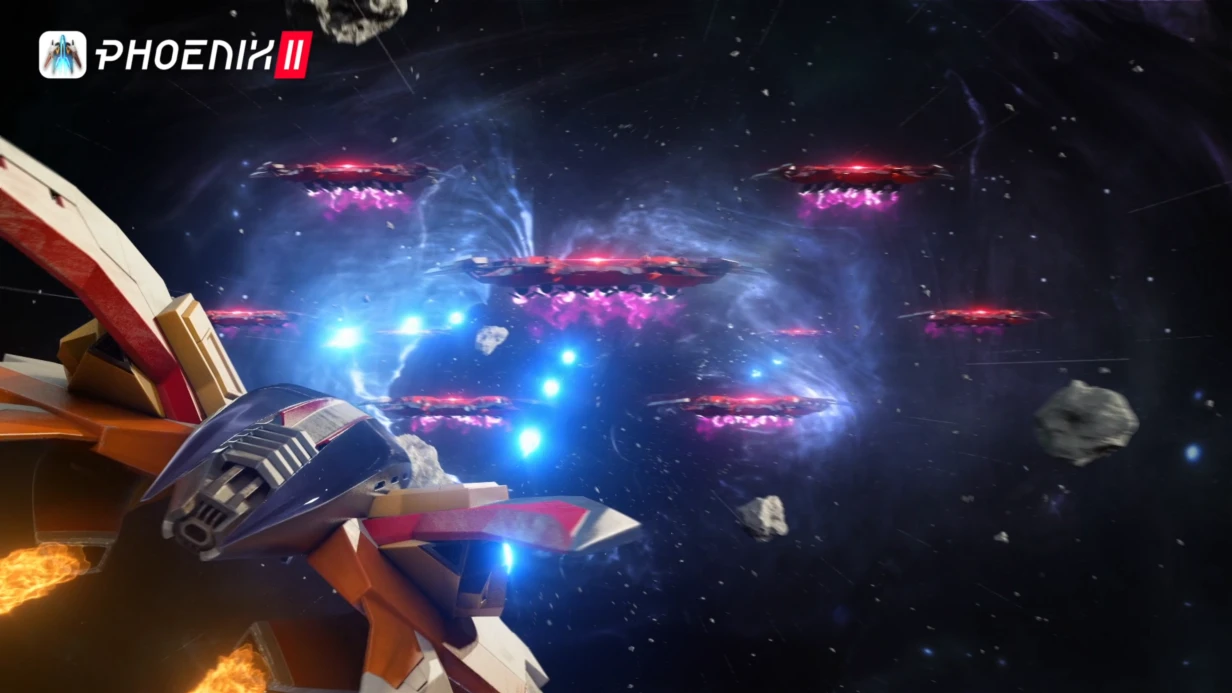
האורחים משועממים באירוע שלכם? משחק אקשן יפתור את הבעיה
כל אירוע הוא ציפייה לרגשות. אבל כשהאורחים פשוט יושבים וצופים במצגות, תשומת הלב דועכת תוך חצי שעה. המשתתפים נסוגים לתוך הטלפונים שלהם, והמארגנים צופים בעניין באירוע גווע בשקט.
עבור חברה, זה אומר תקציב מבוזבז ותגובה חלשה. האורחים לא משתפים חוויות, לא מעלים תמונות, לא חוזרים. ובכל זאת, זו ההשתתפות החיה שהופכת ערב רגיל לאירוע שמדברים עליו.
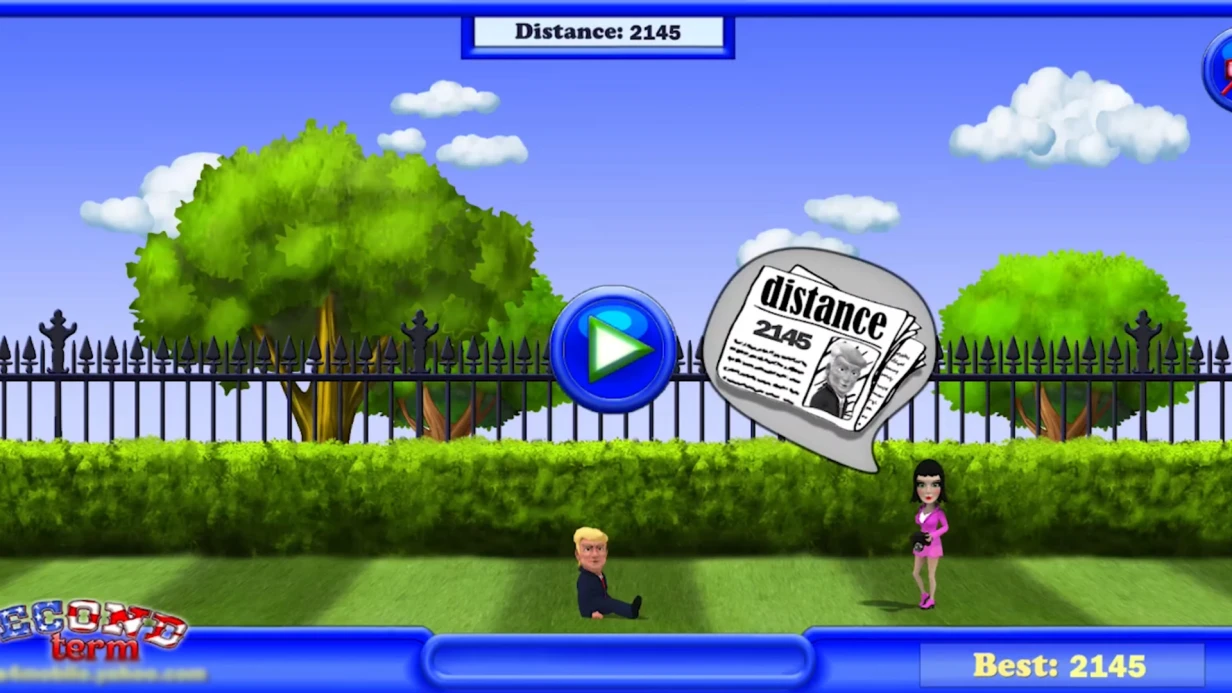
משחק אקשן משנה את הדינמיקה. במקום התבוננות פסיבית — תחרות פעילה שבה כולם שוקעים בתהליך. האורחים לא רק צופים; הם הופכים לגיבורים: הם זזים, מגיבים, מתקשרים עם המכניקה וזה עם זה.
פורמט זה של בידור אירועים יוצר התרגשות וצחוק שנזכרים בהם. המעורבות של האורחים קורית באופן טבעי — סיבוב אחד מספיק כדי להחיות את החדר. וכל משתתף יוצא עם סיפור חי ורצון לחזור על זה.
אנחנו מפתחים משחקי אקשן במפתח אחד: מהרעיון ועד ההשקה באירוע שלכם. אתם מקבלים כלי שמחזיק תשומת לב, מגביר עניין באירוע, ונותן לאורחים את מה שהם באו בשבילו — רגשות.
שלושה יתרונות מרכזיים לאירוע ולמותג שלכם
כל משחק אקשן באירוע הוא לא רק "להעסיק אורחים ל-15 דקות." זה כלי שיווקי שמשנה את תפיסת המותג וממשיך לעבוד גם אחרי שהמקום מתרוקן.
משחק עשוי היטב מכניס את האורח לתוך התסריט: התרגשות, תחרות והרצון לנצח משתלבים באופן טבעי בלוגיקה של האירוע.
האפקט הראשון הוא הכרת המותג. כשאדם שולט בדמות בסגנון המותג של החברה, הוא חווה רגשית את ערך המוצר.
האורחים מצלמים מסכים, מקליטים את התגובות של חבריהם, משתפים קטעים בחשבונות שלהם — והלוגו שלכם מקבל חשיפה חינמית במדיה החברתית. המותג נזכר לא כתמונה על הקיר, אלא כמקור של רשמים חיים שאנשים רוצים לחזור עליהם.
האפקט השני הוא לידים שמגיעים בלי שיחות קרות. המשחק בנוי כך שההשתתפות דורשת השארת פרטי קשר: הרשמה לפני הסשן, מילוי טבלת המובילים, הגרלת פרסים בין התוצאות. אתם מקבלים מאגר של מבקרים מתעניינים, לא עוברי אורח אקראיים.
ואז השיווק שלכם עובד עם המאגר הזה: תזכורות לאירוע, הצעה מיוחדת, הזמנה למוצר הבא — העלות של ליד כזה נמוכה פי כמה מכל פרסום.
האפקט השלישי הוא מצב הרוח של האורחים ונאמנות העובדים. משחק אקשן יוצר רוח תחרותית, מאחד זרים לקבוצות, ומספק מוצא בטוח לאנרגיה.
אחרי זה, האורחים עוזבים בתחושה של "מדהים, שמח שבאתי," ושותפים ועמיתים זוכרים את החברה ככזו שיודעת לערוך חגיגה מקצועית.
פורמטים של משחקי אקשן למטרות שלכם
משחקי אקשן הם לא ז'אנר אחד אלא משפחה שלמה של פורמטים: מארקייד מהיר ועד סימולטורים ריאליסטיים. כל אפשרות פותרת משימה משלה — בידור אורחים, אימון עובדים או משיכת תשומת לב למוצר. האם המשחק עובד למען המטרה שלכם תלוי במידת התאמת הפורמט.
אנחנו מפתחים משחקי אקשן במפתח אחד ומשתמשים בסוגים שונים של אינטראקטיביות. כדי לעזור לכם לנווט, ריכזנו את הפורמטים העיקריים בטבלה — עם מקרי שימוש אופייניים וערך עסקי.
| פורמט | למי | מה זה נותן ללקוח |
|---|---|---|
| ארקייד | קמפיינים פרסומיים, פסטיבלים, ימים פתוחים | מעורבות מהירה וזרימה גבוהה של משתתפים: האורחים מנסים שוב ושוב, ויוצרים תור והתרגשות |
| סימולטור | הכשרת צוות, תרגול מיומנויות, הדגמת מוצר מורכב | תרגול בטוח בתרחיש ריאליסטי, מעקב אחר שגיאות וחוויה בלתי נשכחת ללא סיכונים |
| אקשן אירוע | מסיבות חברה, תערוכות, מצגות | מופע מרהיב שהאורחים מצלמים בטלפונים שלהם: יותר תמונות, סרטונים ואזכורי מותג במדיה החברתית |
| אקשן הרפתקאות | תוכניות נאמנות ארוכות טווח, לקוחות חוזרים | אינטראקציה רב-סשנית, מעורבות עמוקה, גידול בביקורים חוזרים |
אם אתם לא בטוחים איזה פורמט מתאים לכם ביותר, בואו לייעוץ: נפרק את המשימה שלכם ונציע את האפשרות האופטימלית. פיתוח במפתח אחד כולל תסריט, עיצוב, הטמעה והשקה — אתם מקבלים כלי מוכן שעובד למען התוצאה שלכם.
איך עובד פיתוח משחקים: 6 שלבים עבור הלקוח
פיתוח משחקים הוא לא "למסור את המשימה ולחכות לנס" אלא תהליך מנוהל עם נקודות ביקורת ברורות. חילקנו את העבודה שלנו ל-6 שלבים שקופים כך שתמיד תדעו מה קורה ותוכלו להשפיע על התוצאה.
אנחנו עובדים על Unity — מנוע מוכח שמאפשר עריכות מהירות ושחרור המשחק על מכשירים שונים.
-
בריף ומטרות. אנחנו נפגשים אונליין ומפרקים את המשימה שלכם: למי המשחק, על אילו מכשירים, מה המטרות — מכירות, רכישת לקוחות, הכשרת צוות. אנחנו קובעים סדרי עדיפויות ולוחות זמנים כדי למנוע ציפיות מעורפלות ולמצוא את הפתרון הנכון.
-
קונספט ואב-טיפוס. אנחנו מגדירים את הז'אנר, המכניקה, הסגנון החזותי והסיפור. אנחנו יוצרים גרסת הדגמה בזמן קצר כדי שתוכלו לראות איך המשחק נראה ועובד ולבצע עריכות ראשונות לפני הפיתוח המלא.
-
הגדרת היקף ואישור עלות. בהתבסס על אב-הטיפוס, אנחנו מסיימים את היקף העבודה, מספר האיטרציות והתקציב. אתם מקבלים תוכנית שקופה שבה כל שלב קשור לתוצאה ספציפית, לא ל"שעות עבודה" מופשטות.
-
פיתוח ובנייני ביניים. העבודה מתקדמת על רמות, גרפיקה, סאונד ובקרות. אנחנו שולחים באופן קבוע גרסאות ניתנות למשחק — אתם רואים התקדמות בזמן אמת, לא רק צילומי מסך, וההערות שלכם נכנסות למשחק מיד, לא בסוף הפרויקט.
-
השקה ושחרור. אנחנו בודקים את המשחק על מכשירים שונים, מבצעים אופטימיזציה ומכינים את כל החומרים לחנות האפליקציות או לשימוש ארגוני. אנחנו עוזרים להעלות את המשחק, להגדיר אנליטיקה ולחבר אותו לכלי השיווק שלכם.
-
תמיכה ואבולוציה. אחרי השחרור, אנחנו עוקבים אחר מדדים, מתקנים בעיות אפשריות ומוסיפים תוכן חדש לפי בקשה. המשחק חי ומספק ערך במקום לקפוא בתאריך ההשקה.
מה כלול במסירת המשחק: החבילה המלאה
אחרי בדיקות סופיות ומסירה, אתם מקבלים לא רק משחק אלא מוצר מוכן לפעולה, עם כל החומרים לפיתוח ועבודה עצמאית.
אנחנו מספקים את חבילת המסירה המלאה כדי שלא תהיו תלויים במפתח: תוכלו לבצע שינויים במהירות, להרחיב את הצוות ולהשיק עדכונים.
חבילת המסירה כוללת:
- גרסת משחק מוכנה — בנויה לכל הפלטפורמות היעד (מחשבים, מכשירים ניידים, קונסולות), מוכנה לחלוטין לפרסום בחנויות אפליקציות ולהפצה.
- קוד מקור וקבצי פרויקט — כל הפרויקט עם נכסים, סצנות והגדרות. אתם מקבלים שליטה מלאה על הקוד ויכולים להביא כל קבלן לעבודה נוספת.
- תיעוד טכני — תיאור הארכיטקטורה, מבנה הפרויקט, הוראות בנייה ופריסה. אפילו מומחה חדש בצוות שלכם ייכנס לעניינים במהירות.
- לוח בקרה — הגדרת אירועי משחק, ניהול תוכן ואנליטיקה. עדכוני אירועים ואיזון קורים בלי לבנות מחדש את המשחק.
- גיבויים וארכיונים — כל גרסאות הפרויקט ומאגרי המידע מתקופת הפיתוח. זה הביטוח שלכם נגד אובדן נתונים והיכולת לחזור לכל נקודה.
- חומרי הדרכה ותמיכה — הוראות וידאו לעבודה עם הפרויקט, בתוספת ערוץ תקשורת מובטח עם הצוות שלנו לכל שאלה.
- חומרים פרסומיים — טקסטים לתיאור, אייקונים, צילומי מסך וסרטונים לחנויות אפליקציות כדי שתוכלו להשיק קמפיין שיווקי מיד.
אתם מקבלים עצמאות ושקיפות: החבילה מכסה את כל השלבים — מקוד המקור ועד פרסום ותמיכה במוצר. אתם לא קשורים לקבלנים ספציפיים ויכולים לפתח את המשחק בקצב שלכם.
מקרה בוחן: איך משחק עזר ללקוח לבלוט בתערוכה
אורחים חולפים על פני עשרות דוכנים זהים וזוכרים רק אחד או שניים. עלונים רגילים ומקדמים כבר לא עוצרים אנשים: צריך סיבה להתעכב, להשתתף ולקבל רגש.
במצב זה, הצענו ללקוח פתרון לא סטנדרטי — פיתוח משחק אקשן שהפך למוקד המשיכה בתערוכה.
אחד הלקוחות שלנו התכונן לאירוע תעשייתי ורצה לא רק להיות נוכח אלא לאסוף מקסימום אנשי קשר ולהיזכר לאורך זמן.
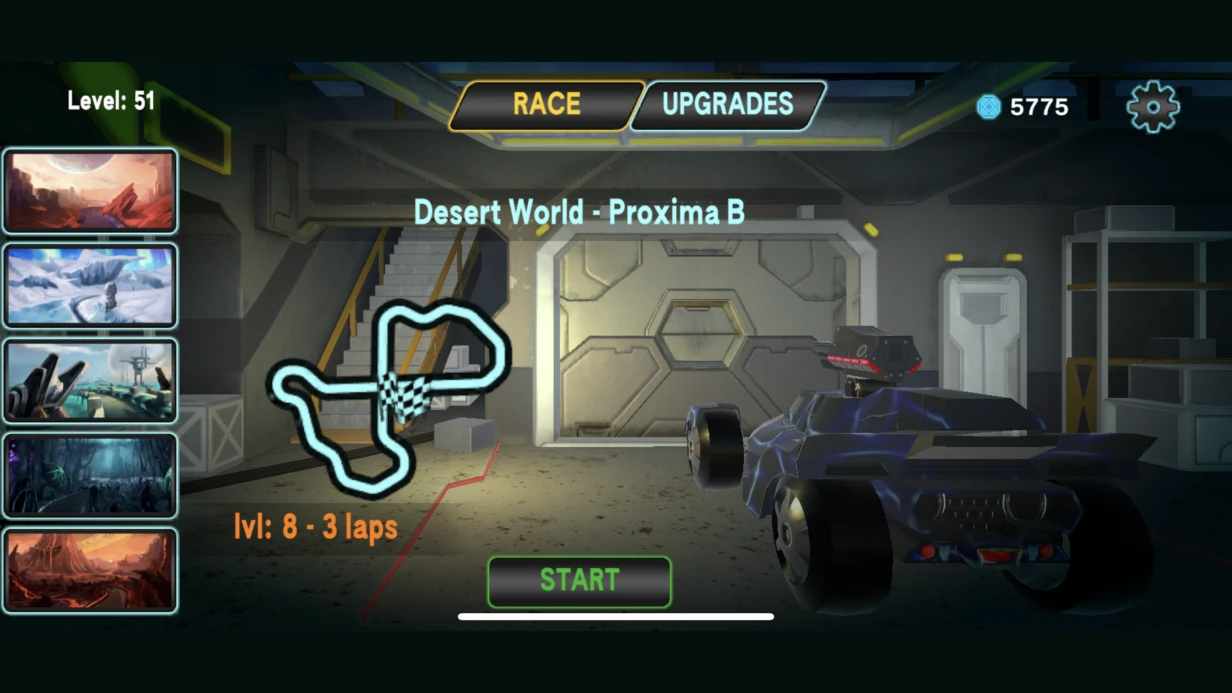
לקחנו את המשימה במפתח אחד: עיצבנו את המכניקה, יצרנו גרפיקה מרהיבה עם המותג של החברה, ובנינו זרימת איסוף לידים. התוצאה הייתה פיתוח Unity עם בקרות פשוטות כך שאורחים יוכלו להיכנס במהירות ולהתחיל לשחק בלי לקרוא הוראות.
התוצאה עלתה על הציפיות. במשך יומיים של פעילות הדוכן, יותר מחמש מאות אנשים שיחקו במשחק, וזמן האינטראקציה הממוצע היה כשלוש דקות — נתון גבוה מאוד לתערוכה.
בדרך כלל אורחים מבלים פחות מדקה בדוכן, אבל כאן הם נשארו כל כך הרבה זמן שהמנהלים שלנו הספיקו לדבר על המוצר ולהחליף פרטי קשר.
ההפתעה הגדולה הייתה הזכירות. חודש לאחר מכן, הלקוח שאל שותפים על האירוע האחרון — רובם זכרו בדיוק את הדוכן שלהם, למרות שמתחרים גדולים היו בקרבת מקום.
המשחק הפך ל"וו" שהפך מבקר אקראי לליד מתעניין, והמותג של הלקוח נקשר לגישה מודרנית וטכנולוגית.
מה המשחק הזה נתן לעסק
- יותר מחמש מאות מבקרים מעורבים ביומיים במקום העשרות הרגילות.
- כל שחקן חמישי השאיר פרטי קשר — לידים מוכנים למחלקת המכירות.
- הזמנות חוזרות: הלקוח ביקש משחקים לאירועים עתידיים והמליץ עלינו לשותפים.
אנחנו לא רק יוצרים משחק — אנחנו פותרים את המשימה העסקית של משיכת תשומת לב. מכניקת משחק מספקת מה שכלים סטנדרטיים לא נותנים: התרגשות, השתתפות חיה ורגשות חיוביים.
אם אתם צריכים לבלוט בתערוכה, באולם תצוגה או בקניון, פיתוח Unity מוכן הופך לכלי מדיד שעובד למען התוצאה שלכם.
איך לבחור את פורמט המשחק הנכון למשימה שלכם?
בחירת פורמט משחק היא לא עניין של טכנולוגיה אלא של המשימה העסקית שלכם. לפני שדנים בז'אנר ובמכניקה, כדאי לענות: מה המשחק צריך לעשות עבור החברה?
להכשיר עובדים, למשוך תשומת לב למוצר, להגדיל את זמן השהייה בדוכן, או פשוט לתת לאורחים רגשות חיים.
הכל תלוי בתשובה: מורכבות המשחק, זמן המשחק, עומק האינטראקציה והתקציב. לדוגמה, אם אתם צריכים למשוך מבקר בתערוכה תוך 30 שניות, משחק אקשן ארקייד קצר עם בקרות פשוטות מתאים.
הוא לא דורש למידה ומייד יוצר התרגשות. אם המטרה היא להעביר מידע מפורט על מוצר או להכשיר צוות, הפורמט משתנה: הסיפור, רמות עוקבות ותוצאה מותאמת אישית בסוף עולים לחזית.
המאפיינים הספציפיים של המשימה מכתיבים גם את הצד הטכני. משחק קז'ואל פשוט עם מיקום אחד מושק מהר יותר ועולה פחות מפרויקט רב-רמות עם תרחישים שונים. אבל גם האפקט שהם מספקים שונה.
לאירוע קצר טווח או קמפיין חד-פעמי, פורמט קל מספיק. למעורבות קהל ארוכת טווח — לדוגמה, אפליקציה שמשתמשים חוזרים אליה — נדרש פרויקט עמוק יותר עם אלמנטים של התקדמות ואיסוף.
התפקיד שלנו בשלב הבריף הוא לעזור לכם ללכת בדרך הזו מהמטרה העסקית למפרט קונקרטי. אנחנו שואלים את השאלות הנכונות, מציעים אפשרויות פורמט לתקציב וללוח הזמנים שלכם, ואז לוקחים על עצמנו את היישום המלא.
כתוצאה מכך, אתם מקבלים לא רק "משחק" אלא כלי שפותר בדיוק את המשימה השיווקית או הפנימית שלכם.
תשובות לשאלות נפוצות על פיתוח משחקים
לקוחות שואלים לרוב על לוחות זמנים, תקציב וערבויות. להלן תשובות קצרות לשאלות אלה כדי שתוכלו להבין מראש איך העבודה בנויה.
כמה זמן לוקח לפתח משחק אקשן?
פרויקט טיפוסי לוקח 3–4 חודשים; משחק גדול עם גרפיקה ייחודית לוקח משישה חודשים. בהתחלה, אנחנו קובעים נקודות ביקורת, כך שתמיד תראו התקדמות ותבינו כמה נשאר.
כמה עולה פיתוח משחק?
ההערכה מחושבת לאחר בדיקת המשימה שלכם: רמות, מכניקה, אמנות, פלטפורמות. אתם מקבלים חישוב שקוף וחוזה עם מחיר קבוע — הוא לא ישתנה כל עוד המפרט נשאר יציב.
אילו ערבויות אתם מספקים?
אנחנו מראים גרסאות עבודה בכל שלב, ואתם מבצעים עריכות לפני המעבר לשלב הבא. אחרי ההשקה, אנחנו מספקים תמיכה במשחק, והתחייבויות האחריות מפורטות בחוזה.
מה אם אני לא מבין בפיתוח משחקים?
זו לא בעיה: אנחנו מנהלים את הפרויקט במפתח אחד — מהרעיון ועד הפרסום. אתם מקבלים דוחות התקדמות ברורים ושולטים בלוח הזמנים, בעוד שהצד הטכני כולו עלינו.
לא מצאתם את התשובה לשאלתכם? כתבו לנו — נספר לכם מה ניתן להשיג באופן ריאלי במסגרת לוח הזמנים והתקציב שלכם.השאירו פנייה — בואו נדון בפרויקט שלכם ונציע את הפורמט הטוב ביותר
השאירו פנייה — זה ייקח כמה דקות. ניצור קשר, נדון ברעיון שלכם ונסביר איך נבנה את העבודה, איזה צוות נגייס ואילו לוחות זמנים ריאליים למשחק אקשן. בלי התחייבויות: זו רק שיחה על המשימה שלכם.
כדי שההצעה המסחרית תהיה מדויקת, נכסה ארבעה דברים: מטרת המשחק, קהל היעד, המכניקה המרכזית ומגבלות לוח הזמנים.
כתוצאה מכך, תקבלו מסמך ברור — לא רשימת טכנולוגיות, אלא תוכנית השקה עם שלבים, תחומי אחריות והיקף עבודה.
מה תקבלו לאחר השארת פנייה:
- ניתוח אישי של הרעיון שלכם: נדון מה יחזק את המשחק ומה כדאי להוריד.
- הערכה כנה של לוחות זמנים וצוות: תדעו מתי מתחילות להגיע התוצאות הראשונות ומי עובד עליהן.
- מחיר קבוע בכל השלבים: המחיר לא עולה בדרך כל עוד לא משנים את המשימות.
- הצעה מסחרית שעובדת כמדריך: שלבים, לוחות זמנים, פורמט שיתוף פעולה — הכל במסמך אחד.
- דוגמאות לפרויקטים דומים כדי שתוכלו לראות את רמת הביצוע לפני שאנחנו מתחילים.
- תמיכה בכל שלב: מסצנות אקשן ועד ליטוש סופי — אתם תמיד יודעים מה קורה.
פיתוח במפתח אחד אומר שאנחנו לוקחים על עצמנו את כל המחזור: מהתיאור הראשון של הרעיון ועד מסירת הפרויקט המושלם עם קוד מקור והוראות קצרות.
אתם לא צריכים לשכור בנפרד מפיק, מתכנתים, אמנים ובודקים — נרכיב צוות למשימה שלכם וננהל את הפרויקט עד ההשקה.
השאירו פנייה דרך הטופס בעמוד זה — בתגובה, נשלח הצעה מסחרית והזמנה לשיחה קצרה. בשיחה זו תוכלו לשאול כל שאלה, לצפות בתיק העבודות ולהבין מיד אם נעבוד יחד.