


למה האורחים שוכחים את המותג שלך: משחק הרפתקאות מחזיר את תשומת הלב
מבקר באירוע שלך מבלה רק כמה שעות מוקף במותגים — ובזמן הזה רואה עשרות שלטים, לוגואים ומסרים פרסומיים. דוכן או מצגת טיפוסיים מחזיקים את תשומת הלב למשך 30–60 שניות, ולאחר מכן האורח עובר לגירוי הבא.
התוצאה: תקציב האירוע מנוצל, ושבוע לאחר מכן רק קומץ זוכר אותך — ללא נאמנות, ללא ביקורים חוזרים, ללא המלצות.
הבעיה אינה מספר המגעים, אלא עומק הרושם. אנשים זוכרים לא עובדות ומאפיינים, אלא סיפורים שהם לקחו בהם חלק.
כשאורח פותר חידה, מוצא רמז או משלים רמה בעצמו, הוא חווה רגשות שמתחברים ישירות למותג שלך.
זו הסיבה שמשחק הרפתקאות באירוע עובד טוב יותר מכל קידום מסורתי: הוא מעביר את המבקר מתפקיד הצופה והופך אותו לגיבור.
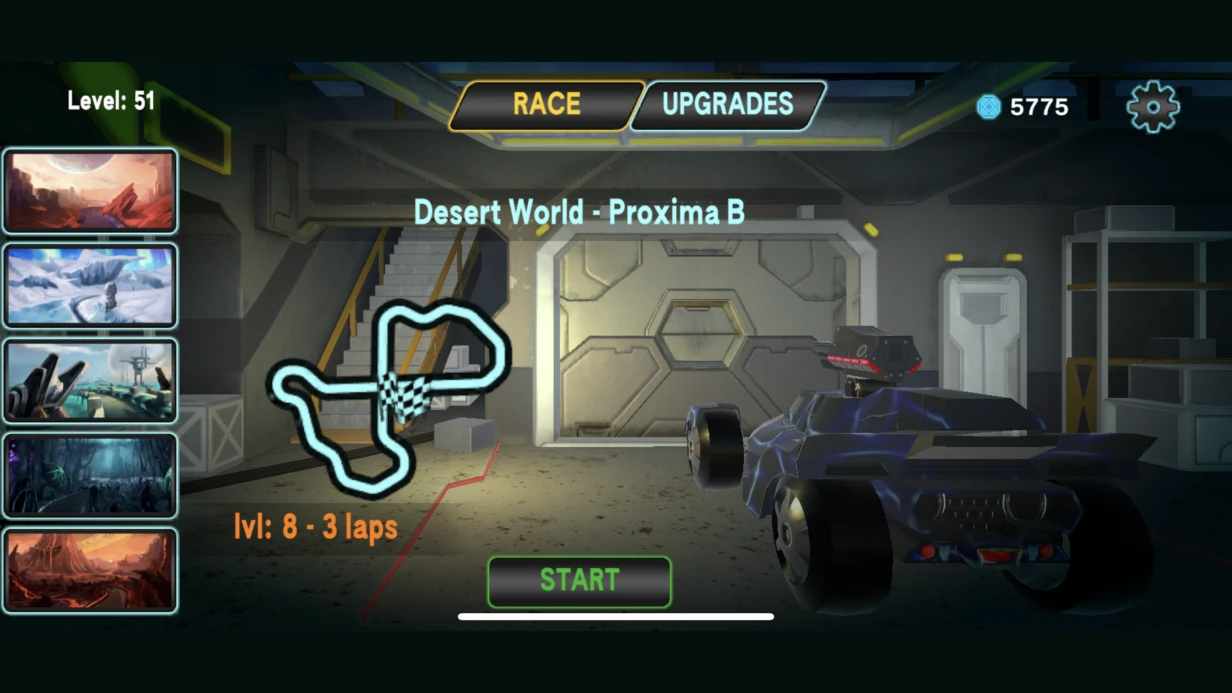
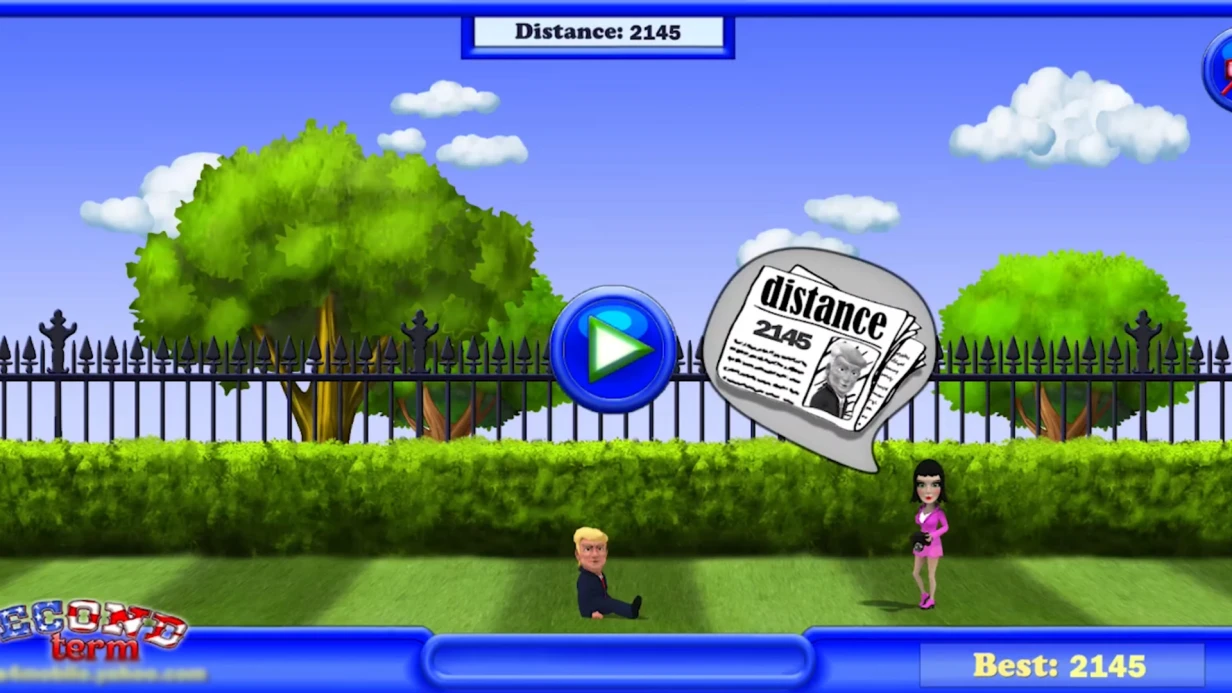
פיתוח משחקים לשיווק אירועים הוא דרך להחזיק את תשומת הלב של האורחים למשך 10–15 דקות במקום כמה שניות. בזמן הזה, אדם יכול לשקוע בסיפור, לזכור את המסר המרכזי וליהנות מהתהליך.
חוויה כזו נשארת בזיכרון לאורך זמן, ולאחר האירוע המשתתפים משתפים את הרגשות שלהם ברשתות החברתיות מיוזמתם — ומרחיבים את החשיפה ללא הוצאות פרסום נוספות.
אנחנו מפתחים משחקי הרפתקאות במתכונת turnkey כבר למעלה מעשר שנים: מהתסריט והמכניקה ועד התקנה באתר ותמיכה טכנית ביום האירוע.
אנחנו דואגים להכל כדי שתקבל כלי שמחזיר את תשומת הלב של האורחים והופך אירוע חד-פעמי לסיפור ארוך טווח עבור המותג שלך.
מה משחק הרפתקאות נותן למותג: רגשות, חשיפה, לידים
משחק הרפתקאות אינו בידור — הוא כלי שיווקי שעובד לשלוש מטרות בו-זמנית: נותן לאורחים רשמים עזים, מגדיל את המודעות למותג ואוסף פרטי קשר של לקוחות פוטנציאליים.
בניגוד למצגת או חוברת סטנדרטית, משחק מושך אדם לתוך הסיפור של המותג, גורם לו לחיות רגש ולזכור אותו לאורך זמן.
רשמים עזים הם מה שאורחים מגיעים אליו לאירוע. במשחק הרפתקאות, המשתתף אינו צופה מהצד אלא הופך לגיבור: הוא פותר חידות, מתקשר עם דמויות וחוקר את העולם.
פורמט זה מחזיק את תשומת הלב למשך 10–15 דקות, ולאחר הסיום האדם מספר לעמיתים ולרשתות החברתיות על החוויה שלו מיוזמתו. מעורבות רגשית הופכת השתתפות חד-פעמית לזיכרון מתמשך של המותג שלך.
המודעות למותג גדלה באופן טבעי: המכניקה והסיפור של המשחק בנויים סביב המוצר שלך, ואלמנטים ממותגים שזורים בפעולה באופן לא פולשני. אורחים לא זוכרים "דוכן של חברה" — הם זוכרים סיפור שבו המותג שיחק את התפקיד הראשי.
כל משתתף הופך לשגריר, ותמונות וסרטונים מהמשחק מתפשטים ברשתות החברתיות ללא תקציב פרסום נוסף.
יצירת לידים היא יתרון נוסף של פורמט ההרפתקאות. במהלך המשחק, המשתתף עובר שלבים שבהם הוא צריך להשאיר פרטי קשר כדי לקבל רמז או פרס. כך, איסוף הלידים מתבצע בצורה משחקית, ללא לחץ.
אתה מקבל מאגר של אנשים מתעניינים שכבר ניסו את המוצר בפועל ובעלי סבירות גבוהה לפנות שוב.
בקיצור: משחק הרפתקאות מחזיר את ההשקעה פי שלושה — דרך רגשות שיוצרים נאמנות, דרך חשיפה שיוצרת מודעות, ודרך מגעים שהופכים ללידים. אם אתה רוצה שהפרויקט הבא שלך ייזכר לאורך זמן, התחל עם משחק.
פורמטי עבודה: מרעיון ועד השקת משחק לעסק
אין פתרון אחד שמתאים לכולם בפיתוח משחקים: מה שעובד מצוין לחברה אחת עשוי להיות מוגזם עבור אחרת. לכן אנחנו שומרים על גמישות בתהליכים שלנו ומציעים מספר פורמטי שיתוף פעולה — ממחזור מלא ועד התאמות ממוקדות.
זה מאפשר לך לבחור אפשרות שמתאימה למשימה, ללוחות הזמנים ולתקציב שלך מבלי לשלם יותר מדי עבור שלבים מיותרים.
להלן פירוט קצר של הפורמטים. בכל מקרה, אתה מקבל משחק עובד, לוחות זמנים ברורים ותמיכת צוות בכל השלבים.
| פורמט | למי | מה זה נותן לעסק |
|---|---|---|
| פיתוח במתכונת turnkey | חברות שצריכות משחק מוכן מרעיון ועד השקה | קבלן אחד, לוחות זמנים קבועים, מחזור מלא ללא צורך להיכנס לפרטים |
| פרויקט מותאם אישית | לקוחות עם רעיון, מכניקה או סיפור משלהם | משחק ייחודי המותאם למשימה ולקהל ספציפיים |
| משחק מוכן עם התאמה | אלה שצריכים השקה מהירה ופתרון מוכח | התחלה מהירה, תקציב קטן יותר, התאמה למותג ולמטרות |
| תמיכה ושדרוג | בעלי משחקים שכבר הושקו | צמיחת המוצר: רמות חדשות, מכניקות, עדכונים עונתיים |
אתה יכול להתחיל עם פורמט אחד ואז לעבור לאחר: למשל, קודם להזמין אב-טיפוס כדי לבדוק את הרעיון, ואז לעבור לפיתוח מלא. אנחנו גם תומכים בתרחישים מעורבים אם אף אחד מהפורמטים לא מתאים בדיוק.
ז'אנר ההרפתקאות הוא אחד הגמישים ביותר לעסק: הוא יכול להיות משחק קידום מכירות קצר או מוצר נרטיבי ארוך שמחזיק את תשומת הלב של הקהל במשך חודשים. ספר לנו על המשימה שלך — נבחר פורמט ונציע פתרון לתקציב שלך.
שלבי הפרויקט: מבריף ועד השקת המשחק
אתה לא צריך להבין בפיתוח כדי להזמין משחק — אתה רק צריך תהליך שקוף שבו אתה שולט בכל שלב. בנינו את השלבים כך שתראה את התוצאה בכל שלב ותוכל להשפיע עליה: מהבריף הראשון ועד ההשקה והצמיחה העתידית של הפרויקט.
-
בריף והתעמקות במשימה — ראיון קצר שבו אנו לוכדים את מטרות המשחק, קהל היעד והתוצאה הרצויה. אתה מקבל תוכנית עבודה והערכת עלות שקופה ללא סעיפים נסתרים.
-
קונספט ואב-טיפוס — אנו מציעים מכניקת משחק וסגנון, ובונים גרסה מיניאטורית כדי לבדוק את הרעיון המרכזי. אתה רואה איך המשחק נראה ומרגיש לפני הפיתוח המלא ויכול לכוון את הכיוון.
-
אישור הפרויקט — אנו קובעים את השלבים המרכזיים, לוחות הזמנים והתקציב. אתה מאשר את התוכנית, ואנחנו עוברים לפיתוח מלא ללא הפתעות או הערכות מחודשות בלתי צפויות.
-
פיתוח המשחק — אנו בונים את כל הרמות, הדמויות, התסריט והממשק. אתה מקבל דוחות קבועים וגרסאות ביניים כדי שתוכל לעקוב אחר ההתקדמות ולהרגיש חלק מהצוות.
-
בדיקות איכות — אנו בודקים את המשחק על מכשירים שונים, מסירים באגים וקצוות גסים. עד ההשקה, יש לך מוצר יציב שתוכל להתגאות להראות לשחקנים.
-
השקה ופרסום — אנו עוזרים לשחרר את המשחק בחנויות ובפלטפורמות הרלוונטיות ולהגדיר את דף המוצר. אתה מקבל משחק מוכן לקבל את המשתמשים הראשונים עם מינימום טרחה טכנית.
-
תמיכה וצמיחה — לאחר ההשקה, אנחנו נשארים בקשר: אנחנו מתקנים באגים, משחררים עדכונים ומוסיפים רמות חדשות לפי בקשתך. אתה יכול להמשיך לפתח את הפרויקט על סמך משוב שחקנים.
מה כלול במסירה: ערכה להשקה ותפעול
כשאתה מזמין משחק הרפתקאות הבנוי על Unity, אתה מקבל יותר מסתם אב-טיפוס עובד. אנחנו מוסרים ערכה מלאה שמאפשרת לך להשיק את המשחק, להכשיר צוות ולנהל את הפרויקט ללא תלות בנו. כל מה שצריך לתפעול כלול במסירה.
הרכבנו את הערכה הזו משנים של פרויקטים מעשיים — שום דבר מיותר, אבל כל מה שצריך לפעולה יציבה. אלה לא קבצים על דיסק; הם כלים מוכנים שהצוות שלך יכול להשתמש בהם מדי יום.
המסירה כוללת:
- קוד מקור והזכויות עליו — אתה הבעלים של הפרויקט ויכול למסור אותו לצוות אחר או לפתח אותו בעצמך.
- הכשרת הצוות שלך — מפגש אישי למנהלים: איך להשיק, להגדיר ולעדכן את המשחק.
- תיעוד השקה והגדרה — מדריך שלב-אחר-שלב לפריסה על הציוד שלך.
- מדריך מנהל — ניהול תרחישים, רמות ומשתמשים ללא מפתח.
- תמיכה טכנית בהשקה — אנחנו זמינים בזמן שהמשחק רץ עבור הלקוחות או האורחים שלך בפעם הראשונה.
- תוכנית תחזוקה — עדכונים שוטפים, תיקוני באגים, התאמה לאירועים חדשים.
- חומרי מקור — גרפיקה, אודיו, תסריטים שניתן להשתמש בהם לשיווק והשקות חוזרות.
הערכה הזו מסירה את החשש המרכזי של הלקוח — תלות במפתח לאחר מסירת הפרויקט. אתה לא מקבל "קופסה שחורה" אלא מערכת ברורה שקל לתפעל ולשלוט בה.
אנחנו נשארים לצידך במהלך ההשקה ומטפלים בצד הטכני, בעוד השליטה התפעולית עוברת אליך.
תוצאות מקרה בוחן: איך משחק הגביר את מעורבות האורחים
הטיעון הטוב ביותר עבור לקוח הוא תוצאה קונקרטית. לרגל יום השנה ה-200 של חברה, פיתחנו משחק הרפתקאות immersive על Unity: במקום לצפות פסיבית בתוכנית האירוע, האורחים לקחו שליטה על הסיפור.
מקרה: משחק קווסט באירוע חברה
סוכנות האירועים «Формат» פנתה אלינו עם המשימה להחזיק את תשומת הלב של הקהל. באירועים קודמים, האורחים התעייפו מהר מהבמה והתחרויות.
הצענו קווסט הרפתקאות קבוצתי: חקר המתחם, חידות וחפצים, עם התקדמות של כל קבוצה המוצגת על מסכים.
תוצאות הפרויקט עלו על הציפיות. תוך שעתיים, כל 200 האורחים השלימו את הקווסט ב-25 קבוצות, וזמן ההשתתפות הפעילה הממוצע היה 3 שעות — ללא אורח אחד שהוסח על ידי הטלפון שלו.
הרשתות החברתיות אישרו את המעורבות: האורחים פרסמו יותר מ-80 תמונות וסרטונים עם האשטאג האירוע.
ההמלצה של הלקוח מאשרת בנעימות את המספרים: "החבר'ה לא רק עשו משחק — הם הפכו את אירוע החברה שלנו לסיפור חי. האורחים עדיין זוכרים את הקווסט ומבקשים לחזור עליו.
כבר הזמנו את הפיתוח של הגרסה הבאה." התוצאה הזו הושגה כי אנחנו בונים את המשחק סביב המטרות של הלקוח, לא סביב מפרטים טכניים.
לאחר ההשקה, נשארנו בקשר: ניטרנו יציבות, ביצענו תיקונים מהירים והכנו הוראות למנחה. הלקוח קיבל תרחיש מוכן שניתן להתאים בקלות למקומות וקהלים אחרים.
זהו מקרה פיתוח משחק שבו התוצאה נמדדת לא בשורות קוד אלא במעורבות אורחים ובהזמנה חוזרת.
אם אתה לא בטוח שפורמט ההרפתקאות מתאים לאירוע שלך, הסתכל על הניסיון של «Формат»: 100% משתתפים, המלצת לקוח ופניות חדשות מפה לאוזן.
איך לבחור את פורמט משחק ההרפתקאות המתאים למשימה שלך?
בחירת פורמט משחק הרפתקאות מתחילה לא בטכנולוגיה אלא בתשובות לשתי שאלות: מה המשחק צריך לעשות עבור העסק שלך ואיזה תקציב אתה מוכן להקצות.
המכניקה, היקף התוכן והתסריט תלויים במטרות שלך; זמן הפיתוח ועומק הפירוט תלויים בתקציב. אם המטרות ברורות, הפורמט הנכון כמעט בוחר את עצמו.
לחשיפה המונית והכרה מהירה, משחק הרפתקאות קומפקטי הוא הבחירה הטובה ביותר: סיפור קצר עם חידות פשוטות שניתן להשלים בעשר עד חמש עשרה דקות. פורמט זה קל לשיתוף באמצעות קישור, עובד היטב בתערוכות ואינו דורש עקומת למידה ארוכה. אתה מקבל נקודות מגע רבות עם המותג ללא השקעת תוכן משמעותית.
אם המשימה היא להחזיק קהל ולאסוף לידים, שקול הרפתקה עם עלילה מסתעפת וסיומים מרובים. השחקן חוזר לחקור נתיבים חלופיים, ובכל משחק הוא צולל עמוק יותר לתוך המוצר שלך.
זה נותן יותר סיבות לשתף את התוצאה ולעתים קרובות יותר מוביל למגעים חוזרים — ולכן להמרה גבוהה יותר משחקן ללקוח.
כשמשחק הופך לחלק מאסטרטגיית מותג — למשל, הכשרת עובדים או הדגמת יכולות של מוצר חדש — כדאי לשקול הרפתקה בקנה מידה מלא עם שעות משחק ומערכת התקדמות.
זו האפשרות עתירת המשאבים ביותר, אבל היא מבטיחה חיי פרויקט ארוכים וטביעת רגל רגשית מתמשכת שמכניקות פרסום רגילות לא יכולות לספק.
התקציב קובע לא רק את ההיקף אלא גם את הפורמט ההגיוני: עם תקציב מוגבל, בטוח יותר ליצור סיפור אינטימי טוב מאשר להתפזר על עולם גדול ללא עבודת פירוט קפדנית.
אנחנו ממליצים להתחיל עם פורמט פיילוט שניתן לבדוק במהירות על משתמשים אמיתיים ואז להגדיל על סמך הנתונים שנאספו. כך אתה משלם על מה שכבר הוכיח את עצמו ונמנע מתשלום יתר על יכולות שאינן בשימוש.
שאלות נפוצות: עלות, לוחות זמנים, סיכונים
לפני כל פרויקט הרפתקאות, עולות אותן שאלות: כמה זה עולה, כמה זמן זה לוקח, והאם אפשר לסמוך על הקבלן? אנחנו עונים ישירות ולעניין — ללא אותיות קטנות או פרטים טכניים שמפחידים במקום לעזור.
כמה עולה פיתוח משחק במתכונת turnkey?
העלות תלויה בהיקף: מספר המיקומים, הדמויות, התרחישים, הרמות והפלטפורמות שעליהן המשחק ירוץ.
אנחנו נותנים את המספר המדויק לאחר הבריף וקובעים אותו בחוזה — ללא "תשלומים נוספים בדרך." הפירוט שלב-אחר-שלב מאפשר לך לשלוט בתקציב ולראות על מה אתה משלם.
מהם לוחות הזמנים לפיתוח משחק הרפתקאות?
פרויקט טיפוסי לוקח בין חודשיים לשישה חודשים — הכל תלוי בהיקף. אנחנו מחלקים את העבודה לשלבים עם נקודות ביקורת ברורות: אתה מקבל גרסאות ביניים באופן קבוע ויכול לראות שהתהליך על המסלול.
אם צריך לקצר את לוחות הזמנים, אנחנו דנים בכך לפני ההתחלה ומציעים פתרון ללא פגיעה באיכות.
אילו ערבויות אתם נותנים על התוצאה?
הערבות מוגדרת בחוזה: לאחר המסירה, אנחנו תומכים במשחק, מתקנים באגים ומשכללים פרטים לתקופה מוסכמת. לפני ההשקה, אנחנו מבצעים בדיקות מלאות על מכשירי היעד, כך שהבעיות העיקריות נחתכות לפני הפרסום.
מהם הסיכונים ואיך אתם מכסים אותם?
הסיכון המרכזי הוא שהמשחק יתברר שונה ממה שדמיינת. לכן אנחנו מתחילים עם אב-טיפוס: תוך כמה שבועות, אתה רואה את המשחקיות ומתקן אותה מיד במקום לשכתב הכל בסוף.
חריגה מלוחות זמנים וקשיים טכניים נסתרים מכוסים גם הם על ידי חוזה עם אחריות קבועה.
אם עדיין יש לך ספקות — שאל אותנו ישירות. נשלח הערכת עלות לתרחיש שלך, נראה דוגמאות של פרויקטי הרפתקאות דומים ונסביר כל נקודה בשפה פשוטה.השאר בקשה לפיתוח משחק הרפתקאות במתכונת turnkey
משחקי הרפתקאות הם פורמט שלא רק מבדר — הוא מחזיק תשומת לב ומושך את הקהל לתוך סיפור.
מוצר כזה מגדיל את המודעות למותג ומעודד משתמשים לשתף את הרשמים שלהם, ולכן חברות מרבות להמר עליו כשהן צריכות לא חשיפה חד-פעמית אלא קשר ארוך טווח עם הלקוח.
אנחנו לוקחים על עצמנו פיתוח משחקי הרפתקאות במתכונת turnkey: מתסריט ודמויות ועד השקה ותמיכה. אנחנו עובדים בסנכרון עם הצוות שלך כך שהמוצר הסופי פותר משימות עסקיות — מושך משתמשים חדשים, שומר על קיימים או עוזר בהכשרת עובדים.
אתה לא צריך להיכנס לפרטים טכניים: אנחנו מציעים פתרון מוכן ותוכנית ברורה בכל שלב.
השאר בקשה באתר, ולאחר שיחה קצרה תקבל:
- ייעוץ לתרחיש שלך: נבחן את הרעיון ונציע כיצד לחזק אותו מנקודת מבט של מכניקת משחק.
- הערכה ראשונית של לוחות הזמנים והעלות עבור ההיקף והמטרות שלך.
- קונספט פרויקט: איך המשחק, העולם, הדמויות והלוגיקה המרכזית שלו ייראו.
- תוכנית עבודה עם שלבים ונקודות ביקורת — אתה תמיד יודע מה קורה בכל שלב.
- מבחר מפרויקטי ההרפתקאות הקודמים שלנו כדי שתוכל לראות את רמת הביצוע.
- הצעה מסחרית שקופה עם הסכמים ולוחות זמנים קבועים.
צור איתנו קשר בכל דרך שנוחה לך — נחזור אליך תוך יום עסקים אחד עם תוכנית פעולה ראשונה. כדי להזמין פיתוח משחק הרפתקאות במתכונת turnkey, פשוט השאר בקשה באתר: נדון במשימה, נענה על שאלותיך ונכין פתרון עבור הקהל שלך.