


למה רוב חדרי הבריחה מאבדים אורחים ואיך לתקן את זה
בעלי חדרי בריחה רואים לעיתים קרובות את אותה תמונה: היומן מלא לגמרי בחודשים הראשונים לאחר הפתיחה, ואז ההזמנות מתחילות להאט. הסיבה אינה פרסום ולא המיקום, אלא משימות פורמליות שמפסיקות במהירות למשוך אפילו אורחים חדשים.
אנשים לא באים רק כדי לפתור מנעולים — הם באים בשביל רגש ששווה לדבר עליו. כשהרגש הזה חסר, הקבוצה עוזבת עם המחשבה "זה היה בסדר" — והמחשבה הזו לא מספיקה כדי להחזיר אותם.
אובדן של ביקור אחד בחדר בריחה אינו רק הפסד של דמי המשחק. אתה מאבד גם את האורח ואת ההמלצות שלו — ואיתם, את הקבוצות העתידיות שיכלו להגיע מפה לאוזן.
לכן שימור אורחים הופך לגורם המרכזי שמניע את הרווחיות של חדר בריחה. מבקרים חוזרים זולים יותר לרכישה, עקביים יותר בהזמנות, ומוכנים יותר לקנות מתנות ושוברי מתנה.
המבקר של היום מפונק: הוא משווה את חדר הבריחה שלך לאפשרויות בילוי אחרות — קולנוע, מופעים אינטראקטיביים, זירות VR. חדר רגיל עם מנעולים מפסיד בהשוואה הזו כי הוא לא מספק את רמת המעורבות שאנשים מצפים לה.
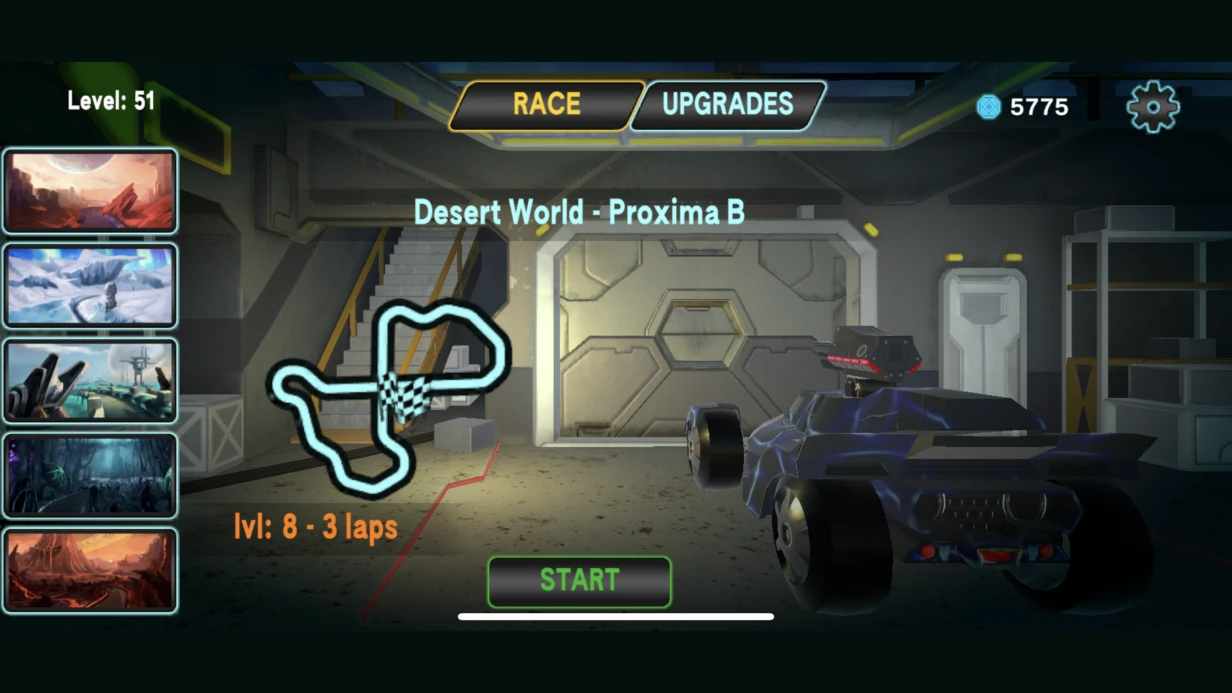
פורמט משחק בסגנון אטרקציה עוזר להחזיר את עניין הקהל: סיפור מחושב היטב, סצנות בלתי צפויות, שחקנים חיים, או אפקטים דיגיטליים שאתה מתקשר איתם כמו במשחק וידאו גדול.
אנחנו יוצרים חדרי בריחה כאלה ב-Unity במפתח מלא — מהקונספט ועד ההשקה ותמיכה שוטפת. המשחק הופך לאטרקציה עצמאית: הוא מתאים את עצמו לפעולות השחקנים, מספק רמזים כשהקבוצה תקועה, ומספק שיאים רגשיים ברגעים הנכונים. כתוצאה מכך, אורחים לא רק מגיעים לסיום — הם עוזבים עם רצון לשחק בחדר הבריחה הבא שלך.
אילו יעדים עסקיים פורמט המשחק פותר
פורמט המשחק של חדר בריחה הופך בידור לכלי שיווקי עובד: הוא יוצר באזז, מייצר חשיפה במדיה החברתית, מחזק את המודעות למותג, ומזין זרם קבוע של לידים.
בניגוד לפרסום פסיבי, משחק מערב אורחים בפעולה — הרגשות נשארים איתם הרבה אחר כך, והפה-לאוזן עושה את העבודה ללא השקעה נוספת.
כשמשתתפים משלימים משימה, הם משתפים את ההתרשמות שלהם במדיה החברתית בעצמם — מפרסמים תמונות, סרטונים, ומתייגים את המותג. זה יוצר חשיפה אורגנית שמתחרה בקמפיינים ממומנים ולעיתים קרובות עולה עליהם בזכות האפקט הוויראלי. כל אורח מביא עוד 2–3 אזכורים ברשת, ומגדיל את הקהל ללא תקציב מדיה.
מנגנוני איסוף פרטים נבנים בקלות לתוך תרחיש המשחק: הרשמה למשימה, חידון עם פרס, הנחיה לעקוב אחרי הערוצים החברתיים של המותג.
בדרך זו, בידור הופך למקור של לידים חמים — אנשים משאירים את הפרטים שלהם ברצון כי הם באמת מעוניינים. והפורמט הלא שגרתי מחזק נאמנות: אורחים חוזרים ומביאים חברים, בעוד אזכורים במדיה החברתית מחזקים את ההכרה במותג.
כדי להבטיח שהמשחק יפעל ללא תקלות, חשוב להשתמש בטכנולוגיה אמינה. אנחנו בונים פרויקטים על מנוע Unity המקצועי — זה מבטיח ביצועים יציבים על כל מכשיר וטעינה מהירה אפילו עם מספר גדול של משתתפים.
עם ניסיון של 10 שנים, הצוות שלנו מספק משחקים כאלה במפתח מלא: מהקונספט והתרחיש ועד ההשקה, עם תמיכה ביום האירוע.
בסופו של דבר, אתה מקבל תוצאות עסקיות מדידות: גידול באזכורי המותג, חשיפה מוגברת ומאגר פרטים, בתוספת אורחים מעורבים שהופכים ללקוחות קבועים.
ספר לנו על האתגר שלך — נתאים תרחיש חדר בריחה ליעדים ולקהל שלך ונפתח משחק שמחזיר את ההשקעה.
פורמטים של חדרי בריחה ליעדים עסקיים שונים
כדי שחדר בריחה יניב תוצאות, חשוב לבחור את הפורמט הנכון — כזה שמתאים למקום, לקהל וליעד העסקי שלך. התקציב, לוח הזמנים להשקה, ומהירות החזר ההשקעה תלויים כולם בבחירה הזו.
אנחנו מתאימים את הפורמט ליעדים שלך במקום לנסות "לדחוס" פתרון מוכן לתרחיש של מישהו אחר.
השוואת פורמטים
| פורמט | למי זה מתאים | מה זה מספק ללקוח |
|---|---|---|
| משימה ניידת | אירועים, פסטיבלים, פארקים, קמפיינים שיווקיים | הגעה לקהל רחב ללא תלות במקום פיזי; התחלה קלה והתאמה מהירה לכל אתר |
| חדר אטרקציה | קניונים, אולמות תצוגה, מרכזי בידור | זרם קבוע של מבקרים וביקורים חוזרים — החלל הופך לנקודת יעד |
| משחק מקוון | חברות עם צוותים מפוזרים, מותגי אינטרנט | מעורבות משתתפים מכל עיר; קנה מידה ללא עלויות שכירות או מקום |
| היברידי | אירועים בקנה מידה גדול, פתיחות, כנסים | משלב רגשות חיים עם חשיפה דיגיטלית: אורחים משחקים במקום בזמן שהמותג מקבל תוכן למדיה החברתית |
לאירוע חד-פעמי, משימה ניידת נוחה — הצוות יכול להקים אותה תוך שעה, והתרחיש קל להתאמה לכל מיקום. אם אתה צריך נקודת אטרקציה קבועה, בחר חדר אטרקציה: הוא מספק תפוסה צפויה ובונה בסיס של לקוחות נאמנים.
משחק מקוון פותר את האתגר של הגעה לגיאוגרפיה רחבה ומשתלב בקלות עם האתר או קמפיינים בדוא"ל.
אנחנו נעזור לך לבחור את הפורמט, לחשב את העומס, ולעצב תרחיש כך שהמשחק יעבוד למען ההכנסות שלך. ספר לנו על האתגר שלך — נציע אפשרות שתתאים לתקציב וללוח הזמנים שלך.
איך תהליך הפרויקט עובד: 6 שלבים
תהליך ברור הוא חצי מההצלחה של כל פרויקט. חילקנו את העבודה לשישה שלבים, ובכל אחד מהם אתה יודע בדיוק מה קורה ואיזו תוצאה תקבל. אין "קופסאות שחורות": רק הסכמות שקופות, משוב, ושלבי פיתוח ברורים.
- בריף ויעדים — אנו דנים בפורמט חדר הבריחה, קהל היעד והמקום. אנו קובעים מה הכי חשוב לך: מעורבות אורחים, מודעות למותג, או אפקט חינוכי.
- קונספט ותרחיש — אנו מציעים את הנושא, קו העלילה, החידות והמכניקות. אתה מקבל מסמך עם ההיגיון הסיפורי וההתקדמות שאתה יכול לערוך לפני האישור.
- אב-טיפוס — אנו בונים גרסה עובדת עם המכניקות המרכזיות. אנו בודקים אם התרחיש מרתק ומבצעים התאמות לפני תחילת הפיתוח המלא.
- אישור פרויקט — אנו קובעים את היקף העבודה, לוח הזמנים והפתרונות החזותיים. אתה רואה איך המשחק ייראה בפועל ומקבל החלטה מושכלת על המשך הדרך.
- פיתוח והרכבה — אנו יוצרים את הרמות הסופיות, העיצוב החזותי, הסאונד והממשק. אנו מראים לך גרסאות ביניים כדי שתוכל לשלוט בתהליך ובאיכות.
- השקה ותמיכה במשימה — אנו פורסים את המשחק על הפלטפורמה שאתה צריך, מגדירים הכל ומכשירים את הצוות שלך. לאחר ההשקה, אנחנו נשארים בקשר: מתקנים תקלות, מעדכנים תוכן ומנטרים יציבות.
| שלב | מה קורה | מה אתה מקבל |
|---|---|---|
| בריף וקונספט | אנו אוספים דרישות, מייצרים רעיונות ותרחישים | חזון ברור של המשימה העתידית |
| אישור פרויקט | אנו קובעים היקף, לוח זמנים והחלטות מפתח | תוכנית שקופה והערכת עבודה |
| פיתוח | אנו בונים את המשחק ומראים גרסאות ביניים | בקרת איכות בכל שלב |
| השקה ותמיכה | אנו מפרסמים את הפרויקט ומספקים תמיכה לאחר השחרור | חדר בריחה עובד וביטחון ביציבות |
רצף זה עוזר להימנע מעבודה חוזרת ועלויות מיותרות. אתה תמיד מבין באיזה שלב נמצא הפרויקט ויכול להשפיע על התוצאה. הצוות מקבל אבני דרך ברורות — כך שהמשחק מושק בזמן וללא הפתעות.
מה כלול במסירה ומי אחראי לתוצאה
אתה מזמין משחק במפתח מלא — ומקבל לא "מוצר חצי גמור" אלא מוצר מוכן שאתה יכול להשיק ולהשתמש בו כדי למשוך מבקרים מיד. אנחנו מטפלים בכל המחזור: מהתרחיש ועד ההפעלה, ואחרי ההשקה אנחנו נשארים זמינים לתמיכה. חבילת המסירה כוללת כל מה שהצוות שלך צריך כדי לעבוד בביטחון מהיום הראשון.
חבילת מסירה:
- תרחיש משחק — קו עלילה מלוטש עם משימות וחידות, מותאם לקהל היעד ולמקום שלך.
- לוגיקת משחק ורמות — מכניקות משחק מוגדרות במלואן: בקרות, רמזים, טיימרים, מעקב התקדמות. המשחק רץ ביציבות, סולח על טעויות, ונותן משוב ברור.
- פאנל ניהול — ממשק אינטואיטיבי לניהול סשנים: התחלה, השהיה, הפעלה מחדש של המשחק, צפייה בסטטיסטיקות משתתפים. אין צורך בתכנות — הכל נעשה בכמה קליקים.
- מדריך הפעלה — מדריך שלב-אחר-שלב לצוות: איך להכין את החדר, להשיק את המשחק, לטפל במצבים נפוצים ולסגור סשן.
- הכשרת צוות — אנו מקיימים סשן לעובדים שלך כדי שיוכלו לעבוד בביטחון עם המערכת ולסייע לשחקנים. לאחר ההכשרה, הם מקבלים כרטיס עזר והוראות וידאו.
- תמיכת אחריות — לתקופה מוסכמת לאחר המסירה, אנו מתקנים כל תקלה ללא עלות ומייעצים לצוות שלך בכל שאלה.
מי אחראי לתוצאה? אנחנו. אתה מקבל משחק עובד שמושק בזמן ולא מאכזב ברגע הקריטי ביותר.
אם מתעוררות בעיות במקום, הצוות שלנו מגיב במהירות ועוזר לפתור אותן — מרחוק או במקום, אם זה מוגדר בחוזה.
בקיצור, אתה מקבל חבילת מפתח מלא אחת וקבלן אחד שאחראי לאיכות, ללוחות זמנים ולתוצאה הסופית.
זה חוסך ממך את הצורך לחפש מפתחים, אנימטורים ותסריטאים בנפרד — הכל כבר ארוז בפתרון מוכן לעסק שלך.
מקרה בוחן: איך משחק מותאם אישית הכפיל את המכירות של רשת משימות
רשת משימות פנתה אלינו עם נקודת כאב טיפוסית: היה להם זרם קבוע של אורחים חדשים, אבל כמעט ללא מבקרים חוזרים. אורחים הגיעו פעם אחת, ולא היה דיבור על הזמנות חוזרות או המלצות — כלומר כל תקציב שיווקי עבד רק למכירה חד-פעמית.
הצענו לפתור את הבעיה עם משחק מותאם אישית. במקום משימה סטנדרטית, הצוות שלנו פיתח חדר בריחה מותאם אישית ב-Unity במפתח מלא — מותאם למיקומים, לקו העלילה ולפרופיל האורחים שלהם.
המשחק הפך לא לתוספת למוצר המרכזי אלא לתרחיש מלא ששווה לחזור אליו.
תוצאות לאחר חודש אחד
חודש לאחר ההשקה, הרשת ראתה צמיחה מדידה במדדים מרכזיים. חלק ההזמנות החוזרות עלה ב-60% — אורחים התחילו לחזור כדי לחוות את התרחיש החדש ולהביא חברים.
במקביל, החשבון הממוצע עלה: המשחק המותאם אישית אפשר להציג אפשרות נוספת, והבאזז סביב החידוש עודד אורחים לרכוש יותר שירותים בכל ביקור.
למה הפרויקט הפך למנוע צמיחה
חשוב לציין, זו לא הייתה קידום חד-פעמי אלא פתרון מערכתי. המשחק קשור לתרחישים האמיתיים של הרשת, כך שקל להרחיב ולשנות קנה מידה — הלקוח כבר הזמין פרק שני.
בעצם, לא רק מסרנו משחק; יצרנו נכס שממשיך להניע צמיחה במכירות ללא הוצאות פרסום קבועות.
המקרה הזה מראה שמשחק מותאם אישית במפתח מלא אינו תוספת דקורטיבית אלא כלי שהופך ביקורים חד-פעמיים לקבועים. והוא מתחיל לעבוד כבר בחודש הראשון, לא אחרי שנה.
איך לבחור את הפורמט הנכון ליעד שלך?
בחירת פורמט משחק קלה יותר ממה שזה נראה אם מתחילים לא מהטכנולוגיה אלא משלושה דברים: תקציב הפרויקט, מקום ההשקה והיעד השיווקי.
אין פתרון אחד שמתאים לכולם — אירוע חברה צריך אפשרות אחת, קמפיין מקוון אחרת, ומודול חינוכי שלישית. אנחנו עוזרים ללקוחות לנווט בנתיב הזה ולהימנע מתשלום יתר על תכונות שלא משרתות את היעד שלהם.
התקציב ולוח הזמנים להשקה קובעים את קנה המידה. אם צריך להשיק תוך שבועיים עם תקציב מוגבל, פורמטים קומפקטיים עובדים היטב: חידון מבוסס דפדפן, "חדר חידות" במיקום יחיד, או משחק מיני למדיה חברתית.
אם האירוע הוא מפתח עבור המותג ומאפשר יותר זמן, אנחנו בונים חדר בריחה מלא עם נרטיב, רמות מרובות ושילוב תוכנית נאמנות. בשני המקרים, אתה מקבל משחק מלוטש, לא אב-טיפוס גולמי.
המקום קובע את האילוצים הטכניים: לאירוע לא מקוון, יציבות בטאבלטים ובמסופים היא קריטית; לאתר, טעינה מהירה וידידותיות למובייל חשובות; לתערוכה, אתה צריך מסך גדול ותמיכה בבקרת מגע.
אנחנו בוחרים פורמט שלא מתנגש עם המקום, כך שאורחים לא חושבים על איך לשחק — הם פשוט צוללים לתוך החוויה.
היעד השיווקי קובע את המכניקות. למודעות וויראליות, אתה צריך רגשות חיים, הזדמנויות צילום ולוח מובילים. לאיסוף פרטים — תרחיש קצר עם טופס בסוף. לשימור לקוחות — רמות מאתגרות ועדכונים סדרתיים.
ספר לנו את מי אתה רוצה למשוך ואיזו תוצאה אתה רוצה למדוד — נציע את הפורמט, לוח הזמנים והערכת התקציב שיתאימו למשאבים שלך.
שאלות נפוצות וחששות לפני הזמנה
לפני הזמנת משחק לאירוע, לכל לקוח יש את אותן שאלות. זה נורמלי — הרושם שאורחים לוקחים והמוניטין של המותג תלויים בתוצאה. להלן, אנו עונים על החששות הנפוצים ביותר בכנות כדי שתוכל לקבל החלטה עם הבנה מלאה.
כמה זמן לוקח הפיתוח?
לוח הזמנים תלוי במורכבות הקונספט ובהיקף המכניקות. משחק משימה פשוט מוכן תוך 2–3 שבועות; חדר בריחה מלא עם נרטיב ורמות מרובות לוקח 1–2 חודשים. אנחנו תמיד קובעים את לוח הזמנים בחוזה ומסכימים על לו"ז שלבי.
מה אם המשחק ייכשל ביום האירוע?
המשחקים שלנו עוברים בדיקות מקיפות לפני המסירה. ביום האירוע, אנחנו נשארים בקשר ומוכנים לפתור כל בעיה במהירות — תמיכה טכנית כלולה במחיר. לאירועים חשובים, אנחנו מסדרים ערכת ציוד גיבוי.
האם אנחנו מקבלים את הזכויות למשחק?
כן. לאחר התשלום הסופי, כל הזכויות למשחק עוברות אליך. אתה יכול להשתמש בו באירוע שלך, לשנות טקסטים ועיצוב, ואם צריך — להזמין מאיתנו פיתוח נוסף למשימות חדשות.
האם ניתן להתאים את המשחק לצרכים הספציפיים שלנו?
אנחנו בונים את המשחק סביב הדרישות שלך: מספר משתתפים, מקום, זמן השלמה, פרטי התעשייה. אנחנו לוקחים את הרעיונות שלך והופכים אותם לתרחיש שמכוון במדויק לקהל שלך ומגביר את המסר שלך.
אילו ערבויות אתם מספקים על התוצאה?
אתה רואה גרסאות ביניים של המשחק בכל שלב ומאשר אותן. עד שתאשר את התוצאה, אנחנו לא רואים את המשימה כמושלמת. זה מבטיח שהמשחק יעמוד בציפיות שלך — לא במילים, אלא בפועל.
התחל את הפרויקט שלך: קבל הערכה ותוכנית פיתוח
התחלת פרויקט פירושה הסרת אי-ודאות: הבנת העלות, לוח הזמנים והשלבים לפני השקעת כל דבר.
עבור רוב לקוחות חדרי הבריחה, השאלה המרכזית אינה "איך זה נבנה" אלא "מתי אקבל את המשחק ומה זה עולה." לכן עיצבנו את התהליך כך שמהיום הראשון, יש לך הערכה מלאה ותוכנית ברורה.
לאחר פנייה קצרה, אנו קובעים שיחה, מבהירים את היעדים שלך ומכינים חבילת מסמכים. כל זה — ללא תשלום מראש או התחייבויות, כך שתוכל לקבל החלטה על סמך עובדות, לא הבטחות.
ביום הראשון, אתה מקבל:
- הצעה מסחרית עם עלות פיתוח קבועה — ללא תוספות נסתרות או אותיות קטנות.
- תוכנית עבודה שלב-אחר-שלב: מקונספט ותרחיש חדר הבריחה ועד לשחרור ופרסום.
- לוח זמנים לכל שלב — עם מרווח לאישורים ותיקונים.
- המלצות על פלטפורמות ומונטיזציה: איך המשחק ייצור הכנסות לאחר ההשקה.
- הרכב הצוות: מי בדיוק יעבוד על הפרויקט ומה כל אחד אחראי עליו.
- תשובות לשאלות שלך — על זכויות, קבצי מקור, תמיכה ופיתוח משחק עתידי.
אנחנו מטפלים בכל הצד הטכני: הצוות שלנו משתמש בכלים מוכחים וציוד מקצועי, כך שאתה מקבל תוצאה יציבה, לא ניסויים. כל מה שאתה צריך לעשות הוא לאשר את התוכנית ולעקוב אחר ההתקדמות.
השאר פנייה — נחזור אליך תוך יום עסקים אחד עם הערכה ותוכנית. אחרי זה, ההחלטה היא שלך: להתחיל או לא. אבל לרוב, אחרי השיחה הראשונה, לקוחות אומרים: "בואו נעשה את זה."