


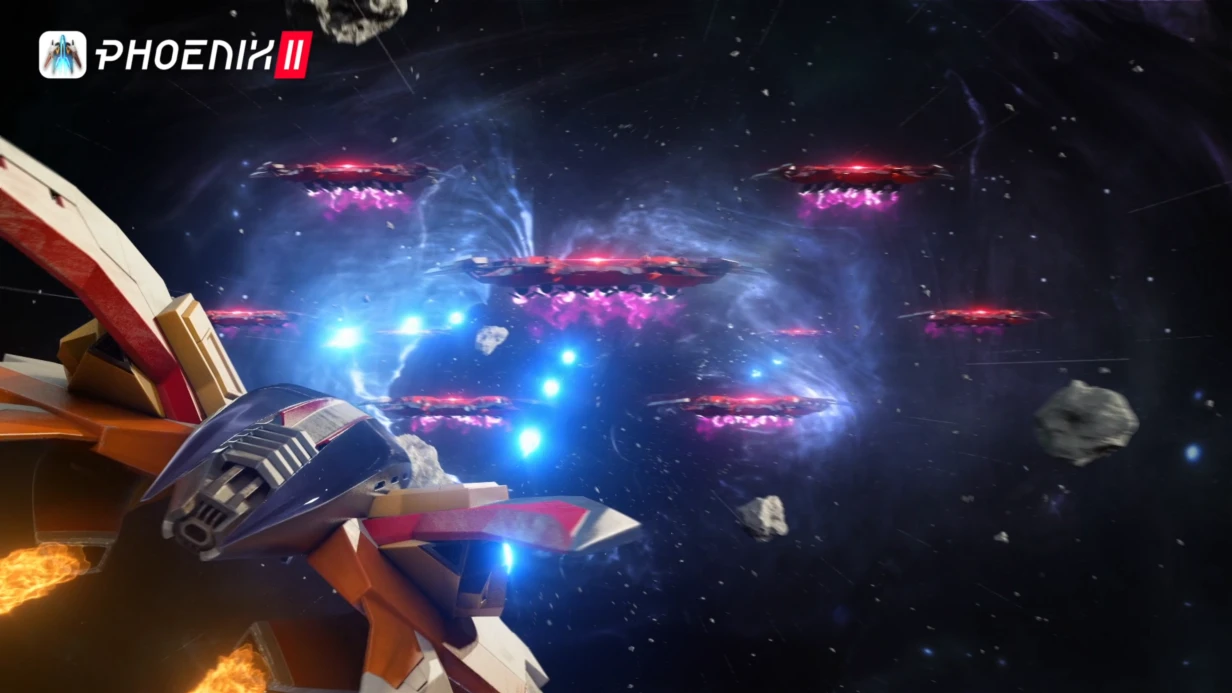
מונטאז' קליפים אנימטיביים: מדוע סצנות מאבדות את הצופה
השחקן מחליט אם להישאר או לסגור את הסרטון בשניות הראשונות. אם עד לרגע הזה הסצנה לא הספיקה לתפוס אותו, החומר החזק ביותר שהכנתם במשך חודשים נשאר בלתי נראה. מונטאז' קליפים אנימטיביים פותר בדיוק את המשימה הזו — להחזיק את תשומת הלב ולהוביל את הצופה לפעולה הרצויה.
קצב קטוע של סצנות נקרא כרשלנות. העלילה קופצת, מעברים חלשים קורעים את הרצף, נפילות בדינמיקה יוצרות הפסקות שבהן המבט נודד מהמסך. החומר עצמו יכול להיות חזק — דווקא ההרכבה הולכת לאיבוד, והשחקן לא צופה עד הסוף.
עבור הפרויקט זה אובדן תפוקה ישיר: מעורבות השחקנים יורדת, חומרי הפרומו מביאים פחות התקנות ורכישות, והחשיפות מתבזבזות. כאב נפרד הוא גרסאות לפלטפורמות שונות: מסך רחב, אנכי, פורמט קצר, שבהם יש לבנות את קצב הסצנה מחדש, ולא למתוח חומר מוכן.
אנחנו סוגרים את זה עם מונטאז' קליפים אנימטיביים עד המפתח. קודם כל בודקים באיזו שנייה הצופה עוזב, ובונים קצב מתוך המטרה: היכן להאיץ, היכן לתת נשימה, איזה מעבר יחזיק. אחר כך מרכיבים את הסצנות לזרימה אחת ומכינים סט גרסאות לפלטפורמות — עם דינמיקה צפופה באותה מידה בכל אחת.
מה תקבלו: דינמיקה, חשיפה ושימור שחקנים
דינמיקת הסצנות היא מה שהשחקן מרגיש לפני שהוא מספיק להבין. המונטאז' קובע את הקצב: היכן להאיץ, היכן לתת הפסקה, כדי שהפריים הבא יעבוד חזק יותר. בלי זה אפילו גרפיקה חזקה נראית אפורה, והמבקר בעמוד עוזב לפני שראה את כפתור «שחק».
תגובה חיה של הקהל היא המדד הכנה ביותר. כשהקליפ מורכב לקצב המשחק, צופים בו שוב, שולחים לחברים ודנים בקהילה. התגובה גדלה מעצמה, בלי מאמצי קידום נפרדים: לאנשים קל יותר להראות סרטון אחד בולט מאשר לספר מחדש מה הם אוהבים במשחק.
חשיפת הפרומו מתרחבת בזכות אותו חומר. קליפ אחד שמורכב היטב עובד גם בטריילר, גם בעמוד החנות, גם בסרטונים קצרים וגם בקטעי פרסום — אין צורך לצלם מחדש דבר. ככל שקליפ אחד מכסה יותר פלטפורמות, כך רחב יותר הקהל שנחשף לראשונה למשחק שלכם.
הכרת המשחק נשענת על קצב חוזר ועל הצגה אחידה של סצנות. השחקן מתחיל לזהות את הפריים מהשניות הראשונות — לפי הקצב, לפי האופן שבו הסצנה נפתחת. כך נוצר סגנון מזוהה, שמבדיל את הפרויקט מעשרות דומים בפיד.
ושימור השחקנים — זה לשמו הכול נעשה. הקליפים מובילים את האדם מהיכרות ראשונה להפעלה ומחזירים אותו לתוכן חדש. אנחנו מרכיבים את החומר כך שכל סצנה תחזיק את תשומת הלב ותדחוף לשלב הבא, ולא רק תמלא את ציר הזמן.
פורמטים של מונטאז' למשימות ולז'אנרים שונים של הפרויקט
המשימה קובעת את הפורמט
המשחק הוא אחד, אבל פורמטי ההצגה כמה, וכל אחד דורש לוגיקת מונטאז' משלו. סרטון פרומו מוכר את הפרויקט בשניות הראשונות, סצנת עלילה מחזיקה את השחקן בסיפור, קליפ קצר עוצר את מי שגולל את הפיד, ותוכן לקהילה תומך בעניין בין עדכונים.
אנחנו לא מתאימים את החומר לתבנית אחת: קודם בודקים היכן הסרטון יחיה ומה הוא צריך לעשות, ורק אחר כך מרכיבים את הקצב, האורך וההדגשים.
| פורמט | למי | מה נותן |
|---|---|---|
| סרטון פרומו למשחק | שיווק, מפיצים, פלטפורמות חנויות | מציג את העיקר בדקה, נותן סיבה לפרסום ולרכישת חשיפות |
| סצנות עלילה בתוך המשחק | שחקנים בפרויקט עצמו | דרמטורגיה אחידה, הסצנה לא מוציאה מקצב המשחק |
| קליפים קצרים | רשתות חברתיות, פידים אנכיים | חשיפה מהירה ומעבר לעמוד הפרויקט |
| תוכן לקהילה | שחקנים פעילים, עוקבים | סיבות קבועות לחזור בין עדכונים |
| סרטון מורכב להצגה | משקיעים, שותפים, תערוכות | רושם שלם על הפרויקט בהצגה אחת |
חומר אחד — כמה פורמטים
הפורמטים משתלבים היטב זה עם זה. מחומר מצולם אחד אפשר להרכיב גם סרטון פרומו, גם סדרת קליפים קצרים וגם סצנות לקו עלילה — זה חוסך זמן לצוות שלכם ושומר על סגנון אחיד של הפרויקט בכל הערוצים.
איך בנויה העבודה: מהבריף ועד תמיכה בסצנות
תהליך שקוף חשוב לא פחות מהתוצאה: אתם יודעים מראש מה קורה בכל שלב, היכן נדרש המשוב שלכם ומתי הקליפ יופיע במשחק. להלן מסלול הפרויקט בעיני המזמין, עם נקודות בקרה במקום «אנחנו עובדים, חכו».
- בריף למונטאז'. דנים היכן הקליפ חי במשחק, מה הוא צריך לומר לשחקן ואיזה קצב יחזיק את תשומת הלב. קובעים את משך הזמן, הסגנון והרכב הסצנות — זה הבסיס שממנו לא סוטים בהמשך.
- תוכנית וסטוריבורד. מראים כיצד הקליפ יתפרש לסצנות ולמעברים. אתם מאשרים את המבנה לפני תחילת ההפקה: תיקונים בשלב הזה זולים בהרבה מאשר עיבוד מחדש של חומר מוגמר.
- אישור סצנות. מרכיבים מונטאז' גס בשלמותו — עם קצב, אורך וחיבורים. אתם רואים את הקליפ כיחידה אחת, לא לפי קטעים, ומאשרים את הכיוון.
- מימוש. מביאים את האנימציה, המעברים והסאונד לאיכות סופית לפי התוכנית המאושרת. גרסאות ביניים מציגים מראש — בסיום אין הפתעות.
- תיקונים. שני סבבי תיקונים כלולים בעבודה: מדייקים תזמון, פריימים, הדגשים. את ההערות אוספים ברשימה אחת — כך התיקונים לא נמשכים שבועות.
- השקה. מוסרים את החומרים בפורמטים הנדרשים ועוזרים להטמיע את הקליפ בציר הזמן של המשחק. בודקים שההפעלה יציבה במכשירים המיועדים.
- תמיכה לאחר ההשקה. נשארים בקשר: נעדכן סצנה, נחליף פריימים, נתאים את הקליפ לגרסה חדשה של המשחק. ההקשר של הפרויקט נשמר — פניות חוזרות לא מתחילות מאפס.
כל שלב נסגר באישור שלכם, ולכן אתם שולטים במהלך העבודה ומבינים על מה אחראי הצוות. תארו את המשימה — נחזור עם הערכה ותוכנית לפרויקט שלכם.
מה ייכלל באספקה ויישאר אצל הצוות שלכם
האספקה בנויה כך שאחרי מסירת הפרויקט לא תצטרכו לחזור אלינו על כל תיקון. אתם מקבלים קליפים מוכנים במצב עבודה, חומרים להמשך עבודה וכללים ברורים שלפיהם הצוות שלכם יוכל להרכיב סצנות חדשות בעצמו. כל מה שאנחנו עושים במסגרת מונטאז' קליפים אנימטיביים נשאר אצלכם ועובד בלי המעורבות שלנו.
מה נשאר אצל הצוות שלכם
- קליפים אנימטיביים מוכנים — מורכבים, מאוחדים לפי קצב ומשך, מוטמעים בסצנות המשחק ונבדקו בשטח.
- חומרי מקור — סצנות, שכבות, פסי קול וגרסאות ביניים בצורה פתוחה, ולא כ״קופסה שחורה״.
- כללי קצב והרכבה — מסמך קצר על איך לשמור על הקצב, ההפסקות והסנכרון, כדי שקליפים חדשים לא יחרגו מהסגנון הכללי.
- הנחיות לצוות — שלב אחר שלב, בשפה של אנשי המקצוע שלכם, עם פירוק של תיקונים אופייניים וטעויות נפוצות.
- מסירת הפרויקט — פגישה נפרדת עם פירוק מבנה החומרים, כדי שאנשיכם ימצאו מיד את הקובץ הנדרש.
- מרווח לווריאציות — כמה גרסאות של קליפים מרכזיים למשכים שונים ולחזרות בתוך המשחק.
- תמיכה לאחר המסירה — נשארים בקשר לתקופת האחריות, אם משהו יתנהג אחרת אצלכם.
המשמעות העיקרית של אספקה כזו היא עצמאות. אתם לא קשורים אלינו לא בלוחות זמנים ולא בתיקונים: הצוות רואה את לוגיקת המונטאז' וחוזר עליה בכוחות עצמו, ואנחנו מצטרפים רק במקום שנדרש היקף עבודה חדש.
מקרה בוחן: איך הפרויקט עמד בלוח הזמנים ושמר על השחקנים
מה היה אצל המזמין
הסטודיו הכין פרויקט אפיזודי: בין שלבים הופיעו קליפים אנימטיביים שהחזיקו את העלילה ולא נתנו לשחקן לנטוש את המשחק באמצע. את הקליפים הרכיבו ידנית ובחוסר אחידות — עד להרכבה הסופית הצטברו יותר משישים קטעים לא מאוחדים, ותאריך ההשקה כבר הוכרז לקהילה ב-Steam. כל תיקון לקח ימים, והצוות לא ידע אם בכלל יספיק.
מה עשינו
פרשנו את כל החומר על ציר זמן אחד וקשרנו כל סצנה לנקודה שבה השחקן יראה אותה. אחר כך הכנסנו סדר ברור: הרכבה גסה, הצגה למזמין, תיקונים ברשימה אחת, מסירה סופית. תיקון של קליפ בודד החל לקחת שעות במקום ימים, וחוסר התאמות בין הפרקים נמצא לפני ההשקה, ולא אחריה.
מה קיבל המזמין
הפרויקט יצא בתאריך, בלי דחייה ובלי הרכבה בהולה בשבוע האחרון. שיעור השחקנים שצופים בקליפ עד הסוף גדל בערך פי שניים — מארבעה מקרים מתוך עשרה לשבעה. הדילוגים על קטעי עלילה הצטמצמו, והשימור ביום השני לאחר ההשקה גדל בחמישית. הסטודיו חזר אלינו למונטאז' של העונה הבאה, כבר עם תבנית הרכבה מוכנה.
בדיוק כך אנחנו סוגרים את המשימה: קליפים יוצאים בזמן, השחקן נשאר במשחק זמן רב יותר, והצוות של המזמין מפסיק לבזבז זמן על חיבור ידני. אם יש לכם סיפור דומה עם תאריך השקה באופק — תארו את המשימה, נחזור עם הערכה ותוכנית עבודה.
איך לבחור פורמט למשימה ולז'אנר של המשחק שלכם?
כדאי להתחיל לא מהפורמט, אלא מהמשימה. שאלו את עצמכם: הקליפ נדרש כדי להביא שחקן חדש, להחזיק אותו בתוך המשחק או לתמוך בהשקה ובעדכונים? מהתשובה תלויים האורך, הקצב ומה בכלל נכנס לפריים — וכך גם היקף העבודה שתצטרכו לשלם עליו בזמן של הצוות שלכם.
הז'אנר קובע את המצב רוח והקצב. במשחק דינמי הצופה מצפה להחלפה מהירה של פריימים ולסצנות קצרות, ובאסטרטגיה או פאזל אווירתיים עובד פריים ארוך והפסקה: חשוב שהשחקן יספיק להרגיש את העולם. אם קצב הקליפ לא תואם את הז'אנר, הקהל קולט את התחליף ולא ממשיך במשפך.
הלאה — היכן אתם מציגים את החומר. קליפ אנכי קצר לרשתות חברתיות, אופקי לעמוד החנות וסרטון בתוך המשחק חיים לפי כללים שונים: שונים האורך, ההגשה וכמה זמן יש לצופה לפריים הראשון. כאן גם מחליטים אם נדרשים כתוביות ודיבוב בשפות אחרות.
ולבסוף — משימת הפרויקט ולוחות הזמנים. הכרזה לקראת תאריך השקה, אנימציית פרס ועדכון תוכן דורשים הגשה שונה, אבל לעיתים קרובות נשענים על אותן סצנות.
בחירה נכונה של פתרונות מאפשרת להרכיב חלק מהחומרים מקטעים שכבר קיימים — ואז מונטאז' קליפים אנימטיביים מתקדם מהר יותר וללא כפילויות מיותרות.
אנחנו מפרקים את הנתונים האלה בשיחה הראשונה: ז'אנר, קהל, מטרת ההשקה ותאריך היציאה. אחרי זה מציעים סט פתרונות — כמה קליפים נדרשים, באיזה אורך ומה אפשר לעשות בו שימוש חוזר. כך אתם לא מבזבזים זמן על אפשרויות שלא מתאימות לז'אנר, ולא עורכים מחדש את המונטאז' אחרי יציאת המשחק.
התלבטויות לפני הזמנה: לוחות זמנים, תיקונים ואחריות
התלבטויות לפני הזמנה הן טבעיות: אתם משקיעים זמן של הצוות ואת התקציב של הפרויקט, ואת התוצאה תראו לא מיד. לכן לפני ההתחלה אנחנו קובעים בכתב את לוחות הזמנים של העבודה, את היקף התיקונים הכלולים ואת האחריות. אתם יודעים מראש אילו שלבים יעבור המונטאז' של קליפים אנימטיביים ומה בדיוק נחשב למסירה.
את מספר התיקונים דנים בבריף ומקבעים בחוזה — בדרך כלל מדובר בשני גלים: על ההרכבה הגסה ועל הסופית. בהמשך תיקונים גם אפשריים, אבל הם שלב נפרד, ואתם מחליטים על כך מראש, ולא לפני ההשקה. אם משהו מאיים על התאריך, אנחנו מודיעים מיד ומציעים אפשרויות, ולא שותקים עד היום האחרון.
אחריות ותמיכה בפרויקט הם חלק מהשירות, ולא טובה נפרדת. לאחר המסירה אנחנו נשארים בקשר: מייעצים לצוות כיצד להטמיע את הקליפים, להחליף חומר ומה לעשות בעדכון הבא של המשחק.
מה אם משהו יישבר או עדכון המשחק יזיז הכול?
זה קורה, ואנחנו מוכנים לכך. הקליפים קשורים לציר הזמן של הפרויקט, ולכן עדכון או הרכבה מחדש יכולים להזיז תזמונים, סאונד ונקודות מעבר.
במסגרת תקופת התמיכה המוסכמת אנחנו קושרים מחדש את הקליפים, מיישרים סנכרון ומחזירים את הסצנה למצב עבודה — בלי מחזור הפקה מלא חדש. אתם מקבלים גרסה מתוקנת ותיאור קצר של השינויים.
אם הסיבה היא תיקונים בצד הפרויקט, אנחנו מתעדים אותה ומסכמים היקף בנפרד: אתם לא משלמים פעמיים על אותו דבר.
נדון במשימה ונחזור עם הערכה ותוכנית
מונטאז' קליפים אנימטיביים בתוך ציר הזמן של המשחק הוא עבודה שבה חשובים גם הקצב וגם המשמעת: הקליפ צריך לפגוע באירוע המשחקי, לא לשבור את הסצנה ולעבוד באותה מידה במכשירים שונים.
לכן אנחנו מתחילים בשיחה: אתם מספרים על המשחק, הקהל ואיך הקליפים צריכים לעבוד, אנחנו שואלים שאלות הבהרה ומקבעים את ההסכמות. אחר כך — הערכת הפרויקט ותוכנית עבודה, שממנה רואים מה ומתי תקבלו.
מיד לאחר הפנייה תקבלו:
- פירוק המשימה: כמה קליפים נדרשים, מה משך הזמן שלהם, הסגנון ולאילו אירועים במשחק הם מוטמעים.
- הערכת הפרויקט: לוחות זמנים, היקף והרכב העבודות — בלי שלבים נסתרים ובלי הפתעות באמצע.
- תוכנית עבודה: מהכנת החומרים ועד הרכבה, אישור ומסירת קליפים מוכנים.
- נקודות אישור ברורות: התוצאה נראית בכל שלב, ואתם משפיעים עליה עד הסוף.
- הרכב הצוות: מי אחראי על אנימציה, מונטאז' וקבלה, עם מי אתם בקשר.
- פורמט המסירה: איך הקליפים משתלבים בציר הזמן של המשחק ומה הצוות שלכם צריך כדי להטמיע אותם.
מספיק להשאיר פנייה ולתאר בקצרה את המשימה — נחזור עם הערכה ותוכנית ונציע התחלה נוחה לפרויקט. ככל שנדון במשימה מוקדם יותר, כך ההשקה תעבור רגוע יותר: נספיק להתחשב בלוחות הזמנים שלכם, בסגנון האנימציה ובהיקף הקליפים.