

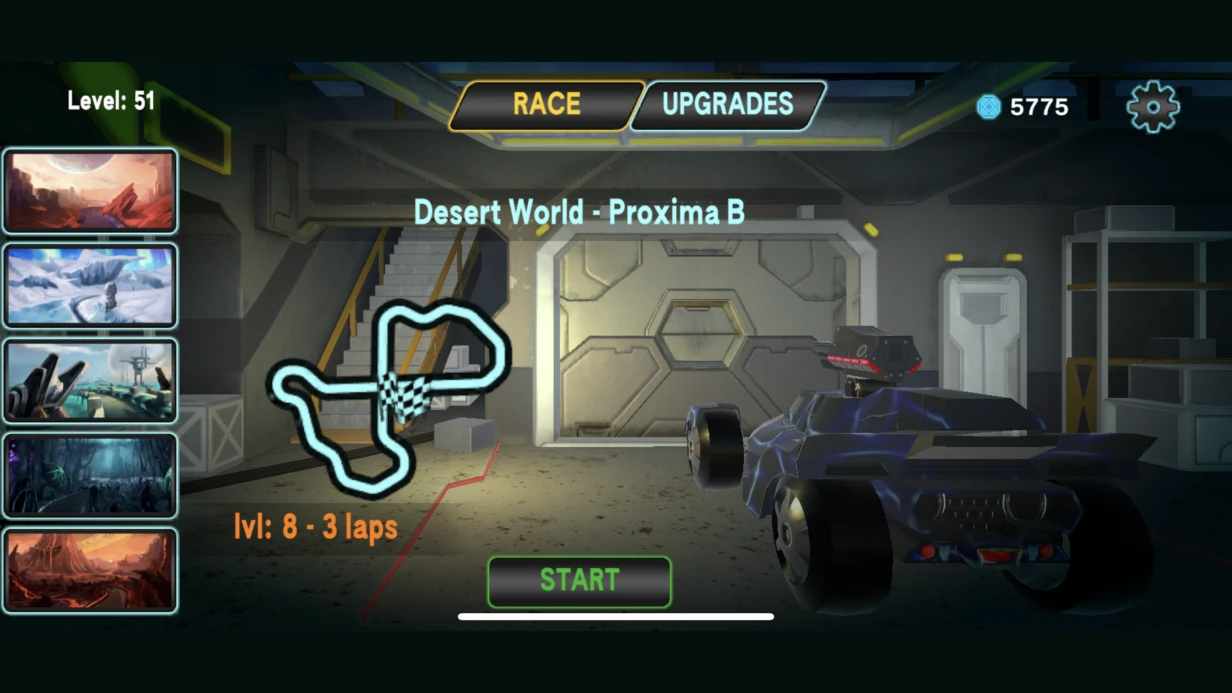

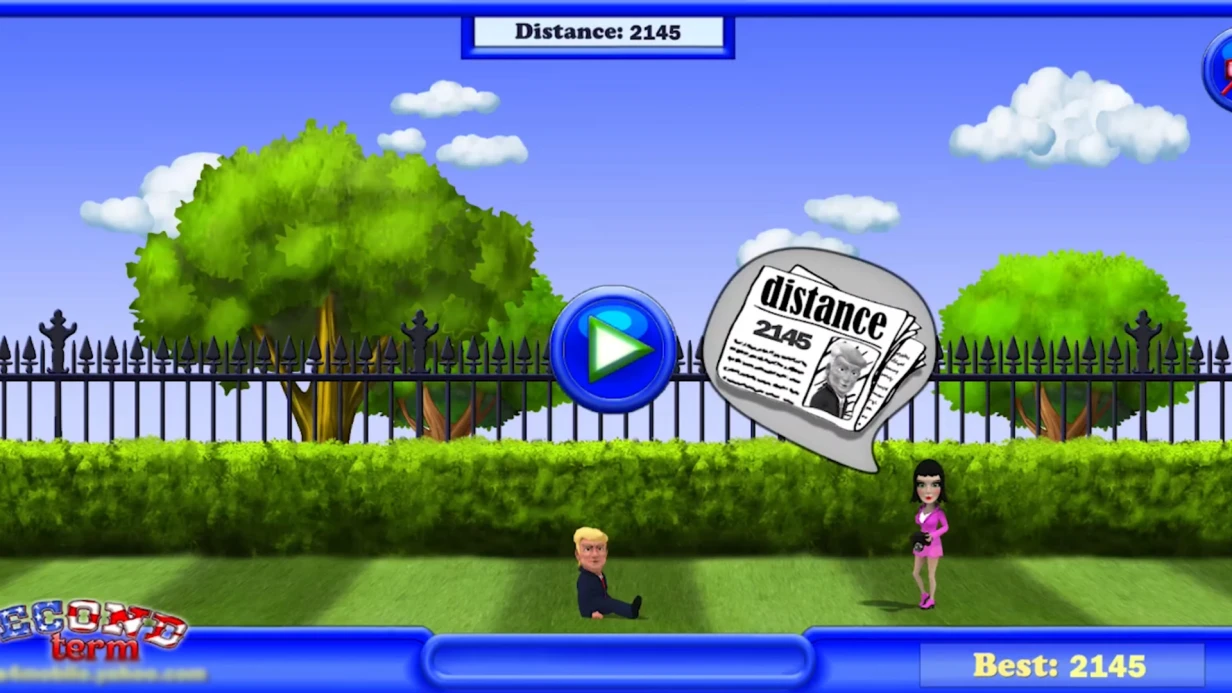
אנחנו עובדים על אנימציית דמויות פרוצדורלית ב-Unity וב-Unreal Engine כבר למעלה מ-7 שנים. במהלך תקופה זו, השלמנו למעלה מ-15 פרויקטים לפלטפורמות מובייל ומחשב, כולל כותרים מסוג AAA. אנימציית Keyframe עובדת היטב עבור תנועות מוגדרות מראש, אבל דמות שמטפסת על סולם בגובה לא ידוע או מושיטה יד לאובייקט בנקודה שרירותית דורשת גישה פרוצדורלית. שילוב של שתי השיטות הוא הסטנדרט בגיימפליי מודרני.
Foot IK הוא מקרה השימוש הנפוץ ביותר. על מדרון, רגלי הדמות חודרות את הגיאומטריה ללא תיקון פרוצדורלי. אנחנו מתקנים זאת בזמן אמת: Raycast מהקרסול, תיקון מיקום העצם, ו-Two Bone IK מחשב מחדש את הברך.
ב-Unity Animation Rigging, זה מיושם באמצעות Two Bone IK Constraint. השרשרת: ירך → שוק → כף רגל. ה-IK Target הוא Transform ריק, שמיקומו נשלט על ידי סקריפט. ה-Hint קובע את כיוון כיפוף הברך. ללא Hint נכון, הברך מתכופפת בכיוון אקראי.
כיצד להגדיר Foot IK למשטחים מורכבים
בצעו את השלבים הבאים:
- צרו GameObject ריק כ-IK Target לכל רגל.
- הוסיפו את Two Bone IK Constraint לעצם כף הרגל והקצו את עצמות השרשרת.
- כתבו סקריפט שמבצע Raycast ממיקום כף הרגל כלפי מטה על שכבת הקרקע (Ground Layer).
- הגדירו את מיקום ה-IK Target לנקודת הפגיעה וסובבו אותו בהתאם לנורמל של הפגיעה.
- בצעו אינטרפולציה חלקה של משקל ה-Constraint בין 0 (שלב התנופה) ל-1 (שלב העמידה).
בעיה עם Hip Offset: כאשר שתי הרגליים ממוקמות בגבהים שונים (מדרון אחד), יש להוריד את עצם האגן באופן יחסי. חשבו את הפרש הגבהים בין שני ה-IK Targets והחילו אותו כ-offset למיקום האגן דרך Physics.Raycast או Body Position Rig Constraint.
למה Spring Bones צריכים להיות מחוץ ל-Animator
אם עצמות Spring Bone כלולות ב-Animator State, הן מפריעות לאנימציית keyframe. עצמות Spring צריכות להיות מחוץ ל-Humanoid Avatar, רק בהיררכיית Generic תחת השלד הראשי. ב-Unity, זה מוגדר דרך Animator נפרד עם Avatar Definition = Generic.
Look-At ו-Aiming פרוצדורליים
Multi-Aim Constraint ב-Animation Rigging — הראש והעיניים עוקבים אחרי מטרה. הגדרה: Source Object = מטרה, Aim Axis = Forward (Z עבור Unity). Constrained Axes — רק Y ו-X, אל תיגעו ב-Z, אחרת הצוואר יתעקם. המשקל נשלט דינמית: 0 בקרב, 0.6–1.0 במהלך חקר.
לכוונון נשק: Two Bone IK על הזרוע הימנית, ה-IK Target עוקב אחרי CrosshairTarget במרחב העולם. ערבבו בין אנימציית כוונון מבוססת keyframe לבין IK פרוצדורלי דרך Rig Layer Weight.
מגבלה: Animation Rigging עובד ב-LateUpdate אחרי ה-Animator. אילוצים פרוצדורליים מוחלים על גבי אנימציית keyframe בכל פריים. עם היררכיית אילוצים מורכבת, סדר השכבות ב-Rig הוא קריטי — הפרה גורמת לאפקט של עיכוב של פריים אחד.
מערכות Spring לתנועה משנית
שיער, גלימות, אנטנות — אלמנטים שלא מונפשים ידנית בפרויקטים עם תקציב רגיל. אפשרויות ב-Unity:
- Magica Cloth 2 — סימולציית בד מואצת GPU, תומכת ב-Wind Zone, קולידרים ואילוצי מרחק. היא מהירה עד פי 3 מ-Dynamic Bone המיושן על CPU.
- Dynamic Bone (מיושן) — סימולציית Spring לאורך שרשרת עצמות. פרמטרים: Stiffness, Elasticity, Damping ניתנים להגדרה לכל שרשרת.
- VRM Spring Bone — תקן עבור אווטארים של VRM.
לאיכות AAA במחשב — Physical Component מ-Houdini Rigging עם ייצוא ל-Unity, אבל זה pipeline נפרד.
אנימציה פרוצדורלית ב-Unreal: השוואה ל-Unity
ב-Unreal Engine, Control Rig עם Full Body IK פותר את אותן משימות. PBIK (Position-Based IK) ב-UE5 מספק IK לגוף מלא מסולבר יחיד — ל-Unity אין מקבילה בחבילה הסטנדרטית, רק דרך Final IK. ל-Unity Animation Rigging יש כ-20% פחות עומס CPU מאשר Control Rig ב-UE5 במשימה דומה (לפי הבדיקות שלנו). בחירת הפלטפורמה משפיעה על המחסן הטכנולוגי, אבל העקרונות זהים: שכבות אנימציה, IK על גבי קליפים מרכזיים, Springs לתנועה משנית.
פרטים נוספים על לוגיקת הסקריפט של Foot IK
void FixedUpdate() {
    RaycastHit hit;
    if (Physics.Raycast(foot.position + Vector3.up * 0.5f, Vector3.down, out hit, 1.5f, groundMask)) {
        target.position = hit.point;
        target.rotation = Quaternion.FromToRotation(Vector3.up, hit.normal);
        weight = Mathf.Lerp(weight, 1, Time.deltaTime * 10);
    } else {
        weight = Mathf.Lerp(weight, 0, Time.deltaTime * 10);
    }
}

void LateUpdate() {
    rig.weight = weight;
}
שגיאות נפוצות והפתרונות שלהן
| שגיאה | השלכה | פתרון |
|---|---|---|
| IK ללא שרשרת עצמות מנורמלת | כף הרגל לא מגיעה למיקום, תקועה במצב מורחב | הוסיפו offset כלפי מעלה מהמשטח או הגבילו את אזור העבודה של ה-IK |
| אנימציה פרוצדורלית ללא הפרדת Physics Layer | Spring bones מפריעים לאנימציית keyframe | העבירו את Spring bones להיררכיית Generic מחוץ ל-Humanoid Avatar |
| עדכון ב-FixedUpdate במקום LateUpdate | ה-Animator דורס שינויי עצמות | החילו את כל שינויי העצמות ב-LateUpdate |
מה כלול בעבודה
- הגדרת מערכות Foot IK, Look-At ו-Spring עבור דמות אחת או מספר דמויות
- אופטימיזציה לפלטפורמת היעד (תקציב CPU/GPU, תקציב FPS) — אנו מבטיחים שיפור ביצועים של לפחות 10% בממוצע.
- תיעוד כתוב על היררכיית עצמות והגדרות אילוצים
- הדרכת צוות (עד שעתיים אונליין)
- תמיכה ל-30 יום לאחר המסירה
לוחות הזמנים מפורטים בטבלה למטה. העלות מחושבת באופן אישי לאחר ניתוח ה-rig הקיים ודרישות הפלטפורמה. לדוגמה, הגדרת Foot IK מתחילה מ-$500 לדמות, וחבילות Full Body IK מתחילות מ-$1,500. פלטפורמות מובייל עם מגבלות Physics דורשות דיון נפרד. עם ניסיון של 7+ שנים ו-15+ פרויקטים מוצלחים, הגדרות ה-rig האמינות שלנו מאושרות על ידי שביעות רצון הלקוחות.
| משימה | זמן משוער |
|---|---|
| Foot IK לדמות אחת | 1 עד 2 ימים |
| Full Body IK עם Look-At ו-Foot IK | 3 עד 5 ימים |
| מערכת Spring לתנועה משנית | 1 עד 3 ימים |
| אנימציה פרוצדורלית לאינטראקציה עם הסביבה | 3 עד 7 ימים |
צרו קשר לייעוץ על הגדרת ה-rig שלכם. הזמינו ביקורת על הפתרון הנוכחי שלכם — נמצא צווארי בקבוק ונציע אופטימיזציות. הניסיון שלנו מאושר על ידי 15+ פרויקטים מוצלחים לפלטפורמות מובייל ומחשב.
לפרטים נוספים על Inverse Kinematics, ראו ויקיפדיה.