


מדוע לקוחות של חברות רכב עוברים למתחרים?
מבקר נכנס לאולם התצוגה, מתיישב במכונית, בוחן את תא הנוסעים — ועשר דקות לאחר מכן עוזב מבלי להשאיר פנייה. זהו מצב מוכר לרוב סוכנויות הרכב: התצוגה עובדת, הדגם מעניין, אך הטריגר המכריע לרכישה לא מופיע.
המפרט הטכני כבר נבדק באינטרנט, כך שבמפגש הפיזי הלקוח מצפה לחוויות חדשות אבל מקבל ייעוץ סטנדרטי.
כשקונים לא מרגישים מעורבות, הם משווים את אולם התצוגה שלכם עם אחרים — ובוחרים בזה שמציע חוויית קנייה חיה ומרשימה יותר. בענף הרכב, הקרב אינו על הדגם אלא על תשומת הלב והרגש.
אם לקוח פוטנציאלי עוזב מבלי להשאיר פרטים, סביר שבתוך שבוע הוא יקנה ממתחרה שהצליח ללכוד את עניינו.
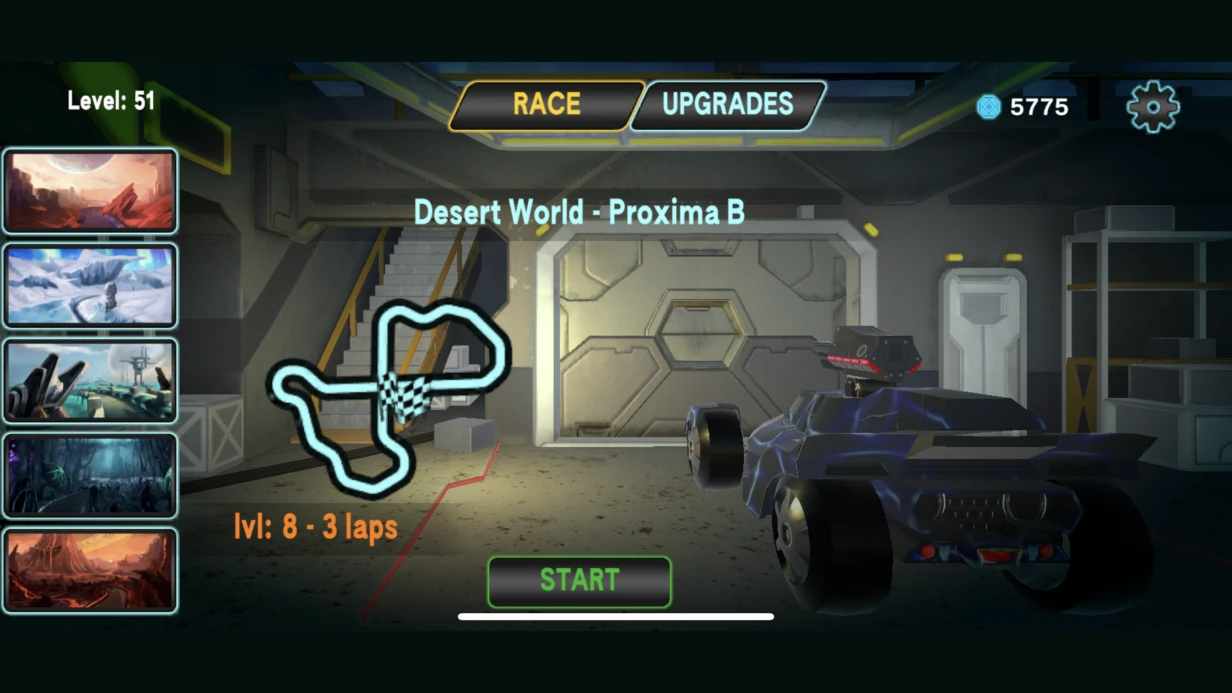
משחקים אינטראקטיביים פותרים בעיה זו. המבקר מפסיק להיות צופה והופך למשתתף: הוא מרכיב קונפיגורציה של מכונית, עורך נסיעת מבחן וירטואלית, או שולט ברכב בסימולטור.
אינטראקציה כזו מחזיקה תשומת לב פי 3-5 יותר מאשר בדיקה רגילה, והכי חשוב — יוצרת חיבור רגשי למותג שמוביל בסופו של דבר לפנייה.
מבחינה עסקית, זה אומר תוצאות מדידות: המרה גבוהה יותר ממבקר לליד, יותר זמן שהייה עם המוצר, וסיבה טבעית לביקור חוזר. הלקוח לא עוזב כדי "לחשוב על זה" אלא עם רצון קונקרטי לקחת את הצעד הבא.
אנחנו עוזרים לחברות רכב ליישם תרחישי משחק כאלה באולמות תצוגה ובנסיעות מבחן — והופכים בדיקת רכב רגילה לאירוע בלתי נשכח שמייצר מכירות.
מה משחקים נותנים לחברות רכב?
עבור חברות רכב, משחק אינו בידור אלא כלי עסקי שפותר משימות ספציפיות: הוא מושך תשומת לב בתערוכות, מחייה את אולמות התצוגה, ומגדיל מכירות.
פורמט המשחק שומר על מעורבות המבקרים זמן רב יותר מכל דוכן או מצגת, מה שאומר יותר הזדמנויות ליצירת קשר ולסיפור המוצר.
מעורבות מבקרים
מכניקת משחק מחזיקה תשומת לב מחמש עד חמש עשרה דקות — מספיק כדי להציג את הדגם ואת יתרונותיו בצורה שלא מרגישה דוחפת. המבקר לא רק צופה אלא לוקח חלק: הוא נוהג במכונית, בוחר את רמת הגימור, חוקר דגם חדש בסביבה וירטואלית. אינטראקציה כזו יוצרת עניין אמיתי ורצון ללמוד עוד.
זיכרון מותג
הרגשות שחווים במשחק הופכים למקושרים חזק עם המותג. שבועות אחרי האירוע, אנשים זוכרים לא ברושור משעמם אלא חוויה חיה — למשל, מרוץ וירטואלי בדגם חדש.
זה מחזק את המודעות למותג ובונה אסוציאציות נכונות: החברה שלכם היא מודרנית, מונעת טכנולוגיה וממוקדת לקוח.
איסוף לידים
משחק הוא סיבה טבעית לבקש נתונים. כדי לשמור את התוצאה, לעבור לשלב הבא, או לקבל מתנה, מבקרים שמחים להשאיר מספר טלפון או דוא"ל.
כתוצאה מכך, אתם לא מקבלים רשימה "קרה" אלא מאגר של אנשים מתעניינים שכבר השקיעו זמן עם המוצר שלכם — אנשי קשר כאלה ממירים הרבה יותר טוב.
המרת מכירות גבוהה יותר
אנשי קשר איכותיים ויחס חם כלפי המותג משפיעים ישירות על ההכנסות. חלק מהמבקרים מזמינים נסיעת מבחן אחרי המשחק, ואחרים מגיעים לסוכנות כמה ימים לאחר מכן בעקבות הזמנה.
משחקים לא מחליפים ערוצי מכירה קלאסיים, אבל הם נותנים להם דחיפה חזקה ומקצרים באופן ניכר את הדרך ממגע ראשון לעסקה.
פורמטים של פרויקטי משחק לסוכנויות רכב
בחירת פורמט המשחק האינטראקטיבי משפיעה ישירות על האופן שבו מבקר בסוכנות תופס את המותג והדגם.
חלק מהלקוחות צריכים לבחון את המכונית במהירות ובפירוט, אחרים רוצים להרגיש את הדינמיקה שלה, ואחרים רוצים לערב את המשפחה או קבוצת חברים בחוויה יוצאת דופן.
אין פתרון אוניברסלי, ולכן אנו מציעים מספר פורמטי משחק המשרתים מטרות עסקיות שונות — מהגדלת זמן השהייה באולם התצוגה ועד איסוף אנשי קשר והגדלת נסיעות מבחן.
להלן טבלה שתעזור לכם לבחור את הפורמט המתאים למטרה הספציפית של החברה שלכם. כל הפתרונות רצים על מנוע משחק מקצועי, כך שאתם מקבלים תמונה יציבה על כל מסך: מטאבלט ועד מסך LED גדול באולם התצוגה.
| פורמט | למי זה מיועד | מה זה נותן ללקוח |
|---|---|---|
| קונפיגורטור תלת-ממדי | לקוחות שבוחרים רמות גימור וצבעים | מגדיל את זמן הבדיקה של הדגם, מפחית את העומס על המנהלים, ועוזר ללקוחות לקבל החלטות מהר יותר |
| אולם תצוגה VR | קונים שרוצים לבדוק מכונית לפני שהיא מגיעה | יוצר אפקט של נוכחות פיזית ומאפשר להציג דגמים שעדיין לא נמצאים באולם התצוגה |
| נסיעת מבחן וירטואלית | מבקרים שלא בטוחים לגבי הדינמיקה וההתנהגות של המכונית | מאפשרת להם "לבחון" את המכונית בבטחה בתנאים שונים — זה מסיר התנגדויות ובונה אמון |
| משחק קווסט | משפחות, קבוצות חברים או משתתפי אירועים | מחזיק אורחים במשך 15-20 דקות, מייצר תמונות ואזכורים במדיה החברתית, ואוסף מאגר אנשי קשר |
| חידון מותג אינטראקטיבי | מבקרים באולם התצוגה במהלך מבצעים או השקות | מלמד לקוחות על מאפייני הדגם בצורה מהנה ומניע ביקורים חוזרים |
כל פורמט ניתן להתאמה לחלל אולם התצוגה ולסוג האירוע — מאולם תצוגה סטנדרטי ועד תערוכה או פסטיבל נסיעות מבחן. אנחנו נעזור לכם לבחור פורמט אחד או לשלב כמה פתרונות כדי להשיג השפעה מקסימלית על מדדי השיווק שלכם.
איך עובד פיתוח משחקים: שלב אחר שלב
אנחנו מבינים שעסקי הרכב דורשים שליטה בכל שלב. תהליך פיתוח משחקים שקוף הוא היכולת לראות תוצאות תוך מספר שבועות ולכוונן את הפרויקט לפני ההשקה, לא אחריה.
שלבי הפיתוח
-
בריף והתעמקות במשימה. אנחנו שואלים שאלות על מטרות, קהל יעד והיכן המשחק ישמש: אולם תצוגה, תערוכה או נסיעת מבחן. אנחנו מתעדים ציפיות וקריטריוני הצלחה כדי שתבינו מה תקבלו.
-
קונספט ותסריט. אנחנו מציעים את רעיון המשחק והמכניקה — מנסיעת מבחן וירטואלית ועד חידון דגמים. אנחנו מיישרים קו על הסגנון החזותי והלוגיקה של האינטראקציה לפני שפיתוח מתחיל.
-
פיתוח ואישורי ביניים. אנחנו עובדים באיטרציות: כל 1-2 שבועות אנחנו מציגים גרסאות עבודה. אתם רואים התקדמות ומבצעים שינויים בלי לחכות לגרסה הסופית.
-
בדיקות ועידון. אנחנו בודקים את המשחק על מכשירים אמיתיים ובתנאי אירוע. אנחנו מתקנים מהירות, ממשק ותרחישים לפי האורחים שלכם ומבטלים סיכונים טכניים לפני ההשקה.
-
השקה והתקנה. אנחנו מכינים ציוד ומבצעים התקנה באתר. אנחנו נותנים הדרכה קצרה לצוות כדי שהמשחק יעבוד מיד וללא תקלות.
-
תמיכה ואבולוציה. אנחנו נשארים בקשר אחרי האירוע: מעדכנים תוכן, מוסיפים דגמים או מצבים חדשים, ועוזרים עם אנליטיקה. במידת הצורך, אנחנו פורסים את המשחק למיקומים נוספים.
הנקודה המרכזית: אתם תמיד יודעים איפה עומד הפרויקט ומה הצעד הבא. כל שלב מסתיים באישור, כך שהתוצאה עומדת בציפיות ולא מפתיעה לרעה.
מה כלול במסירת מוצר המשחק
חבילת המסירה היא יותר ממשחק עובד. הלקוח מקבל סט שלם של חומרים המאפשר לו להשתמש, לפתח ולהעביר את המוצר לצוות שלו ללא עלויות נוספות.
- חבילת מסירה מלאה: חבילות התקנה, קבצי משחק לתרחישי שימוש שונים — מדוכני תערוכה ועד תוכניות הדרכה.
- קבצי מקור וזכויות למשחק: אתם מקבלים את קוד המקור ואת כל הזכויות על המוצר, כך שאתם תלויים רק בעצמכם. אף אחד לא יכול להגביל אתכם מביצוע שיפורים או העברת הפרויקט לפלטפורמה אחרת.
- תיעוד ונהלים: הוראות ברורות להפעלה, ניהול ועדכונים — הצוות שלכם ייכנס לעניינים במהירות ללא תקופת הכשרה ארוכה.
- הדרכת צוות: אנחנו מאמנים את העובדים שיעבדו עם המוצר — ממפעילים ועד מנהלים. זה מקצר את זמן ההסתגלות ומונע שגיאות שימוש.
- דוחות ואנליטיקה: כלים מובנים לאיסוף סטטיסטיקות ודוחות שימוש שוטפים. אתם רואים כיצד מוצר המשחק משפיע על מעורבות מבקרים ולקוחות.
- תמיכה לאחר ההשקה: תמיכה טכנית, עדכונים וייעוץ לאחר ההשקה. אם עולות שאלות או משימות חדשות, אנחנו כבר שם בשבילכם.
גישה זו מאפשרת לחברות רכב להשיק מוצרי משחק מבלי לבנות צוות פיתוח משלהן. אתם מקבלים תוצאה שנשארת לגמרי שלכם.
מקרה בוחן: גידול במכירות בסוכנות לאחר השקת משחק
כשסוכנות Alfa Motors פנתה אלינו, המכירות סבלו מביקורים קצרים: אנשים הסתכלו על המכונית ועזבו, ונסיעות מבחן הוזמנו רק לעתים רחוקות. הצענו להפוך את אולם התצוגה למרחב משחק — וכך נולד אולם תצוגה וירטואלי המבוסס על Unity.
הלקוח מרכיב את המכונית האידיאלית שלו על טאבלט או פאנל מגע: בוחר צבע, גלגלים ורמת גימור. לאחר מכן, המכונית "קמה לחיים" על מסך גדול, והאורח יוצא לנסיעת מבחן וירטואלית ברחבי העיר.
השליטה פשוטה לכולם, כך שהמשחק הפך למוקד משיכה גם למבוגרים וגם לילדים.
תוצאות עסקיות
זמן השהייה הממוצע שולש — מ-10-15 דקות ל-40-50. המבקרים הפסיקו למהר, שוחחו באופן פעיל עם המנהלים, והפניות לנסיעות מבחן אמיתיות עלו ב-65%. ביום סוף שבוע אחד, יותר מ-300 אורחים שיחקו במשחק, ואחד מכל חמישה השאיר פרטי קשר. ההמרה ללידים כמעט הוכפלה.
כל משתתף צילם את המכונית הווירטואלית שלו ופרסם אותה במדיה החברתית עם תיוג של הסוכנות. זה יצר יותר מ-20,000 אזכורים — חשיפה חינמית למותג. הסוכנות הזמינה גרסה ניידת לאתר שלה והשתמשה במשחק שוב במהלך מבצעים. אנחנו ממשיכים לעדכן את התוכן ועדיין תומכים בפרויקט.
אם העסק שלכם צריך מקרה פיתוח דומה — נתחיל עם בריף ונציע פתרון המותאם למשימות שלכם.
איך לבחור פורמט משחק למשימה שלכם?
אין תשובה אחת שמתאימה לכולם — האתגר של כל חברת רכב הוא ייחודי, ומה שעבד מצוין למתחרים אולי לא יעבוד עבורכם.
לכן בחירת הפורמט מתחילה לא בטכנולוגיה אלא בשלוש שאלות: איזו מטרה המשחק צריך להשיג, איזה קהל ישחק בו, ומהם מגבלות התקציב ולוחות הזמנים.
השלמנו יותר ממאה פרויקטים, ובכל פעם התחלנו באותו שלב — התעמקות במשימה של הלקוח.
דרישות ספציפיות — בין אם זה הדגמת תכונות של דגם חדש, הדרכת צוות סוכנות, או אזור אינטראקטיבי בתערוכה — קובעות אם אתם צריכים סימולטור תלת-ממדי מלא, חוויית ווב קלה, או מכניקת משחק קומפקטית.
פורמט יקר לא תמיד פותר את הבעיה, וחידון פשוט לפעמים מייצר יותר לידים מגרפיקה מורכבת.
זה בולט במיוחד כשהתקציב מוגבל.
אנחנו יודעים איך לארוז משימה כך שתתאים למגבלות ותניב תוצאות מדידות: במקום משחק של שעות — נסיעת מבחן אינטראקטיבית של 15 דקות שמחזיקה תשומת לב ומעבירה את יתרונות המכונית המרכזיים טוב יותר מכל וידאו.
לוחות הזמנים נשארים ריאליים והאיכות יציבה כי אנחנו מרכיבים את הפתרון מכלים מוכחים ומודולים מוכנים במקום לבנות כל אלמנט מאפס.
קהל היעד הוא מסנן נוסף לבחירה. קונים צעירים מעריכים דינמיקה ותחרות, קהלים משפחתיים צריכים שליטה פשוטה וסיפור ברור, ולקוחות B2B רוצים ויזואליזציות של נתונים וריאליזם.
כשהפורמט מותאם לקהל, המשחק מתחיל לעבוד מעצמו: אנשים רוצים לחזור אליו, הם מדברים עליו, והוא הופך לחלק מהאירוע ולא לבידור חד-פעמי.
התשובה ל"איזה פורמט כדאי לבחור" תמיד מתחילה בשיחה. ספרו לנו על המשימה שלכם, אפילו במונחים כלליים — נציע שניים או שלושה פורמטים עם הערכת תקציב, לוחות זמנים ותשואה צפויה.
כך, אתם מקבלים החלטה על סמך מספרים ברורים ולא על ניחושים, והמספרים האלה יהיו הבסיס לפרויקט העתידי שלכם.
שאלות נפוצות על פיתוח משחקים עסקיים
אנחנו מבינים: משחק הוא השקעה, ואתם רוצים ערבויות שהוא ישתלם, לא יתיישן, ולא יאכזב ברגע האמת. אנחנו עונים על שאלות נפוצות בכנות, בלי אותיות קטנות.
המשחק יתיישן תוך שנה — מה אז?
אנחנו מתכננים את המשחק על לוגיקה מודולרית: עיצוב, מכניקה ותוכן מתעדכנים עבור דגמים חדשים, מבצעים ועונות. עדכונים כלולים בתמיכה, כך שהמוצר נשאר רלוונטי ועובד עבור המותג שלכם במקום להפוך לבאנר חד-פעמי.
מה אם המשחק יתקלקל ביום ההשקה?
הוא מתארח על ארכיטקטורת שרתים ייעודית עם קיבולת עודפת, כך שהוא מתמודד עם עומסי שיא. ביום האירוע, אנחנו בתורנות ומנטרים את הביצועים, ואחרי המסירה אנחנו נותנים אחריות לתיקון תקלות ותמיכה טכנית.
איך נדע שהמשחק ישתלם?
לפני ההשקה, אנחנו מגדירים את המטרות שלכם: נסיעות מבחן, לידים וצמיחה במודעות למותג. אנחנו מטמיעים אנליטיקה במשחק כדי שתוכלו לראות המרה בזמן אמת ולהבין אילו מכניקות מביאות אנשי קשר.
מהם לוחות הזמנים והעלות?
העלות ולוחות הזמנים תלויים בפורמט — מחידון אינטראקטיבי ועד אולם תצוגה תלת-ממדי מלא. בשלב הבריף, אנחנו נועלים את היקף העבודה, השלבים והמחיר הסופי כך שהתקציב יישאר שקוף ולא ישתנה במהלך הפרויקט.
איך המשחק משתלב עם המערכות שלנו?
אנחנו מטמיעים את המשחק באתר, ב-CRM ובקמפיינים בדוא"ל, ומעבירים נתוני משתמשים בפורמט נוח. צוות המכירות שלכם מקבל אנשי קשר חמים ללא העברה ידנית או הגדרה נוספת מצידכם.
בואו נדבר על פרויקט פיתוח המשחק שלכם?
ספרו לנו על האתגר שלכם — ונראה לכם איך לפתור אותו מהר ויעיל יותר. הייעוץ החינמי אורך 30-40 דקות: בזמן הזה, נבין את מטרות הפרויקט, נדון בתרחישים המרכזיים, וניתן לכם תחושה של לוחות הזמנים.
תקבלו הערכת עלות ראשונית ללא התחייבות ותוכנית מפורטת של הצעדים הראשונים. גם אם הפרויקט לא ייצא לפועל, תדעו אילו אפשרויות ריאליות ומה תצטרכו להשקה.
מה תקבלו לאחר שליחת הפנייה:
- ייעוץ חינמי עם מפיק שמבין את שוק הרכב.
- הערכת עלות המותאמת לתרחיש שלכם — ללא סעיפים נסתרים או עבודה מיותרת.
- המלצות על פורמטים: אב טיפוס לתערוכה, משחק מלא או סימולטור אינטראקטיבי.
- הערכות לוחות זמנים ושלבים — תדעו מתי לצפות לתוצאות.
- דוגמאות לפרויקטים דומים ומקרי בוחן להצגה לפי בקשתכם.
- תשובות לשאלות על אינטגרציה, ציוד ותמיכה לאחר ההשקה.
- הצעה מסחרית ברורה תוך מספר ימים לאחר השיחה.
שלחו פנייה באתר או כתבו לנו במסנג'ר המועדף עליכם — נשיב תוך יום עסקים אחד. נדון ברעיון שלכם, נראה לכם איך זה ייראה, ונספר לכם איך לחסוך בתקציב בלי לפגוע באיכות.
אפשר ליצור איתנו קשר בלחיצה אחת — פשוט בחרו זמן נוח לשיחה. בלי ספאם ובלי מכירות אגרסיביות, רק ערך לפרויקט שלכם. אנחנו מחכים לפנייתכם כדי ליצור משחק שיפתיע את הלקוחות והשותפים שלכם.