


מדוע מועדוני כושר וחדרי כושר מאבדים לקוחות
מועדוני כושר וחדרי כושר משקיעים בציוד, שיפוצים ופרסום, אך חודשיים לאחר הפתיחה, זרם המבקרים החדשים מתחיל לדעוך. הסיבה אינה מחיר או מיקום — אנשים עוזבים כאשר האימונים הופכים לשגרה מונוטונית.
אותה סט תרגילים, מכשירים מוכרים, ללא מטרה — וכרטיס החברות צובר אבק בארנק.
יתר על כן, הלקוח אינו עוזב "בשקט": הוא מבטל מעקב אחרי חדר הכושר ברשתות החברתיות, מספר למכרים שנעשה משעמם, ויוצר באזז שלילי. כדי להחליף מבקר אחד שאבד, צריך להביא שניים או שלושה חדשים רק כדי לשמור על ההכנסות. לכן, שימור לקוחות אינו עניין של נאמנות אלא של כלכלת המועדון.
אנו רואים את הפתרון בגימיפיקציה של אימונים: כאשר כל ביקור הופך להישג קטן, ההתקדמות נראית מיד, והאלמנט התחרותי מוסיף התרגשות.
מבקר חוזר לא כי הוא "חייב", אלא כי הוא רוצה להשלים רמה, לשבור שיא אישי או לטפס בטבלת הדירוג של חדר הכושר. כך, המועדון עובד על מוטיבציה של מבקרים ללא הנחות ומבצעים מתמידים.
התוצאה צפויה: חברים מבקרים לעתים קרובות יותר, מחדשים חברות ברצון רב יותר, ומביאים חברים בעצמם.
אנו עוזרים למתקני ספורט לשלב מכניקות משחק בתהליך האימון כך ששימור הלקוחות גדל והרגשות מהאימונים הופכים לחלק מהמותג של המועדון.
מה גימיפיקציה של אימונים תביא למועדון שלך
חברי מועדון כושר מתרגלים במהירות לאימונים חוזרים ומאבדים מוטיבציה. החברות מפסיקה להשתלם, אנשים עוזבים למתחרים, והמועדון מאבד הכנסות חוזרות. גימיפיקציה הופכת כל אימון לאירוע קטן שמתחשק לחזור אליו.
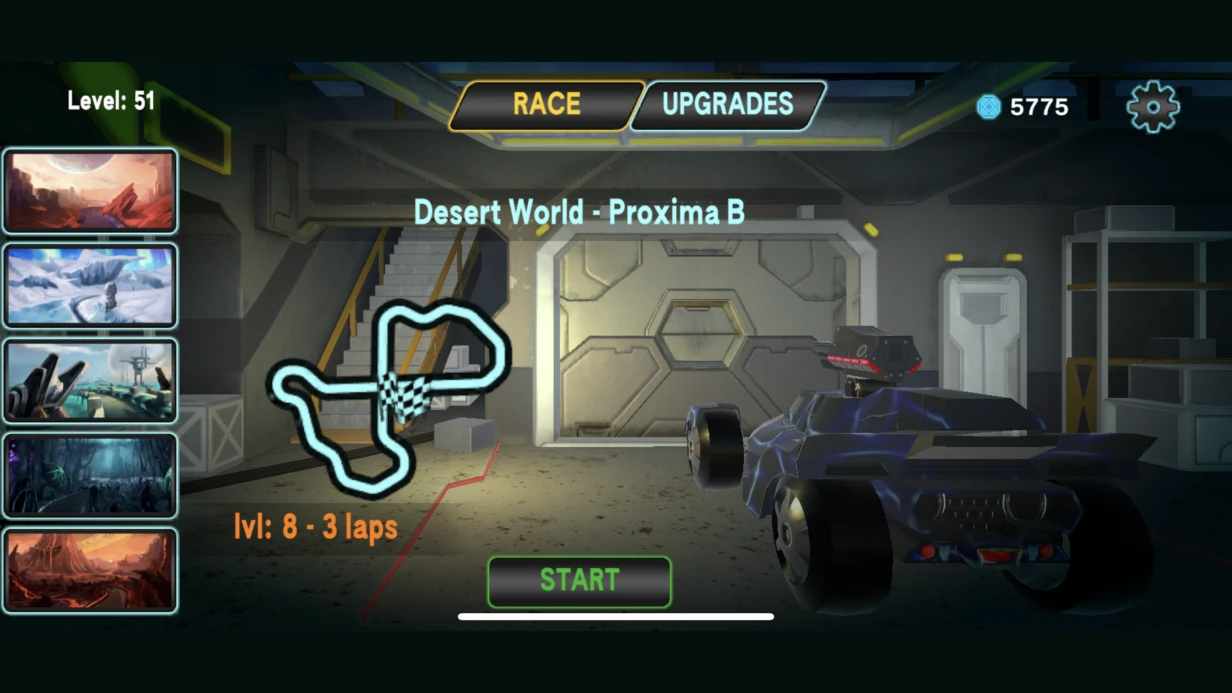
אנו מפתחים מכניקות משחק על Unity — פלטפורמה מקצועית המבטיחה פעולה יציבה על כל ציוד במועדון. הלקוח מקבל לא "משחק לשם המשחק" אלא כלי שפותר משימות עסקיות: שימור, משיכת לקוחות וצמיחת מכירות.
נאמנות לקוחות מוגברת
אלמנטים של משחק — רמות, תגמולים, תחרויות עם עצמך ואחרים — יוצרים הרגל של ביקור במועדון. המשתתפים רואים התקדמות, מקבלים תגמולים על אימונים סדירים, ונקשרים רגשית למקום. התוצאה — חידושי חברות ונוכחות יציבה.
משיכת לקוחות חדשים
מתחילים לעתים קרובות חוששים מחדר הכושר: הם לא יודעים מאיפה להתחיל ומתביישים ב"חוסר הניסיון" שלהם. המשחק מספק תרחיש ברור לאימון הראשון, מסיר פחד ומערב מהביקור הראשון. משתתפים מרוצים ממליצים על המועדון לחברים — שיווק מפה לאוזן עובד.
שירותים נוספים והכנסות
גימיפיקציה פותחת ערוצי הכנסה חדשים: טורנירים בתשלום, תחרויות קבוצתיות, תוכניות משחק אישיות. המועדון יכול למכור חוויה ייחודית שלקוחות מוכנים לשלם עבורה בנוסף לחברות. הסל הממוצע עולה ללא הרחבת צוות או רכישת ציוד יקר.
פורמטים של משחק למועדוני כושר ואולמות ספורט
מבקרי מועדון כושר מגיעים לתוצאות, אך ההחלטה להישאר ולחזור תלויה לעתים קרובות ברגשות. אימונים חוזרים משעממים, והבעלים צריך לשמר לקוחות ולהגדיל את הסל הממוצע.
פורמטים של משחק הופכים אימון רגיל לאירוע: הם מושכים אורחים חדשים, מעודדים נוכחות סדירה, ונותנים סיבה לתמונות ברשתות החברתיות.
אנו מפתחים משחקים למועדוני כושר ואולמות ספורט בשלושה פורמטים — כל אחד מכסה משימה משלו: ממבצע חד-פעמי ועד אזור פעיל קבוע.
שלושה פורמטים — לכל משימה
| פורמט | למי | מה זה נותן למועדון |
|---|---|---|
| משחקי מסך אינטראקטיביים | ילדים, בני נוער, משפחות באזור ההמתנה | שומר על מעורבות האורחים בזמן שההורים מתאמנים; מגביר נאמנות וביקורים חוזרים |
| בידור הקרנה | שיעורים קבוצתיים, אירועי חברה, חגים | מופע מרשים לתמונות וסרטונים; חשיפה ברשתות החברתיות ללא הוצאות פרסום נוספות |
| אזורים פעילים עם חיישני תנועה | אימון אישי, שיקום | שירות נוסף, סל ממוצע מוגדל; תוצאות מדידות ללקוח |
בכל פורמט, אנו משתמשים בציוד מקצועי ובכלים מוכחים, כך שהמועדון מקבל פעולה יציבה של המערכת מהיום הראשון. אנו בוחרים פתרון בהתאם לשטח הרצפה שלך, מספר המבקרים והיעדים העסקיים — מאירוע חד-פעמי ועד אזור משחק קבוע.
כיצד עובד פיתוח משחק למתקן שלך
נתחיל במובן מאליו: אתה לא צריך להבין בפיתוח משחקים כדי לקבל משחק שמביא לקוחות חדשים. התהליך שלנו מתוכנן כך שאתה שולט בלוח הזמנים ובתקציב, וכל הצד הטכני עלינו. אתה צריך להיות מעורב רק בנקודות מפתח: מהבריף ועד ההשקה.
ממה מורכבת העבודה
- בריף וראיון. אנו דנים ביעדי המתקן שלך: משיכת לקוחות חדשים, שימור קיימים, הגדלת הסל הממוצע. אנו אוספים מידע על הקהל שלך ועל המאפיינים הספציפיים של החלל שלך.
- קונספט והערכת עלות. אנו מציעים רעיון משחק שמתאים למקום שלך ופותר את המשימות שהוגדרו. אנו מסכמים על לוחות זמנים, תקציב והיקף עבודה — הכל מקובע בחוזה.
- פיתוח והדגמות ביניים. אנו בונים את המשחק בשלבים. כל 2–3 שבועות, אנו מציגים גרסאות עובדות — אתה רואה תוצאות במקום לחכות ל"הכל בסוף".
- בדיקות ותיקון באגים. אנו בודקים את המשחק עם מבקרים אמיתיים ועל הציוד שלך, ומתקנים כל בעיה. אנו מוודאים שהמשחק פועל באופן אמין בשעות השיא.
- השקה והדרכת צוות. אנו מתקינים את המשחק, מכוונים הכל למתקן שלך ומכשירים את הצוות שלך. ביום ההשקה, יש לך מכניקה מוכנה למשיכת אורחים.
- תמיכה לאחר ההשקה. אנו עונים על שאלות, מכווננים פרטים ומוסיפים רמות או מצבים חדשים אם צריך. אתה אף פעם לא נשאר לבד עם המוצר.
הנקודה המרכזית — אתה תמיד מבין מה קורה ומה זה עולה. אין שלבים נסתרים או הפתעות בלתי צפויות. כל שלב מסוכם מראש, וכל השינויים מתועדים בכתב. לכן לקוחות חוזרים אלינו שוב וממליצים עלינו למועדונים אחרים.
מה אתה מקבל לאחר השקת הפרויקט
לאחר השקת הפרויקט, אתה מקבל לא רק משחק, אלא כלי עבודה מוכן למשיכת ושימור מבקרים. אנו מוסרים חבילה מלאה — מתוכן המשחק ועד הדרכת צוות — כך שהאזור פועל ללא מעורבותך ודורש זמן ניהול מינימלי.
- תוכן משחק מותאם למשימה שלך: מספר מצבים לגילאים ורמות מיומנות שונות, כך שכל אורח מוצא תרחיש מעניין וחוזר שוב.
- עיצוב בסגנון המועדון: לוגו, צבעי מותג ושמות מצבים. המשחק הופך לחלק מהמותג ומגביר את ההכרה בקרב המבקרים.
- בחירת ציוד והתקנה: אנו מטפלים בצד הטכני, תוך התחשבות בשטח ובמיקום האזור. אתה לא צריך להבין במפרטים — הכל יהיה מוכן לעבודה.
- הדרכת צוות בשעה-שעתיים: מנהלים ומאמנים ילמדו להתחיל סשן, לעזור לאורחים ולפתור בעיות נפוצות ללא פנייה אלינו.
- לוח בקרה ברור: אתה רואה סטטיסטיקות משחק, מספר סשנים ופעילות לפי שעה. עם נתונים אלה, אתה יכול בקלות להעריך את הפופולריות של האזור ולקבל החלטות.
- תמיכה טכנית ועדכונים: לאחר ההשקה, אנו נשארים בקשר, מוסיפים רמות חדשות ומתקנים כל בעיה כדי שהמשחק לא יתיישן.
- מנהל פרויקט אישי: תמיד יש לך איש קשר של מומחה אחראי שמכיר את המועדון שלך ועוזר בכל שאלה.
מקרה בוחן: כיצד שימרנו חברויות במועדון כושר
מבקר מגיע למועדון הכושר פעמיים ואז נעלם. הוא קונה חברות שנתית, אך תוך חודש מתחיל לדלג על אימונים, ובחודש השלישי נוטש את חדר הכושר לחלוטין.
המנהל צריך לפנות להנחות ומבצעים כדי להחזיר את האורח — אבל כל חזרה כזו פוגעת ברווחיות.
פתרנו את הבעיה אחרת: הפכנו את ההמתנה המשעממת למשחק פעיל. באחד ממועדוני הרשת, התקנו מסך עם משחק תרגילים: אדם חוזר על תנועות, והדמות על המסך רצה, קופצת או שוחה לפי תנועות השחקן.
המשחק נכתב על Unity, כך שהיה קל להתאים אותו לגודל המסך ולרמת העצימות הנדרשת.
האפקט הגיע מהר מהצפוי. בחודשיים הראשונים, שימור החברות גדל ב-30%, ואורחים ששיחקו לפחות שלושה סשנים דילגו על אימונים ב-40% פחות.
כשהוספנו טבלת דירוג שבועית של תוצאות, משפחות החלו להגיע למועדון — הורים התחרו בילדים שלהם, ומספר החברויות החדשות גם עלה.
חלקם של המבקרים שבחרו במועדון במיוחד בגלל אזור המשחק היה כ-15%, ורובם חתמו על חוזים שנתיים.
אזור המשחק החזיר את ההשקעה תוך שלושה חודשים — לא מהמשחק עצמו, אלא מחידושי חברות ורכישות נוספות בבית הקפה. הרשת משתמשת כעת באזורים כאלה בשלושה מתקנים אחרים, ואנו ממשיכים לעדכן את המשחקים ולשמור על המכניקות מרתקות.
כיצד לבחור את פורמט המשחק המתאים ליעדי המועדון שלך?
בחירת פורמט המשחק תלויה לא בטכנולוגיות אופנתיות אלא ביעדים הספציפיים של המועדון ובתקציב המתוכנן. אותה פעילות יכולה לשרת מטרות שונות: משיכת לקוחות חדשים, הגדלת נוכחות, או פשוט יצירת חוויות בלתי נשכחות למבקרים קבועים.
אם המטרה העיקרית היא למשוך חדשים, פורמטים תחרותיים קצרים עם מכניקות ברורות עובדים היטב: הם מערבים משתתפים במהירות ומספקים רגעים מרשימים לתמונות ופוסטים.
לשימור חברים קיימים, מרתונים עונתיים וטורנירים קבוצתיים עובדים — הם בונים הרגל של הגעה לאימונים ומחברים אנשים כקהילה.
התקציב קובע את ההיקף: ממשחק קומפקטי על מסך אחד ועד אזור אינטראקטיבי מלא עם מספר תרחישים.
מה שחשוב הוא זה — אפילו פתרון פשוט שפוגע במטרה במדויק יביא יותר ערך מפורמט יקר ללא מכניקות מחושבות היטב.
כדי להימנע מטעויות, התחל בשאלה: מה צריך להשתנות במועדון בעוד חודש? חברויות חדשות, תפוסה בשעות הבוקר, או הרגשות של לקוחות קבועים? אנו עוזרים להגדיר את המטרה ולבחור את הפורמט עבורה, לא להיפך.
במהלך ייעוץ חינמי קצר, ננתח את יעדי המועדון שלך, נשווה אפשרויות לפי עלות ויעילות, ונציע את הפתרון האופטימלי. תקבל בחירה ברורה ללא תשלום יתר על אפשרויות מיותרות.
חששות נפוצים בהזמנת פיתוח משחק
המפגש הראשון עם פיתוח משחקים מעלה לעתים קרובות שאלות: האם ההשקה תיכשל, האם האורחים יאהבו את המשחק, מי יתקן בעיות. זה נורמלי — מועדון ספורט קונה לא תוכנה אלא חוויות וכלי עבודה למשיכת לקוחות. אנו עונים על הפחדים הנפוצים ביותר בכנות וללא ערפל טכני.
מה אם המבקרים לא יאהבו את המשחק או שהוא לא מתאים לפורמט שלנו?
אנחנו לא מוסרים מוצר "גולמי". לפני ההשקה, אנו עורכים בדיקות עם קבוצת מיקוד של האורחים שלך ומנסים את המשחק במצב חצי-חי — בזמן שאנשים כבר מגיעים למתקן.
אתה רואה את התגובה מראש ויכול להשפיע על ההגדרות: קושי, משך סשן, מצבים תחרותיים. אם משהו לא תקין לאחר הבדיקה, אנו משפרים את המכניקות במסגרת היקף הפרויקט — ללא תשלומים נוספים.
מה קורה אם המשחק מתקלקל בערב העמוס ביותר?
פורמט הבידור לא צריך להפריע לאימונים — ואנו מוודאים שתקלות קורות לעתים רחוקות ככל האפשר. אתה מקבל ערוץ תקשורת עם המהנדסים שלנו לכל תקופת שיתוף הפעולה.
אנו פותרים בעיות טיפוסיות מרחוק בזמן קצר, ושירות באתר זמין למתחמים גדולים. העיקר: המבקרים שלך אפילו לא ישימו לב שמשהו יצא מהתכנית.
האם תיעלמו לאחר ההשקה ותשאירו אותנו לבד?
להיפך — עבורנו, זו רק ההתחלה. לאחר ההשקה, אנו מכשירים את הצוות שלך, מכינים הוראות קצרות ונשארים בקשר. יחד עם המשחק, אתה מקבל מערכת ניהול: מספר סשנים, זמני פעילות, פופולריות של מצבים.
אתה רואה מה מביא תוצאות ויכול לקבל החלטות על סמך מספרים. אם תרצה, אנו תומכים במועדון לאורך כל תקופת פעילות המשחק.
האם זה ארוך, יקר ומבלבל — אין לנו זמן להיכנס לפרטים?
אנו לוקחים על עצמנו את הפרויקט במפתח פתוח: מהרעיון ועד כפתור "התחל". אתה לא צריך להבין בפיתוח — אתה רק צריך לספק בריף. בדרך כלל, יצירת אזור משחק מלא אורכת כמה שבועות, ואנו מפצלים את התשלום לשלבים.
אתה משלם על התוצאה, לא על התהליך: קודם אתה מקבל תיאור ותכנית, אחר כך אתה רואה אב-טיפוס עובד, ורק בסוף — את הגרסה הסופית.
כמה יציב יהיה המשחק תחת עומס כבד?
מועדון כושר פירושו תעבורה גבוהה ושימוש בו-זמני של מספר אורחים. אנו מתכננים משחקים עם מרווח ביטחון ובודקים אותם תחת עומסים ריאליסטיים. גם אם נוצר תור באזור הפעיל, המשחק יישאר חלק ומרתק.
אנחנו לא רודפים אחרי תיבות סימון במפרט טכני — המטרה שלנו היא שהמשחק יועיל לעסק שלך. אם עדיין יש לך ספקות, שאל אותנו ישירות: אנו מגיבים תוך יום עסקים אחד וללא התחייבות מצידך.הזמן פיתוח משחק למועדון הכושר שלך
כל מועדון כושר כיום מתחרה לא רק במחיר אלא בחוויות. מבקרים מצפים שהאימון יהפוך לאירוע שהם רוצים לחזור אליו.
חלל משחק בחדר הכושר הופך אימון רגיל לתהליך מרתק — שומר על לקוחות זמן רב יותר ומעודד אותם להביא חברים.
אנו מפתחים משחקים למועדוני כושר ואולמות ספורט במפתח פתוח: מהרעיון ועד ההשקה. יש לנו עשר שנות ניסיון בפרויקטים אינטראקטיביים לעסקים, כך שאתה מקבל פתרון שמשתלב בשיווק שלך ומגדיל הכנסות, לא רק "מסך על הקיר".
אם אתה מוכן להפוך את המועדון שלך למקום שאנשים רוצים לחזור אליו, השאר בקשה. מיד לאחר הזמנת הפיתוח, נכין כל מה שצריך כדי להתחיל:
- נייעץ אילו מכניקות משחק מתאימות לקהל שלך.
- נחשב את עלות הפיתוח בהתאם לתקציב וליעדים שלך.
- נציע 2–3 תרחישי שימוש: חימום, תחרות, פורמט משפחתי.
- ניצור תכנית השקה — עם תאריכים, שלבים ורשימת פעולות שלך.
- נציג דוגמאות של פרויקטים דומים כדי שתראה את התוצאה לפני ההתחלה.
- נתעד את לוח הזמנים ואת ערבויות התמיכה בחוזה.
השאר בקשה — ותוך יום, תדע כיצד מכניקות משחק יעבדו במתקן שלך. זה חינמי ואינו מחייב אותך בשום צורה: פשוט נדון במשימה שלך ונציע פתרון. התחל בהודעה קצרה — אנחנו נמשיך משם.