


הבעיה בפלטפורמות חינוכיות: תלמידים מאבדים עניין במהירות
כשתלמיד נרשם לקורס מקוון, הוא מלא במוטיבציה. אבל אחרי כמה שיעורים, העניין דועך: סרטונים חוזרים, מבחנים ושיעורי בית גורמים לשעמום.
כתוצאה מכך, רק חלק קטן מהקהל מגיע עד הסוף, והפלטפורמה מפסידה גם הכנסות וגם מוניטין.
הבעיה היא לא איכות התוכן, אלא פורמט ההגשה. שימור תלמידים תלוי ישירות במידת המעורבות של החומר. בלי למידה אינטראקטיבית, אפילו תוכנית חזקה הופכת לשגרה שתלמידים נוטשים באמצע.
ככל שמשתמש נשאר בקורס זמן רב יותר, כך ערך החיים שלו והסבירות להפניות עולים.
מכניקת משחק היא דרך מוכחת להחזיר תשומת לב ולבנות הרגל למידה. היא הופכת למידה לתהליך עם מטרות, תגמולים והתקדמות נראית לעין שמשתמשים רוצים להמשיך בו.
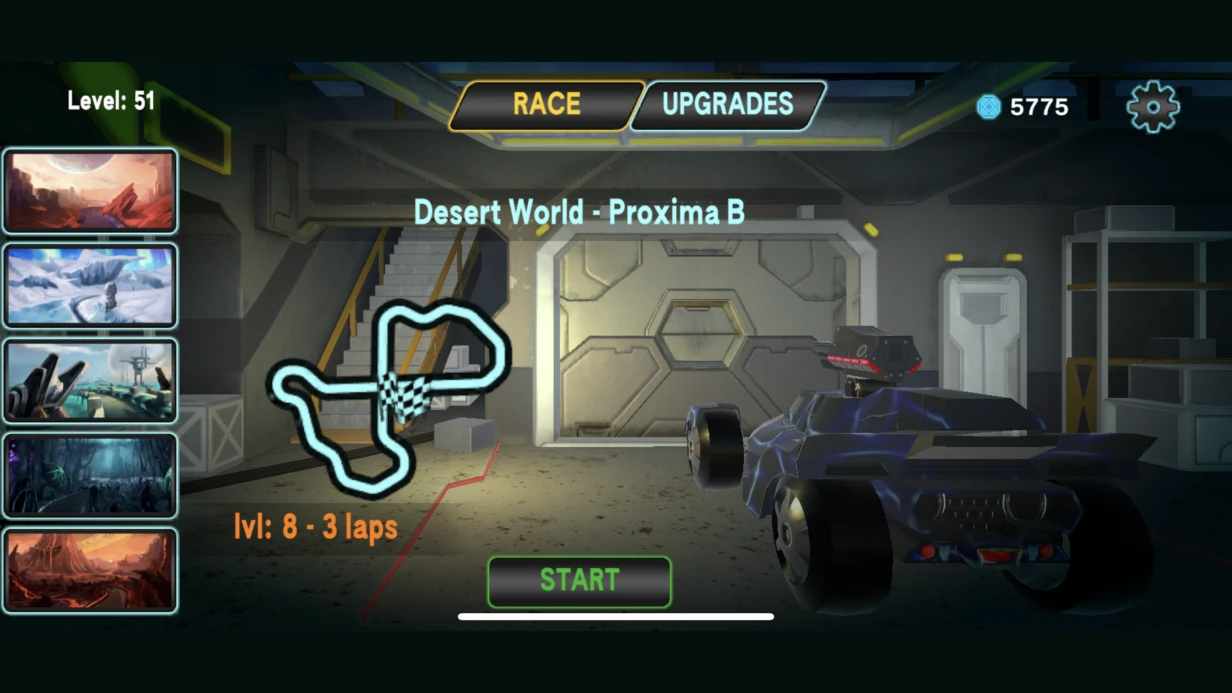
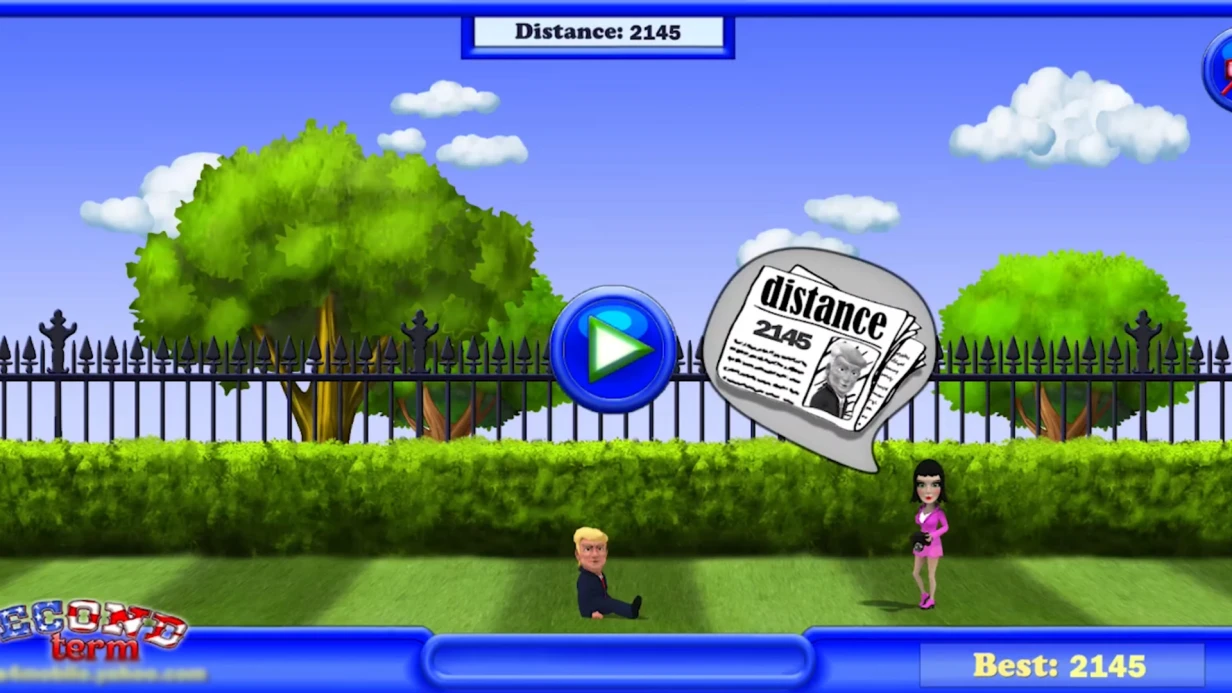
זו הסיבה שאנחנו עוזרים לפלטפורמות חינוכיות להטמיע גיימיפיקציה בקורסים מקוונים — מנקודות ורמות פשוטות ועד מיני-משחקים מלאים הקשורים לתרחיש הלמידה.
אנחנו עובדים עם Unity ומשתמשים בכלים מקצועיים, אבל מה שחשוב לכם יותר הוא זה: תלמידים חוזרים ללימודים, מסיימים את הקורס במלואו וממליצים עליו לעמיתים.
אנחנו פותרים את בעיית אובדן העניין והופכים למידה למרתקת, מדידה ויעילה מבחינה מסחרית.
מה פיתוח משחקים מביא לפרויקט שלכם
מעורבות דרך גיימיפיקציה
הרצאות ומבחנים משעממים מאבדים תשומת לב במהירות. מכניקת משחק הופכת למידה למסע מרגש: תלמידים חוזרים לחומר בעצמם, משלימים משימות ומקבלים תגמולים. זה מגביר פעילות בלי תזכורות נוספות.
תרחישי משחק מדמים מצבים אמיתיים שאי אפשר להראות בטקסט. למידה הופכת לפרקטיקה, לא להפשטה.
שיפור תוצאות למידה
תלמיד מעורב קולט חומר מהר יותר. משוב מיידי ואלמנטים תחרותיים עוזרים לחזק ידע ישירות במשחק. תלמידים חוזרים לנושאים קשים כדי לשפר תוצאות — הידע הופך לעמיד.
שימור קהל והגברת נאמנות
פלטפורמה עם גיימיפיקציה היא בלתי נשכחת ובולטת בשוק. משתמשים נשארים בקורס זמן רב יותר, חוזרים בתדירות גבוהה יותר וממליצים על השירות לחברים. נטישה פוחתת וערך החיים של הלקוח גדל.
רמות ועדכונים חדשים שומרים על עניין לאורך זמן, והופכים מנוי חד-פעמי לשותפות ארוכת טווח.
אמינות ומהירות הטמעה
אנחנו עובדים עם Unity — תשתית טכנולוגית מוכחת שמבטיחה תאימות לרוב המכשירים. המוצר שלכם ירוץ בצורה אמינה, וההשקה לא תתעכב.
אנחנו לוקחים על עצמנו את כל המחזור מרעיון ועד השקה — אתם לא צריכים לבנות פיתוח פנימי. אתם מקבלים למידה מבוססת משחק מוכנה בזמן קצר.
פורמטים של מוצרי משחק לפלטפורמות חינוכיות
כל פלטפורמה חינוכית מציבה מטרה שונה למשחק: לשמר תשומת לב, לתרגל מיומנות או לבחון ידע.
פורמט המוצר משפיע ישירות על המהירות שבה תלמיד מתחבר ועל עומק קליטת החומר — לכן אנחנו מתחילים בבחירת הפורמט עם ניתוח של הקהל ומטרות הלמידה.
| פורמט | למי זה מיועד | מה זה נותן ללקוח |
|---|---|---|
| משחקים חינוכיים | פלטפורמות בית ספריות וארגוניות | מעורבות דרך סיפור: התלמיד רוצה להשלים את החומר בעצמו |
| סימולטורים | רפואה, הנדסה, מקצועות שירות | תרגול פעולות בסביבה בטוחה ללא סיכונים אמיתיים |
| סימולטורי אימון | קורסים עם משימות טיפוסיות | בדיקה אוטומטית ומשוב ללא מעורבות מורה |
| מסעות (Quests) | שיעורים פתוחים ואירועים מקוונים | עניין חי ודינמיקה קבוצתית בכיתה |
| תרגילים אינטראקטיביים | שיעורי בית והערכה עצמית | תדירות חזרות גבוהה — מיומנויות מתחזקות מהר יותר |
לדוגמה, למודול בחינה אנחנו בוחרים סימולטור אימון עם בדיקה מיידית, ולמודול מבוא — משחק חינוכי ליצירת מוטיבציה כבר מההתחלה.
הלקוח מקבל מוצר לדיסציפלינה ספציפית, לא "משחק לשם המשחק" מופשט.
אנליטיקה שקופה — מעורבות, זמן השלמה וחלק המשימות שהושלמו — מראה באילו שלבים תלמידים מאבדים עניין ואילו נושאים דורשים שיפור.
בהתבסס על נתונים אלה, הפלטפורמה מעלה את שיעורי השלמת הקורס ומנבאת במדויק יותר תוצאות למחזור.
איך פרויקט מתנהל: מבריף ועד השקה
אנחנו לא מסתירים את התהליך מאחורי "קופסה שחורה". שלבים, לוחות זמנים ונקודות ביקורת קבועים בתוכנית; אתם תמיד יודעים באיזה שלב נמצא הפרויקט ומי אחראי על התוצאה.
שלבי פיתוח
- בריף והגדרת משימה. אתם מתארים איזו תוצאת למידה אתם צריכים, מי הקהל ואילו מכניקות מתאימות. אנחנו הופכים זאת למפרט טכני ומאשרים אותו אתכם.
- ניתוח ותוכנית. אנחנו חוקרים את הפלטפורמה שלכם ואת המטרות הפדגוגיות. אנחנו יוצרים תוכנית שלבים ולוחות זמנים — אתם רואים את כל הדרך עד ההשקה.
- אב-טיפוס. אנחנו בונים אב-טיפוס עובד של המכניקה המרכזית כדי לבדוק את הרעיון לפני פיתוח מלא. שלב זה חוסך תקציב וזמן.
- פיתוח. אנחנו מרכיבים פתרון מלא: מכניקת משחק, ממשק, אינטגרציה עם הפלטפורמה שלכם. אנחנו מציגים תוצאות ביניים.
- בקרת איכות. אנחנו בודקים את המשחק בתרחישים שונים ובמכשירים שונים. אנחנו בודקים יציבות, תקינות של תוכן חינוכי והיעדר שגיאות.
- בדיקה סופית אתכם. אתם בודקים את המשחק בתנאים אמיתיים, נותנים משוב ואנחנו מבצעים תיקונים.
- השקה ותמיכה. אנחנו פורסים את הפתרון אצלכם, עוזרים באינטגרציה ומכשירים את הצוות שלכם. אחרי ההשקה אנחנו נשארים בקשר: מתקנים באגים ומשפרים פונקציונליות.
מה כלול במסירה: חבילת מפתח
החבילה המלאה היא לא רק "צעצוע", אלא מערכת עובדת שאפשר להשתמש בה מיד בתהליך הלמידה. אנחנו מוסרים כל מה שצריך כדי שהצוות שלכם יוכל להשיק את המוצר בלי עזרת מפתחים ולתחזק אותו בעצמו.
- מוצר משחק מותאם לתוכנית הלמידה שלכם. משחק מוגמר עם תרחישים מעוצבים היטב, משימות וממשק אינטואיטיבי — תלמידים מתחברים מההשקה הראשונה.
- פאנל ניהול שאינו דורש מתכנתים לניהול. אתם משנים חומרי למידה, מוסיפים רמות, צופים בסטטיסטיקות השלמה ומנהלים גישה בעצמכם — דרך ממשק ברור, לא קוד מקור.
- חומרים מתודולוגיים למורים. המלצות מפורטות, תרחישי שיעור ואפשרויות לשילוב המשחק בקורסים — כך שמורים יתחילו להשתמש בו מהר יותר.
- הכשרת צוות. אנחנו מקיימים הדרכה למנהלים ולמורים: מראים איך לעבוד עם הפאנל, להגדיר משימות ולנתח תוצאות תלמידים.
- קוד מקור ותיעוד מלא. אנחנו מעבירים את הזכויות לפיתוח ותחזוקה עתידיים: אתם לא תלויים בנו ויכולים לגדל את המוצר עם צוות משלכם.
- כל הרישיונות וההרשאות. אנחנו מטפלים בזכויות שימוש בתוכן, גרפיקה ורכיבי צד שלישי — בלי סיכונים משפטיים או דרישות נסתרות.
- הוראות התקנה ותפעול. מדריכים פשוטים שלב-אחר-שלב המאפשרים למומחה טכני לפרוס את המוצר על השרת שלכם או בענן.
- תמיכה לאחר השקה. אחרי מסירת הפרויקט, אנחנו נשארים בקשר: עוזרים בעדכונים, עונים על שאלות ופותרים משימות מתעוררות במהירות.
מקרה בוחן: איך הגדלנו מעורבות ב-40%
משימה
הפלטפורמה החינוכית LingvoLab פנתה אלינו עם נקודת כאב טיפוסית: משתמשים נרשמו לקורס, השלימו שיעור או שניים ועזבו. פחות מחמישית הגיעו למבחן הסופי, והשיווק כבר הניע את כמות התנועה הממוקדת המקסימלית. היינו צריכים להגדיל מעורבות בלי לשנות לחלוטין את תוכנית הלימודים.
פתרון
הטמענו מכניקת משחק ישירות בתוך התוכן החינוכי הקיים: רמות, תגמולים, מיני-מסעות ותחרות בין קבוצות. במקביל, ההיגיון החינוכי נשאר זהה — תלמידים משלימים את אותן משימות, אבל עם תגמול רגשי.
תוצאה
המעורבות — זמן השלמת שיעור ממוצע ותדירות חזרה — גדלה ב-40%. מספר המשתמשים שחזרו לקורס למחרת גדל בכמעט פי אחד וחצי, וחלקם של אלה שהשלימו את המבחן הסופי עלה בשליש. מנהלי הפלטפורמה קיבלו אנליטיקה חיה של התקדמות לכל קבוצה.
יישמנו את הפרויקט על Unity עם צד שרת משלנו — זה שמר על פעילות חלקה אפילו במחשבים ניידים זולים של תלמידים. הלקוח היה מרוצה מהמדדים: אחרי חודשיים, הם הזמינו מודול משחק שני ומתכננים להרחיב את המכניקה לאזורים חדשים. עבורנו, זה המדד העיקרי — לקוח חוזר כשהתוצאה מדידה.
חששות נפוצים בהזמנת פיתוח משחקים
בדרך כלל, הזמנת פיתוח משחקים מסתכמת לא בפרטים טכניים, אלא בחששות הגיוניים: מה אם התקציב יחרוג, לוחות הזמנים יידחו, והתוצאה לא תעניין תלמידים.
זה קריטי לפרויקט חינוכי, כי המשחק אמור לספק התקדמות מדידה, לא רק "תמונה יפה". אנחנו עובדים כך שהפחדים האלה יעצרו אתכם לפני הבריף, לא אחרי חתימת החוזה.
מה אם הפיתוח לא יתאים לתקציב?
אנחנו קובעים את ההערכה בהתחלה ולא משנים אותה "תוך כדי". התשלום הוא לפי שלבים: אתם משלמים על שלב שהתקבל, לא על הבטחות.
אם תחליטו להוסיף מכניקות חדשות, זה נדון בנפרד ומעוגן בהסכם נוסף — ההערכה המקורית נשארת ללא שינוי.
האם תוכלו לסיים בזמן למועד פתיחת הקורס?
אנחנו מחלקים את הפרויקט לשלבים עם תאריכים ספציפיים ומציגים תוצאות ביניים כל 1–2 שבועות. אתם רואים התקדמות ויכולים להשפיע על העבודה לפני שיהיה מאוחר מדי. אנחנו בונים מרווח ביטחון לאישורים ותיקונים כדי שמועד הסיום לא יידחה בגלל עיכובים קטנים.
איך נוכל לוודא איכות לפני תשלום מלא?
אנחנו משיקים הדגמה ניתנת למשחק בשלבים מוקדמים — אפשר להראות אותה למתודולוגים ולתלמידים אמיתיים. אנחנו מתקדמים רק אחרי האישור שלכם. אחרי המסירה, אנחנו מספקים תקופת אחריות ומתקנים כל בעיה שצצה במהלך השימוש הראשוני במשחק ללא עלות.
מה קורה אחרי שהפרויקט מושק?
אנחנו מוסרים את קוד המקור ותיעוד ברור כדי שתוכלו לפתח את המוצר באופן עצמאי או איתנו. אם אתם צריכים תמיכה שוטפת — אנחנו מעדכנים תוכן, מנטרים יציבות ועוזרים לנתח התקדמות תלמידים. זו לא עסקה חד-פעמית, אלא שותפות ארוכת טווח.
אם מצאתם את הפחד שלכם ברשימה — מצוין, זה אומר שאפשר להפוך אותו בקלות לתנאי חוזה ברורים. פתרו שאלות נוספות בייעוץ: נראה דוגמאות של פרויקטים חינוכיים ונסביר איך אנחנו מבנים את העבודה שלנו.דונו במשימה שלכם: קבלו הערכת פרויקט
נדון במשימה שלכם בייעוץ. תספרו לנו איך הפרויקט החינוכי שלכם עובד ואילו תוצאות אתם צריכים מהמשחק.
נשאל שאלות הבהרה, נציע אפשרויות פתרון וניתן הערכת עלות כנה המחושבת לאחר בדיקה — בלי לחץ מיותר או ז'רגון טכני.
אחרי ניתוח קצר, תקבלו:
- הערכת ריאליזם ולוחות זמנים לפרויקט — מה תוכלו להשיג לפני פתיחת הקורס או שנת הלימודים.
- הבנה של עלויות העבודה ומבנה העלות — לפני שחותמים על החוזה.
- המלצות על מכניקת משחק לקהל שלכם: תלמידי בית ספר, סטודנטים באוניברסיטה או לומדים מבוגרים.
- דוגמאות לפתרונות דומים לפלטפורמות חינוכיות עם תוצאות מדידות.
- תוכנית פעולה קונקרטית: מרעיון ועד שילוב המשחק בפלטפורמה שלכם.
- הערכה שקופה בלי עמלות נסתרות — נקבע אותה בחוזה.
כדי לקבל הערכה, שלחו בקשה דרך הטופס באתר או כתבו לנו במייל. נגיב תוך יום עסקים אחד ונתאם זמן נוח לשיחה.
במהלך השיחה, נסקור את המצב שלכם וניתן המלצה: האם אתם צריכים משחק עכשיו ואיך לשלב אותו בלמידה כך שיניע מעורבות והתקדמות תלמידים.
אל תדחו: ככל שנתחיל מוקדם יותר, כך המשחק יגיע למשתמשים שלכם מהר יותר ויתחיל להניב תוצאות. שלחו בקשה עכשיו — הצעד הראשון לא עולה כלום וחוסך שבועות של התלבטות.
איך לבחור פורמט משחק למשימה שלכם?
בחירת פורמט משחק מתחילה לא במכניקה, אלא במטרת הלמידה והקהל שלכם. אותה משימה — למשל, חיזוק חומר — אפשר לפתור עם חידון, סימולטור או מסע מונחה סיפור.
הכל תלוי במי הם התלמידים שלכם, כמה זמן נמשך שיעור ואיזו תוצאה אתם רוצים למדוד.
לפני הצעת פתרון, אנחנו בוחנים שלושה קריטריונים: גיל ורמת מיומנות של המשתמשים, תרחיש השימוש (למידה עצמית, בכיתה, באירוע) והתקציב הזמין.
אם הקהל הוא תלמידי בית ספר שצריכים להישאר ממוקדים 10–15 דקות, מכניקה מהירה עם משוב מיידי עובדת היטב. למבוגרים שמתקדמים בקורס בקצב שלהם, תרחישים עם קושי הדרגתי ואלמנטים של בחירה עובדים טוב יותר.
מכניקת המשחק לא צריכה להפוך למטרה בפני עצמה — היא צריכה לעזור לתלמיד להשיג תוצאת למידה, לא רק לבדר.
בדרך כלל, שלושה סוגי פתרונות מספיקים. משימות הערכה קצרות מכוסות על ידי חידונים ומבחנים מתוזמנים — הם זולים להפקה ומוטמעים בקלות בפלטפורמה.
לתרגול מיומנויות מעשיות, כמו ברפואה או הנדסה, סימולטורים יעילים, שבהם טעות בטוחה ונראית לעין. ואם אתם צריכים להניע תלמידים לסיים את הקורס, אנחנו מוסיפים גיימיפיקציה: נקודות, רמות, תגמולים ואלמנטים תחרותיים.
נעזור לכם לבחור אפשרות שמספקת את הערך המרבי במסגרת התקציב שלכם ונציע אב-טיפוס פשוט כדי שתוכלו להעריך אותו על תלמידים אמיתיים לפני פיתוח מלא.
בואו עם המשימה שלכם — יחד נקבע איזו מכניקה תשיג את המטרה שלכם מהר יותר ובחסכוני יותר.
תארו את הקהל שלכם ואת התוצאה הצפויה, ואנחנו נציע פורמט שעובד עבור הפלטפורמה החינוכית שלכם, לא רק הופך ל"משחק לשם המשחק".