


מדוע מרפאות עיניים מאבדות מטופלים בשלב הטיפול
כאשר ילד מקבל מרשם לטיפול באמבליופיה או עבודה עם מכשירי אימון ראייה, הבעיה העיקרית של המרפאה אינה הציוד אלא המוטיבציה.
לאחר שבועיים-שלושה של מפגשים סדירים, ילדים מתחילים לסרב: התרגילים נראים משעממים ומבלבלים, וההורים לא רואים תוצאות מהירות. כתוצאה מכך, הקורסים נקטעים, מטופלים מפסיקים להגיע, והטיפול שנקבע נותר לא גמור.
עבור המרפאה, משמעות הדבר היא לא רק אובדן הכנסות אלא גם פגיעה במוניטין. המשפחה עוזבת עם תחושה של "לא עזרו לנו", מפרסמת ביקורת שלילית, ולא חוזרת לשירותים נוספים.
בינתיים, הזמן של הרופא והאבחונים כבר הושקעו, וההתקדמות החיובית לא גובשה — יש לטפל במטופל מההתחלה או לאבד אותו לחלוטין.
הסיבה כמעט תמיד זהה: טיפול מסורתי לא נותן לילד משוב. הילד לא מבין למה נחוצים התרגילים, לא רואה התקדמות, ומאבד עניין במהירות. ההורים מנסים שכנוע ושליטה, אבל זה רק מגביר את ההתנגדות.
הטיפול באמבליופיה נמשך, ורפואת עיניים לילדים זוכה למוניטין של הליך "משעמם" ו"כואב".
טיפול מבוסס משחק פותר את הכאב הזה בדרך שונה מהותית. מכשירי אימון לעיניים הבנויים כמשחקים שומרים על תשומת הלב של הילד, מספקים משוב מיידי, והופכים כל מפגש לניצחון קטן.
הילד מבקש "עוד סיבוב אחד", ההורים רואים מעורבות, והרופא מקבל היענות לטיפול ללא כפייה. המוטיבציה של המטופל גדלה, הקורסים מושלמים, והמרפאה שומרת על אמון המשפחה ועל ביקורים עתידיים.
אנחנו עוזרים למרפאות עיניים ליישם מאמנים מבוססי משחק כאלה — מבחירת הפורמט ועד להשקה במרפאה. זה פותר את בעיית הטיפול המופרע והופך אותו לתהליך ברור ומרתק שמביא תוצאות גם למרפאה וגם למטופלים.
מה מרפאות ומטופלים מקבלים ממאמנים מבוססי משחק
מאמנים מבוססי משחק הופכים הליכים שגרתיים לתהליך מרתק שמטופלים מחכים לו. במקום טבלאות משעממות ותרגילים מונוטוניים — עלילה חיה, רמות ופרסים.
זה משנה מהותית את היחס לטיפול: ילדים מפסיקים להתעסק, מבוגרים לא מדלגים על מפגשים, וקורס השיקום מתנהל בצורה מלאה יותר ומוביל לתוצאה מתמשכת מהר יותר.
הסוד העיקרי של שיטות מבוססות משחק הוא מעורבות. כאשר מטופל רוצה להתאמן, המוח מעבד מידע חזותי בצורה פעילה יותר, ותרגילי העיניים פועלים ביעילות רבה יותר. בנוסף, פורמט המשחק מאפשר מינון מדויק של עומס ומעקב אחר התקדמות.
הרופא רואה שיפורים אמיתיים עבור כל מטופל, והצלחת הטיפול הופכת למוחשית — זה מגביר את האמון במרפאה ומניע אנשים להשלים את הטיפול שלהם.
עבור העסק, משמעות הדבר היא נאמנות גבוהה יותר וזרם קבוע של מטופלים חדשים. מטופלים משתפים את התרשמותם עם חברים וקרובי משפחה, מפרסמים סרטונים ברשתות החברתיות — המרפאה מקבלת הפניות חינמיות ומחזקת את המוניטין שלה כמרכז מודרני.
ואלה שרואים תוצאות חוזרים לקורסים חוזרים ומביאים איתם את משפחותיהם. כך, ההשקעה במאמנים מבוססי משחק מחזירה את עצמה פי כמה.
יתרון נוסף הוא בידול מהמתחרים. משרדים טיפוסיים מציעים מכשירים וטבלאות סטנדרטיים, בעוד המרפאה שלך מציעה גישה חדשנית ודאגה לנוחות המטופל.
זה מאפשר להצדיק ערך עסקה ממוצע גבוה יותר ולמשוך מטופלים המחפשים שירות פרימיום. מאמנים מבוססי משחק הופכים לחלק מהמותג שלך — קל לשלב אותם בקמפיינים פרסומיים ובחלון הראווה של היתרונות שלך.
בסופו של דבר, שיטות מבוססות משחק פותרות שלוש משימות בבת אחת: משפרות את תוצאות הטיפול, מגבירות את שביעות רצון המטופלים, ויוצרות זרם יציב של פניות חדשות.
כבר יישמנו פתרונות כאלה עבור עשרות מרפאות ואנחנו יודעים להתאים את המכניקה לצרכים שלך — מבחירת תרחישים ועד הכשרת צוות.
פורמטים של משחקים למרפאות עיניים: ממאמנים ועד VR
כל מרפאת עיניים מתמודדת עם אתגרים שונים: משיכת מטופלים חדשים, שמירה על מעורבות ילדים במהלך בדיקות, הגברת מוטיבציה לטיפול, או שיקום ראייה לאחר ניתוחים.
אין משחק אוניברסלי — מה שחשוב הוא פורמט שמתאים לתהליכים שלך ומספק תוצאות מדידות.
שלושה פורמטים — שלושה תרחישי עבודה
אנחנו מפתחים משחקים בשלוש גרסאות עיקריות: מובייל, תוכנות מחשב נייחות, ומאמני VR. כל אחד פותר את המשימה שלו, והבחירה תלויה במי ישתמש במשחק והיכן.
| פורמט | למי | מה זה נותן למרפאה |
|---|---|---|
| משחקי מובייל | מטופלים ובני משפחותיהם, ילדים בפגישות | שומרים על תשומת לב בזמן ההמתנה, מלמדים כללי היגיינת ראייה, משמשים כתזכורת לטיפול |
| תוכנות מחשב (נייחות) | חדרי אבחון וטיפול, מחלקות ילדים | מערבות בתהליך הטיפול, עוזרות בביצוע תרגילי עיניים, מגבירות את סדירות ההליכים |
| מאמני VR | חדרי טיפול במכשירים, שיקום | מעצימים את אפקט הטיפול, יוצרים התעמקות מלאה, מאפשרים אימון אקומודציה בצורת משחק |
הפורמט הנייד נוח כי המטופל ממשיך ליצור אינטראקציה עם המרפאה בבית: המשחק מזכיר להם את המרשמים, נותן משימות בית, ובונה הרגל.
תוכנות נייחות כבר משולבות בלוח הזמנים של ההליכים — הרופא מתחיל מפגש, והמטופל מבצע תרגילים תחת פיקוח הצוות.
מאמני VR מתאימים למרפאות שרוצות לבלוט ולהציע גישה מודרנית לטיפול. הם מספקים רמת מעורבות גבוהה יותר ומאפשרים איסוף אוטומטי של נתוני התקדמות.
איך לבחור פורמט למשימות שלך
אנחנו לא דוחפים פתרון מסוים — בתחילת הפרויקט, אנחנו מנתחים את הקהל שלך, את מאפייני הפגישות ואת המטרות. אם אתה צריך למשוך מטופלים, אנחנו ממליצים על משחק מובייל עם הפצה דרך רשתות חברתיות.
אם המשימה היא להגביר את יעילות הטיפול, נציע מאמנים נייחים או VR. לאחר מכן נתאים את המכניקה, הקושי ומשך המפגש לתנאים שלך.
הפורמט הסופי מסוכם איתך בשלב הבריף. אתה מקבל משחק שפותר משימה קלינית או שיווקית ספציפית, לא רק "תמונה יפה". שילוב של פורמטים אפשרי אם זה יחזק את התוצאה.
איך פיתוח משחק עובד: מבריף ועד השקה
כדי להבטיח שהמשחק באמת פותר את המשימות של מרפאת העיניים — משיכת מטופלים, הרגעת ילדים לפני בדיקות, תמיכה באימון — בנינו תהליך שקוף עם שלבים ברורים.
אתה תמיד רואה מה קורה עם הפרויקט ומה תקבל בסופו. אנחנו מתחילים עם בריף משחק ולוקחים אותו עד להשקה ותמיכה.
- בריף משחק. אנחנו דנים במשימות המרפאה: בדיקות, התאמת מטופלים, לימוד כללי היגיינת ראייה. אנחנו מגדירים את קהל היעד, העלילה והמכניקה המרכזית. הבריף בדרך כלל לוקח כמה פגישות.
- קונספט. אנחנו מציעים שניים או שלושה תרחישי משחק המותאמים לפרופיל רפואת העיניים. אנחנו מציגים את הרעיון, הדמויות, הממשק והחוקים — ומסכימים עליהם לפני תחילת הפיתוח.
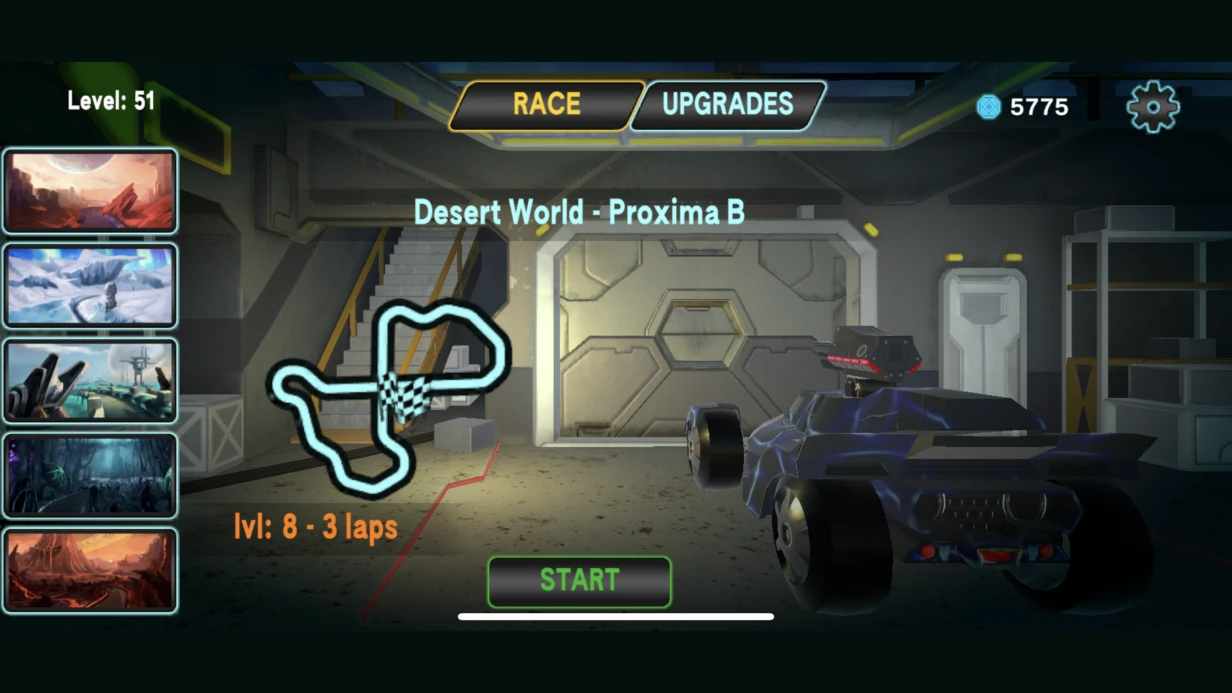
- פיתוח. אנחנו בונים גרסה אינטראקטיבית: רמות, ניקוד, לוגיקה והתאמה למסכים הנדרשים. בשלב זה, אתה כבר מקבל גרסאות ניתנות למשחק ויכול להעריך את המוצר.
- אישור פרויקט. אנחנו מקיימים נקודות ביקורת: אתה בודק את המשחק באזור ההמתנה או בחדר הבדיקות, מבצע עריכות בתוכן ובפרטים. אנחנו עובדים במסגרת גבולות מוסכמים מראש כדי למנוע שינויים אינסופיים.
- השקת המשחק. אנחנו מתקינים את המשחק על הטאבלטים, הקיוסקים או המסכים של המרפאה. אנחנו מאמנים מנהלים וצוות רפואי — הם יכולים להתחיל מפגש בעצמם ולהראות להורים איך לבלות את הזמן בתועלת ובכיף.
- תמיכה. לאחר ההשקה, אנחנו נשארים בקשר: אנחנו מתקנים במהירות כל תקלה, מוסיפים רמות ודמויות חדשות לפי בקשתך, ועוקבים אחר יציבות תפעולית.
כתוצאה מכך, אתה מקבל כלי מוכן לעבודה עם מטופלים, לא "פרויקט גולמי". המחזור המלא אורך בין כמה שבועות לחודשיים — תלוי במורכבות המשחק.
כבר יצרנו כמה משחקים למשרדי רפואת עיניים לילדים בדרך זו, ומרפאות חוזרות אלינו לעדכונים ופעילויות חדשות.
מה כלול במסירה: ערכה להשקה ותפעול המשחק
כאשר אתה מזמין פיתוח משחק למרפאת עיניים, אתה מקבל לא רק תוכנה אלא ערכה מלאה להשקה ותפעול שוטף. חשבנו על כל שלב: מהתקנה ועד הכשרת צוות ותמיכה לאחר השקה.
לא תצטרך לחפש קבלנים או להיכנס לפרטים טכניים — הכל כלול בפרויקט.
חבילת המסירה כוללת:
- משחק מוכן למשימות שלך. אפליקציה מותאמת שמתקינה מיד ורצה ביציבות על ציוד המרפאה. הצוות לא צריך ללמוד מדריכים מורכבים — הממשק ברור מהמסך הראשון.
- תיעוד ברור. הוראות התקנה, הגדרה ותפעול ברוסית. אתה יכול לאמן במהירות את העובדים שלך ולטפל במצבים סטנדרטיים ללא פנייה אלינו.
- הכשרת צוות. אנחנו מקיימים מפגש הכשרה לאחיות ורופאים: אנחנו מראים איך לשלב את המשחק בזרימת הפגישות עם מטופלים ולהשתמש בו לאבחון ואימון ראייה. הצוות עובד בביטחון מהיום הראשון.
- חומרי מקור וזכויות משחק. אתה מקבל את כל קבצי המקור והאב-טיפוס — זה הקניין הרוחני שלך. במידת הצורך, אתה יכול לפתח את המוצר הלאה עם כל צוות פיתוח או עם המומחים שלנו.
- תמיכה טכנית. ערוץ תקשורת ייעודי עם הצוות שלנו. אנחנו עונים על שאלות, משחררים עדכונים ומתקנים במהירות כל בעיה — כך שהמשחק אף פעם לא יושב בטל ולו ליום עבודה אחד.
- תמיכת אחריות. במהלך תקופת האחריות, אנחנו מתקנים שגיאות ומבצעים שינויים קטנים ללא תשלום. לפי בקשה, אנחנו מרחיבים את הפונקציונליות למשימות חדשות של המרפאה.
כך, אתה מקבל לא פיתוח מופשט אלא כלי מוכן שמתחיל לעבוד מיד. כל הרכיבים מסוכמים בתחילת הפרויקט ומועברים במסגרת הזמן המוסכמת. אתה מתמקד במטופלים, והצד הטכני עלינו.
מקרה בוחן: איך מאמן משחק Unity שיפר את תוצאות הטיפול
מרפאת עיניים אחת, "זורקוסט", פנתה אלינו עם אתגר: מטופלים לא רצו לבצע את אימון הראייה שנקבע להם.
זה היה קשה במיוחד עם ילדים — תרגילים משעממים גרמו להתנגדות, מפגשים שהוחמצו גדלו, ותוצאות הטיפול ירדו יחד איתם.
הצענו מיקור חוץ של פיתוח משחק ב-Unity: משימות טיפוליות הפכו למסע עם דמות, רמות ופרסים.
תוצאות היישום
לאחר שהמשחק יושם, המרפאה ראתה שינויים מדידים. חלק המטופלים שהשלימו את קורס האימון המלא גדל מ-42% ל-87%. משך המפגש הממוצע גדל פי 2.5, ורופאים ציינו דינמיקה חיובית מתמשכת אצל 9 מתוך 10 מטופלים.
מדדי ההצלחה האלה אישרו שפורמט המשחק עובד לא פחות טוב משיטות קלאסיות — ומשמעותית טוב יותר מבחינת מעורבות.
הניסיון של המרפאה
הרופאה הראשית של המרפאה שיתפה את התרשמותה: "המשחק שינה לחלוטין את היחס של ילדים לטיפול.
ראינו תוצאות שלא השגנו שנים, והורים התחילו להביא מטופלים אחרים." דברי הרופאה מגובים בנתונים: הביקורים החוזרים במרפאה כמעט שולשו, ואימון ביתי עצמאי הפך לנורמה עבור משפחות.
מקרה הפיתוח הזה הוביל להרחבת הפרויקט: המרפאה הזמינה גרסה למבוגרים ולשיקום לאחר ניתוח. עבורנו, זה תרחיש מיקור חוץ טיפוסי — לבנות משחק למשימה, לקבל תוצאה, ולהמשיך לגדול יחד. אם אתה רוצה להגביר היענות לטיפול ונאמנות מטופלים — בואו נדון במקרה שלך.
התייחסות לספקות לפני הזמנת משחק
לפני הזמנת משחק, למנהל מרפאת עיניים יש ספקות טיפוסיים: איך המשחק ישתלב בפגישות עם מטופלים, מה יעלה הפיתוח, ומה לעשות אם משהו משתבש.
אנחנו שומעים את השאלות האלה בכל פרויקט ואספנו כאן תשובות ישירות לדאגות העיקריות של הלקוחות — ללא פרטים טכניים או הבטחות מוקדמות.
כמה עולה פיתוח משחק ואיך נקבע המחיר?
העלות תלויה בפורמט ובהיקף: מאמן אקומודציה פשוט למשרד אחד הוא דבר אחד; אזור משחק מלא עם מיתוג וסטטיסטיקות למספר סניפים הוא דבר אחר.
בתחילת הדרך, אנחנו קובעים את ההערכה בחוזה ולא מוסיפים תשלומים נסתרים: אתה משלם עבור התוצאה המוסכמת ברשימת הדרישות, לא עבור "תהליך הפיתוח".
מתי המשחק יהיה מוכן להשקה?
פרויקט טיפוסי אורך בין שבועיים לחודשיים — ציר הזמן המדויק תלוי במספר תרגילי המשחק, במספר המשרדים וברמת ההתאמה למתודולוגיה שלך.
בשיחה הראשונה, אנחנו מסכימים על המועד ויוצרים לוח זמנים עם תאריכי מסירה לכל שלב. עד שהסניף שלך נפתח או שעונת הטיפול מתחילה, אתה מקבל משחק מוגמר, לא גרסת ביניים.
אילו ערבויות יש לכך שהמשחק יעבוד בצורה אמינה?
לפני המסירה, אנחנו בודקים את המשחק על הציוד האמיתי של המרפאה ומתחשבים בתנאים טיפוסיים: ימי פגישות עמוסים, רמות ביצוע שונות של מחשבים, מפגשים בו-זמניים במספר משרדים.
לאחר ההשקה, אנחנו מתקנים במהירות כל בעיה ומקיימים מפגש הכשרה קצר לצוות — כך שהמשחק מופעל תוך דקה ואינו דורש ידע טכני מהמנהלים. תמיכה לתקופה המוסכמת מצוינת בחוזה.
האם אתם מתאימים את המשחק למשימות ולמטופלים שלי?
כן, התאמה היא חלק מרכזי בעבודה. אנחנו אוספים דרישות למשימה הקלינית, גיל המטופל והממשק; אנחנו מתאימים את הקושי ומשך התרגילים; אנחנו משנים את העלילה לקהל מבוגרים או ילדים; אנחנו מוסיפים את הלוגו וצבעי המותג של המרפאה.
אתה שולט בהגדרות בכל עת — מה שמתאים לילדים שונה מהתוכנית למבוגרים, והמשחק לוקח זאת בחשבון אוטומטית.
קבל ייעוץ על פיתוח משחק למשימה שלך
כל מרפאת עיניים מתמודדת עם אתגרים ייחודיים: משיכת מטופלים, הסבר שיטות מורכבות, הגברת נאמנות. אנחנו מציעים פתרון אישי — משחק שעובד במיוחד עבור המטרה שלך, בין אם זה מניעה, חינוך או בניית מותג. במקום תבנית סטנדרטית, אתה מקבל מוצר שנוצר עבור הקהל ותהליכי העסק שלך.
התחל בפשטות: השאר בקשה לייעוץ. נדון במשימה שלך, נציע קונספט, ונחשב את העלות וציר הזמן. זה ללא התחייבות — אתה מקבל תמונה ברורה של מה ואיך נעשה לפני שהפרויקט בכלל מתחיל.
במסגרת הייעוץ, תקבל:
- ניתוח של המשימה וקהל היעד שלך;
- קונספט משחק אישי המותאם למטרות שלך;
- תוכנית פיתוח ברורה עם שלבים ותוצאות;
- הערכת עלות וציר זמן;
- המלצות על שימוש במשחק בשיווק המרפאה;
- תשובות לכל השאלות שלך ללא פרטים טכניים.
בוא עם כל שאלה: מרעיון ועד מפרט טכני מוכן. אנחנו נעזור לך להבין איזה משחק יניב את התוצאה המקסימלית עבור המרפאה שלך.
השאר בקשה באתר — והמומחה שלנו יחזור אליך בזמן נוח כדי לדון בפרויקט ולהכין הצעה אישית.
איך לבחור פורמט משחק מבלי לחרוג מהתקציב?
בחירת פורמט משחק למרפאת עיניים מתחילה לא בטכנולוגיה אלא במשימה שאתה רוצה לפתור. דבר אחד הוא למשוך את תשומת הלב של המבקרים בלובי וליצור תדמית מודרנית; דבר אחר הוא לתת למטופלים כלי לאימון ראייה סדיר בבית. התקציב, ציר הזמן והאפקט הסופי — כולם תלויים בתשובה לשאלה הזו.
לפני דיון במכניקה ספציפית, הגדר שני פרמטרים: מי ישחק (ילדים, מבוגרים, מטופלים מבוגרים עם רמות שונות של ניסיון דיגיטלי) והיכן זה יקרה — במרפאה תחת פיקוח צוות או באופן עצמאי בבית.
עבור הלובי, מפגשים קצרים של 2-3 דקות עם אובייקטים גדולים ושליטה פשוטה עובדים היטב. עבור אימון ביתי, מה שחשוב הוא מוטיבציה: מערכת התקדמות, תזכורות והוראות פשוטות למטופל ולמשפחתו.
התקציב מייעל לא דרך פתרונות זולים אלא דרך פגיעה מדויקת בדרישות. אם המשימה היא מעורבות עדינה במהלך אבחון, מספיק משחק ויזואליזציה פשוט שיכול לרוץ על טאבלט במשרד.
אם אתה בונה תוכנית שיקום או מניעה, תצטרך פיתוח תרחישים מעמיק יותר, התאמה לליקויי ראייה שונים, ויכולת לאסוף סטטיסטיקות אנונימיות עבור הרופא.
הניסיון שלנו מראה: מרפאות לעתים קרובות משלמות יתר על פונקציונליות נוספת שהן לא משתמשות בה, או להיפך, ממעיטות בהערכת הצורך בהתאמות ספציפיות לפרקטיקה שלהן.
אנחנו ממליצים להתחיל עם פרויקט פיילוט קטן — משחק אחד שמתייחס לצורך ספציפי אחד. זה מאפשר לך לקבל משוב ממטופלים, למדוד את העומס האמיתי, ולהבין איזה פורמט עובד במקרה שלך.
כבר על בסיס הנתונים האלה, אתה יכול להרחיב את הפתרון, להוסיף רמות חדשות, או להפוך את המשחק לתוכנית קבועה.
קריטריון הבחירה העיקרי הוא שהמשחק מביא ערך מדיד למרפאה שלך: הגדלת פגישות, הגברת נאמנות מטופלים, עזרה למטופלים לעקוב אחר המלצות הרופא.
אנחנו עוזרים לנסח דרישות, להעריך תקציב לכל פורמט, ולהציע אפשרויות — ממאמן פשוט ועד מתחם משחק מקיף — מבלי לכפות תכונות מיותרות. בסופו של דבר, אתה מקבל בדיוק מה שפותר את המשימה שלך ולא משלם יתר על יכולות שאינן בשימוש.