


רשתות שיווק מאבדות לקוחות — איך מתקנים את זה?
רשתות שיווק שוכחות לעתים קרובות את הרושם שהלקוח לוקח איתו אחרי ביקור. קניות משעממות מפחיתות ביקורים חוזרים: למה לחזור למקום שלא מושך אותך?
בינתיים, המתחרים מציגים מכניקות משחק ממש על רצפת המכירה ומושכים את תשומת הלב של הקהל שלך.
חוסר מעורבות בקניות פוגע במדדים הפיננסיים. קונה שאין לו עניין מוציא פחות ועוזב מהר יותר, והנאמנות שלו נשארת נמוכה. הרשת נאלצת להשקיע כל הזמן במשיכת לקוחות חדשים במקום לעבוד עם אלה שכבר נמצאים בסביבה.
הנחות ומבצעים לא יוצרים יתרון בר-קיימא — קל להעתיק אותם והם לא יוצרים חיבור רגשי. לכן שימור לקוחות דורש גישה אחרת, המבוססת על חוויות והשתתפות.
חוויות מבוססות משחק בקמעונאות הן דרך מוכחת להפוך את המצב. כשקונה לוקח חלק במשימה או אוסף בונוסים, הוא נשאר יותר זמן ונמשך לתהליך.
כך נולדת נאמנות לקוחות מתמשכת: החנות הופכת להיות מזוהה עם רגש, ואנשים חוזרים.
אנחנו יוצרים משחקים לרשתות שיווק כבר למעלה מ-10 שנים והופכים נסיעת קניות רגילה להרפתקה. הפתרונות שלנו רצים על ציוד מקצועי ומשתלבים בקלות בפעילות היומיומית של החנות.
זה משפר את שימור הלקוחות, מגדיל את ערך הסל הממוצע ויוצר בסיס לצמיחה עסקית.
למה רשתות שיווק צריכות מכניקות משחק
מבקרים ברשתות שיווק רגילים לתרחיש אחיד: לקחת מוצר, לשלם, ללכת. מכניקות משחק שוברות את התבנית הזו, והופכות נסיעה לחנות למשימה מרתקת.
אדם מתעכב, בוחן תצוגות, מתקשר עם מוצרים — הזמן בחנות גדל, ואיתו הסבירות לרכישות לא מתוכננות.
עלייה בערך הסל הממוצע היא תוצאה ישירה של מעורבות זו. משימת משחק קטנה, כמו הרכבת סל וירטואלי או מציאת בונוס נסתר, מניעה קונים להוסיף פריטים נוספים לרכישה שלהם.
מבצעים המובנים במכניקות משחק נתפסים לא כפרסום פולשני, אלא כהצעה מעניינת שבאמת קשה לסרב לה.
מכניקות משחק הן מקור חזק למידע על התנהגות קונים. אנליטיקה מראה אילו מוצרים נבחרים יותר, אילו תצוגות זוכות לתשומת הלב הרבה ביותר, ואילו משימות מייצרות את ההתרגשות הגדולה ביותר.
נתונים אלה מאפשרים להתאים אישית הצעות, להתאים את מיקום המוצרים, ולהפוך את החנות לנוחה יותר עבור כל אורח.
הקונה של היום חי במרחבים מקוונים ולא מקוונים בו זמנית. מכניקות משחק מחברות בין הערוצים האלה: מתחילים משחק באפליקציה הניידת, ממשיכים אותו בחנות; מקבלים בונוס ברשתות החברתיות, מממשים אותו בקופה.
גישה אומניערוצית זו מחזקת את הקשר עם המותג והופכת ביקורים חד-פעמיים להרגל מתמשך.
בסופו של דבר, משחק הוא רגש, ורגשות נזכרים. מבקר שנהנה וקיבל בונוס נעים יחזור שוב ויביא חברים.
אנחנו עוזרים לרשתות שיווק ליישם מכניקות כאלה מאפס — מהרעיון ועד ההשקה — כך שכל ביקור יועיל גם לקונה וגם לעסק.
פורמטים של פתרונות משחק לקמעונאות
קונים ברשתות שיווק מתרגלים למדפים זהים, מוצאים במהירות את מה שהם צריכים, ועוזבים — במהלך הזמן הזה המותג מקבל רק קבלה.
פורמט משחק הופך נסיעת קניות רגילה להרפתקה קטנה: בזמן שמבוגר בוחר מוצרים, ילד מחפש דמויות על רצפת המכירה, ובקופה מגרילים הנחה עבור תשובה נכונה.
מכניקות משחק פותרות שלוש משימות עבור רשת: הן שומרות על מבקרים ברצפת המכירה זמן רב מהרגיל, מעודדות אותם לעבור במספר מחלקות ולבצע רכישות משלימות, וגם מייצרות סיקור חינמי ברשתות החברתיות — משתתפים מצלמים ומשתפים תוצאות.
אנחנו בוחרים את הפורמט בהתאם למטרה הספציפית: אם צריך להשאיר משפחה בחנות, אנחנו משיקים משימה; אם צריך להעלות מודעות למוצר חדש, אנחנו יוצרים חדר מדידה וירטואלי.
פורמטים שכבר עובדים בקמעונאות
| פורמט | למי | מה הוא נותן לחנות |
|---|---|---|
| משימה בחנות | משפחות עם ילדים, צעירים | שומר על קונים בחנות, מעודד אותם לבקר בכל מחלקה, ומעסיק ילדים בזמן שההורים בוחרים מוצרים |
| חדר מדידה וירטואלי | קוני ביגוד, נעליים ואביזרים | מבטל תורים לחדרי מדידה, מעודד יותר ניסיונות והזמנות מקוונות |
| חלון ראווה אינטראקטיבי | כל מבקרי הקניון | מושך תשומת לב לתצוגה, מגדיל תנועת לקוחות לחנות, והופך את המותג לבלתי נשכח |
| משימות לקוחות כתוכנית נאמנות | לקוחות קבועים וחדשים | מניע ביקורים חוזרים באמצעות מכניקת צבירה, הופך רכישות חד-פעמיות להרגל |
כל פורמט קל להתאמה למבצעים עונתיים, קמפיינים לשנה החדשה והשקות של קווי מוצרים חדשים — אפשר לשנות את המשחק בהתאם למשימה הנוכחית תוך מספר ימים.
אנחנו מטפלים בפיתוח, בדיקות והשקה; כל מה שאתם צריכים לעשות זה לתעד את הצמיחה בערך הסל הממוצע ובביקורים חוזרים בדוחות שלכם.
איך עובד פיתוח משחקים: שלבים עבור הלקוח
אנחנו מבינים: אתם צריכים להשיק משחק לרשת שיווק, אבל אתם לא רוצים להיכנס לפרטים טכניים או לאבד שליטה על לוחות זמנים.
לכן שלבי פיתוח המשחק בנויים בשקיפות — בכל שלב אתם רואים את התוצאה ומקבלים החלטות, בזמן שאנחנו מטפלים בכל הביצוע.
- בריף פיתוח. אנחנו שואלים על הקהל שלכם, מטרות הקמפיין ונקודות המגע עם הלקוח. כתוצאה מכך, אתם מקבלים מסמך עם משימות, לוחות זמנים וקריטריוני הצלחה — ללא מידע טכני מיותר.
- קונספט ותסריט. אנחנו מציעים רעיון משחק שפותר את המטרה העסקית שלכם: משיכת לקוחות חדשים, הגדלת ערך הסל הממוצע או בניית מאגר אנשי קשר. אנחנו מסכמים על העלילה והמכניקה בשפה פשוטה — אתם יודעים מראש איך המשחק ייראה.
- אישור פרויקט. אנחנו קובעים את היקף העבודה, מבנה הצוות, לוח הזמנים והעלות בחוזה. אתם מאשרים את התוכנית ומבינים על מה אתם משלמים — ללא עמלות נסתרות או הפתעות באמצע הדרך.
- פיתוח וסקירות התקדמות. כל כמה ימים אנחנו מציגים גרסה עובדת. אתם רואים התקדמות, מנסים את המשחק ויכולים להתאים פרטים בשלב מוקדם, כששינויים זולים ומהירים.
- בדיקות ותיקון באגים. אנחנו בודקים את המשחק על מכשירים שונים, במהירויות אינטרנט שונות ומספרי משתמשים בו-זמניים. אנחנו מוודאים שביום ההשקה, אורחים לא יתקלו בתקלות.
- השקת הפרויקט. אנחנו מפרסמים את המשחק בחנויות שלכם או באתר שלכם, מגדירים אינטגרציה עם תוכנית הנאמנות, ומכשירים צוות על אופן השימוש במשחק. אתם מקבלים פתרון מלא מוכן לשימוש.
- תמיכה במשחק. לאחר ההשקה, אנחנו ממשיכים לתמוך בפרויקט: מעדכנים תוכן, מוסיפים רמות ומבצעים. אם תרצו לשנות תנאים, זה נעשה מבלי לעצור את המשחק או לאבד סטטיסטיקות שנאספו.
תהליך זה עוזר לכם להימנע מהבעיות הרגילות: לוחות זמנים מתעכבים, שינויים בלתי צפויים והשקה גרועה. אתם תמיד יודעים באיזה שלב נמצא הפרויקט, ומקבלים החלטות על סמך תוצאות ברורות, לא מסמכים טכניים.
מה כלול במסירת פרויקט משחק
אנחנו מוסרים יותר מסתם משחק — אנחנו מוסרים חבילה מלאה להשקה ברשת שלכם. הכל נלקח בחשבון, מהתאמת המכניקה ועד הכשרת צוות, כך שהמשחק מתחיל לעבוד עבור מבקרים מהיום הראשון, לא אחרי אישורים ארוכים.
המסירה כוללת:
- מכניקת משחק מותאמת למטרות הרשת: חידון, משימה או מבצע אינטראקטיבי. אתם מקבלים משחק שפותר את המשימה שלכם — מושך תשומת לב, מגדיל זמן שהייה בחנות ואוסף אנשי קשר.
- התקנת ציוד ובדיקה. אנחנו מחברים פאנלים מגע, טאבלטים או עמדות ומגדירים אותם כך שהמשחק מופעל במגע אחד — ללא צורך במעורבות מנהל.
- הכשרת צוות. אנחנו מעבירים מפגש הכשרה קצר לעובדים: מה לעשות בהשקה, איך לעזור לאורח ואיך לפתור בעיות אופייניות. הצוות מרגיש בטוח, ואורחים מקבלים את העזרה שהם צריכים.
- הוראות השקה. רשימות בדיקה ומדריכים ברורים לכל מיקום חנות — כולל תרחיש "היום הראשון" ופעולות שיש לנקוט במקרה של תקלה.
- חומרי קידום. עיצובים מוכנים לרשתות חברתיות, פליירים, מדבקות רצפה ושלטים — כל מה שצריך כדי למשוך מבקרים ולהסביר את מכניקת המשחק.
- תמיכה טכנית. לאחר ההשקה, אנחנו נשארים בקשר: מעדכנים את המשחק, מנטרים יציבות ומגיבים במהירות לפניות מחנויות.
עם חבילה זו, אתם לא צריכים למצוא קבלנים נפרדים לכל שלב. אתם מקבלים פתרון אחד מלא — והמשחק מתחיל לעבוד עבור ההכרה וההכנסות של הרשת מהיום הראשון.
מקרה בוחן: מכניקת משחק הגדילה את נאמנות הלקוחות
רשת מכולת פנתה אלינו עם נקודת כאב אופיינית: לקוחות הגיעו למבצע ונעלמו, ערך הסל הממוצע היה תקוע, ומתחרים גנבו קהל עם הנחות. הם היו צריכים לשמר לקוחות בלי להוריד מחירים כל הזמן.
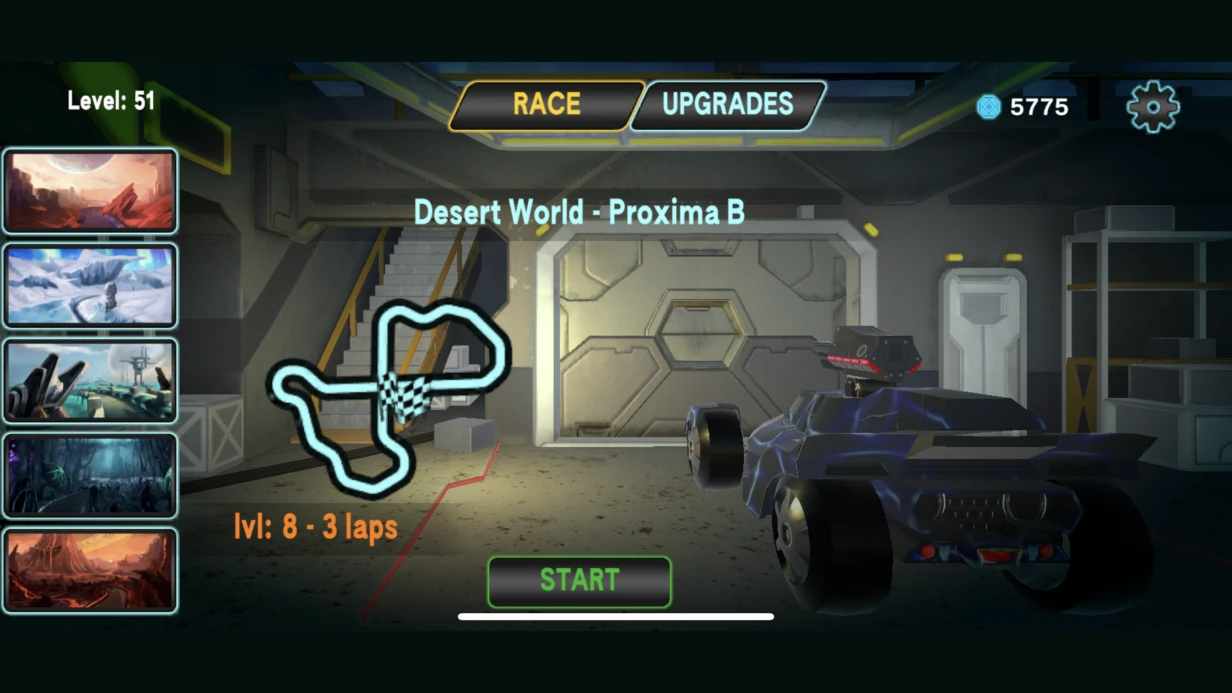
הצענו מכניקת משחק בתוך האפליקציה הממותגת שלהם — משימה קצרה שהופכת נסיעת קניות להרפתקה קטנה.
פיתחנו תסריט: הקונה אוסף בונוסים וירטואליים על ידי ביצוע פעולות פשוטות — סריקת קודי QR על מדפים, ניחוש מוצרים והשתתפות במיני-משחק. בתמורה, הוא מקבל הנחה או מתנה.
המכניקה בנויה על מנוע Unity המקצועי, שאיפשר לנו לשחרר במהירות גרסאות למכשירים ניידים ולהבטיח פעולה יציבה אפילו בסמארטפונים חלשים.
השקנו פרויקט פיילוט בשלוש חנויות של הרשת. אחרי חודש, מדדנו את התוצאות: ערך הסל הממוצע גדל ב-25%, וביקורים חוזרים הפכו תכופים פי 1.5. לקוחות שסיימו את המשימה חזרו בממוצע פי 2–3 יותר מאשר קונים אחרים.
בנוסף, חלק הרכישות עם סל מלא גדל — שחקנים הוסיפו לעגלות שלהם מוצרים שהתעלמו מהם בעבר.
מה המשחק נתן לעסק
מכניקת המשחק פתרה את המשימה המרכזית — היא יצרה חיבור רגשי עם המותג. קונים החלו לתפוס את החנות לא כמקום של הוצאה כפויה, אלא כמקום שבו אפשר לבלות זמן מעניין.
זה השפיע ישירות על נאמנות: נטישת קהל פחתה, והמלצות מפה לאוזן הביאו לקוחות חדשים ללא עלויות פרסום נוספות.
עבור הרשת, חשוב שהמשימה קלה לקנה מידה: אנחנו יכולים להתאים את המכניקה לקטגוריות מוצרים שונות, מבצעים עונתיים או אירועי חג. תוצאות המשחק נראות באנליטיקה, כך שניתן להתאים תרחישים במהירות ולהפוך אותם ליעילים יותר.
גישה זו עובדת לא רק בסופרמרקטים, אלא גם בחנויות ביגוד, חנויות אלקטרוניקה וחנויות מוצרי בית — בכל מקום שבו נדרשים ביקורים חוזרים וערך סל ממוצע גבוה יותר.
איך לבחור את הפורמט המתאים למשימה שלכם?
בחירת פורמט משחק היא לא עניין של טעם, אלא עניין של משימה ותקציב. לדוגמה, אם המטרה היא לבנות מאגר אנשי קשר של מבקרים, מכניקות קצרות עם רישום מתאימות יותר.
אם אתם צריכים להשאיר אורחים במקום וליצור תור של אנשים שרוצים להשתתף, כדאי לשקול פורמטים תחרותיים עם צבירת נקודות ופרסים.
אנחנו מתחילים בבחירת פתרון עם הקריטריונים שחשובים ספציפית לכם: מספר משתתפים, פעולת יעד, חשיפה צפויה ומגבלות תקציב למשחק.
בהתבסס על פרמטרים אלה, אנחנו בוחרים 2–3 אפשרויות מתאימות עם הערכת עלות ברורה — ללא מחירים צפים וללא תוספות נסתרות. אתם רואים בדיוק מה אתם מקבלים עבור כל יחידת תקציב, ובוחרים את הפורמט שמספק את האפקט הגדול ביותר עבור קמפיין השיווק שלכם.
תקציב למשחק לא אומר בהכרח "יקר". לעתים קרובות, חוויה אינטראקטיבית קטנה בכניסה לחנות מביאה יותר מעורבות מאשר אזור גדול בחלק האחורי של רצפת המכירה.
אנחנו עוזרים לכם להקצות השקעה כך שכל חלק במשחק עובד לקראת התוצאה: מושך תשומת לב, מערב אנשים בתהליך ומוביל לפעולת היעד — רכישה, הרשמה או ביקור חוזר.
לכן הצעד הראשון הוא שיחה קצרה על המצב שלכם. בלי לחץ ובלי דחיפות: אנחנו שואלים כמה שאלות הבהרה, ואז מציעים השוואת פורמטים לפי עלות, מורכבות השקה והשפעה צפויה. כך, אתם מקבלים החלטה על סמך מספרים ודוגמאות, לא הבטחות.
בסופו של דבר, אתם מקבלים לא רק משחק, אלא כלי למשימה ספציפית — עם תקציב ברור, לוח זמנים ותוצאה צפויה. אם אתם לא בטוחים איזה פורמט מתאים לכם, בקשו ייעוץ, ונעזור לכם להחליט בשיחה אחת.
תשובות לשאלות נפוצות של לקוחות
לפני השקת משחק, לקוחות מרשתות קמעונאיות שואלים את אותן שאלות: איך הפרויקט ישתלב בתקציב, כמה זמן תיקח ההשקה, מה קורה אם המשחק נשבר באמצע קמפיין, ואיך אפשר לדעת אם הוא באמת משתלם.
אנחנו מתייחסים להתנגדויות המרכזיות — כך שתוכלו לקבל החלטה עם תמונה ברורה של לוח זמנים, תקציב ותוצאות.
מה אם המשחק נשבר במהלך מבצע?
אנחנו מספקים אחריות על כל העבודה ומציינים את זמן התגובה בחוזה. אם משהו משתבש, אנחנו מתחילים לטפל בזה תוך שעות, לא ימים.
פעולה על ארכיטקטורת שרתים וציוד מקצועי ממזערת את הסיכון לתקלות בעומסי שיא — אתם לא נשארים לבד עם בעיה ביום החשוב ביותר.
איך מכניסים את המשחק לתקציב מוגבל?
אחרי בריף קצר, אנחנו נוקבים בעלות המדויקת — ללא עמלות נסתרות וללא "תשלום נוסף על כל פרט". אפשר לפצל את הפרויקט לשלבים: קודם משיקים את הגרסה הבסיסית, ואז מוסיפים מכניקות ורמות חדשות. אתם משלמים רק על מה שבאמת נחוץ כדי להשיג את מטרת הקמפיין.
כמה זמן לוקח להשיק משחק?
פרויקט אופייני לרשת חנויות לוקח 4–6 שבועות: מבריף ועד משחק מוגמר. תרחישים מורכבים יותר עם אינטגרציה לתוכנית נאמנות או אפליקציה ניידת עשויים לקחת יותר זמן, אבל אתם מקבלים לוח זמנים מדויק לפני תחילת העבודה. אתם תמיד רואים באיזה שלב נמצא הפרויקט ומתי התוצאה תהיה מוכנה.
איך מודדים אם המשחק עובד ומספק ערך?
אנחנו בונים אנליטיקה ישירות לתוך המשחק: כמה אנשים שיחקו, כמה חזרו, וכמה ביצעו את פעולת היעד — לדוגמה, ביצעו רכישה באמצעות קוד קופון. בסוף הקמפיין, אתם מקבלים דוח שמראה את השפעת המשחק על תנועה והכנסות.
זה מאפשר לכם להימנע מניחושים ולהבין את התוצאה הקונקרטית ולהחליט אם להריץ שוב.
אם עדיין יש לכם שאלות על לוחות זמנים, אחריות או עלות — שאלו אותנו ישירות, ונכין תשובה אישית המותאמת לפורמט החנות שלכם ולמטרות הקמפיין.בואו נדבר על הפרויקט שלכם — השאירו פנייה
רשת חנויות צריכה לא רק משחקים, אלא כלי שפותר בעיות עסקיות ספציפיות: האצת הכשרת עובדים חדשים, הגדלת נאמנות לקוחות והגברת ביקורים חוזרים.
עם זאת, לבעלים או למנהל שיווק אין זמן להיכנס לפרטים טכניים: לא ברור איזה פורמט יעבוד, כמה זמן ייקח הפיתוח, ואיך לחשב תקציב בלי לשלם יותר מדי. אנחנו מסירים את אי-הוודאות הזו.
אתם מתארים את המטרה שלכם — תוך יומיים אנחנו מציעים את פורמט המשחק האופטימלי והערכת עלות מדויקת. אתם לא צריכים להבין בפרטים טכניים: אנחנו מתרגמים את המשימה לשפה עסקית ולוקחים על עצמנו את כל השלבים — מהקונספט ועד ההשקה.
השאירו פנייה לפיתוח — וקבלו:
- ייעוץ: נבחן את הרעיון שלכם ונציע כיצד ליישם אותו;
- בחירת פורמט לפי המטרה שלכם: הכשרת עובדים, בדיקת ידע, קידום לקוחות, חלון ראווה אינטראקטיבי;
- הערכת תקציב ולוח זמנים תוך שני ימי עסקים — ללא עמלות נסתרות או שגיאות בהערכה;
- תוכנית עבודה ברורה: מהגדרת המשימה ועד ההשקה, עם שלבים מובנים ונקודות בקרה;
- חוזה עם מחיר קבוע ותשלום בשלבים — אתם משלמים רק על תוצאות מאושרות;
- תמיכה לאחר ההשקה: עדכונים, עריכות ופיתוח הפרויקט למשימות חדשות.
ההתחלה פשוטה: ספרו לנו על המשימות שלכם, ונכין הצעה עם תקציב, לוח זמנים ותוכנית התחלת פרויקט תוך יומיים.
השאירו פנייה עכשיו — זה לא מחייב אתכם, אבל תלמדו את העלות המדויקת ותבינו כמה מהר תוכלו לקבל משחק מוגמר.