


למה ליגות וקבוצות ספורט צריכות משחק משלהן
ליגות וקבוצות ספורט מודרניות מתחרות לא רק על המגרש, אלא גם על תשומת הלב של האוהדים, שחיה כיום בסמארטפון וברשתות החברתיות.
שידורים ופוסטים ברשתות החברתיות מספקים חשיפה, אך אינם יוצרים מעורבות עמוקה — האוהד נשאר צופה מבחוץ ולא משתתף בחיי המועדון.
משחק קנייני פותר את הבעיה הזו: הוא הופך קהל פסיבי לקהילה פעילה ונותן לאוהדים רגש שהם רוצים לחזור אליו. זוהי מערכת אקולוגית דיגיטלית אחידה של המותג, שבה הכרת המועדון, פעילויות מסחריות ואינטראקציה יומיומית עם האוהדים שזורות זו בזו.
המשחק פועל למען המטרות האסטרטגיות של ארגון ספורט בכמה כיוונים בו-זמנית. עבור ליגות וקבוצות ספורט, הוא הופך לערוץ תקשורת חדש שעובד ללא הפסקות או סופי שבוע — בין משחקים, בעונת החופש ובהפסקות.
כל עוד אין משחק, הקהל שוכח מהמועדון; עם משחק, יש לך סיבה קבועה להישאר בקשר עם האוהדים.
בנוסף, גיימיפיקציה עוזרת לאסוף נתונים על העדפות הקהל: אילו מכניקות עובדות, מה מניע אוהדים להשלים שלבים ולשתף תוצאות.
האנליטיקה הזו משפרת את האפקטיביות של פעילויות שיווקיות אחרות — ממכירת מרצ'נדייז ועד משיכת ספונסרים שמתעניינים במספרי מעורבות, לא בהבטחות מופשטות.
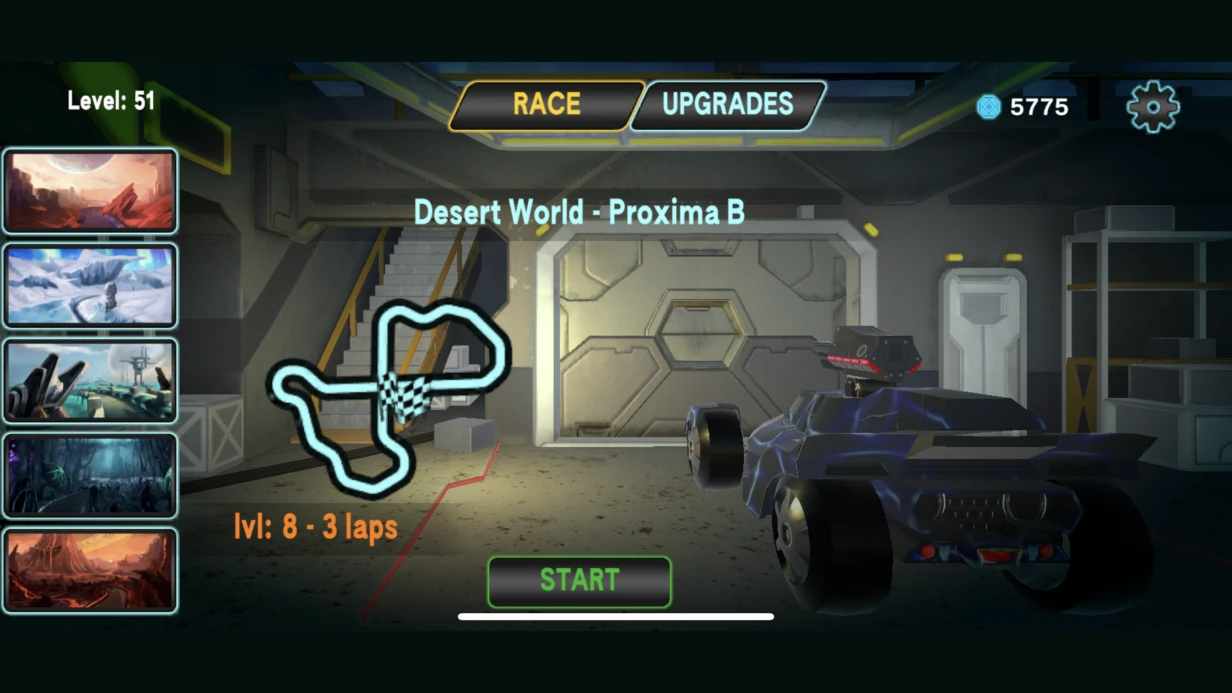
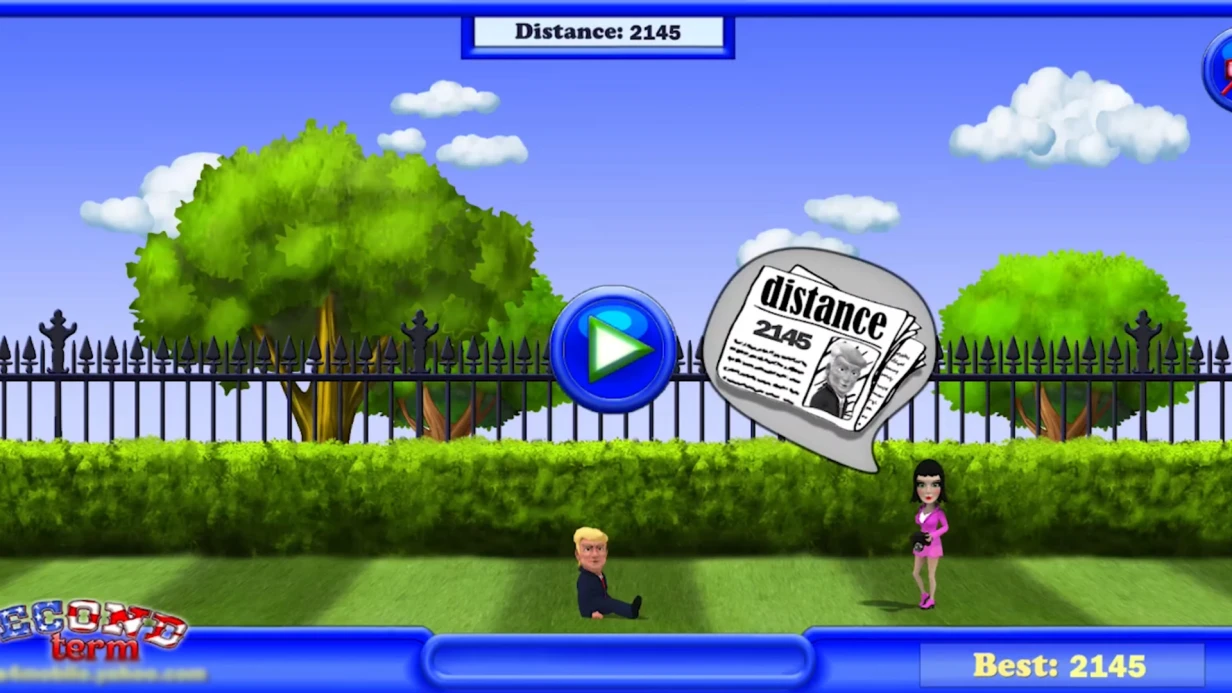
פיתוח משחקים ב-Unity מאפשר לנו ליצור מוצרים המותאמים לצרכים הספציפיים של הליגה שלך — מחידונים פשוטים ועד סימולטורים מלאים.
אנחנו לוקחים על עצמנו את כל התהליך: עיצוב מכניקות, הטמעה, השקה ותמיכה, והצוות שלך מקבל כלי מוכן לצמיחה בנאמנות ובהכנסות.
אילו יתרונות ארגון מקבל מפיתוח משחק
האוהד המודרני אינו צופה פסיבי אלא משתתף פעיל באירועים. הם רוצים להשפיע על מה שקורה, להתחרות ולקבל רגשות עזים גם מחוץ לאצטדיון.
מכניקות משחק הופכות ביקור חד-פעמי במשחק לאינטראקציה קבועה עם מותג המועדון, מה שמחזק ישירות את הנאמנות ומגדיל את מכירות הכרטיסים והמרצ'נדייז. גישה זו כבר נמצאת בשימוש פעיל על ידי ליגות מובילות בעולם, למשל NHL.
איך המשחק עובד למען המטרות העסקיות שלך
| פורמט משחק | למי | מה הארגון מקבל |
|---|---|---|
| טורניר ניחושים | אוהדים | מעורבות מוגברת וסיבה לחזור למשחקים כל יום |
| חידון מועדון | קהל צעיר | חינוך לא פולשני והגברת המודעות למותג |
| סימולטור ספורט | ספונסרים | שילוב אורגני של מותג שותף במשחקיות |
| ארקייד משפחתי | צופי ארנה | ערך מוסף של הגעה למשחק ואסוציאציות חיוביות |
מה זה נותן לעסק במספרים ובהיגיון
אוהדים נאמנים הם הנכס העיקרי של ליגה או קבוצה. ספונסרים קונים את תשומת הלב שלהם, והמשחק הופך לפלטפורמה לשילוב טבעי של מותגי שותפים.
הצופה אינו רואה באנר אלא מקיים אינטראקציה עם המוצר של הספונסר בעצמו, מה שמגביר משמעותית את האפקטיביות של הפרסום ועוזר להצדיק את העלייה בעלות חבילות החסות.
יתרונות מרכזיים עבור הארגון:
- צמיחה מתמשכת בנאמנות — האוהד נשאר עם המועדון גם בין משחקים.
- כלי ברור למשא ומתן עם ספונסרים ולמשיכת שותפים חדשים.
- קרס מדיה ויראלי — אתגרי משחק וטורנירים מתפשטים ברשתות החברתיות.
- היכולת לאסוף נתונים על העדפות הצופים (בהסכמתם) להחלטות שיווקיות מדויקות.
פיתוח משחק הוא השקעה בחיבור רגשי עם אוהדים שמשתלם דרך הגדלת נוכחות וחוזי חסות. אנחנו עוזרים לליגות וקבוצות ספורט ליישם כלי כזה במפתח פתוח: מרעיון ועד השקה ותמיכה.
פורמטי משחק: בחרו את זה שמתאים לבקשה שלכם
בחירת פורמט המשחק משפיעה ישירות על התוצאה: אירוע אחד אוסף קהל באזור האוהדים, אחר מטביע את האוהד בהיסטוריית המועדון, ושלישי מדגים את יכולות האקדמיה.
קל לטעות, אבל עם עשרות שנות ניסיון אנחנו יודעים איך כל פורמט עובד עבור משימה עסקית ספציפית.
להלן תרחישים טיפוסיים שבהם ליגות וקבוצות ספורט פונות אלינו. ראו מה קרוב יותר למטרותיכם, או פשוט תארו את המשימה — נציע פורמט ומכניקה עבורה.
| פורמט | למי | מה זה נותן ללקוח |
|---|---|---|
| מסע (Quest) | למעורבות אוהדים בהיסטוריית המועדון, לאירועים עם תוכנית ארוכה | מחזיק תשומת לב למשך 1-2 שעות, יוצר חיבור רגשי עם המותג, האורחים עוברים מספר נקודות וזוכרים יותר מאשר במצגת רגילה |
| סימולטור | למרכזי אימון, תצוגות טכנולוגיה, פעילויות חינוכיות לילדים ומבוגרים | נותן תחושה של חוויית הספורטאי האמיתי, מחזק אמון באקדמיה, יוצר תדמית של המועדון כארגון חדשני |
| ארקייד | לפעילויות קצרות באצטדיונים, אזורי אוהדים, אירועי חברה | מושך במהירות תור, יוצר התרגשות וזרם מסיבי של תמונות ואזכורים ברשתות החברתיות — חשיפה ללא תשלום נוסף על פרסום |
ניתן לשלב כל פורמט: למשל, ארקייד כחימום לפני המסע הראשי, או סימולטור באזור העיתונות לשותפים.
אנחנו לוקחים בחשבון את מספר האורחים, משך האירוע, גיל הקהל והמיקום — ומרכיבים פתרון סופי כך שכל דקת פעילות מביאה לכם תוצאה מדידה: מודעות מוגברת, אמון אוהדים וקשרים חדשים.
איך מתנהל פיתוח משחק עבור הארגון שלכם
פיתוח משחק עבור ליגת ספורט או מועדון אינו "קופסה שחורה" אלא תהליך ברור. אנחנו מבנים אותו כך שתראו תוצאות בכל שלב ותוכלו להשפיע על החלטות.
בצוות שלנו, במשך למעלה מ-10 שנים חידדנו תוכנית שלב-אחר-שלב — מהבריף הראשון ועד השקה ותמיכה.
- בריף ומטרות. אנחנו דנים במה שאתם צריכים: משיכת אוהדים, הגדלת נאמנות, איסוף נתונים. אנחנו מתעדים משימות, קהל יעד ולוחות זמנים.
- קונספט ותוכנית. אנחנו מציעים רעיונות למשחק, פורמטים ומכניקות שעובדים עבור המשימה שלכם. אנחנו מסכימים על תוכנית העבודה והרכב הצוות.
- עיצוב ואב-טיפוס. אנחנו יוצרים את הסגנון החזותי של המותג ואב-טיפוס אינטראקטיבי כדי שתוכלו לדמיין את המשחק מראש.
- פיתוח. אנחנו מתכנתים את המשחק באמצעות פתרונות מוכחים וכלים מהימנים. אנחנו מציגים גרסאות ביניים; אתם עוקבים אחר ההתקדמות ונותנים משוב.
- בדיקות. אנחנו בודקים תרחישים במכשירים שונים כדי שהמשחק יפעל ביציבות וללא תקלות במהלך משחקים.
- השקה. אנחנו מפרסמים את המשחק, מגדירים אנליטיקה ואינטגרציה עם המערכות שלכם. אנחנו מאמנים את הצוות שלכם לנהל תוכן.
- תמיכה ופיתוח. אנחנו עוקבים אחר מדדים, מעדכנים אירועים ומוסיפים תכונות חדשות על סמך משוב אוהדים.
בכל שלב, אתם מקבלים דוח קצר ותקשורת ברורה. אנחנו מטפלים בנושאים טכניים ומבטיחים עמידה בלוחות זמנים — אתם מתמקדים בדברים החשובים, ואנחנו יוצרים משחק שמחזק את המותג ואוסף קהל.
מה כלול בחבילת המסירה הסופית
ליגות וקבוצות ספורט בדרך כלל מזמינות פיתוח משחק כדי לערב אוהדים, להגדיל מודעות למותג ולאסוף נתוני קהל.
אבל התוצאה היא לא רק "עבדנו ומסרנו". אתם מקבלים חבילת מסירה מלאה שבה תוכלו לפתח את המוצר בעצמכם ולא להיות תלויים בסטודיו חיצוני.
- זכויות מלאות למשחק ולקוד המקור. אתם הבעלים של הקוד, הגרפיקה וכל התוכן — אתם יכולים לעדכן את המוצר, להעביר אותו לצוות פיתוח אחר או להשתמש בו בקמפיינים שיווקיים.
- Build מוכן לפרסום. המשחק רץ על הפלטפורמות שאתם צריכים — ממכשירים ניידים ועד מחשבים שולחניים של אוהדים. אנחנו מגדירים את ה-build עבור ערוצי ההפצה שלכם.
- תיעוד למנהלים ולמפתחים. הוראות לניהול אירועים, סוגרי טורנירים, הגדרות ליגה ואינטגרציה עם האתר והרשתות החברתיות שלכם. אפילו עובד חדש יבין ללא מעורבותכם.
- הכשרה לצוות שלכם. אנחנו עורכים מפגש מעשי שמראה איך לשנות תוכן, להוסיף מצבים חדשים ולפתור משימות טיפוסיות. אתם לא נשארים לבד עם מערכת לא מוכרת.
- תמיכה טכנית לאחר ההשקה. אנחנו עונים על שאלות, מתקנים שגיאות ועוזרים בעדכונים — במיוחד בימי משחק ובעומסי שיא כשהמשחק חייב לעבוד ללא תקלות.
- חומרים לאוהדים. טקסטים מוכנים, מדריכי התקנה והזמנות פשוטות למשחק — כדי להכריז על ההשקה ולמשוך במהירות משתתפים ראשונים.
חבילה זו מסירה את הפחד העיקרי של הלקוח — תלות בקבלן. כל קוד המקור, הידע וערוצי התמיכה נשארים אצלכם, והמשחק הופך לנכס מלא של המועדון או הליגה, לא פרויקט זמני.
מקרה בוחן: איך משחק עזר לליגה להגדיל חשיפה
כשליגת כדורסל פנתה אלינו עם המשימה "לגרום לכולם לדבר על טורניר הגמר", הצענו לא עוד באנר אלא משחק לאוהדים.
שבוע לפני המשחק המכריע, השקנו משחק אינטרנטי ב-Unity שבו כל אחד יכול היה להרכיב קבוצת שחקנים ולנבא מי יהיה השחקן הפורה ביותר. המשחק התפשט מיד בצ'אטים — ההשתתפות הפכה לעניין של גאווה.
איך זה היה
עשינו הכל במהירות: עשרה ימים לאחר מכן, המשחק כבר היה בידי האוהדים. כניסה — דרך חשבון רשת חברתית, תוצאה — ניקוד אוטומטי ולוח מובילים. אין התקנות מסובכות, פשוט פותחים קישור ומשחקים.
במשחק, שמנו את הדירוג על מסכים גדולים — הקרב על המקום הראשון משך אפילו את אלה שהגיעו לארנה במקרה.
מספרים שמדברים בעד עצמם
במשך שבועיים, החשיפה ברשתות החברתיות של הליגה הוכפלה בזכות המשחק, וכל משחק שוחק בממוצע על ידי יותר מאלף אוהדים ייחודיים.
העיקר הוא שלא היו אלה הופעות לשם הופעות: המשתתפים חזרו, הזמינו חברים ושיתפו תוצאות. הליגה קיבלה בסיס של קהל מעורב לעבודה בעונה הבאה.
כמה חודשים לאחר מכן, קיבלנו הזמנה נוספת — עכשיו לחידון אינטראקטיבי לעונה החדשה. פורמט מוצלח אחד הפך לערוץ מעורבות קבוע.
איך לבחור פורמט משחק לספורט לא שגרתי?
בחירת פורמט לספורט לא סטנדרטי מתחילה לא במכניקה אלא בהבנה מה הופך את הספורט הזה למוכר. במשחקים מסורתיים, הצופה כבר יודע את החוקים, בעוד שבענפים נדירים צריך להסביר אותם.
לכן, הכלל הראשון הוא לשמר את האותנטיות: השחקן צריך להרגיש את אותה דינמיקה והתרגשות כמו על מגרש אמיתי. אחרת, מקבלים משחק ארקייד מופשט שאין לו שום קשר למותג שלכם.
קריטריונים מרכזיים לבחירת פורמט הם מספר המשתתפים, גודל המגרש, משך המשחק ותפקיד האקראיות. לענפי מגע, סימולטור מדויק שחוזר על החוקים האמיתיים מתאים.
כדי למשוך קהל חדש, גרסת ארקייד מפושטת עדיפה: היא נלמדת במהירות ונותנת רגשות עזים. לכיוון התחרותי, נוצרת דיסציפלינת esports עם דירוגים וסוגר טורנירים.
אין תשובה אוניברסלית, אבל יש תהליך עבודה: אנחנו מדברים עם מאמנים וספורטאים, לומדים הקלטות משחקים וקובעים מה יוצר מתח. על סמך זה, אנחנו מכינים שניים או שלושה קונספטים ובודקים אותם על הקהל שלכם.
כך מתברר איזה פורמט מדגיש את הייחודיות של הספורט ולא שובר את חוקיו.
הקו המנחה העיקרי הוא המטרה של הארגון שלכם. עבור ליגות וקבוצות ספורט, זה בדרך כלל מודעות, מעורבות אוהדים והכנסות נוספות.
כל משימה מובילה לפורמט משלה: ארקייד לרגשות וויראליות, סימולטור לעומק וטקטיקה, דיסציפלינת esports לתחרויות קבועות.
בכל מקרה, אנחנו מתאימים בקפידה את החוקים שלכם ובודקים את המשחק על חוויה אמיתית כך שגם הספורטאים שלכם וגם צופים חדשים יבינו את התוצאה.
תשובות לשאלות נפוצות על פיתוח משחקים לקבוצות ספורט
כשמנהיגי ליגות וקבוצות ספורט חושבים על פיתוח משחק לאוהדים, הם שואלים שאלות דומות: כמה זמן זה ייקח, האם יש סיכונים, איך המשחק ישתלב בתהליכים קיימים, ומה יקרה לאחר ההשקה.
אספנו את השאלות הנפוצות ביותר ונתנו תשובות קונקרטיות — ללא ערפל טכני ומונחים מופשטים.
כמה זמן לוקח פיתוח משחק?
לוח הזמנים תלוי בפורמט המשחק ובתכונות המוסכמות. משחק מיני למשחק הוא בדרך כלל 3-4 שבועות, עונת משחק מלאה עם טבלת טורנירים ופרסים היא 2-3 חודשים. אנחנו קובעים את לוח הזמנים המדויק בחוזה ומראים כל שבוע מה נעשה ומה נשאר. כך, אתם תמיד יודעים באיזה שלב נמצא הפרויקט.
איך המשחק ישולב עם האתר והשירותים של השותפים שלנו?
המשחק מושק באתר שלכם או כדף נפרד. אנחנו מחברים הרשאת אוהדים, מסנכרנים עם CRM ומערכת כרטוס — אנחנו משתלבים בתהליכים שלכם ללא מבנה מחדש שלהם.
מהם הסיכונים בפיתוח ואיך אתם מפחיתים אותם?
הסיכונים העיקריים הם אי-התאמה של ציפיות ועיכובים. אנחנו מבטלים אותם עם מפרט טכני מפורט והדגמות שבועיות של אב-טיפוס עובד. כל השינויים מתועדים, כך שהתוצאה תואמת בדיוק את ההסכמות.
אילו ערבויות אתם מספקים?
אנחנו מספקים ערבויות דרך חוזה: עלות קבועה ולוחות זמנים, תקופת אחריות לאחר ההשקה ותיקון שגיאות בחינם. אנחנו גם מציעים תמיכה כדי שהמשחק יוכל להתעדכן.
מה קורה לאחר ההשקה, מי תומך במשחק?
לאחר ההשקה, אנחנו מוסיפים תכונות חדשות, משנים את העיצוב לעונה או מריצים מבצעים. תוכניות תמיכה מאפשרות לפתח את המשחק לפי משימות עדכניות — אתם לא נשארים לבד עם הקוד.
מה הלאה: בקשה לייעוץ והערכת פרויקט
לאחר שליחת בקשה, לא תישארו לבד עם מפרט טכני. אנחנו מתחילים בייעוץ קצר: אנחנו מנתחים את משימות הליגה שלכם, תחומי עניין של אוהדים ואיזו חוויה המשחק צריך לספק — התרגשות, הכרה, הכנסות נוספות.
לאחר מכן אנחנו מחשבים את הפרויקט לפי לוח הזמנים והתקציב שלכם, כך שאתם מבינים מיד את היקף העבודה והתוצאה הצפויה. גישה זו מסירה שינויים בלתי צפויים והוצאות מיותרות באמצע הפיתוח.
לאחר מכן אנחנו פועלים לפי תוכנית שקופה. השלבים הבאים לאחר יצירת קשר נראים כך:
- בקשה: אתם משאירים פרטי קשר וכמה מילים על המשימה — אנחנו עונים תוך יום עסקים אחד.
- ייעוץ: אנחנו דנים במטרות, קהל ופורמט משחק, עונים על שאלות, מציעים רעיונות.
- הערכה: אנחנו מכינים הערכה של לוח זמנים, שלבים ועלות — ללא תנאים נסתרים או אותיות קטנות.
- תוכנית פרויקט: אנחנו קובעים תקציב, לוח זמנים, הרכב צוות ורשימת תוצאות לאחר השיחה הראשונה.
- תחילת עבודה: אנחנו ממנים מנהל שיוביל את הפרויקט ויעדכן אתכם כל שבוע.
- השקה ותמיכה: אנחנו מוסרים את המשחק, מאמנים את הצוות שלכם, עוזרים בפרסום ועדכונים.
כתוצאה מכך, אתם מקבלים לא רק משחק אלא כלי למעורבות אוהדים, הגדלת חשיפה ויצירת פעילויות חדשות סביב המותג. אתם תמיד יודעים באיזה שלב נמצא הפרויקט ומה יקרה בהמשך.
הייעוץ אינו מחייב: אתם לומדים אילו אפשרויות ריאליות לתקציב שלכם ומחליטים אם להמשיך. השאירו בקשה — אנחנו מתחילים בניתוח המשימה שלכם וחוזרים עם הערכה תוך כמה ימים.