


מדוע מרפאות שיניים מאבדות מטופלים צעירים
מטופלים צעירים לא מגיעים לרופא השיניים מרצונם החופשי. עבור רוב הילדים, הביקור עצמו מלחיץ, וצליל המקדחה והסביבה הלא מוכרת מגבירים את החרדה.
ילד לא יכול להסביר שהוא מפחד—הוא פשוט בוכה, נסוג, או מסרב לפתוח את הפה, וכל ביקור כזה הופך לסיוט עבור הרופא, ההורים והמטופל עצמו.
כשהמרפאה מאבדת את אמון הילד, היא מאבדת גם את ההורים. מבוגרים מסתכלים בעיקר על התגובה של הבן או הבת: אם הילד הולך לרופא השיניים בדמעות, סביר שאמא ואבא לא יקבעו תור המשך.
הם יתחילו לחפש מרפאה אחרת שבה הילד ירגיש רגוע יותר, וברוב המקרים ימצאו אותה אצל המתחרים.
כתוצאה מכך, המרפאה לא רק מאבדת תורים נוכחיים אלא גם לא מקבלת הפניות—וחברים ובני משפחה בוחרים לרוב רופא על סמך המלצה של מישהו שכבר חווה חוויה חיובית.
התחרות ברפואת שיניים לילדים כיום אינה רק על כישורי הרופאים וציוד מודרני—אלה תנאי בסיס שיש לכולם. הגורם המכריע הוא האווירה, הרגשות, והמידה שבה המרפאה מצליחה להפחית את החרדה של הילדים.
מרפאות שמשקיעות באזורי משחק, פורמטים אינטראקטיביים ועיצוב ידידותי זוכות ליתרון, כי הורים מוכנים להביא את ילדיהם למקום שבו הטיפול לא מפחיד.
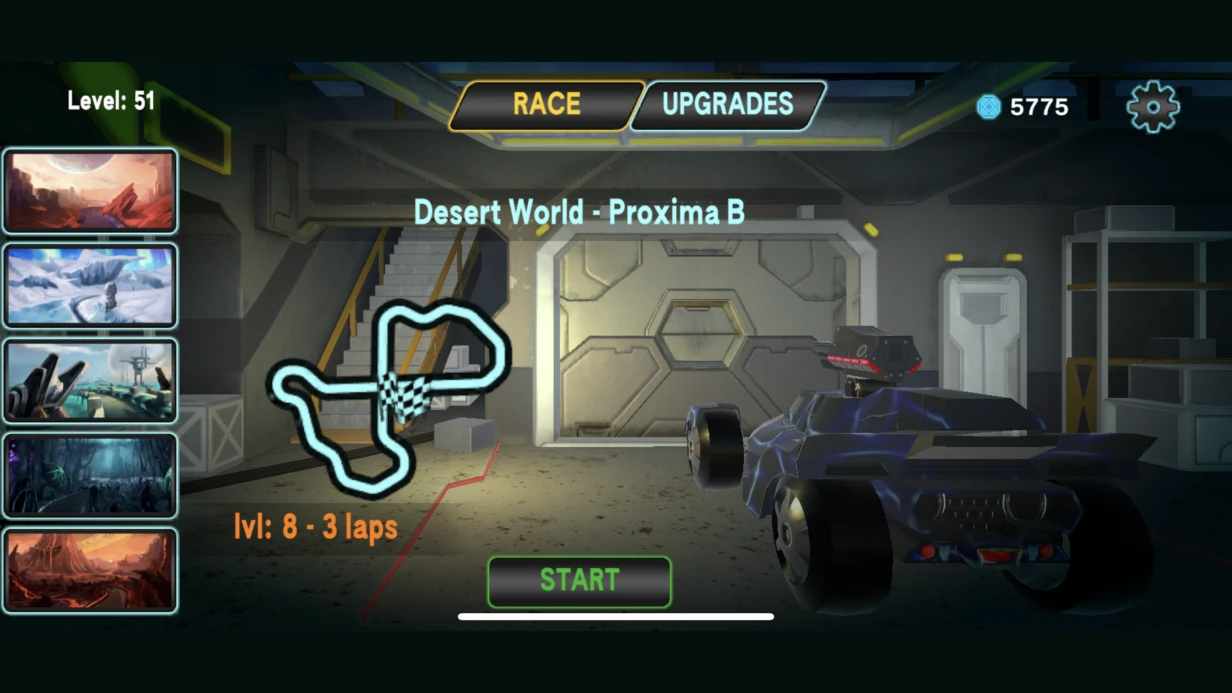
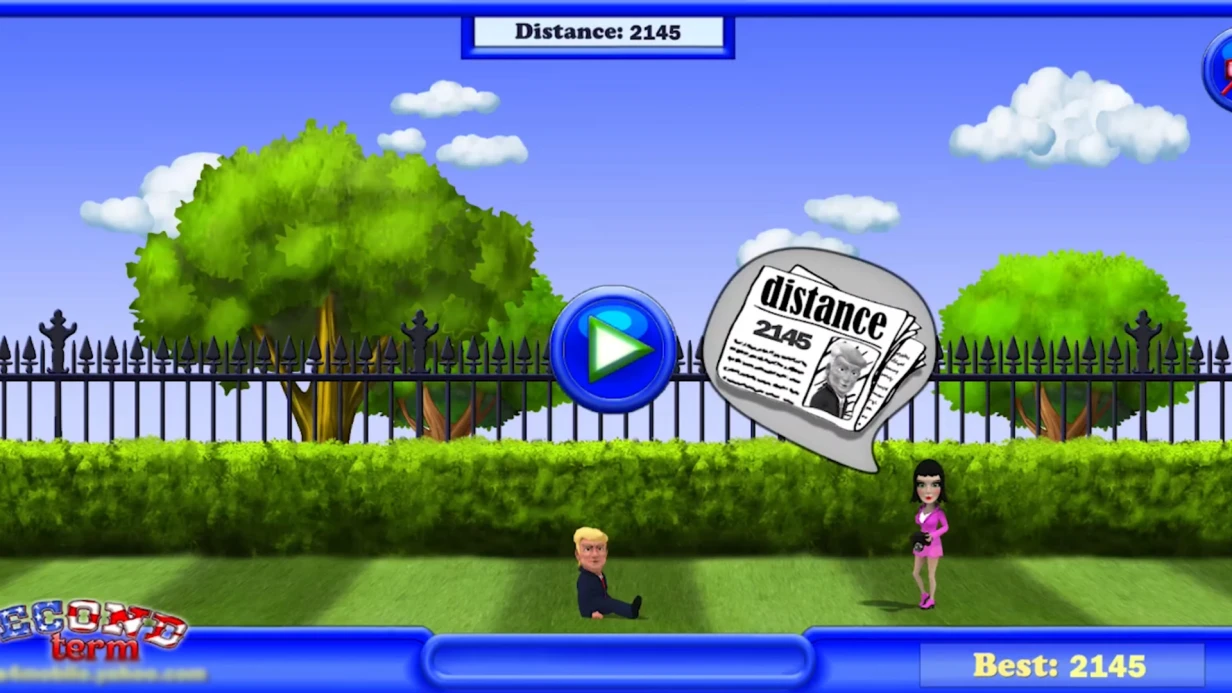
כדי לתת מענה לצורך הזה, אנחנו מפתחים משחקים חינוכיים ומרתקים על Unity עבור מרפאות שיניים: ילדים לומדים על ההליך בצורה משחקית, מסיטים את תשומת הלב, ומפסיקים לתפוס את הביקור כאיום.
זה עוזר להגביר את הנאמנות של מטופלים צעירים, להפחית את מספר הביטולים, ולהבדיל את המרפאה מהמתחרים—הורים זוכרים את הגישה האכפתית וחוזרים שוב.
אילו יתרונות מקבלים מחלל משחק
מבקרים במרפאת שיניים מגיעים מתוחים, וילדים מגיעים מפוחדים. חלל משחק הופך את זמן ההמתנה לחוויה נעימה: המטופל הצעיר נספג במשחק ומפסיק לחשוב על הטיפול הצפוי.
זה מפחית חרדה לא רק אצל הילד אלא גם אצל ההורים, שרואים שהמרפאה דואגת לנוחות המשפחה.
הפחתת הלחץ משפיעה ישירות על איכות הביקור. קל יותר לרופא לעבוד עם ילד רגוע—פחות התקפי זעם, בדיקה מהירה יותר, שביעות רצון גבוהה יותר מהטיפול. המרפאה מקבלת מטופלים אסירי תודה שמוכנים לחזור ולהמליץ עליכם לחברים.
אזור משחק בונה נאמנות למותג. הילד זוכר לא את הביקור עצמו, אלא את השמחה שחווה. הוא מבקש מההורים לחזור למרפאה שלכם, וההורים בוחרים מקום שבו ילדים מרגישים אורחים רצויים, לא מטופלים. הזמנות חוזרות הופכות לתוצאה טבעית של רגשות חיוביים.
בידור ילדים מחושב מבדל אתכם מהמתחרים. בעוד שחלק מהמרפאות מסתפקות בכמה צעצועים, אתם מציעים חלל משחק מלא שמפתיע ומרשים.
זה יוצר נושא לשיחה שאנשים משתפים ברשתות החברתיות ומעלה את מעמד המרפאה בעיני המבקרים.
הרושם של מרפאה נבנה מהפרטים. חלל משחק מראה שאתם חושבים על המטופלים בכל שלב—מהחניה ועד לחדר הבדיקה. תשומת לב כזו לפרטים מגבירה את האמון במוניטין המקצועי של המרפאה.
הורים נוטים יותר לבחור בכם לא רק לטיפול שיניים אלא גם לשירותים רפואיים אחרים לכל המשפחה.
חלל משחק הוא לא רק בידור, אלא כלי עבודה לצמיחת נאמנות וביקורים חוזרים. הוא מחזיר את ההשקעה באמצעות הגדלת בסיס הלקוחות וחיזוק מעמד השוק. אנחנו עוזרים ליצור חוויית משחק שעובדת עבור המוניטין שלכם כל יום.
פורמטים של פתרונות משחק למרפאות שיניים
ברפואת שיניים, אבן הנגף המרכזית היא הפחד של ילדים מטיפול. הילד מתנהג לא יפה, לא נותן לרופא לעבוד, וההורה דוחה את הביקור בחודשים.
אזורי משחק פותרים את הכאב הזה: במקום פחד—עניין, במקום דמעות—חיוך, במקום עימות—ביקור רגוע.
אין פורמט אוניברסלי: ילדים צעירים צריכים משחקים פעילים, בני נוער צריכים סיפור ותחרות, והורים צריכים ביטחון שילדם בטוח. לכן יצרנו שלושה וריאנטים של משחק למשימות שונות של המרפאה. הם משתלבים בקלות בפנים ועובדים עבור העסק שלכם מהיום הראשון.
| פורמט | למי | מה זה נותן למרפאה |
|---|---|---|
| לוחות אינטראקטיביים בלובי | ילדים 3–10 והוריהם | הפחתת חרדה לפני הביקור, העסקת הילד בזמן ההמתנה, יצירת רושם של מרפאה מודרנית |
| חדרי משחק עם משחקים מוקרנים | ילדים 5–12, קבוצות | הגדלת זמן השהייה — למשפחה יש זמן ללמוד על שירותים נוספים, בניית הרגל לחזור |
| מסעות חינוכיים בטאבלטים | בני נוער 10–15 ומבוגרים | הסבר על היגיינת פה בצורת משחק, הגברת נאמנות ואמון ברופאים |
איך לבחור פורמט
אנחנו בוחרים את האפשרות על סמך שטח החדר, גילאי המטופלים שלכם ועומס לוח הזמנים. לוח אינטראקטיבי מותקן ביום או יומיים ואינו דורש שיפוץ. חדר משחק מושק עם שינויים מינימליים—לעיתים קרובות מספיק להקצות פינה בלובי או משרד לשעבר.
כל משחק כולל תרחישים שמלמדים כללי היגיינה. כך הילד יוצא לא מפוחד אלא עם ידע חדש, וההורים מקבלים סיבה לספר לחברים על המרפאה שלכם.
אנחנו מחשבים החזר השקעה לפני ההשקה ומראים איך הפורמט ישפיע על תפוסת לוח הזמנים ועל חלקם של ביקורים חוזרים.
שלחו לנו כמה מילים על המרפאה שלכם—נייעץ לכם איזה פורמט מתאים. אנחנו עובדים עם ציוד מקצועי ומתאימים כל פרויקט למטרות שלכם, כך שהתוצאה צפויה מההשקה הראשונה.
איך אנחנו מארגנים את פרויקט פיתוח המשחק
עבור מרפאת שיניים, יכולת חיזוי חשובה, ולכן אנחנו מנהלים את הפרויקט כמפת דרכים: אתם תמיד מבינים באיזה שלב נמצא המשחק ואיזו תוצאה תקבלו. אין "קופסאות שחורות"—רק שלבים ברורים ונקודות אישור.
- בריף ומטרות — אנחנו דנים למה אתם צריכים את המשחק: למשוך מטופלים חדשים, לבדר ילדים באזור ההמתנה, או להציג את שירותי המרפאה. אנחנו מתעדים את התוצאה הרצויה ואת התרחישים שחשובים לכם.
- קונספט — אנחנו מציעים רעיון המותאם לפרטי המרפאה: אימון היגיינה, סיור וירטואלי במחלקות, או מסע למטופלים צעירים. אנחנו מאשרים את התרחיש והמכניקה לפני תחילת הפיתוח.
- תוכנית ואישור — אנחנו קובעים לוחות זמנים, היקף עבודה ועלות המחושבת לאחר בדיקה. תמיד יש לכם מסמך ברור ואיש קשר מנהל שמנהל את הפרויקט עד ההשקה.
- פיתוח עם הדגמות — אנחנו מציגים גרסאות ביניים כל כמה ימים כדי שתוכלו לראות התקדמות ולבצע שינויים בשלב מוקדם, לא אחרי השחרור.
- השקה והתקנה — אנחנו מגדירים את המשחק על הציוד שלכם, בודקים את כל התרחישים ומכשירים את הצוות. אתם מקבלים מערכת מוכנה לעבודה, לא "מוצר גולמי."
- תמיכה — אנחנו מעדכנים תוכן, מוסיפים מבצעים עונתיים ומנטרים יציבות. אחרי ההשקה אנחנו לא נעלמים—אנחנו נשארים בקשר.
כתוצאה מכך, אתם מקבלים משחק שעובד עבור ההכרה במרפאה ורכישת מטופלים, לא רק "מוצר של סימון וי."
מה כלול במסירת פתרון המשחק
כל התקנה היא פתרון סוהר, לא רק קבצי משחק. אנחנו דואגים לכל מה שצריך להשקה ופעולה יציבה: מהגדרת הסצנה ועד הכשרת הצוות.
אתם לא צריכים להבין בפרטים טכניים—אתם מקבלים חבילה מלאה שמאפשרת למרפאה להתחיל לעבוד ביום ההתקנה.
-
תוכן משחק — כמה תרחישים המותאמים לביקורי שיניים: מהכרות פשוטה עם חדר הטיפול ועד משימות חינוכיות. דמויות, עלילות ורמת קושי נבחרים לפי גיל המטופלים, כך שהילד מעורב וההורים רואים את האכפתיות של המרפאה.
-
ציוד והגדרתו — אנחנו בוחרים ומספקים חומרה מקצועית שמשתלבת בקלות בפנים ואינה דורשת ידע מיוחד מהצוות שלכם. אנחנו מתקינים, מחברים ובודקים הכל לפני המסירה.
-
תיעוד — הוראות ברורות למנהל ולאחות: איך להפעיל, איך להתחיל סשן, איך לסיים אותו. בנוסף, מדריך נוהל קצר לצוות—מה לעשות במקרה חירום ולמי לפנות.
-
הכשרת צוות — אנחנו מקיימים מפגש עם הצוות שלכם: מראים איך לקבל ילד, איך להציע את המשחק ואיך להסביר את יתרונותיו להורים. בדרך כלל שעה אחת מספיקה—אחרי זה הצוות פועל בביטחון.
-
תמיכה ותחזוקה — אנחנו נשארים בקשר אחרי ההשקה: מייעצים בטלפון ומעדכנים תוכן כשצריך. אם משהו משתבש, אנחנו מטפלים בפתרון בעיות כך שהמשחק יפעל בצורה חלקה בשעות הפעילות.
בסופו של דבר, אתם מקבלים לא שירותים מפוצלים אלא מערכת אחת שמגבירה את נאמנות המטופלים הצעירים ומפחיתה את לחץ הטיפול. כל מה שאתם צריכים לעשות זה להזמין מטופלים—כל השאר מוכן ועובד.
מקרה בוחן: איך הפחתנו חרדה במטופלים צעירים
ילדים מפחדים מרופאי שיניים—כל הורה וכל מנהל מרפאה יודעים זאת.
שכנוע, דמעות, סירוב לפתוח את הפה—הביקור הופך לסיוט עבור כולם: הילד לחוץ, הרופא מאבד זמן, והמרפאה מקבלת ביקורות שליליות ועזיבת מטופלים.
בזובנאיה פיה ניגשנו לבעיה אחרת: במקום לחכות במסדרון, הילד נכנס ליקום משחק.
המשחק האינטראקטיבי שיצרנו שובה את המטופל הצעיר מהשניות הראשונות, מסיט את תשומת הלב מחרדה להרפתקה, והרופא מקבל מטופל רגוע ובטוח.
תוצאות היישום
חודשיים לאחר ההשקה, המרפאה ראתה אפקט מדיד: 9 מתוך 10 ילדים הסכימו לבדיקה ללא דמעות, מספר סירובי הטיפול ירד פי שלושה, וזמן הביקור הממוצע ירד ב-20 דקות—הרופא כבר לא נאלץ לבזבז זמן על שכנוע.
הורים הזמינו ביקורי המשך והביאו מכרים, כך שהמשחק הפך לכלי לצמיחת הפניות חוזרות.
חשוב לציין, הוא לא רק מבדר—הוא בונה אמון ברופא מהמגע הראשון. עבור המרפאה, זה שירות לקוחות שעובד גם אחרי הביקור: הילד מבקש לחזור, וההורה מספר עליכם ברשתות החברתיות.
עכשיו אנחנו בוחנים היכן המשחק יכול להיות שימושי במרפאה שלכם—אנחנו מתאימים אותו לחללים שלכם, לגיל הקהל ולפורמט הביקור כך שכל מטופל צעיר יוצא עם חיוך.
איך לבחור פורמט משחק למשימה שלכם?
בחירת פורמט משחק תמיד מתחילה לא בטכנולוגיה אלא בבעיה שהמרפאה רוצה לפתור.
מרפאה אחת צריכה מיני-משחק לאזור ההמתנה כדי שילדים יפסיקו לפחד מכיסא הטיפול, אחרת צריכה מסע חינוכי על צחצוח שיניים, ושלישית צריכה מכניקה ויראלית למשיכת מטופלים חדשים דרך הרשתות החברתיות. אין פתרון אוניברסלי, ולכן אנחנו קודם מקשיבים ורק אחר כך ממליצים.
במקום לכפות תבנית מוכנה, אנחנו בוחרים פתרון למצב הספציפי שלכם: קהל, פורמט אירוע או ביקור, והזמן שאדם מבלה במרפאה.
לדוגמה, מחלקת ילדים צריכה סשן קצר של 3–5 דקות עם שליטה פשוטה, בעוד שהכשרת היגיינה לעובדי חברה צריכה תרחיש עם שאלות ותגמולים. כל פרמטר משפיע על הז'אנר, המורכבות והממשק.
לכן אנחנו מתחילים בייעוץ קצר: מבררים מי המבקרים שלכם, איזו בעיה המשחק צריך לפתור, והיכן הוא ישמש—בטאבלט בלובי, על מסך גדול בחדר הטיפול, או בטלפון של המטופל בבית.
השאלות האלה עוזרות לחתוך את המיותר ולהתמקד במכניקה שמניבה תוצאות מדידות: יותר הזמנות, פחות חרדה והכרת מותג.
בסופו של דבר, אתם מקבלים לא "משחק של סימון וי" אלא כלי המשולב באסטרטגיית השיווק או השירות שלכם.
אנחנו מציגים אפשרויות באמצעות דוגמאות, מסבירים את היתרונות של כל פורמט, ויחד קובעים מדדים—מספר השלמות, זמן מעורבות, וחלקם של אנשים שהשאירו פרטים. אם המשימה לא סטנדרטית, אנחנו מציעים להתאים מכניקה קיימת או לפתח אחת ייחודית.
בואו לייעוץ—תוך 30–40 דקות ננתח את המשימה שלכם ונציע 2–3 פורמטים מתאימים כדי שתוכלו לקבל החלטה ללא סיכונים מיותרים.
שאלות נפוצות בהזמנת פיתוח משחק
מרפאות שיניים מזמינות משחקים לעיתים רחוקות, ולכן עולות ספקות סבירים לפני ההתחלה: מה אם הציוד יתקלקל, מי יתמוך בפרויקט, האם נעמוד בלוח הזמנים? אנחנו עונים על השאלות הנפוצות ביותר כדי שתוכלו לקבל החלטה ללא סיכון.
להלן תשובות קצרות על ערבויות, תחזוקה ותאימות לשיפוצים מתמשכים. אם השאלה שלכם לא ברשימה, נשלח הסבר מפורט תוך יום עסקים אחד.
מה קורה אם המשחק מפסיק לעבוד אחרי ההשקה?
אנחנו מספקים ערבות על התוצאה: אחרי ההשקה, במהלך תקופת האחריות, אנחנו מתקנים כל שגיאה ותקלה בחינם. אנחנו מנטרים את המערכת מרחוק, כך שאנחנו פותרים את רוב הבעיות לפני שהמבקרים והצוות בכלל שמים לב.
מי יטפל במשחק ויספק תמיכה?
אנחנו נשארים בקשר אחרי מסירת הפרויקט: עוזרים לעדכן תוכן, מוסיפים מבצעים ורמות חדשות, ומתאימים מכניקה לקמפיינים עונתיים. אתם יכולים לבחור תמיכה חד-פעמית או חבילה שוטפת—זה מצוין בחוזה ואינו דורש עובד נפרד במרפאה.
כמה מהר נקבל את המשחק, ומה אם לא נספיק עד הפתיחה?
זמן הפיתוח הסטנדרטי הוא שבועיים עד ארבעה שבועות תלוי בהיקף ובפורמט. לפני ההתחלה, אנחנו קובעים את התוכנית, השלבים והתאריכים בחוזה, ולמועדים לחוצים אנחנו עושים השקה בשלבים: קודם המכניקה המרכזית, אחר כך אלמנטים נוספים.
האם אפשר להתקין את המשחק אם המרפאה נמצאת כרגע בשיפוץ?
כן. המשחק רץ על טאבלטים, קיוסקים ולוחות אינטראקטיביים—הוא אינו דורש חדר נפרד או בנייה מחדש של קירות. אנחנו מתקינים ובודקים את המערכת לאחר סיום השיפוץ או בכל זמן נוח כדי לא להפריע ללוח הזמנים של המרפאה.
עד כמה המשחק יהיה ידידותי למשתמש עבור מטופלים ורופאים?
אנחנו הופכים את השליטה לפשוטה ככל האפשר: המסך נדלק מעצמו, ורק מגע אחד נדרש כדי להתחיל את המשחק. אנחנו מתאימים את הממשק לזהות המותג של המרפאה ומכשירים את הצוות בבריף קצר אחד—זה לא מסיח את הדעת מביקורי מטופלים.
השאירו בקשה לפיתוח משחק למשימות שלכם
בקשה היא לא התחייבות אלא דרך לקבל בהירות. אתם מתארים את המצב שלכם: כמה מטופלים מגיעים, איזו קבוצת גיל, מה אתם רוצים לשפר—אנחנו נדאג לשאר. אחרי הפנייה, אתם מקבלים לא מילים כלליות אלא תוכנית עבור המרפאה שלכם.
מה תקבלו מיד לאחר הבקשה:
- נחזור אליכם תוך יום עסקים אחד, נבהיר את המשימות ונענה על שאלותיכם.
- נכין עלות המחושבת לאחר בדיקה ולוחות זמנים ריאליים לבקשה שלכם.
- נציע קונספט לפרויקט אישי—מותאם למטופלים שלכם, לא משחק תבניתי.
- נראה דוגמאות של משחקים שכבר עובדים במרפאות שיניים ונספר על התוצאות שלהם.
- נייעץ כיצד לשלב את המשחק בהזמנות, בהמתנה לביקור או בחינוך להיגיינה כך שיביא ערך.
- ניקח על עצמנו את ההשקה והתמיכה הטכנית—לא תצטרכו להתעסק בפרטים.
השאירו בקשה עכשיו, ובשלב הבא תדעו מה יעלה המשחק, כמה זמן ייקח הפיתוח, וכיצד הוא ישפיע על הרושם של המטופלים. זה שלב מקדים. אחרי זה—רק אם תחליטו שהפרויקט מתאים לכם.