


מדוע חברות ביטוח מאבדות לקוחות בעידן הדיגיטלי?
התחרות בשוק הביטוח מתעצמת: לקוחות משווים הצעות בכמה קליקים והולכים למקום שבו פשוט ומעניין יותר.
אתרים קלאסיים ומסמכי PDF לא תופסים את תשומת הלב — המוצר מורכב, קבלת ההחלטות אורכת זמן, וההסבר משעמם. כך המבקרים הולכים לאיבוד ובוחרים בחברה אחרת, גם אם המוצר שלכם אובייקטיבית טוב יותר.
לפי סקר, 68% מהלקוחות עוברים למבטח אחר בגלל חוסר אינטראקטיביות ומעורבות בתהליך הבחירה. חסרים להם תרחישים ברורים, חישובים מובנים והרגשות שמוצר "חי" יוצר.
כתוצאה מכך, נאמנות הלקוחות יורדת, והמתחרים לוקחים את הקהל באמצעות שיווק דיגיטלי מודרני יותר.
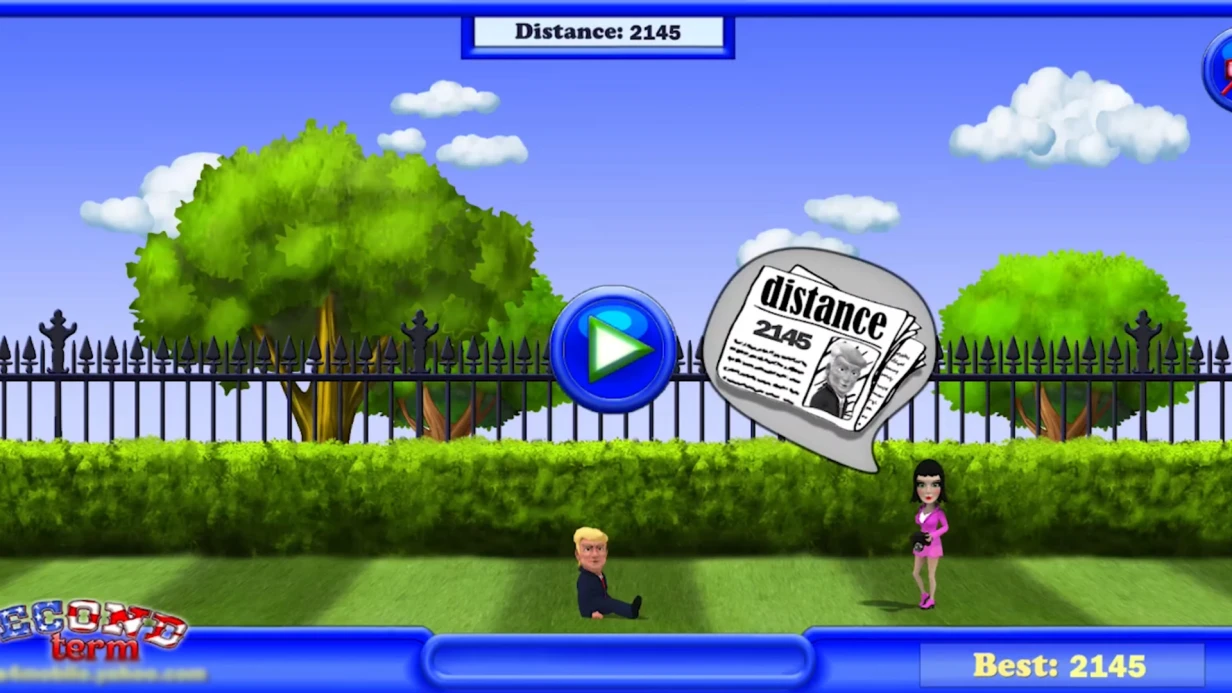
משיכת תשומת לב היום היא לא על באנרים וחוברות — אלא על מיני-משחקים, מחשבונים אינטראקטיביים ועוזרים וירטואליים שמסבירים את יתרונות הפוליסה בדקה.
גימיפיקציה שומרת על משתמשים באתר שלכם זמן רב יותר, עוזרת להם לזכור את המותג ודוחפת אותם להגשת בקשה — ללא הנחות או מכירות אגרסיביות. אלה הפורמטים שמחזקים את השיווק הדיגיטלי ויוצרים סיבה לחזור אליכם שוב.
אנחנו עוזרים לחברות ביטוח לפתור את הכאב הזה: אנחנו מתכננים מכניקות משחק סביב משימות עסקיות ומשלבים אותן בערוצים המקוונים שלכם.
הלקוח מקבל לא רק משחק, אלא כלי שמשקם את נאמנות הלקוחות ומספק תוצאות מדידות במשיכת תשומת לב — מהמגע הראשון ועד לבקשה שהושלמה.
מה משחק מפותח ייתן לחברת הביטוח שלכם?
משחק ביטוח הוא לא בידור לשם בידור, אלא כלי עבודה שפותר משימות עסקיות ספציפיות: מהגדלת מודעות למותג ועד איסוף אנליטיקת לקוחות מובנית.
מכניקות משחק מחזיקות את תשומת הלב במוצר שלכם פי כמה יותר זמן מאשר פרסום רגיל או דף אתר. ואם הפרויקט נעשה בצורה מקצועית, הוא ממשיך לעבוד עבורכם חודשים אחרי ההשקה.
הגדלת נאמנות באמצעות גימיפיקציה
גימיפיקציה בביטוח הופכת שגרה — תשלום עבור פוליסה, הגשת תביעה, מילוי סקרים — לתרחיש ברור ומרתק עם תגמולים והישגים. הלקוח לא צריך להבין מונחים מורכבים; כל מה שהוא צריך זה לבצע צעדים פשוטים ולקבל ערך.
לפי מחקר של Forrester, חברות שמיישמות מכניקות משחק מגדילות את ה-NPS בממוצע ב-20%. עבור עסקי הביטוח, זה אומר יותר לקוחות מרוצים שסביר יותר שיחדשו פוליסות ויפנו חברים.
מכניקות חינוכיות ללקוחות
מוצרי ביטוח קשים לתפיסה: אנשים ממעטים לקרוא את התנאים, וחוסר הבנה מוליד מחלוקות וביקורות שליליות.
משחק חינוכי מציג תנאים ויתרונות דרך סיטואציות מחיי היום-יום — הלקוח "חווה" מקרה ביטוחי בפורמט משחק וזוכר על מה הוא משלם. זה מעלה את המודעות של הקהל ומסיר התנגדויות עוד לפני שהם פונים למשרד שלכם.
משחק הוא גם מקור לנתונים מדויקים. אתם יכולים לראות אילו מכניקות מעוררות עניין אמיתי, כמה זמן משתמשים מבלים בפנים, ואילו מוצרים מעניינים אותם. הנתונים האלה עוזרים לכוונן קמפיינים שיווקיים ולהתאים את קו המוצרים מהר יותר מהמתחרים.
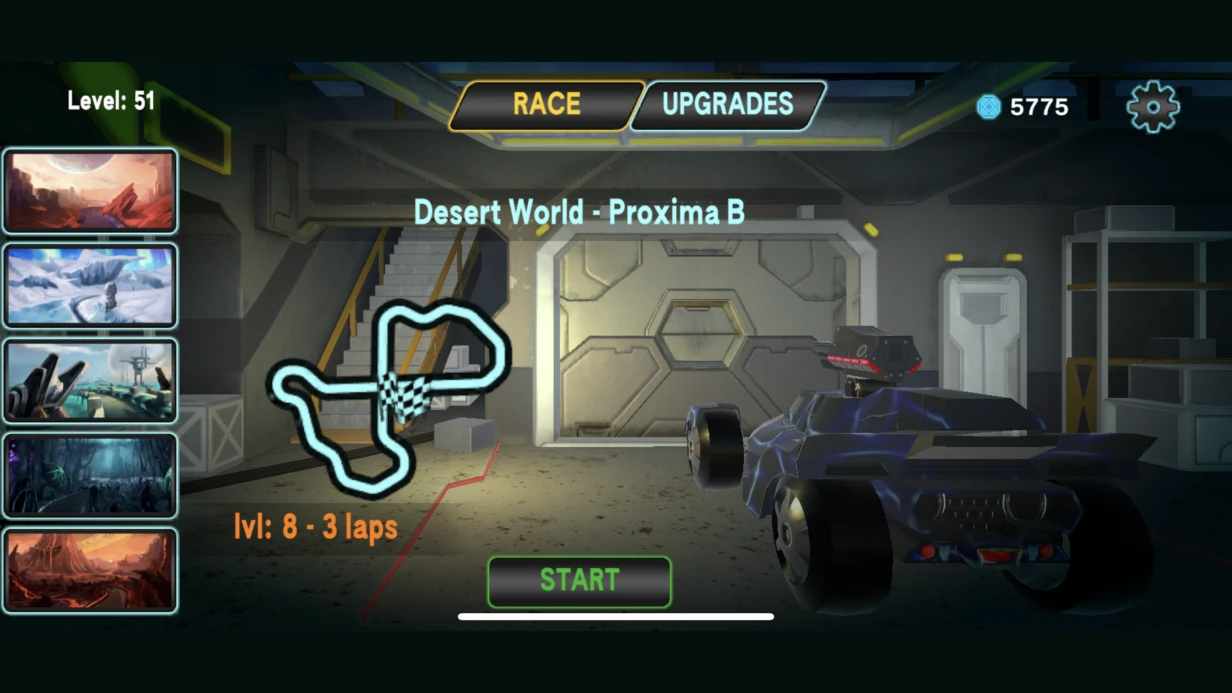
אנחנו מפתחים משחקים על Unity — פלטפורמה מקצועית שמאפשרת להשיק פרויקט גם במובייל וגם בווב, ולהגיע גם לקהלים צעירים ברשתות החברתיות וגם ללקוחות מבוגרים באתר שלכם.
תקבלו לא רק משחק, אלא כלי שמגדיל באופן מדיד נאמנות, הכרת מותג ועומק הבנת המוצר.
פורמטים של פתרונות משחק למשימות עסקיות שונות
פורמטי משחק הופכים מוצרי ביטוח מורכבים לחוויה ברורה ומרתקת. במקום חוברות משעממות, הלקוחות מקבלים אינטראקטיביות שמסבירה את התנאים בשפה פשוטה ומשאירה רושם רגשי.
זה עובד גם למשיכת קהלים חדשים וגם לשימור לקוחות קיימים — המפתח הוא לבחור את הפורמט הנכון למשימה.
| פורמט | למי | מה הוא מספק |
|---|---|---|
| חידון | קהל חדש, עוקבי רשתות חברתיות | היכרות מהירה עם המוצר, חשיפה ויראלית, איסוף פרטי קשר |
| סימולטור הדרכה | לקוחות קיימים, צוות המשרד הקדמי | הסבר ברור של תנאים, אמון ונאמנות גבוהים יותר |
| מסע (Quest) | מבקרים באירועים ותערוכות | חוויה בלתי נשכחת, מותג שזוכרים, לידים חמים |
| הדרכה | סוכני ביטוח, מנהלים | הטמעה מהירה יותר, תרגול טיפול בהתנגדויות, ביטחון בפרטים |
למשיכת לקוחות חדשים
חידונים ומסעות הם דרכים קלות לערב מישהו שעדיין לא שקול את השירות שלכם. סקר קצר ברשתות חברתיות עם תוצאה מותאמת אישית מייצר חשיפה ומעורבות ללא פרסום פולשני.
באירועים פיזיים, מסע עם פרסים הופך את הדוכן שלכם לנקודת משיכה: מבקרים ניגשים מעצמם, ואתם אוספים את פרטי הקשר שלהם להמשך תקשורת.
לשימור לקוחות קיימים
סימולטורים ומודולי הדרכה עוזרים ללקוחות להבין את המוצר ולהרגיש שהחברה דואגת להם. כשאדם מבין איך הפוליסה עובדת ואילו אופציות הוא צריך, הוא עובר למתחרים פחות ומחדש את החוזה ברצון רב יותר.
סימולטורים פנימיים לסוכנים מפחיתים שגיאות מכירה ומשפרים את איכות השירות — וזה מוביל ישירות לעסקים חוזרים.
שלבי פיתוח המשחק: מהבריף ועד ההשקה
השקת משחק לחברת ביטוח היא פרויקט עם שלבים ברורים. אנחנו הופכים כאוס של רעיונות למבנה שבו כל שלב מסוכם ואתם יכולים לראות את התוצאה. כך העבודה מתנהלת:
- בריף ומטרות: אנחנו דנים למה אתם צריכים את המשחק — הדרכה, רכישת לקוחות או בניית צוות פנימי. אנחנו מגדירים את הקהל והציפיות.
- קונספט ותסריט: אנחנו מציעים את הרעיון, המכניקות והסגנון החזותי. אתם מאשרים את הכיוון, ואנחנו מכינים תיאור מפורט.
- הסכם פרויקט: אנחנו מבהירים לוחות זמנים, תקציב והיקף עבודה. אנחנו חותמים על תוכנית שקופה — ללא משימות נסתרות.
- פיתוח: אנחנו בונים את המשחק ומציגים גרסאות ביניים. אתם נותנים משוב בשלב מוקדם, לא אחרי השחרור.
- בדיקות: אנחנו בודקים על מכשירים אמיתיים, תרחישים ותחת עומס. אנחנו מוודאים שלקוחות יבינו בקלות.
- השקה: אנחנו פורסים את המשחק באתר, באפליקציה או בפורטל הפנימי שלכם. אנחנו עוזרים להשיק אותו למשתמשים.
- תמיכה טכנית: אחרי ההשקה, אנחנו מנטרים ביצועים, מתקנים באגים ומוסיפים אלמנטים חדשים לפי בקשה.
תמיכה לאחר השקה
אחרי השחרור, המשחק ממשיך לעבוד עבורכם. אנחנו מנתחים איך משתמשים משלימים רמות ומציעים שיפורים. עדכונים ותמיכה כלולים — אתם יכולים להמשיך לפתח את המשחק בלי לחפש קבלנים חדשים.
מה כלול במסירת פתרון המשחק
כשאתם מזמינים פיתוח משחק לחברת ביטוח, אתם מקבלים כלי מוכן לעבודה עם לקוחות וסוכנים. החבילה כוללת כל מה שצריך להשקה ולשימוש יומיומי: המשחק, פאנל ניהול, אנליטיקה והדרכת צוות. הנה ממה מורכב הפרויקט, בלוק אחר בלוק.
חבילה ראשית
- משחק מוכן: תרחישים ומכניקות מותאמים למוצרים שלכם. לקוחות מתוודעים לתנאי הפוליסה, סוכנים מתרגלים כישורי מכירה בלי לסכן עסקאות.
- פאנל ניהול: נהלו תוכן בעצמכם — מבצעים, מוצרים, שאלות חידון. אין צורך במתכנתים; הממשק ברור גם בלי רקע טכני.
- לוח אנליטיקה: סטטיסטיקה ברורה — כמה משתמשים השלימו את התרחיש, איפה הם נושרים, מה עורר עניין. הנתונים עוזרים לשיווק להגדיל המרות.
- מדריך: הוראות להטמעה באתר, השקה בתערוכות ושימוש בהדרכת עובדים.
- הדרכת עובדים: הדגמת יכולות לצוות שלכם והעברת תהליכים. אנשים מתחילים לעבוד מיד אחרי ההשקה.
אופציות נוספות
- עדכוני משחק: שינויים מתוזמנים בתוכן ובמכניקות למוצרים חדשים ומבצעים עונתיים.
- חומרי מקור: העברת כל קבצי הפרויקט לבעלותכם. אתם לא תלויים בקבלן ויכולים לפתח את המוצר בעצמכם.
החבילה הזו מכסה את כל המסע — מההשקה הראשונה ועד לשימוש שוטף. אתם מקבלים כלי עבודה לשיווק, הדרכה ובניית נאמנות, לא רק "משחק במתנה."
מקרה בוחן: איך משחק עזר לחברת ביטוח לשמר לקוחות
לקוחות ביטוח ממעטים להחליף פוליסות אם הם מרגישים בנוח ומבינים על מה הם משלמים. אבל שוק ה-OSAGO רווי: התעריפים דומים בכל מקום, אז מה שמכריע הוא לא השירות עצמו אלא הרגש והמעורבות.
בדיוק כאן לקוחות בדרך כלל הולכים לאיבוד — שום דבר לא מחזיק את תשומת הלב שלהם בין חידושי פוליסה.
עזרנו ל-AlfaStrakhovanie לסגור את הפער הזה עם כלי פשוט — משחק חידון בנושא OSAGO.
במקום חוברת משעממת או תזכורת, הלקוחות קיבלו אינטראקטיביות: הם ענו על שאלות על הביטוח שלהם, למדו פרטים שימושיים וקיבלו הנחה אישית על החידוש בסוף. המשחק נבנה על Unity — הלקוח קיבל ביצועים יציבים בכל מכשיר שהמבקרים השתמשו בו.
הפורמט התברר כנכון. אנשים השלימו את החידון לא כי הם "היו חייבים," אלא כי זה היה מעניין — בשתי דקות הם למדו משהו חדש על הפוליסה שלהם והרגישו שהחברה דואגת.
תוצאות שמדברות בעד עצמן
שישה חודשים אחרי ההשקה, החברה ראתה שינויים מדידים במדדי מפתח. שימור לקוחות בחידוש פוליסה עלה ב-34% — כלומר שליש מהלקוחות שנהגו לעבור למתחרים נשארו.
ערך ההזמנה הממוצע עלה ב-18%: לקוחות בחרו באופציות נוספות יותר כי הם הבינו טוב יותר את הערך שלהן.
חשוב לציין, המשחק עורר גל של ביקורות — לקוחות שיתפו צילומי מסך של התוצאות שלהם ברשתות החברתיות ותייגו את חברת הביטוח. זה יצר חשיפה נוספת בלי תקציב פרסום.
בסוף השנה, AlfaStrakhovanie הזמינה את הגרסה הבאה של המשחק למוצר אחר. המקרה הוכיח שגם בתעשיית הביטוח השמרנית, מכניקות משחק עובדות: הן בונות אמון, מגדילות נאמנות ומשפיעות ישירות על הכנסות.
איך לבחור את פורמט המשחק הנכון לחברת הביטוח שלכם?
אין "פורמט הכי טוב לכולם" אוניברסלי — הבחירה הנכונה תלויה במטרה הספציפית של חברת הביטוח. למשיכת לקוחות חדשים, חידונים קצרים ומסעות עובדים היטב; הם מסבירים את יתרונות הפוליסה בדקה ולוכדים פרטי קשר.
להדרכת עובדים וסוכנים, סימולציות של סיטואציות אמיתיות הן אידיאליות, שבהן אפשר לתרגל התנגדויות ותרחישי הנפקת פוליסות בבטחה. ולשימור ונאמנות — משחקים ארוכי טווח עם בונוסים, סטטוסים ותגמולים מצטברים.
כדי להימנע מבחירה שגויה של פורמט משחק, העריכו תחילה שלושה קריטריונים: איזה קהל אתם רוצים להגיע אליו, איזו פעולת משתמש אתם מחשיבים כהצלחה, ובאילו ערוצים אתם מתכננים להשיק.
משחק לאתר ומשחק לרשתות חברתיות הם תרחישים שונים עם רמות עומק אינטראקציה שונות.
חברת ביטוח שרוצה להגדיל את היקף הבקשות צריכה מכניקה פשוטה עם תגמול מהיר, בעוד שבניית תרבות ביטוח דורשת נרטיב עמוק יותר עם אלמנטים חינוכיים.
בססו את הבחירה על המטרות של חברת הביטוח שלכם: רכישה, הדרכה או שימור.
לכל מטרה, אנחנו בוחרים מכניקות ומדדי ביצועים, ובתחילת הדרך אנחנו עורכים בריף פיתוח — אנחנו מבהירים את קהל היעד, ערוצי הקידום, לוחות הזמנים הצפויים ומדדי ההצלחה.
בהתבסס על זה, אנחנו שולחים תיאור פורמט קצר עם נימוק, כך שההחלטה ברורה ושקופה לפני תחילת העבודה.
כבר עזרנו לחברות ביטוח: פורמט משחק לרכישת לקוחות יצר בקשות במחיר נמוך בהרבה מפרסום רגיל, ומשחק חינוכי לסוכנים קיצר את הזמן שנדרש לעובדים חדשים להגיע ליעדים. אז לא משנה מה ההיקף שלכם — יחד נמצא פורמט שמביא תוצאות מדידות ומשתלם.
שאלות נפוצות על פיתוח משחקים לעסקי ביטוח
פיתוח משחק לחברת ביטוח הוא תהליך ברור אם יודעים את נקודות המפתח מראש. אספנו את השאלות שלקוחות שואלים הכי הרבה לפני שמתחילים. התשובות יעזרו לכם לתכנן את הפרויקט ולהימנע מהפתעות.
כמה זמן אורך הפיתוח? פרויקט טיפוסי — מתסריט ועד פרסום — אורך 1–3 חודשים. אם צריך מהר יותר, אנחנו מפצלים את המשחק לשלבים ומשיקים את הראשון אחרי עבודת הכנה מינימלית.
אילו ערבויות אתם נותנים? אנחנו קובעים את הדרישות, השלבים ולוחות הזמנים בחוזה. אתם מקבלים את העבודה לפי רשימת בדיקה, ואחרי השחרור המשחק רץ תחת התמיכה שלנו — יציבות ללקוחות שלכם.
כמה עולה הפיתוח? העלות תלויה בפורמט: מכניקה חינוכית או משחק רב-רמות. אנחנו מחשבים את הערכת העלות לפני שמתחילים ולא משנים אותה אלא אם תבקשו תכונות חדשות.
האם אנחנו צריכים להבין בצד הטכני? לא. אנחנו מטפלים בתסריט, בעיצוב, בפיתוח ובפרסום בעצמנו. כל מה שאנחנו צריכים מכם זה בריף ומשוב בשלב הקבלה.
מה אם המשחק יתקלקל?
אנחנו תומכים בפרויקט אחרי ההשקה. אנחנו מתקנים כל בעיה בעדיפות גבוהה — בדרך כלל תוך 1–2 ימי עסקים. אם הסיבה היא בצד שלנו, אנחנו מתקנים על חשבוננו. אפשר להאריך את התמיכה אחרי סיום החוזה.
השאירו בקשה לפיתוח משחק לחברת הביטוח שלכם
השאירו בקשה לפיתוח משחק לחברת הביטוח שלכם — וקבלו ייעוץ, חישוב עלות ותוכנית פעולה ברורה.
אנחנו יוצרים מוצרי משחק לעסקים כבר למעלה מ-10 שנים ויודעים להפוך משחק לכלי עבודה: הוא עוזר למשוך לקוחות חדשים, להכשיר עובדים ולהגביר נאמנות בקרב לקוחות קיימים.
משחק לחברת ביטוח הוא לא בידור — זו דרך להסביר ללקוחות את תנאי הפוליסה בשפה פשוטה, לטפל בהתנגדויות ולבנות אמון במותג שלכם. אנחנו מטפלים בכל שלב: מרעיון ותסריט ועד השקה ותמיכה.
אתם לא צריכים להבין בפיתוח — אנחנו מנהלים את הפרויקט במונחים פשוטים ומציגים תוצאות ביניים באופן קבוע.
אחרי ההזמנה, אתם מקבלים:
- אב-טיפוס משחק שתוכלו לבדוק עם קהל אמיתי לפני ההשקה המלאה.
- הערכת עלות שקופה עם מחירים ולוחות זמנים קבועים — ללא תשלומים נסתרים או הוצאות נוספות.
- תוכנית עבודה מפורטת עם נקודות ביקורת: אתם תמיד יודעים באיזה שלב הפרויקט נמצא.
- ערבויות רשמיות לתוצאה ותמיכה טכנית אחרי השחרור.
- ליווי בכל שלב: אנחנו עונים על שאלות, מבצעים תיקונים במהירות ועוזרים בהשקה.
זה לא סתם "עוד משחק." זה כלי שעובד עבור האסטרטגיה שלכם: הוא מעלה את מודעות המותג, מסביר מוצרי ביטוח מורכבים בשפה פשוטה ובונה אמון לקוחות ארוך טווח. ספרו לנו על המשימה שלכם — נציע פתרון שמתאים לתקציב ולמטרות שלכם.
השאירו בקשה — נחזור אליכם תוך יום עסקים אחד, נענה על שאלותיכם ונכין חישוב עלות. הייעוץ אינו מחייב כלל.