


כיצד מפעילי טיולים יכולים לשמור על תשומת הלב של האורחים
תיירים מגיעים לחוויות, אבל אחרי סיור קצר או צ'ק-אין הם לעתים קרובות מאבדים עניין: זמן פנוי מתמלא בצורה כאוטית, אורחים משתעממים ועוזבים לפני שהם מספיקים להוציא כסף על שירותים נוספים.
המפעיל מפסיד לא רק ביקורות חיוביות, אלא גם הכנסות אמיתיות — מבתי קפה ומזכרות ועד פעילויות בתשלום והזמנות חוזרות.
הפתרון הוא גימיפיקציה של הטיול. אטרקציות משחקיות ומשימות מובנות הופכות את ההמתנה לבידור ותוכנית רגילה לסצנריו מרתק: אורחים עוקבים אחר מסלול, מבצעים משימות, מצלמים תמונות ומשתפים רגשות ברשתות החברתיות.
זה מה ששומר על תשומת הלב של התיירים, מגדיל את זמן השהייה ומעודד אותם לנסות עוד שירותים.
אנחנו מעצבים פורמטים משחקיים למטרות של מפעילי טיולים: ממשימות ניידות ועד אזורים אינטראקטיביים באתרים.
הם משתלבים בקלות במוצר קיים, לא דורשים כישורים מיוחדים מהאורחים, ומביאים לכם הכנסה נוספת — דרך משימות בתשלום, הצעות שותפים וערך הזמנה ממוצע גבוה יותר.
מעורבות התיירים הופכת לניתנת לניהול: אתם רואים אילו סצנריונים עובדים ומחזקים את הרווחיים ביותר.
כתוצאה מכך, אורחים לא משתעממים — הם משחקים, חוזרים וממליצים עליכם לחברים. אנחנו מכסים את הצורך בשמירת תשומת הלב ומונטיזציה של זמן פנוי — כל מה שנשאר זה לבחור את פורמט המשחק לטיול שלכם.
אילו יתרונות גימיפיקציה של מוצר טיולים מביאה
מטיילים בוחרים יעד עם הלב, אבל במקביל הם משווים עשרות הצעות ועוברים בקלות למתחרים.
גימיפיקציה של מוצר טיולים מחזיקה תשומת לב מהשניות הראשונות: מבחן "לאן ללכת", חידון מדינה או מסלול אינטראקטיבי הופכים קטלוג משעמם למסע מרגש.
גישה זו בונה נאמנות עוד לפני הרכישה הראשונה ויוצרת חיבור רגשי למותג.
כשהלקוח כבר הזמין טיול, מכניקות המשחק ממשיכות לעבוד: נקודות על ביקורות, פעילויות במהלך הטיול או בונוסים לסיורים מגדילים את ערך ההזמנה הממוצע ומעוררים פניות חוזרות.
תיירים מתעניינים מוכנים יותר לקנות שירותים נוספים ולהמליץ על המפעיל לחברים.
היתרון המרכזי של פורמטים משחקיים הוא חשיפה אורגנית ברשתות החברתיות. משתמשים משתפים תוצאות מבחנים, תמונות של מפות הרפתקאות וסיפורים בפלטפורמות חברתיות, כך שכל השתתפות מביאה כמה אזכורים של המותג. זה מגביר את ההכרה במותג ומרחיב את הקהל ללא הוצאות פרסום נוספות.
גימיפיקציה פותרת גם את אתגר יצירת הלידים. כדי להצטרף למשחק, לקוח משאיר פרטי קשר או מקשר פרופיל — ואנחנו מקבלים מאגר של מטיילים מתעניינים. נתונים אלה מאפשרים קמפיינים ממוקדים יותר בדוא"ל והצעות מותאמות אישית, מה שמגדיל את המרת המכירות.
לפיכך, מכניקות משחק מביאות למפעיל טיולים כמה יתרונות מדידים בבת אחת: נאמנות מוגברת, הכרת מותג, ערך הזמנה ממוצע גבוה יותר וזרם קבוע של לידים.
גימיפיקציה היא לא בידור; זה כלי שיווקי עובד שמחזק את כל משפך המכירות.
פורמטים של פתרונות משחקיים למפעילי טיולים
כל מוצר תיירותי הוא ייחודי: חלקם צריכים דרך מהירה להציג מסלול, אחרים צריכים להעסיק קבוצה ליום שלם. לכן אנחנו בוחרים את פורמט המשחק לפי המטרה שלכם — ממשימות אינטראקטיביות קצרות ועד סיורים וירטואליים.
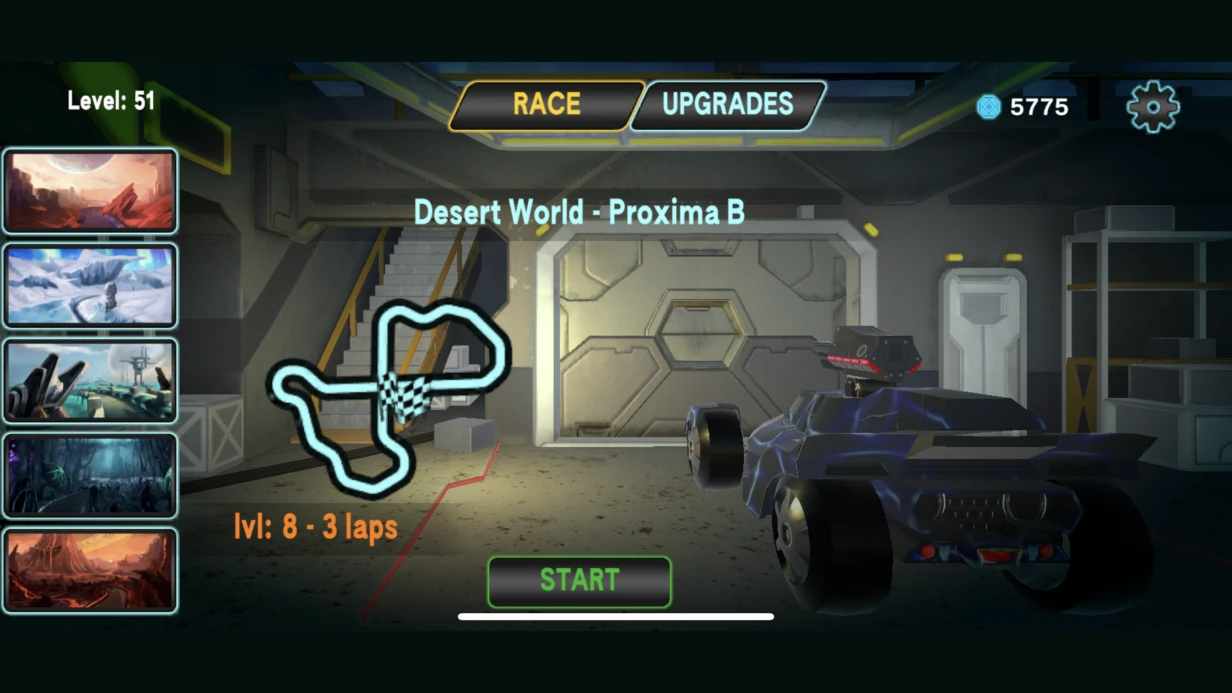
אנחנו מפתחים על מנוע המשחק המקצועי Unity, כך שהמשחק רץ ביציבות שווה בסמארטפונים של תיירים ובמסכים בלובי של מלונות. הפרויקטים מטופלים על ידי הצוות שלנו.
הטבלה שלהלן מציגה סצנריונים אופייניים למפעילי טיולים. הפורמטים גמישים: אנחנו מתאימים את המכניקות לקהל שלכם.
| פורמט | למי זה מיועד | מה הלקוח מקבל |
|---|---|---|
| משימה אינטראקטיבית | תיירים בודדים וקבוצות | הופכת טיול למשחק: אורחים חוקרים אתרים בכוחות עצמם ומשתפים תמונות ברשתות החברתיות |
| סיור וירטואלי | תיירים מתלבטים, לקוחות עסקיים | מציג את המלון לפני ההזמנה — פחות ביטולים, יותר פניות |
| סימולטור | מפעילי תיירות אקטיבית | מאפשר לאורחים לנסות בבטחה פעילויות אקסטרים, ומגביר מכירות טיולים לאחר מכן |
| חדר בריחה | משפחות, תלמידי בית ספר, אירועי גיבוש | ממלא הפסקות, שומר על מעורבות קבוצות ומגדיל את ערך ההזמנה הממוצע |
בחירת הפורמט מתחילה בבריף: אנחנו בוחנים היכן לקוחות נושרים — באתר, במהלך סיור או בנקודת המכירה — ומעצבים את המכניקות בהתאם.
בסופו של דבר, אתם מקבלים משחק, הוראות לצוות ולוח מחוונים שמראה כמה אנשים השלימו את הסצנריו ומה הם אהבו. זה עוזר לשפר את התוכנית ולהחזיר אורחים שוב.
איך פיתוח משחק במפתח מלא עובד
פיתוח משחק במפתח מלא הוא מסלול ברור מרעיון לכלי מוגמר שעובד לשיווק שלכם. השלמנו עשרות פרויקטים ופיתחנו שיטה שמבטלת הפתעות והוצאות מיותרות. להלן שישה שלבים שהפרויקט שלכם עובר.
- בריף וניתוח משימה. אנחנו דנים במטרות, קהל, פורמט ולוחות זמנים. אתם מקבלים הבנה ברורה של ההיקף והתוצאה.
- קונספט ותוכנית פרויקט. אנחנו יוצרים מכניקות משחק, סצנריו וסגנון ויזואלי המותאמים למוצר הטיולים שלכם. אנחנו מאשרים את התוכנית, התקציב והלוח שנה — אתם תמיד יודעים מה קורה.
- אב טיפוס ואישור. אנחנו בונים גרסה עובדת לבדיקת המכניקה המרכזית. אתם עורכים שינויים לפני הפקה מלאה, לא אחריה.
- פיתוח והפקת תוכן. אנחנו יוצרים רמות, גרפיקה, טקסטים ומשלבים מיתוג במקביל. אנחנו שולחים באופן קבוע גרסאות ודוחות — אתם נשארים בשליטה בלי להיכנס לפרטים.
- בדיקות וליטוש. אנחנו בודקים את המשחק על מכשירים וסצנריונים שונים ומתקנים בעיות. התוצאה היא גרסה יציבה ללא קצוות גסים.
- השקה ותמיכה טכנית. אנחנו עוזרים בפרסום, מגדירים אנליטיקה ומספקים המלצות שימוש. אנחנו נשארים בקשר לאחר מכן: עדכון תוכן, הוספת תכונות וניטור יציבות.
כל שלב מסתיים בתוצר ברור ואישור — אתם לא מאבדים שליטה ויודעים בדיוק על מה אתם משלמים. בסופו של דבר, אתם מקבלים משחק שמחזק את התדמית של מפעיל הטיולים ומביא לקוחות חדשים, בעוד אנחנו מטפלים בכל הצד הטכני.
מה כלול בחבילת מוצר המשחק
אתם מקבלים לא רק משחק, אלא כלי מוכן לעסק תיירותי — כל מה שצריך כדי שהמוצר יגיע ללקוחותיכם ויתחיל לעבוד להכרת המותג ולמכירות.
אנחנו מספקים חבילת מסירה מלאה, כך שאינכם צריכים לקנות שום דבר נוסף, לנהל משא ומתן עם קבלני צד שלישי או להתמודד עם פרטים טכניים. כל מה שנשאר לכם זה להשיק את המשחק ולהשתמש בו בפעילויות השיווק שלכם.
חבילת המסירה כוללת:
- מוצר משחק מוכן — הגרסה הסופית של המשחק לפורמט שלכם: משימה אינטראקטיבית, סיור וירטואלי או מכניקה חינוכית לתיירים. הוא עובד על הציוד ובסצנריונים שבחרתם.
- הכשרת עובדים — אנחנו מעבירים סדנה מעשית קצרה לצוות שלכם: איך להשיק את המשחק, לנהל סצנריונים, לשנות תוכן ולהוסיף הצעות עדכניות. לא תצטרכו לשכור מפתח או מתכנת.
- קוד המקור של המשחק — אתם מקבלים גישה מלאה לקוד והופכים לבעלים החוקיים של המוצר. אתם יכולים לפתח את המשחק איתנו או עם כל קבלן אחר — ללא הגבלות.
- תיעוד — הוראות ברורות להתקנה, הגדרה ותפעול ברוסית. כל שלב מתואר בשפה פשוטה, כך שאפילו עובד לא מוכן יכול להשתלט תוך יום.
- חומרי השקה — טקסטים מוכנים וטיפים לשילוב המשחק באתר, ברשתות החברתיות ובקמפיינים בדוא"ל. מכניקות המשחק משתלבות במשפך המכירות שלכם מהיום הראשון.
- תמיכה לאחר ההשקה — אנחנו נשארים בקשר ועוזרים בעדכונים, שיפורים ובעיות טכניות. אם אתם צריכים להרחיב את המכניקות לעונה או יעד חדש, אתם יודעים למי לפנות.
גישה זו מסירה את התלות שלכם במפתח ספציפי ואת הסיכון של מוצר "מת" שאין מי שיתחזק אותו.
המשחק הופך לנכס חברה מלא: אתם שולטים בו, מנהלים אותו ומשתמשים בו בדיוק בסצנריונים שמביאים לקוחות חדשים לעסק שלכם.
לפני ההשקה, אנחנו מסכמים על הרכב החבילה לפי המשימות שלכם — ואתם מקבלים בדיוק את הסט שצוות השיווק והמכירות שלכם צריך.
מקרה בוחן: איך הכפלנו את ההכנסות של סוכנות נסיעות עם משחק
מפעילי טיולים פועלים בתחרות עזה: לקוחות משווים מחירים, גולשים באתרים ועוזבים במהירות אם הם לא רואים הבדל. עזרנו לסוכנות אחת לבלוט — השקנו משחק בנושא שהופך ביקור רגיל למסע מרתק.
עבור הלקוח — נקרא לו Мир маршрутов — פיתחנו פרויקט משחק ב-Unity: מבקר אוסף "מזוודה" של יעדים, עונה על שאלות על יעדים ומקבל הנחה אישית. המטרה הייתה לא רק לבדר, אלא לעודד בחירת טיול במקום.
מספרים שמדברים בעד עצמם
חודש לאחר ההשקה, ערך ההזמנה הממוצע של הסוכנות גדל ב-54%. זמן הביקור של המבקרים במשרד הוכפל — מ-15 ל-30 דקות. במהלך הזמן הזה, המנהל לא רק הציג את הקטלוג אלא גם דן בפרטי הטיול.
הגימיפיקציה פעלה כגשר בין רגש לרכישה. אנשים לא רק דפדפו בברושורים — הם ניסו את התפקיד של מטייל וקיבלו הצעות ביתר קלות.
מה זה אומר לעסק שלכם
פרויקט כזה מחזיר את ההשקעה לא רק דרך מכירות ישירות: משתתפי המשחק השאירו פרטי קשר, ופניות חוזרות גדלו בכמעט שליש. פורמט המשחק הפך לסיבה נפרדת לבקר במשרד — לקוחות הביאו חברים ובני משפחה.
אנחנו עדיין תומכים ומעדכנים את המשחק הזה, והלקוח מוסיף מכניקות חדשות למבצעים עונתיים. זה מאשר שהמשחק עובד לא כתחבולה חד-פעמית, אלא ככלי צמיחה ארוך טווח.
איך לבחור פורמט גימיפיקציה למשימה שלכם?
העיקר הוא לא "איזה פורמט טרנדי", אלא איזו משימה עומדת בפני העסק.
מפעיל טיולים אחד צריך להגדיל הזמנות, אחר צריך לאסוף מאגר קשרים בתערוכה, ושלישי צריך להפוך סיור לאירוע בלתי נשכח שאורחים ידברו עליו ברשתות החברתיות.
הכל תלוי בזה: מסוג המכניקה ועד כמה זמן אורחים נשארים מעורבים ומשתפים התרשמויות.
השלב השני הוא להבין את הקהל שלכם. משפחות עם ילדים מתאימות למשימות קצרות שבהן ילד מקבל פרס בסוף המסלול, בעוד שלקבוצות עסקיות, תחרות אינטראקטיבית עם לוח תוצאות עובדת טוב יותר.
אם מטיילים הם בגילאים ורמות ניסיון שונות, הפורמט חייב להיות אינטואיטיבי מהמסך הראשון — ללא הוראות ארוכות או הכשרה נוספת.
הקריטריון השלישי הוא תקציב ולוחות זמנים. אפשר להרכיב מכניקה פשוטה תוך שבועיים, או ליצור סיפור משחק רחב היקף עם סצנריונים מרובים, אלמנטים ממותגים ואינטגרציה עם המסלולים שלכם.
אנחנו לא "דוחפים" אפשרויות יקרות: אנחנו מראים בכנות איזה פורמט ייתן את התשואה המקסימלית להשקעה שלכם, ומה סביר לדלג עליו כדי לא לשלם יותר מדי על תכונות מיותרות.
לכן השלב המרכזי הוא ייעוץ, שבו אנחנו מנתחים את המצב שלכם ומציעים שניים או שלושה פורמטים מתאימים עם הערכת מאמץ ותוצאות. אתם לא מסכנים את התקציב שלכם; אתם מסתמכים על ניסיון אמיתי מעשרות פרויקטים במגזר התיירות.
אנחנו גם מתחשבים בעונתיות, בגיאוגרפיה של הטיולים ובפרטים הספציפיים של מאגר הלקוחות שלכם — כל מה שמשפיע ישירות על מעורבות אבל לעתים קרובות נשאר מוזנח בגישה סטנדרטית.
כדי לקבל ניתוח כזה, פשוט שלחו תיאור של המשימה שלכם עם קהל היעד ולוח הזמנים הרצוי. בתגובה, נכין המלצות אישיות ונראה איך גימיפיקציה תעבוד ספציפית לתוצאה שלכם — מהכרת מותג ועד פניות חוזרות.
אנחנו עונים על חששות נפוצים של לקוחות
לפני השקת פורמט לא סטנדרטי, תמיד יש ספקות: מה אם אורחים לא יאהבו את המשחק, מה אם יופיעו באגים, מה אם התקציב לא מוצדק.
זה טבעי — לכן אנחנו מפרטים תנאים ברורים בחוזה מראש, לוקחים על עצמנו תמיכה טכנית ונשארים בקשר לאחר ההשקה.
מה אם תיירים לא יאהבו את המשחק?
אנחנו עושים משחק למסלול שלכם, לא "סתם משחק". לפני ההשקה, אנחנו בודקים אותו על קבוצת מיקוד של האורחים האופייניים שלכם ומבצעים שינויים. אם המעורבות חלשה לאחר ההשקה, אנחנו מתאימים את הסצנריו ללא תשלום נוסף.
מי אחראי על תקלות וכשלים?
אנחנו מספקים תמיכה לאחר ההשקה: מנטרים ביצועים, מעדכנים למכשירים חדשים ומתקנים שגיאות. החוזה מפרט זמני תגובה ותחומי אחריות — אתם אף פעם לא נשארים לבד עם בעיות טכניות.
האם יהיו עלויות נסתרות?
ההערכה נקבעת בתחילת הדרך וכוללת את כל העבודה: סצנריו, גרפיקה, תכנות, בדיקות והשקה. כל משימה נוספת היא רק באישורכם — ללא חיובים מפתיעים.
מתי המשחק יחזיר את ההשקעה?
המשחק מגביר את נאמנות התיירים ומספק חשיפה דרך תמונות וביקורות ברשתות החברתיות. עבור מפעילי טיולים, החזר ההשקעה מגיע בדרך כלל בעונה הראשונה עם נוכחות טובה במסלול — אנחנו עושים חישוב מדויק לפני ההשקה לפי הסטטיסטיקות שלכם.
השאירו פנייה — קבלו הערכת עלות למשחק תוך יום אחד
משחקים לתיירים הם דרך לבלוט בין עשרות הצעות דומות ולשמור על תשומת הלב של האורח. אבל לפני קבלת החלטה, חשוב להבין: כמה זה יעלה, כמה מהר נראה תוצאות ומתי אפשר להתחיל. עיכוב עולה לכם בחשיפה — מתחרים עשויים כבר להשיק אקטיבציה דומה.
נכין עבורכם הערכת עלות אישית תוך יום עסקים אחד. אתם שולחים בריף, ואנחנו מנתחים את המשימה וחוזרים עם מספרים ברורים ולוחות זמנים. תקבלו:
- עלות פיתוח שקופה המותאמת למשימה ולהיקף שלכם;
- לוחות זמנים ריאליים — מהתחלה ועד יציאת המשחק;
- שלבי עבודה עם תוצאות ביניים;
- המלצות פורמט: משימה, תערוכה, אפליקציה או אזור אירועים;
- דוגמאות לפרויקטים שלנו בענף התיירות;
- אפשרויות לפיתוח עתידי של המשחק — מעדכונים ועד מכניקות חדשות.
הערכה מהירה היא לא רק נוחות. זה היתרון התחרותי שלכם: אתם יודעים את התקציב מראש, יכולים לאשר אותו פנימי ולהבטיח את המקום הטוב ביותר בקמפיין העונתי. בעוד אחרים חושבים, האורחים שלכם כבר משחקים.
השאירו פנייה דרך הטופס באתר — ומחר תקבלו הערכה שמאפשרת לכם לנעול את התנאים ולהשיק את הפרויקט לפי לוח הזמנים. ללא אישורים ארוכים: רק פרטים ספציפיים ותוכנית פעולה ברורה.