


72 השעות הראשונות לאחר השחרור הן האינטנסיביות ביותר. Crashlytics מציג שיעור יציבות ללא קריסות של 94% במקום 99% הצפויים. Firebase Performance מדווח על זמן התנעה קר של 8 שניות במכשירי Android בינוניים. ביקורות ב-App Store מתחילות להופיע: "קורס ברמה 3". לצוות אין תהליך תגובה — המפתחים עברו לפרויקט הבא, התמיכה לא מוקמה. ראינו את התרחיש הזה עשרות פעמים ואנחנו יודעים איך למנוע אותו.
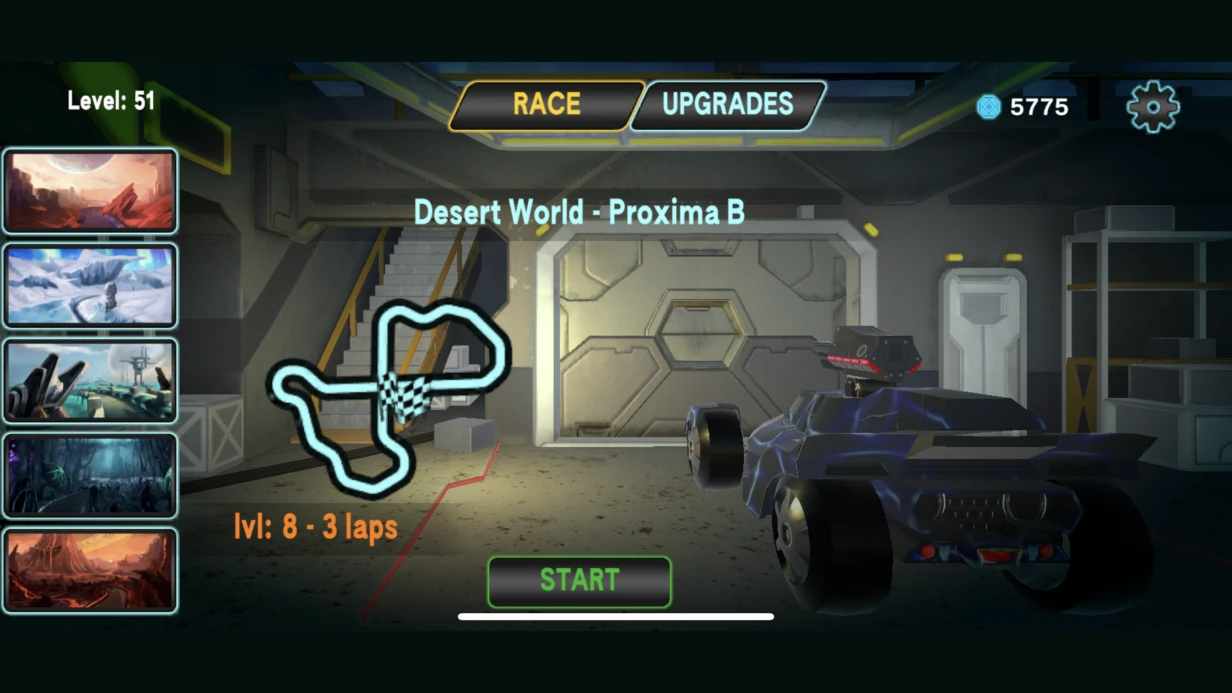
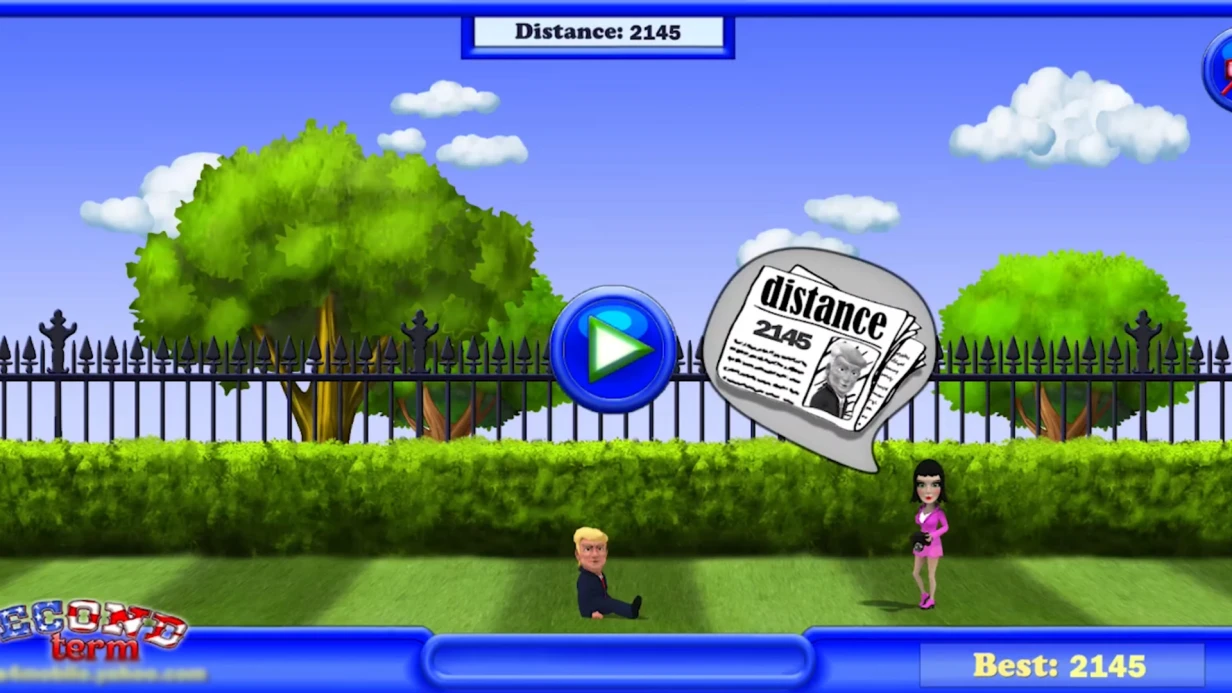
בפרויקט אחד (משחק Unity היפר-קז'ואל), שיעור הקריסות הגיע ל-8% לאחר השחרור עקב דליפת זיכרון ב-Android. תוך 24 שעות מצאנו את הבאג — טיפול שגוי ב-Addressables — ושלחנו hotfix. שיעור הקריסות ירד ל-0.5%. מצבים כאלה דורשים פרוטוקול ברור ותשתית מוכנה.
תמיכה טכנית לאחר שחרור אינה "מענה למיילים של משתמשים". היא כוללת ניטור, אבחון, hotfixes ועדכונים שוטפים עם מחזור צפוי. הניסיון שלנו: 5+ שנים בתמיכה לאחר שחרור למשחקים, מעל 50 שחרורים, מהיפר-קז'ואל ועד RPG גדולים. אנו מבטיחים יציבות המוצר ועמידה ב-SLA. בקשו הערכת פרויקט חינמית.
ניטור: מה אנו עוקבים בימים הראשונים
Firebase Crashlytics הוא חובה. לאחר השחרור אנו מנטרים את הדשבורד בזמן כמעט אמיתי: אחוז משתמשים ללא קריסות, בעיות חדשות לפי גרסה, מכשירים עם שיעור קריסות גבוה במיוחד. טריגר מיידי ל-hotfix: משתמשים ללא קריסות < 98% או קריסת חומרה Fatal במכשירים המובילים.
Crashlytics מספק stack traces, אך עבור בניות Unity IL2CPP יש צורך בקבצי dSYM (iOS) או טבלאות סמלים (Android) כדי לפענח מחסניות native. ללא סמלים, ה-traces נראים כמו libil2cpp.so line 0x00034abc — חסרי תועלת. העלאת סמלים ל-Firebase Crashlytics דרך Fastlane או העלאה ידנית באמצעות Firebase Crashlytics Symbol Upload מוגדרת פעם אחת במהלך הבנייה. המהנדסים שלנו מגדירים זאת במהלך הביקורת הראשונית.
Firebase Performance: ניטור trace של firebase-tools, screen traces של app_start, ו-traces מותאמים אישית לנתיבים קריטיים במשחק (טעינת רמה, עסקת IAP). זמני טעינה חריגים במכשירים/גרסאות OS מסוימים הם סימני אזהרה מוקדמים.
Google Play Console ו-App Store Connect: שיעור ANR (Application Not Responding) ב-Android — יעד < 0.47% (הסף של Google למצב גרוע). אם שיעור ה-ANR עולה, אנו בוחנים חסימת thread ראשי באמצעות Android Profiler.
תהליך Hotfix
חומרה 1 (קריסת התנעה, IAP שבור, אובדן התקדמות): תגובה תוך שעה, hotfix תוך 24 שעות. צנרת: אבחון דרך Crashlytics + שחזור מקומי → תיקון → בדיקה במכשירי יעד → בנייה דרך CI (GameCI) → בדיקה מזורזת ל-App Store (בדרך כלל 24 שעות עם נימוק) → שחרור ב-Android באמצעות פריסה מדורגת (10% → 50% → 100%).
חומרה 2 (באגים במשחקיות, בעיות UI, ביצועים): hotfix או patch מתוכנן תוך 1-2 שבועות.
פריסה מדורגת ב-Google Play היא קריטית. _st של Fastlane תומך ב-supply לקהל של 10%. אנו מנטרים את שיעור הקריסות והדירוג במשך 24-48 שעות, ואז מרחיבים. hotfix שמכיל בעצמו באג קריטי גרוע יותר מהיעדר hotfix. גישת הפריסה שלנו מפחיתה את הסיכוי לעדכון שבור פי 2 בהשוואה לפריסה מלאה.
למה עדכונים שוטפים חשובים
מחוץ למשברים, מחזור עדכונים מתוכנן הוא המפתח. למשחקי מובייל, אופטימלי: עדכוני patch כל 2-4 שבועות (איזון, תיקוני באגים), עדכוני תוכן כל 6-8 שבועות. patches קבועים שומרים על דירוג החנות ומפחיתים נטישה.
כל עדכון דורש בדיקות רגרסיה. בדיקות אוטומטיות דרך Unity Test Framework (Edit Mode + Play Mode Tests) מכסות נתיבים קריטיים: התחלת משחק, טעינת שמירה, זרימת IAP. בדיקות ידניות על 5-10 מכשירי יעד לפני כל שחרור אינן עניין של חיסכון — אלא כי בדיקות אוטומטיות לא משחזרות באגים ספציפיים ל-GPU.
איך אנו מגיבים לבאגים קריטיים
חומרה 1 דורשת פעולה מיידית. אנו משתמשים בערוץ תקשורת ייעודי (Slack/Telegram) עם תורנות on-call. האבחון מתחיל ב-Crashlytics וביומני מכשיר. ב-80% מהמקרים, שורש הבעיה מזוהה תוך 30 דקות. לאחר מכן תיקון קוד, בניית hotfix ושליחה לבדיקה. עבור App Store, אנו מכינים נימוק לבדיקה מזורזת כדי לעמוד ב-SLA של 24 שעות. ב-Android, פריסה מדורגת כמתואר לעיל.
השוואת כלי ניטור
| כלי | סוג נתונים | עלות | הערות |
|---|---|---|---|
| Firebase Crashlytics | דוחות קריסות, stack traces | חינם | הטוב ביותר עבור Unity IL2CPP, משתלב עם Google Play |
| Unity Analytics | אירועים, דוחות קריסות | חינם | אינטגרציה פשוטה, פירוט מוגבל |
| GameAnalytics | אירועים, FPS, זיכרון | חינם (עד 100k MAU) | דשבורדים גמישים, מסנני פלחים |
מה כלול בחוזה התמיכה
- ניטור יומי של Crashlytics, Firebase Performance וביקורות חנות
- אבחון בעיות וסיווג חומרה
- hotfixes לחומרה 1 תוך 24 שעות
- עדכוני patch מתוכננים לפי לוח זמנים מוסכם
- דוח חודשי: שיעור קריסות, שיעור ANR, דירוג ממוצע, מגמות DAU
- עדכוני SDK לדרישות OS חדשות (גרסאות iOS מרכזיות דורשות אימות שנתי)
| חומרה | דוגמה | זמן תגובה | זמן תיקון |
|---|---|---|---|
| S1 | קריסת התנעה, IAP שבור | שעה | 24 שעות |
| S2 | באגים במשחקיות, בעיות UI | 4 שעות | 1-2 שבועות |
| S3 | באגים ויזואליים קלים | יום | ה-patch הבא |
טעויות נפוצות בתמיכה לאחר שחרור
- היעדר קבצי dSYM לפיענוח קריסות
- התעלמות משיעור ANR עד שהדירוג יורד
- פריסה מלאה ללא פריסה מדורגת
- דילוג על בדיקות רגרסיה במכשירים אמיתיים
לוחות זמנים ופורמטים
| פורמט תמיכה | משך חוזה |
|---|---|
| תמיכת on-call (תגובה 4-8 שעות) | החל מחודש |
| תמיכה מלאה עם patches מתוכננים | 3–12 חודשים |
| ביקורת חד-פעמית + הגדרת ניטור | 1–2 שבועות |
התמחור נקבע לאחר ניתוח מורכבות הפרויקט, פלטפורמות היעד וה-SLA הנדרש. אנו מציעים הערכת פרויקט חינמית — צרו קשר לייעוץ. קבלו תמיכה טכנית אמינה למשחק שלכם מבלי לפספס מועדים.