


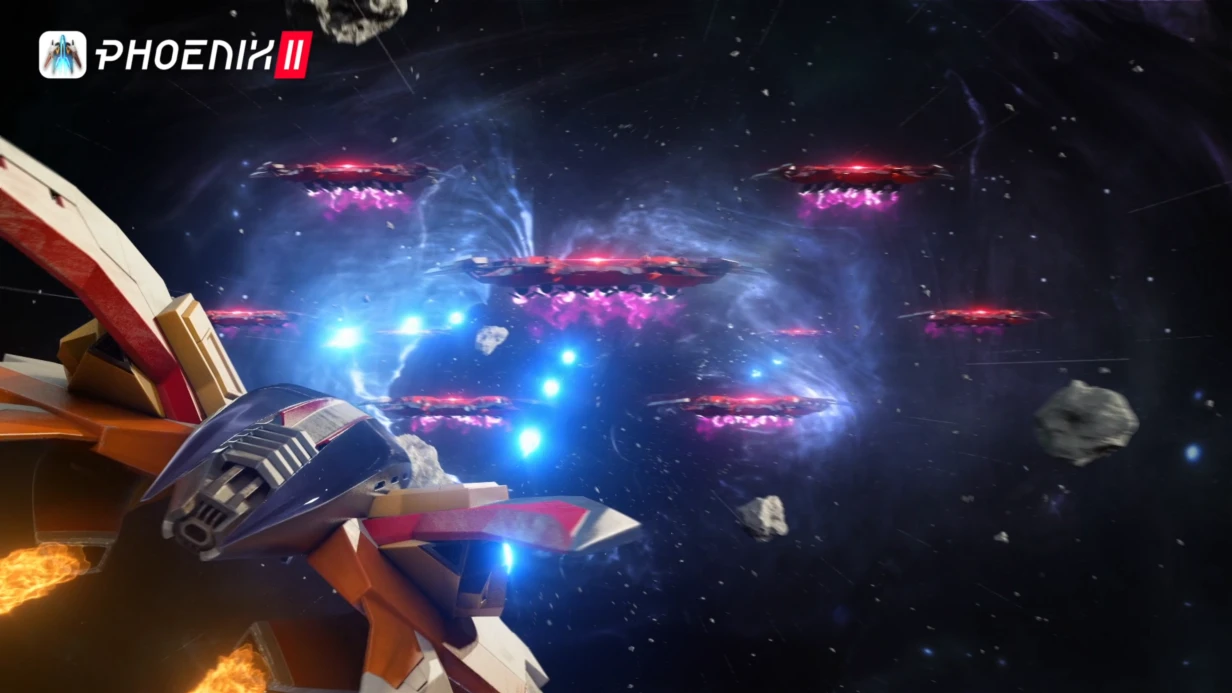
יצירת מערכות חלקיקים ואפקטי VFX קסומים למשחקים
אנו מפתחים אפקטים קסומים למשחקים—מכדורי אש ועד פורטלים. ההבדל בין "מקובל" ל"מצוין" מסתכם בהבנת הכלים: VFX Graph על GPU מספק מיליוני חלקיקים, סימולציית כוחות והתנגשויות; Particle System (Shuriken) מבוסס CPU, קל יותר להגדרה ואמין יותר במובייל. בחירת הכלי הנכון היא ההחלטה הארכיטקטונית הראשונה. בניסיון שלנו, בחירות שגויות גרמו לירידה של 20% ב-FPS במכשירים בינוניים. בואו נחקור כיצד להימנע מטעויות כאלה.
מתי VFX Graph מוצדק ומתי Particle System עדיף
VFX Graph הוא חובה כאשר יש צורך ביותר מ-10,000 חלקיקים בו-זמנית, פיזיקת GPU (התנגשות עם SDF, כוחות שדה וקטורי), או אנימציה חלקה מ-sprite sheet עם אינטרפולציית תת-פריים. לכדורי אש עם אלפי ניצוצות או פורטלים עם זרימת חלקיקים סוערת—השתמשו ב-VFX Graph.
Particle System מספיק לפלטפורמות מובייל (VFX Graph דורש תמיכה ב-compute shader, שלא לכל GPUs הניידים יש), ספירות חלקיקים נמוכות (כמה מאות), או אינטגרציה פשוטה עם Animator דרך ParticleSystem.Play() באירוע אנימציה.
ערבוב של שניהם הוא סטנדרטי. ארכיטקטורת לחש טיפוסית: VFX Graph לאפקט הראשי (זרם אש, ענן ניצוצות), Particle System לפרטים משניים (עשן, נקודות זוהרות קטנות סביבו), ו-shader מותאם אישית על mesh להילה ולעיוות.
למה מבנה שכבות הוא המפתח לאפקטים קסומים מציאותיים
אפקט קסום משכנע מורכב ממספר שכבות ויזואליות, כל אחת פותרת משימה ספציפית:
ליבה – הליבה של האפקט.
מרכז צפוף ובהיר. בדרך כלל mesh עם shader פולט אור או billboard sprite עם מיזוג אדיטיבי. אטימות גבוהה, תנועה מינימלית. זה נותן לצופה נקודת מיקוד.
אמצע – הנפח הראשי.
עיקר החלקיקים—אש, אנרגיה, פלזמה. זה מה שרוב האנשים מחשיבים כ"האפקט עצמו." כאן אנו משתמשים ב-VFX Graph עם Turbulence Force, Vortex Force, או Vector Field מותאם אישית. חלקיקים משתמשים ב-shader מואר כדי לקבל תאורה מהאפקט עצמו (דרך Point Light Output node ב-VFX Graph).
קצה – שוליים וזנבות.
חלקיקים קטנים הנעים הרחק מהנפח הראשי. דהיית אלפא לאפס במהלך החיים. מיזוג אדיטיבי—הם "זוהרים" מעל כל דבר אחר.
משני – פרטים.
ניצוצות, בועות, סמלים רונים, עלים. הם יוצרים תחושת מורכבות וייחודיות. לעיתים קרובות Particle System נפרד עם קצב פליטה נמוך.
עיוות – עיקום המרחב.
מסכת עיוות במסך מלא סביב האפקט דרך Distortion Renderer Feature ב-URP או מעבר Distortion מובנה ב-HDRP. זה מאותת למוח: "משהו יוצא דופן קורה עם המרחב כאן."
Point Light Output ותאורה דינמית מאפקטים
VFX Graph ב-Unity (גרסת LTS) כולל בלוק Point Light Output המאפשר לחלקיקים להפיץ אור. זה משנה הכל: הסביבה סביב הלחש נדלקת בזמן אמת, צללים קופצים, קירות מהבהבים.
הגדרת Light Output: עוצמה צריכה להיות מתונה (0.5–2.0 לרוב האפקטים); אחרת, bloom ישרוף הכל. טווח – מ-1 עד 5 יחידות. מספר מופעי האור הפעילים מוגבל על ידי הגדרת URP Pipeline Asset (Maximum Additional Lights per Object). חריגה מהמגבלה מתעלמת בשקט מאורות נוספים ללא אזהרה.
כדי לחסוך במשאבים: Point Light אמיתי נחוץ רק לחלקיקים הבהירים ביותר הקרובים למצלמה. השאר מחקים אור דרך shader פולט + Bloom. ב-VFX Graph, זה נעשה עם Set Active על Light Output המותנה ב-Lifetime או Distance To Camera.
לחש כדור אש: דוגמה קונקרטית
פרויקט: משחק תפקידים פעולה, Unity LTS, URP. משימה: כדור אש—קליע שעף מהיד למטרה, מתפוצץ בפגיעה.
מבנה: שני נכסי VFX Graph (שלב מעוף ושלב פיצוץ) + שני Particle Systems (ניצוצות נגררים ועשן) + shader מותאם אישית על mesh כדורי לזוהר הליבה.
VFX Graph בשלב המעוף: Sphere Spawner עם רדיוס = 0.2, Turbulence Force בעוצמה נמוכה, שיפוע צבע לאורך החיים (צהוב → כתום → אדום כהה), Size over Lifetime – יורד לקראת סוף חיי החלקיק. מהירות חלקיק – הפוכה לכיוון כדור האש (הזנב נגרר מאחור).
שלב הפיצוץ: פליטת Burst של 2000 חלקיקים בפריים אחד, מהירות התחלתית כדורית עם פקטור רדיאלי גבוה, התנגשות עם SDF של הסצנה – חלקיקים ניתזים ממשטחים. Point Light Output בעוצמה 5.0 ל-0.3 השניות הראשונות, ואז Lerp ל-0. גל הלם במסך מלא דרך מעבר עיוות מותאם אישית, מופעל דרך Signal מ-VFX Graph באמצעות קישור אירועי C#.
| סוג אפקט | ציר זמן |
|---|---|
| לחש פשוט (1–2 שכבות, ללא אור דינמי) | 2–3 ימים |
| אפקט קסום מלא (4–5 שכבות, אור) | 5–8 ימים |
| מערכת לחשים (5–10 VFX ייחודיים) | 2–4 שבועות |
| פיצוץ או VFX סביבתי לסביבה | 3–6 ימים |
מה כלול בעבודה
- קבצי מקור VFX (Graph/System) עם הערות
- Shaders מותאמים אישית (אם נדרש)
- הגדרת אורך חיים, פליטה, צבעים
- אופטימיזציה לפלטפורמת היעד (מובייל/PC/קונסולה)
- תיעוד להתאמה אישית
- אינטגרציה לפרויקט (Unity Package)
- הבטחת ביצועים (תקציב FPS)
למה לבחור בנו
לצוות שלנו ניסיון רב בפיתוח משחקים. סיפקנו 40+ מערכות VFX למשחקים בכל הז'אנרים—ממובייל קז'ואל ועד PC/RPG. אנו משתמשים בטכנולוגיה עדכנית: Unity VFX Graph, URP/HDRP, shaders מותאמים אישית. נבחן את הפרויקט שלך ביום אחד—צור קשר כדי לדון בפרטים. הזמינו פיתוח VFX מותאם אישית וקבלו תוצאה מוכנה לאינטגרציה עם תמיכה.