

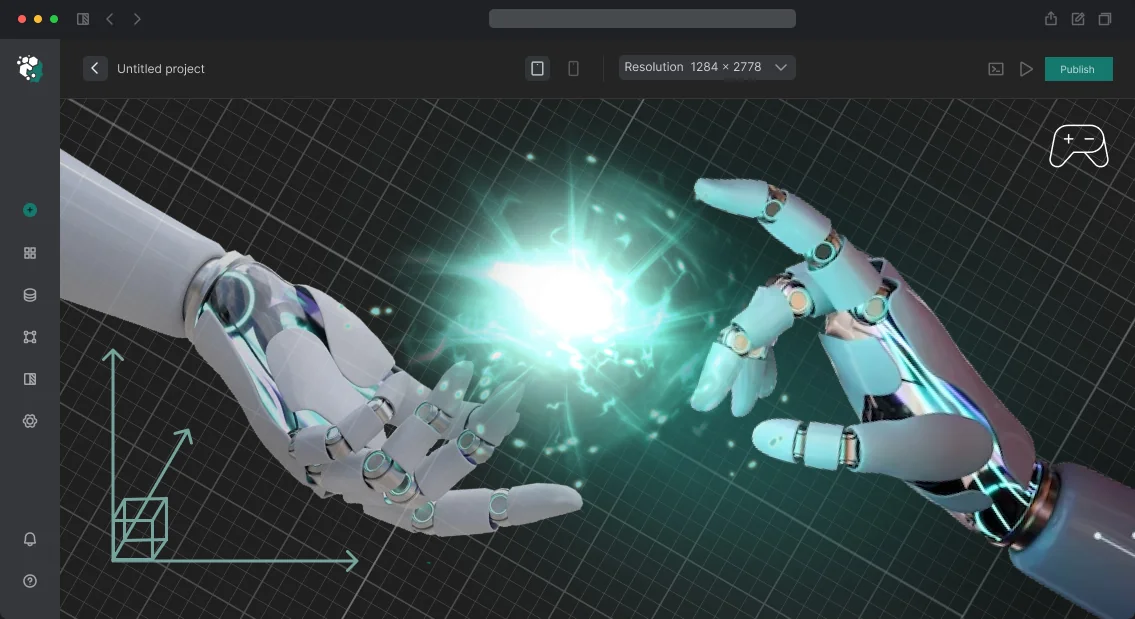

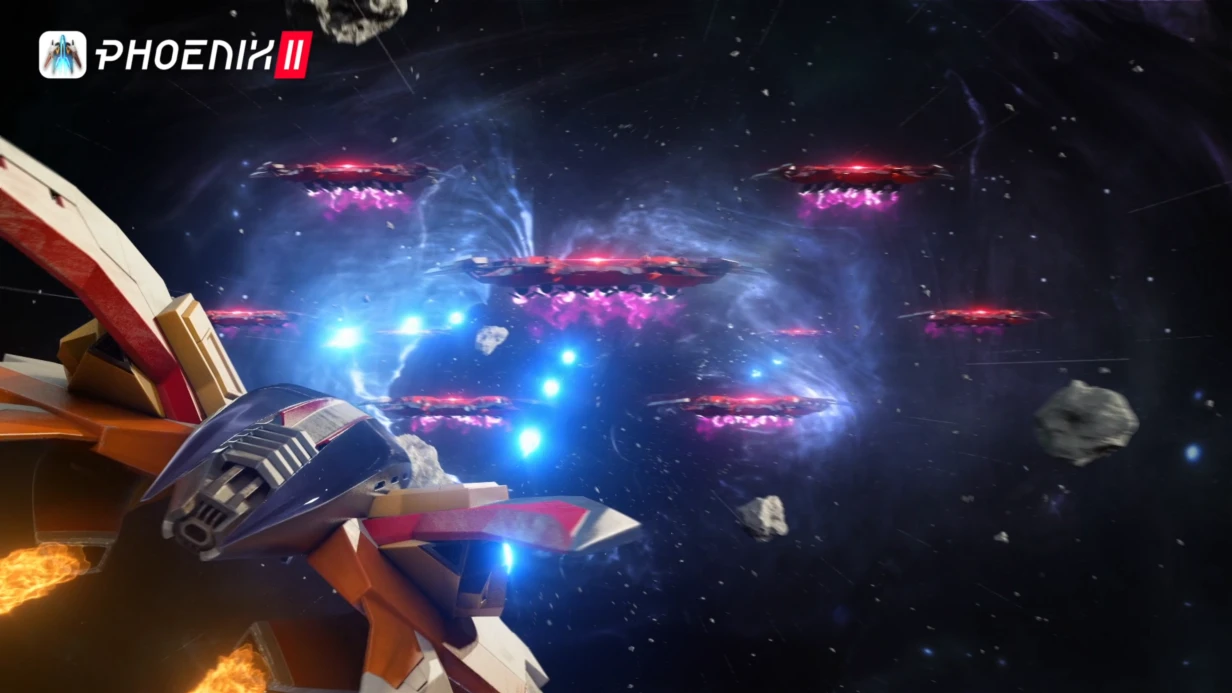
מדוע ללא Compute Shaders המשחק שלך נראה מיושן
שחקנים מחליטים אם להמשיך לשחק בתוך הדקות הראשונות — והם שופטים לפי הוויזואליה. אם האפקטים נראים בני חמש שנים, אפילו סיפור כתוב היטב ומשחקיות מעולה לא יצילו אותך: משתמשים פשוט עוזבים למתחרים. זה לא עניין של טעם — זו אובדן ישיר של התקנות והכנסות.
Compute Shaders הוא כלי שלוקח גרפיקה מודרנית לרמה שונה מהותית. בעזרתו, המשחק מחשב אפקטים במקביל ולא ברצף: חלקיקים, פיצוצים, מים, הרס — כל מה שיוצר משחקיות סוחפת.
עבור השחקן, זה אומר תמונה חיה ומגיבה ללא גמגומים ותחושה של להיות בתוך העולם, לא רק לצפות בו.
כשמשחק נראה מיושן, לא רק המוניטין נפגע אלא גם הכלכלה של הפרויקט. שימור יורד, אנשים עוזבים אחרי הסשן הראשון, ויראליות יורדת — מה שאומר שעלות רכישת כל משתמש חדש עולה.
זה בולט במיוחד בשוק המובייל ובסגמנט ה-mid-core, שבו שחקנים מפונקים מאיכות.
לכן אנחנו בונים את הפקת ה-VFX שלנו סביב Compute Shaders: זה נותן למשחק שלך יתרון תחרותי שנראה מיד. אתה מקבל לא רק "תמונה יפה לשם תמונה יפה", אלא כלי לשימור שחקנים ולצמיחת LTV.
רוצה לדון באילו אפקטים יחזקו את המשחק שלך וישמרו על הקהל שלך מעורב? צור איתנו קשר — נראה לך עם דוגמאות ונציע פתרון מותאם למשימה שלך.
מה פיתוח VFX מקצועי נותן למשחק שלך
אפקטים מיוחדים איכותיים הם לא רק עטיפה ויזואלית — הם כלי שמשפיע ישירות על הכלכלה של הפרויקט. הם שומרים על השחקן ברגע, גורמים לו לחזור ולשתף את ההתרשמות שלו, והופכים את המשחק למקור של שיווק אורגני. זו הסיבה שאולפנים שמשקיעים ב-VFX זוכים ליתרון בשוק רווי.
אנחנו משתמשים ב-Unity וב-Compute Shaders כדי ליצור אפקטים שעובדים על כל מכשיר ללא אובדן ביצועים. זה אומר שאפילו הסצנות העמוסות ביותר לא יגמגמו, והשחקן לא ירגיש אכזבה — רק עונג טהור ממה שקורה על המסך.
מה אתה מקבל כתוצאה:
- מעורבות שחקנים. אפקטים יוצרים תגובה רגשית, תופסים תשומת לב ומניעים שחקנים להמשיך — הסשנים נעשים ארוכים יותר והחזרות תכופות יותר.
- סגנון ייחודי. VFX חתימתי יוצר שפה ויזואלית לפרויקט שלך שאי אפשר לבלבל עם מתחרים.
- הכרת המשחק. אפקטים המשויכים למשחק שלך מחזקים את המותג ויוצרים תדמית בלתי נשכחת שממשיכה לעבוד עבורך אחרי ההשקה.
- פוטנציאל שיווקי. רגעים מרהיבים הם החומר הטוב ביותר לטריילרים, צילומי מסך ושידורים — מגבירים את ההגעה הוויראלית ומורידים עלויות רכישה.
השורה התחתונה: פיתוח VFX מקצועי מחזיר את עצמו פי כמה. אתה מקבל לא רק תמונה יפה אלא מעורבות גבוהה יותר, שימור טוב יותר וכלי קידום חזק שממשיך לעבוד עבורך גם אחרי ההשקה.
פורמטים של פיתוח VFX: בחר לפי המטרות שלך
מטרות שונות דורשות גישות שונות ליצירת אפקטים ויזואליים. חלק צריכים לכסות במהירות השקת קמפיין שיווקי או עדכון, בעוד אחרים מפתחים משחק במשך שנים ורוצים אפקטים ללא פיקוח מתמיד על התהליך.
אנחנו עובדים בתוך מערכת האקולוגית של Unity ומציעים פורמטים החל מחבילה חד-פעמית ועד תמיכה מלאה — כך שאתה בוחר לפי היקף המשימה שלך ולא מתאים את עצמך לקבלן.
טעות כאן היא יקרה: ביצוע מחדש של אפקטים אחרי השקה פירושו עיכוב בהשקה ואובדן עניין של שחקנים. לכן כל פורמט כולל הערכת לוחות זמנים, אישור רפרנסים ושלבי מסירה ברורים. להלן התרחישים האופייניים שלקוחות מגיעים אלינו איתם.
פורמטים של שיתוף פעולה
| פורמט | למי | מה זה נותן ללקוח |
|---|---|---|
| חבילת VFX חד-פעמית | השקת עדכון, סרטון פרסומי, חומרי קידום | תוצאות מהירות ללא התחייבויות ארוכות טווח |
| פיתוח בקבוצות | עדכונים עונתיים קבועים ואירועים | זרם יציב של אפקטים חדשים בלוח זמנים, ללא לחץ |
| מיקור חוץ של כיוון | אולפן ללא מומחה VFX בצוות | חיסכון בגיוס, הכשרה וניהול עובדים |
| תמיכה מלאה | פרויקטים ארוכי טווח עם נפח תוכן גדול | צוות אחד מטפל בכל האפקטים במפתח פתוח; אתה רק קובע סדרי עדיפויות |
בכל פורמט, אתה מקבל אפקטים שעובדים להכרת המשחק ולשימור שחקנים. אנחנו מטפלים בבחירת הפתרון הטכני בתוך המנוע ומתאמים את התוצאה בכל שלב — אתה רואה גרסאות ביניים לפני המסירה הסופית.
אם אתה לא בטוח איזה פורמט מתאים — זה נורמלי. נייעץ לך לגבי המשימות שלך, נציע את האפשרות הטובה ביותר ונחשב את לוחות הזמנים תוך כמה ימים. אתה משלם רק על האפקטים שהפרויקט שלך באמת צריך, ללא תוספות בלתי צפויות או סעיפים נסתרים.
איך אנחנו יוצרים אפקטים מיוחדים: שלבי העבודה שלנו איתך
עיצבנו את התהליך כך שתוכל לראות את התוצאה בכל שלב ולהשפיע עליה ברוגע, ללא עבודה מיותרת. להלן סדר העבודה על אפקטים: מבריף ועד אינטגרציה במשחק והשקה. לא תצטרך להיכנס לפרטים טכניים — אנחנו מטפלים בהכל, ואתה מקבל תמונה ברורה.
-
בריף אפקטים ויזואליים. אנחנו עולים לשיחה ומבהירים את האווירה של המשחק, הסגנון, הסצנות המרכזיות ופלטפורמות היעד. אנחנו נועלים את הרצונות והאילוצים שלך כדי שנוכל להתקדם ללא הפתעות.
-
רפרנסים וקונספט. אנחנו בוחרים דוגמאות מהתעשייה שלך ומראים איך אפקטים ספציפיים יעבדו בפרויקט שלך. אתה מקבל חזון ברור עוד לפני שהפיתוח המרכזי מתחיל.
-
אב-טיפוס. אנחנו יוצרים טיוטה מהירה של אחד או שניים מהאפקטים החשובים ביותר — אתה יכול מיד להעריך את המצב רוח, התנועה ו"העושר" של התמונה. אחרי האישור שלך, אנחנו משיקים את ההיקף המלא.
-
פיתוח אפקטים. אנחנו יוצרים את כל האפקטים הנדרשים במנוע Unity המקצועי באמצעות Compute Shaders. בזכות זה, הם נראים מדהימים ורצים ביציבות על פני מכשירים שונים.
-
אינטגרציה במשחק. אנחנו מטמיעים בקפידה את האפקטים בסצנות ומכוונים את האינטראקציה שלהם עם דמויות וסביבה. אנחנו מוודאים שהאפקטים המיוחדים משפרים את החוויה ולא מתנגשים עם הסגנון הכללי.
-
בדיקות ואופטימיזציה. אנחנו מריצים תרחישים על מכשירי יעד ומבטלים נפילות פריימים, חפצים ויזואליים ועומס יתר. כתוצאה, האפקטים לא מאטים את המשחק ולא מרוקנים את הסוללה.
-
השקה ותמיכה. אנחנו מוסרים קבצי מקור נקיים, מדריך התקנה קצר ונשארים בקשר אחרי ההשקה. אם הדרישות משתנות, אנחנו מבצעים התאמות במהירות ללא אובדן איכות.
מה כלול במסירת VFX למשחק שלך
אנחנו יודעים שחשוב לך לא רק "אפקט הוואו" — אלא גם שהאפקטים רצים ביציבות על מכשירי השחקנים ולא מאטים את המשחק. לכן מסירת VFX היא ערכה מלאה לצוות שלך, לא רק אוסף של קבצים יפים.
אנחנו עובדים דרך Compute Shaders — גישה זו מאפשרת לנו ליצור אפקטים עשירים עם ביצועים גבוהים, מה שבסופו של דבר אומר יותר הנאה לשחקנים ופחות כאבי ראש באופטימיזציה עבורך.
מה אתה מקבל כחלק מהמסירה:
- קבצי מקור לכל האפקטים — חומרים, טקסטורות והגדרות שתוכל לחדד כדי להתאים לסגנון שלך.
- מדריך אינטגרציה שלב-אחר-שלב — המפתח שלך יבין לבד, ללא ייעוץ ארוך.
- תיעוד אפקטים מיוחדים — תיאור של כל אלמנט ופרמטר כדי שתוכל לשנות במהירות התנהגות של אפקט.
- אופטימיזציה למכשירי יעד — אפקטים מכוונים לשמירה על קצב פריימים גבוה אפילו בחומרה בינונית.
- סצנות בדיקה ודוגמאות — אתה יכול מיד לראות איך אפקט מתנהג במצבי משחק שונים.
- אחריות VFX — אנחנו מוודאים תאימות לגרסת Unity שלך ומלוטשים את התוצאה בחינם אם משהו משתבש.
כל זה מכסה את הסיכונים המרכזיים: אינטגרציה ללא הפתעות, תיעוד ברור וביטחון שהאפקטים לא ישברו אחרי עדכונים. אתה מקבל מוצר עובד, לא "קופסה שחורה" מקבלן.
מקרה בוחן: איך Compute Shaders חיזקו את המשחק של הלקוח שלנו
פרויקטי משחק סובלים לעתים קרובות מאפקטים ויזואליים עמוסים: הם נראים נהדר בצילום מסך, אבל במכשירים חלשים אתה מקבל נפילות פריימים והתחממות.
במקביל, משחקיות ללא אפקטים מאבדת את ה"טעם" שלה — השחקן לא מרגיש תגובה לפעולות שלו, והשימור יורד. עזרנו ללקוח לפתור את הדילמה הזו: לשמור על המחזה מבלי לוותר על ביצועים.
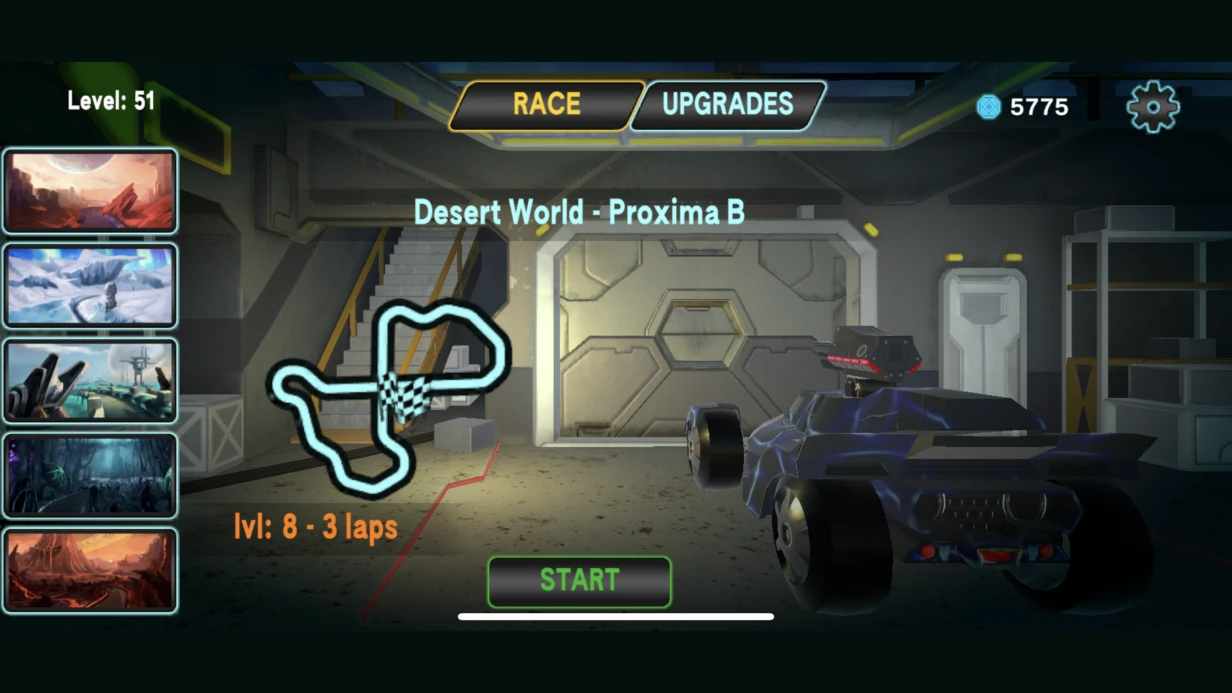
עבור פרויקט Solaris Games — משחק פעולה נייד בעולם פתוח — כתבנו מחדש את ה-VFX המרכזיים באמצעות Compute Shaders. זה העביר את חישובי החלקיקים והפיצוצים מה-CPU ל-GPU, ושחרר את לוגיקת המשחק המרכזית.
עבור הלקוח, זה אומר 60 FPS יציבים במכשירים בינוניים, לא רק "תמונה יפה" לחומרי שיווק.
מה השתנה עבור הפרויקט
בעבר, אפקטים מערכתיים (עשן, ניצוצות, הרס) צרכו עד שליש ממשאבי המכשיר. אחרי האופטימיזציה, עומס ה-CPU ירד ב-40% — מה שאיפשר להוסיף יותר אויבים על המסך ולהרחיב מיקומים ללא אובדן חלקות.
עבור השחקן, זה אומר קרבות עשירים יותר; עבור האולפן, זה אומר יכולת לכסות מכשירים עם 2 GB RAM, ולהרחיב את הקהל.
מדדים שהלקוח ראה
התוצאה המרכזית הייתה התנהגות השחקן. אורך הסשן גדל ב-22%, והחזרות למחרת עלו ב-18%. למרות שהאפקטים "בלתי נראים" בנפרד, יחד הם יוצרים תחושה של עולם מגיב ואיכותי.
המדד "השלים את הרמה הראשונה" גדל בשליש — וזה בדיוק המקום שבו מרוכזים רגעי ה-VFX המרהיבים ביותר.
לא רק שיפרנו את התמונה — חיזקנו את הכלכלה של הפרויקט: שחקנים מרוצים נוטים יותר לשתף הקלטות מסך ולהמליץ על המשחק לחברים. זהו ערוץ רכישה אורגני שאינו דורש תקציב פרסום.
אחרי ההשקה, הלקוח הזמין סט מורחב של אפקטים לפרקים הבאים — האיכות הוויזואלית הפכה ליתרון התחרותי שלהם, והם החליטו לפתח אותה באופן שיטתי.
התייחסות לחששות שלך לגבי הזמנת VFX
בהזמנת אפקטי VFX, ללקוחות יש לעתים קרובות שאלות: איך האפקטים יתנהגו במשחק, מתי הם יוכלו לראות אותם, ומי אחראי לתוצאה. אנחנו עונים על החששות המרכזיים — ללא דיבור טכני מורכב, ללא אותיות קטנות.
האם האפקטים בהחלט יתאימו לפרויקט שלנו?
אנחנו עובדים עם מנועי משחק פופולריים ומתאימים את עצמנו לסגנון ולפלטפורמה שלך. לפני שאנחנו מתחילים, אנחנו מוודאים תאימות בסביבה שלך, לא רק "על הנייר" — כך שהאפקטים המיוחדים משתלבים בפרויקט ללא עבודה חוזרת.
מה אם לא תעמוד בלוח הזמנים?
אנחנו נועלים את לוחות הזמנים בחוזה ומפרקים את העבודה לשלבים עם הדגמות ביניים. אתה תמיד יודע איפה עומד אפקט ומתי הוא יהיה מוכן. אם משהו זז — אנחנו מתריעים מראש ומציעים פתרון.
אילו אחריות אתה מספק על אפקטים מיוחדים?
אנחנו נותנים אחריות על התוצאה: אחרי המסירה, אנחנו בודקים איך האפקט עובד בפרויקט שלך ומתקנים כל בעיה בחינם. העלות והיקף העבודה קבועים בהתחלה, כך שהסיכון לעבודה חוזרת מוטל עלינו, לא עליך.
עד כמה זה בטוח למוצר שלנו?
האפקטים בנויים על כלים מבוססים ולא ישברו את הקוד הקיים שלך. כל החומרים והזכויות לתוצאה מועברים אליך — אתה מקבל קבצים מוכנים לשימוש ושקיפות מלאה על היקף העבודה. ללא תנאים נסתרים.
אם עדיין יש לך ספקות — שאל לפני שנתחיל: נדון בפרויקט שלך, נראה דוגמאות ונציע פורמט למשימה שלך. כך אתה מקבל VFX מרהיב ללא סיכונים או הפתעות.דון ב-VFX למשחק שלך היום
אפקטים מיוחדים הם הדבר הראשון ששחקן מבחין בו: פיצוצים, קסם, חלקיקים, תופעות מזג אוויר. הם יוצרים רשמים חיים, תופסים תשומת לב וגורמים לשחקנים להמליץ על המשחק לחברים.
אבל לעשות אותם טוב זה לא קל: ללא הטכנולוגיה הנכונה, אפקטים נראים זולים והמשחק מתחיל לגמגם. אנחנו משתמשים ב-Compute Shaders — גישה מודרנית שמספקת ויזואליה אקספרסיבית וחלקות יציבה אפילו במכשירים בינוניים.
ב-10+ שנים, יצרנו מאות VFX למשחקים בכל הז'אנרים ואנחנו יודעים מה עובד ומה לא.
אז כדי שתוכל לקבל החלטה ללא משא ומתן ארוך, הנה רשימת בדיקה של מה אתה מקבל כשאתה פונה אלינו:
- ייעוץ לגבי אפקטים למשחק שלך — נראה לך על הדוגמה שלך איך לחזק רגעים מרכזיים ואווירה.
- חישוב עלות מדויק — אנחנו נועלים את ההערכה לפני שאנחנו מתחילים, ללא תוספות נסתרות או הפתעות.
- הערכת לוח זמנים — ניתן לך תאריך סיום ריאלי ונעמוד בו.
- דוגמאות לפרויקטים דומים — נראה איך האפקטים שלנו נראים במשחקים מהז'אנר שלך.
- קטע בדיקה — נכין אב-טיפוס של אפקט אחד לסצנה שלך כדי שתוכל לשפוט את האיכות.
- תמיכה אחרי אינטגרציה — אנחנו עוזרים באינטגרציה וחידודים עד שהתוצאה מושלמת.
השאר בקשה בעמוד זה — נחזור אליך תוך יום עסקים אחד, נענה על השאלות שלך ונכין הצעה מותאמת. הייעוץ חינמי ואינו מחייב, וכבונוס תקבל קטע בדיקה של אפקט. אנחנו עובדים מרחוק, כך שאין צורך ללכת לשום מקום — פשוט מלא את הטופס.
כך תסגור את נושא ה-VFX בשיחה אחת, תלמד את העלות המדויקת ותקבל את לוחות הזמנים ההתחלתיים שלך. הזמנת VFX היום פירושה השגת יתרון על פני המתחרים מחר. צור איתנו קשר עכשיו.
איך לבחור את פורמט ה-VFX הנכון לפרויקט שלך?
פורמט ה-VFX הנכון לא נבחר מתמונה בקטלוג — הוא מוגדר על ידי המטרות של הפרויקט שלך וציפיות השחקנים. התחל עם השאלה: לשם מה האפקט, איזו רגש הוא צריך לעורר, ואיך הוא משתלב במשחקיות?
אם האפקט מחזק מכניקה מרכזית — נניח, מכה, פיצוץ או קבלת נזק — הוא דורש אינטגרציה הדוקה יותר וכיוונון מדויק. אם זה זוהר רקע או חלקיקים אטמוספריים, פתרון קל יותר מספיק.
הקריטריון השני הוא הפלטפורמה וטווח ההגעה לקהל. בחירת אפקטים מיוחדים למובייל שונה ממחשב או קונסולות: יש אילוצים שונים על עומס, זיכרון וזמני טעינה.
אנחנו לא מבקשים מהלקוח להבין פרטים טכניים — רק ספר לנו היכן הפרויקט ירוץ, והמהנדסים שלנו ימצאו את האיזון הנכון בין מחזה ליציבות.
השאלה השלישית היא דחיפות ומחזור העדכונים. האם אתה צריך אפקט להשקה ספציפית של משחק, או שאתה מתכנן להרחיב בהדרגה את הספרייה שלך? לאירוע חד-פעמי, גרסת בדיקה שאנחנו מראים במשחק שלך תוך כמה ימים מספיקה.
לפרויקט ארוך טווח, עדיף לבנות מערכת מודולרית מההתחלה כדי שניתן יהיה לשנות אפקטים בקלות מבלי לעשות מחדש את כל השאר.
ולבסוף, הסגנון של הפרויקט שלך: ריאליזם, סטייליזציה, קריקטורי — זה מגדיר את השפה הוויזואלית ואת רמת הפירוט. נייעץ אילו פתרונות יתאימו לכיוון האמנותי ואילו עדיף להימנע מהם.
אם נצמצם לשלוש נקודות, בחירת פורמט VFX מסתכמת בשלושה קריטריונים: המשימה, הפלטפורמה ולוח הזמנים. אנחנו נטפל בשאר — שלח לנו תיאור של המשחק שלך, ונציע פורמט שפותר את הבעיה שלך ללא עלויות מיותרות.