


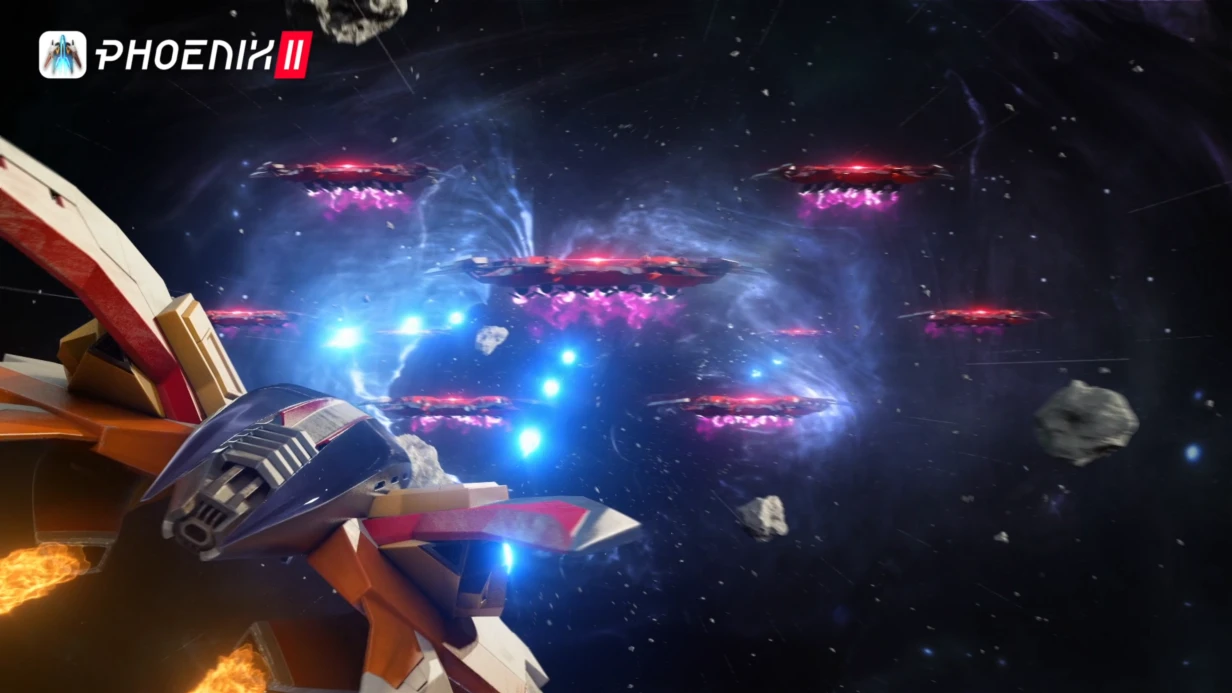
מדוע אפקטים במשחק ללא מערכת פיזיקה לא מצליחים לשמר שחקנים
שחקנים לא סולחים על חוסר אמינות. כשחץ עף דרך סלע או שפיצוץ מתרחש באיחור, ההתמסרות נהרסת והשחקן סוגר את המשחק.
אפילו סיפור כתוב היטב וגרפיקה מסוגננת לא יכולים להציל את החוויה אם אפקט לא מגיב לפעולות השחקן במהירות ובהיגיון שהמוח מצפה להם.
מערכת הפיזיקה היא זו שהופכת אפקטים במשחק ל"חיים": פסולת עפה במסלולים, עשן מתפזר בהתאם לפגיעה, וגל ההדף דוחף עצמים.
זה לא קישוט ויזואלי אלא מכניקת מעורבות—כשכל פגיעה וכל התנגשות מורגשים וצפויים, השחקן סומך על העולם וחוזר שוב.
פיתוח אפקטים מיוחדים איכותיים ב-Unity באמצעות מערכת הפיזיקה משפיע ישירות על מדדים מרכזיים: שימור בשעה הראשונה, משך סשן ממוצע ושיעור השקות חוזרות.
שחקנים לא מנסחים את זה כ"הפיזיקה שם טובה"—הם פשוט אומרים "המשחק מרגיש נהדר", "התגובה חדה", "אני רוצה עוד". התחושות האלה הופכות משתמשים מזדמנים לקהל נאמן.
אנחנו יוצרים אפקטים למשחקי Unity שבהם הפיזיקה עובדת בשבילכם: כל אלמנט מגיב לפעולות השחקן, והעומס על המכשיר נשאר יציב אפילו בסצנות העמוסות ביותר.
אתם מקבלים לא רק תמונה יפה אלא כלי שמחזיק תשומת לב ומגדיל המרה לתרומות לרכישות בתוך המשחק.
אם הפרויקט שלכם כבר הושלם או עדיין בפיתוח—אתם יכולים להזמין מאיתנו אפקטים למשחק עם פיזיקה אמיתית. אנחנו לוקחים על עצמנו את כל התהליך: מרעיון ועד אינטגרציה לפרויקט, כך שאתם מקבלים תוצאה שכל שחקן מרגיש.
מה אפקטים מיוחדים איכותיים נותנים לפרויקט שלכם
אפקטים מיוחדים איכותיים הם לא רק עטיפה ויזואלית אלא כלי שעובד ישירות עבור העסק שלכם. כשפיצוצים, קסם או הרס נראים משכנעים, השחקן מתמסר לתהליך ולא רוצה להפריע לו.
זה מגביר מעורבות: הסשנים נעשים ארוכים יותר, והחזרות למשחק גדלות, מה שמשפיע ישירות על מדדי שימור וזמן ממוצע בפרויקט.
שנית, אפקטים יוצרים זיהוי. דווקא בזכות פתרונות ויזואליים ייחודיים שחקנים זוכרים פרויקט ומבדילים אותו בין מאות דומים. שביל לחשים אופייני, פיצוץ חתימה או אנימציית הרס מיוחדת הופכים לכרטיס הביקור של המשחק. זיהוי הוא מה שמבדיל אתכם בחנויות אפליקציות ובסטרימינג.
VFX איכותי גם בונה אמון בפרויקט. שחקנים נוטים לתפוס תמונה מלוטשת כסימן למקצועיות הצוות. זה מגביר את הביטחון שכדאי להשקיע זמן וכסף במשחק, וגם מניע להשאיר ביקורות חיוביות ולהמליץ עליו לאחרים.
לבסוף, אפקטים עובדים כנכס שיווקי. סצנות שובות לב הופכות לבסיס לטריילרים, צילומי מסך וקליפים לסטרימינג, ומושכות משתמשים חדשים ללא עלויות פרסום נוספות. כך, השקעות באפקטים מיוחדים משתלמות דרך ההגעה והפוטנציאל הוויראלי של הפרויקט שלכם.
הצוות שלנו יוצר אפקטים המבוססים על סימולציה פיזיקלית ב-Unity, מה שמשיג התנהגות טבעית של עצמים ותמונה ייחודית ו"חיה". זה נותן לפרויקט שלכם יתרון תחרותי במבט ראשון.
פורמטי עבודה לאפקטים מיוחדים למשימות שונות
אפקט מיוחד הוא לא קישוט אלא מכניקה שמחזיקה את תשומת הלב של השחקן והופכת את העולם לחי. עצמים הניתנים להרס, הבזקים, ערפל, שבילי תנועה—כל אלה חייבים לעבוד בשילוב עם המשחקיות.
היקף העבודה תלוי במשימה: לפעמים צריך אפקט מוכן אחד, ולפעמים עיבוד שיטתי למשחקיות חדשה. לכן, חילקנו את פורמטי פיתוח ה-VFX ואנחנו בוחרים את ההיקף הספציפי לפרויקט שלכם.
אפקטי המשחק ב-Unity שאנחנו יוצרים מבוססים על התנהגות חלקיקים מדויקת פיזיקלית: פסולת מתפזרת, נוזלים מתפשטים, הרס נראה טבעי. זה מבטל כוונון ידני פריים-אחר-פריים ומספק תוצאות עקביות במכשירים שונים. כל מה שנשאר לכם הוא לבחור פורמט—אנחנו נטפל בפרטים.
| פורמט | למי | מה זה נותן ללקוח |
|---|---|---|
| פיתוח אפקטים במפתח מלא | לפרויקטים עם בריף ברור, שצריכים תוצאה מוכנה בלי להיכנס לפרטים | חוסך זמן לצוות: אתם מקבלים אפקטים למשחקי Unity שמתאימים מיד לפרויקט, עובדים על מכשירי יעד ודורשים אין עיבוד מחדש |
| ביקורת ואופטימיזציה של אפקטים | לצוותים עם אפקטים מיוחדים קיימים שמפגרים או נראים לא טבעיים | אנחנו מוצאים צווארי בקבוק, משפרים את האפקטים למשימה ומחזירים ביצועים יציבים—בלי לעצור את הפיתוח |
| תמיכת מפתח | לאולפנים שרוצים לכסות משימות VFX בלי גיוס נפרד | מומחה ייעודי בצוות שלכם: הוא נכנס להקשר ומספק אפקטים מרעיון ועד יישום |
לא משנה איזה פורמט תבחרו, העבודה מתחילה בדיון קצר על הפרויקט ומטרות האפקט. אנחנו קובעים לוחות זמנים, היקף וקריטריוני קבלה—אתם מקבלים תהליך שקוף בלי הפתעות נסתרות בשלב הסופי.
איך העבודה על אפקטים מיוחדים הולכת מבריף ועד השקה
כדי להבטיח שאפקטים מיוחדים מגבירים מכירות ושימור שחקנים במקום להפוך לסיפור אינסופי של עריכות, בנינו תהליך יצירת VFX ברור.
כל שלב בפיתוח אפקטים מיוחדים מסוכם מראש—אתם תמיד רואים באיזה שלב נמצא הפרויקט, מתי תקבלו את התוצאה, ואיפה אפשר להתערב בלי לפספס מועדים.
-
בריף והתעמקות במשימה. אתם מספרים לנו על המכניקה, האווירה והמטרות של המשחק. אנחנו לוכדים איזו תגובה רגשית האפקט צריך לעורר: עונג, מתח, תחושת תגמול. זה הבסיס של כל התהליך.
-
קונספט ותוכנית. אנחנו מציעים 2-3 אפשרויות יישום: מפתרונות פשוטים ועד תרחישים פיזיקליים מורכבים יותר. אתם בוחרים את הכיוון, ואנחנו קובעים את תקציב הזמן ואת לוחות הזמנים.
-
אישור לייאוט. אנחנו מכינים הדגמה של ההתנהגות הבסיסית של האפקט—בלי גרפיקה סופית, אבל עם דינמיקה ברורה. כאן אתם עורכים שינויים בקנה מידה, מהירות ואופי. זה השלב הזול ביותר לשינויים.
-
יישום וכוונון. אנחנו יוצרים את האפקט באמצעות כלים מקצועיים של Unity. אנחנו מגדירים את המודל הפיזיקלי על בסיס מערכת הפיזיקה כך שתנועת החלקיקים תיראה טבעית ולא תעמיס על מכשירים. אתם מקבלים תמונה יציבה אפילו בחומרה בינונית.
-
בדיקות על מכשירים שונים. אנחנו בודקים את האפקט בתרחישים אמיתיים: קצב פריימים, עומס, תאימות לרזולוציות פופולריות. חשוב שהאפקט ייראה טוב באותה מידה עבור כל השחקנים, לא רק בסמארטפונים מהשורה הראשונה.
-
השקת אפקטים למשחק. אנחנו מוסרים את הרכיב המוכן ומשלבים אותו בפרויקט שלכם. אנחנו עוזרים למפתחים לשלב את האפקט בלי עיכובים וקונפליקטים עם קוד אחר.
-
תמיכה ועידון. אחרי ההשקה, אנחנו נשארים בקשר. אם המכניקה משתנה או נוצרות משימות חדשות, אנחנו מתאימים במהירות את האפקט ותומכים בעדכונים.
התהליך הזה חוסך מכם כאוס והפתעות: לכל שלב יש תוצאה ברורה, וההשקה הסופית מתרחשת בלי אישורים ממושכים והשבתות.
מה כלול במסירה כשמזמינים אפקטים למשחק
כשאתם מזמינים אפקטים מיוחדים למשחק, אתם מקבלים לא רק "תמונה" אלא תוצאה מוכנה לשימוש מלא. אנחנו מוסרים את הפרויקט כך שהצוות שלכם יוכל להשתמש באפקטים מיד, בלי תקופת הסתגלות ארוכה ובלי תלות בקבלן.
הנה מה שכלול במסירה:
- אפקטים מוכנים למשחק בעורך Unity — עובדים בפרויקט שלכם מיד, בלי הגדרות נוספות ובלי בלגן.
- קבצי מקור לכל האפקטים — אתם יכולים לשנות צבעים, גדלים, מהירויות ולוגיקת התנהגות למשימות חדשות בלי לבנות הכל מחדש.
- תיעוד טכני — קצר ולעניין: איך לחבר את האפקט, איפה לשנות הגדרות, מה לעשות בעדכון גרסה.
- דוגמאות וידאו של העבודה — הקלטה של כל אפקט לפני/אחרי, כך שמנהלים, בודקים ולקוחות יבינו איזו תוצאה לצפות.
- רשימת בדיקה לקבלה — רשימת קריטריונים לבדיקה קלה שהאפקט עומד בדרישות המוצהרות לפני השחרור.
- חבילת תמיכה אחרי מסירה — אנחנו עונים לשאלות המומחים שלכם, עוזרים באינטגרציה ומתקנים במהירות כל מה שמשתבש.
בעצם, אתם מקבלים אפקטים למשחק במפתח מלא: גם את התוצאה העובדת עצמה וגם את הכלים לפיתוחה העתידי. כל קבצי המקור נשארים אצלכם—אתם לא קשורים אלינו כקבלן יחיד ויכולים לשפר את האפקטים עם הצוות שלכם בכל עת.
מקרה בוחן: איך מערכת הפיזיקה החייתה סצנות קרב במשחק
סצנות קרב ללא רגש הן נקודת כאב נפוצה במשחקי אקשן למובייל. מכות נראות אותו דבר, פיצוצים לא מעבירים תחושת עוצמה, והסביבה נשארת רק קישוט.
כשמפתח פנה אלינו עם משימה כזו, בנינו מקרה פיתוח אפקטים מיוחדים המבוסס על סימולציה פיזיקלית: האפקטים הפכו לחלק מעולם המשחק, לא תמונה שמונחת על גבי הקרב.
מומחים מהצוות שלנו יישמו את מערכת הפיזיקה בסצנות קרב: פסולת מתפזרת באמת, גל ההדף מטלטל עצמים, והדמות מגיבה אחרת למכות.
זו דוגמה לאפקטים במשחק שבהם השחקן רואה את הסיבה והתוצאה של כל מכה ומתחיל להאמין במה שקורה.
תוצאות יישום VFX
אחרי שחרור ניסיוני של העדכון, הלקוח מדד את התנהגות הקהל. משך סשן הקרב הממוצע גדל ב-35%, חלקם של השחקנים שחזרו למחרת גדל ב-18%, ומספר הקרבות בשבוע עלה ב-42%.
גם רכישות פריטים בתוך המשחק גדלו במקביל: הרגשות מהקרבות השפיעו ישירות על הנכונות לשלם.
הלקוח האמין בגישה והזמין עוד שתי עונות של תוכן עם אפקטים מורחבים. עכשיו מערכת הפיזיקה בפעולה היא חלק מהתרחישים הסטנדרטיים שלנו למשחקי קרב.
אם הקרבות שלכם לא מספקים מספיק רגש, נראה לכם עם הדגמה חיה איך תפיסת הקרב משתנה בפרויקט שלכם.
איך לבחור את פורמט האפקטים המיוחדים הנכון למשחק?
בחירת פורמט אפקטים מיוחדים מתחילה לא בטכנולוגיה אלא במשימות שהאפקט צריך לפתור במשחק. משחק אחד צריך ניצוץ מרשים ברגע הניצחון, אחר צריך הרס סביבתי ריאליסטי, ושלישי צריך חלקיקים קלים לאווירה. כל משימה דורשת היקף עבודה משלה וכלים משלה, כך שאין פתרון אוניברסלי.
ראשית, קבעו איך האפקט צריך להשפיע על השחקן. אם זו אווירת רקע, פתרונות פשוטים ומהירים להפקה מספיקים.
אם האפקט הופך לחלק מהמשחקיות והשחקן מתקשר איתו ישירות—למשל, פיצוצים או עצמים הניתנים להרס—אז נדרש עידון רציני יותר.
כאן חשוב למצוא איזון בין מרהיב לביצועים כדי שהמשחק ירוץ ביציבות על מכשירי יעד.
שימו לב לסגנון הפרויקט. לגרפיקה מצוירת, אפקטים מותנים ומסוגננים שלא שואפים לפוטוריאליזם עובדים היטב. לפרויקטים ריאליסטיים, עדיף להשתמש בסימולציה פיזיקלית שמחקה התנהגות של עצמים אמיתיים. גישה זו נותנת תוצאה חיה יותר אבל דורשת יותר זמן להגדרה ובדיקות.
אנחנו עוזרים ללקוחות להחליט על פורמט בשלב הבריף. אנחנו מסבירים אילו אפשרויות אפשריות למשימה שלכם, מראים דוגמאות ומציעים את היקף העבודה האופטימלי. אתם לא משלמים יותר מדי על מורכבות מיותרת, ולא מקבלים אפקט שיאכזב שחקנים. כל מה שאנחנו צריכים מכם הוא לתאר את התוצאה הרצויה ואת קהל היעד.
השורה התחתונה פשוטה: פורמט האפקטים המיוחדים הנכון הוא זה שפותר משימה ספציפית ונכנס ללוח הזמנים של הפרויקט. התאמתו ויישומו הם העבודה שלנו.
מענה לספקות נפוצים לפני הזמנת אפקטים
לפני הזמנת אפקטים מיוחדים למשחק המבוססים על פיזיקה, ללקוחות יש את אותם ספקות: האם האפקט ישבור את הפרויקט, האם הוא יחרוג מהסגנון, האם נעמוד במועד. אנחנו עונים על השאלות המרכזיות—בלי ז'רגון טכני, מנקודת מבט של תוצאה.
האם שילוב אפקטים ישבור את הפרויקט הנוכחי?
אנחנו עובדים בסביבת מערכת הפיזיקה המוכחת של Unity ובודקים אפקטים בבנייה שלכם. לא יהיו קונפליקטים עם עצמים אחרים, ואנחנו לא משנים את הלוגיקה של הפרויקט. אתם מקבלים חבילה שמתחברת בלי עיבוד מחדש.
איך אתם מבטיחים שהאפקטים תואמים לסגנון שלנו?
בהתחלה, אנחנו אוספים רפרנסים של המוצר שלכם: פלטת צבעים, סגנון אנימציה ואופי האינטראקציות. אנחנו מגדירים את האפקטים כך שיתאימו להם, כך שהם נראים אורגניים. אחרי ההדגמה, אנחנו עורכים שינויים עד שתאשרו.
מה קורה עם לוחות זמנים אם האפקט מתברר כמורכב יותר מהמתוכנן?
אנחנו קובעים לוחות זמנים בחוזה, ואנחנו מתחשבים במורכבות בבריף. אנחנו עובדים בשלבים עם הדגמות ביניים—אתם רואים התקדמות ויודעים על כל שינוי מראש. אם יש סיכון לעיכוב, אנחנו מתריעים ומציעים פתרון.
נושא נפרד הוא ביצועים. אפקטים לא צריכים לפגר במכשירים חלשים, ולכן אנחנו מייעלים סימולציות לתרחישים אמיתיים ובודקים אותם בתנאים קרובים לשלכם. תמונה יפה נשארת קלה למערכת.שורה תחתונה: תהליך ברור, לוחות זמנים קבועים ותוצאה מאושרת לפני השקה.
בואו נדון בפרויקט שלכם ונבחר אפקטים למשימה שלכם
כל פרויקט הוא ייחודי: מה שנראה מרשים במשחק אחד יכול להיראות זר באחר.
לכן אנחנו מתחילים לא עם תבניות מוכנות אלא עם שיחה על המשימה שלכם—זו הדרך היחידה לבחור אפקטים מיוחדים שישפרו את חוויית השחקן ויפתרו בעיה עסקית: משימור תשומת לב ועד הגדלת המרה.
להלן מה שקורה אחרי הבקשה שלכם. הפכנו את התהליך לשקוף: אתם תמיד יודעים באיזה שלב נמצאת העבודה ומה תקבלו בסוף.
- בקשה לפיתוח. אתם משאירים בקשה באתר—אנחנו יוצרים קשר תוך יום עסקים כדי לברר פרטים ולענות על שאלות ראשוניות.
- דיון בפרויקט VFX. אתם מספרים לנו על מטרות, קהל ותוצאה רצויה. אנחנו שואלים את השאלות הנכונות כדי להבין את המהות ולהציע פתרונות שמתאימים לכם.
- בחירת אפקטים. אנחנו בוחרים אפשרויות לסגנון ולתקציב שלכם: מחלקיקים קלים ועד סימולציות פיזיקליות מורכבות (מערכת פיזיקה). כל אפשרות מוצגת עם הסבר על איזו משימה היא פותרת.
- אישור והשקה. אחרי שתאשרו את התוכנית ואת לוחות הזמנים, אנחנו משיקים את האפקטים המיוחדים בפרויקט שלכם. אתם מקבלים תוצאה מוכנה שאפשר לשלב ולהשתמש בה מיד.
- תמיכה ועידון. אם צריך לשנות משהו—אנחנו בקשר. אנחנו משכללים את האפקטים כך שהם עובדים עבור התוצאות שלכם.
השאירו בקשה לפיתוח—ובשיחה הראשונה עצמה תבינו איך אנחנו יכולים לחזק את הפרויקט שלכם. זה לא מחייב אתכם. בואו נדון בפרויקט שלכם ונבחר אפקטים שהשחקנים שלכם יזכרו.