

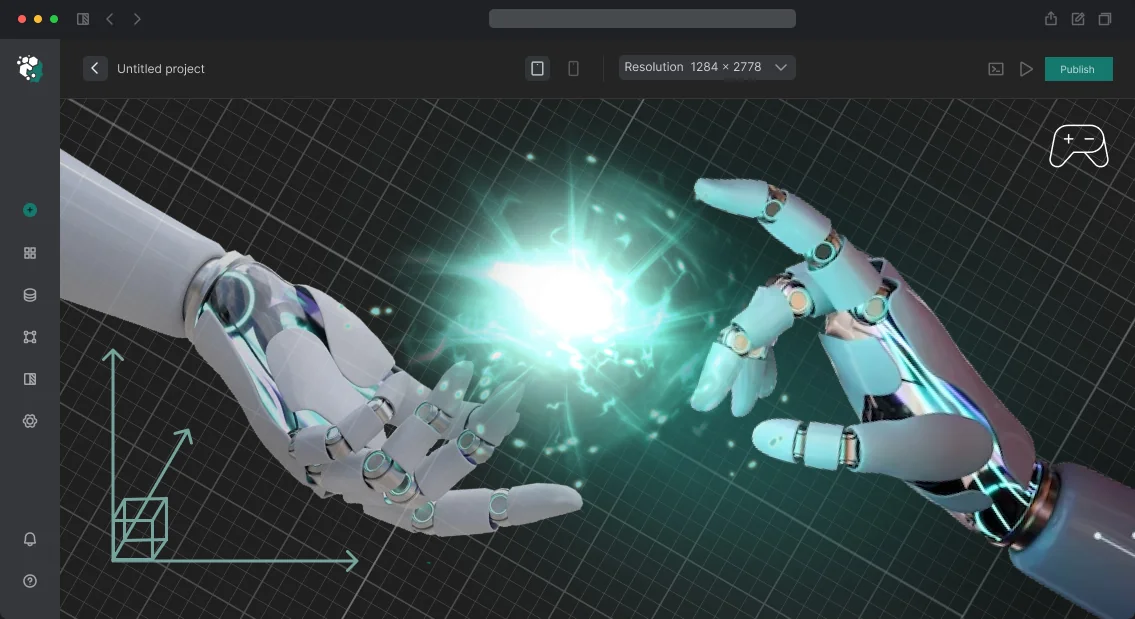
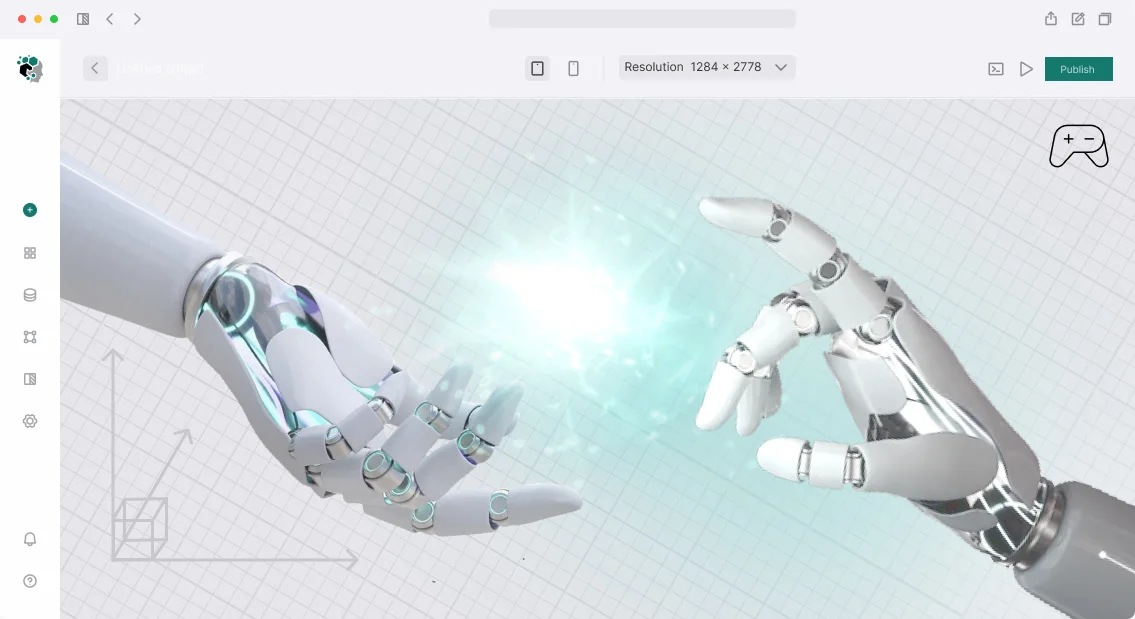

מדוע משחק ללא Post-processing Stack מפסיד למתחרים
שחקנים מחליטים אם להתקין משחק בתוך השניות הראשונות — על סמך צילומי מסך, הטריילר והרושם הראשוני מהחזות.
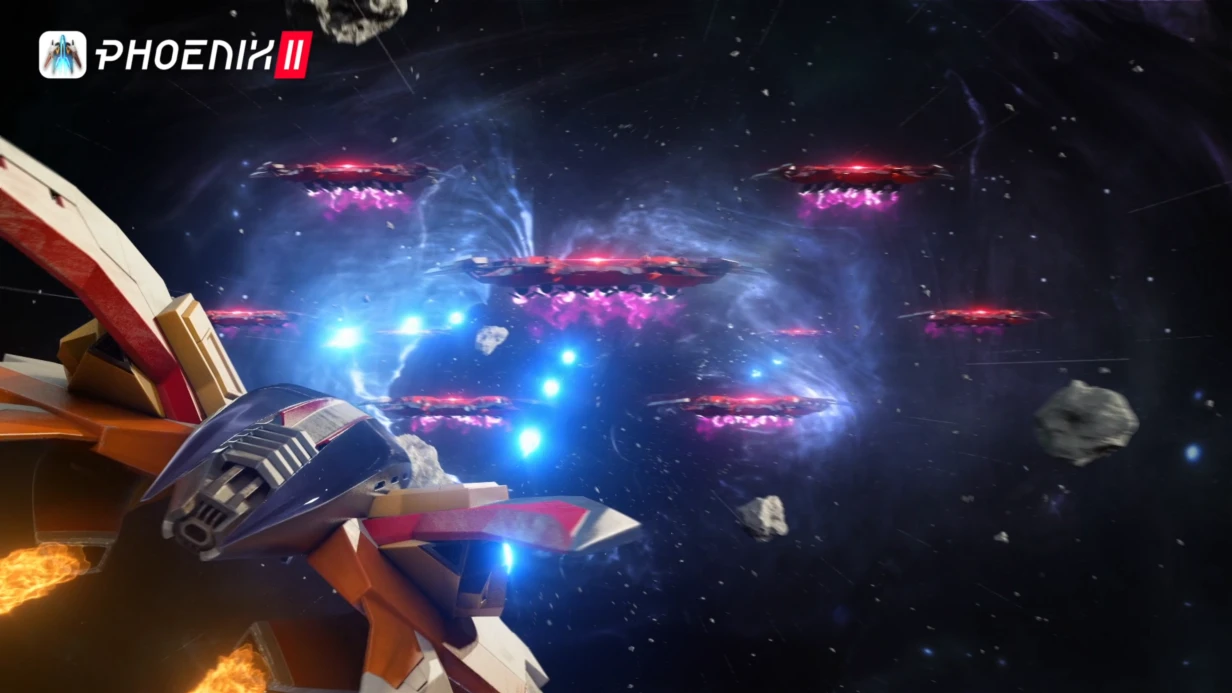
משחק ללא פוסט-פרוסינג איכותי נראה שטוח ו"זול" אפילו עם מודלים טובים: צללים אפורים, תאורה לא טבעית, מעברי צבע קשים.
במקרה כזה, הסגנון החזותי של המשחק לא מצליח להעביר את כוונת היוצרים, והפרויקט מפסיד למתחרים עוד לפני שלשחקן יש הזדמנות להעריך את המשחקיות.
השוק המודרני רווי יתר על המידה: למשתמשים יש מאות כותרים דומים לבחירה, ותשומת הלב נשמרת רק דרך אווירה.
דווקא אפקטים חזותיים במשחק — זוהר רך, עומק שדה, גריידינג צבע — הם שיוצרים את המראה ה"יקר" שמקושר לפרויקטים AAA. ללא עיבוד זה, אפילו מכניקה ייחודית לא זוכה לתשומת לב, בעוד מתחרים עם חזות אקספרסיבית יותר לוקחים את הקהל שלך.
הוספת פוסט-פרוסינג היא לא נגיעה אחרונה, אלא תנאי הכרחי לתחרותיות. היא משפרת את מצב הרוח של הסצנה, מכוונת את עין השחקן אל אובייקטים חשובים, והופכת את עולם המשחק לקוהרנטי.
כתוצאה מכך, המשחק נתפס כמוצר ברמה גבוהה, מה שמשפיע ישירות על ביקורות, שימור שחקנים ונכונות המשתמשים להמליץ על הפרויקט לחברים.
אנחנו עוזרים לסגור את הפער הזה: אנו מגדירים את Post-processing Stack כך שיפעל למען הסגנון החזותי של המשחק שלך, לא נגדו. אנחנו מתחילים מהמטרה האמנותית ומפלטפורמת היעד כדי להשיג תמונה אקספרסיבית מבלי לאבד ביצועים.
הלקוח מקבל משחק שנראה יקר יותר מהתקציב שלו ובולט בביטחון מול המתחרים.
אילו יתרונות מקבל משחק מאפקטים חזותיים איכותיים
אפקטים חזותיים איכותיים הם לא רק קישוט. הם הדבר הראשון ששחקן רואה כשמשיק את הפרויקט, והם מעצבים את ההחלטה להישאר.
פוסט-פרוסינג מוגדר כהלכה הופך סצנה רגילה לפריים קולנועי, גורם לשחקנים לשכוח מהצד הטכני ולהתמסר לחלוטין לעולם המשחק.
רושם ראשוני קובע הכל
שחקנים מעריכים חזות בתוך הדקות הראשונות. אם התמונה נראית יקרה, קוהרנטית ונעימה, הם ייתנו למכניקה ולסיפור הזדמנות. צבעים עמומים, מעברים קשים וצללים שטוחים מעלים ספקות לגבי האיכות הכוללת של המוצר.
פוסט-פרוסינג פותר את הבעיה הזו: עומק, נפח, אווירה — כל מה שיוצר מיד את מצב הרוח הנכון ומגביר את האמון בפרויקט.
מעורבות השחקנים גדלה
אפקטים חזותיים מחזיקים תשומת לב במהלך אירועי מפתח: קסם, פיצוצים, שינויי מזג אוויר ומעברים בין רמות. סצנות רגשיות הנתמכות ב-VFX איכותי נזכרות טוב יותר וגורמות לשחקנים לחיות מחדש רגעים.
שחקנים נשארים במשחק זמן רב יותר, מה שאומר אורך סשן ממוצע גבוה יותר וחזרות תכופות יותר. עבור הפרויקט, אלה מדדי שימור קהל ישירים.
ביקורות והמלצות עובדות לטובתך
משחק מרשים חזותית גורם לאנשים לרצות לשתף. צילומי מסך, סרטונים ואנימציות קצרות ברשתות החברתיות — כל זה הוא שיווק חינמי שמביא שחקנים חדשים. ביקורות חיוביות בפלטפורמות משפיעות ישירות על החלטות משתמשים אחרים.
פרויקט עם אפקטים חזותיים איכותיים זוכה ליותר דירוגים ואזכורים, מחזק את המוניטין שלו ועוזר לייצר תנועה אורגנית.
בליטה מול מתחרים והגדלת הכנסות
על רקע שחרורים חדשים דומים רבים, דווקא הגרפיקה הופכת לגורם המכריע. משחקים עם אפקטים מלוטשים זוכים לתשומת לב רבה יותר מבלוגרים, עיתונות ופלטפורמות.
זה מגדיל את ההמרה להתקנה ורכישה, ומגדיל הכנסות ללא הוצאות פרסום נוספות. ההשקעה ב-VFX מחזירה את עצמה דרך תשומת לב הקהל ועניין בחנות.
פורמטי אינטגרציה של אפקטים חזותיים למשימה שלך
כל פרויקט הוא ייחודי בדרכו: חלקם צריכים נגיעה אחרונה במשחק שכבר גמור, ואחרים רוצים למיקור חוץ את כל האפקטים החזותיים. לכן אנו מציעים שלושה פורמטי עבודה — מהגדרה חד-פעמית של Post-processing Stack ועד ליווי מלא של הפרויקט.
אתה משלם רק על ההיקף שפותר את המשימה שלך ומקבל תוצאה צפויה מבלי להיכנס לפרטים טכניים.
הטבלה שלהלן היא מדריך קצר לפורמטים. התמקד בשלב הפיתוח שלך, עומס העבודה של הצוות ולוח הזמנים של השחרור. אם אינך בטוח מאיפה להתחיל, שלח לנו את המצב הנוכחי שלך — נייעץ לך מה יהיה מהיר ואמין יותר עבורך.
| פורמט | למי זה מיועד | מה זה נותן ללקוח |
|---|---|---|
| הגדרת אפקטים חד-פעמית | צוותים שצריכים תוצאה מהירה בשלב הסופי או לפני דמו | סגנון מזוהה ומראה "יקר" בפרק זמן קצר. אתה מקבל הגדרות מוכנות וביטחון שהאפקטים לא ישברו את הבנייה. |
| ליווי פרויקט | אולפנים שמשחררים עדכונים, אירועים עונתיים ורמות חדשות באופן קבוע | תמונה יציבה עם כל שינוי תוכן, תמיכה בעדיפות גבוהה ותיקונים מהירים. האפקטים שלך תמיד תואמים לגרסה הנוכחית של המשחק. |
| אינטגרציה מלאה במפתח | חברות שיוצרות משחק מאפס או מתכוננות לעיצוב מחדש משמעותי | כל הסגנון החזותי מאב-טיפוס ועד שחרור: הגדרת אפקטים, אופטימיזציה, תיעוד והעברת ידע. אתה מקבל מוצר מוגמר שמרשים שחקנים ומגדיל המרות. |
אינטגרציה שלב-אחר-שלב של Post-processing Stack לתוך המשחק שלך
אינטגרציה של Post-processing Stack היא לא משימה חד-פעמית אלא סדרה של החלטות שמשפיעות על האווירה של המשחק.
כדי שלא תצטרך לנחש באיזה שלב נמצא הפרויקט ומתי שחקנים יראו את התוצאה, בנינו תהליך שקוף — מהבריף הראשוני ועד לשחרור העדכון.
- בריף ומטרה. אנחנו אוספים את הקלט: אילו סצנות וז'אנרים צריכים שיפור, באיזה סגנון המשחק משתמש, ובאילו פלטפורמות הוא ישוחרר. אתה מגדיר את המשימה, ואנחנו מראים את האפשרויות והמגבלות.
- ביקורת על החזות הנוכחית. אנחנו מנתחים סצנות חיות: היכן חסרים אור, צבע ועומק, והיכן אפקטים יהיו מיותרים. זה מאפשר לנו להתמקד בנקודות צמיחה מבלי לעשות עבודה מיותרת.
- תוכנית ואישור שלבים. אנחנו יוצרים תוכנית שלב-אחר-שלב עם לוחות זמנים משוערים ותוצאות צפויות. אתה מאשר סדרי עדיפויות ומבין מה ישתנה במשחק אחרי כל שלב.
- אב-טיפוס על סצנת מפתח. אנחנו מכינים דוגמה על מיקום אחד כדי שתוכל לראות איך פוסט-פרוסינג ישנה את המשחק לפני הגדרה המונית. אב-הטיפוס מקל על ביצוע התאמות וקבלת החלטה.
- יישום אפקטים. אנחנו מגדירים גריידינג צבע, עומק שדה, זוהר, ערפל אטמוספרי וגרעין. אנחנו בודקים יציבות במכשירי יעד ושומרים על קצב פריימים נוח.
- גרסת ביניים ותיקונים. אנחנו מוסרים גרסה לבדיקה. אתה משאיר הערות, אנחנו מבצעים שינויים ומראים שוב — זה נמשך עד שהתוצאה מספקת את הצוות.
- שחרור העדכון. אנחנו מכינים בניית שחרור, מוודאים שכל האפקטים עובדים כראוי במשחק המלא, ומספקים תמיכה בפרויקט לאחר השחרור אם יש צורך.
מה כלול בתוצר הסופי ומה אתה מקבל
אתה מקבל לא רק אפקטים מוכנים, אלא חבילה עובדת שהצוות שלך יכול להבין ללא תהליך חניכה ארוך.
כל החומרים נמסרים במבנה ברור, מקבצי מקור ועד מסמכי הדרכה, כך שתוכל להשתמש בתוצאה מיד, לפתח את הפרויקט בעצמך או למסור אותו לקבלנים אחרים מבלי לאבד הקשר.
- קבצי מקור עובדים של הפרויקט: כל הסצנות, ההגדרות והנכסים שנוצרו בגרסה הנוכחית — משולבים בבנייה שלך תוך יום אחד, בלי להישאר עם מה "להבין לבד".
- תיעוד ברור: עבור כל אפקט אנו מתארים איך הוא עובד, אילו פרמטרים שולטים בבהירות, צבע ודינמיקה, ובאילו תרחישים להשתמש בו. זה חוסך שעות של חקירה במסירות פנימיות.
- חומרי הדרכה: הוראות קצרות וסרטונים למומחים שלך כיצד להתאים אפקט או ליצור דומה בעצמם — ללא מעורבותנו או עמלות נוספות.
- סט של פרסטים מוכנים לפוסט-פרוסינג: מספר אפשרויות חזותיות טיפוסיות — קולנועי, ארקייד תוסס, "יקר" רך — בחר את מה שאתה צריך והחל אותו. אין צורך להגדיר מאפס.
- תיאור טכני למפתחים: היכן מאוחסנים קבצים, אילו רכיבים מעורבים וכיצד אפקטים משפיעים על ביצועים — כך שלא יהיו הפתעות במכשירים חלשים.
- רשימת בדיקה לקבלה: רשימת קריטריונים שלפיהם כל אפקט נחשב מושלם — מה שמקל על אימות התוצאה, קבלת העבודה והעברתה לשלב הפיתוח הבא.
- אחריות כתובה ותוכנית תמיכה: לאחר המסירה, אתה מקבל זמני תגובה מוגדרים לשאלות, היקף תיקונים חינמיים ונוהל לפתרון מחלוקות — אנחנו עובדים בשקיפות.
כיצד שיפרנו את החזות של משחק והגדלנו שימור שחקנים
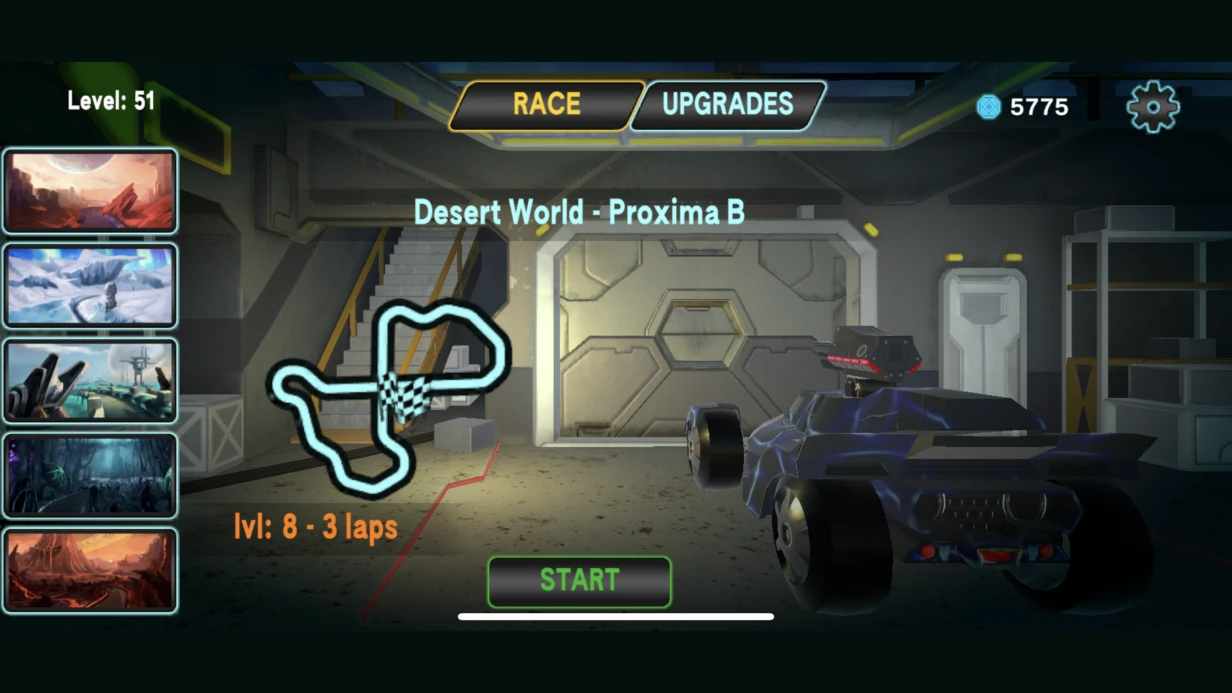
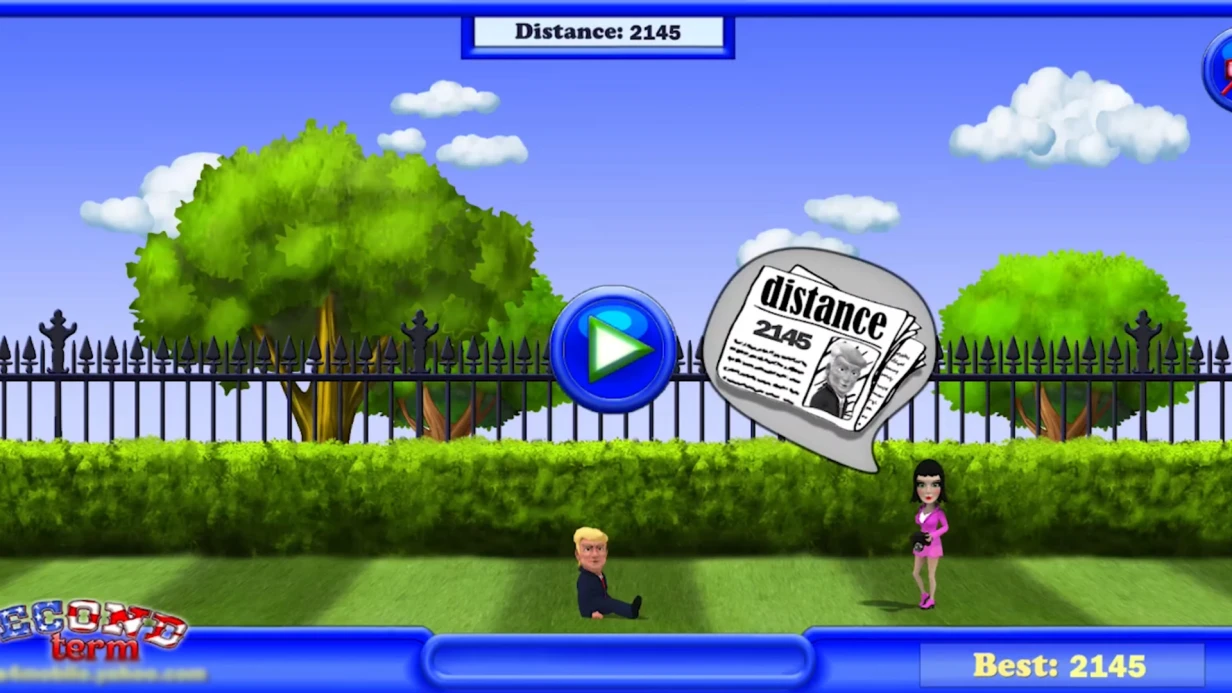
אחד הלקוחות הקבועים שלנו — אולפן שמפרסם משחק פאזל למובייל — נתקל בבעיה טיפוסית: למרות מכניקה מוצקה, שחקנים השלימו את הרמות הראשונות אבל לא נשארו. משתמשים כתבו שהמשחק "נראה זול" ולא תפס אותם, ושימור יום 2 ירד.
נכנסנו לתמונה עם המשימה לשפר את החזות מבלי לשכתב קוד ומבלי לוותר על ביצועים במכשירים חלשים.
מה עשינו
במקום שיפוץ גרפי מלא, התמקדנו באווירה. צוות של אמני VFX הגדיר פוסט-פרוסינג לסצנות: עומק שדה, זוהר רך וגריידינג צבע שיתאימו למצב הרוח של הרמות.
זה המקרה שבו Post-processing Stack מוגדר כהלכה מספק מראה "יקר" דרך אור ועומק, לא דרך מספר פוליגונים.
תוצאת היישום
חודש אחרי שחרור העדכון, שימור שחקנים ליום 2 גדל ב-18%, אורך הסשן הממוצע עלה מארבע לשבע דקות, וחלק השחקנים שהגיעו לרמה חמש עלה ברבע.
המשחק החל להופיע בהמלצות לעתים קרובות יותר כי משתמשים שיתפו צילומי מסך באופן פעיל יותר.
המלצת לקוח
ראש האולפן ב-GameFlow שיתף את הערכתו לשיתוף הפעולה: "ציפינו רק לקוסמטיקה, אבל קיבלנו צמיחה מדידה במדדים.
הנקודה היא שהצוות לא רק עשה הגדרות — הם הסבירו איך לשמור על הסגנון החזותי בהמשך כדי שלא נאבד את התוצאה." מאז, המשכנו לתמוך בפרויקט: אנחנו מעדכנים אפקטים לאירועים עונתיים חדשים, והאולפן כבר מתכנן למסור לנו את המשחק הבא שלהם.
איך לבחור פורמט אפקטים חזותיים למאפייני הפרויקט שלך?
אין פורמט אוניברסלי לאפקטים חזותיים: מה שעובד לפרויקט אחד יכול לאכזב אחר. פרויקט אחד צריך פיצוצים בהירים במסך מלא, אחר צריך גריידינג צבע שכמעט לא נראה.
אז השאלה איך לבחור פורמט היא החלטה עסקית: טעות מובילה לתשלום יתר או לחזות שלא מרשימה מבקרים.
אנחנו מתחילים את בחירת הפתרון לא עם גרפיקה, אלא עם המטרות שלך.
אנחנו מבררים את הדרישות הספציפיות של הפרויקט: היכן המשחק יוצג, כמה מבקרים נמצאים בקרבת מקום בו-זמנית, ואיזו תגובה אתה רוצה להשיג — אווירה קלילה או השפעה חזותית חזקה. התשובות לשאלות אלה קובעות את הפורמט.
לשם כך, אנו משתמשים בכלי פוסט-פרוסינג מקצועיים, כולל Post-processing Stack ב-Unity — הם מאפשרים לנו לבנות חזות מרגועה ועד קולנועית.
הצד הטכני נשאר אצלנו: אתה מקבל אפשרויות מוכנות ומבין איך הן נבדלות בהשפעה, בלוח זמנים ובתקציב.
אנחנו מכינים שניים או שלושה פורמטים לאותה משימה: בסיסי, אופטימלי ומשופר. אנחנו מראים על סצנות אמיתיות איך כל אחד ייראה ומסבירים בדיוק על מה אתה משלם. אין הבטחות מופשטות — רק השוואה שאתה יכול להביא בקלות להחלטה.
המסקנה פשוטה: אתה מתאר את המטרות והקהל שלך, ואנחנו מציעים פורמט שמספק את האפקט הרצוי ללא עלויות מיותרות. הבא לנו את המשימה שלך — נמצא פתרון לפרויקט ולתקציב שלך.
שאלות נפוצות על יישום אפקטים חזותיים
יישום אפקטים חזותיים הוא השלב שאחריו משחק מתחיל להיראות יקר, אבל לפני שמתחילים, ללקוחות תמיד יש ספקות. אנחנו עונים על השאלות המרכזיות כדי שתבין את התהליך והסיכונים לפני חתימת החוזה.
כמה זמן לוקח יישום אפקטים חזותיים?
זה תלוי במספר הסצנות ובמורכבות האפקטים. אינטגרציה סטנדרטית אורכת 5–10 ימי עבודה, כולל הגדרה ובדיקה על בניות בדיקה. לוח הזמנים המדויק נקבע בשלב הבריף ונכתב בחוזה.
האם זה ישפיע על יציבות המשחק?
אנחנו עובדים עם כלי Unity מוכחים ומשתמשים בגישה מקצועית להגדרה. אנחנו בודקים כל אפקט במכשירים שונים — מחלשים ועד דגלונים. אם משהו עלול להאט, אנחנו בוחרים פתרון פשרה מראש כדי לשמור על חלקות.
איך מחושב המחיר?
המחיר מחושב לאחר ביקורת על מספר הסצנות, מורכבות האפקטים ולוח הזמנים. בשלב הבריף אתה מקבל הערכה שקופה: מה נעשה, כמה זמן זה לוקח ואיזו תוצאה תקבל. אין עמלות נסתרות — אנחנו קובעים את ההיקף לפני התחלה.
האם זה תואם לבנייה הנוכחית שלנו?
אנחנו מבקשים גישה לבניית בדיקה, לומדים את הפרויקט ואז נותנים הערכה מדויקת. Post-processing Stack כבר מובנה ב-Unity, כך שניתן להוסיף אפקטים כמעט לכל משחק. אנחנו מבצעים את כל השינויים בענף נפרד כדי לא להשפיע על קוד הייצור.
האם אתם מבטיחים את העבודה שלכם?
כן, אנחנו כוללים אחריות על כל האפקטים שיושמו בחוזה. אם משהו מפסיק לעבוד אחרי עדכון Unity או שינויים שנעשו בצד שלך, נתקן זאת בחינם במסגרת הזמן המוסכם.
בואו נדבר על איך לשפר אפקטים חזותיים במשחק שלך?
ספר לנו על המשחק שלך ועל המטרות שאתה רוצה להשיג עם אפקטים מרהיבים. אנחנו נעריך את הפרויקט ונציע פתרונות שיחזקו את האווירה, יעסיקו שחקנים ויעזרו לך לבלוט מול מתחרים.
פוסט-פרוסינג כבר היום יכול לשנות באופן קיצוני את תפיסת המשחקיות — מחזות קולנועית ועד סצנות קרב דינמיות. המשימה שלנו היא לבחור את הכלים שמספקים את האפקט החזותי המרבי ללא עלויות מיותרות של משאבים או זמן פיתוח.
מה אתה מקבל מיד לאחר פנייה אלינו:
- ייעוץ ראשוני — נפרק את המשימה שלך ונספר לך אילו אפקטים חזותיים הפרויקט שלך צריך.
- הערכה ראשונית של עלות ולוח זמנים — תבין מיד את התקציב ושלבי העבודה.
- בחירת אפקטי פוסט-פרוסינג מתאימים למצב הרוח ולז'אנר הרצויים של המשחק.
- דוגמאות לעבודה שלנו על משימות דומות — תראה איך התוצאה יכולה להיראות במקרה שלך.
- המלצות לשילוב אפקטים בתהליך הפיתוח הנוכחי שלך.
- תוכנית פעולה ברורה: מה אנחנו עושים בכל שלב ומתי התוצאה תופיע.
אנחנו עובדים עם ציוד מקצועי וכלים מוכחים, כך שאתה מקבל תוצאה יציבה וצפויה. אין "חזיר בשק": רק לוחות זמנים ברורים, תקשורת שקופה ותמונה סופית שהצוות יכול להתגאות בה.
בואו נדבר על הפרויקט שלך? השאר פנייה — נחשב את העלות ונציע אפשרויות שישפרו את האפקטים החזותיים במשחק שלך.