


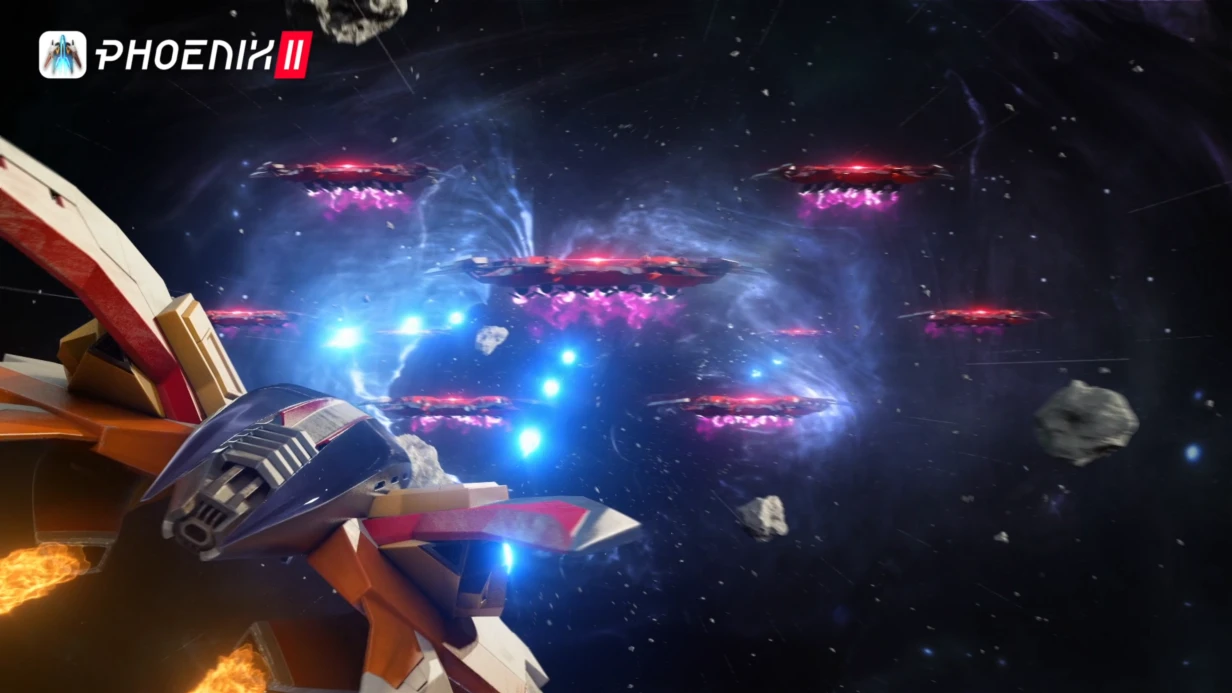
מדוע משחקים מאבדים שחקנים ורווחים ללא ProBuilder
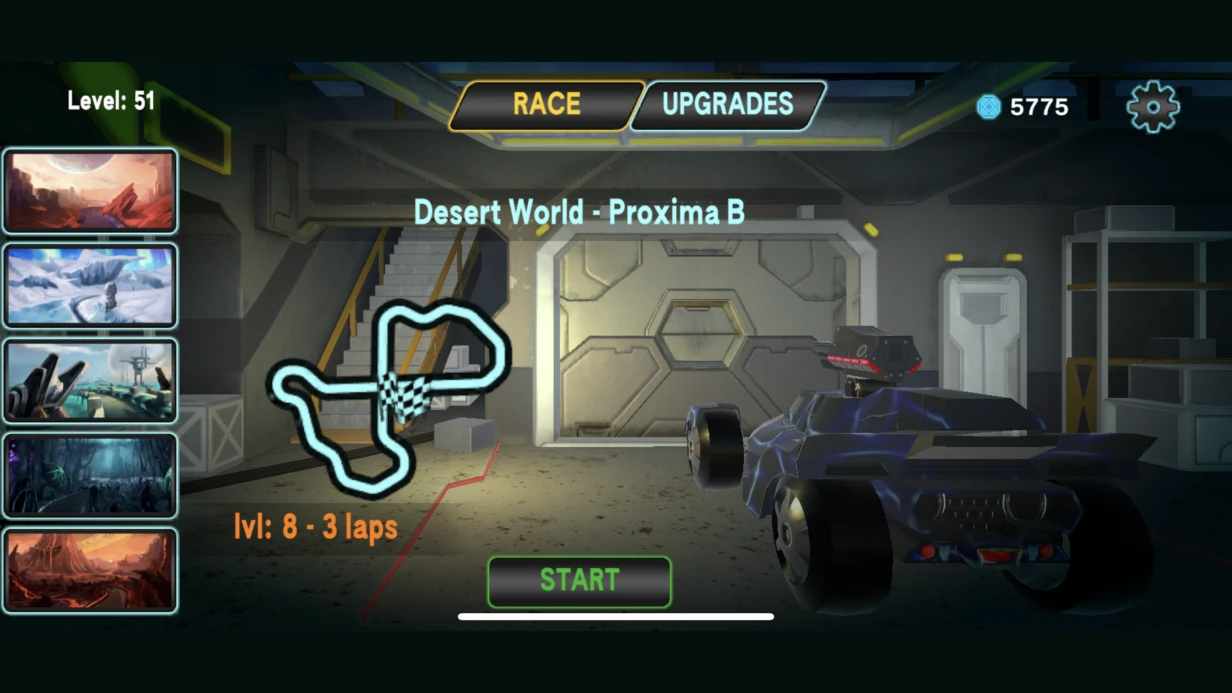
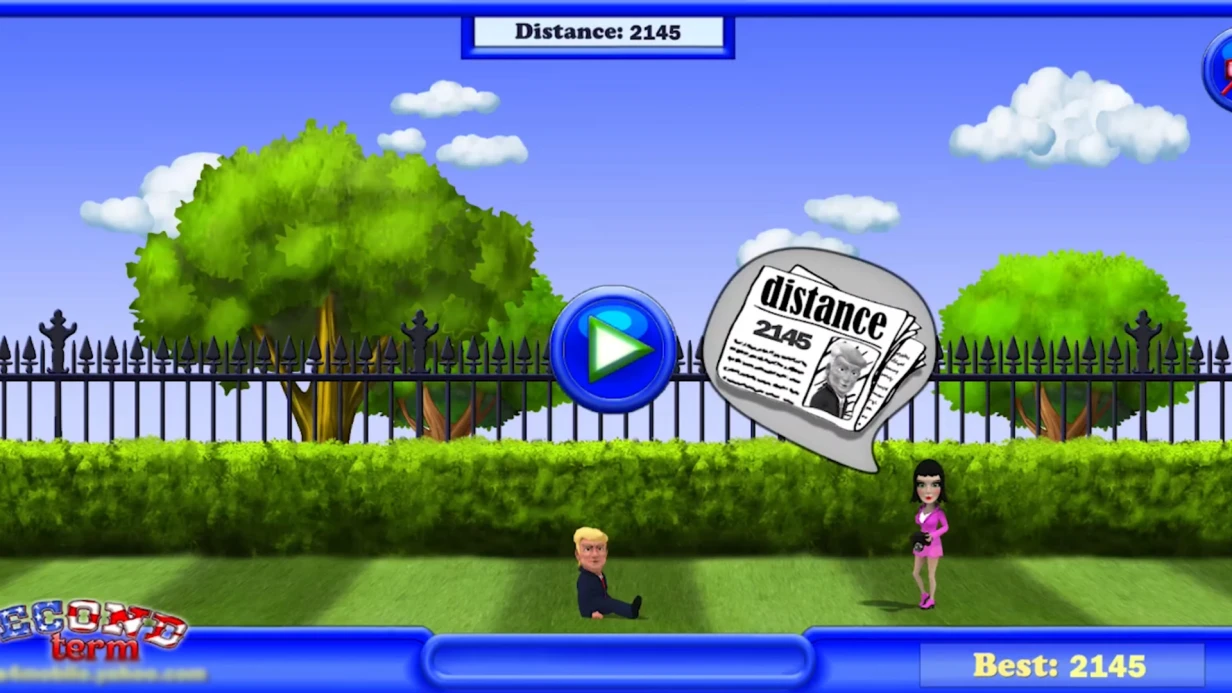
שחקנים לא קוראים ביקורות על המשחקיות — הם קודם כל מסתכלים על הוויזואליה ומקבלים החלטה תוך שניות. אם משחק נראה זול אפילו בסצנות דינמיות, המשתמש סוגר את הדף ועובר למתחרים בלי לתת סיכוי למכניקה.
כל עזיבה כזו היא משתמש משלם שאבד ופגיעה בהכנסות עתידיות: שחקן שמעולם לא עבר את הרמה הראשונה לעולם לא יקנה פריטים בתוך המשחק.
במקביל, אפקטים מיוחדים איכותיים משפיעים ישירות על שימור שחקנים. שחקנים נשארים בפרויקט כאשר כל פעולה מעוררת תגובה: פיצוץ, הבזק, חלקיקים, שינויי תאורה.
ללא זה, אפילו מכניקה מעניינת מרגישה "גולמית" ולא גמורה, ותרומות נתפסות כקנייה של "ריק". לכן VFX מקצועי הוא לא קישוט אלא כלי מונטיזציה: משוב ויזואלי מגביר את ההנאה ומניע חזרות למשחק.
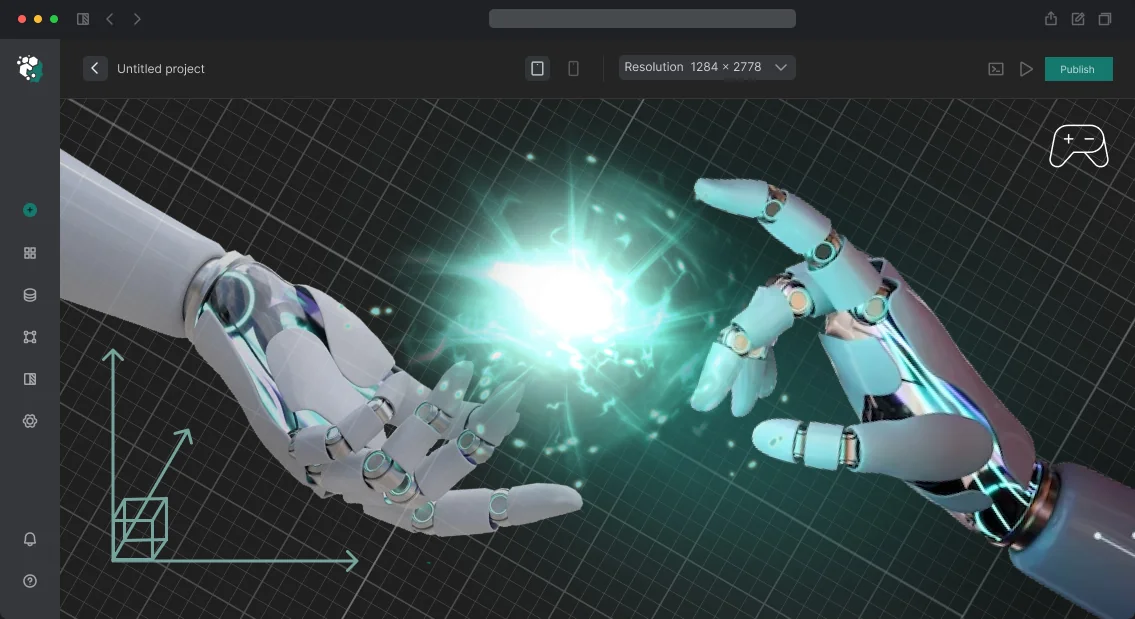
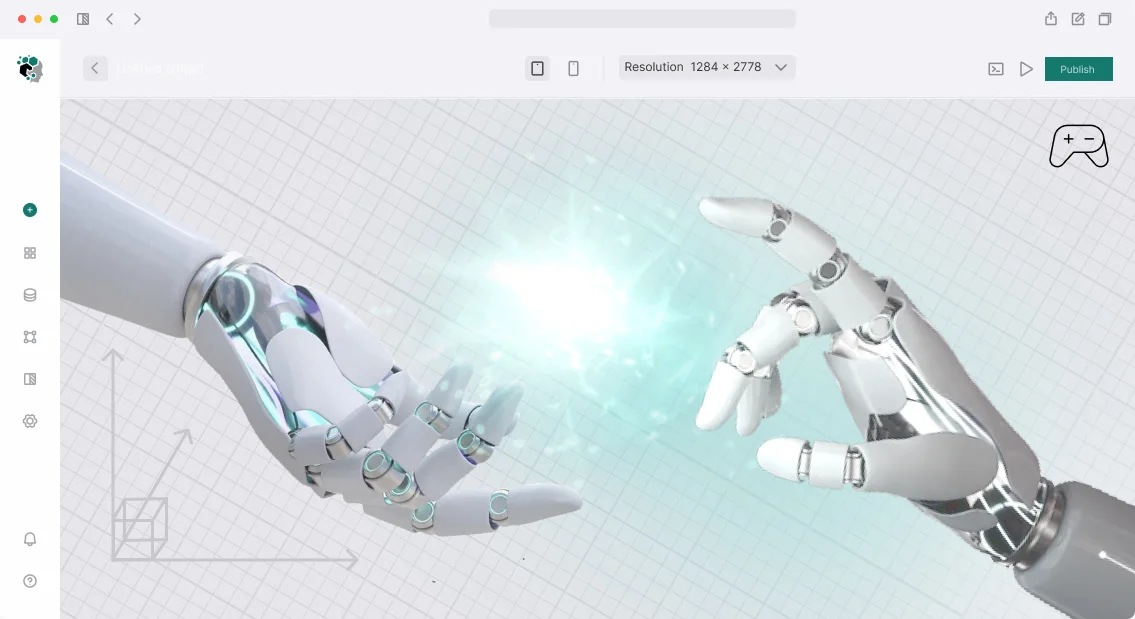
אנחנו מכסים את הצורך הזה עם ProBuilder — כלי שמאיץ יצירת אפקטים מיוחדים למשחק ומאפשר להרכיב במהירות סצנות ויזואליות מורכבות ישירות בעורך Unity.
אנחנו עובדים על סטאק מקצועי, כך שהלקוח מקבל לא "רק תמונה" אלא תוצאה ניתנת לניהול: אפקטים לא מאטים את ה-build, עובדים בצורה אמינה על פני מכשירים, ומשתלבים בקלות במשחק קיים.
תוצאה מעשית: לאחר יישום VFX דרך ProBuilder, שחקנים נשארים בסשנים זמן רב יותר, חוזרים בתדירות גבוהה יותר, ומוכנים יותר להוציא כסף על שדרוגים.
ובעל העסק מקבל משחק שבולט מול מתחרים ומייצר יותר הכנסות בלי להגדיל את תקציב הפרסום. הרמה הוויזואלית הופכת ליתרון התחרותי שלך במקום לנקודת החולשה של הפרויקט.
5 היתרונות המובילים של VFX מקצועי לעסק שלך
VFX מקצועי ב-Unity דרך ProBuilder הוא כלי לצמיחה במדדי עסקיים מרכזיים, לא רק תמונה. הוא משפיע ישירות על מעורבות, ויראליות, הכרת מותג, יצירת לידים ונאמנות שחקנים. אנחנו מראים איך כל אחד מהיתרונות האלה עובד עבור הפרויקט שלך.
ראשון — מעורבות. אפקטים מרהיבים תופסים תשומת לב וגורמים לשחקנים לחזור שוב. סשן ארוך יותר — יותר חשיפות למודעות ויותר רכישות בתוך המשחק.
שני — ויראליות. רגעים מרשימים שווים צילום ושיתוף. כל סרטון הוא פרסום חינמי שמביא משתמשים חדשים.
שלישי — הכרת מותג. סגנון VFX ייחודי הופך את המשחק לזיהוי גם בלי לוגו. זה עובד לזיכרון ארוך טווח ומבדל את המוצר מהמתחרים.
רביעי — יצירת לידים. דמואים עם אפקטים בהירים מושכים תשומת לב בתערוכות ובחנויות. משתמשים מוכנים יותר להשאיר פרטי קשר ולנסות את המוצר.
חמישי — נאמנות שחקנים. רגשות סולחים על חסרונות, ועדכונים קבועים עם אפקטים מחזירים אפילו שחקנים שעזבו. קהילה חזקה משמעותה רכישות חוזרות והמלצות מפה לאוזן.
כל אחד מהיתרונות האלה מתורגם לתוצאה מדידה. אנחנו כבר הקמנו את התהליך הזה ויודעים איך להפיק את המקסימום מ-VFX לעסק שלך.
פורמטים של פיתוח VFX עם ProBuilder: מרעיון ועד השקה
משימות שונות דורשות היקפי עבודה שונים: לפעמים צריך לבדוק רעיון במהירות, לפעמים צריך לספק מוצר מוגמר עד תאריך.
אנחנו מציעים שלושה פורמטים של שיתוף פעולה כדי שתשלם רק על התוצאה שאתה צריך כרגע ותוכל להרחיב את ההיקף ככל שהפרויקט גדל. להלן השוואה ויזואלית.
| פורמט | למי | מה הלקוח מקבל |
|---|---|---|
| אב-טיפוס | לאימות קונספט, מצגות פנימיות, בקשות תקציב | דרך מהירה וזולה לראות איך אפקטים מיוחדים נראים ומתנהגים לפני פיתוח מלא |
| גרסה עובדת | למשחקים שבהם VFX נדרשים בסצנות מפתח אבל לא כל פרט דורש ליטוש | סט מלא של אפקטים לאירועי מפתח: הם כבר עובדים במשחק ומוכנים לבדיקה |
| מחזור מלא | לפרויקטי השקה עם ציפיות גבוהות של שחקנים ולוחות זמנים קפדניים | התוצאה הסופית: רינדור, אופטימיזציה, אינטגרציה, כוונון לכל הפלטפורמות ותמיכה טכנית |
בדרך כלל לקוחות מתחילים עם אב-טיפוס — זה מאפשר להעריך את הסגנון והעלות של האפקטים לפני השקעה גדולה. אם התוצאה מספקת, אנחנו מרחיבים את העבודה למחזור מלא, והעבודה שכבר נעשתה לא הולכת לאיבוד. גישה זו מסירה את הסיכון של "השקעתי הרבה, אבל קיבלתי משהו אחר."
בבחירת הפורמט, אנחנו מסתמכים על המטרות והתקציב שלך. הודות להגדרת כלים גמישה, כולל עבודה מהירה בסצנות ב-ProBuilder בשלבים מוקדמים, אנחנו חוסכים זמן בגרסאות טיוטה ומפנים משאבים למה שבאמת משפיע על רושם השחקן. אתה מקבל תוכנית ברורה, עלות קבועה ותוצאה שאפשר להראות לצוות כבר באיטרציה הראשונה.
איך פרויקט מתפתח: 7 שלבים מבריף ועד השקה
אנחנו עובדים עם תהליך שקוף: אתה מבין מה קורה בכל שלב ושולט בתוצאה. ניסיון מעשרות פרויקטים ביטל אי-הבנות ופספוסי מועדים — מה שנשאר הוא תכנית שמובילה מבריף ועד השקה בלי הפתעות.
-
בריף והתעמקות במשימה. אתה מספר לנו על המוצר, הקהל והמטרות — אילו רגשות האפקטים המיוחדים צריכים לעורר. אנחנו שואלים שאלות הבהרה כדי ללכוד דרישות וקריטריוני הצלחה.
-
ניתוח ובחירת פתרון. אנחנו לומדים סצנות משחק, מכניקה ודוגמאות שאתה אוהב. אנחנו מגדירים את הסגנון, המורכבות והיקף העבודה כדי שלא תשלם על מה שלא נחוץ.
-
אישור תכנית ולוח זמנים. אנחנו נועלים שלבים, הרכב אפקטים ותאריכים. אתה מקבל הערכה ברורה ומבין על מה אתה משלם ומתי התוצאה תגיע.
-
אב-טיפוס של האפקט המרכזי. על סצנה חשובה אחת, אנחנו יוצרים במהירות דוגמה ב-Unity באמצעות ProBuilder — זה מאיץ את הפיתוח בלי לאבד איכות. אתה רואה את הכיוון ומבצע שינויים לפני שתחילת הייצור המלא.
-
פיתוח הסט המלא. אנחנו יוצרים את כל האפקטים, מכוונים את ההתנהגות שלהם בסצנות מפתח ומוודאים שהם משפרים את חוויית המשחק. אנחנו מציגים גרסאות ביניים באופן קבוע.
-
בדיקות וליטוש. אנחנו בודקים יציבות, מהירות טעינה והיעדר שגיאות ויזואליות. אנחנו מלטשים פרטים לרמה שבה אפקטים נראים מגובשים ולא שוברים את המשחקיות.
-
השקה ותמיכה. אנחנו מוסרים חומרים סופיים, הוראות ברורות ועוזרים לצוות לשלב את האפקטים בפרויקט. אחרי ההשקה אנחנו נשארים זמינים לשינויים ושיפורים עתידיים.
מה כלול במסירה: חבילה מלאה לתוצאה הסופית
השאלה המרכזית בהזמנת VFX היא לא "איך זה נעשה" אלא "מה אנחנו מקבלים בידיים." לכן אנחנו מוסרים לא רק תוצאה מונפשת אלא חבילה מלאה שהצוות שלך יכול להשתמש בה כדי לעבוד ולפתח את האפקטים באופן עצמאי.
זה הופך את ההשקעה באפקטים מיוחדים מהוצאה חד-פעמית לנכס שמחזיר את עצמו בפרויקטים עתידיים.
המסירה כוללת:
- תוצאת הפרויקט הסופית — אפקטים מוגמרים המשולבים בסצנת Unity ועובדים עם הלוגיקה של המשחק שלך.
- קבצי מקור של האפקטים — כל ההגדרות, החומרים והטקסטורות, לא "קופסה שחורה."
- פרויקט סצנת ProBuilder — אבות-טיפוס גיאומטריים ראשוניים שעליהם נבנו האפקטים, כדי שתוכל לראות איך הקומפוזיציה מסודרת.
- תיעוד ברור — הוראות קצרות כיצד לשנות צבע, מהירות, גודל או צפיפות חלקיקים בלי לפנות למפתח.
- העברת חבילה — קבצים ארוזים בצורה מסודרת שמתחברים לפרויקט שלך תוך יום עבודה אחד.
- הדרכת צוות — הקלטות וידאו והדרכות על איך האפקטים עובדים, עם תשובות לשאלות של המומחים שלך.
- השקה ותמיכה — אנחנו נשארים זמינים עד שהאפקטים רצים ביציבות ב-build שלך.
הביטחון הפנימי של הצוות שלך
ההדרכה בנויה כך שהמפתח או האמן הטכני שלך יוכל לשנות באופן עצמאי פרמטרים של אפקטים לרמה או אירוע חדש. אין "קסם" — רק מבנה פרויקט לוגי והערות ברורות.
השקה בלי הפתעות
אנחנו לא נוטשים אותך אחרי מסירת הקבצים — אנחנו מלווים את האינטגרציה עד ההשקה. אם משהו מתנהג בצורה לא צפויה ב-build, אנחנו חוקרים ומביאים אותו לפעולה יציבה. התוצאה: אפקטים שעומדים במגע עם מוצר אמיתי ומתפתחים יחד עם המשחק שלך.
מקרה בוחן: שימור שחקנים גדל ב-32% לאחר יישום VFX
בפיתוח משחקים, אפקטים מיוחדים נתפסים בדרך כלל כקוסמטיקה — "כדי שיהיה יפה." אבל בפועל, VFX משפיעים ישירות על הרגשות של השחקן ועל ההחלטה שלו להמשיך את הסשן ולחזור מחר.
זו הסיבה שאנחנו בונים את עבודת האפקטים סביב מדדים מדידים ולא סביב משאלות כמו "תעשה את זה יותר בהיר."
אחד המקרים שלנו היה פרויקט roguelike לפלטפורמות ניידות. ללקוח הייתה מכניקה טובה, אבל עד היום הרביעי רוב המשתמשים עזבו.
ניתוח סשנים הראה: שחקנים לא הרגישו את המשמעות של הפעולות שלהם — תגמולים נראו זהים, קרבות הרגישו תפלים, והופעת אויבים לא עוררה שום תגובה.
הצענו יישום VFX מקיף: פיצוצים, אפקטי קסם, אנימציית משוב נזק והופעת פריטים.
בעבודה על Unity, השתמשנו בכלים מובנים, כולל ProBuilder, כדי לכוון במהירות אפקטים ברמות קיימות. זה אפשר לנו להימנע משיפוץ הארכיטקטורה ובמקום זאת להטמיע בקפידה פתרונות ויזואליים בלוגיקה הקיימת — בלי הפסקת פיתוח ארוכה.
חודש אחרי שחרור העדכון, מדדנו את התוצאות: שימור שחקנים ביום 7 גדל ב-32%, אורך סשן ממוצע עלה מ-8 ל-12 דקות, וחלק ההשקות החוזרות בשבוע עלה ב-18%.
במקביל, הפוסטים במדיה החברתית גדלו — שחקנים התחילו לשתף צילומי מסך וסרטונים של סצנות קרב.
המקרה הזה הוא דוגמה ברורה לאיך רגשות ויזואליים הופכים למדדים עסקיים. אם המשחק שלך מאבד קהל בשלבים מוקדמים, הסיבה עשויה להיות לא איזון אלא משוב ויזואלי חלש. אנחנו עוזרים לסגור את הפער הזה — עם מדדים ברורים לפני ואחרי כדי שתראה את הערך האמיתי.
מה לבחור: ProBuilder או ערכת הכלים הסטנדרטית של Unity?
התשובה הקצרה: אין מנצח אוניברסלי. כלי הוא אמצעי למטרה, אז הבחירה תלויה במשימה, בלוח הזמנים ובתקציב. חלק צריכים אפקט לאירוע קרוב, ואחרים בונים קמפיין אינטראקטיבי ארוך — הגישות יהיו שונות.
ProBuilder הוא כלי ליצירה מהירה של אובייקטים תלת-ממדיים בתוך Unity. איתו, אנחנו מרכיבים אפקטים מסוגננים בלי הכנה ארוכה, מה שהופך את הגישה למועילה ללוחות זמנים צפופים ותקציבים מוגבלים: התוצאה נראית מיד, בלי השקעה נוספת.
ערכת הכלים הסטנדרטית של Unity מציעה יותר אפשרויות לויזואליה מפורטת: חומרים, תאורה, דינמיקה. ליטוש כזה דורש יותר זמן ומשאבים, ולכן הוא מוצדק כשהאפקט עובד על בסיס קבוע — אזור אינטראקטיבי, ויטרינה, תרחיש אימון.
עדיף לשאול לא "איזה כלי" אלא "מה התוצאה צריכה להיות." בשלב הבריף, אנחנו מעריכים את המטרה והתוצאה הצפויה, ורק אז בוחרים את הגישה.
בפועל, רוב המשימות מטופלות עם פתרון מהיר בלי לאבד איכות — לקוחות לא צריכים מורכבות מיותרת.
תשאיר את הבחירה לנו: יותר מ-10 שנים בעבודה על פרויקטי משחק, עשרות השקות מוצלחות — אנחנו יודעים איפה פתרון פשוט מספיק ואיפה נדרש ליטוש רציני. אתה מקבל אפקט בדיוק בזמן ובדיוק למשימה, לא טכנולוגיה לשם טכנולוגיה.
שאלות נפוצות על פיתוח אפקטים מיוחדים
אנחנו יודעים ששאלות עולות לפני הזמנת אפקטים מיוחדים: כמה זה עולה, מתי זה יהיה מוכן, ומה לעשות אם משהו משתבש. אתה משקיע כסף ואחראי לקהל שלך על התוצאה — אז אנחנו עונים בכנות ולעניין. להלן התשובות לשאלות שנשאלות הכי הרבה לפני תחילת פרויקט.
כמה זמן לוקח פיתוח אפקטים מיוחדים?
לוח הזמנים תלוי במורכבות ובכמות האפקטים. בדרך כלל אפקט אחד לוקח 3 עד 7 ימי עבודה. בהתחלה, אנחנו קובעים מועדים מדויקים בחוזה ועומדים בהם.
אם אתה צריך אפשרות דחופה, נדון איך להאיץ את התהליך בלי לאבד איכות — למשל, לפשט פרטים בודדים שלא משפיעים על הרושם של השחקן.
איך נקבעת העלות?
העלות מחושבת אחרי אודיט — היא תלויה בהיקף העבודה: מספר האפקטים, המורכבות שלהם ועומק הליטוש.
אחרי בריף קצר, אתה מקבל הערכה עם סעיפים ברורים — בלי עמלות נסתרות או "אותיות קטנות." התשלום הוא לפי אבני דרך: אתה משלם על התוצאה שהתקבלה, לא על הזמן שהושקע.
אילו אחריות אתם נותנים על התוצאה?
כל האפקטים שנוצרו מכוסים באחריות. אם משהו לא עובד כמו שצריך אחרי המסירה — למשל, אפקט לא מוצג במכשיר מסוים או מאט את המשחק — אנחנו מתקנים בחינם בתוך תקופת האחריות. התנאים מתועדים בחוזה כדי שתדע בדיוק על מה לסמוך.
מה קורה אם משהו נשבר במהלך התהליך?
אנחנו עובדים עם כלים מקצועיים, כולל ProBuilder לאב-טיפוס מהיר, ועוקבים אחר פרוטוקולי איכות פנימיים. אם אכן מתרחשת שגיאה, אתה תהיה הראשון לדעת. אנחנו מציעים פתרון תוך יום עבודה אחד ולא משאירים אותך לבד עם הבעיה. כל קבצי המקור נשארים אצלך, כך שאחרי הפרויקט אתה לא תלוי בנו.
האם אתם עוזרים אחרי ההשקה?
כן, אנחנו לא נוטשים את הפרויקט אחרי המסירה. במהלך תקופת האחריות, אנחנו עונים על שאלות ומבצעים תיקונים אם משהו משתבש. אם צריך, אנחנו חותמים על חוזה לתמיכה שוטפת — אתה יכול לפנות אלינו לעזרה ושיפורי אפקטים בכל עת.
מוכן לשפר את המשחק שלך? שלח בקשה לייעוץ
כבר הבנת איך ProBuilder עוזר ליצור אפקטים מיוחדים למשחק מהר יותר וקל יותר משיטות קלאסיות. עכשיו נשאר רק צעד אחד — שלח בקשה לייעוץ
הצוות שלנו יחזור אליך, ינתח את המשימה שלך ויציע תכנית פעולה ברורה — בלי "נחזור אליך מאוחר יותר" או הבטחות מעורפלות.
הייעוץ הוא חינמי ולא מחייב: אתה מקבל ערך גם אם תחליט מאוחר יותר לעבוד עם צוות אחר. חמש עשרה דקות של שיחה מספיקות כדי להבין באיזה כיוון ללכת כדי לשפר את המשחק שלך. מיד אחרי שתפנה אלינו, אנחנו:
- נאשר את הבקשה שלך תוך יום עבודה אחד — בטלפון, באימייל או במסנג'ר;
- ננתח את סצנת המשחק שלך: מה כבר עובד, מה מאט, איפה תשומת הלב של השחקן אובדת;
- נראה איך ProBuilder מאיץ את יצירת אובייקטי המשחק והאפקטים המיוחדים;
- נעריך את היקף העבודה בימים ובשלבים — בלי אותיות קטנות או הפתעות בלתי צפויות;
- נספק המלצות על סמך הז'אנר, הפלטפורמה והקהל של המשחק שלך;
- ננעל את הצעדים הבאים כדי שתבין מאיפה נתחיל ומתי תראה את התוצאה הראשונה.
מה שקורה אחר כך הוא לגמרי ההחלטה שלך. אתה יכול לעצור, להשוות הצעות או להתחיל את העבודה מיד.
בכל מקרה, אחרי הייעוץ תהיה לך תמונה ברורה: איך לשפר את המשחק, כמה זמן זה ייקח, אילו אפקטים יביאו את הצמיחה הגדולה ביותר בעניין השחקנים, ומה נכנס לשלב הראשון. שלח בקשה — נתחיל בפירוט, בלי לחץ ובלי התחייבויות.