

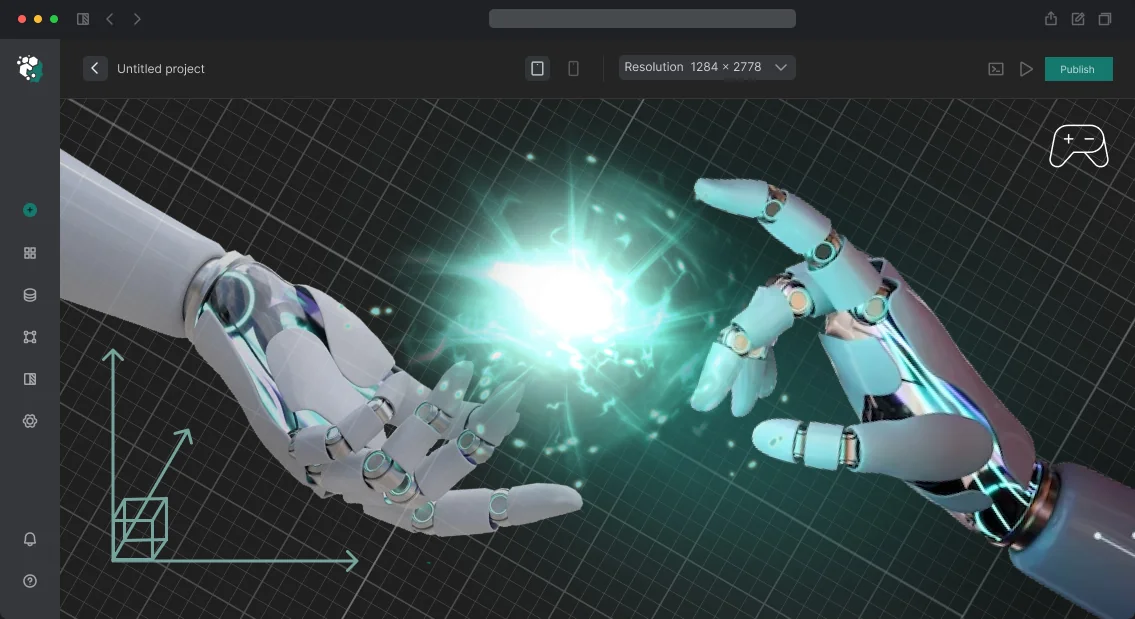
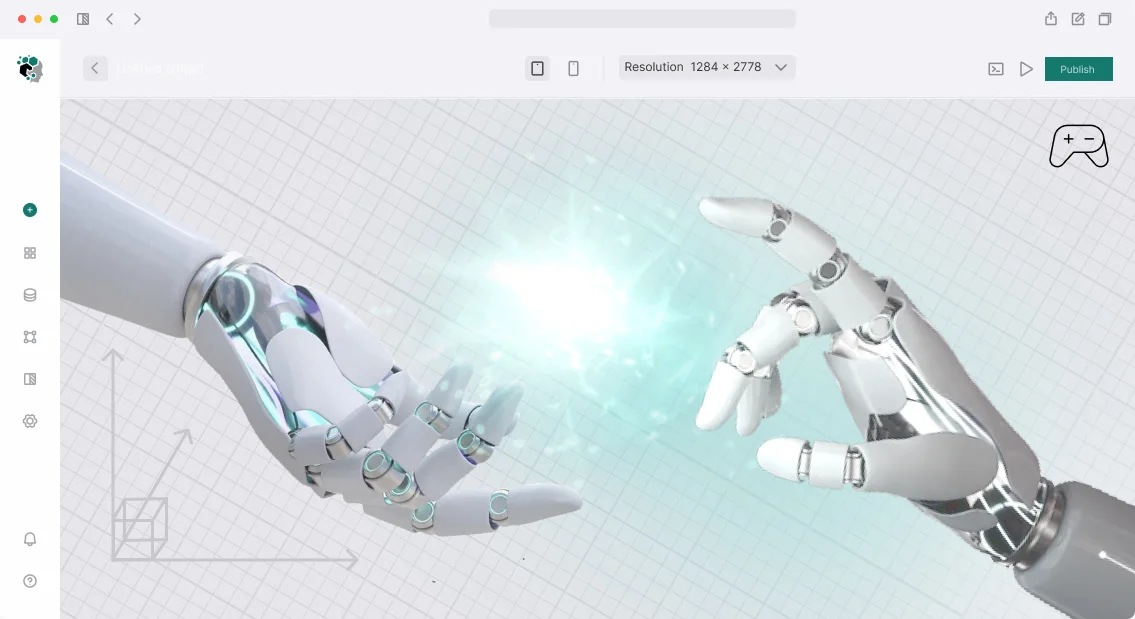
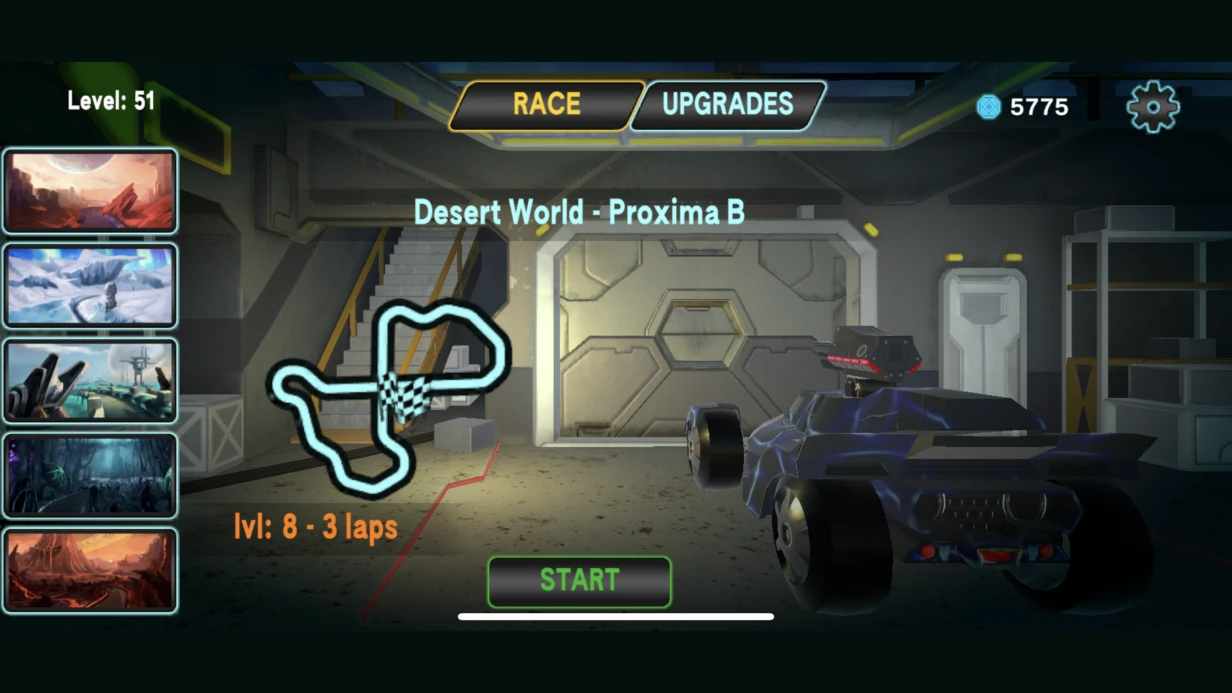

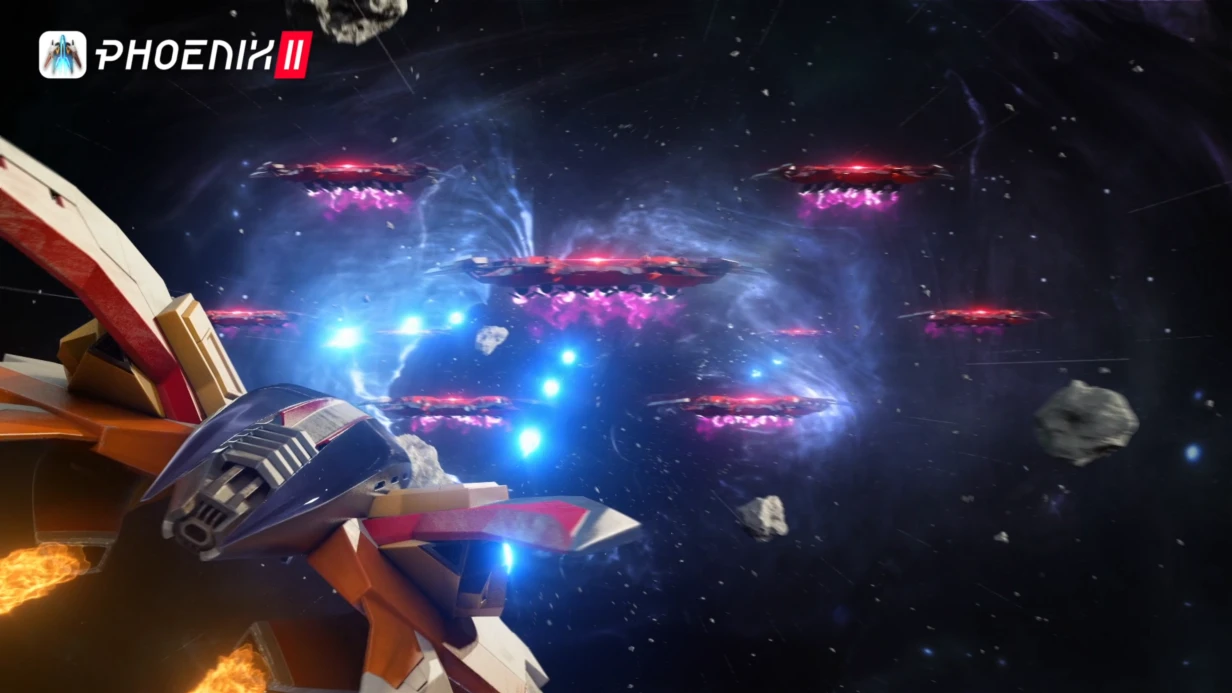
מדוע משחקים ללא Reflection Probes נכשלים בלכידת שחקנים
כששחקן פוטנציאלי מסתכל על משחק, הוא שופט את הוויזואליה לפני המשחקיות. משטחים עמומים ללא השתקפויות חושפים מיד גרפיקה חלשה, גם אם המכניקה מצוינת.
המשחק מרגיש מיושן — והמשתמש עובר למתחרה שהוויזואליה שלו נראית מלוטשת ומשכנעת יותר.
ללא השתקפויות איכותיות, פרויקט מאבד עומק ותחושת נוכחות: אובייקטים לא מתקשרים עם אור, העולם נראה שטוח ונכשל ביצירת מעורבות.
וכשהוויזואליה לא מעוררת רגש, המעורבות יורדת — שחקנים מגיבים פחות, מצלמים פחות צילומי מסך ומשתפים פחות סרטונים. כל פוסט כזה הוא פרסום חינמי לפרויקט והגעה נוספת ללא עלות קידום. עבור העסק, זה אומר יותר התקנות ללא הגדלת התקציב.
לכן אנו משתמשים ב-Reflection Probes בכל פרויקט שדורש תמונה ריאליסטית. רצפות מראה, חלונות ראווה, זכוכית, אספלט רטוב — הפרטים האלה יוצרים מראה "פרימיום" וגורמים לשחקן להישאר עם הפרויקט זמן רב יותר.
כשהתמונה נראית חיה, אנשים רוצים לחקור אותה: המשתמש מקבל הזדמנות לשים לב לסיפור, לדמויות וליתרונות של המוצר שלך. הרושם הראשוני נשאר חזק, והרצון לחזור גדל.
אנחנו עובדים ברמה מקצועית ב-Unity: אנו מגדירים השתקפויות שיתאימו לסצנות המשחק שלך, כך שהוויזואליה תישאר יציבה ואיכותית בכל מכשיר.
כתוצאה מכך, המשחק עוקף מתחרים בגרפיקה, שומר על משתמשים טוב יותר ומייצר יותר הכנסות מרכישות בתוך המשחק.
מה המשמעות של גרפיקה חיה והשתקפויות לעסק
גרפיקה איכותית היא הדבר הראשון שמשתמש רואה, והיא מעצבת את ההחלטה להישאר בפרויקט או לסגור את הטאב. אפילו המכניקה המחושבת ביותר לא תזרח אם התמונה נראית שטוחה ולא משכנעת.
השתקפויות על זכוכית, מתכת ומים נותנות לסצנה עומק ומראה "פרימיום" — אותו ליטוש שמבדיל מוצר של אולפן AAA ממאמץ חובבני.
כשהתמונה נראית חיה, המשתמש נשאר במשחק זמן רב יותר, בוחן פרטים וחוזר שוב. כל דקה של תשומת לב למוצר שלך היא הגברת מעורבות, ולכן הגברת נאמנות למותג.
אם אדם מרגיש נוח בסביבה הווירטואלית, הוא מעביר את התחושה הזו לחברה שלך באופן תת-מודע ומוכן יותר לבצע פעולות רצויות: הרשמה, שיתוף התרשמות ברשתות חברתיות, חזרה לחוויה חדשה.
מוצר חזק מבחינה אסתטית קל יותר למכור ונעים יותר להמליץ עליו. בשוק רווי, האיכות הוויזואלית הופכת לטיעון המכריע בבחירה בינך לבין מתחרה.
השתקפויות ותאורה יפות יוצרות אווירה של איכות פרימיום שמעלה את הערך הנתפס של המוצר לפני שהמשתמש בכלל מתערב עם התוכן.
בסופו של דבר, גרפיקה איכותית משפיעה ישירות על ההכנסות: שימור שחקנים מוריד את עלות רכישת משתמשים חדשים, ושחקנים מרוצים מוכנים יותר להוציא כסף על רכישות בתוך המשחק או מנויים.
בתצוגות מסחריות ובקטלוגים, השתקפויות ריאליסטיות הופכות מוצר ל"מוחשי" — הלקוח רואה איך המוצר נראה בחיים האמיתיים ומקבל החלטת רכישה בביטחון רב יותר.
אנחנו משיגים תוצאה זו באמצעות הגדרת גרפיקה מקצועית ב-Unity. על ידי שימוש בהשתקפויות ככלי מכירה מלא — לא רק כקישוט — אנו יוצרים מוצר שמערב, שומר ומספק רווח מדיד לעסק שלך.
פורמטי יישום של Reflection Probes למשימות שלך
כל פרויקט הוא ייחודי: מישהו צריך לרענן תצוגה במהירות, ומישהו אחר מתכונן לאירוע רחב היקף עם טבילת מותג. זו בדיוק הסיבה שאנו מציעים מספר פורמטי יישום של Reflection Probes — כדי להתאים לתקציב, ללוחות הזמנים ולמטרות שלך. אתה לא משלם על תוספות, אבל מקבל בדיוק את רמת הפירוט שאתה צריך.
להלן האפשרויות הסטנדרטיות. נעזור לך לבחור את האפשרות הנכונה תוך 15 דקות בבריף קצר, ונשלב פורמטים במידת הצורך.
| פורמט | מתאים ביותר ל | מה הלקוח מקבל |
|---|---|---|
| בסיסי | אירועים עם תקציבים מוגבלים, אזורי ניסיון | השתקפויות מסודרות בנקודות מפתח — התצוגה נראית יותר פרימיום, תמונות וסרטונים של אורחים יוצאים מחמיאים |
| אופטימלי | קמפיינים שיווקיים, מצגות, תערוכות | השתקפויות מאוזנות בכל האזורים הדינמיים: מעורבות גבוהה יותר, יותר פוסטים ברשתות חברתיות, הגעה ללא תשלום נוסף על פרסום |
| מקסימלי | השקות מוצר, אירועי VIP, חדרי תצוגה | סביבה מלאה עם הדגשות חיות והשתקפויות: תדמית המותג תואמת לחלוטין את האווירה, כל פריים הוא פרסום מוכן |
חשוב לציין, שגם בפורמט הבסיסי אנו משתמשים בכלי Unity מוכחים — אתה מקבל תמונה יציבה ללא "הפתעות" ביום האירוע. לוחות הזמנים מחושבים באופן אישי: מכמה ימים עד שבועיים בהתאם למספר האזורים ומורכבות הסצנה.
התוכנית הסופית ננעלת לפני תחילת העבודה, כך שאתה תמיד יודע בדיוק מה יהיה במקום ומתי.
שלבי עבודה לאפקטים בפרויקט שלך
בנינו את התהליך כך שתמיד תבין באיזה שלב נמצא הפרויקט ומה יבוא אחריו. כל שלב מסתיים בתוצאה מדידה — אתה רואה התקדמות ושולט בתקציב. כך מתנהלת העבודה על אפקטים בפרויקט שלך.
-
בריף: אנו מתעדים אילו סצנות זקוקות לאפקטים, איזה סגנון ומצב רוח אתה רוצה להעביר לשחקן. זה עוזר למנוע אי-הבנות ותיקונים מיותרים בשלבים מאוחרים יותר.
-
תוכנית עבודה: אנו מציעים את הקונספט והרכב האפקטים, ומפרקים את העבודה לשלבים עם מועדים ברורים. אתה מקבל תוכנית שבה כל פריט קשור למטרה שלך.
-
אישור: אנו מראים סקיצות ואנימטיקות של האפקטים העתידיים לפני תחילת הפיתוח המלא. תיקונים בשלב זה נעשים במהירות ואינם משפיעים על התקציב הסופי.
-
יישום: אנו יוצרים אפקטים ב-Unity באמצעות טכנולוגיית Reflection Probes — זה מספק הדגשות ריאליסטיות ועומק ללא עומס מיותר על המשחק. אתה יכול לעקוב אחר ההתקדמות ולקבל גרסאות ביניים.
-
הדגמת ביניים: אנו מרכיבים את כל האפקטים בסצנת ניסיון ומראים לך אותם. אנו דנים בפרטים ומבצעים תיקונים סופיים לפני שהעבודה נכנסת לבנייה הראשית.
-
השקה: אנו משלבים את האפקטים המוגמרים בפרויקט שלך ובודקים אותם במכשירים שונים ומזוויות מצלמה שונות. אנו מוודאים שהכל רץ יציב ולא מאט את המשחק.
-
תמיכה: אנו נשארים בקשר לאחר מסירת הפרויקט. אם עולות שאלות או נדרשים חידודים, אנו עוזרים במהירות — ללא שרשראות אישור ארוכות.
מה כלול בחבילת יישום ההשתקפויות
יישום השתקפויות במשחק הוא לא "לזרוק אפקט ולשכוח". כדי שההשתקפויות יעבדו ביציבות ויהיו ניתנות להתאמה מהירה כשדברים משתנים, האמנים והמפתחים שלך צריכים ערכה מלאה: חומרים, הוראות ותמיכה. ארזנו את כל זה במשלוח אחד.
- חומרי מקור — טקסטורות, הגדרות סביבה וסצנות ייחוס שהצוות שלך יכול להשתמש בהן מיד, ללא "כיוונון עדין" ממושך.
- תיעוד — מדריכים פשוטים להתקנה והתאמת אפקטים. אין קירות טקסט טכניים, רק צעדים קונקרטיים שקריאים ומיושמים במהירות.
- סקריפטים מוכנים — תבניות למשימות נפוצות: תצוגות, מראות, זכוכית, מיקומים כהים ובהירים. בחר מה שאתה צריך — הגדר — קבל תוצאה צפויה.
- חומרי הדרכה — סרטונים קצרים ורשימות בדיקה כך שהצוות שלך יוכל לשנות פרמטרים בעצמו לאחר ההשקה, מבלי להטריד אותך בדברים קטנים.
- תמיכה ביישום — אנו נשארים זמינים עד שהאפקטים יציבים לחלוטין, עונים לשאלות המפתחים שלך ועוזרים להתאים את הערכה לסצנות ספציפיות.
- קוד מקור והעברת זכויות — כל הקוד והתצורות נשארים אצלך. אתה אף פעם לא תלוי בנו בהמשך ויכול לבצע שינויים עם הצוות שלך.
בסופו של דבר, אתה מקבל לא "קופסה שחורה" אלא מערכת עובדת. הצוות שלך סוגר משימות גרפיקה מהר יותר, ואתה שומר על שליטה באיכות ובלוחות זמנים.
אם משהו צריך חידוד מאוחר יותר או נדרשות השתקפויות חדשות, אפשר לעשות זאת ללא הבאת קבלן חיצוני.
מקרה בוחן: איך משחק Unity גדל ב-30% לאחר הוספת השתקפויות
בפרויקט אחד עבור מו"ל בינלאומי, סצנת המשחק נראתה "שטוחה": משטחי מתכת, זכוכית ורצפות מלוטשות לא היו בעלי עומק, ושחקנים תפסו את העולם כאמנות זולה.
הצענו לשפר את ההשתקפויות — מבלי להחליף את הגרפיקה לחלוטין, רק על ידי שימוש נכון ב-Reflection Probes במקומות מפתח.
הלקוח הסכים לבדוק רמה אחת, והתוצאה עלתה על הציפיות: האיכות הוויזואלית השתפרה, והמדדים העסקיים השתנו יחד איתה.
לאחר יישום ההשתקפויות, מדדנו מדדים במהלך בדיקות סגורות בקרב קהל היעד. העלייה במדדי המפתח הייתה מובהקת סטטיסטית, ומספר הכניסות החוזרות לאחר העדכון אישר שהאפקט בר-קיימא. להלן המספרים שהצדיקו את הרחבת הפרויקט.
| מדד | לפני היישום | אחרי היישום | שינוי |
|---|---|---|---|
| שימור שחקנים ביום 3 | 38% | 47% | +24% |
| משך סשן ממוצע | 12 דקות | 15 דקות | +25% |
| דירוג גרפיקה בסקר | 6.8 מתוך 10 | 8.4 מתוך 10 | +24% |
| חלק הכניסות החוזרות בשבוע | 54% | 62% | +15% |
ההמרה הסופית לפעולה הרצויה עלתה ב-30% — זה היה המספר המרכזי בדוח למו"ל. שחקנים נשארו זמן רב יותר, חזרו בתדירות גבוהה יותר ושיתפו צילומי מסך ברשתות חברתיות ברצון רב יותר.
במקביל, עלות החידוד הייתה רק חלק קטן מהתקציב ליצירת נכסים חדשים.
המקרה הוכיח: השתקפויות נכונות הן לא קישוט ויזואלי אלא כלי לשיפור ביצועי המוצר. אנו עובדים ב-Unity עם Reflection Probes מקצועיים, כך שאנו משיגים תוצאות יציבות מבלי לשנות את כל המשחק.
אם אתה רוצה את אותו מומנטום — בוא נדון בפרויקט שלך ונראה את חישוב ההחזר על ההשקעה.
איך לבחור את הפורמט הנכון למשימה שלך
בחירת הפורמט תלויה במשימה: סצנות מפתח זקוקות לאפקט "תמונה פרימיום" בולט, בעוד עולם המשחק זקוק להשתקפויות ריאליסטיות בכל המיקומים.
Reflection Probes פותרים את שתי הבעיות בצורה שונה: תגובה סטטית לסביבות פשוטות, תגובה דינמית לסביבות מורכבות. זהו הצעד הראשון בתהליך הבחירה.
למשימה חד-פעמית — סצנה אחת, אירוע, תצוגת דמות — הפורמט המפתח-בידיים עובד היטב: אנו מכוונים את ההגדרות לדרישות שלך, ואתה מקבל את התוצאה ללא עלויות נוספות.
אם המשחק מתפתח כל הזמן, תמיכה שוטפת מתאימה יותר: אנו מעדכנים השתקפויות ומוסיפים אפקטים מיוחדים ככל שהפרויקט גדל.
התקציב ולוחות הזמנים קובעים את האופטימום. לחלון זמן מוגבל, פתרונות מוכחים מהמדף מפרויקטים קודמים יעילים יותר. אם הזמן מאפשר, ניתן לפרט את ההשתקפויות עוד יותר להבעה רבה יותר של הסצנה.
חשוב לא פחות לשקול מי יעבוד עם התוצאה. אם אין לך צוות טכני, בחר פורמט הכולל מסירה מלאה של הוראות והגדרות מוכנות.
אם יש לך צוות, פורמט עם תיעוד מספיק — המפתחים שלך יכולים לשנות פרמטרים בעצמם לאחר ההשקה.
הבחירה הסופית מסתכמת בשלוש נקודות: המשימה, ציפיות האיכות ויכולות הצוות. החל מאלה, קל לקבוע את פורמט שיתוף הפעולה ואת היקף העבודה. שלח לנו תיאור של המשימה שלך — נציע אפשרויות ונמליץ על הטובה ביותר.
חששות נפוצים לפני הזמנת אפקטים מיוחדים
חששות לפני הזמנת אפקטים מיוחדים הם נורמליים: שחקנים מבחינים מיד בהדגשות "מרוחות", אור עמום והשתקפויות שמתנהגות באופן לא טבעי. אבל כדי לקבל תמונה איכותית, אתה לא צריך להבין בהגדרות טכניות. אתה רק צריך לדעת איזו תוצאה אתה רוצה לראות — אנחנו נטפל בשאר.
Reflection Probes הם אחד הכלים שגורמים לעולם המשחק להרגיש חי ותלת-ממדי. אנו מגדירים אותם כך שההשתקפויות והתאורה משרתות את הסיפור והאווירה שלך, ולא קיימות בפני עצמן. לא תצטרך להיכנס לפרטים — רק לראות איך תפיסת המשחק משתנה.
הנה תשובות לחששות שאנו שומעים לרוב לפני תחילת פרויקט.
מה אם לא אהב את התוצאה?
אנחנו מתחילים עם גרסת הדגמה על הסצנה שלך — אתה רואה את האפקט לפני שאתה משלם על מלוא היקף העבודה. אם משהו לא נכון, אנו מבצעים תיקונים עד שזה בדיוק מה שעובד עבורך.
האם לוח הזמנים יחליק?
אנו נועלים מועדים בחוזה ומראים גרסאות ביניים לאחר כל שלב. אתה רואה התקדמות בזמן אמת במקום לקבל "הפתעה" בסוף.
האם אצטרך להיכנס לעומק Unity וההגדרות שלו?
לא. תחום האחריות שלך הוא הרעיון ומטרות השחקן. כל השאר — בחירת סוגי השתקפויות, הגדרת תאורה, איזון ביצועים — הוא העבודה שלנו. אתה מקבל תוצאה מוגמרת, לא רשימת הוראות טכניות.
מה קורה לאחר מסירת הפרויקט?
אנו מוסרים את קבצי המקור, התיעוד ומדריך עזר מהיר לעריכות. אם אתה רוצה לשנות אפקט לעונה חדשה, אירוע או עדכון קרוב — אתה יודע למי לפנות.
השלבים הבאים: בקש חישוב עלות לפרויקט שלך
השאר בקשה — וקבל את התמונה המלאה לפרויקט שלך: מה בדיוק נעשה, כמה זמן זה ייקח, ואילו תוצאות אתה והלקוחות שלך תראו. אנחנו לא שולחים "מחירי ממוצע שוק" — אנו בוחנים כל בקשה באופן אישי כך שההצעה תהיה מדויקת וכנה.
חישוב העלות אינו פורמליות; זה השלב הראשון של עבודה משותפת.
ננתח את המשימה שלך מזווית של חוויית משחק ומטרות עסקיות כדי להציע פתרון שמספק ערך אמיתי: מעורבות שחקנים חזקה יותר, המרת רכישה גבוהה יותר והכרת מותג חזקה יותר.
כך נראה המסע מבקשה לתוצאה:
- בקשה. אתה ממלא טופס קצר — מספר לנו איזה פרויקט זקוק לאפקטים מיוחדים ואיזו משימה הם צריכים לפתור.
- יצירת קשר. תוך יום עסקים אחד, אנו פונים אליך כדי להבהיר פרטים ולענות על שאלות ראשוניות — בלי לחכות ובלי תשובות אוטומטיות.
- בריף. אנו דנים בקהל שלך, בסגנון הפרויקט וברגשות שאתה רוצה שהשחקנים ירגישו — אנו מבינים איזו תוצאה הכי חשובה לך.
- חישוב עלות. אנו מכינים הערכה שקופה ולוח זמנים: אתה רואה על מה אתה משלם ואילו שלבים כלולים.
- תוכנית. אנו מראים את רצף העבודה ונקודות ביקורת כדי שתוכל לעקוב אחר ההתקדמות.
- התחלה. לאחר האישור, אנו מתאמים את ההסכמות ויוצאים לדרך — אתה מקבל שותף אמין, לא רק קבלן.
אין תנאים נסתרים ואין אותיות קטנות. כל ההסכמות ננעלות מראש, ואנו מעדכנים אותך בכל שלב. בקש חישוב עלות — עד היום יהיה ברור איך להביא את הפרויקט שלך לחיים.