

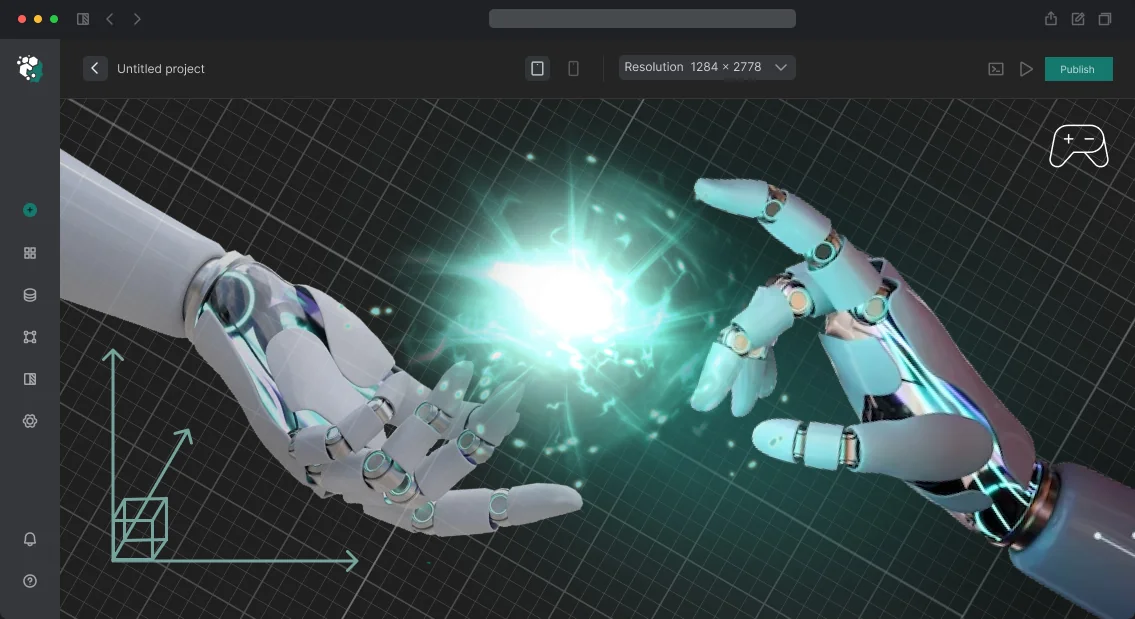
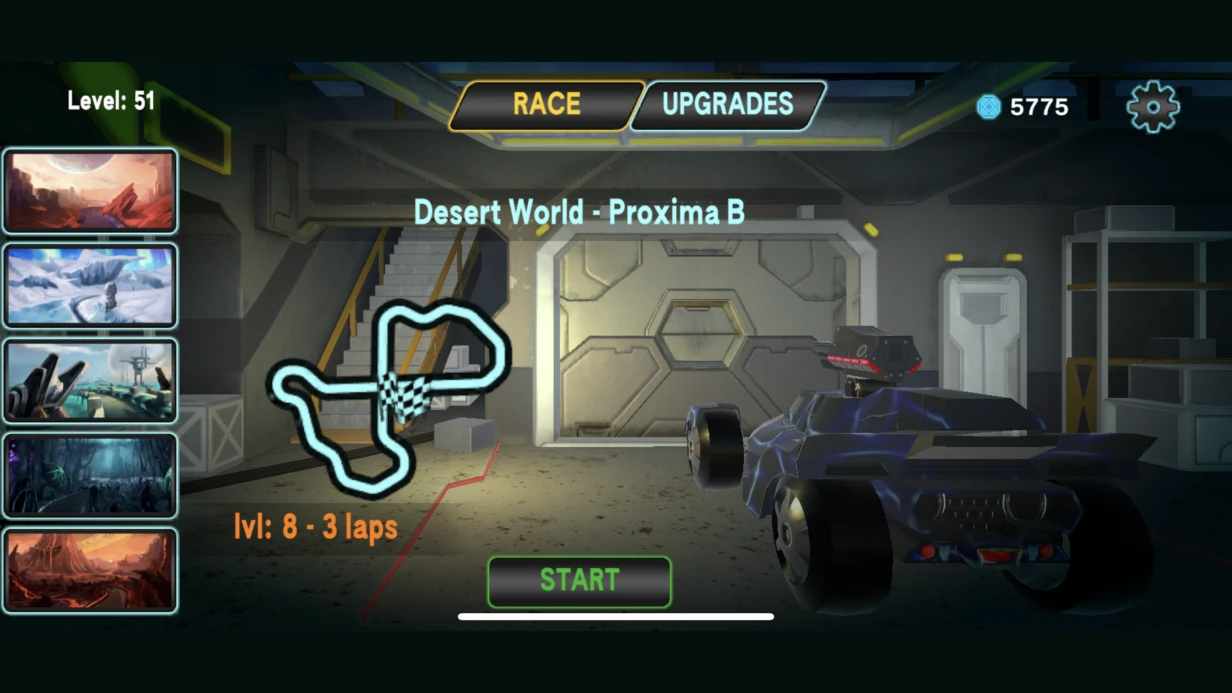

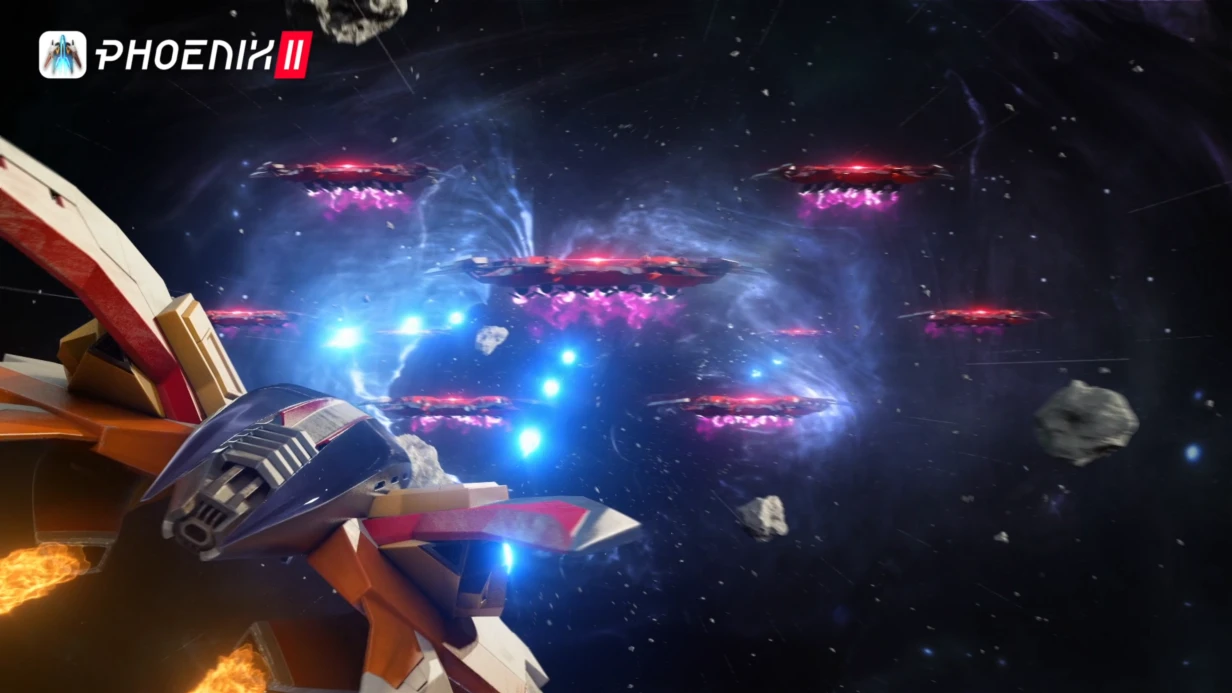
לקוחות עוזבים אם אפקטים חזותיים ב-UIElements נראים חלשים
אפקט חזותי חלש הוא לא רק תמונה שאפשר לסבול. זה אובדן תשומת הלב של השחקן כבר בסשן הראשון: אם הממשק והאפקטים המיוחדים נראים זולים, מנויים וקונים פשוט עוזבים למתחרים בלי להבין אפילו את מכניקת המוצר.
שחקנים שופטים את איכות המשחק לפי אסתטיקה מהר יותר מאשר לפי היגיון. אנימציות חלקות, פיצוצים עסיסיים או הדגשת פעולות מסודרת יוצרים תחושה של משחק "פרימיום" ששווה לשלם עליו.
במקביל, ויזואליה מנותקת שוברת את ההתמסרות: המשתמש מרגיש שהמוצר הושלך בחופזה, והם מטילים ספק באמינות הפיתוח כולו. אפקטים נכונים הם כלי לשימור קהל והגברת מעורבות, לא רק קישוט.
UIElements נותן לנו את היכולת ליצור במהירות אפקטים עשירים ומגיבים ישירות בתוך הממשק.
זה אומר שהשחקן רואה משוב חזותי מיידי: לחץ על כפתור — קיבל אנימציה קפיצית, פתח תפריט — הופיעה הדגשה חלקה, סיים רמה — ראה הבזק הישג בהיר.
כל מגע כזה מפחית חיכוך ושומר על תשומת הלב של השחקן בסיפור או במשחקיות. אבל העיקר הוא שאתה מקבל איכות תמונה מבוקרת ללא השבתה לעבודה מערכתית ארוכה.
כשאנחנו מבצעים ביקורת על הפרויקט שלך, אנחנו קודם כל מסתכלים על "צווארי בקבוק": איפה אפקטים פוגשים את הממשק ומפריעים לשחקן או נראים "ריקים." ואז אנחנו מהדקים את הפרטים שמשפיעים ישירות על שימור: תגובות לפעולות משתמש, משוב מערכתי וסגנון ויזואלי אחיד.
כתוצאה מכך, אפקטים מיוחדים מתחילים לעבוד עבור מדדים — שחקנים נשארים בפרויקט יותר זמן, חוזרים לעתים קרובות יותר ומוכנים יותר להמליץ על המשחק. זה לא קסם, אלא תוצאה של עבודה שיטתית עם VFX דרך UIElements.
זו הסיבה שפיתוח VFX איכותי הוא לא תוספת אופציונלית אלא דרך להגן על תקציבי הפרסום שלך ועל צמיחת הקהל. אנחנו לוקחים על עצמנו את כל המחזור: מקונספט האפקט ועד להבאתו לפעולה יציבה בפרויקט שלך. צור קשר — נראה לך איך אפקטים יכולים לשמר שחקנים ללא עלויות מיותרות.
מה גרפיקה איכותית ואפקטים מיוחדים נותנים לך
גרפיקת משחק איכותית ואפקטים מיוחדים מעוצבים היטב משפיעים ישירות על מעורבות השחקן. כשהרכיב הוויזואלי מגיב לכל פעולה, המשתמש מתמסר לתהליך ונשאר במשחק זמן רב יותר.
זה לא רק קישוט אלא כלי לשימור תשומת לב: התגובה הרגשית גורמת להם לחזור שוב ושוב.
סגנון ויזואלי ייחודי מגביר את הכרת המותג. אפקטים חיים ותמונה בלתי נשכחת מעודדים שחקנים לשתף צילומי מסך וסרטונים — הקהל עצמו מדבר על המוצר שלך ללא עלויות פרסום נוספות.
כל שיתוף ופרסום מרחיבים את הטווח, מחזקים את המיצוב ובונים קהילה פעילה סביב המשחק.
כל זה מוביל בסופו של דבר לצמיחת מדדים ולהגדלת מכירות. שחקן מעורב מוכן יותר לבצע רכישות בתוך המשחק, עוזב את הפרויקט בתדירות נמוכה יותר וממליץ עליו לחברים לעתים קרובות יותר.
גרפיקה איכותית עובדת עבור המרה ושימור, ומשפיעה ישירות על ההחזר על השקעת הפיתוח.
אנחנו משיגים את האפקט הזה דרך עבודה מקצועית עם כלים בזמן אמת, כולל Unity UIElements. זה מאפשר יצירת ממשקים ואפקטים מגיבים ללא אובדן ביצועים, כך שהמשחק נשאר חלק אפילו בסצנות רחבות היקף.
כתוצאה מכך, אתה מקבל מוצר חזק מבחינה ויזואלית שמסוגל להחזיק תשומת לב ולהמיר עניין להכנסות.
אנחנו עובדים עם גרפיקת משחק כבר למעלה מ-10 שנים וחידדנו גישות שמבטיחות איכות ועמידה בלוחות זמנים. אתה מקבל לא רק סט של אפקטים אלא פתרון מחושב היטב שמשתלב במשחק שלך ועובד עבור מטרות עסקיות. אנחנו מטפלים בכל הצד הטכני כך שתוכל להתמקד בפיתוח הפרויקט.
פורמטי הטמעה של UIElements לאפקטי משחק
הטמעת אפקטים מיוחדים למשחק דרך UIElements היא לא תמיד פרויקט גדול. לפעמים צריך משימה אחת, לפעמים תמיכה שוטפת.
בנינו את הפורמטים כך שאתה משלם בדיוק על היקף העבודה שפותר את המשימה שלך היום ויכול להרחיב בקלות את שיתוף הפעולה כשהפרויקט גדל.
להלן שלושה פורמטים המכסים תרחישים שונים: מתוצאות מהירות ועד למצב של "צוות מוטמע."
| פורמט | למי זה מיועד | מה הלקוח מקבל |
|---|---|---|
| משימה חד-פעמית | צריך ליצור במהירות אפקט ספציפי: אנימציית ממשק, אפקט מיוחד לאירוע, מסך פתיחה לא סטנדרטי | תוצאה מוגמרת על בסיס מפתח, לוח זמנים קבוע, עלות שקופה. אתה מקבל קבצים והוראה קצרה לצוות שלך. |
| אינטגרציה לפרויקט | UIElements משולב במשחק או יישום קיים, וחשוב לא לשבור את הלוגיקה הנוכחית | התאמה לארכיטקטורה שלך, התקנה זהירה לתוך הפרויקט, בדיקות תאימות. המוצר שלך עובד ביציבות, אפקטים לא מתנגשים עם שאר הממשק. |
| תמיכה ארוכת טווח | צריך אפקטים מיוחדים באופן קבוע: עדכונים, אירועים עונתיים, רמות חדשות, תיקונים מהירים | תור עדיפות, לוחות זמנים צפויים, מומחיות מצטברת בפרויקט שלך. אתה מקבל "צוות חיצוני" שמכיר את המוצר שלך ולא דורש התעמקות בהקשר. |
אם אתה לא בטוח איזה פורמט מתאים, התחל עם משימה חד-פעמית. תוך כמה ימים ניצור אפקט פיילוט, ותוכל להעריך איכות ומהירות. אחרי זה, קל לעבור לאינטגרציה או לשיתוף פעולה ארוך טווח — נחשב תנאים להיקף הנוכחי שלך.
בכל הפורמטים אנחנו עובדים עם כלי Unity מקצועיים, כך שהתוצאה צפויה ולא דורשת עבודה חוזרת. אתה מקבל לא רק תמונה יפה אלא אפקטים שלא מאטים את המשחק ועובדים נכון במכשירים שונים.
איך אנחנו יוצרים אפקטים: מבריף ועד השקה
השקת משחק היא תמיד מרוץ: לוח השנה צפוף, תיקונים בלתי נמנעים, ואפקטים חייבים להיכנס לבנייה בזמן. בנינו את התהליך כך שאתה רואה תוצאות בכל שלב ולא נתקל בהפתעות שבוע לפני השחרור. להלן שבעה שלבים שאנחנו עוברים איתך.
- בריף. אנחנו מגדירים מטרות אפקט: אילו רגשות הם צריכים לעורר, איפה הם משמשים, על אילו מכשירים. זה מגן מפני פרשנות שגויה בהתחלה.
- תוכנית. אנחנו מעריכים לוחות זמנים, היקף ופורמט עבודה. אתה מקבל לוח זמנים ברור עם שלבים ונקודות ביקורת.
- אבות טיפוס. אנחנו מראים איך האפקטים ייראו במשחק — ויזואלית, בלי שפה טכנית מסובכת. אתה מבצע עריכות לפני שהפיתוח העיקרי מתחיל.
- יישום. אנחנו בונים אפקטים במנוע באמצעות UIElements. זה מספק רינדור מהיר ואינטגרציה קלה לתוך הפרויקט שלך.
- בדיקות. אנחנו בודקים במכשירים שונים, מחפשים פיגורים ופגמים ויזואליים. אתה מקבל תמונה יציבה.
- השקה. אנחנו מספקים את האפקטים המוגמרים ועוזרים לשלב אותם בבנייה. המשחק יוצא לאור בזמן.
- תמיכה. אחרי ההשקה, אנחנו נשארים בקשר: מתקנים אי-דיוקים, מכווננים ביצועים, מתאימים אפקטים למכשירים חדשים.
הסדר הזה ברור לכולם: אתה תמיד יודע מה קורה ויכול להשפיע על התוצאה. אישור אב טיפוס לוקח ימים, לא שבועות — איטרציות קצרות, החלטות מתקבלות במהירות.
ואם יש לך אירועים עונתיים או עדכונים, אפקטים מותאמים בקלות אחרי ההשקה. בקשות חוזרות לוקחות זמן מינימלי כי אנחנו כבר מכירים את הפרויקט ואת הפרטים שלו.
מה כלול במסירה ואילו תוצאות מובטחות
אנחנו לא רק מוסרים "קבצים לארכיון" — אתה מקבל פתרון עובד ומערכת תמיכה ברורה. המסירה מורכבת עבור המשימה שלך וכוללת כל מה שהצוות צריך להשקה ולעבודה עצמאית נוספת.
- אפקטים מוכנים שכבר משולבים בפרויקט שלך: חלקיקים, אנימציות, אלמנטים אינטראקטיביים של ממשק — מופיעים במקום המיועד ועובדים מיד לאחר ההתקנה.
- כוונון עדין לתרחישים שלך: מהירות, צבעים, גדלים, טריגרים להפעלה — פרמטרים חשופים בשדות נוחים כך שתוכל לשנות התנהגות בלי לפנות למפתח.
- ביצועים יציבים במכשירים שונים: אפקטים בנויים על ערימת Unity המקצועית באמצעות UIElements ומותאמים כך שלא מעמיסים על היישום או מרוקנים סוללה.
- תיעוד ברור ברוסית: סכמת אינטגרציה, תיאורי פרמטרים, תרחישי שימוש טיפוסיים ותשובות לשאלות נפוצות — המומחה הטכני שלך יבין בלי תמיכה.
- הדרכה לצוות שלך: מפגשים קצרים על פרויקט אמיתי — אנחנו מראים איך לנהל אפקטים ולבצע עריכות, אתה מפסיק להיות תלוי בקבלן.
- אחריות על התוצאה: אנחנו קובעים לוחות זמנים וקריטריוני קבלה, בודקים אפקטים במכשירי יעד לפני מסירה ומספקים תמיכה אחרי ההשקה — אם משהו לא עובד, אנחנו מתקנים ללא תשלום נוסף.
- תמיכה אחרי מסירה: אנחנו עונים על שאלות, עוזרים עם עדכוני Unity וחידודים כך שאפקטים יישארו רלוונטיים.
התוצאה ברורה לפני שמתחילים: אתה מקבל מוצר ויזואלי תוסס, צוות מיומן וקבלן שנשאר בקשר. אנחנו לוקחים על עצמנו את הסיכונים של החמצת לוחות זמנים ואפקטים "גולמיים."
מקרה בוחן: צמיחה של 35% במעורבות עם VFX
משחקי מובייל חיים לפי כלל אחד: המסך הראשון קובע. אם השימור בהתחלה נמוך, אפילו מכניקות חזקות לא יצילו. אז כשהאולפן PixelWave פנה אלינו וביקש "להחיות את המשחק ויזואלית," התחלנו בניתוח נקודות החולשה.
התברר ששחקנים איבדו עניין כבר במסך בחירת הדמות: התמונה הסטטית לא עוררה רגשות, ומחצית מהמשתמשים סגרו את האפליקציה בתוך הדקות הראשונות.
עבדנו מחדש על האפקטים המיוחדים המרכזיים — הוספנו מעברים אנימטיביים חלקים, תגובה להקשות והדגשה דינמית של הגיבור הנבחר.
הכל נעשה על UIElements: זה אפשר לשמור על ביצועים גבוהים אפילו במכשירים ישנים, ללא פיגורים או גמגום. מדדנו את התוצאה עם מבחן השוואתי: קבוצה אחת של שחקנים ראתה את הגרסה הישנה, השנייה ראתה את החדשה.
תוך שבועיים, המעורבות גדלה ב-35%: משתמשים החלו לבלות זמן ניכר יותר במשחק, ושיעור החזרה ליום הבא גדל ב-28%.
כבונוס, ההמרה לרכישות גם גדלה — שחקנים שהרגישו תגובה לכל פעולה היו בסבירות גבוהה ב-22% לבקר בחנות ולבצע את העסקה הראשונה שלהם.
עבור האולפן, זה אומר לא רק "תמונה יפה" אלא קשר ישיר בין ויזואליה להכנסות. אחרי המבחן המוצלח, האולפן הזמין שלב שני — התאמנו אפקטים דומים לכל המסכים המרכזיים.
זמן הסשן גדל פי אחד וחצי, וההזמנה החוזרת אישרה: השקעה ב-VFX משתלמת. המקרה הזה הוא דוגמה לאיך אפקטים מיוחדים עשויים נכון עובדים עבור מדדים עסקיים, לא רק אסתטיקה.
שאלות נפוצות על פיתוח אפקטים מיוחדים למשחק
לפני הזמנת אפקטים מיוחדים, לקוחות בדרך כלל שואלים את אותן שאלות: כמה מהר נקבל תוצאות, לאיזה תקציב ניכנס, האם קשה לשלב אפקטים במשחק, והאם הם יתאימו לפרויקט קיים.
אנחנו עונים עליהן לפני שאתה אפילו מתחיל, כך שאתה מבין את התהליך ולא דואג לגבי סיבוכים נסתרים.
אנחנו יוצרים אפקטים חזותיים ב-Unity באמצעות UIElements — זה מאפשר לשלב אותם בצורה מסודרת בממשק ובסצנות. להלן תשובות לשאלות הנפוצות ביותר: הן יעזרו לך לתכנן את הפרויקט ולקבל החלטה בלי ספק מיותר.
כמה זמן לוקח ליצור אפקטים?
לוחות הזמנים תלויים במורכבות ובהיקף: אפקט בודד — מיומיים, מערכת מקיפה — כמה שבועות. אנחנו מפרקים את העבודה לשלבים ומראים גרסאות ביניים כך שתוכל לראות התקדמות ולבצע עריכות. אנחנו נותנים הערכה מדויקת אחרי בריף קצר.
איך נוצר התקציב?
אנחנו מספקים הערכה שקופה לפני תחילת העבודה — היא לא משתנה במהלך התהליך. העלות תלויה במספר האפקטים, ברמת הפירוט ובלוחות הזמנים. התשלום מחולק לשלבים, כך שאתה משלם לפי עבודה שהושלמה.
האם קשה לשלב אפקטים במשחק קיים?
אנחנו מטפלים באינטגרציה בעצמנו: אנחנו מגדירים אפקטים בבנייה שלך, בודקים אותם במכשירי יעד ובכל המסכים המרכזיים. אתה לא צריך לשכור מפתחים נוספים — אנחנו מתחברים לפרויקט מרחוק ועושים הכל בעצמנו.
האם האפקטים יהיו תואמים לגרסת Unity שלי?
בהתחלה, אנחנו בודקים תאימות לגרסה ולסביבה שלך. אנחנו משתמשים בכלי Unity סטנדרטיים, כך שאפקטים עוברים בקלות בין גרסאות שונות. אם יש לך תצורה לא סטנדרטית, נודיע לך מראש ונמצא פתרון.
השאר פנייה — נדון במשימות ונחשב את העלות
השאר פנייה — ובשלב הבא ממש, תלמד איך ניצור אפקטי VFX למשחק שלך, באיזה היקף ובאיזה מסגרת זמן. אנחנו מעריכים את הזמן שלך, אז התהליך אחרי הפנייה שלך מחודד לפרטים הקטנים: אתה מקבל פרטים, לא הבטחות כלליות.
הנה מה קורה אחרי שתכתוב לנו:
- אנחנו מקבלים את הבריף שלך — אתה מתאר בקצרה את הפרויקט, המשימות והתוצאה הרצויה, או שאנחנו קובעים שיחה כדי להבהיר פרטים.
- אנחנו מבצעים ניתוח — אנחנו מסתכלים על הפרויקט שלך, הסצנה הנוכחית או תיאור המשימה ומציעים אפשרויות פתרון ויזואלי.
- אנחנו מחשבים עלות ולוחות זמנים — אנחנו מכינים הערכה שקופה למטרות שלך: היקף עבודה, מספר אפקטים, שלבים.
- אנחנו יוצרים תוכנית עבודה — אנחנו מפרקים את התהליך לשלבים: מאב טיפוס ועד אינטגרציה סופית של האפקט בממשק ובמשחקיות.
- אנחנו מסכמים על כל הפרטים — אתה מקבל מסמך ברור עם היקף העבודה, לוחות הזמנים והתנאים, בלי הפתעות נסתרות.
- אנחנו מראים דוגמאות אם צריך — אנחנו מדגימים מקרים דומים כדי שתוכל לראות את רמת האיכות לפני שמתחילים.
ייעוץ, ניתוח והערכה הם חלק מתהליך העבודה. או שאתה מקבל פתרון מוכן ומתחיל לעבוד, או שאתה הולך עם תמונה ברורה של הפרויקט שלך. בכל מקרה, זה שלב מועיל למשחק שלך.
השאר פנייה, ונענה תוך יום עסקים אחד. נדון במשימות, נענה על שאלות ונציע תוכנית פעולה אופטימלית.
איך לבחור את הפורמט הנכון למשחק שלך?
בחירת פורמט לאפקטים מיוחדים למשחק היא לא שאלה של "מה יותר יפה" אלא "מה ישתלם במשחק שלך." אותו אפקט יכול להיות קל ומהיר, או כבד ויקר לתחזוקה. ההבדל הוא אם הוא מתאים לסגנון, לפלטפורמה וללוגיקה של הפרויקט שלך.
לפני שאנחנו מציעים פתרון, אנחנו מסתכלים על שלושה דברים: ז'אנר המשחק, מספר האלמנטים על המסך ומכשיר היעד. אם יש לך פרויקט קז'ואל שבו מהירות הטעינה חשובה, אפקטים צריכים להיות מינימליסטיים.
למשחק נרטיבי עם ויזואליה תוססת, אנימציות עשירות שמדגישות את האווירה מתאימות. טעות בשלב הזה יקרה: עיבוד מחדש של ויזואליה אחרי השקה אוכל את התקציב ודוחה את השחרור.
העצה המומחית כאן פשוטה: אל תבחר פורמט "בעין" ואל תעתיק פתרונות של מתחרים. היו לנו פרויקטים בפורטפוליו שבהם אותו כלי נתן תוצאות שונות — הכל היה תלוי במטרות.
זו הסיבה שאנחנו תמיד מתחילים בניתוח קצר: אנחנו מראים איך האפקט יתנהג במשחק, כמה משאבים הוא יצרוך ואיך הוא ישפיע על הרושם של השחקן. בשלב הזה, אתה מקבל את ההחלטה, ואנחנו לוקחים על עצמנו את היישום.
פורמט העבודה שלנו הוא לא "תביא אפיון וחכה." אנחנו קובעים את האפשרות המתאימה יחד איתך, מכינים אב טיפוס ב-Unity, ורק אחרי ה"כן" שלך אנחנו מביאים אותו לשחרור. ככה, אתה מקבל תוצאה צפויה, לא ניסוי עם לוחות זמנים ותקציב לא ברורים.
אם אתה לא בטוח איזה פורמט מתאים למשחק שלך ספציפית, שלח לנו תיאור פרויקט. נסתכל ונציע את האפשרות האופטימלית בהתחשב בלוחות הזמנים והמטרות שלך. זה לוקח כמה דקות אבל חוסך לך ניחושים ועלויות מיותרות.