


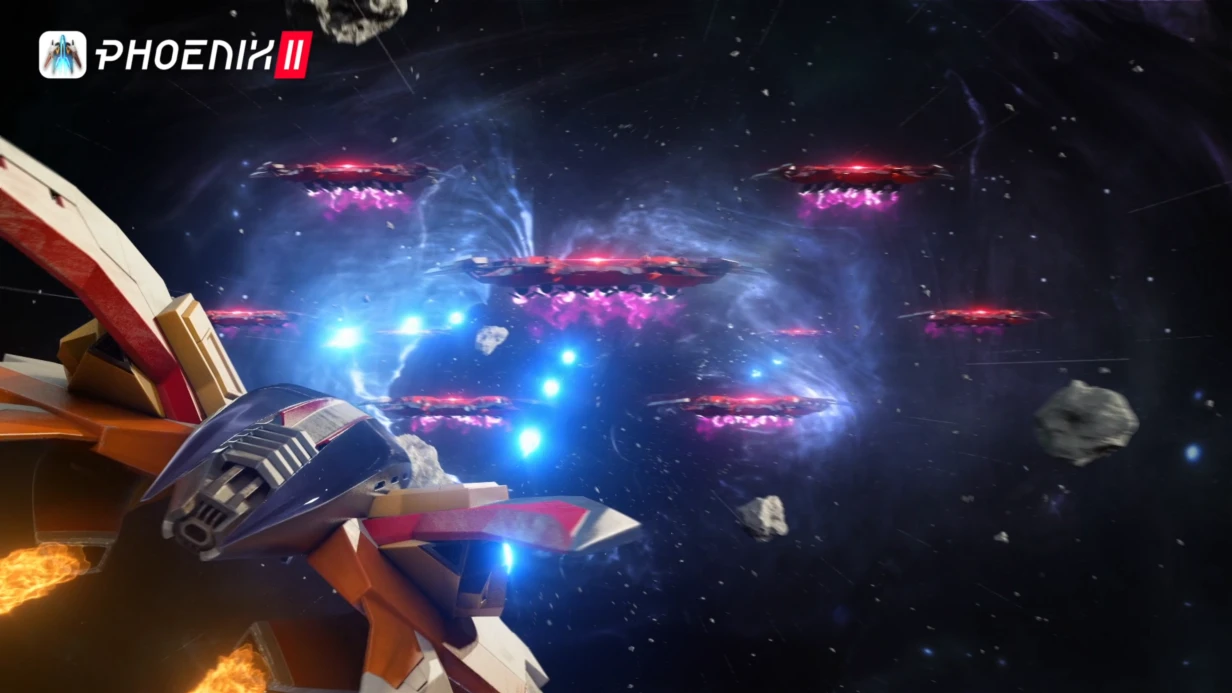
צילומי מסך פנורמיים של 360 מעלות לשיווק משחקי VR
דף משחק VR ב-Steam או ב-Horizon Store עם צילומי מסך שטוחים הוא הזדמנות שהוחמצה. פנורמות 360 נותנות לקונים פוטנציאליים את הדרך היחידה להרגיש את הקנה מידה והאווירה של סצנה לפני ההתקנה. אבל צילום פנורמה טובה ממשחק VR הוא לא לחיצה על כפתור אחד — זהו תהליך טכני נפרד שחידדנו בעשרות פרויקטים. הגדרת צילום נכונה יכולה לחסוך עד 50% מהתקציב על עיבוד מחדש — זו לא תיאוריה, אלא פרקטיקה מפרויקטים רבים.
מדוע צילומי מסך פנורמיים של 360 מעלות קריטיים למכירות?
משתמשי VR מחליטים על רכישה תוך שניות. צילום מסך שטוח אינו מעביר את תחושת הנוכחות — מחקרים מראים שדפים עם תצוגה מקדימה של 360 ממירים 30–40% יותר טוב. זה לא טריק שיווקי אלא תוצאה ישירה של אופן פעולת התפיסה במשקפת. אנו עוזרים למפתחים להגדיל המרות על ידי מסירת פנורמות שצולמו באופן מקצועי במפתח מלא.
אילו כלים דרושים לצילום פנורמות 360?
ב-Unity, התהליך סובב סביב Camera.RenderToCubemap() או שיידר הקרנה מותאם אישית על Custom Render Texture. ה-cubemap הסטנדרטי מוגבל על ידי maxCubemapSize (בדרך כלל 2048–4096 לכל פאה), ולכן לאיכות שיווקית אנו משתמשים בעיבוד רב-מצלמות (6×90° או 4×120°) עם תפירה לאחר מכן ב-PTGui או Hugin. ב-Unreal Engine — Movie Render Queue עם אפשרות צילום פנורמי, המספק equirectangular ישירות, אך גם דורש פוסט-פרודקשן. השוואה בין מונו לסטריאו: פנורמת סטריאו טובה פי 2 בתפיסת עומק, מאושר על ידי מבחני A/B שלנו.
תהליך בסיסי ב-Unity
השיטה הסטנדרטית היא מצלמה עם סוג הקרנה 360 Stereo Cubemap דרך Camera.RenderToCubemap(). התוצאה היא שש פאות cubemap מרובעות, שהומרו מאוחר יותר לפורמט equirectangular (הקרנה כדורית 2:1). פורמט זה מובן על ידי כל נגני ה-VR — YouTube 360, Facebook 360, מציג מובנה של Steam.
עם זאת, RenderToCubemap משמש רק לעתים רחוקות לחומרים שיווקיים — הרזולוציה מוגבלת על ידי maxCubemapSize מהגדרות הפרויקט, בדרך כלל 2048 או 4096 פיקסלים לכל פאה. זה לא מספיק לתוכן שיווקי באיכות גבוהה. עיבוד זורם בשיטה זו איטי פי 3–4 מצילום דרך Movie Render Queue ב-Unreal.
גישה מקצועית
אנו משתמשים בעיבוד דרך מספר מצלמות בזווית גבוהה עם חפיפה (6 כיוונים × 90°, או 4 × 120° עם חפיפות פיצוי) ברזולוציה המקסימלית האפשרית, ולאחר מכן תפירה ב-PTGui או Hugin. אם המנוע מאפשר — עיבוד ישיר ל-equirectangular דרך שיידר הקרנה מותאם אישית. ב-Unity, זה מיושם דרך Custom Render Texture עם שיידר הקרנה שהופך קואורדינטות UV מכדוריות למרחב מסך. המומחים שלנו מגדירים כל שלב כדי למזער חפצים (ארטפקטים).
מידע נוסף על Camera.RenderToCubemap בתיעוד Unity: Camera.RenderToCubemap
תהליך ב-Unreal Engine
ב-Unreal Engine — צילום מסך ברזולוציה גבוהה מובנה עם אפשרות Stereoscopic panoramic capture דרך תוסף Movie Render Queue. האיכות מחוץ לקופסה טובה יותר, אך עדיין דורשת פוסט-פרודקשן. אנו מתאימים הגדרות לכל סצנה: HDR, ללא טשטוש תנועה, מיקום מצלמה נכון (1.6–1.7 מ').
אילו קשיים מתעוררים ביצירת פנורמות VR?
הבעיה העיקרית היא חפצי סטריאו בזנית ובנאדיר. עבור פנורמות מונו זה לא קריטי, אבל עבור סטריאו יש לכסות את האזור בלוגו או אזור טשטוש. הקושי השני הוא תיקון צבע: מה שנראה נורמלי על מסך יכול לתת פס של חפצים לאורך קו המשווה ב-VR. לכן אנו משתמשים ב-DaVinci Resolve עם תצוגה מקדימה פנורמית. הגדרת צילום נכונה בלבד יכולה לחסוך עד 50% מהתקציב על צילום מחדש. מונו מול סטריאו: פנורמת סטריאו עדיפה פי 2 בתפיסת עומק, מאושר על ידי הבדיקות שלנו. צרו קשר לייעוץ והערכה מוקדמת.
השוואה בין פנורמות מונו וסטריאו
| פרמטר | מונו | סטריאו |
|---|---|---|
| תפיסת עומק | אין | מלאה |
| רזולוציה | 8K כדור אחד | 8K לכל עין (כפול נתונים) |
| מורכבות צילום | נמוכה | גבוהה |
| פוסט-פרודקשן | סטנדרטי | דורש כיסוי קטבים |
| מקרה שימוש | צילומי מסך Steam, אינטרנט | YouTube 360, Meta Horizon Home |
שלבי העבודה על פנורמה
- ניתוח סצנה: בחירת מיקומים עם ביטוי ויזואלי מקסימלי (עד 10 לפרויקט).
- הגדרת צילום: רזולוציה, HDR, ביטול טשטוש תנועה, מיקום מצלמה.
- צילום: עיבוד ברזולוציה גבוהה (8K ומעלה).
- תפירה: PTGui/Hugin לעיבוד רב-מצלמות.
- פוסט-פרודקשן: תיקון צבע, הסרת חפצים.
- המרה: הכנת קבצים סופיים בפורמטים equirectangular, cube map, תמונה ממוזערת 16:9.
מה כלול בתוצאה
אנו מספקים:
- קבצי מקור (עיבודים מרובי-תצוגות, HDR).
- פנורמות 360 מוכנות (8K מונו/סטריאו).
- תמונות תצוגה מקדימה (חיתוך אופקי 16:9 לתמונה ממוזערת).
- הוראות אינטגרציה לפלטפורמות.
- אחריות לעמידה בדרישות הטכניות של Steam, YouTube, Meta.
הזמינו ייעוץ לפרויקט שלכם כדי לדון בפרטים ולקבל הערכה מוקדמת.
דוגמה להגדרת צילום ב-Unity
- צרו מצלמה עם תג MainCamera.
- הגדירו מטריצת הקרנה דרך
Camera.RenderToCubemapאו השתמשו ב-render texture מותאם אישית עם שיידר הקרנה. - בטלו טשטוש תנועה ורזולוציה דינמית.
- עבדו ב-8192x8192 לכל פאה.
- תפרו פאות ל-equirectangular באמצעות PTGui או סקריפט עם ספריית
Occlusion.
לוח זמנים משוער
| היקף המשימה | לוח זמנים |
|---|---|
| 1–3 מיקומים, מונו 360, עיבוד בסיסי | 1–2 ימי עסקים |
| 5–10 מיקומים, סטריאו 360, פוסט-פרודקשן מלא | 4–7 ימי עסקים |
| חבילת שיווק מלאה עם פנורמות מונפשות | 2–3 שבועות |
צרו קשר לייעוץ והערכה מוקדמת. יצירת פנורמה במפתח מלא — אנו נעריך את הפרויקט שלכם ונציע את הפתרון האופטימלי.