


שחקנים עוזבים כבר בהתחלה: מעקב תנועות ידיים AR מאכזב
השקעתם בתחום AR, הבאתם שחקנים להשקה — ואחרי כמה דקות מחציתם כבר סגרו את האפליקציה. הסיבה כמעט תמיד אחת: השליטה במחוות במשחק מתבררת כמסובכת מדי. השחקן מושיט יד, המחווה מגיבה באיחור או בתנועה לא נכונה, ובמקום התלהבות הוא מקבל תסכול.
עבור העסק זה הפסד ישיר. שחקנים נוטשים את המשחק לפני שהם מספיקים להיכנס אליו, ולכן לא חוזרים ולא מזמינים חברים. עלויות הגיוס מחזירות את עצמן פחות ופחות, שימור השחקנים לא עולה, ומשחק AR ללקוחות הופך להדגמה יפה בלי תשואה.
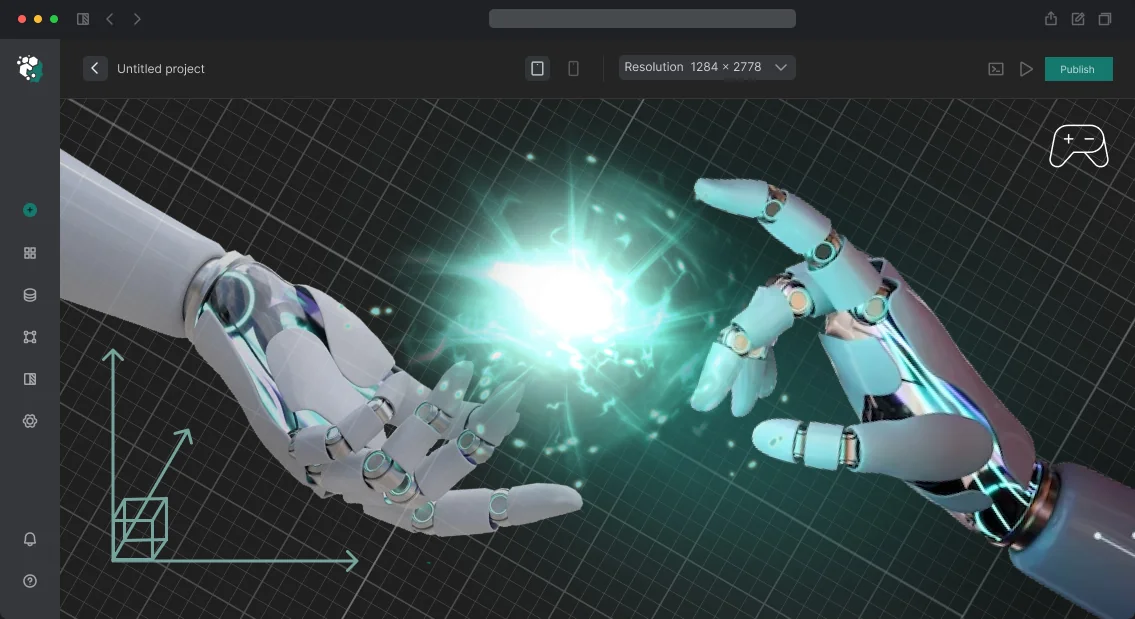
אנחנו סוגרים את זה. מכוונים את מעקב תנועות ידיים AR לתנועות אמיתיות של אנשים, ולא לתנאים אידיאליים: השחקן מרים כף יד — המשחק מגיב מיד, בלי השהיות ובלי «אזורים מתים».
רמזים ברורים בשניות הראשונות מסירים את החשש המרכזי «אני לא מבין מה לעשות». תגובה יציבה במכשירים רגילים הופכת את השליטה לצפויה לכל שחקן, ולא רק לשחקן מנוסה.
כשהמחווה מגיבה בפעם הראשונה, הדקות הראשונות מפסיקות להיות מסננת. שחקנים עוברים הדרכה בתוך המשחק, מגיעים לסצנות המרכזיות וחוזרים שוב — ואתם רואים עלייה בשימור, ולא דוח על כך שהקהל «לא הבין את המכניקה».
מה מקבל הפרויקט משליטה מדויקת במחוות
שליטה מדויקת במחוות מסירה את המחסום המרכזי בין האורח למשחק — מכשיר בידיים. האדם פשוט מרים יד, והדמות מחקה את התנועה: אין צורך להסביר חוקים, אין צורך להתרגל לכפתורים ולבקרים. סף הכניסה יורד לאפס, ולמשחק מצטרפים אפילו אלה שבדרך כלל חולפים ליד אזורים אינטראקטיביים.
מכאן מגיע הרווח הראשון — מעורבות השחקנים. בתוך משחק כזה האדם מבלה זמן רב יותר באופן מורגש, חוזר לסבב שני ושלישי ומביא חברים כדי להראות «איך עושים את זה». ליד העמדה מצטבר תור, וזה האות הטוב ביותר לשאר המבקרים שממש מעניין כאן.
הרווח השני — חשיפה לקהל ומודעות למותג. מחווה מדויקת נראית מרשימה בוידאו, ולכן האורחים מצלמים את המתרחש בעצמם ומפרסמים אצלם. המשחק ממשיך לעבוד עבורכם גם אחרי האירוע: אזכורי המותג חיים בפידים, ולא מסתיימים עם היום האחרון.
הרווח השלישי — לידים מפרויקט המשחק. בתסריט אנחנו משלבים בקפידה נקודות מגע: הרשמה, קוד קופון, מעבר לעמוד הרצוי. האדם משאיר פרטים בשיא ההתלהבות, ולא מתוך נימוס, ולכן הפניות מגיעות חמות יותר ומגיעות לשיחה ברצון רב יותר.
והרביעי — פניות חוזרות למכניקות חדשות. כשהשליטה מגיבה בפעם הראשונה, הלקוח חוזר למחוות חדשות, שלבים ועדכונים עונתיים. אנחנו עובדים עם כלים משומנים וציוד מקצועי, ולכן הפרויקט חי יותר מהשקה אחת, ולא מופעל מחדש מאפס בכל פעם.
פורמטים של שליטה במחוות למשימה שלכם
פורמט השליטה במחוות בוחרים לא לפי יופי הטכנולוגיה, אלא לפי המשימה העסקית. במשחק קז'ואלי חשוב לאדם להתחיל בשניות ולא לקרוא הוראות, באפליקציה לימודית — להביא את התנועה לאוטומטיזם, ובעמדה — להפתיע ולעכב את האורח מול המסך.
לכן אותו מעקב תנועות ידיים אנחנו מכוונים בדרכים שונות: משתנים הרגישות, מערך המחוות הנתמכות ואורך הסשן.
השוואת פורמטים
| פורמט | למי זה מיועד | מה זה נותן ללקוח |
|---|---|---|
| משחק קז'ואלי | מבקרי האירוע, קהל רחב | סשנים של 1-3 דקות, מעורבות בלי הדרכה ורמזים |
| אפליקציית AR לימודית | עובדים, סטודנטים, לקוחות השירות | המיומנות מתחזקת באמצעות תנועה, ולא טקסט — פחות טעויות אחרי ההדרכה |
| מצגת ארגונית | שותפים, משקיעים, אורחי העמדה | אפשר לגעת במוצר בידיים, ההדגמה נזכרת ונדונה |
| מכניקת שואו | אורחי אירועים, צופי שידור | רגש ברגע ופריימים מוכנים לרשתות החברתיות |
בחירת פורמט המשחק נעשית בשלב דיון המשימה: אנחנו בוחנים מי משחק בו, כמה זמן יש לאדם מול המסך ואיזה תוצאה אתם סופרים בדוח — חשיפה, שיעור המגיעים עד הסוף או כניסות חוזרות.
אם אתם מתלבטים בין מכניקה קז'ואלית לתסריט לימודי, נבנה אב טיפוס קצר ונבדוק את התגובה על אנשים אמיתיים, לפני שמשקיעים בבנייה מלאה.
איך אנחנו מכוונים מעקב תנועות ידיים: שלבי הפרויקט
הלקוח לא חייב להבין בטכנולוגיות — חשוב שיבין מה קורה, מתי ואיזו תוצאה הוא מקבל. לכן העבודה מתנהלת בשלבים שקופים: בכל שלב יש מה לראות ומה לאשר.
- בריף ומטרות. מבררים לשם מה צריך את המשחק: אירוע, חלון ראווה, הדרכת עובדים או פרומו. מזה תלויים התסריט, משך הסשן ומורכבות השליטה.
- תוכנית ואב טיפוס למחוות. בונים אב טיפוס מהיר שבו הידיים שולטות במשחק. עוד לפני הפיתוח המרכזי אתם רואים עד כמה זה מגיב ועד כמה זה מובן למבקר.
- תיאום מכניקות. מקבעים את מערך המחוות, החוקים וסיום הסשן. תיקונים בשלב הזה הם הזולים ביותר, ולכן אנחנו לא ממהרים ליישם.
- שלבי פיתוח המשחק. גרפיקה, סאונד ולוגיקה נבנים בגרסאות עוקבות — אתם רואים התקדמות, ולא רק תוצאה סופית.
- בדיקות על אנשים אמיתיים. בודקים אם היד לא מתעייפת, אם מתחילים מסתדרים וכמה זמן נמשכת כניסה אחת.
- השקת משחק AR. מכוונים את הציוד במקום, מדריכים את הצוות, עוקבים אחרי הסשנים הראשונים ומתקנים פרטים קטנים תוך כדי.
- תמיכה אחרי ההשקה. נשארים בקשר: מעדכנים תוכן, מוסיפים מכניקות, מטפלים בתקלות — אין צורך לחפש ספקים חדשים.
בכל שלב אתם רואים על מה אחראית הקבוצה ומה תקבלו בסוף. סדר כזה מסיר את הסיכון המרכזי — להשקיע זמן במשחק שלא עובד באתר שלכם.
מה ייכלל באספקה ויישאר אצל הצוות שלכם
אנחנו מוסרים את הפרויקט כך שיחיה בלעדינו. לא תצטרכו לחזור אלינו על כל תיקון קטן: הצוות שלכם מקבל את כל הנדרש כדי לפתח את המשחק בעצמו ולהוציא עדכונים.
- משחק מוכן עם שליטה בידיים. המחוות מכוונות ונבדקו על משתמשים אמיתיים — המשחק עולה ועובד במכשירי היעד בלי הפתעות.
- מעקב תנועות ידיים AR מכויל. הזיהוי מותאם לתסריט שלכם: התגובה יציבה, בלי הפעלות שווא שמעצבנות שחקנים.
- תיעוד פרויקט ברור. מתואר איך המשחק בנוי, היכן לשנות מחוות, סצנות ורמזים — המומחה שלכם יבין, ולא רק מחבר הקוד.
- הדרכת הצוות שלכם. מקיימים שיעורים מעשיים: העובדים בעצמם בונים עדכון, מתקנים מחווה ומוציאים גרסה חדשה.
- העברת קוד מקור וזכויות. חומרים, משאבים והרשאות עוברים אליכם באופן מלא — בלי חלקים סגורים והגבלות נסתרות.
- תוכנית לפיתוח המוצר. מנתחים מה להוסיף בהמשך: מחוות חדשות, שלבים, אתרים — עם סדרי עדיפויות לפי ההשפעה על השחקנים.
- ליווי אחרי ההשקה. תקופת תמיכה מוסכמת: עונים על שאלות הצוות ועוזרים עם העדכונים העצמאיים הראשונים.
מערך כזה סוגר את הסיכון המרכזי — «המשחק קיים, אבל אי אפשר לשנות בו כלום». אתם מקבלים מוצר עובד, ידע כיצד הוא בנוי, וזכות לקדם אותו הלאה בקצב שלכם.
מקרה בוחן: מכניקת מחוות ששמרה על השחקנים
המשימה מהלקוח
אלינו הגיעה קבוצה של פארק שעשועים משפחתי עם רעיון למשחק AR שבו המבקר שולט בדמות באמצעות מחוות — בלי בקרים וג'ויסטיקים. אב הטיפוס הראשון נכשל בשימור: האורחים לא הבינו מה רוצים מהם ונטשו את המשחק בשניות הראשונות, והצוות פיזית לא הספיק להסביר לכל אחד.
היינו צריכים להפוך את המכניקה למובנת מהתנועה הראשונה — כך שהמשחק יסלח למחוות לא מדויקות ולא ירתיע מתחילים.
מה שינינו ומה יצא
עבדנו מחדש על ההתחלה: סצנת הדרכה קצרה, רמזים לאורך הדרך, אזורי זיהוי «רכים» שבהם המערכת לא מענישה על תנועה מטושטשת. בנפרד הרצנו בדיקות מחוות בגילים שונים ובסוגי ידיים שונים — ילדים, מבוגרים, מבקרים בכפפות — והסרנו אזורים שבהם כף היד הלכה לאיבוד.
המשחק ZooQuest אחרי השדרוג נתן שינוי מדיד: עד סוף הסשן הגיעו פי שלושה יותר שחקנים, המחווה המוצלחת הראשונה התקבלה בתוך שניות ספורות במקום ניסיונות ארוכים, וההפעלות החוזרות בביקור אחד גדלו — האורחים חזרו כדי לעבור את השלב טוב יותר.
עבור הפארק זה לא «טכנולוגיה יפה», אלא זרימה: פחות סשנים נטושים, תור חי ליד האזור, מודעות לאתר והזמנה חוזרת לשלבים חדשים. הניסיון שלנו בפיתוח משחקים אומר דבר אחד: שימור נשען לא על ראוותנות, אלא על כמה מהר האדם מבין מה לעשות עם הידיים. תארו את המשימה שלכם — נחזור עם הערכה ותוכנית.
איך לבחור פורמט שליטה לקהל שלכם?
בחירת פורמט השליטה היא לא שאלה של טכנולוגיה, אלא שאלה של מי וכמה זמן ישחק. התחילו מדיוקן הקהל: ילדים ומבקרים אקראיים באירוע יתפסו מחווה פשוטה בשתי שניות, ושחקנים מנוסים מצפים לעומק ומוכנים ללמוד. לכן אנחנו תמיד יוצאים מהאנשים, ומתאימים את מעקב תנועות ידיים AR אליהם, ולא להפך.
מורכבות המחוות צריכה להתאים למוכנות הקהל. תנועה בודדת — כף יד, צביטה, הנפה — לא דורשת הסברים ולא מפחידה מתחיל. שילובים מורכבים נותנים עומק, אבל כל צירוף חדש חותך חלק מהשחקנים אם אין במה לחזק אותו על המסך. הכלל פשוט: ככל שזרימת האנשים רחבה ואקראית יותר, כך הנתיב מהכוונה לפעולה קצר יותר.
משך הסשן והתסריט של המשחק מכתיבים את השאר. עלילה קצרה לכמה דקות — לעמדה, חלון ראווה, שואו: האדם צריך לעזוב עם רגש, ולא עם הוראות בראש. סיפור ארוך עם התפתחות ושלבים מוצדק במקום שבו השחקן חוזר בעצמו — אז מחוות מורכבות והדרכה משתלמות.
בפועל אנחנו בונים שניים-שלושה אבות טיפוס של שליטה לקהל שלכם ובודקים אותם על אנשים אמיתיים עוד לפני הפיתוח המרכזי. כך הפורמט נבחר לפי המציאות — לפי איך שמשחקים באמת, ולא לפי איך שתכננו. בסוף אתם מקבלים שליטה שלא מסיחה מהמשחק, אלא הופכת אותו לטבעי.
ספקות נפוצים של לקוחות לפני התחלה
ספקות לפני התחלה הם דבר נורמלי, ואנחנו לא מחליקים אותם. לרוב הלקוח חושש מדבר אחד: נשקיע באזור AR, ואחרי חודש הוא יעמוד ואין מי שיטפל בו. לכן סיכונים, תמיכה וסדר השדרוגים אנחנו מסכמים לפני החתימה, ולא אחרי התקלה הראשונה.
מה אם אחרי ההשקה משהו יפסיק לעבוד?
אנחנו נשארים בקשר גם אחרי המסירה: עוקבים אחרי מצב המתקן, כדי לדעת על תקלה לפני המבקרים, ולא מהם. לכל פרויקט יש סדר תגובה מוסכם — מי מצטרף, תוך איזה זמן ומה עושה. המשימה שלכם — רק להודיע שמשהו לא תקין.
מי אחראי לפרויקט אחרי ההשקה?
האחריות לא מסתיימת בהשקה: תנאי התמיכה והאחריות מקבעים בחוזה. אם התקלה קרתה בחלק שלנו — מתקנים על חשבוננו ובמועד מוסכם. נשאר לכם ספק אחראי אחד, ולא התכתבות בין כמה ספקים.
אפשר לשדרג משהו אחרי ההשקה?
כן, וזה חלק רגיל מהעבודה. לעדכן תסריט לקראת עונה, להוסיף משחק חדש, לעצב מחדש את האזור לקראת מבצע — שדרוגים כאלה מתכננים מראש, כדי לא להרכיב את הפרויקט מחדש מאפס. אנחנו מיד מראים מה תוכלו לשנות בכוחות עצמכם, ואיפה נדרש הצוות שלנו.
ואם פרויקט AR לא יניב תשואה?
את הסיכון מפחיתים עוד לפני ההתחלה: מתחילים מאזור אחד ומדדים ברורים — כמה אורחים שומרים, כמה חזרו, איך גדל הזמן באזור. אם המדדים מספקים, מרחיבים לשאר האתרים; אם לא — עוצרים בשקט בלי השקעות גדולות.
תארו את המשימה — נחזור עם הערכה, תוכנית ותיאור ברור של איך תיבנה התמיכה והאחריות. אז תקבלו החלטה לגבי ההתחלה מתוך הבנה מה קורה בכל נקודה בפרויקט.נדון במשימה — נחזור עם הערכה ותוכנית
ספרו מהו המשחק ולשם מה יש בו מחוות: אילו פעולות השחקן מבצע בידיים, כמה אנשים בו-זמנית בפריים, באילו מכשירים הכל צריך לעבוד. זה מספיק כדי להבין את ההיקף ולחזור אליכם עם הערכה ותוכנית עבודה — בלי התחייבות לחתום על משהו בשלב הזה.
לאחר הפנייה תקבלו:
- ניתוח המשימה והשאלות שכדאי לסגור לפני תחילת הפיתוח.
- הערכה ותוכנית עבודה לפי שלבים עם לוחות זמנים אמיתיים לפרויקט.
- הכנת הצעה: הרכב העבודות, מה אנחנו עושים, מה נדרש מצדכם.
- המלצות למעקב תנועות ידיים לתסריט שלכם — היכן מחוות יניבו אפקט, והיכן פשוט יותר להסתפק בכפתורים.
- תוכנית בדיקות: על איזה קהל ובאילו תנאים בודקים את הזיהוי.
- אומדן לוחות זמנים להשקה ולאופן שבו הפרויקט מתרחב בהמשך.
- תשובות לשאלות על תמיכה ושדרוגים אחרי ההשקה.
פנייה לפיתוח היא שיחה עניינית, לא מצגת. תארו את המשימה בצורה נוחה לכם: בקצרה על הפרויקט, לוחות הזמנים ומה שכבר קיים. נחזור עם הערכה, תוכנית והצעה, וההחלטה תהיה שלכם.