


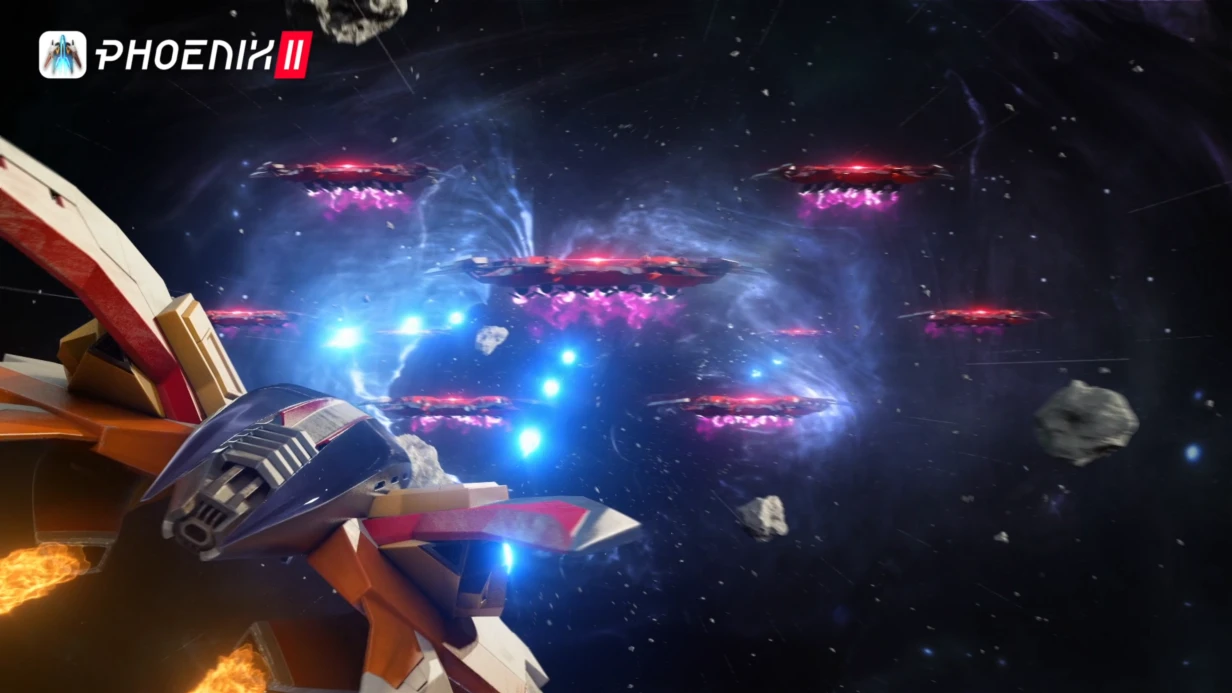
משחקי VR ל-Apple Vision Pro: איך לשמור על מעורבות הלקוחות
בעוד שהמתחרים מציעים למבקרים מסכים רגילים ומצגות, השוק כבר נע לכיוון מחשוב מרחבי.
משחק VR ל-Apple Vision Pro הוא לא רק בידור—זו דרך להחזיק את תשומת הלב של הלקוח למשך 10–15 דקות כשהפרסום המסורתי מפסיד במאבק על המבט שלהם. לכן מותגים שמאמצים את הפורמט הזה ראשונים זוכים למוניטין של מובילים טכנולוגיים.
הסוד האמיתי הוא זה: מחשוב מרחבי יוצר תחושת נוכחות מלאה. אדם לא צופה בתמונה—הוא בתוך התרחיש, וזה עובד על זיכרון רגשי.
חוויה סוחפת מורגשת באופן אישי, ולכן היא נזכרת חזק פי כמה מסרטון או באנר. האורחים לא פשוט עוזבים את האירוע—הם מספרים עליו לחברים ומשתפים תמונות וסרטונים מהאפליקציה, מה שיוצר חשיפה חינמית.
ללא הכלי הזה, עסק מאבד בשקט קהלים צעירים שמחפשים תחושות חדשות. פורמטים מסורתיים עדיין עובדים, אבל היעילות שלהם יורדת מדי שנה.
אם המתחרים שלכם כבר משתמשים במשחק VR ל-Apple Vision Pro, אז האורחים משווים חוויות לא לטובתכם.
אנחנו עוזרים לסגור את הפער הזה במהירות ובלי להיכנס לפרטים טכניים. אתם מקבלים תרחיש משחק מוכן שפותר את המשימה הספציפית שלכם—בין אם זה משיכת מבקרים, הכשרת עובדים או השקת מוצר חדש.
אנחנו מטפלים בכל תהליך הפיתוח, מהרעיון ועד הפרסום ב-App Store. התפקיד שלכם הוא להגדיר את המטרה; אנחנו דואגים לכל השאר.
מה מספק פיתוח משחקי VR במפתח סגור
האורחים עייפים ממצגות זהות ופעילויות סטנדרטיות. משחק VR על Apple Vision Pro הוא אירוע שמדברים עליו, מצלמים אותו וזוכרים אותו. עבור עסקים, זה לא רק בידור אלא דרך להתבלט ולהפוך תשומת לב לתוצאות מדידות.
רושם חזק וחשיפה חינמית
כל משתתף מקבל חוויה סוחפת אישית שאי אפשר לתאר במילים. אנשים מצלמים סרטונים בעצמם, משתפים את ההתרשמות שלהם ברשתות החברתיות וחוזרים עם חברים—כך המותג שלכם זוכה לחשיפה ללא תקציב פרסום.
מניסיוננו, פוסטים של אורחים על פעילויות VR זוכים להרבה יותר מעורבות מתמונות אירוע רגילות. זה בונה הכרה במשך שבועות אחרי האירוע.
החזר השקעה וצמיחה בהכנסות
משחק VR מחזיק תשומת לב למשך 5–7 דקות יותר מרוב אזורי האינטראקטיב. בזמן הזה אפשר להציג מוצר, לאסוף פרטי קשר או להריץ מיני-מצגת—כל משתתף הופך לליד פוטנציאלי.
הפורמט הזה מחזיר את ההשקעה לא רק דרך מכירות ישירות: הוא מבדל את החברה שלכם מהמתחרים ומעלה את הסל הממוצע בהצעה מקיפה. חוויה אחת חיה משאירה רושם חזק יותר מעשרות ברושורים סטנדרטיים.
הכרת מותג בלתי נשכחת
משחק VR מאפשר לשלב את המותג בעלילה: מלוגואים על אובייקטים וירטואליים ועד אסוציאציות עם המוצר. המשתתפים לא רק צופים בפרסומת—הם חיים סיפור שמחובר לחברה שלכם.
אחרי חוויה כזו, המותג מזוהה עם חדשנות ודאגה ללקוח. זה בדיוק מה שמגביר נאמנות ואת הסבירות למעורבות חוזרת.
לנו—לצוות שלנו—יש 10 שנות ניסיון בפיתוח משחקי VR במפתח סגור ל-Apple Vision Pro, מהרעיון ועד ההשקה. אנחנו עוזרים לכם לבחור את הפורמט, לכתוב את התרחיש, להריץ בדיקות ולשלב את הפעילות באירוע שלכם. אנחנו מטפלים בכל פרט, ואתם מקבלים כלי מוכן לצמיחה בהכנסות ובהכרה.
פורמטים של פרויקטי VR ל-Apple Vision Pro
מחשוב מרחבי עם Apple Vision Pro משנה את כללי המשחק באינטראקציה עם תוכן דיגיטלי. עבור עסקים, זו הזדמנות ליצור תרחישים מרשימים—מדמו קצר ועד משחק מלא שמעסיק את הלקוח למשך 20–30 דקות. המפתח הוא לבחור את הפורמט שפותר את המשימה שלכם, לא לרדוף אחרי קנה מידה.
אנחנו מזהים שלושה פורמטים בסיסיים לפרויקטי VR. הם נבדלים במשך, בעומק החוויה ובתקציב, אבל כל אחד עושה דבר אחד: הופך את הרעיון שלכם לתוצאה מדידה—הכרה טובה יותר, עניין במוצר, ביקורים חוזרים.
| פורמט | למי זה מיועד | מה זה נותן ללקוח |
|---|---|---|
| דמו קצר (3–5 דקות) | דוכני תערוכות, תערוכות, אולמות תצוגה | מעורבות מיידית, רושם חי, תמונות וסרטונים לרשתות החברתיות |
| חוויה אינטראקטיבית (10–15 דקות) | מצגות, הכשרות, אירועי חברה | שקיעה עמוקה, זכירה של יתרונות המוצר המרכזיים |
| משחק מלא (30+ דקות) | אזורי משחק, בידור, תערוכות קבועות | מגע ממושך עם המותג, ביקורים חוזרים, ניתוח התנהגות |
אם אתם לא בטוחים איזה פורמט מתאים לכם, נתחיל עם דמו קצר ונשתמש בו כבסיס לפרויקט גדול יותר. תקבלו תרחיש עובד, לא רעיון מופשט.
איך עובד הפיתוח: שלבים ולוחות זמנים
תהליך ברור הוא חצי מהקרב. אתם תמיד יודעים באיזה שלב נמצא הפרויקט, מה תקבלו ומתי המשחק יהיה מוכן.
לכן בנינו פיתוח משחקי VR ל-Apple Vision Pro כמסלול שקוף: מהבריף הראשון ועד ההשקה והתמיכה השוטפת.
שלבי העבודה
- בריף וניתוח משימה — אנחנו דנים במטרות, בקהל היעד ובתרחיש השימוש במשחק, ומגדירים ציפיות וקריטריוני קבלה.
- קונספט ותרחיש — אנחנו מציעים מכניקת משחק, סגנון ויזואלי וסיפור. אתם מאשרים את הקונספט לפני תחילת הפיתוח—בלי הפתעות בשלב הסופי.
- אב-טיפוס — אנחנו יוצרים גרסה ניתנת למשחק של המכניקה המרכזית. אתם רואים ו"מרגישים" את המשחק על המכשיר ומבינים איך הוא יעבוד.
- פיתוח ותוכן — אנחנו ממלאים את המשחק בתוכן, בממשקים ובאינטגרציות הנדרשות. אנחנו מציגים גרסאות ביניים, כך שאתם נשארים מעודכנים בהתקדמות.
- בדיקות — אנחנו בודקים יציבות, שימושיות וכל התרחישים על מכשיר אמיתי. אנחנו מוצאים ומתקנים בעיות לפני שהמשתמשים רואים אותן.
- השקה ופרסום — אנחנו מכינים את כל החומרים ל-App Store, עוברים את הביקורת ומפרסמים את המשחק. אנחנו מעבירים פרטי גישה, חשבונות ותיעוד.
- תמיכה וצמיחה — אנחנו נשארים בקשר אחרי ההשקה: עדכונים, ניתוחים ושיפורים על סמך השימוש.
לוחות הזמנים תלויים במורכבות ובהיקף—בדרך כלל בין חודש וחצי לארבעה חודשים. אחרי כל שלב אתם מקבלים תוצר ברור: מסמך קונספט, אב-טיפוס או גרסת בדיקה.
תיקונים מתקבלים בנקודות ביקורת, כך שאתם לא מבזבזים תקציב ותמיד רואים לאן הפרויקט הולך.
מה אתם מקבלים בחבילה הסופית
החבילה הסופית כוללת לא רק את המשחק, אלא גם את כל מה שצריך כדי להפעיל ולצמוח איתו. אתם מקבלים נכס עם זכויות, תיעוד והדרכה—כך שאתם לא תלויים בנו אחרי ההשקה.
- אפליקציית VR מוכנה ל-Apple Vision Pro, שנבדקה ומותאמת, כולל קבצי התקנה ותמיכה בפרסום.
- קוד מקור מלא וכל חומרי הפרויקט. זה הרכוש שלכם—אתם יכולים להביא כל קבלן ולפתח את המוצר ללא הגבלות.
- תיעוד לצוות שלכם: מדריכי התקנה, הגדרה, ניהול והוראות משתמש. עובדים חדשים נכנסים לעניינים במהירות.
- הדרכת צוות. אנחנו מעבירים ידע על ניהול ועדכוני תוכן כדי שתוכלו לנהל את המשחק בעצמכם.
- גרסאות לתרחישים שונים: פרסום ב-App Store, התקנה ארגונית והדגמות בתערוכות. אתם לא צריכים להתעסק בפרטים טכניים.
- גישה למאגר הפרויקט ולהיסטוריית השינויים. אתם נשארים בשליטה ויכולים להעביר את העבודה לצוות אחר בכל עת.
החבילה כולה מועברת עם תעודת קבלה. כל הפריטים מפורטים בחוזה, והקבלה נעשית מול רשימת בדיקה—אתם מוודאים כל תוצר ואת הפונקציונליות שלו. אחרי ההשקה, אנחנו נשארים בקשר: במהלך תקופת האחריות, אנחנו מתקנים באגים ועונים על שאלות.
מקרה בוחן: איך בנינו אטרקציית VR ל-Apple Vision Pro
אחד הלקוחות שלנו—רשת פארקים משפחתיים בשם Wonder Park—התמודד עם אתגר אופייני בענף: אורחים חלפו על פני מתחמים חדשים, ומסכים החזיקו את תשומת הלב רק לכמה שניות.
המטרה הייתה ליצור חוויה רגשית שתחזיר מבקרים ותגרום להם לספר לחברים. פיתחנו אטרקציית VR המבוססת על Apple Vision Pro—לא דוכן הדגמה, אלא תרחיש משחק מלא שבו האורח הופך לגיבור.
איך התנהל הפרויקט
בשישה שבועות עברנו מבריף להשקה: כתבנו את התרחיש, התאמנו את המכניקה לסביבה האמיתית של הפארק והגדרנו את הבקרות—למנהל צריך רק 30 שניות לתדריך.
בשבועיים הראשונים אחרי ההשקה נשארנו באתר וליטשנו פרטים כדי שהלקוח יקבל מוצר מושלם.
תוצאות במספרים
המשך הממוצע של סשן VR גדל ל-11 דקות, לעומת 2–3 דקות למסכים רגילים. בחודש הראשון, האורחים השלימו יותר מ-4,000 סשנים לעומת 1,500 מתוכננים, ותשעה מתוך עשרה משתתפים צילמו תמונות וסרטונים מיד לאחר מכן. הפוסטים של האורחים יצרו יותר מ-300,000 צפיות—חשיפה אורגנית ללא תקציב פרסום.
הסל הממוצע בבית הקפה הסמוך גדל ב-22%, ואחד מכל חמישה מבקרים חזר לפארק עם חברים תוך שבועיים. עבורנו, מדדי ההצלחה הם זמן השהייה של האורחים, ביקורים חוזרים, חשיפה חינמית ועלייה במכירות באזורים סמוכים.
אם יש לכם אתגר דומה, תארו אותו בטופס למטה, ואנחנו נעצב תרחיש למתחם שלכם.
איך לבחור את הפורמט הנכון למשימה העסקית שלכם?
בחירת פורמט ל-Apple Vision Pro תמיד מתחילה לא בטכנולוגיה אלא בשאלה: מה צריך להשתנות כתוצאה מכך?
איש משאבי אנוש צריך לזרז את הקליטה של עובדים חדשים, מארגן אירועים צריך לאסוף פרטי קשר ולהרשים אורחים, מחלקת מכירות צריכה להציג את המוצר בצורה ברורה.
אותה פלטפורמה פותרת את המשימות האלה בדרכים שונות, והפורמט הוא זה שקובע אם הפרויקט יהיה אפקטיבי.
דמו אינטראקטיבי קצר של שתיים עד שלוש דקות עובד מצוין בתערוכות: הוא מושך תשומת לב, נשאר בזיכרון ונותן לאנשים סיבה לדבר. תרחיש ארוך יותר עם תרגילים ומשוב מתאים להכשרות ארגוניות.
משחק מלא עם רמות והישגים מתאים להשקה בחנות האפליקציות ולהרחבת קהל המותג. לכל פורמט יש לוחות זמנים, תקציב ועוצמת פיתוח משלו.
כאן נדרשת ייעוץ. אנחנו מפרקים את המשימה שלכם, שואלים שאלות על הקהל, תרחישי השימוש והתוצאות הצפויות. אפילו במהלך הדיון הראשון מתברר איזה פורמט יביא הכי הרבה ערך ואיזו השקעה תהיה מוצדקת.
במשך שנים של ניסיון בפיתוח ל-Apple Vision Pro, ראינו פרויקטים שהחזירו את ההשקעה בגלל בחירת פורמט נכונה ואחרים שבהם היקף לא מוצדק הוביל לבזבוז זמן.
לכן אנחנו נותנים המלצות כנות: לפעמים אב-טיפוס מספיק כדי לבדוק רעיון, ולפעמים צריך לבנות פתרון מלא מיד. תקבלו תוכנית פעולה ברורה ולוחות זמנים ריאליים.
אם אתם לא בטוחים מאיפה להתחיל, התחילו בייעוץ קצר. ספרו לנו על המשימה העסקית שלכם, אנחנו נציע את הפורמט הנכון ונראה דוגמאות לפרויקטים דומים. זה ייקח לא יותר משעה וייתן לכם את הבהירות הדרושה להחלטה בטוחה.
התייחסות לחששות ופחדים של לקוחות
אנחנו מבינים: ההחלטה לפתח משחק VR ל-Apple Vision Pro מעלה שאלות—מהעלות ועד הסיכון שהציוד לא יתפוס אצל האורחים. אז בואו נטפל בחששות הנפוצים ביותר לפני שתקבלו החלטה.
כמה עולה הפיתוח וממה מורכב המחיר?
המחיר תלוי במורכבות התרחיש, במספר הסצנות ובלוח הזמנים. אחרי הבריף, אתם מקבלים הערכה שקופה: פיתוח, בדיקות, השקה ותמיכה. בלי עמלות נסתרות—הסכום הסופי קבוע בחוזה.
מה אם המכשיר נשבר או הולך לאיבוד?
הציוד מבוטח למשך האירוע, והמומחה שלנו נוכח במקום. הם מגדירים את התרחיש, עוקבים אחרי הטעינה ומחליפים במהירות את המכשיר ממאגר רזרבי אם מתרחש תקלה.
האם המשחק קשה לשימוש עבור האורחים?
הבקרות במשחק ה-VR אינטואיטיביות—אפילו אנשים שמעולם לא השתמשו במכשירים כאלה קולטים את זה תוך 30 שניות. לפני תחילת הסשן, האורח רואה רמז קצר על המסך ובמידת הצורך מקבל עזרה מהצוות שלנו.
אילו ערבויות אתם מספקים?
אנחנו קובעים בחוזה את לוח הזמנים להשקה, את ההערכה הסופית ואת היציבות התפעולית. אחרי מסירת הפרויקט, אנחנו נשארים בקשר: למשך חודש, אנחנו מתקנים כל בעיה ללא עלות ומייעצים לצוות שלכם. תמיכה טכנית באתר כלולה גם היא במחיר.
אם יש לכם שאלות אחרות, שאלו אותנו ישירות ונשיב תוך יום עסקים אחד.מוכנים לדון בפיתוח? השאירו בקשה
אנחנו יודעים שפרויקט על Apple Vision Pro הוא צעד נועז שיבדל אתכם מהמתחרים. אבל כדי שהוא יניב תוצאות, חשוב להסתמך מההתחלה על אנשים שכבר עברו את הדרך מרעיון למוצר עובד.
אז אל תדחו את זה: ספרו לנו על המשימה שלכם, ואנחנו נראה לכם איך לפתור אותה מהר יותר ויעיל יותר.
השאירו בקשה ואנחנו ניצור קשר בקרוב כדי לדון בפרטים. תקבלו לא רק תשובות לשאלות שלכם, אלא צעדים קונקרטיים ליישום משחק ה-VR שלכם במפתח סגור: מהקונספט ועד ההשקה והתמיכה הטכנית.
מה תקבלו אחרי שליחת בקשה
- ייעוץ אישי — נבחן את המשימה שלכם ונציע את הפתרון הטוב ביותר לעסק שלכם, בלי עומס טכני מיותר.
- הערכת פרויקט — נגיד לכם בכנות כמה זמן ייקח הפיתוח ואילו משאבים נדרשים, כדי שתוכלו לתכנן את התקציב.
- דוגמאות ומקרי בוחן — נראה איך פרויקטי VR פתרו אתגרים דומים ומה מזה רלוונטי עבורכם.
- תוכנית עבודה ברורה — נפרק את התהליך לשלבים עם תוצאות מובנות, כך שתראו התקדמות בכל שלב.
- אופטימיזציה ל-Vision Pro — נתחשב במאפייני הפלטפורמה כך שהמשחק ייראה טבעי וינצל את כל יתרונות המכשיר.
- תמיכה לאחר ההשקה — אנחנו נשארים בקשר ועוזרים בעדכונים ושיפורים בזמן שהפרויקט פעיל.
איך להתחיל?
מלאו טופס קצר או כתבו לנו במסנג'ר נוח. אתם לא צריכים להכין מפרט טכני—פשוט תארו את המשימה שלכם במילים שלכם.
נשאל שאלות הבהרה ונציע פתרון שעובד לקראת המטרה שלכם, בין אם זה משיכת לקוחות חדשים, הכשרת עובדים או יצירת רושם בלתי נשכח לאורחים.
קחו את הצעד הראשון לקראת פרויקט שאנשים יזכרו. השאירו בקשה, ותוך יום תדעו איך להפוך את הרעיון שלכם למציאות.